Last Updated on November 26, 2025 by Bilal Hasdemir
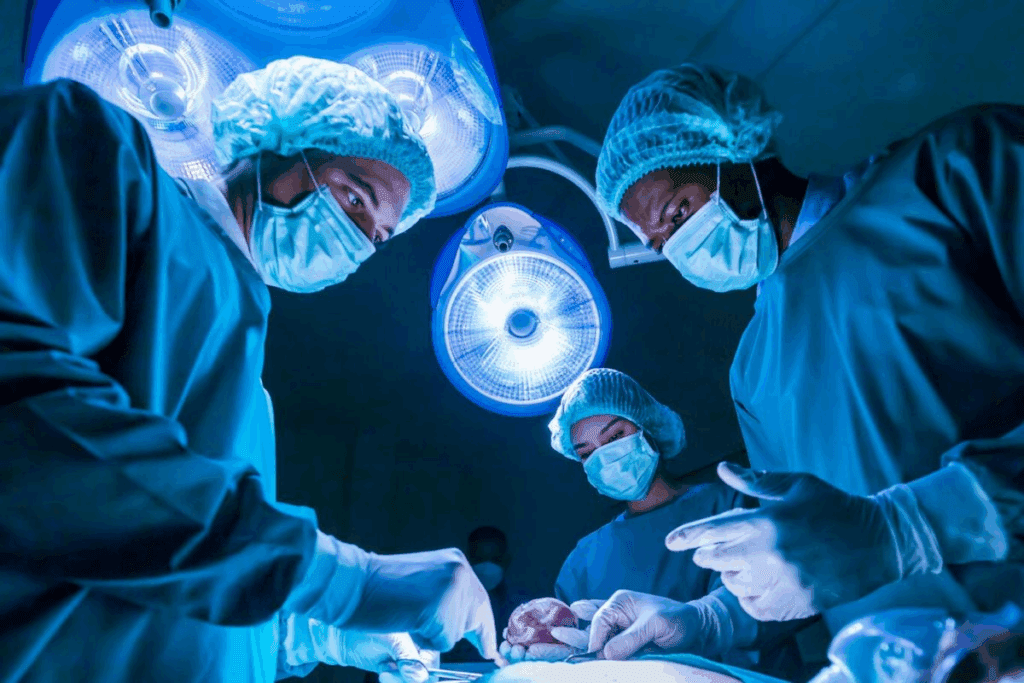
Medical technology has changed colorectal cancer surgery a lot. Now, we use minimally invasive techniques instead of old methods. At Liv Hospital, we offer these new ways to make recovery easier and faster. Explore 5 easy recovery colorectal surgery tips for faster healing and comfort post-surgery.
We focus on giving you the best care and using the latest in surgery. This means you get to enjoy a more comfortable and confident recovery.
The way we do colorectal surgery has gotten much better. Our goal is to make recovery easy. We use special techniques to reduce pain and help you get back to your life faster.
Choosing these advanced options means a better recovery for you. You’ll feel more comfortable and confident as you heal.
Key Takeaways
- Minimally invasive techniques improve recovery times.
- Liv Hospital offers advanced surgical options for colorectal cancer.
- Patient-centered innovation enhances comfort and confidence.
- Cutting-edge methods reduce discomfort and accelerate return to daily life.
- Advanced surgical techniques are designed for a smoother recovery.
The Modern Landscape of Colorectal Cancer Surgery

In recent years, colorectal surgery has changed a lot. This change is thanks to new surgical methods and technology. These advancements have made surgeries better for patients.
Common Indications for Colorectal Procedures
People often get colorectal surgery for cancer, diverticulitis, and inflammatory bowel disease. Doctors decide on surgery after checking the patient’s health and test results.
Here’s a table showing when you might need colorectal surgery and what it’s for:
| Condition | Description | Surgical Approach |
| Colorectal Cancer | Malignant tumor in the colon or rectum | Minimally invasive or open surgery |
| Diverticulitis | Inflammation of diverticula in the colon | Laparoscopic or robotic-assisted surgery |
| Inflammatory Bowel Disease | Chronic inflammation of the gastrointestinal tract | Minimally invasive surgery or colectomy |
The Shift from Traditional to Minimally Invasive Approaches
More doctors are choosing minimally invasive surgery for colorectal issues. This is because it causes less pain, heals faster, and leaves less scarring. Laparoscopic, robotic-assisted, and transanal surgeries are now more common.
Benefits of Minimally Invasive Colorectal Surgery:
- Reduced postoperative pain
- Faster recovery and return to normal activities
- Less scarring and improved cosmetic outcomes
- Lower risk of complications
As surgery keeps getting better, more people will get to enjoy these benefits. This means better health and a better life for many.
What to Expect: General Recovery Timeline After Colorectal Surgery
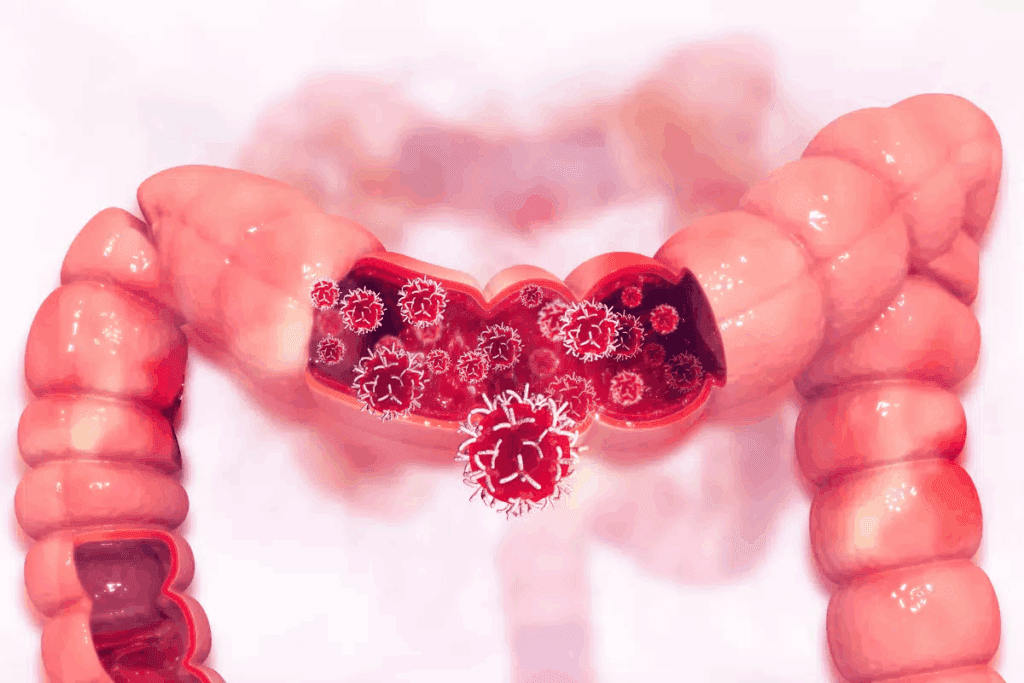
Knowing what to expect after colorectal surgery is key for patients. The recovery path has clear steps that show progress. It’s important to understand this timeline to heal well.
Hospital Stay Duration and Milestones
The time in the hospital after surgery varies. It depends on the surgery type and the patient’s health. For laparoscopic surgeries, patients usually stay 3-5 days.
During this time, doctors watch over the patient. They manage pain and look for any issues. Important moments include:
- Regaining bowel function
- Managing pain effectively
- Being able to tolerate oral intake
A colorectal surgeon says, “The goal is to get patients moving and back to their normal activities as quickly as possible while ensuring their safety and comfort.” Effective pain management and early mobilization are critical components of the recovery process.
First Week Post-Surgery Expectations
The first week is a big adjustment. Patients might feel discomfort, fatigue, and bowel changes. It’s important to follow the doctor’s instructions to manage these feelings.
Some key things to expect in the first week include:
- Continuing to recover from the immediate effects of surgery
- Gradually increasing activity levels
- Monitoring for any signs of complications
“The first week is critical for a smooth recovery,” says a healthcare professional. Rest, nutrition, and following post-operative care instructions are vital during this period.
Long-Term Recovery Considerations
Recovery from colorectal surgery takes months. Patients should be aware of bowel changes, complications, and the need for follow-up care. Important things to consider include:
- Returning to normal activities and diet
- Managing any long-term changes in bowel function
- Attending follow-up appointments to monitor healing
A patient who had surgery says, “The journey to full recovery requires patience, support, and a commitment to follow-up care.” Staying informed and proactive about one’s recovery can significantly impact the outcome.
Key Factors That Influence Easy Recovery from Colorectal Surgery
Recovering well from colorectal surgery depends on many things. These include the patient’s health, the surgery itself, and the care after surgery. Knowing these factors helps make recovery smoother and faster.
Patient-Specific Considerations
Each patient’s situation affects how easy it is to recover. Important factors include:
- Age: Older people might take longer to get better because they have less energy and health issues.
- Overall Health: Those who are healthier and have fewer health problems tend to heal faster.
- Nutritional Status: Eating well is key for healing. Poor nutrition can cause problems and slow recovery.
A study in the Journal of Surgical Research found that better nutrition before surgery helps. It reduces complications after surgery.
“Optimizing nutritional status before surgery can significantly impact patient outcomes.”
Surgical Technique Selection
The type of surgery chosen can greatly affect how quickly and easily you recover. Newer methods like laparoscopic and robotic-assisted surgery have big advantages. These include:
| Surgical Technique | Benefits |
| Laparoscopic Surgery | Smaller cuts, less pain, faster healing |
| Robotic-Assisted Surgery | Better precision, less blood loss, quicker recovery |
The right surgery is chosen based on the patient’s needs and the surgery’s specifics.
Post-Operative Care Quality
Good care after surgery is vital for a smooth recovery. This includes:
- Pain Management: Managing pain well helps patients feel better and move sooner.
- Early Mobilization: Getting patients to move early helps prevent problems and speeds up healing.
- Nutritional Support: The right food helps the body heal and recover.
By focusing on these key areas, doctors can greatly improve recovery from colorectal surgery.
Recovery Option 1: Laparoscopic Colorectal Surgery Benefits
Laparoscopic colorectal surgery has changed how we treat colorectal cancer. It uses small cuts in the belly instead of one big cut. This method has many benefits that help patients heal better.
How Smaller Incisions Lead to Faster Healing
Small cuts mean less damage to the body. This leads to less pain after surgery and faster healing. Less postoperative pain means patients can get back to their lives sooner. Also, small cuts mean less blood loss and fewer complications.
Single-Incision Laparoscopic Surgery (SILS) Recovery Advantages
Single-Incision Laparoscopic Surgery (SILS) uses just one cut, usually through the belly button. It can cause even less pain and look better after healing. SILS also means shorter hospital stays and quicker recovery times.
Patient Recovery Timeline and Milestones
Recovery times for laparoscopic colorectal surgery vary. But most follow a similar path. Key milestones include:
- Returning home within a few days post-surgery
- Resuming normal activities within 2-4 weeks
- Full recovery typically achieved within 4-6 weeks
| Benefits | Laparoscopic Surgery | Traditional Open Surgery |
| Postoperative Pain | Less pain due to smaller incisions | More pain due to larger incision |
| Recovery Time | Faster recovery, typically 4-6 weeks | Slower recovery, often 8-12 weeks |
| Hospital Stay | Shorter stays, usually 2-4 days | Longer stays, often 5-7 days or more |
In conclusion, laparoscopic colorectal surgery has many benefits. It leads to less pain, faster recovery, and shorter hospital stays. Knowing these advantages helps patients choose the best treatment for them.
Recovery Option 2: Robotic-Assisted Colorectal Surgery Advantages
Robotic-assisted colorectal surgery has changed how we do surgery. It brings together the good parts of small incisions with the precision of robots. This can lead to better results for patients.
Precision Surgery’s Impact on Recovery Speed
Robotic surgery is very precise. It helps doctors make smaller cuts and sew up wounds better. This means less damage to the body and less blood loss.
This precision is key for colorectal cancer surgery recovery. It can mean fewer problems and a quicker recovery. Patients can get back to their lives faster.
Research shows robotic surgery can make recovery faster. This is because of the smaller cuts and less damage. It’s great for those needing surgery for colon cancer tumor removal. It helps reduce pain and speeds up healing.
Reduced Complication Rates and Hospital Stays
Robotic-assisted surgery has fewer complications than old-school open surgery. The robot’s better view and control help doctors avoid problems. This makes surgery safer.
Here’s a table comparing different surgeries:
| Surgical Approach | Complication Rate (%) | Average Hospital Stay (Days) |
| Robotic-Assisted | 5 | 3 |
| Laparoscopic | 7 | 4 |
| Open Surgery | 12 | 7 |
Patient Experiences and Recovery Outcomes
People who have had robotic surgery say it’s been a good experience. They often have less pain and get back to normal faster. This technology can really improve life after surgery.
As robotic surgery gets better, it will likely be used more for colorectal cancer. It offers a chance for quicker recovery times without big cuts.
Recovery Option 3: Transanal Minimally Invasive Surgery (TAMIS) Recovery
TAMIS is changing colorectal surgery with its natural approach. It causes less tissue damage and helps wounds heal faster. This method is becoming popular for its quick recovery times and better results for patients.
Benefits of Natural Orifice Access for Recovery
The natural approach of TAMIS means no external cuts. This leads to less pain and quicker healing. By using the anus, TAMIS causes less damage and is less invasive.
- Reduced Postoperative Pain: Less tissue trauma means less pain for the patient.
- Faster Recovery: With fewer cuts, healing happens quicker.
- Less Risk of Complications: Fewer cuts mean lower risks of infections and other issues.
Bowel Function Restoration Timeline
TAMIS helps keep bowel function intact. Recovery times vary, but most people see normal bowel habits in a few weeks.
The timeline for bowel function recovery is as follows:
- Right after surgery: Bowel habits might change due to the surgery.
- First few weeks: Bowel function starts to get better as the body heals.
- Full recovery: Most people get back to normal bowel habits in 4-6 weeks.
Post-Operative Care Specifics
After TAMIS, care includes managing pain, adjusting diet, and follow-up visits. Patients are often told to eat certain foods to ease discomfort and aid healing.
Key aspects of post-operative care include:
- Pain management through medication.
- Dietary adjustments to ease bowel movements.
- Follow-up appointments to monitor healing and address any concerns.
Knowing about TAMIS recovery helps patients prepare for the healing process. It makes the post-surgery period easier.
Recovery Option 4: Natural Orifice Specimen Extraction (NOSE) Benefits
NOSE is changing colorectal surgery by making it less invasive. It removes the specimen through a natural opening, like the rectum or vagina, instead of an external cut.
NOSE has many benefits. It can lead to fewer complications and a better recovery. By not making an external cut, it might lower the chance of infections or hernias.
Recovery Advantages of Avoiding External Incisions
NOSE’s biggest plus is avoiding cuts on the outside. This means less tissue damage and possibly less pain after surgery. This is great for people having colorectal cancer surgery, making their recovery easier.
A study in the Journal of Surgical Endoscopy found that NOSE cuts down on post-op pain. This is compared to traditional methods.
“The use of NOSE in colorectal surgery has been associated with reduced post-operative pain and improved patient satisfaction.”
Surgical Endoscopy Journal
Reduced Pain and Complication Rates
NOSE also means less pain and fewer complications. It does this by avoiding cuts on the outside. A study showed NOSE is better than traditional methods in many ways.
| Complication | NOSE | Conventional Method |
| Wound Infection | 2% | 5% |
| Hernia | 1% | 3% |
| Post-operative Pain | Mild | Moderate to Severe |
Patient Satisfaction and Quality of Life Improvements
NOSE makes patients happier because of less pain and no visible scars. This makes their recovery better and their life quality higher.
A survey showed patients loved NOSE. They liked how it was less invasive and how quickly they could get back to normal. The psychological benefit of avoiding visible scars is huge, making patients happier and more satisfied.
In conclusion, NOSE is a great option for colorectal surgery. It offers many benefits that make recovery and satisfaction better. As medicine keeps evolving, NOSE will likely become even more important in surgery.
Recovery Option 5: Enhanced Recovery After Surgery (ERAS) Protocols
Enhanced Recovery After Surgery (ERAS) is a new way to help patients recover from surgery. It uses proven methods to make recovery faster and safer. ERAS combines different care steps to reduce stress and risks, and speed up healing.
Pre-Surgery Preparation for Optimal Recovery
Getting ready for surgery is key in ERAS. It includes counseling patients on what to expect, making sure they’re well-nourished, and shortening fasting times. Patients are also helped to stop smoking and eat carbs before surgery to be in the best shape possible.
- Talking to patients about managing pain and what to expect
- Checking and improving nutrition before surgery
- Shortening or removing fasting before surgery
During-Hospital ERAS Components
In the hospital, ERAS focuses on several important areas. It uses less invasive surgery, smart anesthesia, and good pain control. It also encourages getting up and moving and starting to eat again early to help recovery.
“The use of ERAS has been linked to shorter hospital stays and fewer complications. It improves how patients feel and their overall satisfaction.” –
A leading colorectal surgeon
Post-Discharge ERAS Guidelines
After leaving the hospital, ERAS continues to guide patients. They get clear instructions on managing pain, looking after their wounds, and when to see doctors again. They also get advice on what to eat and how to increase activity to smoothly return to daily life.
- Eat a diet full of proteins and fiber
- Slowly start to do more physical activities
- Go to all scheduled doctor visits
By using ERAS, doctors can greatly improve how patients recover from colorectal surgery. This leads to better results and happier patients.
Home Care Strategies for Easy Recovery from Colorectal Surgery
After colorectal surgery, patients must focus on home care for a quick recovery. Proper care at home is key to avoid complications and smoothly return to daily life.
Preparing Your Home Environment
Setting up your home environment is a critical step in the recovery process. This includes:
- Creating a comfortable resting area with necessary items within reach
- Ensuring easy access to the bathroom
- Removing tripping hazards to prevent falls
- Having a phone or other communication device nearby
Nutrition and Hydration Guidelines
A balanced diet rich in nutrients is vital for healing. Patients should focus on:
- Eating small, frequent meals to manage digestion
- Staying hydrated by drinking plenty of water
- Incorporating fiber-rich foods to prevent constipation
- Avoiding heavy or spicy foods that can irritate the digestive system
Nutritional supplements may be recommended by healthcare providers to support recovery.
Activity Progression Timeline
Gradually increasing activity levels is key for a successful recovery. The timeline may vary, but generally, patients can expect to:
- Rest and avoid strenuous activities for the first few weeks
- Gradually introduce light exercises, such as walking, as tolerated
- Avoid heavy lifting and bending for a period specified by their healthcare provider
Wound Care and Ostomy Management (If Applicable)
For patients with surgical wounds or ostomies, proper care is essential to prevent infection and promote healing. This includes:
- Following healthcare provider instructions for wound care
- Monitoring for signs of infection, such as redness, swelling, or increased pain
- Managing ostomy pouches according to healthcare provider guidance
It’s vital to follow specific instructions provided by healthcare professionals for personalized care.
Conclusion: Selecting the Optimal Recovery Pathway for Your Colorectal Surgery
Knowing your recovery options is key to a smooth recovery from colorectal surgery. The right path can greatly improve your outcome, cutting down on complications and speeding up healing.
There are many recovery paths to choose from. These include laparoscopic, robotic-assisted, and transanal minimally invasive surgery (TAMIS). You also have natural orifice specimen extraction (NOSE) and enhanced recovery after surgery (ERAS) protocols. Each offers benefits like less pain, fewer complications, and quicker recovery of bowel function.
Choosing the best recovery path for colorectal surgery depends on your needs and the surgery type. The right choice can lead to an easy recovery and better life quality. Always talk to a healthcare expert to find the best recovery pathway for you.
By making smart choices about your care, you’re on the path to a successful and stress-free colorectal surgery journey.
FAQ
What is the typical recovery time after colorectal surgery?
Recovery times after colorectal surgery vary. It depends on the surgery type, patient health, and other factors. Generally, patients need several weeks to recover, sometimes up to months.
What are the benefits of laparoscopic colorectal surgery?
Laparoscopic surgery has many benefits. It uses smaller incisions, leading to less pain and fewer complications. Patients also recover faster and may leave the hospital sooner.
How does robotic-assisted colorectal surgery compare to traditional surgery?
Robotic-assisted surgery offers better precision and control. This can mean less blood loss, fewer complications, and quicker healing. Patients often experience less pain and shorter hospital stays.
What is transanal minimally invasive surgery (TAMIS), and how does it aid in recovery?
TAMIS accesses the rectum through the anus, avoiding external cuts. This method leads to less pain, fewer complications, and faster healing. It also helps restore bowel function better.
What are the benefits of natural orifice specimen extraction (NOSE) during colorectal surgery?
NOSE removes the specimen through the anus, not an external cut. This reduces pain, lowers complication risks, and boosts patient satisfaction. Patients also recover faster.
What is enhanced recovery after surgery (ERAS), and how does it support recovery?
ERAS is a detailed plan for recovery. It includes pre-surgery prep, hospital care, and post-discharge advice. This approach shortens hospital stays and speeds up recovery, improving patient satisfaction.
How can I prepare my home environment for recovery after colorectal surgery?
Prepare your home for recovery by setting up a safe and comfy space. Get necessary supplies like pain meds and wound care. Having a support system, like family or friends, is also key.
What are the nutrition guidelines after colorectal surgery?
Post-surgery, start with a liquid diet and gradually move to solid foods. Focus on nutrient-rich foods like fruits, veggies, and lean proteins. Drinking enough water is also important for healing.
How can I manage pain after colorectal surgery?
Manage pain with a mix of meds and non-medical methods like relaxation and breathing exercises. Always follow your surgeon’s advice and report any pain changes.
What is the recovery timeline for bowel function after colorectal surgery?
Bowel function recovery varies by surgery type and individual factors. Bowel habits may change, but follow your surgeon’s advice and report any issues.
How long does it take to return to normal activities after colorectal surgery?
Returning to normal activities takes time, varying by surgery type and patient health. Expect several weeks to months to fully recover.
What are the signs of complications after colorectal surgery?
Watch for severe pain, fever, bleeding, or bowel habit changes as signs of complications. Report any concerns to your surgeon to ensure timely care.