Last Updated on November 26, 2025 by Bilal Hasdemir
Recovering from colon resection surgery means watching what you eat closely. Doctors tell patients to start with clear liquids. Then, they can move on to more solid foods.
At Liv Hospital, we focus on nutrition that’s right for each patient after surgery. We guide them on what foods are good and which to avoid. This helps them recover better and feel better overall.Confused about eating after colon resection surgery? Our guide explains the best foods and diet to follow for a safe recovery.
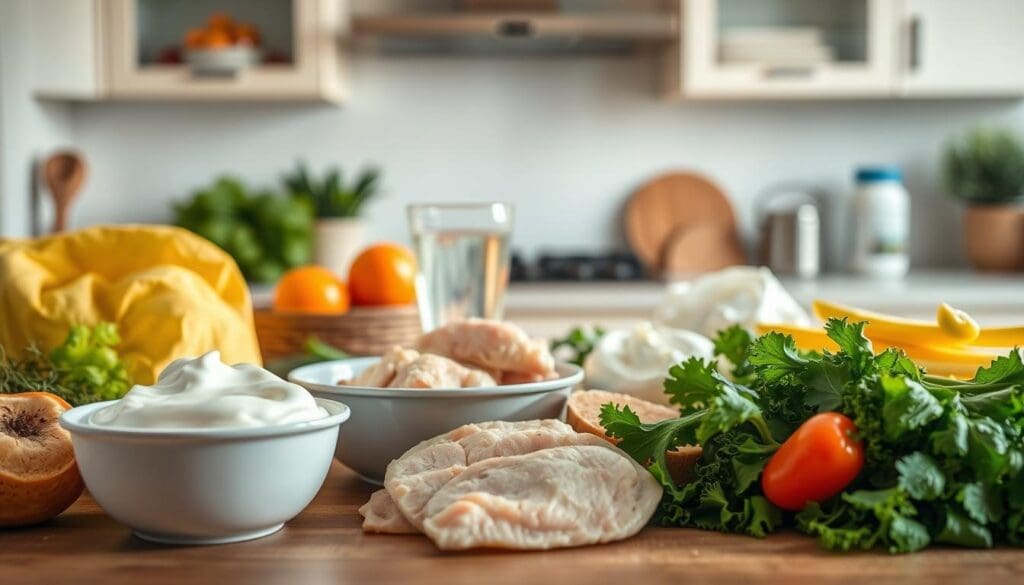
Patients usually start with soft, low-fiber foods like bananas, rice, applesauce, and yogurt. Eating these foods helps the body heal and get stronger.
Key Takeaways
- Start with clear liquids after surgery
- Gradually introduce soft and low-fiber foods
- Avoid foods that can cause discomfort or complications
- Follow a patient-centered dietary approach
- Introduce nutrients gradually to support healing
Understanding Colon Resection Surgery and Its Impact on Digestion

After colon resection surgery, many patients wonder about their digestive system’s changes. This surgery removes part of the colon to treat diseases like colon cancer. Knowing how it affects digestion is key to a smooth recovery.
What Happens During Colon Resection Surgery
During the surgery, the surgeon takes out the diseased colon part and connects the healthy parts. This can be done through open surgery or minimally invasive methods, based on the patient’s needs.
The surgery involves several key steps:
- Anesthesia: The patient is given general anesthesia to ensure comfort during the procedure.
- Incision: The surgeon makes incisions in the abdomen to access the colon.
- Resection: The diseased portion of the colon is removed.
- Anastomosis: The remaining sections of the colon are reconnected.
- Closure: The incisions are closed, often with sutures or staples.
How Surgery Affects Your Digestive System
Colon resection surgery can greatly affect digestion. The colon is vital for absorbing water and electrolytes and eliminating waste. Removing part of it can change bowel habits and nutrient absorption.
As one medical expert notes,
“The colon’s role in water absorption is critical, and removing a significant portion can lead to changes in stool consistency and frequency.” – Dr. John Smith, Gastroenterologist
| Aspect | Pre-Surgery | Post-Surgery |
| Bowel Habits | Normal bowel movements | Potential changes in frequency and consistency |
| Nutrient Absorption | Optimal absorption | Possible reduction in water and electrolyte absorption |
| Microbiome | Diverse and balanced | Potential disruption due to surgery and diet changes |
Knowing these changes helps manage expectations and plan a diet post-surgery. A well-thought-out diet can help with digestive changes and aid recovery.
The Importance of Proper Nutrition After Colon Surgery
Nutrition is key to healing after colon surgery. It helps the body repair tissues, fight infections, and regain strength. After such a big surgery, the body needs the right nutrients to heal well.
Nutrition’s Role in Healing and Recovery
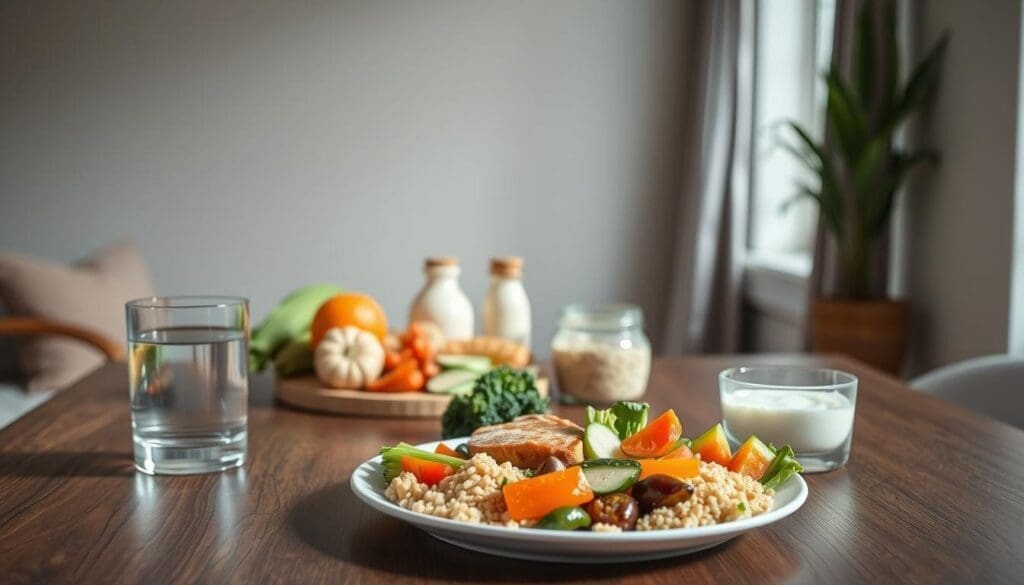
Good nutrition is vital for healing after colon surgery. Foods rich in proteins, vitamins, and minerals help repair tissues. Adequate protein intake is crucial for wound healing and making enzymes and hormones needed for recovery. A balanced diet also boosts the immune system, preventing infections and complications.
The body needs more nutrients during recovery. For example, vitamin C is key for collagen and tissue repair. Zinc is also important for wound healing and immune function. Getting enough of these nutrients can greatly aid in recovery.
Preventing Complications Through Diet
A well-planned diet can prevent complications after colon surgery. A diet high in fiber helps manage bowel movements and prevent constipation. Drinking enough water is also key to avoid dehydration and keep body fluids balanced.
Some foods can lower risks after surgery. Foods with antioxidants reduce oxidative stress, and probiotics support gut health. It’s wise to avoid foods that could cause discomfort or problems, like gas-producing foods or those high in sugar and unhealthy fats.
By eating a balanced, nutrient-rich diet, patients can improve their recovery and lower complication risks. It’s crucial to work with healthcare providers to create a nutrition plan that fits individual needs and supports the best recovery.
Eating After Colon Resection Surgery: The Recovery Timeline
Knowing the recovery timeline after colon resection surgery is key for patients. It helps them manage their diet after surgery. A good diet is important for a smooth recovery.
First 24-48 Hours Post-Surgery
In the first 24 to 48 hours, patients should stick to a clear liquid diet. This means drinking liquids like broth, clear juices, and water. It helps the body rest and reduces the risk of problems.
Days 3-7 After Surgery
After a few days, patients can start eating full liquids and then soft, low-residue foods. It’s important to add new foods slowly. This helps avoid any discomfort or issues.
Weeks 2-4 of Recovery
In weeks 2-4, patients can start eating more solid foods. Start with foods like cooked veggies, fruits, and lean proteins. It’s all about going slow and listening to your body.
4-6 Weeks and Beyond
By 4-6 weeks, most can go back to a normal diet. But, it’s still wise to avoid foods that might upset your stomach. Your doctor will give you advice based on how you’re doing.
The following table summarizes the dietary progression after colon resection surgery:
| Timeframe | Dietary Recommendations |
| First 24-48 hours | Clear liquid diet (broth, clear juices, water) |
| Days 3-7 | Progress to full liquids and soft, low-residue foods |
| Weeks 2-4 | Introduce easily digestible foods (cooked vegetables, fruits, lean proteins) |
| 4-6 weeks and beyond | Gradually return to a normal diet, avoiding discomfort-causing foods |
It’s vital for patients to follow their doctor’s dietary advice. Everyone recovers differently. Sticking to the recommended diet helps with healing and avoids complications.
Clear Liquid Diet: Your First Step to Recovery
A clear liquid diet is the first step after colon resection surgery. It helps your digestive system heal without too much stress. This diet is gentle, providing essential fluids and some electrolytes while reducing risks.
Recommended Clear Liquids
During this diet, you can have various liquids that are easy on your stomach. Recommended clear liquids include:
- Water
- Clear broths (chicken or vegetable)
- Electrolyte-rich beverages like sports drinks
- Clear fruit juices (such as apple or grape juice)
- Gelatin
- Clear tea or coffee (without cream)
Stay away from liquids that are not clear or could upset your stomach. As Dr. John Smith, a gastroenterologist, notes, “Keep the diet clear and avoid any residue that could complicate the healing process.”
Duration of the Clear Liquid Phase
The clear liquid diet phase lasts from a few days to a week, depending on your recovery and your surgeon’s advice. It’s crucial to follow your healthcare provider’s guidance on when to move to the next diet stage.
“The clear liquid diet is a critical initial step in the recovery process, allowing the bowel to rest and heal,” says Dr. Jane Doe, a colorectal surgeon. “Adhering to this diet as directed can significantly impact the overall success of the surgery.”
Signs You’re Ready to Progress
As you recover, look out for signs you’re ready to move past the clear liquid diet. These include:
- Reduced nausea and vomiting
- Decreased abdominal pain or discomfort
- Return of normal bowel sounds
- Tolerance to the clear liquid diet without issues
When you’ve achieved these milestones, your healthcare team may suggest adding more solid foods. This marks the next step in your recovery journey.
Transitioning to Full Liquids and Soft Foods
After colon resection surgery, moving to full liquids and soft foods is key. Your body heals, and your diet needs change. It’s important to move slowly to avoid discomfort and problems.
Examples of Full Liquid Options
When your doctor says it’s okay, you can start with full liquids. These include:
- Nourishing broths that are rich in protein and electrolytes
- Puréed soups made from vegetables or meats
- Plain yogurt or yogurt-based drinks
- Nutritional supplements like Ensure or Boost
- Strained fruit juices without pulp
These options give you important nutrients and are easy on your stomach.
Soft, Low-Residue Foods to Introduce
As you get better, you can add soft, low-residue foods to your diet. Examples include:
- Cooked and mashed vegetables
- Ripe fruit that’s been cooked or canned
- Tender, flaky fish or poultry
- Soft, cooked pasta or rice
- Eggs prepared in a soft, easily digestible manner
These foods are easy to digest and help with healing.
Foods to Avoid During This Phase
While you’re getting used to full liquids and soft foods, stay away from certain foods. These can cause discomfort or problems. Avoid:
- High-fiber foods like raw vegetables and fruits with skins
- Spicy or heavily seasoned dishes
- Fatty or greasy foods that can be hard to digest
- Carbonated beverages that can cause gas
- Tough, chewy meats or foods with bones
By avoiding these foods, you help your recovery and avoid digestive issues.
The BRAT Diet and Its Benefits After Colon Surgery
The BRAT diet is often suggested for those recovering from colon surgery. It includes bananas, rice, applesauce, and toast. These foods are gentle on the stomach, helping to firm up stool and prevent complications.
Bananas, Rice, Applesauce, and Toast Explained
The BRAT diet focuses on four main foods: bananas, rice, applesauce, and toast. These are chosen for their blandness and easy digestion. Bananas are rich in potassium, which is lost after surgery. Rice, especially white rice, is easy to digest and helps firm stool. Applesauce is a low-fiber fruit that provides calories and nutrients. Toast, from white bread, is bland and settles the stomach.
Why These Foods Support Digestive Healing
The BRAT diet is beneficial for several reasons. These foods are low in fiber, making them easier to digest when recovering. They are also bland, reducing the chance of stomach irritation. Following the BRAT diet helps the digestive system heal smoothly.
| Food | Benefits |
| Bananas | Rich in potassium, easy to digest |
| Rice | Firms up stool, easily digestible |
| Applesauce | Low in fiber, provides calories and nutrients |
| Toast | Bland, helps settle the stomach |
Expanding Beyond BRAT Safely
While the BRAT diet is good at first, it’s important to add other foods slowly. Start with low-fiber, easy-to-digest foods and gradually add more. Listen to your body and only add new foods when you’re ready to avoid discomfort.
By following the BRAT diet and then adding foods carefully, you can support your recovery. This helps you return to a healthy diet.
Best Foods to Eat After Colon Resection Surgery
The right foods are key to a smooth recovery after colon resection surgery. A balanced diet aids in healing, strengthens your body, and lowers the chance of complications. Here are the top foods to add to your diet during recovery.
Lean Protein Sources
Lean proteins are essential for healing and keeping muscle mass. They help repair tissues. Here are some lean protein options:
- Chicken breast
- Fish (such as salmon and cod)
- Turkey
- Lean beef
- Tofu
- Eggs
- Legumes (like lentils and chickpeas)
These foods are not only high in protein but also easy to digest when cooked right.
Easily Digestible Grains
In the early stages of recovery, it’s important to eat grains that are easy to digest. They give you energy without stressing your digestive system. Some good options are:
- White rice
- Refined pasta
- White bread (toasted or crackers)
- Oatmeal
| Food | Benefits |
| White Rice | Easy to digest, provides carbohydrates |
| Oatmeal | Soothing, rich in fiber (once tolerated) |
| Refined Pasta | Soft, easily digestible when cooked al dente |
Cooked Vegetables and Fruits
Cooked veggies and fruits are gentle on your stomach and packed with vitamins and minerals. Some examples are:
- Cooked carrots
- Steamed green beans
- Applesauce
- Mashed bananas
- Cooked squash
Hydration and Beverage Choices
Drinking enough water is vital for recovery. It helps prevent constipation and supports your body’s functions. Good drinks to have are:
- Water
- Clear broths
- Herbal teas
- Electrolyte-rich beverages (like coconut water or sports drinks)
Avoid caffeinated and carbonated drinks in the early recovery phase. They can cause discomfort.
Foods to Avoid During Your Recovery Period
Knowing which foods to skip after colon surgery is key to a smooth recovery. Your digestive system is extra sensitive right after surgery. Some foods can make you feel uncomfortable or even cause problems.
High-Fiber Foods and When to Reintroduce Them
High-fiber foods are good for your gut, but tough to handle right after surgery. Foods like whole grains, raw veggies, and some fruits are hard to digest. It’s best to avoid them for a few weeks.
Once you’re feeling better, you can start adding these foods back into your diet. Start with small amounts and watch how your body reacts. Begin with cooked veggies and fruits, as they’re easier to digest than raw ones.
Gas-Producing Foods
Some foods make gas, which can be painful and uncomfortable after surgery. Beans, cabbage, broccoli, and fizzy drinks are culprits. Skipping these foods early on can help you feel better.
If you notice gas and bloating, keep a food diary. It helps you figure out which foods make you feel bad. This way, you can avoid them.
Spicy, Acidic, and Fatty Foods
Spicy, acidic, and fatty foods can upset your stomach during recovery. Spicy foods can lead to heartburn, while acidic foods like citrus and tomatoes might upset your stomach. Fatty foods are hard to digest and can make you feel queasy.
Stick to mild, easy-to-digest foods at first. As your stomach gets stronger, you can try more foods.
Other Potential Digestive Irritants
Other foods that might upset your stomach include caffeine, alcohol, and sugary foods. They can lead to dehydration, discomfort, or blood sugar swings.
Drinking plenty of clear liquids and electrolyte-rich drinks is important. As you get better, you can add more types of drinks to your diet.
Managing Common Digestive Issues After Colectomy
After a colectomy, you might face digestive problems like diarrhea and constipation. These issues are part of your body adjusting to surgery changes. We’ll look at ways to tackle these problems, helping you recover better and feel better overall.
Strategies for Dealing with Diarrhea
Diarrhea is common after colectomy, caused by bowel changes or food reactions. To handle diarrhea, try these steps:
- Drink lots of fluids, like water or electrolyte drinks.
- Stay away from spicy, fatty, or high-fiber foods.
- Try a BRAT diet (Bananas, Rice, Applesauce, Toast) to firm up your stool.
If diarrhea doesn’t get better or is really bad, talk to your doctor for help.
Addressing Constipation Safely
Constipation can happen after colectomy, due to meds, diet changes, or less activity. To safely tackle constipation:
- Slowly add more fiber with fruits, veggies, and whole grains.
- Drink plenty of water to soften your stool.
- Do gentle exercises as your doctor suggests.
Don’t use laxatives without your doctor’s okay, as they can sometimes do more harm.
Reducing Gas and Bloating
Gas and bloating are common after colectomy. To lessen these symptoms:
- Eat smaller meals more often to ease digestion.
- Avoid foods like beans, cabbage, and broccoli that can cause gas.
- Try over-the-counter gas reducers.
Keeping a food diary can help spot foods that make gas and bloating worse, helping you make better food choices.
When to Contact Your Healthcare Provider
Some digestive issues after colectomy are normal, but others need quick medical help. Call your healthcare provider if you have:
- Severe belly pain.
- Long-lasting vomiting or diarrhea.
- Blood in your stool.
- Fever or signs of infection.
Your healthcare team is there to help you through recovery, offering advice and care when you need it.
Long-Term Diet After Colon Resection
After colon resection surgery, a well-planned diet is crucial. It’s important to make choices that support your health and digestion. This helps in your recovery journey.
Gradually Increasing Fiber Intake
At first, a low-fiber diet is often recommended. But as you recover, slowly adding more fiber is key. It helps with bowel movements and digestion.
To increase fiber safely:
- Start with small amounts of high-fiber foods.
- Watch how your body reacts and adjust as needed.
- Drink plenty of water to help fiber move through your system.
Balanced Nutrition for Ongoing Health
After surgery, eating a balanced diet is essential. Include foods rich in nutrients:
| Food Group | Examples | Benefits |
| Lean Proteins | Chicken, Fish, Eggs | Helps with healing and keeps muscles strong |
| Whole Grains | Brown Rice, Quinoa, Whole Wheat Bread | Good source of fiber and nutrients |
| Fruits and Vegetables | Leafy Greens, Berries, Cooked Vegetables | Full of vitamins, minerals, and antioxidants |
Supplements That May Be Necessary
Some people might need supplements for nutrients. Common ones include:
- Multivitamins
- Probiotics
- Vitamin B12
Always talk to your doctor before taking any supplements.
Adapting to Your New Digestive System
Your digestive system may take time to adjust after surgery. Pay attention to how foods affect you. Make changes as needed for a smooth recovery.
By following these dietary tips, you can improve your life after surgery. Always get personalized advice from your healthcare provider.
Conclusion: Creating Your Personalized Post-Colectomy Nutrition Plan
Proper nutrition is key to recovering well after colon resection surgery. Understanding how surgery affects your digestive system is important. Following a diet tailored to your needs helps with healing and prevents complications.
To make a personalized nutrition plan, think about your individual needs and health. This article has shown how to move from clear liquids to soft, low-residue foods. Then, to a balanced diet that supports long-term health.
When planning your diet after colectomy, remember to avoid certain foods. Also, learn how to manage common digestive issues. Gradually increasing fiber intake is crucial to avoid discomfort and smoothly adjust to your new digestive normal.
Your diet plan should change as your needs do. We suggest working with your healthcare provider to create a nutrition plan that fits you perfectly. This ensures the best recovery and long-term health.
FAQ
What can I eat immediately after colon resection surgery?
Right after surgery, start with clear liquids. Think clear broths, water, and sports drinks. As you heal, you can move to more solid foods.
How long should I stay on a clear liquid diet after colon surgery?
The clear liquid diet lasts a few days to a week. Always follow your doctor’s advice on when to eat solid foods again.
What is the BRAT diet, and is it recommended after colon resection?
The BRAT diet includes Bananas, Rice, Applesauce, and Toast. It’s gentle on your stomach and helps with diarrhea. It’s good for the first part of your recovery.
What foods should I avoid after colon resection surgery?
Avoid foods that are hard to digest, like nuts and raw veggies. Also, skip spicy, fatty, and acidic foods. They can upset your stomach.
How can I manage diarrhea after colon surgery?
Eat foods that are easy to digest. Drink lots of fluids with electrolytes. The BRAT diet can also help. If diarrhea is bad, talk to your doctor.
When can I reintroduce high-fiber foods after colon resection?
You can start with small amounts of fiber a few weeks after surgery. Watch how your body reacts and increase fiber slowly.
Are there any long-term dietary changes I need to make after colon resection?
Some people need to change their diet long-term. This might include more fiber, a balanced diet, and supplements. Your doctor can advise on this.
How important is hydration after colon surgery?
Drinking plenty of water is key for recovery. It helps prevent constipation and keeps you healthy. Electrolyte drinks are also good, especially if you’re having diarrhea or vomiting.
Can I drink alcohol after colon resection surgery?
It’s best to avoid alcohol for a while after surgery. It can upset your stomach and slow healing. Talk to your doctor about when it’s safe to drink again.
What if I experience persistent digestive issues after colon surgery?
If you have ongoing digestive problems, like diarrhea or pain, see your doctor. They can help manage these issues and check for any complications.