Last Updated on November 26, 2025 by Bilal Hasdemir
Recovering from colon surgery needs careful diet choices to avoid problems and help healing. At Liv Hospital, we know how key good nutrition is for getting better.
A good post colon surgery diet can really help your recovery. It moves from clear liquids to soft, low-fiber foods. Then, it adds more foods gradually.
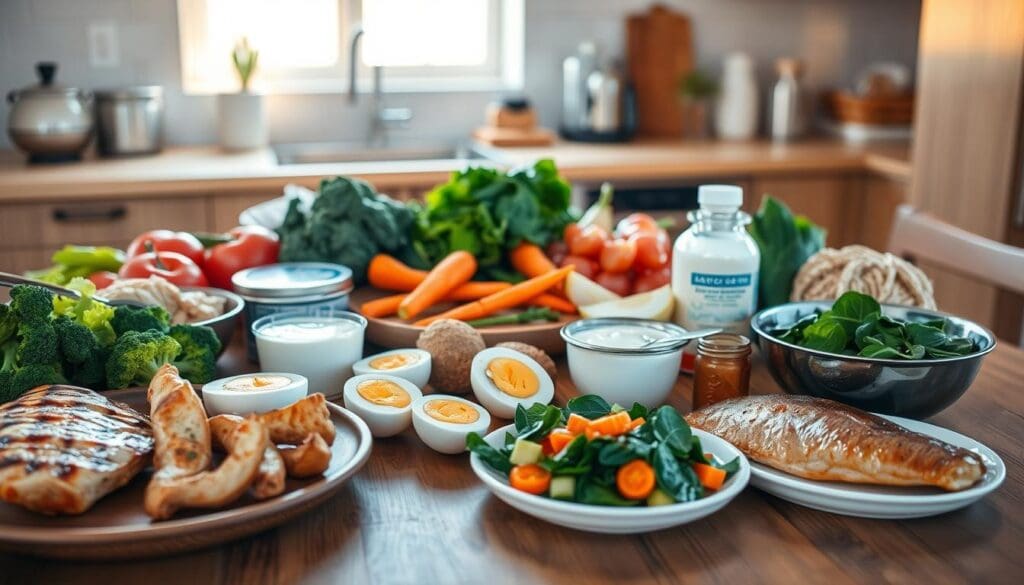
We help our patients with this journey, giving them the best advice on best foods to eat after colon surgery. By focusing on nutrition after colectomy, we aim for the best results for our patients.Your essential guide to eating after colon surgery. Get 12 of the best foods and diet tips for a safe and fast recovery.
Key Takeaways
- Proper nutrition is crucial for recovery after colon surgery.
- The diet typically progresses from clear liquids to soft, low-fiber foods.
- Expert guidance is available to help patients navigate their post-surgery diet.
- A well-planned diet can minimize complications and promote healing.
- Liv Hospital provides comprehensive support for international patients.
Understanding Dietary Needs After Colon Surgery
Knowing what to eat after colon surgery is key for a good recovery. This surgery can change how we digest and absorb nutrients. It’s important to eat foods that help us heal and feel better.
How Colon Surgery Affects Digestion
Colon surgery can change digestion in many ways. It might remove part of the colon, affecting water and electrolyte absorption. Patients may also face bowel changes like diarrhea or constipation.
Many people feel less hungry or full quickly after eating. Adjusting our diet is crucial for healing and managing these changes.
The Importance of Proper Nutrition for Healing
Good nutrition is essential for healing after colon surgery. Our bodies need nutrients to fix tissues, fight off infections, and get stronger. A balanced diet helps us recover faster and avoid malnutrition.
Not getting enough nutrients can slow down recovery, increase complications, and weaken our immune system. So, it’s important to eat foods rich in proteins, complex carbs, and healthy fats.
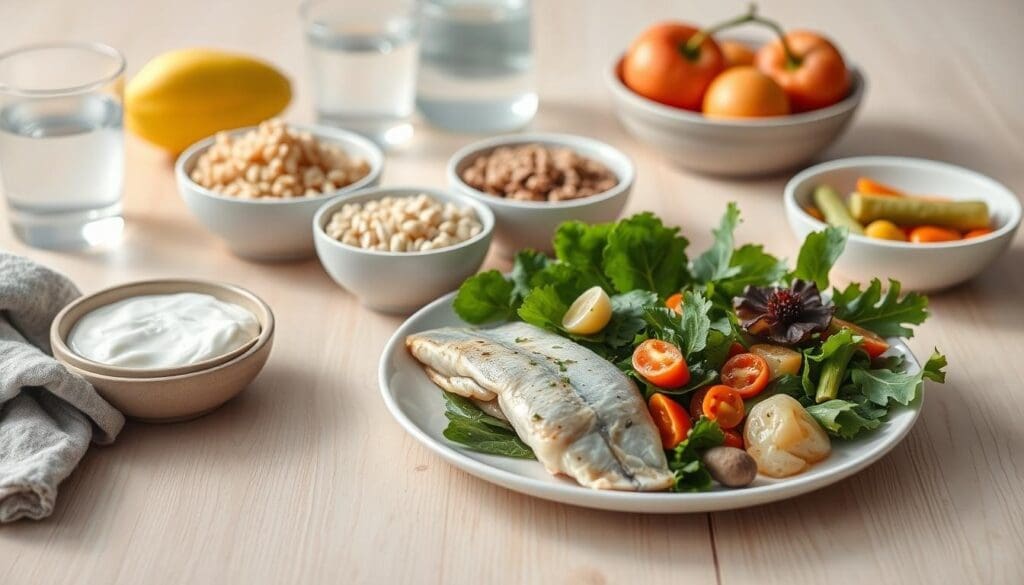
After colon surgery, eat small meals often, drink plenty of water, and choose soft foods like bananas, white rice, applesauce, and toast. These tips can help manage digestive issues and aid in healing.
The Dietary Progression After Colorectal Surgery
We help patients through different diet changes after surgery. This ensures they recover well. The diet plan helps avoid discomfort and aids in healing.
Clear Liquid Diet Phase
The first step is a clear liquid diet. It’s key for the digestive system to rest and heal. You can drink broth, water, and sports drinks. These keep you hydrated without stressing your stomach.
Full Liquid Diet Phase
Next, you move to a full liquid diet. This includes all clear liquids and thicker ones like milk and soups. It’s aimed at giving your stomach a break while still giving you nutrients.
Low-Fiber Soft Diet Phase
Then, you start a low-fiber soft diet. You’ll eat soft foods like mashed potatoes and cooked cereals. These foods are easy to digest and help you get used to eating again.
Transitioning to Normal Diet
The last step is to transition to a normal diet. You’ll slowly add foods like fruits and whole grains. It’s important to listen to your body and adjust as needed.
It’s vital to work with your healthcare team during these diet changes. They help make sure the diet is right for you and supports your recovery.
Essential Guidelines for Eating After Colon Surgery
How you eat after colon surgery is very important for your recovery and health. It’s key to follow guidelines that help your body heal.
Small, Frequent Meals
Eating small meals often is crucial after colon surgery. It helps manage digestion and reduces bowel strain. This way, you get the nutrients you need without overloading your digestive system.
Hydration Requirements
Drinking enough water is vital for recovery. It prevents constipation, supports healing, and keeps your body working right. Stick to water, clear broths, or electrolyte drinks. Avoid caffeinated and carbonated drinks that can upset your stomach.
Monitoring Your Body’s Response
Watch how your body reacts to different foods and drinks. Look out for signs like bloating, gas, diarrhea, or pain. This helps you know which foods to avoid and adjust your diet.
Working With Your Healthcare Team
Working with your healthcare team is essential for a smooth recovery. They offer personalized diet advice, address concerns, and guide you back to your usual diet. Regular check-ups help tailor your diet to your needs.
| Dietary Aspect | Guideline | Benefit |
| Meal Frequency | Small, frequent meals | Eases digestion, reduces bowel strain |
| Hydration | Adequate fluid intake | Prevents constipation, supports healing |
| Food Introduction | Gradual introduction of new foods | Helps identify and avoid problematic foods |
The 12 Best Foods for Post-Colon Surgery Recovery
After colon surgery, your diet is very important. Eating the right foods can help you heal faster. Look for foods that are easy on your stomach and give you the nutrients you need.
Bananas: Gentle on the Digestive System
Bananas are a great choice after colon surgery. They are soft and easy to digest. Plus, they are full of potassium, which you might lose during recovery.
White Rice: The Perfect Bland Carbohydrate
White rice is also good for your stomach. It’s bland and easy to digest. It can also help make your stool firmer, which is helpful when you’re first recovering.
Applesauce: Easy-to-Digest Fruit Option
Applesauce is a soft fruit that’s easy on your stomach. It’s full of fiber and vitamins, but it’s not hard to digest.
Toast: Simple and Soothing
Plain toast is a simple, easy-to-digest food. It can help calm your stomach when you’re starting to eat solid foods again.
Other good foods include eggs, lean meats, and cooked veggies. They give you the protein and nutrients you need to heal.
| Food | Benefits |
| Bananas | Rich in potassium, easy to digest |
| White Rice | Bland, firms up stool |
| Applesauce | Easy-to-digest fruit, good source of fiber |
| Toast | Simple, soothing carbohydrate |
Drinking lots of water is also key during recovery. Water, clear broths, and drinks with electrolytes help prevent dehydration and aid in healing.
Eating gentle, nourishing foods and drinking plenty of water can help your body recover after colon surgery. Always talk to your doctor about what foods are best for you.
5 Protein-Focused Diet Tips for Faster Healing
After colon surgery, eating a diet rich in protein helps you heal faster. Protein is key for fixing tissues, boosting your immune system, and speeding up recovery. Here are five important diet tips to help you get enough protein for quick healing.
Optimal Protein Intake After Surgery
Studies show that enough protein after surgery leads to better results. Patients often face fewer problems and heal quicker. Aim for 1.2 to 1.5 grams of protein per kilogram of body weight each day.
For example, a 70-kilogram person should eat 84 to 105 grams of protein daily. Always talk to your doctor or a dietitian to figure out the right amount for you.
It’s crucial to get advice from a healthcare expert or a dietitian. They can help you find the right amount of protein for your health and needs.
Incorporating Protein at Every Meal
Eating protein at every meal helps meet your daily needs. High-protein foods include lean meats, fish, eggs, dairy, legumes, and nuts. For example, eggs or Greek yogurt for breakfast can give you a big protein boost.
Spread out your protein intake over three meals and one or two snacks. This keeps your body getting amino acids all day to aid in healing.
Plant vs. Animal Protein Considerations
Both plant and animal proteins are good for recovery. Animal proteins, like meat and fish, have all the amino acids you need. Plant proteins, in foods like beans and nuts, can be mixed to get all amino acids too.
If you have dietary limits or preferences, talk to your healthcare team. Vegetarians can mix legumes with grains to get all amino acids.
Protein Supplements: When and How to Use
Some people might find it hard to get enough protein from food alone. Protein supplements can help, especially when you’re not hungry right after surgery.
Choose supplements that are low in sugar, fat, and artificial stuff. Always check with your doctor before adding supplements to make sure they fit into your recovery plan.
Managing Common Digestive Symptoms Through Diet
After colon surgery, many people face digestive problems. These can include diarrhea, constipation, gas, and nausea. But, making some simple diet changes can help a lot.
Foods That Help Control Diarrhea
Diarrhea is a big issue for many after surgery. Foods like applesauce and bananas can make stool firmer. Oatmeal, which is high in soluble fiber, also helps control diarrhea.
Addressing Constipation Safely
Constipation is another problem some face. Drinking more water and eating foods rich in fiber, like cooked veggies and fruits, can help. But, start with small amounts of fiber to avoid discomfort.
Reducing Gas and Bloating
Gas and bloating can be really uncomfortable. Avoiding foods like beans and cabbage can help. Eating smaller meals more often can also ease these symptoms.
Dealing With Nausea and Loss of Appetite
Nausea and loss of appetite are common too. Eating small, bland meals and avoiding strong-smelling foods can help. Drinking plenty of water is also key.
| Symptom | Dietary Recommendation | Foods to Include | Foods to Avoid |
| Diarrhea | Increase soluble fiber | Bananas, applesauce, oatmeal | Spicy, fatty foods |
| Constipation | Gradually increase fiber | Cooked vegetables, fruits | Low-fiber foods |
| Gas and Bloating | Avoid gas-producing foods | Ginger, peppermint tea | Beans, cabbage |
| Nausea | Eat small, bland meals | Toast, crackers, plain rice | Strong-smelling foods |
Gradually Reintroducing Fiber After Colon Surgery
After colon surgery, it’s key to slowly add fiber back into your diet. This helps your digestive system get used to its new state. It also lowers the chance of feeling uncomfortable or facing complications. “A gradual and well-planned reintroduction of fiber is crucial for a smooth recovery,” as many patients who have gone through similar surgeries agree.
Timeline for Fiber Reintroduction
The time it takes to add fiber back can vary. It depends on your health and the details of your surgery. We suggest starting with small amounts of low-fiber foods a few weeks after surgery. It’s essential to listen to your body and adjust your diet accordingly.
Low-Fiber Vegetables to Try First
Begin with low-fiber vegetables that are easy on your stomach. Good choices include cooked carrots, green beans, and peeled zucchini. These veggies are low in fiber but packed with nutrients that help you recover.
Tips for incorporating low-fiber vegetables:
- Cook vegetables until they are soft to ease digestion.
- Start with small portions to gauge your body’s response.
- Gradually increase the variety of vegetables as your digestive system adapts.
Incorporating Fruits Safely
Fruits are also a great source of fiber and nutrients. Start with fruits that are low in fiber and easy to digest, like bananas and applesauce. As you get used to it, you can add more fruits, watching how your body reacts.
“The key to a successful recovery is patience and a willingness to adjust your diet based on your body’s signals.”
When to Add Whole Grains
Whole grains are a big source of fiber, but add them later in your recovery. Wait until your digestive system is used to other fiber sources before introducing whole grains. Start with small amounts of refined grains and then move to whole grains, watching how your body reacts.
By slowly adding fiber back, you help your body heal and avoid discomfort. Always talk to your healthcare team for advice on your diet. They can give you personalized tips based on your needs and how you’re recovering.
Foods and Beverages to Avoid During Recovery
After colon surgery, it’s important to watch what you eat. Some foods and drinks can make you uncomfortable or cause problems. Knowing what to avoid helps you recover better.
High-Fiber Foods to Temporarily Restrict
High-fiber foods are good for you, but hard to digest after surgery. Foods like beans, cabbage, and broccoli should be eaten in small amounts at first. Choose foods with less fiber until your stomach heals.
Problematic Fats and Oils
Some fats and oils can upset your stomach. Fried foods and high-fat dairy are examples to avoid for a while. Go for lean proteins and low-fat dairy to help your digestion.
Beverages That May Cause Discomfort
Some drinks can irritate your stomach or make you uncomfortable. Avoid caffeinated, carbonated, and alcoholic drinks at first. Stick to herbal teas, water, and clear broths to stay hydrated.
Common Trigger Foods
Some foods can make you uncomfortable or trigger allergies. It’s important to know and avoid these foods while you recover. Keeping a food diary can help you track any bad reactions to certain foods.
| Foods/Beverages to Avoid | Recommended Alternatives |
| High-fiber foods (beans, cabbage) | Low-fiber foods (bananas, white rice) |
| Fried foods and high-fat dairy | Lean proteins (chicken, fish) and low-fat dairy |
| Caffeinated and carbonated drinks | Herbal teas, water, and clear broths |
| Alcohol | Non-alcoholic beverages like juice or soda (in moderation) |
Creating a Meal Plan for Eating After Colon Surgery
After colon surgery, a meal plan tailored to you is key for healing. It helps manage diet challenges and ensures you get the nutrients you need.
Creating a meal plan might seem hard, especially when recovering. But, with the right help, you can make a plan that supports your recovery and meets your nutritional needs.
Sample Meal Plan: First Week After Surgery
In the first week, follow a clear liquid diet or a full liquid diet as your doctor suggests. Here’s a sample meal plan:
| Meal | Food/Beverage |
| Breakfast | Clear broth, electrolyte-rich beverages |
| Lunch | Clear broth, apple juice |
| Dinner | Full liquid diet: yogurt, strained soups |
Sample Meal Plan: Weeks 2-4
As you get better, you can start eating soft, low-fiber foods. Here’s a sample meal plan for weeks 2-4:
| Meal | Food |
| Breakfast | Scrambled eggs, white toast |
| Lunch | Chicken broth, mashed bananas |
| Dinner | Soft-cooked chicken, applesauce |
Sample Meal Plan: Weeks 4-6
By weeks 4-6, you can add more variety to your diet. This includes lean proteins and cooked veggies. Here’s a sample meal plan:
| Meal | Food |
| Breakfast | Oatmeal with fruit, yogurt |
| Lunch | Grilled chicken, cooked carrots |
| Dinner | Baked fish, mashed potatoes |
Meal Prep Tips for Easier Recovery
Meal prep is crucial for a smooth recovery. Here are some tips:
- Prepare in Advance: Cook meals in bulk and store them in the fridge or freezer for easy reheating.
- Keep it Simple: Choose simple, easy-to-digest foods that need little prep.
- Stay Hydrated: Make sure you have plenty of fluids all day.
Conclusion: Long-Term Dietary Considerations After Colon Surgery
Recovering from colon surgery is more than just healing in the beginning. It also means making long-term dietary changes for your health. These changes are not just for now but can also help in the long run.
A well-planned diet is key for a smooth recovery after colon surgery. Patients who have gone through similar surgeries often share their experiences. They show how important it is to keep a balanced diet for your health.
When thinking about your diet after colon surgery, choose nutrient-rich foods that are easy to digest. This helps with recovery and supports your health goals. Stick to the dietary guidelines we’ve discussed, making changes as you see fit.
Looking at your diet long-term can improve your overall health and prevent future digestive problems. We’re here to help you every step of the way. We’ll guide and care for you to ensure a successful recovery and long-term health.
FAQ
What to eat after colorectal surgery?
Start with a clear liquid diet after colorectal surgery. Then, move to full liquids, and later to soft foods. Foods like bananas, white rice, applesauce, and toast are good for your digestive system.
What are the best foods to eat after colon surgery?
Eat foods that are easy to digest and full of nutrients after colon surgery. Good choices include bananas, white rice, applesauce, toast, lean proteins, and low-fiber veggies. These foods help with healing and reduce discomfort.
How can I manage digestive symptoms after colon surgery?
To manage digestive symptoms, adjust your diet. For diarrhea, try bananas, rice, and applesauce. For constipation, drink more fluids and eat low-fiber fruits and veggies. Avoid carbonated drinks and high-fiber foods to reduce gas and bloating.
When can I reintroduce fiber after colon surgery?
Start with low-fiber foods and gradually add more fiber after colon surgery. Listen to your body and adjust your diet. Always consult with your healthcare team.
What foods should I avoid during recovery from colon surgery?
Avoid high-fiber foods, fats, oils, carbonated drinks, and foods that trigger discomfort during recovery. Choose gentle, easy-to-digest foods to support healing.
How much protein do I need after colon surgery?
You need enough protein for healing after colon surgery. Eat protein at every meal, as advised by your healthcare team. Both plant and animal proteins are good, and supplements may be needed.
Can I create a meal plan after colon surgery?
Yes, creating a meal plan after colon surgery is helpful. Start with simple foods and add variety gradually. Use sample meal plans and meal prep tips to make recovery easier.
What are some tips for eating after colon surgery?
Eat small, frequent meals and stay hydrated after colon surgery. Monitor your body’s response and work with your healthcare team. These steps help ensure a smooth recovery.
How do I know if I’m recovering properly from colon surgery?
Proper recovery involves following dietary guidelines and monitoring your health. Regularly talk to your healthcare team about any concerns. This ensures a successful recovery.
Are there long-term dietary changes I should consider after colon surgery?
Some dietary changes may be beneficial long-term after colon surgery. Focus on a balanced diet and avoid foods that cause discomfort. Discuss long-term dietary plans with your healthcare team.
References
Garruti, G., et al. (2018). Cholecystectomy: a way forward and back to metabolic disease? Current Opinion in Lipidology, 29(3), 189-195. Retrieved from https://pmc.ncbi.nlm.nih.gov/articles/PMC8114797/