Last Updated on October 31, 2025 by
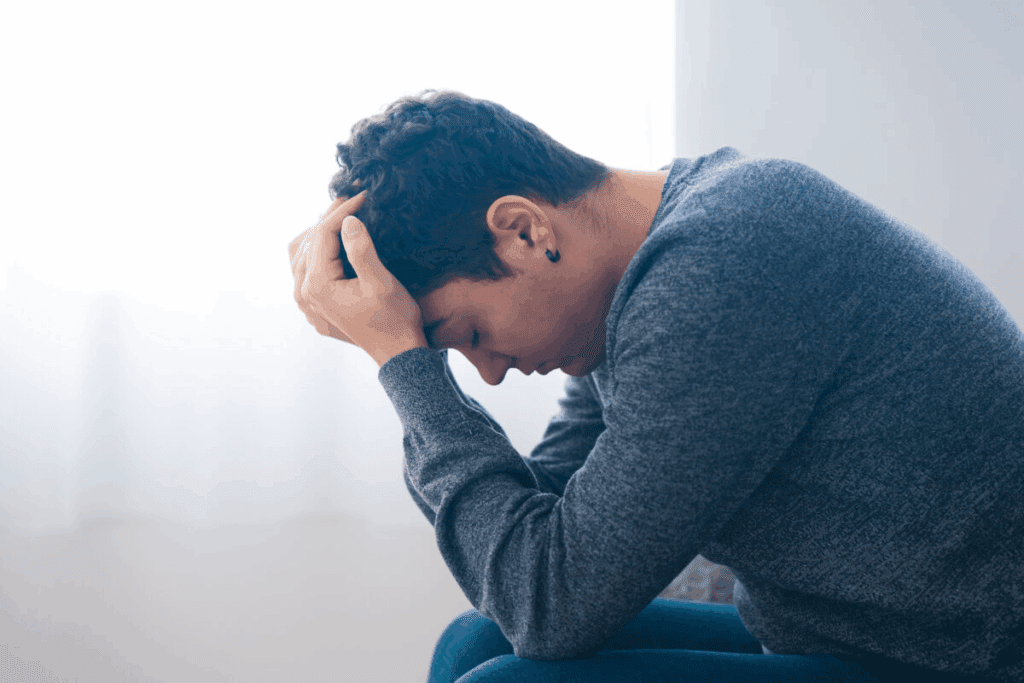
The link between depression and erectile dysfunction is complex. Research shows that people with depression are more likely to have erectile issues.The link between ED depression: Learn how erectile dysfunction can cause depression, and how depression can be a root cause of ED.
Studies found that men with depression are 1.82 times more likely to face impotence. This shows why healthcare providers need to treat both conditions together.
At Liv Hospital, we understand the importance of this connection. We aim to develop effective treatments by recognizing how depression and erectile dysfunction interact. This way, we can offer better care to our patients.
Key Takeaways
- Depression significantly increases the risk of developing erectile dysfunction.
- Men with depression are 1.82 times more likely to experience impotence.
- Understanding the connection between depression and erectile dysfunction is key for effective treatment.
- Comprehensive care addressing both depression and erectile dysfunction is essential.
- Liv Hospital is committed to delivering patient-centered care for these interconnected conditions.
Understanding Depression and Erectile Dysfunction

To understand the connection between depression and erectile dysfunction, we need to know about both. We’ll define clinical depression and erectile dysfunction. Then, we’ll look at how common they are.
What is Clinical Depression?
Clinical depression, or major depressive disorder, is a serious mental health issue. It makes people feel sad, hopeless, and lose interest in things they used to enjoy. It can make it hard to live daily life, affecting work, relationships, and overall happiness.
“Depression is not just feeling sad; it’s a condition that can significantly impair an individual’s quality of life.”
What is Erectile Dysfunction?
Erectile dysfunction (ED) means a man can’t get or keep an erection long enough for sex. It can be caused by physical or psychological issues, or both.
Many men face erectile dysfunction. Studies show over 50% of men aged 40 to 70 have some form of ED.
Age Group | Prevalence of ED |
40-49 years | 40% |
50-59 years | 50% |
60-70 years | 60% |
The Prevalence of Both Conditions
Depression and erectile dysfunction are more common than people think. About 1 in 5 adults will experience depression at some point.
Depression and erectile dysfunction often go together. People with depression are more likely to have ED, and vice versa. This shows how mental health and sexual function are connected.
Understanding and treating both conditions is key. Recognizing their connection helps healthcare providers treat the whole person, not just symptoms.
The Statistical Link Between Depression and ED

Research shows a strong link between depression and erectile dysfunction (ED). This isn’t just a coincidence. It’s backed by a lot of studies that look at how these two conditions often go together.
Research Findings on Comorbidity
Many studies have looked into the connection between depression and ED. They’ve found that people with depression are more likely to have ED. For example, a meta-analysis showed that men with depression are 39% more likely to have ED.
On the other hand, men with ED are also more likely to have depression. The same meta-analysis found that men with ED are 2.92 times more likely to have depression. This shows how mental health and sexual function are closely linked.
The 1.82x Increased Risk Factor
More research has looked at how much of a risk depression and ED are together. A study found that men with depression are 1.82 times more likely to have ED than those without depression. This highlights the importance of treating depression to prevent ED.
Systematic Reviews and Meta-Analyses
Systematic reviews and meta-analyses have been key in understanding the link between depression and ED. They’ve combined data from many studies to give a clear picture of the relationship. Researchers agree: there’s a strong statistical link between depression and ED.
Knowing this link helps doctors spot at-risk individuals and treat both depression and ED. This approach is key to improving the health and well-being of those affected.
The Bidirectional Relationship
Studies show that depression and erectile dysfunction (ED) affect each other. This means treating one condition might help the other. It’s important to look at both when trying to manage them.
How Depression Leads to ED
Depression can really hurt a person’s sex life, causing ED. The heavy feelings of depression can make it hard to want sex or feel anxious. Also, some depression meds can cause ED as a side effect.
The emotional weight of depression can also hurt relationships. This can make sex even harder. Feeling worthless and guilty can make people pull away from intimacy, making ED worse.
How ED Can Trigger Depression
ED can make people feel really bad about themselves, leading to depression. The stress and frustration from ED can make depression worse. The fear of not being able to perform can make things even tougher.
The Cycle of Psychological Distress
Depression and ED can create a tough cycle to get out of. As one gets worse, it can make the other worse too. This shows we need to treat both together to help someone’s mental and sexual health.
Factors | Depression Leading to ED | ED Triggering Depression |
Psychological Impact | Reduced sexual desire, increased anxiety | Feelings of inadequacy, low self-esteem |
Emotional Toll | Feelings of worthlessness, guilt | Fear of failure, anxiety |
Relationship Strain | Decreased intimacy, sexual activity | Avoidance, stress, frustration |
It’s key to understand how depression and ED affect each other. This knowledge helps us find better ways to treat both, breaking the cycle of distress.
ED Depression: Psychological Mechanisms
It’s key to understand how depression affects erectile function. Depression and ED are linked in complex ways. Different psychological factors can make sexual problems worse or even cause them.
Sexual Performance Anxiety
Sexual performance anxiety is a big factor in ED for people with depression. Anxiety about sexual performance can start a cycle. This cycle makes anxiety worse, which in turn makes ED worse.
Experts say, “The fear of failing in sex can be too much. It leads to a cycle of anxiety and ED.”
“The pressure to perform sexually can be a significant source of stress, specially for those already dealing with depression’s emotional weight.”
Negative Thought Patterns
Negative thoughts in depression also affect ED. People with depression often think pessimistically and feel bad about themselves. These thoughts can hurt their sexual function.
- Negative self-talk and self-perception
- Pessimism about sexual performance
- Feelings of guilt or shame related to sex
Decreased Sexual Interest and Desire
Depression can lower sexual interest and desire. This can make it hard to get or keep an erection. When you don’t want to be sexual, it’s tough to have an erection.
Psychological Factor | Impact on Sexual Function |
Decreased Sexual Desire | Reduced libido, making it harder to achieve an erection |
Negative Thought Patterns | Increased anxiety and stress, exacerbating ED |
Sexual Performance Anxiety | Fear of failure, creating a cycle of anxiety and ED |
Impact on Intimate Relationships
Depression and ED can hurt intimate relationships. The stress of both can cause emotional distancing and communication problems between partners.
Understanding these psychological links helps healthcare providers create better treatment plans. These plans address both mental health and sexual health issues in depression and ED.
Physiological Factors Connecting Depression and ED
It’s important to know how depression can lead to erectile dysfunction. Depression changes the body in ways that affect sex. These changes can make it hard to get an erection.
Hormonal Imbalances
Depression often leads to hormonal changes. One big change is a drop in testosterone levels.
Reduced Testosterone Levels
Testosterone is key for sex. Low levels can cause both depression and erectile dysfunction. Men with depression often have lower testosterone, which can lead to ED.
Nervous System Dysfunction
Depression can also mess with the nervous system. This can change how neurotransmitters work. These changes can affect sex drive and ability to get an erection.
Cardiovascular Connections
Heart health is linked to both depression and ED. Depression can raise the risk of heart disease. This can make ED worse.
The following table summarizes the physiological factors connecting depression and ED:
Physiological Factor | Impact on Erectile Function |
Hormonal Imbalances | Changes in hormone levels, like lower testosterone |
Reduced Testosterone Levels | Less sex drive and trouble getting an erection |
Nervous System Dysfunction | Problems with neurotransmitters and how they work |
Cardiovascular Connections | Higher risk of heart disease, which can cause ED |
Knowing these factors helps doctors treat both depression and ED better. They can create plans that tackle both issues at once.
Antidepressant Medications and Erectile Function
Antidepressants help manage depression but can harm sexual health, like causing erectile dysfunction. The link between antidepressants and erectile function is complex. It depends on the type of medication and how each person reacts.
SSRIs and Sexual Side Effects
SSRIs are a common type of antidepressant. They can lead to lower sex drive and erectile dysfunction. Studies show SSRIs can make it harder to feel sexually aroused or reach orgasm because they increase serotonin levels.
“The use of SSRIs has been associated with a range of sexual dysfunctions, including erectile dysfunction, in both men and women.”
A study in the Journal of Clinical Psychopharmacology found that about 40% of patients on SSRIs face sexual problems.
Other Antidepressants and Their Impact
SSRIs aren’t the only antidepressants that can affect sex. SNRIs, for example, can also cause sexual issues, though the rate might differ from SSRIs.
Antidepressant Type | Common Sexual Side Effects |
SSRIs | Decreased libido, erectile dysfunction |
SNRIs | Erectile dysfunction, delayed ejaculation |
Tricyclic Antidepressants | Erectile dysfunction, decreased libido |
Managing Medication-Induced ED
Dealing with erectile dysfunction from antidepressants is tough. Changing the dosage or switching medications might help. Sometimes, adding a drug like sildenafil can improve symptoms.
Talking openly with your doctor about sexual side effects is key. A study in the Journal of Sexual Medicine showed this can lead to better management plans.
Alternative Medication Options
If traditional antidepressants cause too many sexual problems, other options might be better. Bupropion, for example, is used for depression and quitting smoking and has fewer sexual side effects.
Looking into other treatments, like therapy or lifestyle changes, can also help. A well-rounded approach to managing depression and erectile dysfunction can improve your life overall.
Genetic Evidence for the Depression-ED Connection
Research has found a genetic link between depression and erectile dysfunction. This discovery helps us understand these conditions better. It also opens up new ways to treat them.
Recent Research Findings
Recent studies have used advanced genetic techniques to study depression and ED. They have found important information about their genetic connection.
One study used genome-wide association data to find genetic links between depression and ED. It found a strong genetic link between the two. This suggests they share a common cause.
Shared Genetic Factors
Discovering shared genetic factors between depression and ED is key. Research has found several genetic variants linked to both conditions.
These shared factors affect biological pathways like neurotransmitters, hormones, and blood vessels. Knowing this can help us develop better treatments.
Implications for Treatment Approaches
Genetic evidence linking depression and ED changes how we treat them. It lets healthcare providers tailor treatments to each person’s needs.
For example, knowing the genetic variants can help choose the right medication. It also helps predict how well a treatment will work and any side effects.
Genetic Factor | Association with Depression | Association with ED |
Variant 1 | High risk | Moderate risk |
Variant 2 | Moderate risk | High risk |
Variant 3 | Low risk | Low risk |
Using genetic information in treatment planning is a step towards precision medicine. This approach could lead to better treatment outcomes and improve lives for those with depression and ED.
Diagnosing Depression-Related Erectile Dysfunction
Understanding how depression and erectile dysfunction are linked is key to finding the right treatment. To diagnose depression-related erectile dysfunction, we look at both physical and mental health. This approach helps us understand the whole picture of a patient’s condition.
Medical Assessment Approaches
First, we do a detailed medical check-up to find any physical issues that might be causing erectile dysfunction. We review the patient’s health history, current medicines, and lifestyle. We also check for hormonal imbalances, heart health, and nerve function.
Key components of a medical assessment for ED include:
- Hormone level testing to identify any imbalances
- Cardiovascular evaluation to check blood flow and heart health
- Neurological examination to look for nerve damage or dysfunction
Psychological Evaluation
Next, we do a psychological check-up to understand the mental health side of erectile dysfunction. We look at symptoms of depression, anxiety, and other mental factors that might affect erectile function. We use special tools and interviews to gather this information.
The psychological evaluation may include:
- Standardized depression rating scales to measure depressive symptoms
- Clinical interviews to explore mental health history and current state
- Assessment of relationship dynamics and sexual function
Differentiating Causes of ED
It’s important to figure out the different reasons for erectile dysfunction to create a good treatment plan. We look at both physical and mental factors and how they might work together.
Cause of ED | Characteristics | Diagnostic Approach |
Depression-related ED | ED symptoms coincide with depressive episodes | Psychological evaluation, depression rating scales |
Medication-induced ED | ED symptoms start after starting certain medications | Medication review, adjustment of medications |
Physical condition-related ED | Presence of underlying medical conditions affecting erectile function | Medical history review, physical examination, diagnostic tests |
When to Seek Professional Help
If you’re experiencing erectile dysfunction, and you’re also feeling depressed, it’s important to get help. Early treatment can make a big difference in how well you recover.
We aim to provide complete care for depression-related erectile dysfunction. By getting help from healthcare professionals, people can manage their condition better.
Treatment Approaches for Depression and ED
Managing depression and erectile dysfunction requires a detailed plan. This plan should tackle both the mind and body aspects of these conditions. The best approach often mixes different methods, tailored to each person’s needs.
Psychotherapy Options
Psychotherapy is key in treating depression and erectile dysfunction. Cognitive-behavioral therapy (CBT) is very helpful. It helps people change negative thoughts that lead to their symptoms. Other therapies, like psychodynamic therapy and interpersonal therapy, can also be beneficial.
Medication Strategies
Medicines are used to treat both depression and erectile dysfunction. Selective serotonin reuptake inhibitors (SSRIs) are often given for depression. But, they can sometimes make erectile dysfunction worse. Other antidepressants, such as bupropion, might have fewer sexual side effects. For erectile dysfunction, phosphodiesterase type 5 inhibitors (PDE5 inhibitors) like sildenafil are commonly used.
Medication Type | Primary Use | Potential Side Effects |
SSRIs | Depression | Sexual dysfunction, nausea |
PDE5 inhibitors | Erectile dysfunction | Headache, flushing |
Bupropion | Depression | Insomnia, dry mouth |
Lifestyle Modifications
Making lifestyle changes can greatly help with depression and erectile dysfunction. Regular exercise, a healthy diet, and stress management can improve well-being. Quitting smoking and cutting down on alcohol consumption also helps.
Combined Treatment Approaches
Using different treatments together often works best. For example, combining psychotherapy with medication can tackle both the mind and body aspects of these conditions. Adding lifestyle modifications can also boost treatment results.
By using a complete treatment plan for depression and erectile dysfunction, people can see big improvements in their life quality.
Conclusion: Breaking the Cycle of Depression and Erectile Dysfunction
It’s important to understand how depression and erectile dysfunction (ED) are connected. We’ve seen how depression can cause ED and how ED can make depression worse. This creates a tough cycle to break.
Studies show that people with depression are more likely to have ED. This shows a strong link between the two. By treating both depression and ED together, people can see big improvements in their lives.
To break this cycle, we need a complete approach. This includes looking at the physical, mental, and genetic reasons behind these issues. This way, doctors can find better ways to treat depression and ED, helping patients get better.
Does depression cause erectile dysfunction? Yes, research shows a strong connection between the two. Knowing this helps us support those dealing with these issues better.
FAQ
Can depression cause erectile dysfunction?
Yes, depression can lead to erectile dysfunction. This happens through changes in behavior, physiology, and the effects of antidepressants.
What is the relationship between depression and erectile dysfunction?
Depression and erectile dysfunction affect each other. Depression can make erectile dysfunction worse, and erectile dysfunction can also worsen depression.
How common is erectile dysfunction in individuals with depression?
People with depression are more likely to have erectile dysfunction. Studies show a risk increase of 1.82 times.
Can antidepressant medications cause erectile dysfunction?
Yes, some antidepressants, like SSRIs, can cause erectile dysfunction. But, there are other medications and ways to manage this side effect.
What are the physiological factors that connect depression and erectile dysfunction?
Hormonal imbalances, low testosterone, and nervous system issues can link depression to erectile dysfunction.
How is depression-related erectile dysfunction diagnosed?
Doctors use medical and psychological tests to diagnose depression-related erectile dysfunction. They look for the causes and underlying conditions.
What treatment approaches are available for depression and erectile dysfunction?
Treatments include psychotherapy, medication, lifestyle changes, and combined therapies. These address both depression and erectile dysfunction.
Can lifestyle changes help alleviate depression and erectile dysfunction?
Yes, changes like exercise, a healthy diet, and stress management can help with both depression and erectile dysfunction.
Is there a genetic link between depression and erectile dysfunction?
Recent studies found shared genetic factors. This suggests a genetic connection between depression and erectile dysfunction.
How can healthcare providers develop effective treatment strategies for depression and erectile dysfunction?
Healthcare providers can create effective treatments by understanding the relationship between depression and erectile dysfunction. This way, they can treat both conditions together.
References
- Mandel, I., Dykstra, J., & Mandel, K. S. (2020). Urinalysis. In StatPearls. StatPearls Publishing. https://www.ncbi.nlm.nih.gov/books/NBK557685/