Last Updated on December 1, 2025 by Bilal Hasdemir

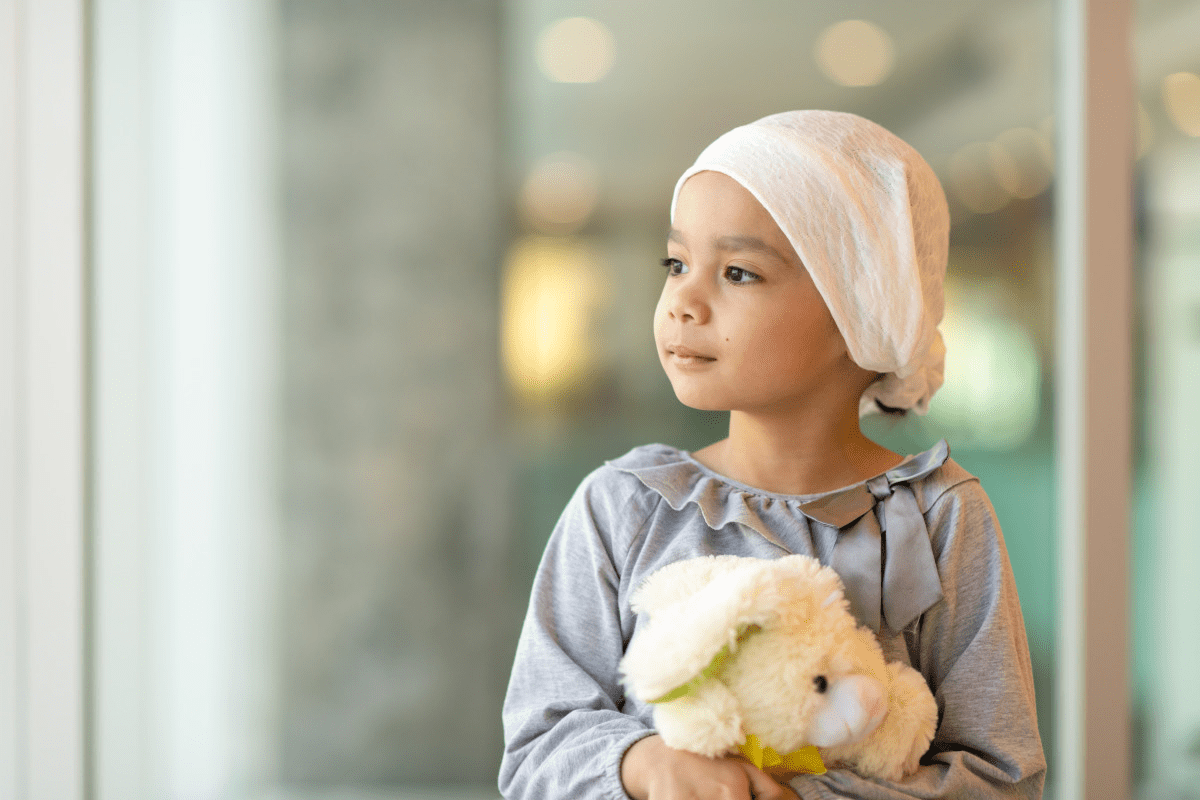
A cancer diagnosis can be overwhelming for families. But, with the right support, children with cancer can continue their education during treatment. The Canadian Cancer Society says many kids can keep up with their schoolwork even when they’re getting medical care.
It’s tough to balance school and medical care. Yet, with cancer resources for schools and a supportive community, kids can get the care they need. They can also keep learning. This helps them both in school and emotionally during a hard time.
Key Takeaways
- Children with cancer can continue their education during treatment.
- Support from schools and the community is key.
- Cancer resources for schools offer important help.
- It’s possible to balance medical care and education.
- Learning helps kids stay emotionally stable.
Understanding Childhood Cancer

Understanding childhood cancer is key; it’s important to recognize the different types, symptoms, and why early detection is vital. Childhood cancer is complex and needs quick diagnosis and treatment.
Types of Cancer Common Among Children
Childhood cancer includes many types, like leukemia, lymphoma, and brain tumors. The American Cancer Society says leukemia is the top childhood cancer, making up 30% of cases.
| Type of Cancer | Description | Common Symptoms |
| Leukemia | Cancer of the blood and bone marrow | Fatigue, pale skin, frequent infections |
| Lymphoma | Cancer of the lymphatic system | Swollen lymph nodes, fever, weight loss |
| Brain Tumors | Cancerous growths in the brain | Headaches, nausea, seizures |
Symptoms of Childhood Cancer
Symptoms of childhood cancer vary by type. Common signs include persistent fatigue, unexplained weight loss, and recurring fevers. For example, kids with leukemia might bruise easily, have bone pain, or get sick often.
Spotting these symptoms early is key for quick medical help.
The Importance of Early Diagnosis
Early diagnosis is vital for treating childhood cancer effectively. Catching cancer early means better treatment results. Parents and caregivers should watch for signs and seek help if they see anything unusual.
Knowing the types of cancer, recognizing symptoms, and the need for early diagnosis are essential. They help support and care for kids fighting cancer.
The Impact of Cancer Treatment on Education

Cancer treatment is tough for kids, affecting their health and school life. It involves many therapies, each with its own challenges and side effects.
Common Treatments and Their Side Effects
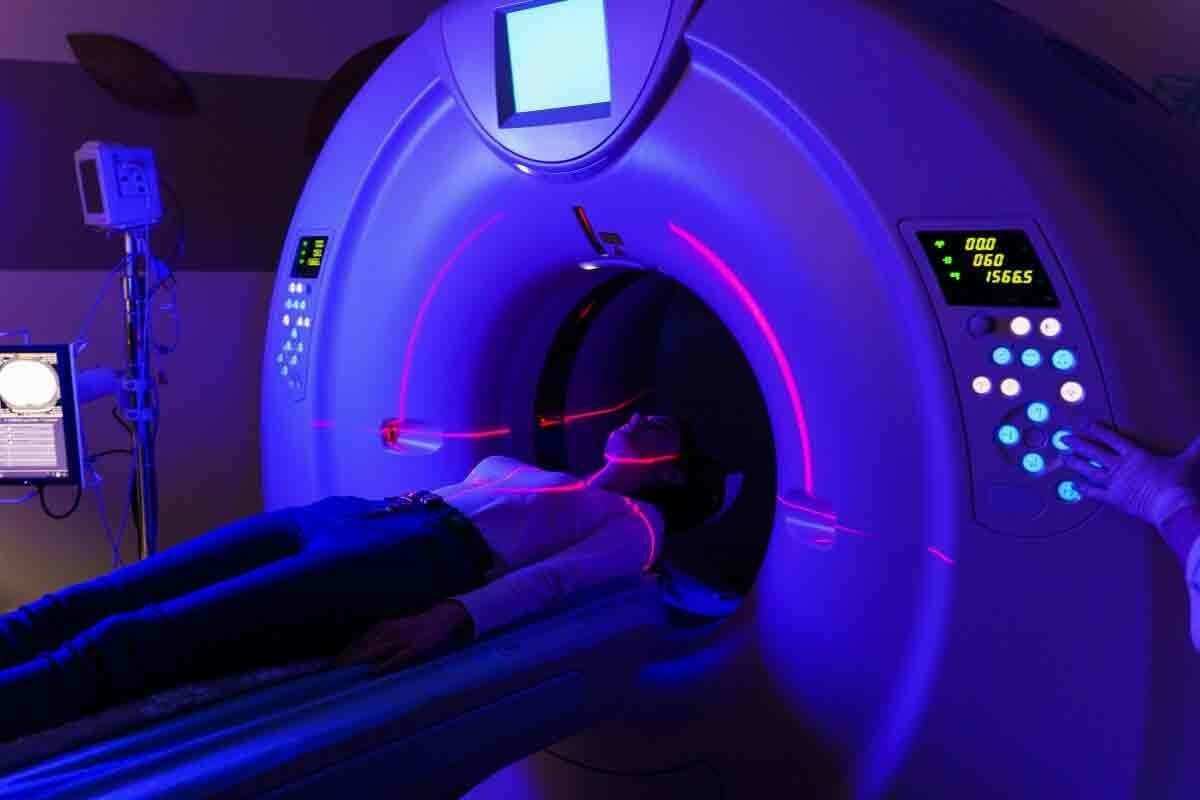
Kids with cancer often get chemotherapy or radiation. These treatments can make it hard for them to go to school. Side effects include:
- Fatigue: Kids might feel too tired for school activities.
- Nausea and Vomiting: These can cause them to miss school and struggle to focus.
- Cognitive Difficulties: Some treatments can make learning harder.
How Treatment Affects School Attendance
The side effects of cancer treatment can make it hard for kids to go to school. They might have to miss school for hospital visits or to recover. We need to find ways to help them keep up with their studies.
Here are some ways to help:
- Flexible Scheduling: Schools can adjust their schedules to fit around treatment.
- Homebound Instruction: Teaching at home or in the hospital can help kids stay on track.
- Online Learning: Online classes and resources can keep learning going during treatment.
Psychological Effects on Children and Education
Cancer treatment affects kids’ minds as well as their bodies. They might feel anxious, depressed, or stressed. It’s important to help them deal with these feelings to keep them in school.
Support groups and counseling can help kids cope with the emotional side of treatment. Emotional support helps them stay focused on their studies.
Legal Rights for Children with Cancer
It’s important to know the legal rights of kids with cancer. This helps them get the school support they need. Laws protect their right to keep learning, even when they’re sick.
Going to school can be tough for kids with cancer. But, there are laws to help them. These laws make sure they get the education they deserve.
The Individuals with Disabilities Education Act (IDEA)
The Individuals with Disabilities Education Act (IDEA) is a federal law. It helps kids with disabilities, like cancer, get the education they need. Kids with cancer might get an Individualized Education Program (IEP). This plan is made just for them.
Key provisions of IDEA include:
- Free and appropriate public education (FAPE) in the least restrictive environment
- Evaluation and eligibility determination for special education services
- Development of an IEP that outlines specific educational goals and services
Section 504 of the Rehabilitation Act
Section 504 of the Rehabilitation Act also protects kids with cancer. This law stops schools from discriminating against kids with disabilities. It applies to schools that get federal money.
Section 504 requires schools to provide reasonable accommodations. This means kids with cancer can get help to learn. Schools might change their schedule or give extra time on tests.
Accommodations for School Attendance
Accommodations under IDEA and Section 504 help kids with cancer go to school. These changes are made to fit the child’s needs. They can be changed as the child gets better or worse.
For example, a kid on chemotherapy might miss a lot of school. Schools can offer homebound instruction or online learning options. This way, the kid can keep up with their schoolwork.
Knowing and using these legal rights helps families. It ensures kids with cancer get the education they need to succeed.
Developing an Educational Plan
Creating an educational plan is a team effort. It involves healthcare experts, parents, and schools. This plan is key to making sure kids with cancer get the education they need while they’re being treated.
Collaborating with Healthcare Professionals
Healthcare professionals are very important in making an educational plan. They share important details about the child’s health, treatment, and how it might affect learning. Working with these experts helps make a plan that fits the child’s needs.
Key aspects to discuss with healthcare professionals include:
- The child’s treatment schedule and possible side effects
- Any physical or mental challenges from treatment
- Ways to handle tiredness and other treatment issues
Creating a Personalized Education Plan (PEP)
A Personalized Education Plan (PEP) is made just for a child with cancer. It outlines their learning goals, what help they need, and how to support them during treatment.
To create an effective PEP, consider the following:
- Check where the child is academically and what they’re good at and need to work on.
- Set goals that are realistic, considering their health and treatment.
- Find ways to manage schoolwork and assignments while they’re being treated.
Encouraging Communication Between Parents and Schools
Good communication between parents and schools is vital. Parents should tell the school about their child’s health, treatment, and any changes that might affect learning.
By working together, parents and schools can make a learning space that supports the child’s needs. Regular talks help spot any problems early and make changes to the plan as needed.
Strategies for Supporting School-Aged Children
Supporting school-aged children with cancer needs a team effort. Parents, teachers, and doctors all play a part. We can use several strategies to help these kids keep up with school.
Flexible Schedules and Reduced Workloads
One good strategy is to offer flexible schedules. This fits around the child’s treatment and energy levels. It lets them go to school when they’re most awake.
Also, we can make their schoolwork easier. This means less homework or more time to finish it. It helps reduce stress and makes school more doable.
Virtual Learning Options
For kids who can’t go to school, virtual learning options are great. They can learn online from home. This keeps them in touch with friends and teachers.
It also lets them learn at their own pace. This makes learning more personal and effective for them.
Peer Support and Peer Groups
Peer support is key for kids with cancer. It makes them feel less alone. We can set up peer support groups for them to meet others facing similar issues.
This support is emotional and helps them feel understood. Schools can also teach others about cancer. This creates a supportive environment for these kids.
By using these strategies, we can offer full support to kids with cancer in school. This helps them through their education, even during tough times.
The Role of Schools in Supporting Students
When a child is diagnosed with cancer, their school becomes a key source of comfort. Schools are essential in the educational journey of children with cancer. Their support greatly helps a child cope with treatment.
Training for Staff on Childhood Cancer
Training school staff on childhood cancer is vital. They need to know the basics of cancer, its treatment, and how it affects learning. This understanding helps staff support students better.
Key areas of training include:
- Understanding the types and effects of cancer treatment
- Recognizing the emotional and psychological needs of students with cancer
- Developing strategies for supporting students during and after treatment
Awareness Programs for Peers
Awareness programs for peers are also important. These programs help reduce stigma and increase understanding. They educate classmates about childhood cancer, promoting empathy and support.
Awareness programs can include:
- Educational workshops about cancer and its treatment
- Support groups for classmates of students with cancer
- Activities to promote inclusion and reduce isolation
Creating a School Environment of Understanding
Creating a supportive school environment is complex. It involves training staff, awareness programs, and adjusting the educational setting. These changes help students with cancer during treatment.
Some strategies for a supportive environment include:
- Flexible scheduling to accommodate treatment appointments
- Providing resources for home learning during absences
- Encouraging open communication between parents, students, and school staff
By implementing these measures, schools can significantly support students with cancer. They ensure these students get the education and support they need during tough times.
Staying Engaged with Learning
Learning can be a positive experience for kids with cancer. It’s important to keep them learning during treatment. This helps their schoolwork and emotional health.
Maintaining Academic Rigor During Treatment
Keeping up with schoolwork during treatment is key. We help families and schools make plans that fit the child’s treatment and abilities.
Key strategies include:
- Adjusting homework and assignment deadlines
- Providing temporary exemptions from certain subjects if needed
- Utilizing online resources for continued learning
The Leukemia & Lymphoma Society says, “Children with cancer can stay engaged with learning during treatment through various resources, including home learning programs and technology aids.”
(“Children with cancer can stay engaged with learning during treatment through various resources, including home learning programs and technology aids.”)
Resources for Home Learning
Home learning resources are very important for kids with cancer. We suggest using programs from the Leukemia & Lymphoma Society (www.lls.org). They offer many educational resources and support.
| Resource | Description | Benefit |
| Online Tutoring | Personalized tutoring sessions via online platforms | Flexibility in scheduling, personalized attention |
| Educational Apps | Interactive learning apps for various subjects | Engaging, self-paced learning |
| Home Learning Kits | Kits provided by organizations for home use | Comprehensive learning materials, ease of use |
Technology Aids and Educational Apps
Technology and educational apps are great for kids with cancer. They let kids learn from home. We suggest looking into different educational apps and online platforms.
Popular educational apps offer fun learning experiences in math, reading, and science. They help kids learn and also improve their thinking and problem-solving skills.
Emotional and Social Considerations
Children with cancer face many emotional and social challenges. These can make them feel isolated, anxious, and depressed. It affects not just the child but also their family.
Building a Support Network
It’s key to build a strong support network for kids with cancer. This includes family, healthcare teams, and support groups. Support groups are great for sharing experiences and getting emotional support.
Families should reach out to groups that help with childhood cancer. These groups offer resources, counseling, and peer support that’s really helpful.
Managing Isolation and Loneliness
Cancer treatment can be long and lonely. Kids might miss school and social events. It’s important for parents to keep their child connected with friends and family.
Using technology like video calls and social media can help. Also, having friends visit or join in activities can fight off loneliness.
Importance of Extracurricular Activities
Extracurricular activities are key for kids’ emotional and social growth, even with cancer. They bring joy and a sense of normalcy. Families should look into activities that fit their child’s energy and health.
Things like art therapy, gentle yoga, or simple games are great. They distract from treatment and help build resilience and positivity.
By focusing on these emotional and social aspects, we can help kids with cancer better. It’s about creating a supportive environment that cares for their overall well-being, not just their medical needs.
Transitioning Back to School After Treatment
After cancer treatment, kids face a big challenge: going back to school. This step needs careful planning and help from parents, teachers, and doctors.
Assessing Academic Readiness
Before going back to school, it’s key to check if the child is ready. We look at their current school level, find out what they might have missed, and plan how to help them catch up. We work with teachers to make a special plan for each child.
Key considerations include:
- Reviewing the child’s current academic performance
- Identifying areas where additional support is needed
- Developing a plan to help the child catch up on missed work
Counseling and Support Services
Counseling and support are very important for kids going back to school after cancer. Schools should offer counseling to help kids deal with any emotional or psychological issues.
Support services can include:
- Individual counseling sessions
- Group therapy to connect with peers who have experienced similar challenges
- Family support to help parents and siblings cope with the transition
Celebrating Milestones and Accomplishments
Celebrating kids’ achievements is very important. It helps them feel confident and good about themselves after cancer. We suggest that parents and teachers celebrate every success, big or small.
With help from organizations like the Leukemia & Lymphoma Society (LLS), we can support kids in school and beyond. LLS provides schools with important resources, like educational materials and support programs. These help make schools more welcoming and supportive for kids with cancer.
Conclusion: Balancing Health and Education
It’s key to balance health and education for kids with cancer. They need help from doctors, parents, and schools to stay well. Education and treatment go hand in hand for their growth.
Ongoing Support for Children with Cancer
Children with cancer need ongoing support. The Leukemia & Lymphoma Society (LLS) helps a lot with their programs at www.lls.org/programs. They offer financial help and emotional support to families.
Encouraging Resilience and Hope
We can help kids with cancer feel strong and hopeful. This means treating them medically and keeping them connected to school and friends. Schools and doctors must work together to make a special education plan for each child.
The main goal is to support kids with cancer so they can do well in school and life. By focusing on both health and education, we help them reach their highest goals.
FAQ
What resources are available to support the educational needs of children with cancer?
The Leukemia & Lymphoma Society (LLS) has many programs to help kids with cancer. This includes educational support. For more details, visit www.lls.org/programs.
How does cancer treatment affect a child’s education?
Cancer treatment can make it hard for kids to learn. Side effects like fatigue and hair loss cause them to miss school. They might also have trouble learning.
What are the legal rights of children with cancer regarding their education?
Kids with cancer have rights under laws like the Individuals with Disabilities Education Act (IDEA). These laws help them get the education they need, even when they’re sick.
How can schools support children with cancer?
Schools can help by being flexible with schedules. They can also offer virtual learning and support groups. Training staff and raising awareness among peers is also important.
What is a Personalized Education Plan (PEP), and how is it created?
A PEP is a special plan made with the help of doctors, parents, and teachers. It’s designed to meet the educational needs of a child with cancer. This ensures they get the right support during treatment.
How can children with cancer stay engaged with learning during treatment?
Kids with cancer can keep up with school by staying focused on their studies. They can use learning resources at home and technology to stay connected to their education.
What are the common types of cancer that affect children?
Leukemia is a common cancer in kids. Knowing the type of cancer and its symptoms is key for early treatment and better outcomes.
How can parents and caregivers support a child with cancer during treatment?
Parents and caregivers can help by building a support network. They can also manage feelings of isolation and loneliness. Encouraging kids to join in activities is important for their well-being.
What support is available when a child transitions back to school after cancer treatment?
When kids go back to school after treatment, they can get help. This includes checking if they’re ready for school, counseling, and celebrating their achievements. This helps them fit back in smoothly.
References
- Thompson, A. L., Gibson, F., Stewart-Brown, S., & others. (2015). Academic continuity and school re-entry support as a psychosocial standard of care in paediatric oncology. Psycho‐Oncology, 24(1), 143-152. https://www.ncbi.nlm.nih.gov/pmc/articles/PMC5198902/