At Liv Hospital, we’ve seen a big change in fertility treatments. Donor egg IVF has become very popular, with nearly 10,000 babies born in the US in 2021. This method is successful for women of all ages. It’s different from traditional IVF, where success rates drop a lot with age.
The age of the egg donor is key, not the woman’s age. This has changed how we look at fertility, helping women over 40 have success rates over 50 percent. We’re leading in this new treatment, giving top medical results.
Key Takeaways
- Donor egg IVF offers consistent success rates regardless of the recipient’s age.
- Nearly 10,000 babies were born through donor egg IVF in the US in 2021.
- The age of the egg donor is the primary factor determining IVF success.
- Women over 40 have significantly improved fertility outcomes with donor egg IVF.
- Liv Hospital leads in providing innovative and competitive donor egg IVF treatments.
The Science Behind Donor Egg IVF
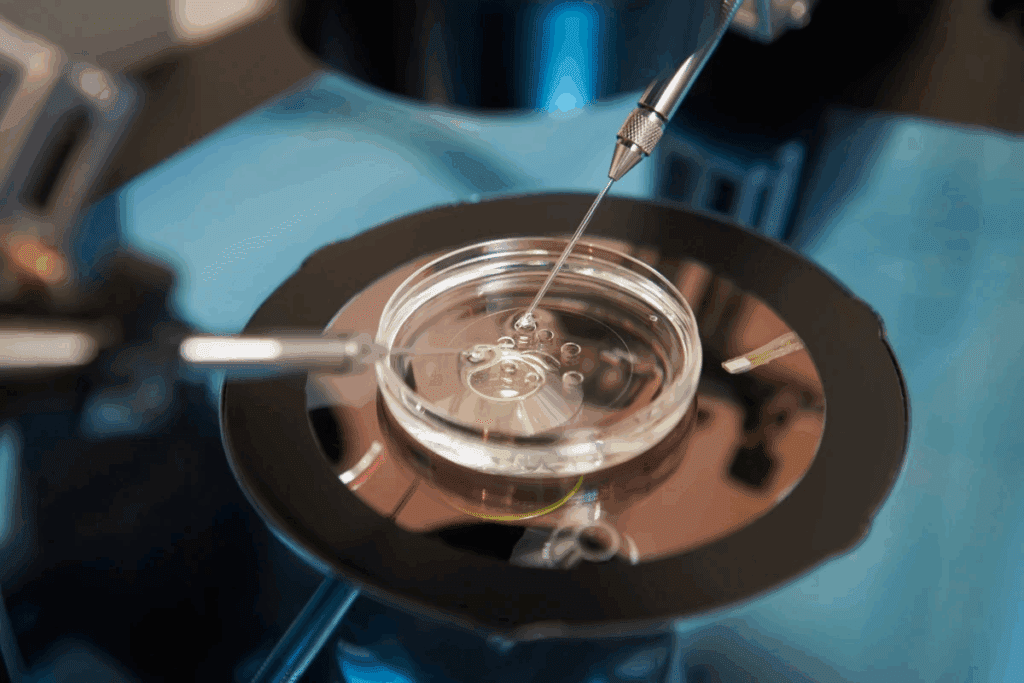
More women are having babies later in life. Donor egg IVF is a key option for them. It involves choosing a donor, screening them, and then transferring embryos to the woman’s uterus.
How Donor Egg Treatment Works
First, a donor is chosen, usually under 35. They go through medical checks. This includes looking at their health history, genetic tests, and how many eggs they have.
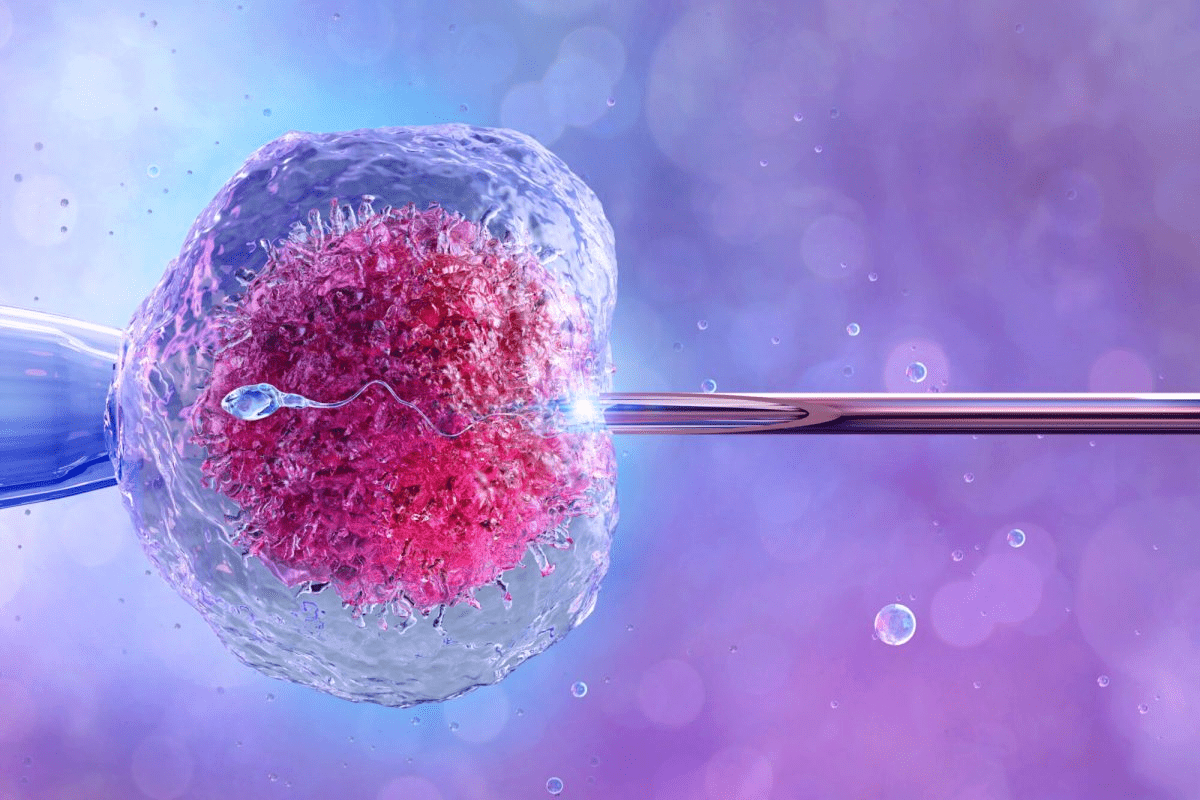
The aim is to pick eggs that are healthy and likely to be fertilized and implanted well. After the eggs are taken out, they’re mixed with the man’s sperm in IVF. The embryos grow in the lab for 3-5 days before being put in the woman’s uterus.
The woman’s uterus is made ready for the embryos with hormone meds. This makes her cycle match the donor’s. This whole process, from first meeting to embryo transfer, can take weeks to months.
Why Women Choose Donor Eggs
Women pick donor eggs mainly because of age. As they get older, their eggs quality and number drop. Donor eggs give a better chance of success than using their own eggs at an older age. Others might choose it if they can’t get pregnant naturally or through IVF with their own eggs.
Choosing donor eggs is often about wanting a genetically related child. But it’s a big emotional and psychological choice. Getting support from fertility experts is key to making the right decision.
Egg Donation Success Rates by Age: The Complete Picture
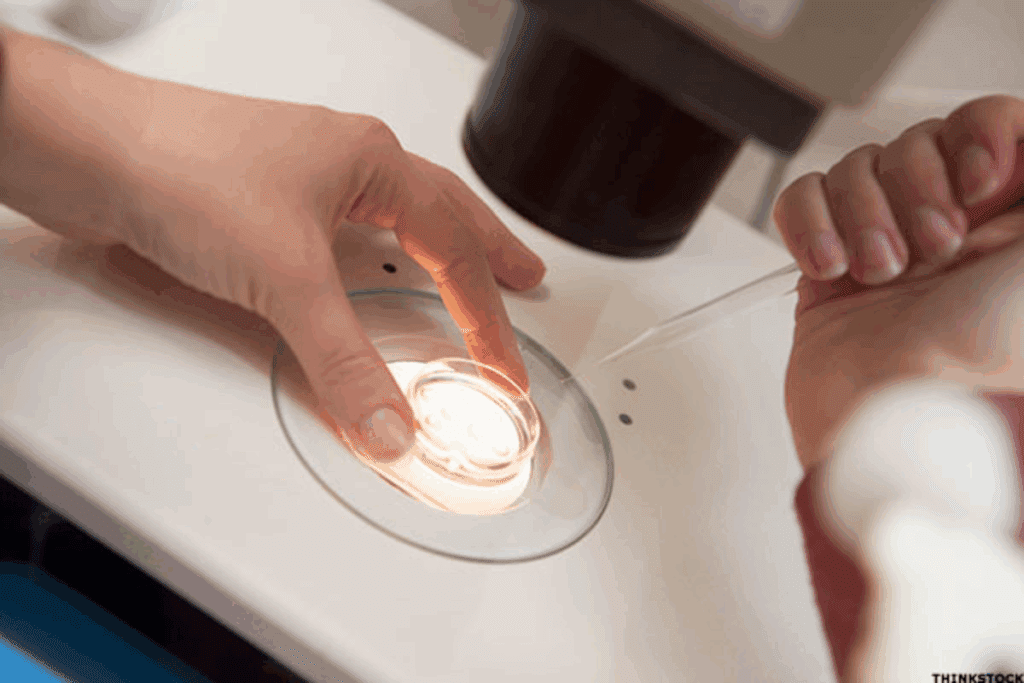
The age of the donor is key in egg donation success. The quality and age of the eggs greatly affect pregnancy chances.
Why Donor Age Matters More Than Recipient Age
Donor age is very important for IVF success with donated eggs. Younger donors give better eggs, leading to higher success rates. Studies show eggs from donors under 30 have much better success rates than older donors.
Donor age is critical because it affects egg quality. As women get older, their eggs get worse, leading to more problems and lower success rates.
The Impact of Donor Selection Criteria
How clinics choose donors also affects success rates. Clinics with strict criteria, like age limits and genetic tests, often have better success rates. This ensures only the best eggs are used.
Some clinics may be more lenient, which can lower their success rates. It’s important for those looking to donate or receive eggs to ask about the clinic’s criteria.
Clinic-Specific Success Rate Variations
Success rates vary between clinics due to different approaches and expertise. Some clinics use the latest technology or have more experienced staff, leading to better results.
When picking a clinic, look at their egg donation success rates. Ask about their donor selection, IVF methods, and success rates to make a good choice.
Fresh vs. Frozen Donor Eggs: Success Rate Comparison
It’s key to know the success rates of fresh versus frozen donor eggs for IVF. Choosing between them can greatly affect treatment results.
The decision to use fresh or frozen eggs in donor egg IVF depends on several things. These include the number of eggs, the need for cycle sync, and the chance for multiple embryo transfers. Fresh donor eggs have seen higher success rates than frozen eggs, thanks to better freezing methods.
Fresh Donor Egg Success Statistics
Research shows fresh donor eggs lead in live birth rates per transfer over frozen eggs. The live birth rate for fresh donor eggs is about 47.7%. This shows a high success rate for this option.
Several factors contribute to fresh donor eggs’ higher success rate. These include:
- The quality of the eggs, as fresh eggs are less damaged by freezing and thawing.
- The sync of donor and recipient cycles, boosting implantation chances.
Frozen Donor Egg Outcomes
Frozen donor eggs, though with a lower success rate than fresh, are a good IVF option. The live birth rate for frozen donor eggs is about 39.6%, based on recent data.
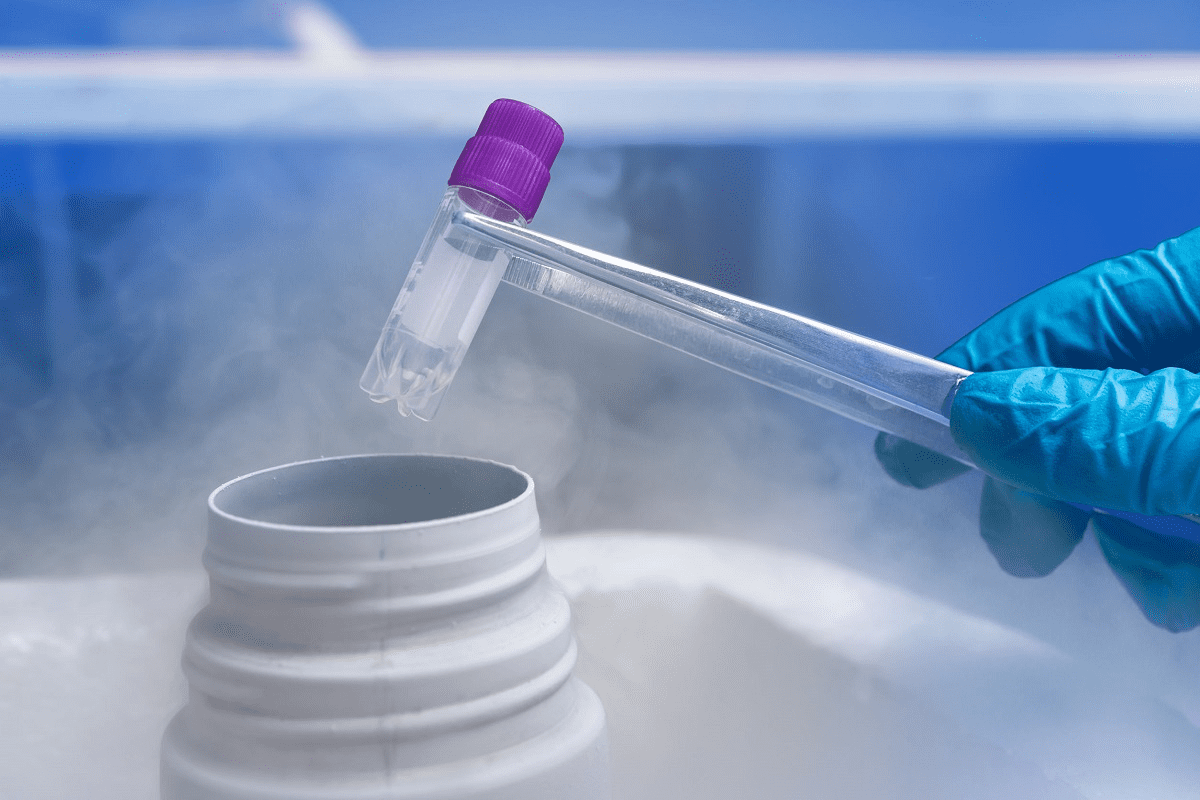
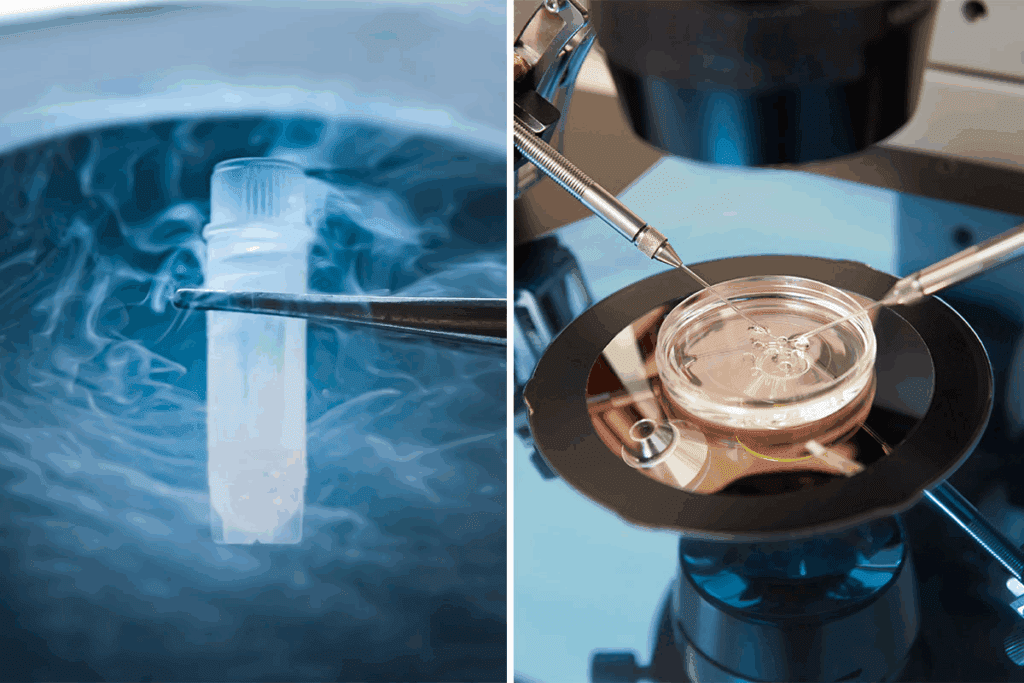
New egg freezing tech, like vitrification, has greatly improved frozen egg survival and success in fertilization and implantation.
Which Option Offers Better Results
The choice between fresh and frozen donor eggs depends on personal situations and doctor advice. Fresh eggs have a higher success rate. But frozen eggs offer:
- Convenience, as they don’t need cycle sync.
- Availability, as they can be stored for later use, possibly reducing the need for more donor cycles.
As reproductive tech advances, the gap in success rates between fresh and frozen donor eggs may shrink. This could open up more possibilities and hope for those undergoing IVF.
Donor Egg Success Rates for Recipients Under 40
Women under 40 have a better chance of getting pregnant with donor egg IVF. This is because of better technology and the quality of donor eggs.
Statistical Outcomes and Expectations
Research shows that women under 40 do much better with donor egg IVF. They have higher pregnancy rates. Many clinics see success rates over 60% per transfer.
- Higher Pregnancy Rates: Donor egg IVF leads to more pregnancies. This is because of the quality of eggs from younger donors.
- Improved Live Birth Rates: The rate of live births per transfer is also higher. This means more successful outcomes for each cycle.
- Reduced Miscarriage Rates: Using eggs from younger women lowers miscarriage risk. This boosts the treatment’s success.
Comparison to Own-Egg IVF Success
Donor egg IVF success rates are much higher than own-egg IVF for women under 40. Own-egg IVF success drops after 35. But donor egg IVF stays high, no matter the recipient’s age.
The key advantage is the quality and age of the donor eggs. These are usually from women under 30. This greatly increases the chance of a successful pregnancy.
Case-Specific Considerations
While donor egg IVF has high success rates, results can vary. This depends on several factors. These include the recipient’s uterine health, sperm quality, and any fertility issues.
- Uterine Health: The uterus’s condition and how receptive it is are key for implantation success.
- Sperm Quality: Good sperm quality is vital for fertilization and pregnancy.
- Fertility Issues: Any health conditions or fertility problems can affect donor egg IVF success.
Knowing these factors helps in making better choices. It also means tailoring the treatment to fit individual needs.
Donor Egg Success Rates for Recipients 40-42
Donor egg IVF is a great option for women aged 40-42. It offers better success rates than traditional IVF. This is because younger donors provide high-quality eggs, boosting the chances of a successful pregnancy.
Expected Success Percentages
Women aged 40-42 see high success rates with donor egg IVF. The pregnancy rates can be between 50% to 60% per embryo transfer. Some clinics even report higher success rates.
Key statistics include:
- Live birth rates per transfer: 40-50%
- Pregnancy rates per transfer: 50-60%
- Cumulative pregnancy rates over multiple cycles: 70-80%
The Significant Advantage Over Traditional IVF
Donor eggs greatly improve success rates for women in their early forties. The quality and age of the donor eggs are key. They directly affect the chances of a successful pregnancy.
“The use of donor eggs from younger women rejuvenates the chances of pregnancy for older recipients,” says a leading fertility specialist. This method helps bypass the decline in egg quality with age, making it a viable path to parenthood.
Factors That May Influence Outcomes
Several factors can affect the success of donor egg IVF for women aged 40-42. These include:
- The quality of the donor eggs
- The recipient’s uterine health and receptivity
- The expertise and experience of the fertility clinic
By considering these factors and choosing a reputable clinic, women in this age group can increase their chances of success.
Donor Egg Success Rates for Recipients 43-44
Women aged 43-44 can see a big boost in IVF success with donor eggs. This age group often struggles with egg quality and quantity. Donor eggs offer a solution.
The big plus of donor eggs is their quality and the careful selection process. They come from younger women. This means they are more viable and have lower risks of genetic problems.
Significant Improvement Over Own Eggs
Studies show that for women aged 43-44, using donor eggs leads to seven times higher success rates than using their own eggs. This big difference is mainly because the egg donors are much younger.
Donor eggs help avoid the decline in egg quality that comes with age. This is key for women in this age group. Their own eggs may have more genetic issues, making IVF less likely to succeed.
Statistical Analysis and Real-World Outcomes
Looking at donor egg IVF cycles, the success rates for women aged 43-44 are promising. Clinical data show they can get pregnancy rates as good as, or even better than, younger women using their own eggs.
Real-world results from fertility clinics back up these numbers. They show women in this age group have a significantly higher chance of getting pregnant with donor eggs than with their own.
Making Informed Treatment Decisions
When thinking about IVF with donor eggs, women aged 43-44 need to make informed choices. They should look at detailed data and get advice from fertility experts.
Things like the quality of the donor eggs, the recipient’s uterine health, and the clinic’s expertise are key. Knowing these factors helps women choose the best treatment for them.
The choice to use donor egg IVF should be based on a careful look at each person’s situation. It should be supported by the latest research and advice from experts.
Donor Egg Success Rates for Recipients Over 45
Donor egg success rates for women over 45 are surprising and hopeful. Even as fertility naturally decreases with age, top-notch donor eggs and modern IVF methods have greatly boosted success rates for older women.
Maintaining High Success Rates Despite Advanced Age
The success of donor egg IVF for women over 45 comes from the quality of the donor eggs and the best treatment plans. Our clinics have seen high success rates, with pregnancy rates between 63-69% for this age group.
Key Factors Contributing to High Success Rates:
- Use of high-quality donor eggs from younger donors
- Personalized treatment protocols tailored to individual needs
- Advanced IVF techniques and laboratory practices
Age-Defying Results: The 63-69% Pregnancy Rate
The results for women over 45 are amazing, thanks to IVF advancements and donor egg programs. Women in this age group are now getting pregnant at rates of 63-69%. This is a big jump from traditional IVF success rates.
| Age Group | Pregnancy Rate with Donor Eggs | Traditional IVF Pregnancy Rate |
|---|---|---|
| Over 45 | 63-69% | Less than 5% |
| 40-44 | 50-60% | 10-20% |
A leading fertility specialist notes, “Donor eggs have changed reproductive medicine. They give hope to women who thought they were too old to have children.”
“The use of donor eggs has revolutionized the field of reproductive medicine, giving hope to women who thought they were too old to have children.”
Medical Expert, Fertility Specialist
In conclusion, the success rates for donor egg IVF for women over 45 are very encouraging. They show the big progress in reproductive technology. With high-quality donor eggs and custom treatment plans, women in this age group can have babies and fulfill their dream of being parents.
Cumulative Success Rates with Multiple Donor Egg Cycles
Understanding cumulative success rates over multiple cycles is key when thinking about donor egg IVF. This journey often takes more than one try. Knowing the overall success rates helps set realistic goals.
First Cycle Success Expectations
The first cycle of donor egg IVF is a big step. Success rates for the first cycle are usually high. Women under 40 have a 50-60% chance of getting pregnant with eggs from younger donors.
Many things affect success, like egg quality, uterine health, and the clinic’s skill.
Second and Third Cycle Improvements
If the first cycle doesn’t work, there’s hope in the next ones. More cycles can really boost success rates. By the second cycle, clinics often see a 65-75% pregnancy rate.
By the third cycle, this can jump to 75-95%. This boost comes from better treatment plans and top-notch donor eggs.
Reaching 75-95% Success Over Multiple Attempts
The success rates over multiple cycles are very encouraging. With three cycles, success can hit 75-95%. This is great news for those facing fertility issues.
It shows that with persistence and the right treatment, pregnancy is likely.
When to Consider Additional Cycles
Deciding on more cycles depends on several things. These include age, health, egg quality, and past treatment results. It’s smart to talk to a fertility expert.
They can give advice based on your situation. They help figure out the chances of success with more cycles.
Conclusion: Navigating Your Donor Egg Journey
Donor egg IVF has shown high success rates across different ages. The donor’s age is key. It’s important to understand these rates and think about your own situation when choosing treatment.
Starting the donor egg journey can be tough. But, with the right info and support, you can make good choices. We’ve learned that even those over 40 can have success with donor eggs. Success rates can go up to 75-95% with more cycles.
Knowing what affects success in donor egg IVF is important. This includes the donor’s age and the clinic’s quality. If you’re thinking about donor egg IVF, look into your options. Read success stories and talk to fertility experts. This will help you find the best treatment for you.
FAQ
What are the overall success rates for donor egg IVF?
Donor egg IVF has a success rate of 50 to 75 percent for getting pregnant. Live birth rates are between 50 and 70 percent for fresh cycles.
How does the age of the egg donor affect success rates?
The age of the egg donor is key. Younger donors give healthier eggs. These eggs have a better chance of implanting.
What is the difference in success rates between fresh and frozen donor eggs?
Both fresh and frozen eggs have high success rates. The choice depends on the number of eggs, cycle timing, and the chance for multiple transfers.
How do donor egg success rates compare for recipients under 40 versus those over 40?
Success rates for donor egg IVF are similar for all ages. But, women over 40 see big benefits compared to traditional IVF.
What are the success rates for donor egg IVF for recipients between 40 and 42 years old?
For those 40 to 42, donor egg IVF greatly improves success rates. Quality of the donor eggs and uterine health are key.
Can women over 45 achieve high success rates with donor egg IVF?
Yes, women over 45 can have high success rates with donor egg IVF. This is thanks to top-quality donor eggs and the right clinic protocols.
How do cumulative success rates change with multiple donor egg cycles?
Success rates can hit 75-95% with multiple cycles. Second and third cycles often see improvements.
What factors should be considered when deciding on additional donor egg cycles?
Consider how well you respond to treatment, any fertility issues, and the quality of the donor eggs.
How do clinic-specific protocols and expertise affect donor egg success rates?
Clinic success rates vary due to different protocols, expertise, and donor selection. Choosing a reputable clinic is key.
What are the advantages of using donor eggs for women over 35?
Donor eggs are a big plus for women over 35. They help counteract age-related fertility decline and offer healthier eggs.
How many donor egg cycles are typically required for success?
The number of cycles needed varies. Many achieve success in the first few cycles. Success rates improve with more attempts.
References
Government Health Resource. Donor Egg IVF Success: Age and Outcomes. Retrieved from https://www.cdc.gov/art/success-rates/index.html
Government Health Resource. Evidence-Based Medical Guidance. Retrieved from https://www.cdc.gov/art/success-rates/index.html