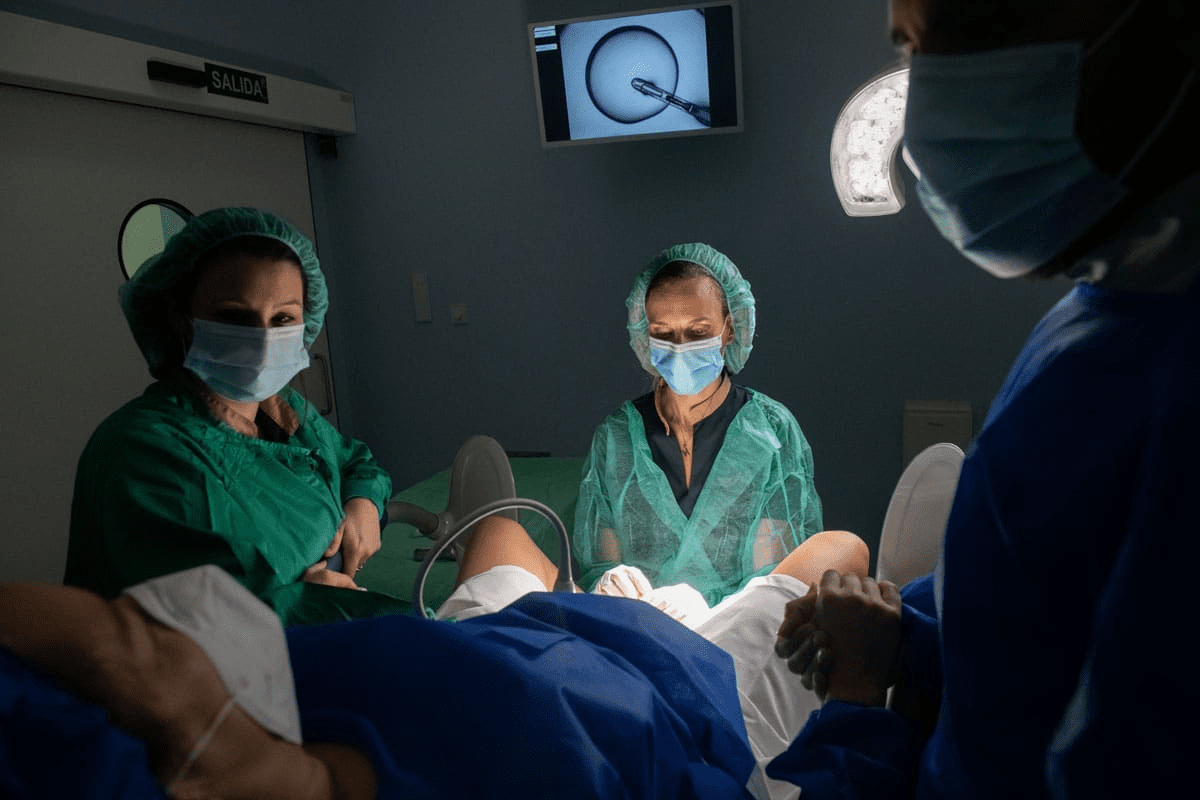
Starting your IVF journey means learning about the egg retrieval process. This process is key to your success. At Liv Hospital, we help you understand every step of your fertility journey. We do this with education and caring support. A checklist of critical egg retrieval instructions to follow in the 24 hours leading up to the procedure.
Getting ready for IVF egg retrieval can make you feel more confident. Studies show that having 17-25 eggs retrieved is best. This shows how important it is to prepare well and know the process.
Key Takeaways
- Understanding the IVF egg retrieval process is key to success.
- Good preparation can greatly improve your chances.
- Knowing what to expect can help you feel less anxious.
- The number of eggs retrieved affects IVF success rates.
- Compassionate care and education are vital in fertility treatment.
Understanding the Egg Retrieval Process

Learning about egg retrieval is key for those going through IVF or egg freezing. This step is vital in assisted reproductive technology. It helps take eggs from the ovaries for use in fertility treatments.
What Is Egg Retrieval and Its Role in IVF
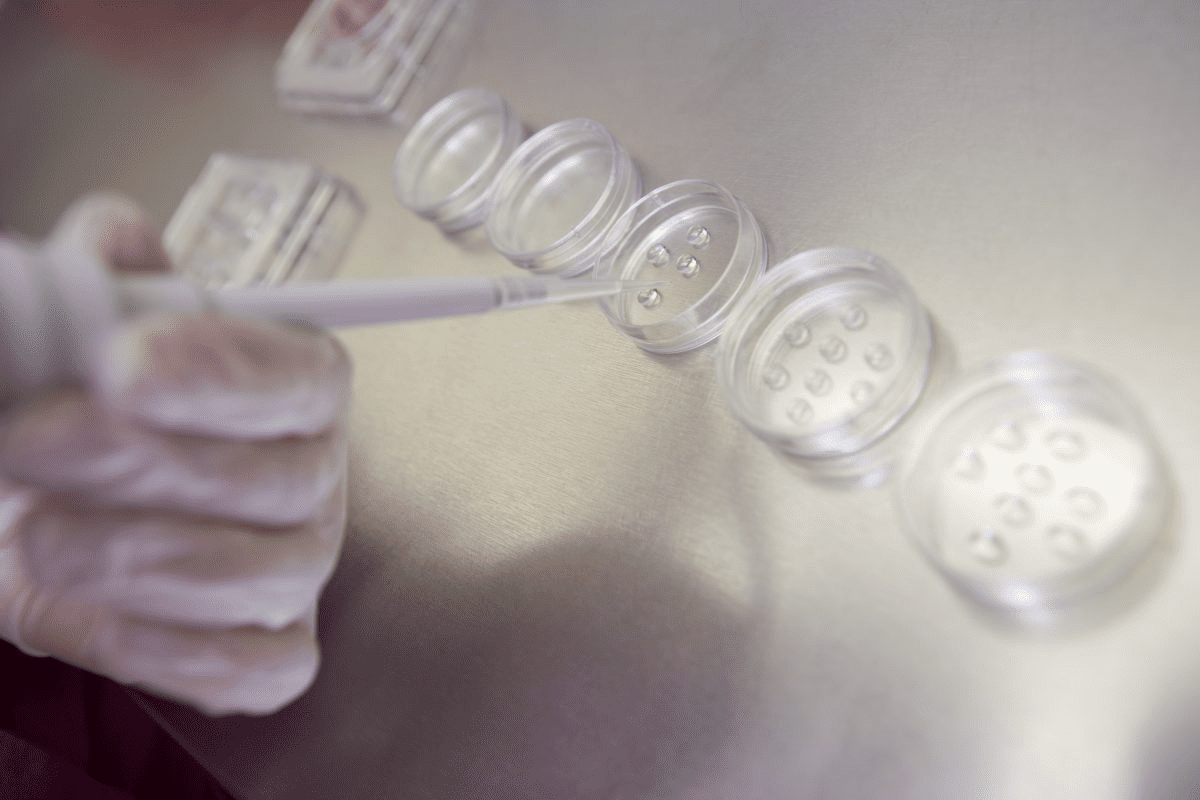
Egg retrieval is a surgery to get eggs from the ovaries. It’s a main part of IVF, letting eggs be fertilized outside the body. The eggs are then fertilized in a lab, and the embryos are put into the uterus.
The egg retrieval happens after 7-10 days of using fertility meds. These meds help the ovaries make more eggs, boosting chances of getting pregnant. The surgery is done 35-36 hours after a trigger shot, which helps the eggs get ready.
The Science Behind Follicle Development
Follicle growth is key in egg retrieval. During stimulation, follicles grow and get ready to release eggs. Doctors watch these follicles with ultrasounds to know when to get the eggs.
The growth of follicles is due to hormones. The meds used help control these hormones. This knowledge helps doctors tailor treatments for better results.
Success Rates and Optimal Egg Numbers
Success in IVF depends on the number and quality of eggs. While more eggs can mean more embryos, it’s not everything. The eggs’ quality and the uterus’s readiness also matter.
Studies show 8 to 15 eggs are often the best for IVF success. But, the right number can vary. It depends on age, how many eggs a woman has, and health. Doctors and patients work together to find the best plan.
Medical Evaluation Before Starting the Process
[Add image here]
The journey to egg retrieval starts with a detailed medical check-up. This is key for a successful IVF cycle. It helps us understand your ovarian reserve, uterine health, and fertility status.
Required Fertility Testing
Before starting IVF, patients get fertility testing. This includes ultrasound and bloodwork. These tests check your ovarian reserve and uterine health.
They help us see your reproductive health and find any issues that might affect egg retrieval.
The fertility tests usually include:
- Ultrasound to check the ovaries and uterus
- Blood tests for hormone levels, like AMH (Anti-Müllerian Hormone)
- Other tests to check your reproductive health
Consultation with Your Fertility Specialist
A consultation with your fertility specialist is a key part of the medical check-up. We talk about your medical history, any concerns, and test results. This meeting helps us tailor the treatment to your needs.
We aim to make a supportive and informative space. Here, you can openly talk about your fertility journey.
Creating Your Personalized Stimulation Protocol
After your tests and consultation, we create a personalized stimulation protocol. This plan is made just for you, based on your needs. It considers your ovarian reserve, age, and medical history.
This customized protocol aims to increase your chances of a successful egg retrieval and IVF cycle.
Ovarian Stimulation Phase
During this phase, you’ll give yourself hormone shots to help your ovaries make many eggs. This is a key part of IVF. It needs careful watching to get the best results.
Types of Medications Used
The medicines used here help your ovaries make lots of eggs. These are called gonadotropins, which are hormones. Your doctor will pick the right medicine and amount for you.
Common Medications Used:
- Gonadotropins (e.g., Follistim, Gonal-F)
- GnRH antagonists (e.g., Cetrotide, Ganirelix)
- hCG (human chorionic gonadotropin)
Injection Techniques and Tips
It’s important to use the right way to give injections. We’ll teach you how and give tips to make it less painful. This helps the medicine work well.
Tips for Injection:
- Choose a clean and comfortable area for injection.
- Use a new needle and syringe for each injection.
- Pinch the skin at the injection site to minimize discomfort.
- Inject at a 90-degree angle.
Managing Side Effects
Some women might feel side effects from these medicines. These can be bloating, mood swings, and sore spots where you inject. We’ll talk about how to handle these.
| Side Effect | Management Strategy |
|---|---|
| Bloating | Maintain a balanced diet, avoid carbonated drinks |
| Mood Swings | Practice relaxation techniques, such as meditation or yoga |
| Injection Site Reactions | Apply a cold compress, rotate injection sites |
Monitoring Appointments and Ultrasounds
Regular check-ups and ultrasounds are key during this time. They let your doctor see how your eggs are growing. They can also adjust your medicine as needed.
This close watching helps make your IVF cycle more likely to succeed.
Complete Egg Retrieval Instructions: The Final Preparation
As you near the end of your IVF journey, knowing what to do before egg retrieval is key. This process is a major part of your fertility treatment. Being ready is vital for its success.
Trigger Shot Administration
About 36 hours before your egg retrieval, you’ll give yourself a trigger shot. This is a critical step. It helps the eggs mature fully, making them ready for the retrieval.
Key points to remember:
- Give yourself the trigger shot exactly 36 hours before the egg retrieval.
- Make sure you know how to inject it correctly to avoid problems.
- If you have any issues or worries, call your fertility specialist right away.
36-Hour Pre-Retrieval Guidelines
After the trigger shot, there are certain rules to follow for the next 36 hours:
- Avoid doing anything strenuous or lifting heavy.
- Watch for signs of ovarian hyperstimulation syndrome (OHSS).
- Drink lots of water to stay hydrated.
- Follow any special diet advice from your fertility specialist.
Fasting and Medication Instructions
On the day of the procedure, you’ll need to fast for about eight hours before the egg retrieval. Also, remember to:
- Wear loose, comfy clothes to the clinic.
- Bring a friend or family member to drive you home after.
- Tell your fertility specialist about any medicines you’re taking.
By following these steps, you’ll be well-prepared for the egg retrieval. This increases your chances of a successful outcome.
Physical and Emotional Preparation
To have a smooth egg retrieval, prepare both physically and emotionally. This step is key for your well-being and better results.
Nutrition and Hydration Optimization
Eating well is important for your body’s readiness. Eat lots of fruits, veggies, whole grains, and lean proteins. These foods boost your reproductive health with essential nutrients.
Drinking enough water is also vital. Drink 8-10 glasses of water daily to keep your body working well. Good hydration can also lower the chance of problems during the procedure.
- Eat foods rich in antioxidants like berries and leafy greens to fight oxidative stress.
- Choose whole grains for stable energy.
- Include lean proteins like chicken, fish, and legumes for overall health.
Exercise Recommendations and Restrictions
Regular exercise can reduce stress and improve your health. But, find the right balance. Do light to moderate exercises like walking, yoga, or swimming. These keep you healthy without overdoing it.
Avoid hard workouts or activities that might hurt during the egg retrieval. Also, don’t start new or hard exercises close to the procedure date.
“Exercise is a celebration of what your body can do, not a punishment for what you ate.” – Unknown
Stress Management Techniques
Stress management is key during this time. Meditation, deep breathing, or mindfulness can really help. These calm your mind and lower anxiety about the procedure.
Look into relaxation techniques or talk to a mental health expert if stress or anxiety is high.
Support Systems and Resources
A strong support system is very helpful. Connect with family, friends, or support groups for emotional support and guidance.
Fertility clinics also offer resources and counseling for emotional support. Use these services if you need them.
The Egg Extraction Procedure: What to Expect
On the day of the egg retrieval, you’ll go through a quick procedure under anesthesia. This is a key part of IVF, and knowing what to expect can help a lot.
Arrival and Pre-Procedure Protocols
When you get to the fertility clinic, you’ll follow some pre-procedure steps. It’s important to listen to your fertility specialist’s instructions about food, drink, and medication.
This time can be stressful, but our team aims to make you comfortable. You’ll wear a gown and get ready for the procedure.
Anesthesia Options and Administration
The egg extraction procedure uses light sedation to reduce pain. You’ll talk about anesthesia options with our team, learning about the benefits and risks.
Our skilled medical staff will make sure you’re comfortable during the procedure. They’ll keep a close eye on you.
The Retrieval Technique Explained
The retrieval technique uses ultrasound to get the eggs from the follicles. A needle goes through the vaginal wall to suck out the eggs.
This method is done carefully to get as many eggs as possible while keeping you comfortable.
Duration and Real-Time Experience
The egg extraction procedure takes about 20 to 30 minutes. You’ll be under sedation, and our team will be with you the whole time.
After it’s done, you’ll go to a recovery area. There, you’ll get instructions and can ask any questions you have.
Immediate Post-Retrieval Care
The time after your egg retrieval is very important. Knowing what to expect can make your recovery easier. After the procedure, you’ll rest in a recovery area for about an hour before going home. Our medical team will watch over you to make sure you’re okay.
Recovery Room Monitoring
In the recovery room, our healthcare professionals will keep an eye on your vital signs. They will also watch for any immediate complications. This close monitoring helps us address any issues quickly.
You might feel some mild cramping, bloating, or light spotting. These are usually normal after the procedure. Our team will help you feel comfortable and guide you on how to handle these symptoms.
Managing Discomfort and Side Effects
To manage discomfort, follow a few simple guidelines. Over-the-counter pain relievers are often enough for pain. But, always check with your doctor before taking any medication.
Be aware of possible side effects like bloating or spotting. These are usually mild and temporary, and they should go away within a few days.
Discharge Instructions
Before you leave, our team will give you detailed instructions for at-home care. This includes information on medication, follow-up appointments, and what to watch for in case of complications.
It’s important to have someone with you when you go home. You might feel the effects of the anesthesia or sedation used during the procedure.
| Post-Retrieval Care Aspect | Instructions | Notes |
|---|---|---|
| Medication | Follow the prescribed medication protocol | For supporting recovery and managing pain |
| Rest | Rest for the remainder of the day | Avoid strenuous activities |
| Follow-Up | Schedule and attend follow-up appointments | For monitoring your recovery progress |
Medication Protocols After Retrieval
After your egg retrieval, you’ll get specific medication instructions. These are to help your recovery and the success of your IVF cycle. It’s important to follow these instructions carefully.
Our team will be ready to answer any questions you have about your medication and post-retrieval care. We want to make sure you feel supported during your recovery.
Recovery From Egg Retrieval: The First Week
Starting your recovery from egg retrieval? Know what to expect in the first week. Everyone recovers differently, but most women feel better in a few days.
Physical Recovery Timeline
The time it takes to physically recover from egg retrieval is a few days to a week. Most women feel better in 24-48 hours. But, always follow your doctor’s advice.
- Immediate recovery (0-2 days): Rest and relax. You might feel some cramping, bloating, and spotting.
- Short-term recovery (2-5 days): Start doing normal things again. Watch for any odd symptoms.
- Full recovery (5-7 days): You can usually go back to your usual routine. But, keep following your doctor’s advice.
Managing Ovarian Hyperstimulation Syndrome Risk
Ovarian hyperstimulation syndrome (OHSS) is a risk with egg retrieval. Watching your symptoms is key to managing this risk.
- Know the signs of OHSS: stomach pain, nausea, vomiting, diarrhea, and quick weight gain.
- Drink lots of water to stay hydrated.
- Follow your doctor’s advice for managing OHSS risk.
When to Contact Your Doctor
Know when to call your doctor during recovery. Reach out if you have:
- Severe stomach pain
- Heavy bleeding
- Fever over 100.4°F (38°C)
- Signs of OHSS
Resuming Normal Activities
Start doing normal things again slowly. Avoid hard activities like heavy lifting, bending, or exercise for at least a week.
By understanding the recovery process and following your doctor’s advice, you can avoid complications and have a smooth recovery from egg retrieval.
Conclusion: Next Steps After Your Egg Retrieval
After egg retrieval, your IVF journey continues. The next steps depend on your unique situation. Our team will watch over your eggs and embryos closely.
Depending on your plan, you might freeze eggs, transfer embryos, or try other treatments. Your fertility specialist will help you every step of the way. They ensure you get the care and support you need.
It’s important to follow your healthcare team’s instructions. If you have questions or concerns, don’t hesitate to reach out. Knowing what comes next helps you understand and make informed decisions about your care.
FAQ
What is egg retrieval, and how does it work in IVF?
Egg retrieval is a surgery to get eggs from the ovaries for IVF or freezing. It happens 35-36 hours after a trigger shot, which helps the eggs mature fully.
How do they do egg retrieval in IVF?
We use a special ultrasound-guided method to get the eggs. This is done under sedation or light anesthesia to make you comfortable.
What is the egg extraction procedure like?
The procedure uses a needle guided by ultrasound to get the eggs. It’s quick, taking about 20-30 minutes.
How does egg retrieval surgery work?
It’s a minor surgery where a needle goes through the vaginal wall to reach the ovaries. Then, eggs are sucked out using a special device.
What are the steps after egg retrieval?
After the surgery, you’ll stay in the recovery room for a bit. Then, you can go home. You’ll get instructions on how to care for yourself and manage any side effects.
How long does it take to recover from egg retrieval?
Recovery takes a few days to a week. You can usually get back to normal activities in a few days. Just follow our instructions and watch out for OHSS.
What is ovarian hyperstimulation syndrome (OHSS), and how is it managed?
OHSS is a risk with ovarian stimulation. We monitor you closely and adjust your treatment to lower this risk.
How are eggs retrieved for IVF?
Eggs are retrieved using a special ultrasound-guided method. A needle goes through the vaginal wall to get the eggs from the ovaries.
What is the role of the trigger shot in egg retrieval?
The trigger shot is given 35-36 hours before retrieval. It helps the eggs mature fully for the best time to get them.
How do I prepare for egg retrieval?
To prepare, eat well, stay hydrated, and follow our exercise advice. We also give you tips on managing stress and instructions for the day of the procedure.
What happens on the day of egg retrieval?
On the day, you’ll arrive at our clinic for the procedure. You’ll go through pre-procedure steps, then the surgery. After, you’ll be in the recovery room before going home.
How does egg harvesting work?
Egg harvesting, or retrieval, uses a special ultrasound-guided method. It’s done under sedation or light anesthesia to make it comfortable.
What is the IVF egg retrieval process like?
The process starts with ovarian stimulation, then egg retrieval, and fertilization in the lab. We guide you through each step, providing all the details and support you need.
References
National Center for Biotechnology Information. Egg Retrieval Preparation: A Step-by-Step IVF Guide. Retrieved from https://www.ncbi.nlm.nih.gov/pmc/articles/PMC10440314/).