Last Updated on November 25, 2025 by Ugurkan Demir

At Liv Hospital, we know how scary an irregular heartbeat can be. Electrical cardioversion is a safe way to fix abnormal heart rhythms. It uses a controlled electric shock to get the heart back on track.
This treatment is non-invasive and aims to jump start the heart. It helps those with arrhythmias feel better. Our team is here to give you the best care for your heart.
Key Takeaways
- Electrical cardioversion is a medical procedure used to treat abnormal heart rhythms.
- It involves delivering a controlled electric shock to restore a normal heart rhythm.
- Liv Hospital offers comprehensive cardiac care services, including electrical cardioversion.
- Our team is dedicated to providing personalized care to international patients.
- We follow international protocols to ensure the best possible treatment outcomes.
Understanding Electrical Cardioversion
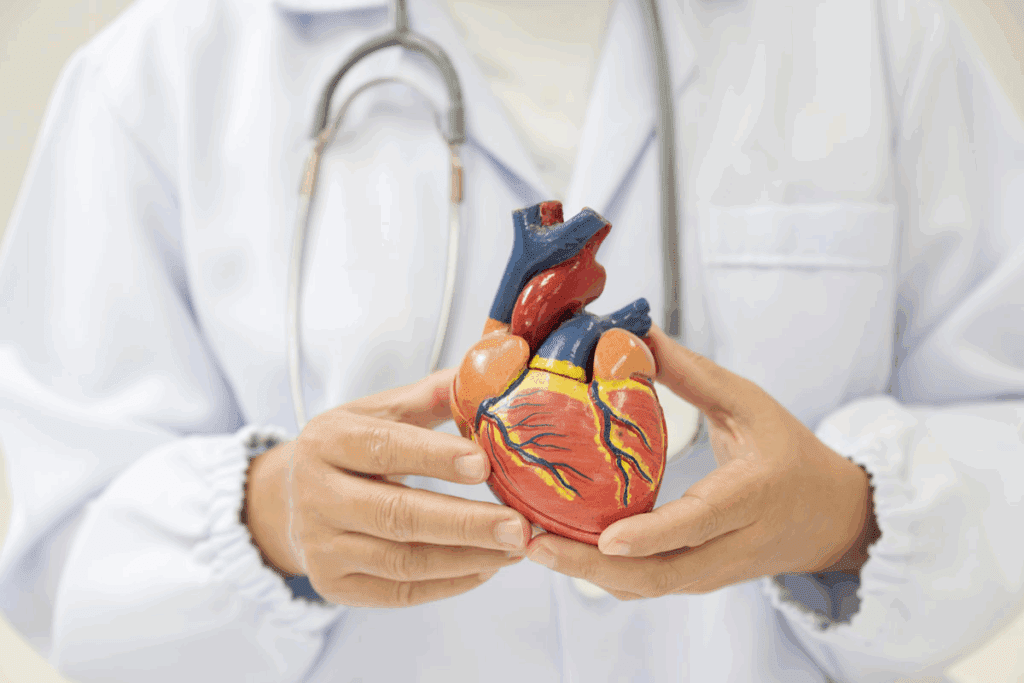
Cardioversion, also known as electrocardioversion, is a method to fix irregular heartbeats. It uses a controlled electric shock to the heart. This is key for treating heart rhythm problems, like atrial fibrillation, which can be dangerous if not treated.
Definition and Basic Concept
Electrical cardioversion sends a synchronized electric shock to the heart. This shock helps the heart beat normally again. The procedure is done under sedation to make it less painful.
This method stops the heart’s disorganized electrical activity. It “resets” the heart rhythm, making it beat in a regular, coordinated way.
We choose this method because irregular heartbeats can cause serious problems. These include reduced heart function, heart failure, or stroke. By fixing the heart rhythm, cardioversion improves a patient’s life and lowers the risk of these issues.
Common Names and Terminology
The terms “cardioversion” and “electrocardioversion” are often used the same way. It’s also called “electric shock to the heart,” but this name can be confusing. Knowing the terms helps patients understand their treatment better.
Learning these terms helps us understand talks with healthcare providers. It also helps us make informed choices about our care.
The Science Behind Heart Rhythms

Heart rhythms are controlled by an electrical system. Sometimes, this system gets disrupted, causing arrhythmias. The heart’s electrical system is complex, involving the heart muscle’s contraction.
Understanding this system is key to knowing both normal and abnormal heart rhythms.
Normal Heart Electrical Activity
The heart’s electrical activity is a well-coordinated process. It starts with the sinoatrial (SA) node, the heart’s natural pacemaker. This node sends out electrical impulses.
These impulses move through the atrial tissue to the atrioventricular (AV) node. Then, they reach the ventricles, making them contract. This ensures the heart beats regularly and efficiently.
Abnormal Heart Rhythms (Arrhythmias)
Arrhythmias happen when the heart’s electrical system is disrupted. Atrial fibrillation is a common arrhythmia. It makes the upper heart chambers (atria) beat irregularly.
This can lead to serious problems like stroke and heart failure if not treated.
Atrial fibrillation causes rapid and irregular heartbeats. It strains the heart, reducing its output and increasing the risk of blood clots.
| Characteristics | Normal Heart Rhythm | Atrial Fibrillation |
| Heart Rate | 60-100 bpm | Irregular, often >100 bpm |
| Rhythm | Regular | Irregular |
| Atrial Activity | Coordinated contraction | Rapid, irregular fibrillatory waves |
Atrial Fibrillation and Electrical Cardioversion
Electrical cardioversion is a top treatment for atrial fibrillation. This condition makes the heart beat irregularly and fast. It can make you feel dizzy, short of breath, and have heart palpitations.
What Makes AFib Different
AFib is different because of its unique heart rhythm. Unlike a normal heart, AFib’s heart chambers (atria) quiver instead of beating right. This is due to chaotic electrical signals.
Symptoms of AFib can vary. Some people might feel:
- Palpitations or irregular heartbeats
- Dizziness or lightheadedness
- Shortness of breath
- Fatigue or weakness
- Chest discomfort or pain
Why Electric Shock Is Effective for AFib
Electrical cardioversion, or “electric shock,” is a procedure. It uses a controlled shock to the heart to get it back to normal. This works well for AFib because it stops the chaotic signals and lets the heart’s natural rhythm take over.
| Benefits of Electrical Cardioversion for AFib | Description |
| Restores Normal Heart Rhythm | Effectively converts AFib to a normal sinus rhythm, improving heart function. |
| Symptom Relief | Reduces or eliminates symptoms associated with AFib, such as palpitations and shortness of breath. |
| Improved Quality of Life | By restoring a normal heart rhythm, patients often experience an improvement in overall well-being and quality of life. |
While electrical cardioversion is effective, it’s not a cure for AFib. Patients may need ongoing care and more treatments to keep their heart rhythm normal.
When Is Electrical Cardioversion Needed?
When the heart’s rhythm is disrupted, electrical cardioversion may be necessary. This procedure is used to treat various types of arrhythmias. These irregular heartbeats can lead to serious health complications if left untreated.
Types of Arrhythmias Treated
Electrical cardioversion is commonly used to treat:
- Atrial Fibrillation (AFib): A condition where the upper chambers of the heart beat irregularly. Symptoms include palpitations, shortness of breath, and fatigue.
- Atrial Flutter: A type of arrhythmia characterized by a rapid heartbeat. Symptoms include dizziness and chest pain.
- Ventricular Tachycardia: A potentially life-threatening condition where the heart’s lower chambers beat too quickly.
These arrhythmias can significantly impact a person’s quality of life. They may lead to more severe complications, such as stroke or heart failure, if not properly managed.
Emergency vs. Planned Cardioversion
Electrical cardioversion can be performed either as an emergency procedure or as a planned treatment.
Emergency Cardioversion is typically required when an arrhythmia causes severe symptoms. These include chest pain, severe shortness of breath, or fainting. Immediate action is necessary to restore a normal heart rhythm and prevent further complications.
Planned Cardioversion, on the other hand, is scheduled in advance. It is for patients with arrhythmias that are not immediately life-threatening but require treatment. This type of cardioversion is often used for conditions like AFib that have not responded to medication or other treatments.
In summary, electrical cardioversion is a versatile treatment option. It can be adapted to various clinical scenarios. It provides a valuable tool in the management of arrhythmias.
How Electrical Cardioversion Works
Electrical cardioversion uses a controlled electric shock to ‘jump start’ the heart. It treats certain heart rhythm problems, like atrial fibrillation.
The “Jump Start” Mechanism Explained
The electric shock stops the heart’s disorganized activity. This “jump start” lets the heart’s natural pacemaker take over, bringing back a normal beat.
We use pads or paddles to send the shock through the chest. The procedure is done while the patient is sedated for comfort.
Synchronization with Heart Rhythm
To keep the heart safe, the shock is timed with the heart’s rhythm. This timing is key for a safe and effective procedure.
The steps include preparation, sedation, and the electric shock. The whole process is watched closely for the best results.
| Aspect | Description | Importance |
| Synchronization | Shock is timed with the heart’s R-wave | High |
| Sedation | Patient is sedated for comfort | High |
| Monitoring | Heart rhythm is closely monitored | High |
Preparing for the Procedure
Getting ready for electrical cardioversion is key to a safe and effective treatment. Our medical team will help you prepare. They will check your health and make sure you’re ready for the procedure.
Pre-Procedure Tests and Evaluations
We do several tests to see if you’re a good candidate for electrical cardioversion. These tests include:
- Transesophageal echocardiogram (TEE): A special ultrasound to check for blood clots in your heart.
- Blood tests: To check your overall health and look for any underlying conditions.
- Electrocardiogram (ECG): To see how your heart’s electrical activity is doing.
These tests help us understand your heart’s condition. They also help us spot any risks related to the procedure.
Medication Adjustments and Anticoagulation
Before electrical cardioversion, you might need to adjust your medications. We might give you anticoagulant medications to thin your blood. This is to lower the risk of stroke. You’ll take these medications for three to four weeks before and after the procedure.
It’s very important to follow our instructions about your medications. This is to keep you safe during and after the procedure.
Fasting and Other Requirements
You’ll need to fast from midnight the night before the procedure. This is to reduce risks related to anesthesia or sedation.
We might also have other specific requirements. These could include:
- Arranging for someone to drive you home after the procedure.
- Avoiding certain medications or substances that could interfere with the procedure.
- Following any specific dietary instructions.
By following these instructions, you can help make the procedure go smoothly and successfully.
The Electrical Cardioversion Procedure Step by Step
Electrical cardioversion is a medical procedure that uses a controlled electric shock to ‘reset’ the heart’s rhythm. It’s performed in a series of well-coordinated steps. This procedure is key for patients with certain irregular heartbeats, like atrial fibrillation.
Setting Up the Equipment
The first step is setting up the necessary equipment. This includes the cardioversion device and the monitoring equipment. The equipment is calibrated to ensure it’s working correctly and safely.
Key Equipment:
- Cardioversion device
- ECG monitor
- Sedation medication
- Defibrillator pads or paddles
Sedation Process
To ensure patient comfort, sedation is administered. The sedation process involves giving the patient medication. This makes them feel relaxed and pain-free during the procedure.
| Sedation Type | Medication Used | Effect |
| Conscious Sedation | Midazolam | Relaxation, reduced anxiety |
| Deep Sedation | Propofol | Light sleep, amnesia |
Paddle/Patch Placement
Placing defibrillator pads or paddles is critical for the procedure’s success. They are placed on the chest and sometimes on the back. The exact position depends on the patient’s anatomy and the arrhythmia type.
Delivering the Shock
Once the patient is sedated and the equipment is ready, the cardioversion device delivers a controlled electric shock. This shock is synchronized with the patient’s heart rhythm. It aims to restore a normal heartbeat.
The entire procedure is closely monitored by healthcare professionals. They ensure safety and effectiveness.
Risks and Complications
Electrical cardioversion is a common treatment for heart problems. But, it comes with risks that everyone should know about. It’s important for both patients and doctors to understand these risks.
Common Side Effects
After electrical cardioversion, some people might feel redness or irritation where the pads were. They might also feel a bit of pain or discomfort. Some might feel tired or sleepy because of the sedation.
Serious Complications
Even though rare, serious problems can happen. These include stroke or transient ischemic attack (TIA) from blood clots. There’s also a chance of heart rhythm disturbances needing more treatment. And, there’s a risk of burns from the pads if they’re not placed right.
It’s important to note that cardioversion can dislodge blood clots. Before the procedure, doctors might use ultrasound to check for clots.
Risk Factors to Consider
Some things can make the risks of electrical cardioversion higher. These include heart disease, certain medical conditions, and some medications.
| Risk Factor | Description | Potential Complication |
| History of Heart Disease | Previous heart conditions or surgeries | Increased risk of heart rhythm disturbances |
| Thyroid Disorders | Conditions like hyperthyroidism | Increased risk of arrhythmias |
| Certain Medications | Drugs that affect heart rhythm or clotting | Increased risk of bleeding or arrhythmias |
Knowing these risks and how to reduce them can make the procedure safer and more successful.
Recovery and Follow-up Care
Recovery and follow-up care are key parts of electrical cardioversion. They greatly affect how well the treatment works. After the procedure, patients are watched for any immediate problems. They also get detailed instructions for follow-up care to help them recover smoothly.
Immediate Post-Procedure Experience
Patients usually wake up within five to ten minutes after electrical cardioversion. They are kept in a recovery room for about an hour to check for any issues. Most people can go home the same day. But, some might need to stay overnight for more observation, based on their health and our judgment.
During the first few hours, patients might feel a bit groggy or uncomfortable, like after a minor surgery. We give them medicine to help with any pain or anxiety. It’s important for them to have someone with them when they go home, as they might not be able to drive or travel alone safely.
Long-term Management and Prevention
Managing the conditions that cause arrhythmias is key for long-term success. This might include taking medicine to control the heart’s rhythm, anticoagulants to prevent stroke, and making lifestyle changes to lower the risk of arrhythmias coming back.
We also suggest regular check-ups to keep an eye on the heart’s rhythm and adjust treatments as needed. These visits are important for catching any problems early and making timely changes.
| Aspect of Care | Description | Importance |
| Medication Management | Adjusting medications to control heart rhythm and prevent stroke. | High |
| Lifestyle Modifications | Changes in diet, exercise, and stress management to reduce arrhythmia risk. | High |
| Regular Follow-ups | Monitoring heart health and adjusting treatment plans as needed. | High |
By focusing on these long-term management and prevention steps, we can greatly improve outcomes for patients who have had electrical cardioversion. This helps them keep a healthy heart rhythm and lowers the chance of future arrhythmias.
Alternatives to Resetting Heart Rhythm
For those with arrhythmias, there are many options other than electrical cardioversion. These treatments can be used alone or with cardioversion, based on the patient’s needs and history.
Medication Options
Medicine can also help fix a normal heart rhythm. This is called chemical or pharmacologic cardioversion. Medications are given through an IV while doctors watch the heart’s response. It’s a slow way to fix the rhythm and works for some arrhythmias.
Some common medicines for this include:
- Anti-arrhythmic drugs to stabilize the heart rhythm
- Beta-blockers to control heart rate
- Calcium channel blockers to regulate heart rhythm and rate
Catheter Ablation
Catheter ablation is a small procedure that destroys bad heart pathways. It’s done through a vein in the leg, guided to the heart.
The good things about catheter ablation are:
- Potential for long-term solution for arrhythmias
- It’s minimally invasive with quick recovery
- Works well for some arrhythmias
Lifestyle Modifications
Changing your lifestyle can also help with arrhythmias. These changes include:
- Eating a healthy diet full of fruits, veggies, and whole grains
- Doing regular exercise to keep the heart healthy
- Avoiding things like caffeine, alcohol, and stress
- Getting enough sleep and managing stress
By making these lifestyle changes, patients can lessen arrhythmia symptoms. This can greatly improve their life quality.
Conclusion
Electrical cardioversion is a safe and effective way to fix a heart rhythm problem, like atrial fibrillation (AFib). At Liv Hospital, we’ve talked about its benefits and risks. We also looked at other treatment options.
This procedure can help patients with AFib by fixing their heart rhythm. It’s a key treatment for abnormal heart rhythms. We aim to give top-notch cardiac care to help patients get their heart health back on track.
Knowing about the procedure and its effects helps patients make better choices. Our team at Liv Hospital is all about giving the best healthcare. We support international patients going through electrical cardioversion.
FAQ
What is electrical cardioversion?
Electrical cardioversion is a medical procedure. It uses a controlled electric shock to the heart. This is to restore a normal rhythm, often for abnormal heart rhythms like atrial fibrillation.
How does electrical cardioversion work?
The procedure works by giving a controlled electric shock to the heart. This “jumps starts” the heart. It restores a normal rhythm by syncing with the heart’s electrical activity.
What is atrial fibrillation, and how is it related to electrical cardioversion?
Atrial fibrillation is a heart rhythm disorder. It causes an irregular and often rapid heart rate. Electrical cardioversion is a common treatment for it, as it can effectively restore a normal heart rhythm.
What are the indications for electrical cardioversion?
Electrical cardioversion treats various arrhythmias, including atrial fibrillation. It can be done as an emergency or planned procedure. This depends on the severity of symptoms and the patient’s condition.
What are the risks and complications associated with electrical cardioversion?
While generally safe, electrical cardioversion has risks and complications. These include common side effects, serious complications, and risk factors. These should be carefully considered before undergoing the procedure.
How do I prepare for electrical cardioversion?
Before the procedure, patients must undergo tests and evaluations. They need to make medication adjustments and follow specific instructions. This includes anticoagulation, fasting, and other requirements.
What is the recovery process like after electrical cardioversion?
After the procedure, patients are monitored for a period. The recovery process may involve some discomfort. Long-term management strategies are also important to prevent future arrhythmias.
Are there alternative treatments for arrhythmias beside electrical cardioversion?
Yes, there are alternative treatments. These include medication options, catheter ablation, and lifestyle modifications. They can be used with or instead of electrical cardioversion, depending on the patient’s condition and needs.
Can electrical cardioversion be used to treat other heart conditions?
While mainly used for arrhythmias like atrial fibrillation, electrical cardioversion may be considered for other heart conditions. This is under the guidance of a healthcare professional.
Is electrical cardioversion a permanent solution for atrial fibrillation?
Electrical cardioversion can effectively restore a normal heart rhythm. But it may not be a permanent solution. The underlying condition may require ongoing management to prevent recurrence of atrial fibrillation.
What is the difference between emergency and planned cardioversion?
Emergency cardioversion is for urgent situations where the patient’s condition is critical. Planned cardioversion is scheduled in advance for patients with stable but persistent arrhythmias.
How is the electric shock delivered during cardioversion?
The electric shock is delivered through paddles or patches on the chest. It is synchronized with the heart’s rhythm. This maximizes the effectiveness of the treatment and minimizes risks.
References
- O’Rourke, M. F. (2018). Structure and function of systemic arteries: reflections on the vascular wall and blood flow. Vascular Medicine, 23(4), 316-323. https://pubmed.ncbi.nlm.nih.gov/30016416/