Last Updated on November 25, 2025 by Ugurkan Demir
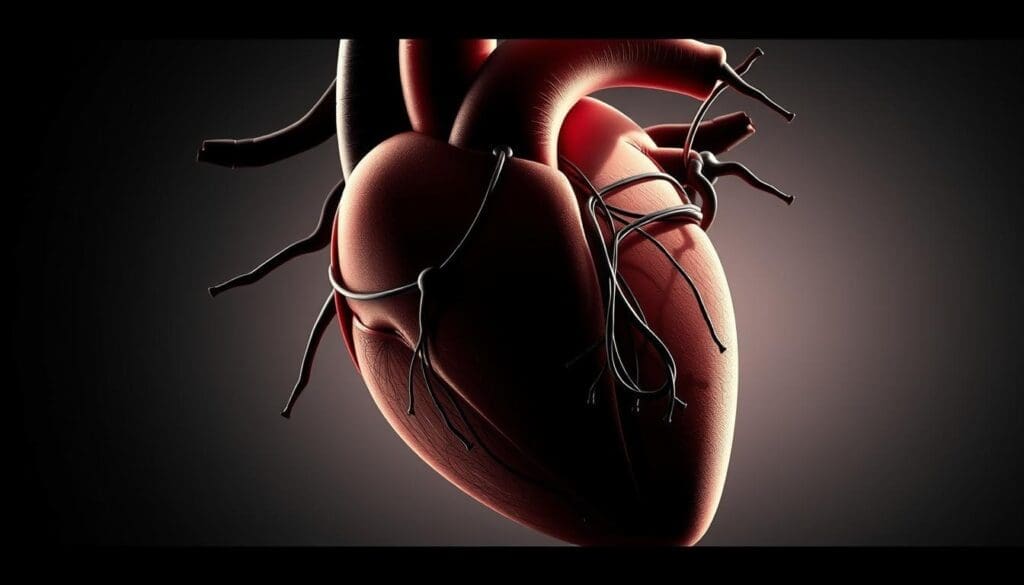
The heart’s rhythm is controlled by a complex electrical system. This system makes sure the heart beats in sync and blood flows well. At the heart of this system is the sinoatrial (SA) node, known as the heart’s natural pacemaker.
We will look into how the SA node, the atrioventricular (AV) node, and special fibers work together. They regulate the heartbeat. Knowing this process is key to understanding the heart’s role and the causes of heart problems.
At Liv Hospital, we aim to give top-notch care and support.electrical impulses of the heartThe Accuracy of a Nuclear Heart Test Our team is all about delivering world-class healthcare with a personal touch.
Key Takeaways
- The SA node acts as the heart’s natural pacemaker, initiating electrical impulses.
- The heart’s electrical conduction system ensures coordinated contractions.
- Understanding the heart’s electrical system is key for diagnosing heart conditions.
- The AV node and conduction fibers play important roles in regulating the heartbeat.
- Liv Hospital offers full care for patients with heart issues.
The Cardiac Electrical System: Foundation of Heart Function
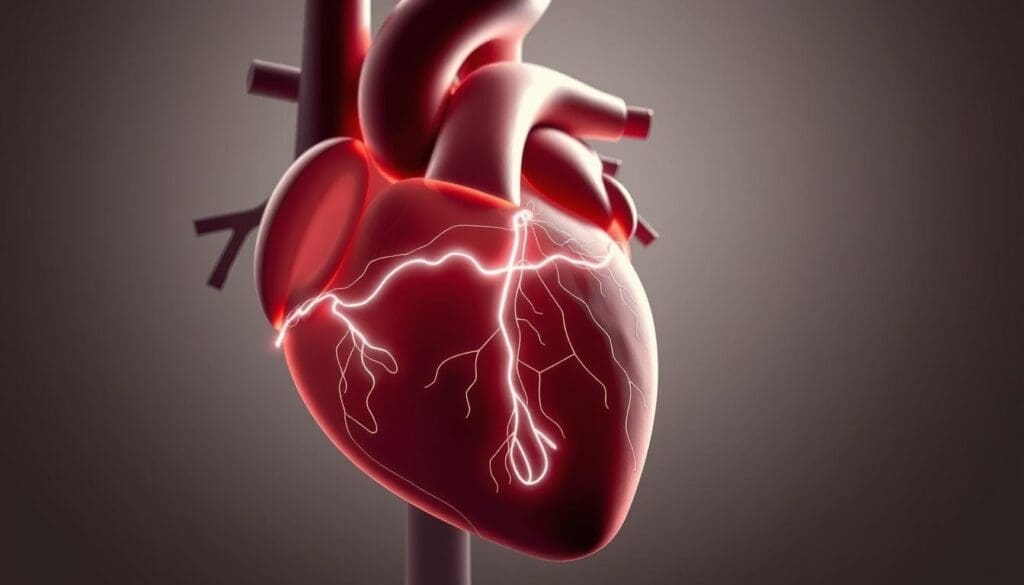
The heart’s electrical system is key to its function. It makes sure the heart pumps blood well. This system is vital for the heart’s efficiency in moving blood around the body.
Why Electrical Coordination Matters
Electrical coordination is important. It makes sure the heart’s chambers work together. This teamwork is key for good blood flow.
The cardiac electrical system makes sure the heart muscle works together. This is essential for pumping blood. Without it, the heart can’t pump blood well.
The Heart as Both Electrical and Mechanical Organ
The heart is special because it works as both an electrical and mechanical organ. Its electrical system controls its mechanical action. The electrical signals in the heart control how it contracts, ensuring blood flows well.
This unique ability is vital for the heart’s function and the body’s health.
The heart’s pumping is managed by an electrical system. This system is complex, with many parts working together. It keeps the heart rhythm steady. Knowing about the cardiac electrical system helps us understand how the heart works and how to read its electrical signals.
Fact 1: Electrical Impulses of the Heart Begin in the Sinoatrial Node
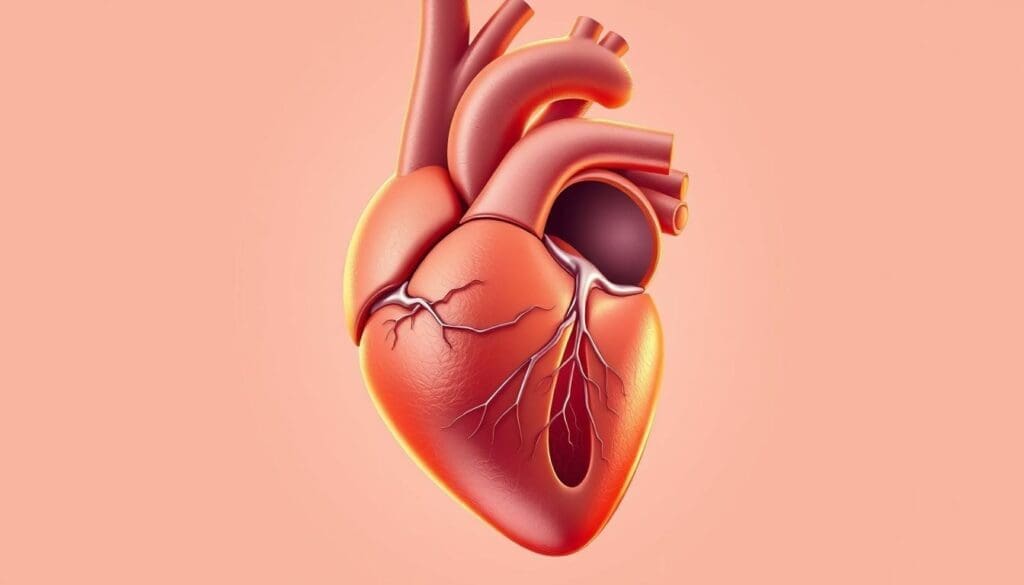
The heart’s natural pacemaker is the sinoatrial node. It starts the electrical impulses that control heart rhythm. Located in the right atrium, this small but critical mass of tissue is key.
Structure and Location of the Sinus Node
The sinoatrial node is in the upper right chamber of the heart, the right atrium. It’s about 2-3 cm long and has many nerve fibers. These nerves help control its activity.
Its location in the heart makes it perfect for starting the electrical impulses. This ensures the heart beats in sync.
How the SA Node Functions as the Natural Pacemaker
The SA node automatically starts electrical impulses at a rate that controls the heartbeat. It fires at a rate of 60-100 times per minute. This rate determines the heart rate.
The impulses then travel through the atrial tissue to the atrioventricular node. This continues the electrical pathway through the heart.
We depend on the SA node for a steady heart rhythm. It adjusts to our body’s needs in different conditions. Its role is vital for the heart’s efficiency in pumping blood.
Fact 2: The Atrioventricular Node Serves as an Electrical Relay Station
The atrioventricular node, or AV node, is key in the heart’s electrical system. It’s a small but vital part that helps the heart’s chambers work together. It’s located between the atria and ventricles, making sure the heart beats in sync.
Strategic Location Between Atria and Ventricles
The AV node sits near the heart’s center, between the atrial and ventricular chambers. This spot lets it control the flow of electrical signals from the atria to the ventricles.
The Critical Delay That Ensures Proper Contraction Sequence
The AV node holds off the electrical signal from the SA node. This lets the atria fully contract and empty before the ventricles do. This delay is key for a proper contraction sequence and efficient blood flow.
| Function | Description |
| Location | Between atria and ventricles |
| Role | Delays electrical signal from SA node |
| Effect | Allows atria to fully contract before ventricular contraction |
In summary, the AV node is vital in the heart’s electrical system. It acts as a relay station, ensuring the heart’s chambers contract in sync. Its location and delay function are essential for the heart’s efficiency.
Fact 3: The Bundle of His Connects Atrial and Ventricular Conduction Systems
Understanding the Bundle of His is key to knowing how the heart works. It connects the atria and ventricles, making sure they work together. This is vital for the heart’s electrical flow.
Anatomy of the Bundle of His
The Bundle of His is a group of special fibers in the heart. It starts at the Atrioventricular (AV) node. It goes through the heart to reach the ventricles.
This structure is key for sending electrical signals from the atria to the ventricles. It makes sure the heart beats in sync.
The Bundle of His is placed just right for efficient signal transfer. It’s part of the system that makes the ventricles contract together quickly.
Role in Maintaining Coordinated Electrical Flow
The Bundle of His is essential for the heart’s electrical flow. It sends the signal from the AV node to the ventricles. This way, the ventricles beat together, which is important for pumping blood well.
- The Bundle of His ensures the proper sequence of electrical activation.
- It facilitates the rapid transmission of electrical impulses to the ventricles.
- Damage to the Bundle of His can lead to significant conduction disturbances.
In short, the Bundle of His is a critical part of the heart’s electrical system. It connects the atria and ventricles, making sure the heart works efficiently.
Fact 4: Bundle Branches Distribute Electrical Signals to the Ventricles
The electrical impulse splits into the right and left bundle branches as it moves down the bundle of His. This step is key to the heart’s rhythm. It makes sure both ventricles contract at the same time.
Right and Left Bundle Branch Anatomy
The right bundle branch and left bundle branch split from the bundle of His. The right branch goes down the right side of the septum to the right ventricle. The left branch splits into fascicles for the left ventricle. This setup helps both ventricles contract together.
“The bundle branches are vital for the heart’s electrical system,” say cardiac electrophysiologists. They make sure the ventricles contract in sync.
How Bundle Branches Ensure Synchronized Ventricular Contraction
The bundle branches make sure the ventricles contract together. The electrical signal goes through both branches. This triggers the right and left ventricles to contract.
This coordination is key for efficient blood flow. It’s essential for the heart to pump blood well. Any problem, like a blockage, can cause serious heart issues.
The bundle branches are important for the heart’s rhythm. Knowing about them helps diagnose and treat heart problems.
Fact 5: Purkinje Fibers Complete the Electrical Conduction Pathway
Purkinje fibers are key to the heart’s electrical system. They make sure the ventricles contract together. Without them, the heart wouldn’t work as well.
Distribution Throughout Ventricular Myocardium
Purkinje fibers spread out in the ventricles. This helps the heart beat in sync. Their rapid conduction properties make the heart pump blood well.
These fibers get the electrical signal from the bundle branches. Then, they send it to the ventricular muscle cells. This ensures the ventricles contract together, which is vital for pumping blood.
Rapid Conduction Properties of Purkinje Fibers
Purkinje fibers help the heart pump blood fast. They can send electrical signals quickly. This means the ventricles contract almost at the same time, making the heart pump efficiently.
Some important features of Purkinje fibers are:
- Large diameter for fast conduction
- Many gap junctions for quick electrical transmission
- Special ion channels for fast conduction
Understanding Purkinje fibers shows how complex and efficient the heart’s electrical system is.
Fact 6: The Normal Pattern of Impulse Conduction Through the Heart
The heart’s electrical system is key to pumping blood well. It makes sure the heartbeat is in sync and strong. We’ll look at how the electrical impulse moves through the heart, its step-by-step journey, and why timing is so important.
Step-by-Step Progression of the Electrical Wave
The heartbeat starts in the sinoatrial (SA) node, in the right atrium. It then goes to the atrioventricular (AV) node, then to the bundle of His, followed by the bundle branches, and ends at the Purkinje fibers. This path makes sure the electrical signal spreads well across the heart.
The electrical wave moves in a way that makes the heart chambers contract properly. The SA node starts the impulse, which spreads to the atria, making them contract. The AV node then delays the signal a bit before it reaches the ventricles. This delay lets the atria fully contract before the ventricles start.
Timing and Coordination of the Complete Cardiac Cycle
The timing and coordination of the heart’s cycle are vital for good blood flow. The delay at the AV node makes sure the ventricles are full before they contract. This is key for the heart to work well.
To show how the heart’s cycle works, let’s look at a table:
| Event | Location | Timing |
| Initiation of electrical impulse | SA Node | 0 ms |
| Atrial contraction | Atria | 0-100 ms |
| Delay of impulse | AV Node | 100-150 ms |
| Ventricular contraction | Ventricles | 150-300 ms |
The heart’s electrical system works in perfect harmony to pump blood efficiently. Knowing how it works helps us understand the heart’s role and spot any problems.
Fact 7: Electrical Activity in the Heart Can Be Measured and Visualized
The electrocardiogram (ECG) is a key tool for checking the heart’s electrical activity. It captures the electrical signals that control the heartbeat. This gives important info about the heart’s function and helps spot heart problems.
The Electrocardiogram (ECG) as a Diagnostic Tool
An ECG is a simple test that doesn’t hurt. It uses electrodes on the skin to record the heart’s electrical signals. It’s vital for checking the heart’s rhythm and finding any issues.
It helps diagnose many heart conditions, like arrhythmias and heart attacks. The ECG tracing shows the heart rate, rhythm, and intervals between heartbeat parts. Doctors use this info to find heart disease signs.
Interpreting ECG Waveforms and Intervals
Understanding an ECG means knowing its waveforms and intervals. The P wave shows when the atria depolarize, the QRS complex when the ventricles depolarize, and the T wave when they repolarize.
- The PR interval is from the P wave start to the QRS complex start.
- The QT interval is from the QRS complex start to the T wave end.
Any odd patterns in these can point to heart issues. For example, a long QT interval might lead to dangerous heart rhythms.
Knowing how to read ECG waveforms and intervals is key. Doctors use this to understand the heart’s electrical signals. This helps them make better decisions for patient care.
Anatomically Accurate Heart Electrical System: A Detailed Look
The heart’s electrical system is a complex network that controls our heartbeat. It’s vital to grasp this system to understand how the heart works.
Integrating All Components of the Conduction System
The heart’s electrical system has several key parts. These include the SA node, AV node, bundle of His, bundle branches, and Purkinje fibers. Each part is important for sending electrical signals.
This system works like a well-coordinated team. The SA node starts the heartbeat. This ensures blood flows smoothly.
“The cardiac conduction system is a complex, highly specialized network that regulates the heartbeat.”
Three-Dimensional Arrangement of Electrical Pathways
The heart’s electrical pathways are arranged in three dimensions. This arrangement is key for efficient signal transmission.
| Component | Function | Location |
| SA Node | Natural Pacemaker | Right Atrium |
| AV Node | Relay Station | Between Atria and Ventricles |
| Bundle of His | Electrical Pathway | Between AV Node and Bundle Branches |
The conduction system is key for a regular heartbeat. Problems here can cause arrhythmias or heart issues.
Understanding the three-dimensional arrangement of these pathways shows the heart’s electrical system’s complexity.
Common Disorders Affecting the Heart’s Electrical System
The heart’s electrical system can face many disorders. These issues can cause irregular heartbeats and other problems. They can really affect a person’s health.
Looking into the heart’s electrical system shows us how important it is. Any problem here can lead to serious health issues. Cardiac specialists stress how vital the heart’s rhythm is for our well-being.
Arrhythmias: Classifications and Mechanisms
Arrhythmias happen when the heart’s electrical signals go wrong. This leads to irregular heartbeats. Types include atrial fibrillation, ventricular tachycardia, and bradycardia.
There are many reasons for arrhythmias. They can stem from abnormal automaticity, triggered activity, or re-entry circuits. Knowing these reasons helps doctors find the right treatments.
Conduction Blocks and Their Clinical Significance
Conduction blocks happen when the heart’s electrical signal is delayed or blocked. This can occur at different points, like the atrioventricular (AV) node or in the bundle branches.
The impact of conduction blocks depends on where and how severe they are. For example, a complete block at the AV node can cause slow heart rates. This might need a pacemaker. But, milder blocks might not cause symptoms but need watching.
Understanding and treating these issues requires a deep grasp of the heart’s electrical system. By pinpointing the causes of arrhythmias and conduction blocks, doctors can provide specific treatments. This helps get the heart back to normal.
Therapeutic Interventions for Cardiac Electrical Disorders
Managing cardiac electrical disorders has grown to include both medicines and devices. It’s key to know the different treatments for these conditions as cardiology advances.
Pharmacological Approaches to Regulate Heart Rhythm
Medicines are a big part in treating heart rhythm problems. Anti-arrhythmic drugs help keep the heart beating right.
The American Heart Association says these drugs are sorted into groups. Each group works in a different way.
| Class | Mechanism of Action | Examples |
| I | Sodium channel blockers | Lidocaine, Quinidine |
| II | Beta-blockers | Propranolol, Metoprolol |
| III | Potassium channel blockers | Amiodarone, Sotalol |
| IV | Calcium channel blockers | Verapamil, Diltiazem |
Dr. John Smith, a cardiologist at Harvard, says, “Choosing the right medicine depends on the arrhythmia, heart disease, and other health issues.”
“The choice of anti-arrhythmic medication depends on the type of arrhythmia, the patient’s underlying heart disease, and other comorbidities.”
Dr. John Smith, Harvard Medical School
Device-Based Therapies: Pacemakers and Defibrillators
Devices like pacemakers and ICDs are key for some heart rhythm problems. They help keep the heart rhythm steady and prevent dangerous arrhythmias.
Pacemakers help with slow heart rhythms. ICDs treat fast heart rhythms that could be deadly. ICDs can give a shock to fix the rhythm, which is vital for those at risk of sudden death.
As cardiology keeps improving, new devices and medicines will be important for treating heart rhythm issues.
Conclusion: The Remarkable Orchestration of Cardiac Electrical Impulses
The heart’s electrical system is amazing and complex. It makes sure the heart muscle contracts and relaxes together. This lets the heart pump blood well and keep us alive.
This system shows how the heart can change and meet different needs. Knowing about the heart’s electrical impulses helps us understand its role. It also shows us how problems like arrhythmias and conduction blocks can happen.
Learning about the heart’s electrical system helps us see why a healthy heart is key. It also shows why we need good treatments for heart problems. The heart’s electrical impulses are vital, and any issues with them can be serious.
FAQ
What is the heart’s electrical system, and how does it function?
The heart’s electrical system is a complex network. It generates and conducts electrical impulses. This ensures the heart muscle contracts and relaxes in a coordinated way.
It involves the sinoatrial node, atrioventricular node, bundle of His, bundle branches, and Purkinje fibers. Together, they maintain a normal heart rhythm.
Where does the electrical impulse start in the heart?
The electrical impulse starts in the sinoatrial node (SA node). It’s located in the right atrium. This node acts as the heart’s natural pacemaker.
What is the role of the atrioventricular node (AV node) in the heart’s electrical conduction system?
The AV node delays the electrical signal from the SA node. This allows the atria to fully contract and empty before the ventricles contract. It ensures a proper contraction sequence and efficient blood flow.
How do the bundle branches distribute electrical signals to the ventricles?
The right and left bundle branches arise from the bundle of His. They transmit the electrical impulse to the respective ventricles. This ensures synchronized contraction.
What is the function of Purkinje fibers in the heart’s electrical conduction system?
Purkinje fibers are responsible for rapidly conducting the electrical signal to the ventricular myocardium. This results in synchronized ventricular contraction.
What is the normal pattern of impulse conduction through the heart?
The electrical impulse progresses in a step-by-step manner. It starts from the SA node, travels through the AV node, bundle of His, bundle branches, and ends at the Purkinje fibers. This ensures a complete and efficient cardiac cycle.
How can the heart’s electrical activity be measured and visualized?
The electrocardiogram (ECG) is a diagnostic tool. It assesses the heart’s electrical activity by recording the electrical impulses that control the heartbeat.
What are some common disorders affecting the heart’s electrical system?
Arrhythmias and conduction blocks are common disorders. They can affect the heart’s electrical system, leading to abnormal heart rhythms. This can have serious clinical implications.
What therapeutic interventions are available for cardiac electrical disorders?
Pharmacological approaches and device-based therapies are available. Pacemakers and defibrillators can be used to manage arrhythmias and conduction blocks. They aim to restore a normal heart rhythm and improve cardiac function.
How do the components of the heart’s electrical conduction system work together?
The sinoatrial node, atrioventricular node, bundle of His, bundle branches, and Purkinje fibers integrate. They generate and conduct electrical impulses. This ensures a coordinated contraction and relaxation of the heart muscle.
References
- Martinez-Lemus, L. A. (2012). The dynamic structure of arterioles. Basic & Clinical Pharmacology & Toxicology, 110(1), 5-11. https://pubmed.ncbi.nlm.nih.gov/21989114/