Last Updated on November 4, 2025 by mcelik
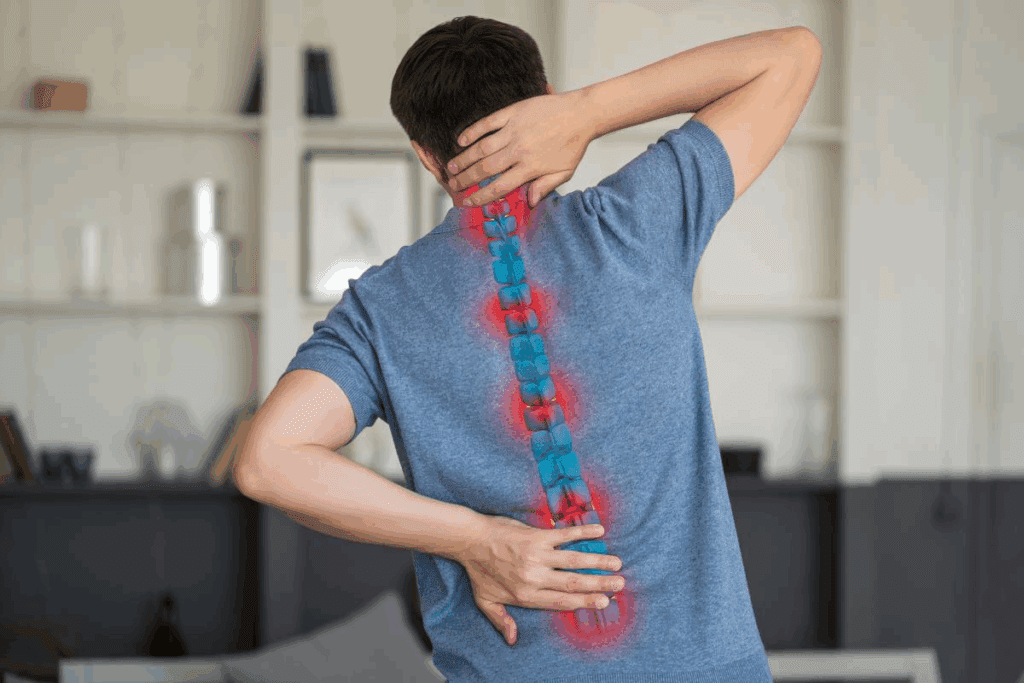
Did you know that nearly 250,000 adults in the United States are diagnosed with spinal stenosis each year? Many experience severe symptoms if they don’t get treatment.
Spinal stenosis gets worse over time, causing a lot of pain and disability. As it progresses, symptoms get worse, affecting daily life. Understanding how this condition progresses is crucial for obtaining appropriate care, especially in end stage spinal stenosis.
In this article, we’ll look at the final stages of spinal stenosis. We’ll talk about severe symptoms and how they affect people’s lives. Our aim is to give detailed information to help those dealing with this condition.
Key Takeaways
- Understanding how spinal stenosis gets worse is key to managing it well.
- Advanced symptoms can really affect daily life and how well you can move.
- Getting medical help early is important to avoid severe symptoms.
- Comprehensive care and support are essential for people with spinal stenosis.
- Knowing the final stages of the condition helps in making better treatment choices.
Understanding how this condition progresses is crucial for obtaining appropriate care.
Definition and Basic Pathophysiology
Spinal stenosis is when the spinal canal gets narrower. This can happen due to aging, birth defects, or injuries. The narrowing can press on nerves, leading to pain, numbness, and weakness in the back, legs, or arms.
The main cause is the gradual narrowing of the spinal canal. This can be sped up by age, herniated discs, or thickened ligaments in the spine.
Key factors contributing to spinal stenosis include:
- Degenerative changes
- Congenital conditions
- Injuries or trauma
- Herniated discs
- Ligament thickening
How Spinal Stenosis Develops Over Time
Spinal stenosis gets worse over time if not treated. It starts with the spinal canal narrowing, which can press on nerves and cause symptoms.
As it gets worse, symptoms can get more severe. This includes more pain, numbness, or weakness in the limbs. Knowing how it progresses is key to managing symptoms and improving life quality.
Recognizing and managing spinal stenosis early can lessen its effects. We’ll dive deeper into its progression in the next sections.
Understanding how spinal stenosis progresses is key to managing it well. Spinal stenosis happens when the spinal canal narrows. This can cause different symptoms based on how severe and where the stenosis is.
Early Stage Symptoms
In the early stages, symptoms are mild and can be treated without surgery. Common symptoms include:
- Mild pain or discomfort in the back, neck, or extremities
- Numbness or tingling sensations in the arms or legs
- Muscle weakness or fatigue
These symptoms can come and go. They might get worse with certain activities or positions. Early diagnosis and treatment can help manage symptoms and slow the condition’s progress.
Moderate Stage Manifestations
When spinal stenosis gets to the moderate stage, symptoms get worse and happen more often. Patients might feel:
- Increased pain or discomfort, possibly spreading to the extremities
- More noticeable numbness or tingling sensations
- Muscle weakness or atrophy
A study found that
“Patients with moderate spinal stenosis often experience significant impairment in their daily activities due to pain and neurological symptoms.”
| Symptom | Early Stage | Moderate Stage |
| Pain | Mild, intermittent | More pronounced, frequent |
| Numbness/Tingling | Mild, occasional | More frequent, widespread |
| Muscle Weakness | Mild, manageable | More pronounced, potentially debilitating |
Transition to Advanced Stages
When spinal stenosis moves to advanced stages, symptoms get much worse. This can lead to severe pain, significant neurological problems, and trouble moving. At this point, patients might feel:
- Severe pain that’s hard to control with usual treatments
- Significant muscle weakness or atrophy
- Loss of bladder or bowel control in severe cases
Prompt medical attention is vital at this stage. It’s important to prevent further worsening and explore advanced treatment options.
Recognizing End Stage Spinal Stenosis

Understanding how this condition progresses is crucial for obtaining appropriate care., symptoms are severe, and moving around becomes very hard. This greatly affects how well a person can live their life.
Clinical Definition of End Stage Stenosis
End stage spinal stenosis is when the spinal canal gets very narrow. This puts pressure on the spinal cord and nerves. People often feel a lot of pain, weakness, and numbness in their back, legs, or arms.
Clinical Definition: Doctors look at symptoms, medical history, and imaging to diagnose end stage spinal stenosis. They consider it when patients have big problems with their nerves and moving around.
Diagnostic Criteria and Imaging Findings
To diagnose end stage spinal stenosis, doctors use both clinical checks and imaging. Magnetic Resonance Imaging (MRI) is key because it shows the spinal canal and nerves clearly.
Here are the main things doctors look for:
- Severe narrowing of the spinal canal
- Significant compression of the spinal cord or nerve roots
- Presence of neurological deficits such as weakness, numbness, or paralysis
Imaging shows if the spinal canal is very narrow, nerves are compressed, and sometimes if the spine is unstable.
“The diagnosis of end stage spinal stenosis requires a thorough clinical evaluation and imaging studies to assess the severity of the condition and guide treatment decisions.”
Differentiating from Other Conditions
It’s important to tell end stage spinal stenosis apart from other conditions. These include peripheral artery disease, diabetic neuropathy, and other back pain causes.
Doctors use a detailed check-up, history, and imaging to make a correct diagnosis. They look at the whole picture to figure out what’s causing the symptoms.
Patients with advanced spinal stenosis often show clear neurological symptoms. These symptoms come from the nerves being compressed in the spinal canal.
Neurological Manifestations
Advanced spinal stenosis can cause weakness, numbness, and tingling in the limbs. This happens because the nerves are compressed, disrupting their function.
The symptoms can differ based on where and how severe the stenosis is. For example, lower back stenosis might affect the legs, while neck stenosis can impact the arms and hands.
Pain Patterns and Characteristics
Pain is a major symptom in advanced spinal stenosis, often lasting a long time and being very severe. The pain can vary, with some experiencing sharp, shooting pain along nerve paths.
| Pain Characteristic | Description |
| Radicular Pain | Pain that radiates along the nerve pathways, often sharp and shooting. |
| Neurogenic Claudication | Pain, weakness, or fatigue in the legs or arms when standing or walking. |
| Localized Pain | Pain confined to the area of stenosis, often dull and aching. |
Sensory Changes and Deficits
Sensory changes are common in advanced spinal stenosis, including numbness, tingling, and altered sensation. These changes can greatly affect a patient’s life, making daily activities hard.
It’s key to understand the symptoms of advanced spinal stenosis for effective management. Recognizing the neurological symptoms, pain patterns, and sensory changes helps healthcare providers create better treatment plans. This improves patient outcomes.
Mobility Challenges in Final Stage Spinal Stenosis
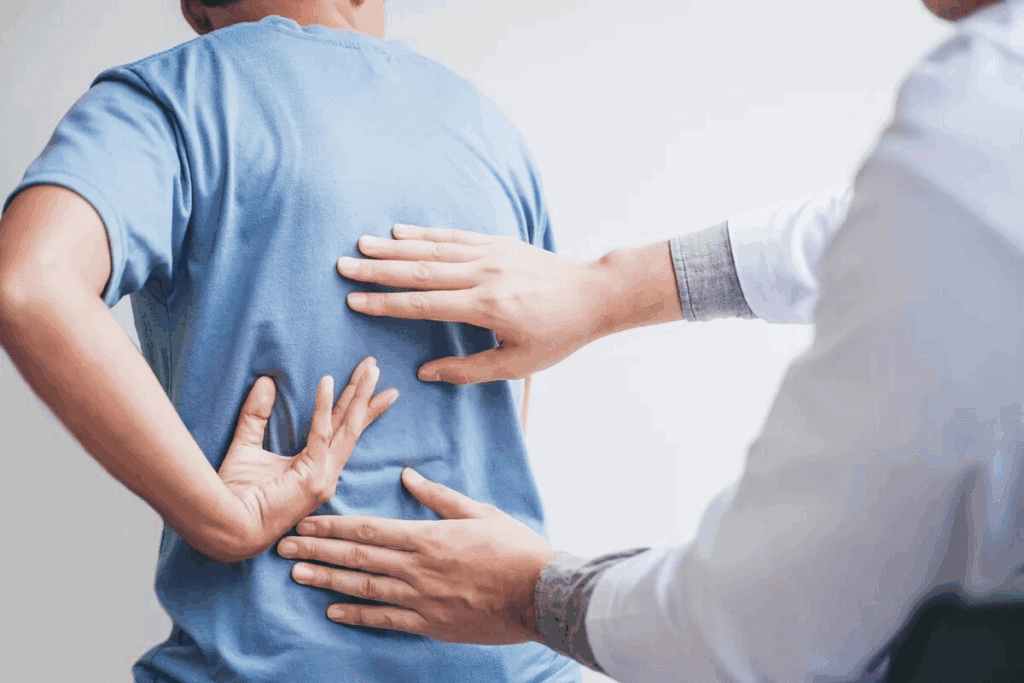
When spinal stenosis reaches its final stage, patients face big mobility challenges. These challenges can change their life a lot. The condition narrows the spinal canal, pressing nerves and causing severe mobility problems.
Walking Difficulties and Limitations
Walking becomes hard for many patients. They might feel pain, numbness, or weakness in their legs. Walking difficulties happen because nerves controlling leg muscles get compressed.
- Pain or discomfort when walking
- Numbness or tingling sensations in the legs
- Weakness in the legs, making it hard to support body weight
Balance Problems and Fall Risk
Balance issues are a big worry for those with final stage spinal stenosis. Nerve compression affects balance, raising the chance of falls. Balance problems can make people afraid to move, limiting their mobility even more.
- Difficulty maintaining balance while standing or walking
- Increased risk of falls due to nerve compression
- Fear of falling, leading to reduced mobility
Impact on Daily Activities
Final stage spinal stenosis makes daily tasks hard. Simple things like shopping, cooking, or personal care become big challenges. Patients might need help from devices or caregivers to stay independent.
We know that dealing with advanced spinal stenosis needs a lot of care and support. By tackling mobility issues, we can make life better for these patients.
Severe Spinal Stenosis and Nerve Damage
Understanding the link between severe spinal stenosis and nerve damage is key. Severe spinal stenosis can cause nerve compression. This can lead to neurological symptoms and even permanent damage if not treated quickly.
Mechanisms of Nerve Compression
Nerve compression in severe spinal stenosis happens when the spinal canal narrows. This can be due to disc degeneration, bone spurs, or thickened ligaments. As the canal narrows, it presses on the spinal cord or nerves.
Nerve compression can lead to a range of symptoms, including pain, numbness, tingling, and weakness in the affected limbs. The severity of these symptoms depends on the degree of compression and the nerves affected.
Permanent vs. Reversible Nerve Damage
Whether nerve damage is reversible or permanent depends on several factors. Early treatment can often reverse or improve symptoms. But, prolonged compression can cause permanent damage.
Long-term effects of severe spinal stenosis include chronic pain, numbness or tingling, muscle weakness, and in severe cases, paralysis. Managing these effects often requires a team effort. This includes pain management, physical therapy, and sometimes surgery.
It’s vital for patients to work closely with their healthcare providers to create a treatment plan. This plan should address their specific needs and improve their quality of life.
Paralysis Risk in End Stage Spinal Stenosis
Untreated or undertreated end stage spinal stenosis can lead to paralysis. As the condition worsens, the risk of nerve compression grows. This can cause significant neurological problems.
Conditions Leading to Paralysis
Several conditions linked to end stage spinal stenosis can cause paralysis. These include severe nerve root compression, cauda equina syndrome, and significant spinal cord compression. Compression of the spinal cord or nerve roots can disrupt normal nerve function, leading to paralysis.
Severe Nerve Root Compression: This happens when nerves are compressed a lot. It causes pain, weakness, and can lead to paralysis in the affected limbs.
Cauda Equina Syndrome: This serious condition occurs when nerves in the lower spine are compressed. It causes pain, numbness, and can lead to paralysis in the legs. It also affects bowel and bladder function.
Warning Signs and Emergency Symptoms
It’s important to recognize the warning signs of paralysis due to spinal stenosis. Emergency symptoms include sudden severe weakness or numbness in the legs, loss of bladder or bowel control, and significant changes in mobility. If you experience any of these symptoms, seek immediate medical attention.
- Sudden severe weakness or numbness in the legs
- Loss of bladder or bowel control
- Significant changes in mobility
Prevention Strategies
Preventing paralysis in end stage spinal stenosis requires timely and appropriate medical care. This may include surgery to relieve nerve pressure, physical therapy to keep mobility, and managing symptoms to stop progression.
We suggest working closely with healthcare professionals to create a personalized treatment plan. By understanding the risks and taking proactive steps, individuals with spinal stenosis can lower their risk of paralysis. This helps maintain a better quality of life.
Final Stage of Spinal Stenosis Pain Management
Pain management in the final stage of spinal stenosis needs a detailed plan. As the condition worsens, the pain becomes more complex. This calls for a treatment plan that covers all bases.
Medication Approaches
Medicine is key in managing pain from advanced spinal stenosis. We start with gentle treatments like NSAIDs. If needed, we move to stronger drugs like opioids. But, we use opioids with caution because of their side effects and addiction risk.
Commonly used medications include:
- NSAIDs (e.g., ibuprofen, naproxen)
- Oral corticosteroids (for short-term use)
- Opioids (for severe pain)
- Neuromodulators (e.g., gabapentin, pregabalin)
Interventional Pain Procedures
When medicine isn’t enough, we turn to interventional pain procedures. These methods target the pain source directly.
Epidural steroid injections are a top choice. They inject steroids into the epidural space to cut down inflammation and pain. Other options include facet joint injections and nerve blocks.
Alternative Pain Relief Methods
There are also alternative pain relief methods. These can offer big benefits. They include:
- Physical therapy to boost mobility and strength
- Acupuncture to help healing and pain relief
- Chiropractic care to correct spinal alignment
- Mind-body therapies like meditation and yoga
By mixing these methods, we can create a pain management plan that fits each patient’s needs. This is for those with final stage spinal stenosis.
Complications in Late Spinal Stenosis
Spinal stenosis in its late stages can lead to serious complications. These issues need quick medical help. As the condition worsens, the risk of these problems grows, affecting the patient’s life quality.
Cauda Equina Syndrome
Cauda equina syndrome is a serious issue that can happen in late spinal stenosis. It happens when nerves in the lower back get compressed. This can cause severe pain, numbness, and weakness in the legs.
In bad cases, it can even lead to losing control over the bladder and bowel.
Warning signs of cauda equina syndrome include:
- Severe pain or numbness in the legs
- Loss of bladder or bowel control
- Weakness or paralysis in the legs
It’s very important to get medical help fast to avoid permanent harm.
Bowel and Bladder Dysfunction
Bowel and bladder problems are common in late spinal stenosis. The nerves getting compressed can mess up how the bladder and bowel work. This can cause issues like not being able to empty the bladder, losing bladder control, or having trouble with bowel movements.
| Symptom | Description |
| Urinary Retention | Inability to empty the bladder completely |
| Urinary Incontinence | Loss of bladder control, leading to involuntary leakage |
| Constipation | Difficulty passing stools or infrequent bowel movements |
Handling these symptoms often needs a team effort. This includes medical treatment and making lifestyle changes.
Muscle Atrophy and Weakness
Muscle wasting and weakness can also happen in late spinal stenosis. Long-term nerve compression can cause muscles to shrink and lose strength, mainly in the legs.
“Muscle atrophy is a significant concern in advanced spinal stenosis, as it can severely impact a patient’s mobility and independence.”
Physical therapy and rehab programs can help fight muscle atrophy. They keep muscles strong and improve movement.
Lumbar Stenosis: Final Stages and Specific Concerns
The final stages of lumbar stenosis show up as serious lower body problems. These problems need a detailed treatment plan. The spinal canal in the lower back narrows, causing severe symptoms.
Lower Body Dysfunction
In its final stages, lumbar stenosis can lead to weakness, numbness, and pain in the legs. This can make it hard to move around and do everyday tasks. Symptoms can range from mild to severe, making it hard to walk, stand, or balance.
Some people might get neurogenic claudication. This is pain, weakness, or tiredness in the legs and buttocks when walking or standing. It can really limit physical activity.
Unique Challenges of Lumbar Involvement
Lumbar stenosis has its own set of challenges. The lumbar spine bears a lot of weight and allows for a lot of movement. When stenosis happens here, it can cause complex problems that need special care.
One big challenge is cauda equina syndrome. This is when nerves in the lower spine get compressed. It can cause pain, numbness, and even permanent nerve damage if not treated right away.
Treatment Considerations for Lumbar Stenosis
Treating lumbar stenosis in its final stages needs a team effort. Each treatment plan is made just for the patient. It might include non-surgical methods, procedures, or surgery.
- Non-surgical treatments might include physical therapy, pain meds, and changes in lifestyle to help move better and feel less pain.
- Procedures like epidural steroid injections might be used to cut down inflammation and ease pain.
- Surgery, like decompression or spinal fusion, might be needed for severe cases or when other treatments don’t work.
It’s important for patients to talk closely with their doctors. They need to find the best treatment plan for their specific situation and health.
Cervical Stenosis Final Stages
When cervical stenosis reaches its final stages, the risk of serious problems like myelopathy grows a lot. At this point, it can really hurt your quality of life. You’ll need a lot of care and management.
Upper Body Dysfunction
Advanced cervical stenosis often causes upper body problems. You might feel weak, numb, or tingly in your arms and hands. This makes it hard to do everyday tasks.
The spinal cord’s compression at the cervical level causes many issues. You might struggle with simple tasks like buttoning a shirt or writing. This is because your hands lose coordination and strength.
Respiratory and Swallowing Concerns
In severe cases, cervical stenosis can harm the nerves that control breathing and swallowing. This can lead to serious problems like respiratory failure and trouble swallowing.
People with advanced cervical stenosis might have trouble breathing, even when they’re not trying hard. They might also have trouble swallowing food and liquids. These symptoms need quick medical help to avoid serious risks.
Myelopathy Risks and Management
Cervical spondylotic myelopathy (CSM) is a big risk in the final stages of cervical stenosis. It happens when the spinal cord gets compressed. This can cause your nerves to get worse over time.
Managing myelopathy needs a team effort. This includes checking your nerves, doing tests, and sometimes surgery to relieve the spinal cord. This helps stop more damage.
It’s very important to catch and treat myelopathy early. This can help keep your quality of life better for longer.
Surgical Interventions for End Stage Spinal Stenosis
When spinal stenosis gets to its final stages, surgery is often the next step. At this point, the condition has really hurt the quality of life. Other treatments have not worked well.
When Surgery Becomes Necessary
Surgery is usually suggested when other treatments don’t help enough. The condition must be really affecting daily life. The decision to have surgery depends on how bad the symptoms are, the nerve damage, and the patient’s overall health.
Key indicators for surgical intervention:
- Severe pain that interferes with daily life
- Significant neurological deficits, such as weakness or numbness
- Impaired bladder or bowel function
- Failure of conservative management
Types of Surgical Procedures
There are several surgeries for treating end-stage spinal stenosis. Each has its own benefits and when it’s best to use it.
The most common surgical options include:
- Laminectomy: Removes part or all of the lamina to relieve pressure on the spinal cord or nerves.
- Spinal Fusion: Joins two or more vertebrae together to stabilize the spine.
- Microdiscectomy: A small procedure to remove herniated disc material compressing nerves.
- Interspinous Process Decompression: Places a device between the spinous processes to distract and decompress the stenotic segment.
Expected Outcomes and Recovery
The main goals of surgery for end-stage spinal stenosis are to reduce pain, improve function, and enhance quality of life. Results can vary based on the surgery, patient health, and how severe the condition is.
Recovery Process:
- Immediate post-operative period: Focus on pain management and initial recovery
- Short-term recovery (weeks to months): Gradual return to activities, physical therapy
- Long-term recovery (months to a year or more): Full recovery, rehabilitation, and lifestyle adjustments
It’s important for patients to understand the possible outcomes and the recovery process before deciding on surgery for end-stage spinal stenosis.
Non-Surgical Treatment Options in Advanced Stages
In advanced spinal stenosis, a team effort is key. Non-surgical treatments are often the first step. They help manage symptoms and improve life quality before surgery is needed.
Physical Therapy Approaches
Physical therapy is a big part of non-surgical care for spinal stenosis. It includes exercises to boost flexibility and strengthen muscles. Physical therapists also use heat, cold, or electrical stimulation to ease pain.
Some specific physical therapy methods are:
- Stretching exercises to improve flexibility
- Strengthening exercises to support the spine
- Aerobic conditioning to improve overall health
- Manual therapy techniques to mobilize the spine and surrounding tissues
Assistive Devices and Mobility Aids
Assistive devices and mobility aids are very helpful for those with advanced spinal stenosis. They help keep patients independent and reduce pain. Items like canes, walkers, and orthotics stabilize the spine and improve balance.
| Device | Purpose | Benefit |
| Canes | Reduce pressure on the spine | Improve balance and stability |
| Walkers | Provide additional support | Enhance mobility and confidence |
| Orthotics | Stabilize the spine | Reduce pain and discomfort |
Lifestyle Modifications
Changing your lifestyle can also help manage advanced spinal stenosis. Keeping a healthy weight, exercising regularly, and maintaining good posture can ease symptoms.
Important lifestyle changes include:
- Maintaining a healthy weight to reduce pressure on the spine
- Engaging in low-impact exercises such as swimming or cycling
- Practicing good posture to reduce strain on the spine
Comprehensive Care Planning for Final Stage Patients
Patients with end-stage spinal stenosis need a detailed care plan. This plan must address their complex needs effectively.
Multidisciplinary Team Approach
A team of healthcare experts is key for effective care. This team includes doctors, nurses, and physical therapists. They work together to create a care plan tailored to each patient.
Key members of the multidisciplinary team include:
| Team Member | Role |
| Primary Care Physician | Oversees overall care and coordinates with specialists |
| Orthopedic Surgeon | Assesses surgical options and performs operations |
| Physical Therapist | Develops exercise programs to maintain mobility and strength |
| Pain Management Specialist | Provides pain relief strategies and interventions |
Home Care Considerations
Home care is vital for many patients. It includes making the home safer and more accessible.
Some key home care considerations include:
- Installing handrails and non-slip mats
- Removing tripping hazards
- Using assistive devices like walkers or canes
Caregiver Support and Education
Caregivers are essential for patients with end-stage spinal stenosis. They need education and support to care for their loved ones well.
Caregiver support may include:
- Training on safe transfer techniques
- Education on managing pain and symptoms
- Access to respite care services
Living with Advanced Spinal Stenosis: Coping Strategies
Psychological Impact and Mental Health
Mental health support is key in managing the condition. This includes counseling, therapy, and support groups. Here, people can share their stories and learn from others facing the same issues.
Support Systems and Resources
A strong support system can greatly improve life for those with advanced spinal stenosis. This includes family, friends, healthcare professionals, and support groups.
There are many resources to help manage the condition. These include:
- Physical therapy to keep mobility and strength
- Occupational therapy to adapt daily activities
- Pain management clinics for effective pain control
- Online forums and local support groups for emotional support
Adaptive Techniques for Daily Living
Adapting daily living techniques can help people with advanced spinal stenosis stay independent. Simple changes, like using assistive devices for mobility and adjusting home environments for safety, can make a big difference.
For example, using assistive devices like canes, walkers, or wheelchairs can reduce strain and improve mobility. Also, making home modifications like installing handrails or non-slip flooring can prevent falls and injuries.
Conclusion
Managing end stage spinal stenosis needs a full plan that meets all patient needs. We’ve looked at how spinal stenosis gets worse, its signs, and the big hurdles in late stages.
Handling end stage spinal stenosis means working with a team. This team uses surgery and non-surgery, manages pain, and suggests lifestyle changes. Knowing how the condition gets worse and what treatments are out there helps patients and their families make better choices. This can really improve their life quality.
We’re dedicated to giving top-notch health info and support to those with end stage spinal stenosis. We want to help patients take care of themselves and stay as healthy as possible.
FAQ
How is end stage spinal stenosis diagnosed?
Doctors use a few ways to diagnose end stage spinal stenosis. They look at your medical history and do tests like MRI or CT scans. These help see how much the spinal canal is narrowing and how nerves are being compressed.
What are the treatment options for final stage spinal stenosis?
For final stage spinal stenosis, treatments include surgery or non-surgical methods. Surgery might be needed to relieve pressure on nerves. Non-surgical options include physical therapy, pain management, and making lifestyle changes. The best treatment depends on your health and condition.
Yes, if not treated, advanced spinal stenosis can lead to paralysis. Severe nerve compression can cause permanent damage. This results in losing control over muscles or feeling.
How does spinal stenosis affect mobility?
Spinal stenosis can make it hard to walk and balance. It also limits what you can do every day. As it gets worse, you might need to use aids to stay mobile.
What are the complications of late stage spinal stenosis?
Late stage spinal stenosis can lead to serious problems. These include cauda equina syndrome, trouble with the bowel and bladder, muscle wasting, and permanent nerve damage. Getting medical help quickly is key to avoiding or managing these issues.
How is pain managed in final stage spinal stenosis?
Managing pain in final stage spinal stenosis involves several steps. This includes using medicine, interventional procedures, and other pain relief methods. The goal is to lessen pain and improve your life quality.
What is the role of physical therapy in managing advanced spinal stenosis?
Physical therapy is very important for advanced spinal stenosis. It helps improve your mobility, strength, and flexibility. It also helps you stay functional and reduces pain.
Can lifestyle modifications help manage spinal stenosis?
Yes, making healthy lifestyle choices can help manage spinal stenosis. This includes keeping a healthy weight, exercising, and improving your posture. These actions can help control symptoms and slow the disease’s progress.
What is the importance of compassionate care planning for final stage spinal stenosis patients?
Planning care for final stage spinal stenosis patients is very important. It involves a team of doctors, home care, and support for caregivers. This approach ensures patients get the care and support they need to manage their condition well.
References
- Medical News Today. (2024). What are the final stages of spinal stenosis? https://www.medicalnewstoday.com/articles/what-are-the-final-stages-of-spinal-stenosis