Endometriosis affects millions of women worldwide, causing moderate to severe pelvic pain that significantly impacts quality of life. We understand the challenges women face in managing their symptoms and the importance of effective treatment options.
Orilissa (elagolix) is a prescription medication used to treat pain from endometriosis, available in two strengths: 150 milligrams (mg) and 200 mg. At Liv Hospital, we are committed to providing comprehensive care and support for women seeking relief from endometriosis symptoms.
We will explore the various pain management options available, including Orilissa and other innovative endo pain medications, to help women make informed decisions about their healthcare.
Key Takeaways
- Orilissa is a prescription medication for managing endometriosis-related pain.
- Endometriosis significantly impacts the quality of life for millions of women worldwide.
- Liv Hospital offers comprehensive care and support for women with endometriosis.
- Various pain management options are available, including Orilissa.
- Informed decision-making is key for effective endometriosis management.
Understanding Endometriosis Pain
Endometriosis pain is more than just a symptom. It can really change a woman’s life. Knowing what causes it, its types, and how it affects daily life is key to managing it.
What Causes Endometriosis Pain
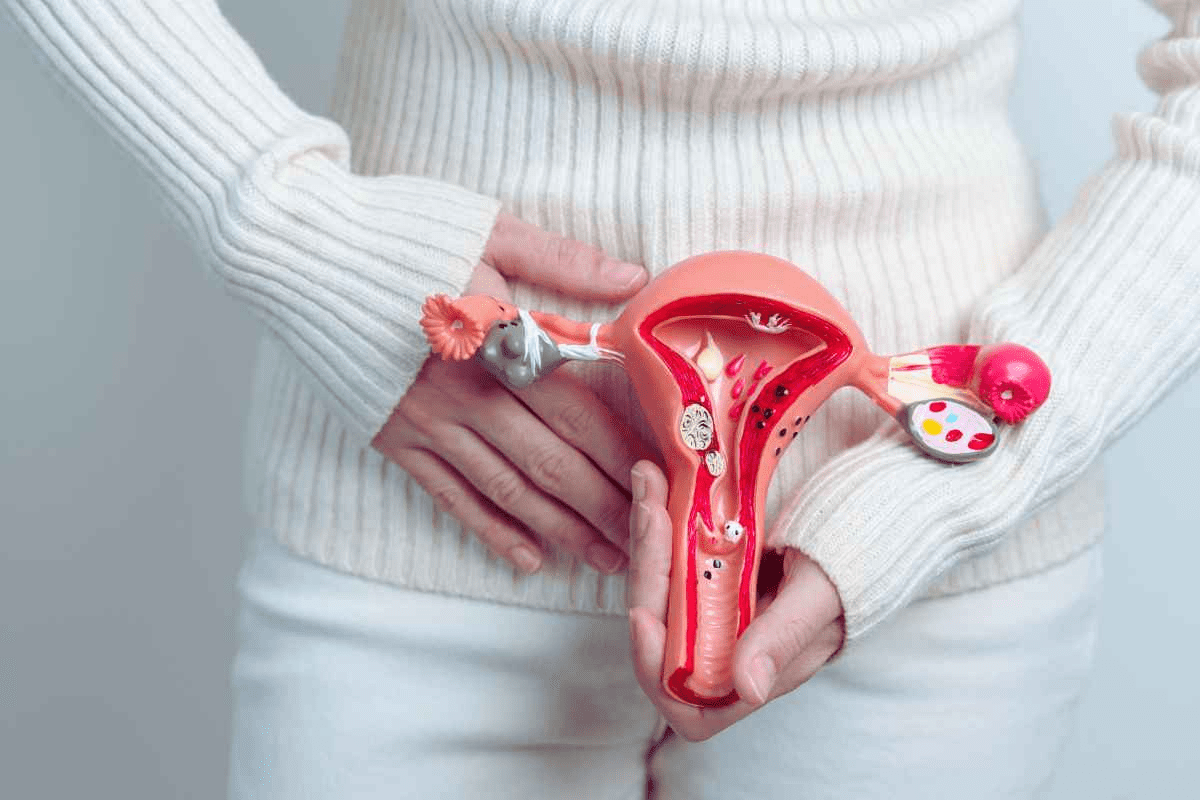
Endometriosis pain comes from endometrial tissue growing outside the uterus. This tissue gets inflamed, scars, and forms adhesions. It bleeds with the menstrual cycle, causing pain.
Key factors contributing to endometriosis pain include:
- Inflammation caused by the immune system’s response to endometrial lesions
- Scarring and adhesions that can form as a result of chronic inflammation
- Hormonal influences that stimulate the growth of endometrial tissue
Three Types of Endometriosis Pain
There are three main types of endometriosis pain:
| Type of Pain | Description |
|---|---|
| Dysmenorrhea (Painful Periods) | Severe menstrual cramps that can occur just before or during a period |
| Pelvic Pain or Cramping | Pain that occurs between periods, which can be constant or intermittent |
| Dyspareunia (Painful Intercourse) | Pain experienced during or after sexual intercourse |
Impact on Quality of Life
Endometriosis pain can really affect a woman’s life. It can cause emotional pain, hurt relationships, and make it hard to work. The pain can make a person feel isolated and frustrated.
The impact on quality of life can be seen in several areas:
- Physical limitations due to chronic pain
- Emotional challenges, including anxiety and depression
- Social and relational impacts, affecting intimacy and daily interactions
Healthcare providers need to understand these aspects of endometriosis pain. This way, they can give care that helps with symptoms and improves overall well-being.
How Endo Pain Medications Work
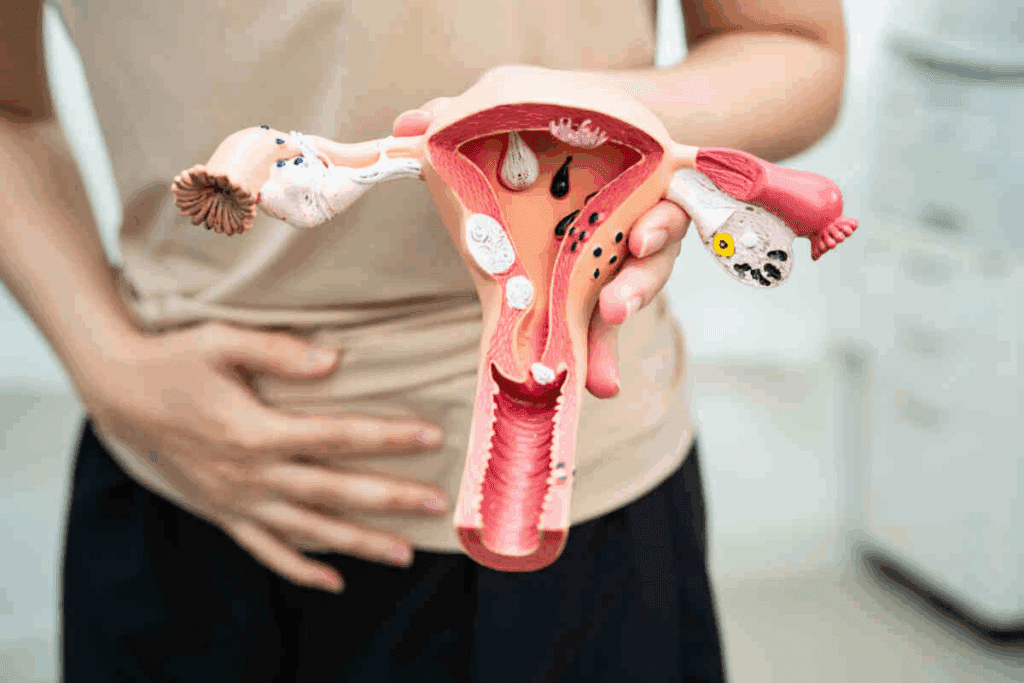
Endo pain medications work in different ways to ease the pain of endometriosis. They target various parts of the condition. This helps to reduce pain and other symptoms.
Hormone Suppression Mechanisms
One main way these medications work is by lowering hormone levels, like estrogen. Orilissa (elagolix) is an example. It reduces estrogen levels. This slows down the growth of endometrial tissue and the pain it causes.
Lowering estrogen helps stop the growth and shedding of endometrial tissue. This leads to less pain and swelling. This hormone reduction is key in managing endometriosis symptoms for many people.
Anti-Inflammatory Effects
Some medications also have anti-inflammatory effects. They help reduce the swelling that comes with endometriosis. This makes pain and discomfort less severe.
NSAIDs are a common choice for their anti-inflammatory action in treating endometriosis pain. They block the production of prostaglandins. These hormone-like substances cause pain and swelling.
Pain Signal Disruption
Another way these medications help is by interrupting pain signals to the brain. Some medications change how pain is felt. This makes it seem less intense or bothersome.
| Medication Type | Mechanism of Action | Effect on Endometriosis Pain |
|---|---|---|
| Orilissa (Elagolix) | Hormone suppression | Reduces pain by decreasing estrogen levels |
| NSAIDs | Anti-inflammatory | Minimizes pain and inflammation |
| Progestin Therapies | Hormone regulation | Decreases pain by thinning endometrial tissue |
Knowing how these medications work helps patients and doctors pick the best one. This choice depends on individual needs and symptoms.
Medication #1: Orilissa (Elagolix) – The First Oral GnRH Antagonist
Orilissa, also known as elagolix, is a big step forward in treating endometriosis pain. It’s the first oral GnRH antagonist, bringing a new way to handle this condition.
Overview
Orilissa is made to help with the pain of endometriosis. It cuts down on hormones that make endometrial tissue grow, which lessens pain.
How Orilissa Works
Orilissa blocks GnRH, a hormone that controls estrogen levels. By lowering estrogen, it stops endometrial tissue from growing and reduces pain. This is key in fighting endometriosis symptoms.
Clinical Trial Results
Studies show Orilissa works well in easing endometriosis pain. It cuts down on menstrual pain in 43 to 72 percent of users. This makes Orilissa a good choice for those with endometriosis.
Side Effects and Considerations
Orilissa is mostly safe but can cause side effects like hot flashes and changes in bone density. It’s important to talk to a doctor about these risks to see if Orilissa is right for you.
Medication #2: Hormonal Birth Control for Endometriosis
Hormonal birth control is often used to help manage endometriosis symptoms. It helps by controlling hormonal changes that can make pain worse. Knowing how it works can help patients choose the right treatment for them.
Overview
Hormonal birth control includes pills, patches, and IUDs. It helps with menstrual cramps, heavy bleeding, and pain. It’s a flexible treatment that can be adjusted for each patient. The hormones in these contraceptives make the uterus lining thinner. This reduces endometrial tissue growth and pain.
Effectiveness for Different Pain Types
Hormonal birth control works well for different types of endometriosis pain, such as:
- Dysmenorrhea (painful periods)
- Dyspareunia (painful intercourse)
- Chronic pelvic pain
It’s great for those with pain tied to their menstrual cycle. But, it might not work the same for everyone. Some may have breakthrough pain or other issues.
Side Effects and Considerations
Hormonal birth control is usually okay, but it can cause side effects like:
- Nausea and vomiting
- Breast tenderness
- Mood changes
- Breakthrough bleeding
Talking to a healthcare provider about your medical history and concerns is important. They can help find the best hormonal birth control for you.
Orilissa vs. Birth Control: Key Differences
Orilissa (elagolix) and hormonal birth control treat endometriosis but in different ways. Orilissa targets the hormonal pathway involved in endometriosis. Hormonal birth control mainly controls menstrual cycles and reduces uterine lining growth. The right choice depends on your symptoms, medical history, and treatment goals.
Talking to a healthcare provider about these options is a good idea. They can help decide the best treatment for you.
Medication #3: Injectable GnRH Agonists
GnRH agonists given by injection are a key treatment for endometriosis pain. They are an option for women who can’t take oral meds or don’t get better with them.
Overview
These injectables first boost the pituitary gland, then lower estrogen levels. This drop in estrogen helps lessen endometriosis pain.
Leuprolide acetate and goserelin acetate are examples. They are given every 1 to 3 months, based on the type.
How They Differ from Oral GnRH Antagonists
Injectable GnRH agonists and oral GnRH antagonists like Orilissa (elagolix) work differently. Agonists first stimulate, then downregulate GnRH receptors. Antagonists block GnRH receptors directly.
This difference can lead to different side effects and how well they work for each person.
Effectiveness for Endometriosis Pain
Research shows injectable GnRH agonists can greatly reduce endometriosis pain. They can greatly improve life quality for many women.
| Treatment | Pain Reduction (%) | Side Effects |
|---|---|---|
| Leuprolide Acetate | 60-80% | Hot flashes, bone loss |
| Goserelin Acetate | 70-90% | Hot flashes, mood changes |
Side Effects and Add-Back Therapy
Side effects include hot flashes, bone loss, and mood swings. Add-back therapy helps with these, using estrogen and/or progesterone.
Add-back therapy helps prevent bone loss and hot flashes. It keeps the pain relief of the GnRH agonist without the side effects.
Top Endo Pain Medication Options: Comparing Effectiveness
When it comes to endo pain meds, each one works differently. It’s important to know how they compare to find the best treatment for endometriosis.
Pain Reduction Percentages
Research shows that different meds can reduce pain by varying amounts. For example, Orilissa (elagolix) has been effective in lowering dysmenorrhea and non-menstrual pelvic pain in studies.
Here’s a look at how different meds compare in pain reduction:
- Orilissa (elagolix): 50-70% reduction in dysmenorrhea
- Hormonal Birth Control: 30-50% reduction in overall pelvic pain
- Injectable GnRH Agonists: 70-90% reduction in endometriosis-related pain
Speed of Relief
How fast these meds work also varies. Some offer quick relief, while others take longer.
For instance:
- NSAIDs: Provide relief within a few hours
- Orilissa: May take 1-2 months to reach full effect
- Injectable GnRH Agonists: Typically start showing effects within 1-3 months
Duration of Treatment
The length of treatment with these meds can also differ. Some are for short-term use, while others are for long-term management.
Important points to consider include:
- Orilissa: Typically used for up to 24 months
- Hormonal Birth Control: Can be used long-term, often continuously
- Injectable GnRH Agonists: Usually limited to 6-12 months due to side effects
Quality of Life Improvements
These meds can also improve your overall quality of life. They can help with physical functioning, emotional well-being, and social interactions.
Notably:
- Orilissa has been associated with improvements in quality of life measures, including work productivity
- Hormonal Birth Control can reduce symptoms like heavy bleeding, improving overall well-being
- Injectable GnRH Agonists may offer significant symptom relief, potentially improving daily functioning
Medication #4: NSAIDs for Endometriosis Pain Relief
NSAIDs are key in easing endometriosis pain for many. These drugs are easy to find and often the first choice for pain management.
Overview
NSAIDs, or Nonsteroidal Anti-Inflammatory Drugs, cut down on prostaglandins. These hormone-like substances cause pain and swelling. By blocking the COX enzyme, NSAIDs reduce inflammation and pain from endometriosis.
Examples of NSAIDs include ibuprofen (Advil, Motrin) and naproxen (Aleve). They’re widely used for pain relief, making them a top pick for endometriosis symptoms.
Effectiveness and Limitations
NSAIDs help with mild to moderate endometriosis pain. They’re great for menstrual cramps and other inflammatory pain. But, their success can differ for each person, and some might need more than NSAIDs for relief.
NSAIDs don’t cure endometriosis; they just manage symptoms. Long-term use can also cause stomach problems like ulcers and bleeding.
Side Effects and Safety Considerations
NSAIDs are generally safe but can have side effects, like stomach issues and dizziness. Serious risks include bleeding, kidney damage, and heart problems.
To stay safe, always follow the dosage and talk to a doctor. This is important for those with stomach issues, heart disease, or kidney problems.
Combining NSAIDs with Hormonal Treatments
For many, mixing NSAIDs with hormonal treatments works better. Hormonal treatments, like birth control or Orilissa (elagolix), can shrink endometrial lesions and pain. NSAIDs then help with any remaining pain and swelling.
This combo tackles symptoms and hormonal causes of endometriosis. But, it’s vital to talk to a doctor about the benefits and risks to find the right treatment.
Medication #5: Progestin Therapies
Progestin therapies are a key treatment for endometriosis symptoms. They use synthetic versions of the hormone progesterone.
Overview
These therapies create a hormonal balance. This balance stops endometrial tissue growth. It reduces pain and symptoms of endometriosis.
Mechanism of Action
Progestin therapies work by changing endometrial implants. They make these implants smaller and less painful. This leads to less pain and inflammation.
Effectiveness for Different Pain Types
Studies show progestin therapies help with different pains. This includes dysmenorrhea (painful periods) and dyspareunia (painful intercourse).
Side Effects and Considerations
Progestin therapies are usually safe but can have side effects. These include breakthrough bleeding, mood swings, and weight gain. It’s important to talk about these with your doctor.
| Treatment Option | Pain Reduction Percentage | Common Side Effects |
|---|---|---|
| Progestin Therapies | 50-70% | Breakthrough bleeding, mood changes |
| Orilissa (Elagolix) | 60-80% | Hot flashes, headache |
| Hormonal Birth Control | 40-60% | Nausea, breast tenderness |
Choosing the Right Endo Pain Medication for Your Symptoms
Finding the right endo pain medication is a journey. You need to understand your symptoms, treatment options, and what you prefer. Everyone’s experience with endometriosis is different. What works for one person might not work for another.
Factors to Consider
When picking an endometriosis medication, several things matter. Symptom severity is key, as more severe symptoms might need stronger treatments. Your medical history also plays a role, as some conditions might not mix well with certain meds. Your lifestyle and personal preferences can also guide your choice, with some meds better for long-term use.
Orilissa (elagolix) is a popular choice for endometriosis pain. It’s an oral GnRH antagonist that works well in clinical trials. But, it’s not for everyone, depending on your symptoms and medical history.
Discussing Options with Your Doctor
Talking to your healthcare provider is key in finding the right medication. Be ready to ask about the benefits and risks of different treatments. Your doctor can help you decide between options like hormonal birth control or progestin therapies, based on your needs.
- What are the possible side effects of the recommended medication?
- How long will it take to see symptom improvements?
- Are there other treatments that might fit my lifestyle better?
Insurance Coverage and Cost Considerations
Insurance coverage and cost are big factors in choosing a medication. Some meds, like Orilissa, might be covered by insurance, while others might cost more. It’s important to know the costs and talk to your doctor about affordable options.
| Medication | Average Cost | Insurance Coverage |
|---|---|---|
| Orilissa | $200-$300 per month | Often covered with copay |
| Hormonal Birth Control | $10-$50 per month | Usually covered |
| Progestin Therapies | $50-$100 per month | Varies by insurance |
Treatment Duration and Long-Term Planning
How long you’ll need treatment is important when choosing a medication. Some meds are for short-term use, while others are for long-term management. Talk to your doctor about your long-term plans to find the best treatment strategy.
By considering these factors and working with your healthcare provider, you can find the best medication for your symptoms. This can greatly improve your quality of life.
Conclusion: Building Your Endometriosis Pain Management Strategy
Managing endometriosis pain often needs a mix of treatments. We’ve looked at different options like Orilissa (also known as Orlissa), hormonal birth control, and more. Each has its own benefits and things to think about for pain relief.
When making a plan for managing your pain, think about the different kinds of pain and how treatments work. A good plan might include medicine, lifestyle changes, and other steps that fit your needs.
Knowing how different medicines like Orilissa work can help you choose the best care. Working with your doctor is key to finding the right mix of treatments for you. This way, you can live better and feel better too.
Getting the right treatment for endometriosis pain is all about finding what works best for you. With the right medicine and lifestyle changes, we can help you control your symptoms better. This will improve your overall health and happiness.
FAQ
What is Orilissa (elagolix) and how does it work for endometriosis?
Orilissa, also known as elagolix, is a pill for endometriosis pain. It stops hormones that make endometrial tissue grow. This reduces pain from endometriosis.
How effective is Orilissa in reducing endometriosis pain?
Studies show Orilissa cuts endometriosis pain well. Many patients see big improvements in pain and life quality.
What are the common side effects of Orilissa?
Orilissa can cause hot flashes, night sweats, mood swings, and bone loss. Talk to your doctor about these side effects.
How does Orilissa compare to hormonal birth control for endometriosis treatment?
Orilissa and hormonal birth control treat endometriosis but differently. Orilissa is a GnRH antagonist, while birth control has estrogen and progestin. Orilissa might work better for some, but has different side effects.
Can NSAIDs be used to treat endometriosis pain?
Yes, NSAIDs can help with endometriosis pain. They reduce inflammation and pain. But, they might not work for all pain and can have side effects with long use.
What are progestin therapies, and how are they used for endometriosis?
Progestin therapies use synthetic progestins for endometriosis. They thin the uterus lining and cut menstrual bleeding, easing pain. They can be taken by mouth or injected.
How do injectable GnRH agonists compare to Orilissa for endometriosis treatment?
Injectable GnRH agonists and Orilissa both block hormone production. But, they’re given differently. GnRH agonists are injected monthly, while Orilissa is taken orally. Both can work, but have different side effects.
What factors should be considered when choosing an endometriosis pain medication?
When picking a pain medication, think about your pain type and severity, medical history, side effects, cost, and insurance. Talk to your doctor about these.
Can endometriosis pain medications be used long-term?
Treatment length varies with the medication and patient needs. Some, like Orilissa, are for long-term use. Others might be for shorter periods due to side effects.
Are there any lifestyle changes that can complement endometriosis pain medication?
Yes, healthy diet, regular exercise, stress management, and enough sleep can help with medication. They improve life quality too.
National Center for Biotechnology Information. Endometriosis Pain: Medications for Symptom Management and Relief. Retrieved from https://pubmed.ncbi.nlm.nih.gov/29889764
Reference
National Center for Biotechnology Information. Evidence-Based Medical Guidance. Retrieved from https://www.ncbi.nlm.nih.gov/pmc/articles/PMC5734310/)