Millions of women deal with back pain every year. But many don’t know the real reason: endometriosis. This condition can hurt the spine and lower back. It causes ongoing, cycle-based pain that’s often missed. Endometriosis back pain is debilitating. This ultimate guide reveals the surprising causes and the best, powerful strategies for relief.
If you have constant lower back pain that gets worse when you’re on your period, endometriosis might be the answer. We’ll look into how endometriosis and back pain are linked. And what women can do to handle their symptoms.
Key Takeaways
- Endometriosis affects about 10% of women of childbearing age.
- Studies show a strong link between endometriosis and lower back pain.
- Endometriosis can lead to lower back pain, feeling like a dull ache or sharp pain.
- Pain can spread to the hips, legs, and buttocks.
- Knowing the link between endometriosis and back pain is key to managing symptoms.
Understanding Endometriosis: A Common Women’s Health Condition
Endometriosis is a common health issue for women. It happens when tissue like the lining of the uterus grows outside the uterus. This can cause a lot of symptoms and affect many women’s lives.
What is Endometriosis?
Endometriosis is when cells like the uterus lining grow outside the uterus. This can cause pain and other problems. These cells can grow on the ovaries, fallopian tubes, and other parts of the pelvis.
They act like the tissue inside the uterus, thickening and bleeding with each cycle. This leads to inflammation, scarring, and adhesions.
Key characteristics of endometriosis include:
- Presence of endometrial-like tissue outside the uterus
- Involvement of various pelvic structures
- Cyclical symptoms related to the menstrual cycle
- Potential for significant pain and discomfort
Prevalence Among Women of Childbearing Age
Endometriosis is a big health issue for women of childbearing age. About 10% of women in this age group have it. It’s estimated that around 190 million women worldwide have endometriosis, but the real number might be higher because it’s often not diagnosed.
Age Group | Prevalence of Endometriosis |
15-24 years | 6.4% |
25-34 years | 10.4% |
35-44 years | 12.1% |
Common Symptoms and Manifestations
The symptoms of endometriosis vary from woman to woman. Common symptoms include:
- Dysmenorrhea: Painful menstruation that can be debilitating
- Chronic Lower Abdominal Pain: Persistent pain in the lower abdomen or pelvic region
- Heavy or Irregular Menstrual Bleeding: Excessive or unpredictable bleeding during menstruation
- Infertility: Difficulty conceiving due to the condition
- Other Symptoms: Fatigue, bloating, and gastrointestinal issues
“Endometriosis is often misunderstood, and its symptoms are frequently dismissed as ‘normal’ menstrual cramps. Yet, the pain and discomfort can be severe and debilitating, affecting not just the physical health but also the mental well-being of those affected.”
Understanding endometriosis is key to helping those affected. By recognizing symptoms, healthcare providers can offer the right care to improve women’s lives.
The Science Behind Endometriosis Back Pain
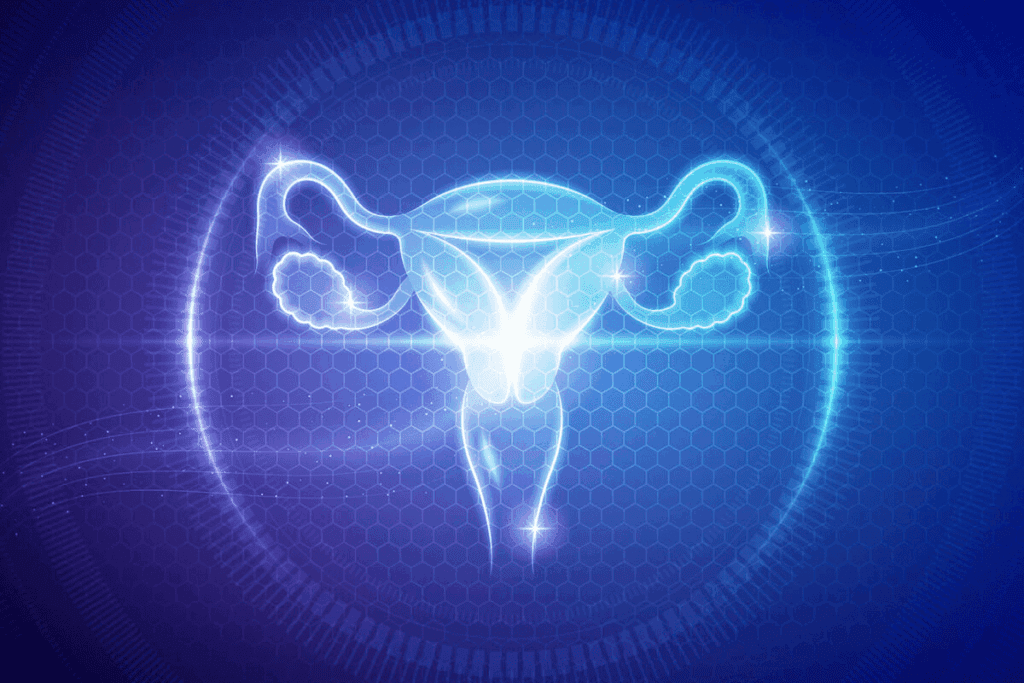
To understand endometriosis back pain, we need to look at how endometrial tissue affects the back. Hormonal changes also play a big role. Endometriosis is when endometrial tissue grows outside the uterus, causing symptoms like back pain.
How Endometrial Tissue Affects the Back
Endometrial tissue can attach to the lower back and pelvic area. This can cause back pain that varies from mild to severe. The tissue growing outside the uterus can form lesions or adhesions in the lower back. These can cause pain, mainly during menstrual periods.
Inflammation and Pain Mechanisms
Inflammation is key in endometriosis back pain. The presence of endometrial tissue outside the uterus triggers an inflammatory response. This can irritate nerve endings and cause pain. Scar tissue formed by inflammation can also make the pain worse.
The pain mechanisms in endometriosis back pain are complex. They involve the direct effect of endometrial lesions, inflammatory mediators, and nerve pathways.
The Role of Hormonal Fluctuations
Hormonal changes throughout the menstrual cycle affect endometriosis symptoms, including back pain. Estrogen levels influence the growth of endometrial tissue. This can lead to more inflammation and pain during menstruation.
Hormonal Change | Effect on Endometriosis Back Pain |
Increase in Estrogen | Proliferation of endometrial tissue, leading to increased pain |
Menstruation | Inflammation and irritation of nerve endings, causing pain |
Hormonal Treatments | Potential reduction in symptoms by regulating hormonal influences |
Understanding these factors is key to managing endometriosis back pain. By addressing hormonal changes and inflammation, healthcare providers can create effective treatment plans. This helps alleviate symptoms.
Statistical Link Between Endometriosis and Back Pain
Studies show women with endometriosis often have back pain. This statistical link is important. It shows we need to know more about who gets both conditions.
Research Findings and Prevalence
Research shows back pain is more common in women with endometriosis. A big study found these women often have lower back pain and other symptoms.
How common back pain is in women with endometriosis varies. But most studies agree it’s a big risk factor for chronic back pain. This prevalence makes it key to think about endometriosis when treating back pain in young women.
Demographics of Women Affected
The demographics of women with both endometriosis and back pain are interesting. Women aged 25 to 40 are most at risk. This is because they are in their reproductive years.
Also, women with a family history of endometriosis might be more likely to have back pain. This suggests a genetic link between the two conditions.
Comparing Endometriosis Back Pain to General Population
Research shows women with endometriosis have a lot more back pain than the general population. This is important for doctors to know. It helps them treat these women better.
Knowing these differences helps us create better treatments. It improves the lives of women with both endometriosis and back pain.
Genetic Factors in Endometriosis and Back Pain
Research shows that genetics play a big role in endometriosis and back pain. We’re learning about the complex mix of genes that affect endometriosis risk and symptom severity. This includes back pain.
The 42 Genome Areas Associated with Endometriosis
Genetic studies have found 42 genome areas linked to endometriosis risk. This breakthrough helps us understand endometriosis better. It also points to new ways to treat it.
Key genetic factors in endometriosis include genes for hormone control, cell sticking, and inflammation. Knowing these can help us grasp how endometriosis and back pain work together.
Shared Genetic Basis Between Conditions
Studies show endometriosis and chronic pain, like back pain, share a shared genetic basis. This might explain why some women with endometriosis have worse back pain. By studying this overlap, researchers can uncover the common causes.
Implications for Diagnosis and Treatment
Genetic markers for endometriosis and back pain could change diagnosis and treatment. Genetic tests might soon help spot women at high risk. This could lead to early treatment.
Also, knowing the genetic factors could lead to better treatments. As research grows, we might see treatments tailored to each person’s genes.
Recognizing Endometriosis Back Pain Symptoms
Endometriosis back pain symptoms can vary a lot among women. Yet, there are common patterns that help in diagnosis. Knowing these symptoms is key for managing and finding relief.
Characteristic Pain Patterns
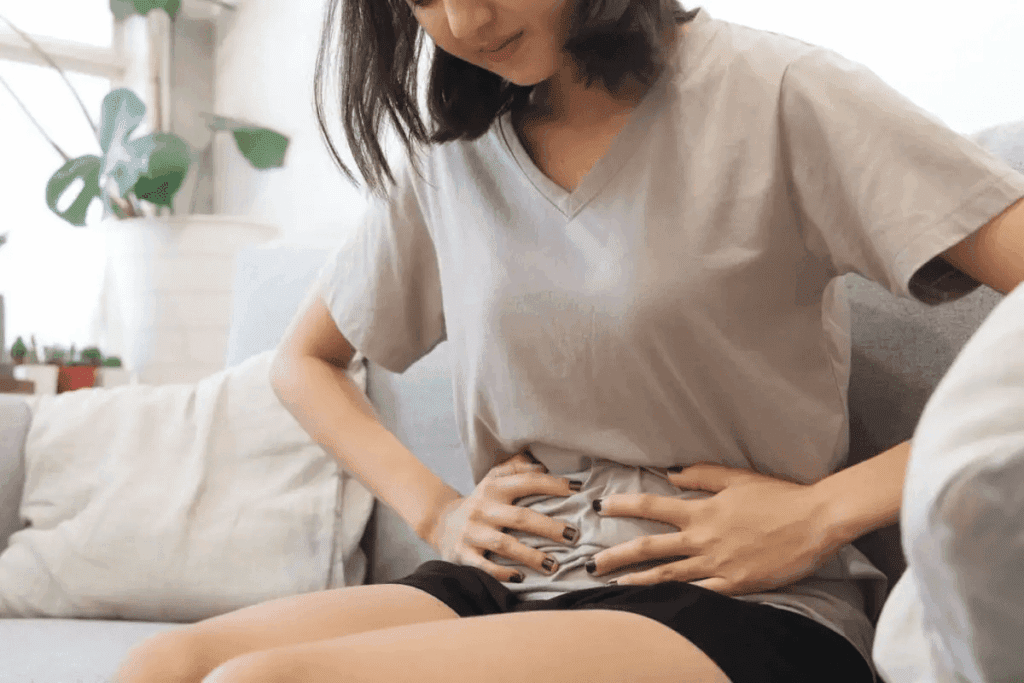
The pain from endometriosis can show up in different ways. Some feel a dull, constant ache. Others have sharp, stabbing pains. The pain often hits the lower back and spreads to the pelvic area.
Pain Patterns: The pain can stay the same or change, often with the menstrual cycle. This pattern is a big clue that helps tell endometriosis back pain apart from other back pains.
Cyclic Nature Related to Menstrual Cycle
The pain from endometriosis often follows the menstrual cycle. Many women feel their pain get worse before or during their period. This link is a key sign that the pain is tied to hormonal changes.
Hormonal Influence: Changes in estrogen and progesterone levels during the cycle can make endometrial tissue grow. This growth leads to inflammation and pain.
Severity Spectrum: From Mild to Debilitating
Endometriosis back pain can be mild or very severe. It can stop you from doing daily things. The pain’s strength can change from one cycle to another, even in the same woman.
Severity Level | Characteristics | Impact on Daily Life |
Mild | Occasional discomfort, manageable with minimal treatment | Little to no impact on daily activities |
Moderate | Regular pain, may require pain management medication | Some impact on daily activities, may need to adjust plans |
Severe | Debilitating pain, significantly interferes with daily life | Significant impact, may require bed rest or strong pain medication |
Spotting the signs of endometriosis back pain is the first step to managing it. By knowing the pain patterns, cycle link, and how severe it can be, women and doctors can create a good treatment plan.
Types of Back Pain Associated with Endometriosis
It’s important to know the types of back pain linked to endometriosis. Women with this condition often face various back pain issues. These can really affect their daily lives.
Lower Back Pain Patterns
Lower back pain is common in women with endometriosis. This pain can be constant or come and go. It might also move to the buttocks or thighs.
The pain’s severity can vary. It can be mild or very severe, making everyday tasks hard. Knowing the pattern and how severe it is helps in finding the right treatment.
Sciatic Pain and Nerve Involvement
Sciatic pain, or sciatica, happens when the sciatic nerve gets irritated or compressed. In endometriosis, this can occur when endometrial lesions or inflammation affect the nerves.
Sciatica can cause sharp pains down the leg. It makes sitting, standing, or walking hard. Treating sciatica linked to endometriosis needs a detailed plan that tackles both the pain and its cause.
Pelvic Pain Radiating to the Back
Pelvic pain is a key symptom of endometriosis. Sometimes, this pain spreads to the lower back. The pain feels deep and aching, and can be constant or worse during certain menstrual cycle times.
The pain spreading to the back can make finding the pain’s source hard. This makes diagnosis and treatment tricky. A detailed check-up is needed to see how pelvic pain affects back pain in each case.
Diagnosing and Treating Endometriosis When Back Pain is Present
Back pain linked to endometriosis needs a detailed diagnosis and treatment plan. We know endometriosis affects women differently, making it hard to diagnose and treat.
Diagnostic Approaches and Challenges
To diagnose endometriosis with back pain, we use medical history, pelvic exams, and imaging tests. A detailed medical history helps us spot symptoms that might point to endometriosis.
- Medical history: Identifying symptoms and patterns
- Pelvic examination: Checking for tenderness and oddities
- Imaging tests: Using ultrasound or MRI to see endometrial lesions
A comprehensive diagnostic approach is key to accurately diagnosing endometriosis and its effect on back pain.
“The diagnosis of endometriosis is often delayed due to the non-specific nature of its symptoms, including back pain.”
Medical Treatment Options
Medical treatments for endometriosis with back pain aim to lessen symptoms and slow disease growth. We often suggest:
Treatment | Description | Benefits |
Hormonal therapies | Birth control pills or GnRH agonists to lower estrogen levels | Reduces menstrual cramps and endometrial growth |
Pain management medications | Over-the-counter pain relievers or prescription drugs | Helps with back pain and other symptoms |
Effective medical treatments can greatly improve life quality for women with endometriosis and back pain.
Surgical Interventions
Surgery is considered when medical treatments fail or in severe cases of endometriosis. We might suggest:
- Laparoscopic surgery: A minimally invasive surgery to remove endometrial lesions
- Hysterectomy: Removing the uterus in severe cases
Surgical options are for women who don’t respond to medical treatments or have severe symptoms.
Understanding the diagnostic methods and treatment choices helps us manage endometriosis and back pain effectively.
Living with Endometriosis Back Pain: Management Strategies
Endometriosis back pain can really affect your daily life. But, there are ways to manage it. These include medical treatments, lifestyle changes, and alternative therapies.
Pain Management Techniques
Managing pain is key when you have endometriosis. We suggest a mix of methods:
- Medications: Over-the-counter pain relievers like ibuprofen or naproxen can help. Sometimes, stronger meds are needed.
- Hormonal Therapies: These treatments can slow down endometrial tissue growth, reducing pain.
- Nerve Blocks: For really bad pain, nerve blocks can be a good choice.
The American College of Obstetricians and Gynecologists says managing pain is vital.
“A multi-faceted approach to pain management can significantly improve the quality of life for women with endometriosis.”
Lifestyle Modifications
Changing your lifestyle can also help manage endometriosis back pain. We recommend:
- Dietary Changes: Eating foods rich in fruits, veggies, and omega-3s can cut down inflammation.
- Exercise Regularly: Gentle activities like yoga or swimming can boost flexibility and lessen pain.
- Stress Management: Stress can make symptoms worse. Try meditation or deep breathing to manage it.
Physical Therapy and Exercise
Physical therapy is also a good way to manage pain. A physical therapist can:
- Improve Flexibility: Gentle stretches can make you more flexible and reduce pain.
- Strengthen Core Muscles: A strong core can support your back and lessen pain.
- Enhance Posture: Better posture can also reduce back strain.
By using these strategies, women with endometriosis can handle their symptoms better. It’s important to work with your healthcare provider to find the best plan for you.
Conclusion
We’ve looked into how endometriosis and back pain are connected. This condition is a big reason for back pain in women. It’s key to understand this link to help manage it better.
Knowing the signs of endometriosis back pain helps women and doctors work together. They can then find and treat the problem. We talked about the need for a full approach, including medicine, lifestyle changes, and physical therapy.
To wrap it up, endometriosis and back pain are linked in many ways. Hormones, genes, and inflammation play a part. By understanding this, we can help women with endometriosis more effectively. This way, they can get the care and support they need to manage their condition.
FAQ
Can endometriosis cause back pain?
Yes, endometriosis can cause back pain. This happens when endometrial tissue grows outside the uterus, like in the lower back. It leads to inflammation and pain.
What are the common symptoms of endometriosis-related back pain?
Symptoms of endometriosis-related back pain vary. They often include lower back pain, sciatica, and pelvic pain that spreads to the back. The pain can change with the menstrual cycle and can be mild or severe.
How is endometriosis-related back pain diagnosed?
Diagnosing endometriosis-related back pain requires a detailed approach. It includes looking at medical history, doing a physical exam, and using imaging studies. Sometimes, laparoscopy is needed for an accurate diagnosis.
What are the treatment options for endometriosis-related back pain?
Treatments for endometriosis-related back pain include medications and surgery. Medications help manage pain and hormonal imbalances. Surgery, like laparoscopy or hysterectomy, may be needed in some cases.
How can I manage endometriosis-related back pain?
Managing endometriosis-related back pain involves several steps. These include using pain management techniques, making lifestyle changes, and trying physical therapy. These strategies can help women cope with their symptoms and improve their life quality.
Is there a link between hormonal fluctuations and endometriosis back pain?
Yes, hormonal changes during the menstrual cycle can make endometriosis back pain worse. Knowing this can help tailor treatments to better manage symptoms.
Can genetic factors contribute to endometriosis-related back pain?
Yes, genetics play a role in endometriosis. Certain genetic variations can increase the risk of developing the condition and experiencing back pain.
What lifestyle modifications can help alleviate endometriosis-related back pain?
Making healthy lifestyle choices can help with endometriosis-related back pain. This includes eating well, exercising regularly, and managing stress.
How does endometriosis affect women of childbearing age?
Endometriosis affects many women of childbearing age. It causes pain, heavy bleeding, and other issues that can greatly impact their quality of life.
References
World Health Organization. Evidence-Based Medical Guidance. Retrieved from https://www.who.int/news-room/fact-sheets/detail/endometriosis