
This ultimate guide explores endometriosis nausea. Discover the surprising, critical causes of this alarming symptom and the best, powerful fixes for relief. Endometriosis is a chronic condition where tissue like the uterine lining grows outside the uterus. It affects millions of women worldwide. This condition significantly impacts the quality of life, causing severe pain and gastrointestinal issues.
Nausea and vomiting are common complaints among women with endometriosis, affecting up to 90 percent of those diagnosed. The relationship between endometriosis and these gastrointestinal symptoms is complex. Various factors contribute to their severity.
Managing these symptoms is key to improving the quality of life for women with endometriosis. By exploring the mechanisms behind endometriosis-induced nausea, we can better address this significant aspect of the condition.
Key Takeaways
- Endometriosis affects an estimated 10% of reproductive-age women worldwide.
- Nausea and vomiting are significant symptoms, impacting up to 90% of women with endometriosis.
- The condition causes a range of symptoms, including severe pain during menstruation and chronic pelvic pain.
- Understanding the causes of endometriosis-related nausea is key for effective management.
- Liv Hospital provides compassionate, expert care for women experiencing endometriosis-related nausea.
Understanding Endometriosis: A Brief Overview

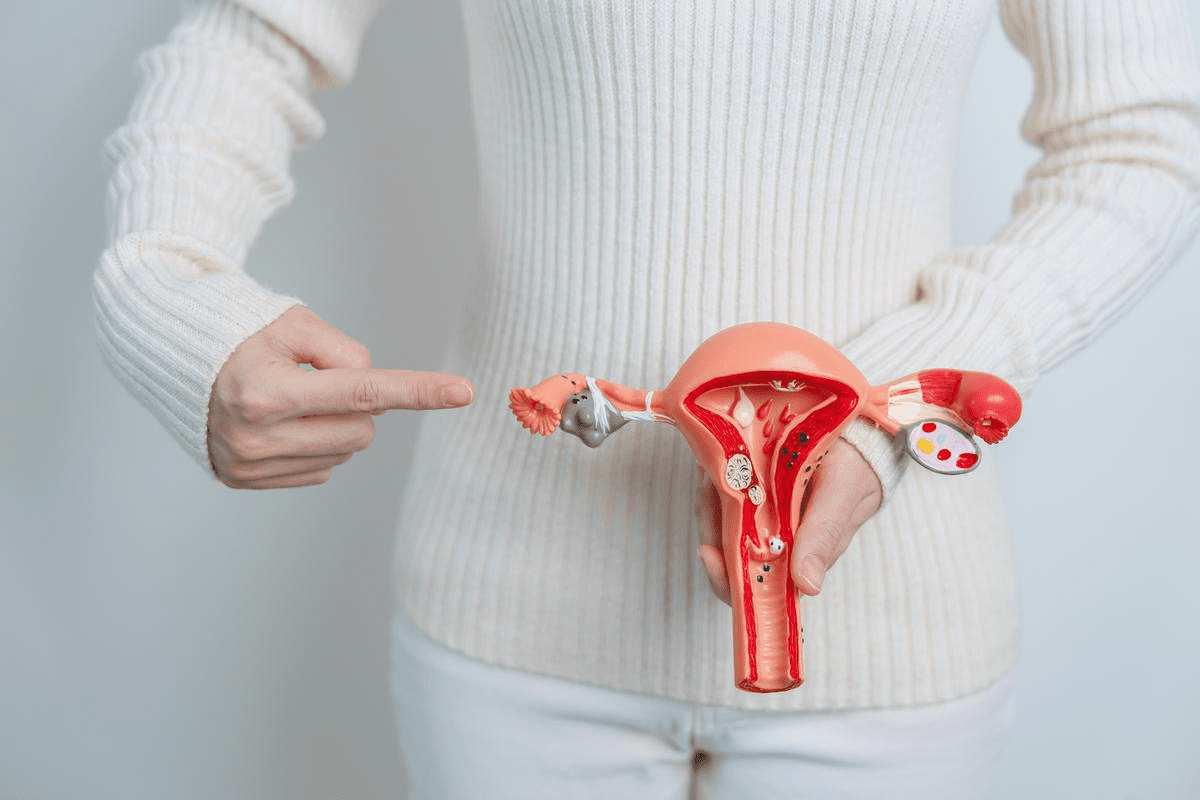
To understand why endometriosis often leads to nausea and vomiting, we first need to grasp what endometriosis is and how it affects the body. Endometriosis is a chronic condition where tissue similar to the lining inside the uterus is found outside the uterus, causing pain and discomfort.
What Happens in Endometriosis
In endometriosis, the misplaced endometrial tissue, known as endometrial implants or lesions, reacts to hormonal changes during the menstrual cycle, just like the tissue inside the uterus. This reaction leads to inflammation, scarring, and adhesions in the affected areas. The growth and shedding of this ectopic tissue can cause significant pain and other symptoms.
Endometriosis can affect various parts of the body, including the ovaries, fallopian tubes, and the pelvic peritoneum. In some cases, it can even affect distant organs, though this is less common. The condition can lead to a range of symptoms, not all of which are directly related to the reproductive system.
Common Symptoms Beyond Digestive Issues
While digestive symptoms like nausea and vomiting are common in endometriosis, they are not the only symptoms. Many individuals with endometriosis experience pelvic pain or cramping, which can occur during menstruation, ovulation, or at any time. Other symptoms include heavy or irregular menstrual bleeding, fatigue, and infertility.
“Endometriosis is a complex condition that can manifest differently in different women, making diagnosis and treatment challenging.”
Some people may also experience pain during sex, lower back pain, or other symptoms that can significantly impact their quality of life. The variety of symptoms and their severity can vary widely among individuals with endometriosis.
Studies have shown that up to 90% of individuals with endometriosis experience gastrointestinal symptoms, highlighting the complex interplay between endometriosis and digestive health. Multiple factors contribute to endometriosis-related nausea, including increased prostaglandin levels, endometriosis lesions, pelvic inflammation, and hormonal fluctuations.
The Prevalence of Endometriosis Nausea and Vomiting

It’s important to know how common nausea and vomiting are in endometriosis patients. These symptoms can really affect a woman’s life. Research shows they are common and can make life harder for women with endometriosis.
Statistical Insights: The 90% Figure
Studies say up to 90% of women with endometriosis have nausea and vomiting. This number shows how important it is for doctors to treat these symptoms. It’s part of caring for endometriosis.
Symptom | Prevalence in Endometriosis Patients |
Nausea | Up to 90% |
Vomiting | Significant percentage, often coinciding with menstruation |
When Symptoms Typically Occur
Nausea and vomiting often happen when a woman is menstruating. But, for some, these symptoms can happen at any time in their cycle. This shows how complex endometriosis is and why treatment needs to be tailored.
Endometriosis can affect many areas of a woman’s life. This includes sex, bowel movements, urination, and mental health. The presence of nausea and vomiting adds to the disease’s burden. It’s key to tackle these symptoms fully.
Doctors can improve life for endometriosis patients by understanding when and how often nausea and vomiting happen. This knowledge helps in creating better treatment plans.
The Prostaglandin Connection
Prostaglandins are key in understanding nausea and vomiting in endometriosis. These substances help with muscle contraction and blood vessel changes. They also control inflammation.
Effects on the Body
Prostaglandins have many effects, mainly during menstruation. They make the uterus contract, causing cramps. More prostaglandins mean worse cramps. They can also affect the digestive system by entering the blood.
Prostaglandins can upset the stomach. They make the digestive tract muscles work too hard. This can cause nausea and vomiting.
Prostaglandin Levels in Endometriosis
In endometriosis, prostaglandin levels are higher. This increase makes symptoms worse, like pain and stomach issues. The extra prostaglandins might come from abnormal endometrial growth outside the uterus.
From Uterus to Digestive System
The connection between prostaglandins and stomach problems in endometriosis is complex. Prostaglandins from the uterus can spread through the blood. This can cause nausea and vomiting, mainly during menstruation.
Understanding prostaglandins in endometriosis is key to managing symptoms. By tackling the causes of high prostaglandin levels, we can help women feel better. This improves their quality of life.
Endometriosis Lesions and Digestive Distress
Digestive issues are common in people with endometriosis. These problems often come from where the endometriosis lesions are and how they affect the body. We’ll look into how these lesions cause nausea and vomiting. This will help us understand the link between endometriosis and stomach health.
Bowel Endometriosis Explained
Bowel endometriosis happens when endometrial-like tissue grows in the bowel wall. It causes inflammation, spasms, and changes in bowel habits. Symptoms include painful bowel movements, bloating, diarrhea, constipation, and rectal bleeding. The severity of these symptoms depends on how deep the lesions are and where they are in the bowel.
How Lesion Location Impacts Symptoms
The spot where endometriosis lesions are found greatly affects digestive symptoms. Lesions near or in the bowel can irritate digestive tissues, causing nausea and vomiting. For example, lesions on the rectum or sigmoid colon often cause lower GI symptoms. Lesions in the small intestine might lead to abdominal pain and nausea after eating.
“The location of endometriosis lesions is a critical factor in understanding the varied gastrointestinal symptoms experienced by patients.”Medical Expert, Endometriosis Specialist
The Direct Irritation Mechanism
Endometriosis lesions physically affect tissues and organs nearby, causing inflammation and pain. When these lesions are near or in the digestive tract, they can irritate it. This irritation leads to nausea and vomiting. This shows why where endometriosis lesions are is key in diagnosing and treating digestive symptoms.
Lesion Location | Common Symptoms |
Rectum or Sigmoid Colon | Painful bowel movements, rectal bleeding |
Small Intestine | Abdominal pain, nausea after eating |
Bowel Wall | Bloating, diarrhea, constipation |
Understanding how endometriosis lesions cause digestive problems helps doctors create better treatment plans. These plans address both the endometriosis and its stomach symptoms.
Inflammation and Its Effects on Gut Function
The inflammatory response is key to understanding how endometriosis impacts gut function. Endometriosis causes endometrial tissue to grow outside the uterus, leading to chronic inflammation. This inflammation affects the body, including the gut system.
The Inflammatory Response in Endometriosis
In endometriosis, the inflammatory response is triggered by endometrial lesions. These lesions release chemical mediators like cytokines and prostaglandins, which cause inflammation. Medical Expert, an endometriosis specialist, says,
“The inflammatory response in endometriosis is a critical factor in the development of symptoms, including those affecting the gastrointestinal system.”
The inflammation can cause adhesions and scar tissue. This irritates nerves and disrupts organ function. It leads to symptoms like nausea and vomiting.
How Pelvic Inflammation Disrupts Digestion
Pelvic inflammation in endometriosis affects the digestive system. The reproductive organs are close to the digestive tract. This means inflammation can easily spread and disrupt digestion.
Several factors disrupt normal digestion:
- Direct irritation of the digestive tract by inflammatory mediators
- Formation of adhesions that can distort the anatomy of the pelvic organs
- Irritation of nerves that control gastrointestinal function
Nerve Irritation and Gastrointestinal Symptoms
Nerve irritation is another way endometriosis causes gastrointestinal symptoms. Endometrial lesions can irritate nearby nerves, including those controlling digestion. This irritation disrupts gut function, causing symptoms like nausea and vomiting.
The complex interplay between endometriosis, inflammation, and nerve irritation highlights the need for a holistic approach to managing symptoms. Understanding these factors helps healthcare providers develop better treatment strategies.
Why Endometriosis Nausea Worsens During Menstruation
Women with endometriosis often feel worse during their period. Hormonal changes and prostaglandin release make symptoms worse.
Hormonal Peaks and Valleys
Hormones like estrogen and progesterone change a lot during the cycle. These changes can make nausea worse for women with endometriosis. The drop in progesterone before the period can make symptoms even worse.
Prostaglandin Release During Periods
Prostaglandins are important in the menstrual cycle. When menstruation starts, prostaglandin levels go up, causing the uterus to contract. These contractions help shed the uterine lining but can also cause more nausea and stomach pain.
The Compounding Effect of Multiple Factors
Hormonal changes and prostaglandin release make nausea worse. Endometriosis lesions also add to the discomfort. Knowing these factors helps manage symptoms better.
Understanding hormonal changes, prostaglandin release, and other factors helps women with endometriosis. They can prepare for and manage their symptoms better. This knowledge helps them find the right treatments and make lifestyle changes to reduce discomfort.
The Hormonal Rollercoaster: Estrogen’s Role
Hormonal changes, like estrogen levels, are key in endometriosis digestive issues. Women with endometriosis face a mix of hormonal shifts and stomach problems.
Estrogen Dominance in Endometriosis
Estrogen dominance is common in endometriosis. This means estrogen levels are too high compared to progesterone. This imbalance can cause nausea and vomiting.
But estrogen’s effects don’t stop at the reproductive system. It also impacts overall health, including digestion.
The link between estrogen and the stomach is complex. Estrogen can change how the stomach moves, cause inflammation, and affect the gut’s bacteria. In endometriosis, this can make food harder to digest, leading to nausea and discomfort.
How Hormonal Fluctuations Affect Digestion
Hormonal changes during the menstrual cycle can really affect digestion. When progesterone levels go up, digestion slows down. This can cause bloating and nausea.
In women with endometriosis, these symptoms can get worse because of hormonal imbalances.
- Slowed digestion can lead to nausea and discomfort.
- Hormonal changes can affect gut motility and inflammation.
- Estrogen levels can influence the gut microbiota.
Research on Hormones and Nausea
Research shows hormonal changes can make nausea worse. High estrogen levels can mess with the brain’s nausea centers. This makes women more likely to feel nauseous.
In endometriosis, where estrogen is often too high, this can make nausea symptoms worse.
It’s important to understand how hormones cause nausea in endometriosis. By fixing hormonal imbalances and their effects on digestion, we can help women manage their symptoms better. This improves their quality of life.
Pain-Induced Nausea: When Discomfort Triggers Vomiting
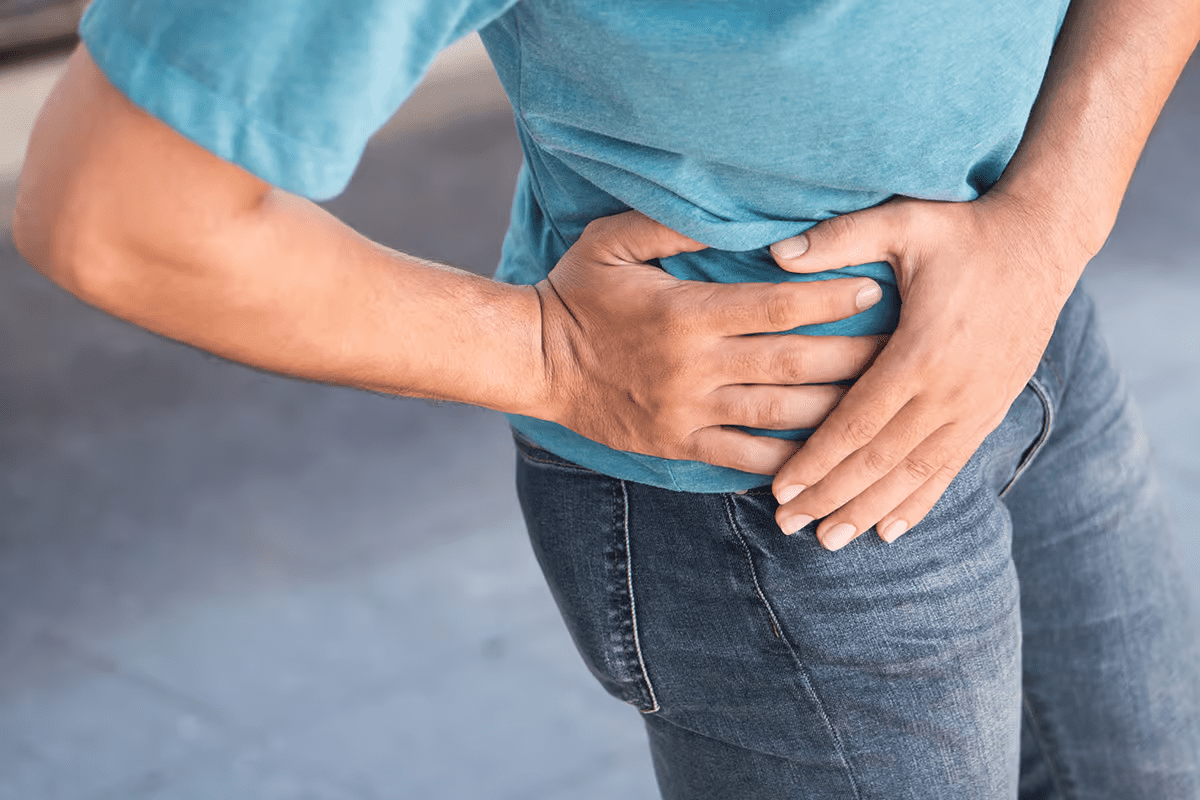
Severe pain from endometriosis can make you feel sick. This happens through complex neural pathways. It’s not just how much pain you feel, but how your body reacts to it.
The Pain-Nausea Pathway
The pain-nausea pathway involves neural signals that can make you feel nauseous. When endometriosis causes a lot of pain, it activates nerves in the pelvic area.
Activation of Pain Receptors: Pain from endometriosis is detected by pain receptors. These receptors send signals to the brain.
Signal Processing: The brain processes these signals. If the pain is severe, it can trigger nausea.
Why Severe Pain Makes You Feel Sick
Severe pain can overwhelm your body, making you feel sick. Pain signals can disrupt your digestive system, causing nausea and vomiting.
- Pain can slow down digestion, making you feel nauseous.
- The body’s stress response to pain can make nausea worse.
The Vagus Nerve Connection
The vagus nerve is key in the pain-nausea pathway. It transmits signals between the brain and organs, including the digestive tract.
Stimulation of the Vagus Nerve: Pain from endometriosis can stimulate the vagus nerve, causing nausea.
This connection explains why some women feel nauseous and vomit during severe endometriosis pain.
Understanding the link between pain and nausea in endometriosis is vital for managing symptoms. By addressing both pain and nausea, healthcare providers can offer better care.
Diagnosing Endometriosis-Related Nausea
Diagnosing nausea linked to endometriosis is complex. It requires a detailed look to tell it apart from other stomach issues. This is because the symptoms can look similar to those of other conditions.
Differentiating from Other Digestive Conditions
To pinpoint endometriosis-related nausea, we first need to rule out other possible causes. This means taking a detailed medical history, doing a physical check-up, and sometimes running extra tests.
Common conditions to consider include gastroparesis, irritable bowel syndrome (IBS), and gastroesophageal reflux disease (GERD). Each has its own set of symptoms and treatment options.
Diagnostic Approaches and Tests
Diagnosing endometriosis-related nausea involves several steps. Initial assessments start with a detailed look at your menstrual and medical history. This helps understand when and how often nausea and vomiting happen.
- Pelvic exams to check for abnormalities
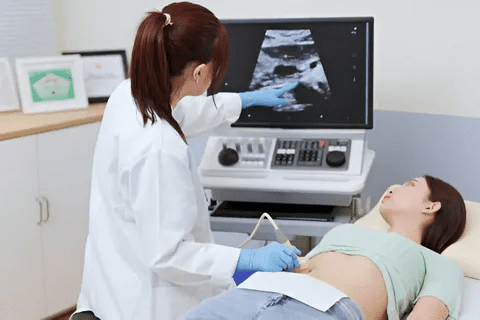
- Imaging tests such as ultrasound or MRI to see endometriotic lesions
- Laparoscopy for a direct look at endometrial implants
These steps help doctors figure out what’s causing your symptoms. They then create a treatment plan that fits your needs.
The Importance of Symptom Tracking
Keeping track of your symptoms is key in diagnosing endometriosis-related nausea. We suggest keeping a diary to note when, how often, and how bad your nausea and vomiting are. Pay special attention to how it relates to your menstrual cycle.
Accurate symptom tracking gives doctors valuable information. It helps them see if there’s a connection between endometriosis and your nausea. This information is vital for diagnosis and treatment.
By combining careful clinical checks with patient symptom reports, we can better diagnose endometriosis-related nausea. This leads to more effective treatment plans.
Managing Endometriosis Nausea and Vomiting
Managing endometriosis-related nausea and vomiting needs a mix of physical and emotional care. It’s key to improve life quality for those with endometriosis.
Medical Treatments
Medical treatments are vital for managing endometriosis symptoms like nausea and vomiting. Hormonal therapies help by reducing endometrial tissue growth and easing symptoms. These include:
- Hormonal contraceptives to regulate hormonal changes
- Gonadotropin-releasing hormone (GnRH) agonists to lower estrogen production
- Progestins to cause endometrial implants to shrink
These treatments can lessen the severity of nausea and vomiting caused by endometriosis.
Dietary Approaches
Changing your diet can greatly help manage endometriosis symptoms. Some foods may make nausea and vomiting worse, while others can help. Important dietary tips include:
Food Category | Recommended Foods | Foods to Avoid |
Fruits and Vegetables | Fresh, organic produce | Canned or processed fruits and vegetables |
Proteins | Lean meats, fish, and plant-based proteins | Processed meats and high-fat protein sources |
Grains | Whole grains like brown rice and quinoa | Refined grains and gluten-containing products |
Eating an anti-inflammatory diet with omega-3 fatty acids, fruits, and vegetables can help reduce inflammation and ease symptoms.
Complementary Therapies
Complementary therapies can offer extra relief from endometriosis symptoms. These include:
- Acupuncture to reduce pain and improve digestion
- Herbal supplements like ginger and turmeric for their anti-inflammatory effects
- Mind-body therapies such as meditation and yoga to lower stress
These therapies can be used with traditional treatments to improve overall well-being.
By combining medical treatments, dietary changes, and complementary therapies, people with endometriosis can manage their symptoms better and enhance their quality of life.
Conclusion: Finding Relief from Endometriosis-Related Nausea
Understanding the link between endometriosis and nausea is key to managing it well. We’ve looked at how endometriosis leads to nausea and vomiting. This includes the effects of prostaglandins, hormonal changes, and inflammation.
Those with endometriosis nausea face a big challenge. They need care that covers both gynecological and digestive health. With the right care and support, it’s possible to lessen symptoms and improve life quality.
Healthcare providers can create specific treatment plans by understanding the connection between endometriosis and nausea. This helps people manage their symptoms better. It also reduces nausea and vomiting linked to endometriosis.
Can endometriosis make you feel nauseous? Yes, it can. But knowing why it causes nausea helps us find ways to feel better. A holistic care approach can lead to better outcomes for those dealing with endometriosis-related nausea.
FAQ
Can endometriosis cause nausea and vomiting?
Yes, endometriosis can cause nausea and vomiting. This is due to prostaglandins, inflammation, and hormonal changes.
Why does endometriosis nausea worsen during menstruation?
Nausea from endometriosis often gets worse during menstruation. This is because of hormonal changes and prostaglandin release.
How do prostaglandins contribute to endometriosis-related nausea?
Prostaglandins can upset the digestive system. This leads to nausea and vomiting in people with endometriosis.
Can endometriosis lesions in the bowel cause digestive distress?
Yes, endometriosis lesions in the bowel can cause digestive issues. This includes nausea and vomiting due to irritation.
How does inflammation contribute to endometriosis-related nausea?
Inflammation in endometriosis can mess with digestion. This can lead to symptoms like nausea.
Can severe pain associated with endometriosis trigger nausea and vomiting?
Yes, severe pain from endometriosis can cause nausea and vomiting. This is through the pain-nausea pathway and the vagus nerve.
How is endometriosis-related nausea diagnosed?
Diagnosing nausea from endometriosis involves ruling out other conditions. It uses tests and tracks symptoms.
What are the management strategies for endometriosis-related nausea and vomiting?
Management strategies include medical treatments and dietary changes. Complementary therapies can also help alleviate symptoms.
Does endometriosis cause nausea all the time?
Not always, but some people with endometriosis may have persistent nausea. This is due to various factors.
Can hormonal fluctuations affect digestion in endometriosis?
Yes, hormonal changes, like estrogen dominance, can affect digestion. This can lead to nausea in people with endometriosis.
Is nausea after menstruation related to endometriosis?
Nausea after menstruation might be related to endometriosis. This is if it’s with other symptoms like pelvic pain and heavy bleeding.
Can dietary changes help manage endometriosis-related nausea?
Yes, dietary changes can help manage nausea from endometriosis. They can reduce inflammation, manage hormones, and promote digestive health.
References
National Center for Biotechnology Information. Endometriosis: Nausea and Vomiting Etiology. Retrieved from https://www.ncbi.nlm.nih.gov/pmc/articles/PMC1365101/