Last Updated on November 27, 2025 by Bilal Hasdemir
We are witnessing a significant shift in the treatment of heart disease with the advent of minimally invasive heart surgery. One such innovative procedure is endoscopic coronary artery bypass surgery (ECABS), also known as TECAB surgery. This technique offers a safer and more efficient option for patients with single- or two-vessel disease, potentially reducing recovery time to just 24-48 hours.
Advances in endoscopic procedures, as highlighted in recent studies on cardiac care, have shown a positive impact on patient outcomes. At Liv Hospital, we are committed to providing world-class healthcare with a patient-centered approach, utilizing the latest techniques like ECABS to minimize scars, complications, and recovery time.
Key Takeaways
- ECABS is a minimally invasive option for heart surgery.
- Potential discharge within 24-48 hours.
- Reduced risk of complications and scarring.
- Utilizes advanced endoscopic techniques.
- Part of a comprehensive healthcare approach at Liv Hospital.
What Is Endoscopic Coronary Artery Bypass Surgery?

The advent of endoscopic coronary artery bypass surgery has marked a significant shift towards less invasive cardiac procedures. This technique combines advanced endoscopic and robotic technologies to perform coronary artery bypass grafting (CABG) with minimal incisions, leading to faster recovery times and reduced trauma for patients.
Definition and Basic Principles
Endoscopic Coronary Artery Bypass Surgery (ECABS) is a sophisticated surgical technique that utilizes minimally invasive endoscopic and robotic techniques to perform CABG. The basic principle behind ECABS is to bypass blocked or narrowed coronary arteries using grafts, thereby restoring blood flow to the heart muscle. This is achieved through small incisions, typically without the need for a full sternotomy (cutting through the breastbone), which is common in traditional CABG.
The procedure involves the use of an endoscope, a thin, flexible tube equipped with a camera and light, which allows the surgeon to visualize the heart and surrounding structures on a high-definition monitor. Robotic systems further enhance the surgeon’s capabilities by providing precise instrumentation and improved dexterity.
Evolution of Minimally Invasive Cardiac Surgery
Minimally invasive cardiac surgery has evolved significantly over the past few decades, driven by advancements in technology and surgical techniques. The evolution of ECABS is a testament to this progress, offering patients a less invasive alternative to traditional open-heart surgery. According to recent studies, the development of ECABS has led to improved patient outcomes and reduced recovery times https://pmc.ncbi.nlm.nih.gov/articles/PMC12072981/.
Types of Endoscopic Bypass Procedures
There are several types of endoscopic bypass procedures, each with its unique benefits and applications. The most common types include:
| Procedure Type | Description | Benefits |
|---|---|---|
| Totally Endoscopic Coronary Artery Bypass (TECAB) | A fully endoscopic procedure where the bypass graft is performed entirely through small ports. | Minimal scarring, less pain, faster recovery |
| Robotic-Assisted CABG | Utilizes robotic systems to enhance the surgeon’s precision and dexterity during the procedure. | Improved precision, reduced risk of complications |
| Hybrid Revascularization | Combines CABG with percutaneous coronary intervention (PCI) for a comprehensive revascularization strategy. | Offers a tailored approach to treating complex coronary artery disease |
These procedures represent the forefront of cardiac surgery, offering patients a range of options tailored to their specific needs and conditions.
Key Fact #1: Minimally Invasive Approach Reduces Trauma and Pain
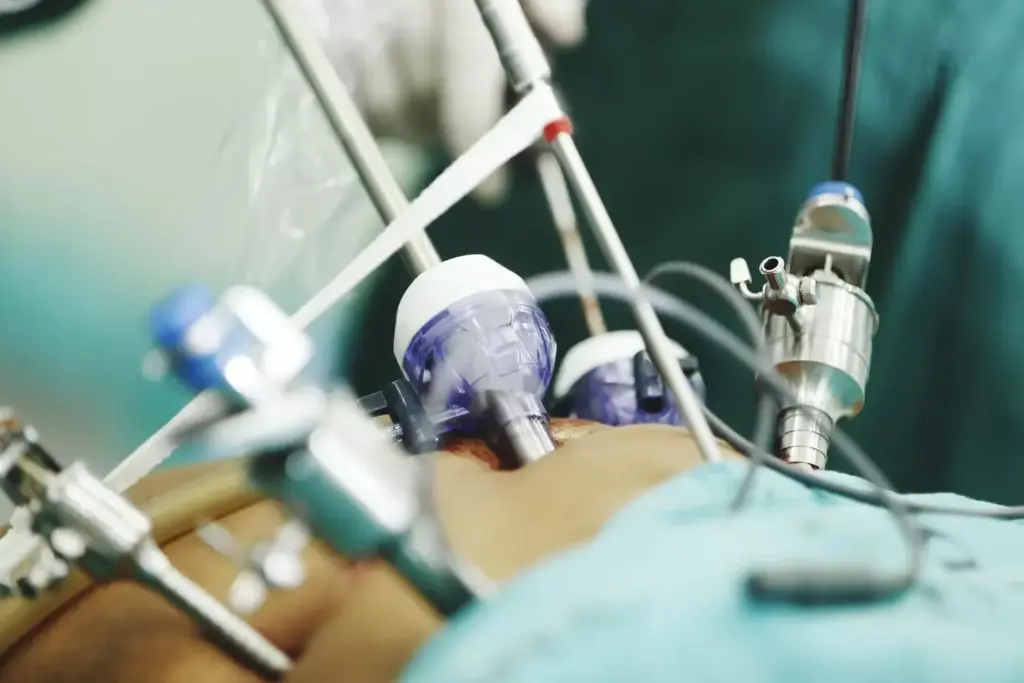
The minimally invasive nature of endoscopic coronary artery bypass surgery (ECABS) significantly reduces trauma and pain for patients undergoing cardiac surgery. This approach is a significant departure from traditional open-heart surgery, which often involves a large incision through the sternum.
Small Incisions vs. Traditional Sternotomy
ECABS utilizes several small incisions, typically 1-2 cm in length, through which surgical instruments and a camera are inserted. In contrast, traditional coronary artery bypass grafting requires a sternotomy, involving a 20-30 cm incision through the sternum. This large incision is associated with increased tissue damage, blood loss, and post-operative pain.
Comparison of Incision Sizes
| Surgical Approach | Incision Size | Tissue Damage |
|---|---|---|
| ECABS | 1-2 cm | Minimal |
| Traditional CABG | 20-30 cm | Significant |
Reduced Tissue Damage and Blood Loss
The minimally invasive approach of ECABS results in reduced tissue damage and blood loss compared to traditional CABG. Studies have shown that this reduction in tissue trauma leads to lower levels of inflammatory markers and less post-operative pain.
Pain Management Advantages
The reduced tissue damage and trauma associated with ECABS translate into improved pain management outcomes. Patients undergoing ECABS typically require less post-operative pain medication and experience fewer complications related to pain management.
We have observed that the pain management advantages of ECABS contribute significantly to improved patient outcomes and satisfaction. By minimizing the invasiveness of the procedure, we can reduce the overall trauma and stress on the patient’s body, leading to a smoother and more comfortable recovery.
Key Fact #2: TECAB Surgery Offers Remarkable Cosmetic Results
We have observed that TECAB surgery offers patients a more aesthetically pleasing result compared to traditional coronary artery bypass grafting (CABG) methods. This is primarily due to the minimally invasive nature of the procedure, which involves several small incisions rather than a large sternotomy.
Totally Endoscopic Coronary Artery Bypass Explained
Totally Endoscopic Coronary Artery Bypass (TECAB) is a sophisticated surgical technique that allows cardiac surgeons to perform coronary artery bypass grafting entirely through small ports, without the need for a large chest incision. This approach utilizes advanced endoscopic technology and robotic assistance to visualize and operate on the heart.
The TECAB procedure involves making several small incisions in the chest, through which surgical instruments and a high-definition camera are inserted. The surgeon then performs the bypass grafting while viewing the procedure on a high-resolution monitor. This technique requires highly specialized training and equipment.
Minimal Scarring Compared to Traditional CABG
One of the most significant advantages of TECAB surgery is the reduction in scarring. Traditional CABG often requires a median sternotomy, which involves cutting through the sternum and can result in a large, noticeable scar. In contrast, TECAB surgery leaves patients with only small port-site scars, typically 5-10 mm in length.
This reduction in scarring not only improves the cosmetic outcome but also reduces the risk of wound complications. The smaller incisions used in TECAB surgery result in less tissue trauma and, consequently, less post-operative pain for the patient.
| Characteristics | TECAB Surgery | Traditional CABG |
|---|---|---|
| Incision Size | Small ports (5-10 mm) | Large sternotomy |
| Scarring | Minimal | Significant |
| Tissue Trauma | Reduced | Substantial |
Psychological Benefits of Improved Cosmetic Outcomes
The improved cosmetic outcomes associated with TECAB surgery can have significant psychological benefits for patients. Reduced scarring can lead to increased confidence and a more positive body image, which can be particularly important for patients who are concerned about the visible impact of their surgery.
Furthermore, the psychological benefits of TECAB surgery can extend beyond the immediate post-operative period. Patients who undergo TECAB surgery may experience reduced anxiety and stress related to their surgical scars, potentially leading to an improved overall quality of life.
The combination of advanced technology and skilled surgical technique makes TECAB surgery an attractive option for patients seeking both effective and aesthetically pleasing cardiac care.
Key Fact #3: Faster Recovery and Shorter Hospital Stays
Faster recovery and shorter hospital stays are among the key benefits that Endoscopic Coronary Artery Bypass Grafting (ECABS) offers to patients undergoing coronary artery bypass grafting. Advances in surgical techniques and postoperative care have significantly contributed to these improvements.
Average Hospital Stay
Studies have shown that the average hospital stay for ECABS patients is approximately 4.3 days. This duration is significantly shorter compared to traditional coronary artery bypass grafting (CABG) procedures.
Potential for Discharge Within 24-48 Hours
In some cases, patients undergoing ECABS can be discharged within 24 to 48 hours after surgery. This rapid recovery is attributed to the minimally invasive nature of the procedure, which results in less tissue damage and trauma.
“The ability to discharge patients within 24-48 hours after ECABS surgery is a testament to the advancements in minimally invasive cardiac surgery,” said a renowned cardiothoracic surgeon.
Timeline for Returning to Normal Activities
The timeline for returning to normal activities varies among patients, but most can resume their usual routines within a few weeks. Patients typically return to normal activities within 2 to 4 weeks post-surgery.
| Activity | Traditional CABG | ECABS |
|---|---|---|
| Average Hospital Stay | 7-10 days | 4.3 days |
| Return to Normal Activities | 6-8 weeks | 2-4 weeks |
As shown in the table, ECABS offers a significant advantage in terms of recovery time and hospital stay compared to traditional CABG. This faster recovery allows patients to return to their normal lives more quickly, improving their overall quality of life.
Key Fact #4: Ideal Candidates for Endoscopic Heart Bypass
Identifying ideal candidates for endoscopic heart bypass surgery is crucial for maximizing the benefits of this minimally invasive procedure. We carefully evaluate patients to determine their suitability for ECABS, considering factors such as the extent of their coronary artery disease and overall health status.
Single and Two-Vessel Disease Patients
ECABS is increasingly chosen for patients with single or two-vessel disease due to its safety and efficiency. These patients typically benefit from the minimally invasive nature of the procedure, experiencing less trauma and faster recovery times compared to traditional CABG.
Medical Criteria for Patient Selection
Our patient selection criteria for ECABS include a thorough assessment of the patient’s coronary anatomy, cardiac function, and overall health. We consider factors such as the presence of comorbidities, previous cardiac interventions, and the patient’s suitability for minimally invasive surgery.
Contraindications and Limitations
While ECABS offers numerous benefits, there are certain contraindications and limitations to consider. Patients with complex coronary artery disease, significant cardiac dysfunction, or severe comorbidities may not be ideal candidates for this procedure. We carefully evaluate each patient’s individual circumstances to determine the most appropriate treatment approach.
By carefully selecting patients and considering their unique needs, we can optimize the outcomes of ECABS and provide the best possible care for those undergoing this advanced surgical procedure.
Key Fact #5: How Long Is Heart Bypass Surgery Using Endoscopic Techniques?
The duration of endoscopic coronary artery bypass surgery (ECABS) is a crucial factor for patients and surgeons alike. As we explore this topic, it’s essential to understand that the length of the procedure can vary significantly based on several factors.
Duration Comparison with Traditional CABG
When comparing ECABS to traditional coronary artery bypass grafting (CABG), the duration of the procedure is often a point of interest. Traditional CABG surgeries typically take longer, often ranging from 3 to 6 hours, depending on the complexity of the case. In contrast, ECABS procedures can be shorter, with some cases being completed within 2 to 4 hours. However, it’s crucial to note that ECABS is often used for less complex cases, which can influence the duration.
A study comparing the two methods found that ECABS resulted in shorter hospital stays and quicker recovery times, despite sometimes having longer operating times. This highlights the importance of considering the overall treatment pathway when evaluating procedure duration.
Factors Affecting Procedure Length
Several factors can influence the length of an ECABS procedure. These include:
- The complexity of the coronary artery disease
- The number of vessels being bypassed
- The surgeon’s experience with endoscopic techniques
- The patient’s overall health and anatomy
As a renowned cardiac surgeon, noted, “The key to a successful ECABS procedure lies in careful patient selection and meticulous planning.” This attention to detail can significantly impact the procedure’s duration and outcome.
Anesthesia and Operating Room Considerations
Anesthesia and operating room management play critical roles in ECABS procedures. The anesthesia team must be experienced in managing patients undergoing minimally invasive cardiac surgery, as the procedure requires specific anesthesia protocols.
“The integration of advanced anesthesia techniques and careful patient monitoring can significantly contribute to the success of ECABS procedures,” said an anesthesiologist specializing in cardiac surgery.
The operating room setup is also crucial, with requirements including advanced endoscopic equipment and robotic systems if used. The coordination between the surgical team, anesthesiologists, and nursing staff is vital for efficient procedure execution.
In conclusion, while the duration of ECABS can vary, understanding the factors that influence procedure length is essential for both patients and healthcare providers. By considering these elements, we can better manage expectations and optimize outcomes for patients undergoing endoscopic heart bypass surgery.
Key Fact #6: Lower Complication Rates with Endoscopic Approaches
One of the most significant advantages of ECABS is its association with lower complication rates compared to traditional CABG. This reduction in complications is multifaceted, encompassing various aspects of post-operative care and patient recovery.
Reduced Risk of Infection
The minimally invasive nature of ECABS results in smaller incisions, which significantly reduces the risk of infection. Smaller wounds are less prone to infection, contributing to a cleaner and more controlled surgical environment. Studies have shown that the infection rate in ECABS is notably lower than in traditional open-heart surgeries.
Decreased Incidence of Respiratory Complications
ECABS also leads to a decrease in respiratory complications. By avoiding the need to open the chest cavity, we minimize trauma to the lungs and surrounding tissues. This approach results in less post-operative pain and reduced need for prolonged ventilation, thereby decreasing the incidence of respiratory issues.
Lower Rates of Post-Operative Atrial Fibrillation
Post-operative atrial fibrillation (POAF) is a common complication following cardiac surgery. However, ECABS has been associated with lower rates of POAF. The reduced trauma and less invasive nature of the procedure contribute to this decrease. Minimizing surgical stress and maintaining better post-operative heart function are key factors.
Blood Transfusion Requirements
The reduced blood loss during ECABS translates into lower blood transfusion requirements. Minimizing blood transfusions reduces the risk of transfusion-related complications, such as immune system reactions and transmission of infectious diseases.
Comparative Analysis of Complications
| Complication Type | Traditional CABG | ECABS |
|---|---|---|
| Infection Rate | Higher | Lower |
| Respiratory Complications | More Frequent | Less Frequent |
| Post-Operative Atrial Fibrillation | Higher Incidence | Lower Incidence |
| Blood Transfusion Requirements | Higher | Lower |
By adopting ECABS, we not only reduce the risk of complications but also enhance the overall quality of care and patient outcomes. This approach aligns with our commitment to providing world-class healthcare with comprehensive support for international patients.
Key Fact #7: Technological Advancements Driving Endoscopic Coronary Artery Bypass Surgery
Technological innovations are revolutionizing the way endoscopic coronary artery bypass surgery is performed. The integration of advanced technologies is not only improving the precision and outcomes of these procedures but also expanding the possibilities for minimally invasive cardiac surgery.
Robotic-Assisted Surgical Systems
Robotic-assisted surgical systems have emerged as a game-changer in endoscopic coronary artery bypass surgery. These systems offer enhanced dexterity, improved visualization, and greater precision, allowing surgeons to perform complex procedures with increased accuracy. The use of robotic technology in ECABS has been associated with reduced trauma to the patient, less post-operative pain, and faster recovery times.
The robotic system’s advanced instrumentation and 3D visualization capabilities enable surgeons to navigate the complexities of coronary artery bypass grafting with greater ease. As robotic technology continues to evolve, we can expect to see further improvements in the field of endoscopic cardiac surgery.
Hybrid Operating Theaters
The development of hybrid operating theaters represents another significant advancement in the field of ECABS. These state-of-the-art facilities combine the capabilities of a traditional operating room with advanced imaging technologies, such as fluoroscopy and angiography. Hybrid operating theaters enable surgeons to perform complex cardiac procedures while simultaneously utilizing real-time imaging to guide their actions.
The integration of imaging technologies within the operating theater enhances the safety and efficacy of ECABS procedures. By providing immediate feedback on the surgical site, hybrid operating theaters help to reduce the risk of complications and improve patient outcomes.
Advanced Cardiovascular Endoscopy Platforms
Advanced cardiovascular endoscopy platforms are also playing a crucial role in the evolution of ECABS. These platforms offer improved visualization and instrumentation, allowing for more precise and minimally invasive procedures. The latest endoscopy systems provide high-definition imaging, enhanced stability, and advanced ergonomic design, contributing to better surgical performance and patient care.
Future Innovations on the Horizon
As we look to the future, it is clear that technological advancements will continue to drive innovation in ECABS. Emerging technologies, such as artificial intelligence and machine learning, are expected to play an increasingly important role in the development of new surgical techniques and tools. The global demand for advanced ECABS options is likely to continue growing as hospitals invest in hybrid operating theaters and cardiovascular endoscopy platforms, further expanding the possibilities for minimally invasive cardiac surgery.
Multi-Vessel Endoscopic Bypass: Challenges and Solutions
Multi-vessel endoscopic bypass surgeries, including four-vessel and five-vessel CABG, present unique challenges that require specialized approaches. As we continue to push the boundaries of minimally invasive cardiac surgery, addressing the complexities of multi-vessel disease is becoming increasingly important.
Considerations for Complex CABG Procedures
When performing four-vessel or five-vessel CABG using endoscopic techniques, several factors come into play. These complex procedures demand not only advanced technical skills but also careful patient selection and strategic planning.
Key considerations include:
- The extent of coronary artery disease
- Patient comorbidities and overall health status
- The surgeon’s experience with endoscopic techniques
- The availability of advanced surgical tools and technology
Technical Limitations in Complex Cases
Despite advancements in endoscopic cardiac surgery, technical limitations remain a significant challenge in complex multi-vessel cases. These limitations can include:
- Difficulty in achieving complete revascularization
- Technical challenges in grafting multiple vessels
- Limitations in visualizing and accessing all areas of the heart
To overcome these challenges, surgeons are turning to innovative solutions, including hybrid revascularization strategies.
Hybrid Revascularization Strategies
Hybrid revascularization combines the benefits of endoscopic coronary artery bypass grafting (CABG) with those of percutaneous coronary intervention (PCI). This approach allows for a more comprehensive treatment of multi-vessel coronary artery disease.
| Procedure | Benefits | Limitations |
|---|---|---|
| Endoscopic CABG | Minimally invasive, reduced recovery time | Limited to certain vessel locations |
| PCI (Stenting) | Less invasive, quick recovery | Risk of restenosis, not suitable for all lesions |
| Hybrid Revascularization | Combines benefits of both approaches, tailored to patient needs | Requires coordination between surgeons and cardiologists |
By integrating these approaches, we can offer patients with complex multi-vessel disease the most appropriate and effective treatment plan.
As we continue to refine our techniques and technologies, the future of multi-vessel endoscopic bypass surgery looks promising, offering new hope for patients with complex coronary artery disease.
Finding Qualified Endoscopic Bypass Surgeons
When considering endoscopic coronary artery bypass surgery, selecting a qualified surgeon is paramount to ensuring a successful outcome. The complexity of this procedure demands a high level of skill and specialized training.
Specialized Training Requirements
Surgeons performing endoscopic coronary artery bypass surgery (ECABS) must undergo rigorous training that goes beyond traditional cardiac surgery education. This includes:
- Advanced fellowship programs in minimally invasive cardiac surgery
- Hands-on training with robotic-assisted surgical systems
- Continuous education on the latest techniques and technologies in ECABS
According to a study published in the Journal of Thoracic and Cardiovascular Surgery, surgeons who completed specialized training programs in ECABS showed significantly improved outcomes in terms of operative time and patient recovery.
Questions to Ask Potential Surgeons
When consulting with potential surgeons, it’s essential to ask the right questions to gauge their experience and expertise in ECABS. Some key inquiries include:
- How many ECABS procedures have you performed, and what were the outcomes?
- What is your experience with robotic-assisted surgery?
- Can you describe your approach to patient selection for ECABS?
- What is your complication rate compared to national averages?
As a renowned cardiothoracic surgeon, once said,
“The key to successful ECABS lies not just in the technology used, but in the surgeon’s ability to integrate this technology with sound clinical judgment.”
Centers of Excellence for ECABS
Choosing a center of excellence for ECABS can significantly impact the quality of care received. These centers typically have:
| Characteristics | Description | Benefits |
|---|---|---|
| High Volume of Procedures | Centers performing a large number of ECABS procedures annually | Better outcomes due to experience and refined techniques |
| Multidisciplinary Teams | Teams comprising cardiologists, surgeons, and support staff trained in ECABS | Comprehensive care and coordinated treatment plans |
| Advanced Facilities | State-of-the-art operating rooms equipped with the latest technology | Enhanced precision and safety during procedures |
Insurance and Cost Considerations
Understanding insurance coverage and the associated costs of ECABS is crucial for patients. Factors to consider include:
- Checking if your insurance plan covers ECABS and what the out-of-pocket expenses might be
- Inquiring about the total cost of the procedure, including pre-operative assessments and post-operative care
- Exploring financing options or assistance programs if available
By carefully evaluating these factors and choosing a qualified surgeon and center of excellence, patients can maximize their chances of a successful outcome with ECABS.
Conclusion
Endoscopic Coronary Artery Bypass Surgery (ECABS) offers numerous benefits, including faster recovery, less pain, and improved cosmetic outcomes. As we have discussed, ECABS represents a significant advancement in cardiac surgery, providing patients with a minimally invasive alternative to traditional coronary artery bypass grafting.
The benefits of ECABS are multifaceted, ranging from reduced trauma and pain to shorter hospital stays and improved cosmetic results. As technology continues to advance, we can expect further improvements in ECABS and other minimally invasive cardiac surgical techniques, shaping the future of cardiac surgery.
With its potential to improve patient outcomes and reduce recovery times, ECABS is poised to play a significant role in the future of cardiac surgery. As we move forward, it is essential to continue investing in research and development to fully realize the benefits of ECABS and other innovative cardiac surgical techniques.
FAQ
What is endoscopic coronary artery bypass surgery?
Endoscopic coronary artery bypass surgery, also known as ECABS, is a minimally invasive surgical procedure used to treat coronary artery disease. It involves using small incisions and a camera to perform the bypass grafting, rather than opening the chest.
How long does endoscopic heart bypass surgery typically take?
The duration of endoscopic heart bypass surgery can vary, but it is generally comparable to traditional CABG surgeries. Factors such as the complexity of the case, the number of vessels being bypassed, and the surgeon’s experience can affect the procedure length.
What are the benefits of TECAB surgery?
TECAB (Totally Endoscopic Coronary Artery Bypass) surgery offers several benefits, including minimal scarring, reduced trauma and pain, and faster recovery times. This approach can also lead to improved cosmetic outcomes, which can positively impact patients’ psychological well-being and self-esteem.
Who is a good candidate for endoscopic coronary artery bypass surgery?
Ideal candidates for ECABS typically have single or two-vessel coronary artery disease. Medical criteria for patient selection include factors such as the location and severity of blockages, overall health, and previous medical history.
How long is the hospital stay for endoscopic coronary artery bypass surgery?
The average hospital stay for ECABS patients is around 4.3 days, with some patients being discharged within 24-48 hours. The exact length of stay depends on individual factors, such as the patient’s overall health and the presence of any complications.
What are the risks and complications associated with ECABS?
While ECABS is generally considered safe, potential risks and complications include infection, respiratory issues, and post-operative atrial fibrillation. However, studies have shown that ECABS is associated with lower complication rates compared to traditional CABG surgeries.
How do I find a qualified endoscopic bypass surgeon?
To find a qualified endoscopic bypass surgeon, look for specialists with advanced training in minimally invasive cardiac surgery. Ask potential surgeons about their experience with ECABS, their success rates, and their approach to patient care. Consider seeking treatment at centers of excellence for ECABS.
What technological advancements are driving improvements in ECABS?
Advances in robotic-assisted surgical systems, hybrid operating theaters, and cardiovascular endoscopy platforms are driving improvements in ECABS. These technologies enable surgeons to perform complex procedures with greater precision and accuracy, leading to better patient outcomes.
Can ECABS be used for multi-vessel coronary artery disease?
While ECABS is often used for single or two-vessel disease, it can also be applied to more complex cases involving multiple vessels. However, technical limitations may arise in these cases, and hybrid revascularization strategies may be employed to overcome these challenges.
How does ECABS compare to traditional CABG in terms of recovery time?
ECABS is associated with faster recovery times compared to traditional CABG. Patients typically experience less trauma and pain, and can return to normal activities more quickly.
What is the role of endoscopy in heart surgery?
Endoscopy plays a crucial role in heart surgery, particularly in ECABS procedures. It enables surgeons to visualize the heart and surrounding structures, allowing for precise and minimally invasive interventions.
Are there any specific insurance or cost considerations for ECABS?
Insurance coverage for ECABS may vary depending on the provider and policy. Patients should check with their insurance company to determine the extent of coverage and any out-of-pocket costs associated with the procedure.
References:
• Guangxin, Z., Liqun, C., Lin, L., Jiaji, L., & Xiaolong, M. (2024). New clinical advances in minimally invasive coronary surgery. PMC. https://pmc.ncbi.nlm.nih.gov/articles/PMC12072981/
• The future of coronary artery bypass grafting. (2025). Exploration of Medicine, 6, Article 1001361. https://doi.org/10.37349/emed.2025.1001361