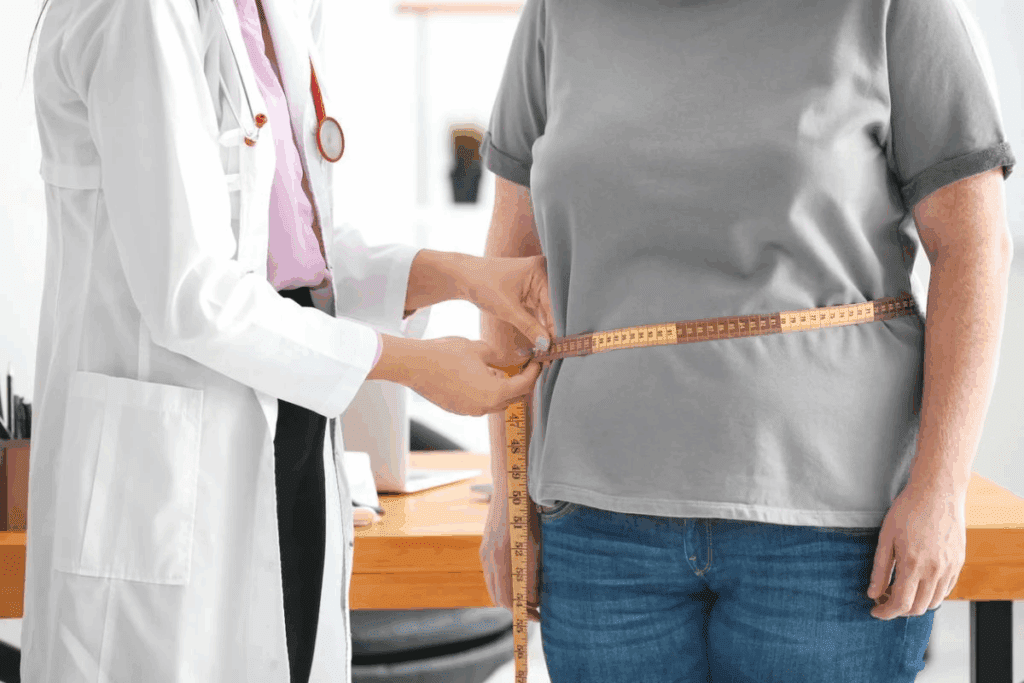
For those fighting obesity, Endoscopic Sleeve Gastroplasty (ESG) is a new hope. It leads to big weight loss without the need for big cuts or lasting changes to your body. Guide to the less invasive endoscopic stomach sleeve surgery for weight loss.
Traditional bariatric surgery comes with risks and permanent changes. ESG is different. It’s a small procedure that cuts your stomach capacity by up to 70%. It’s effective, safe, and you can get back to normal life quickly.
ESG is a cutting-edge way to lose weight. It’s becoming more popular because it really works. Knowing how ESG works and its benefits can help you decide if it’s right for you.
Key Takeaways
- ESG is a minimally invasive weight loss treatment that reduces stomach volume.
- It offers a significant reduction in stomach capacity, up to 70%.
- ESG combines effectiveness with minimal complications and rapid recovery.
- This procedure is an alternative to traditional bariatric surgery.
- ESG helps patients achieve substantial weight loss.
What is Endoscopic Sleeve Gastroplasty (ESG)?
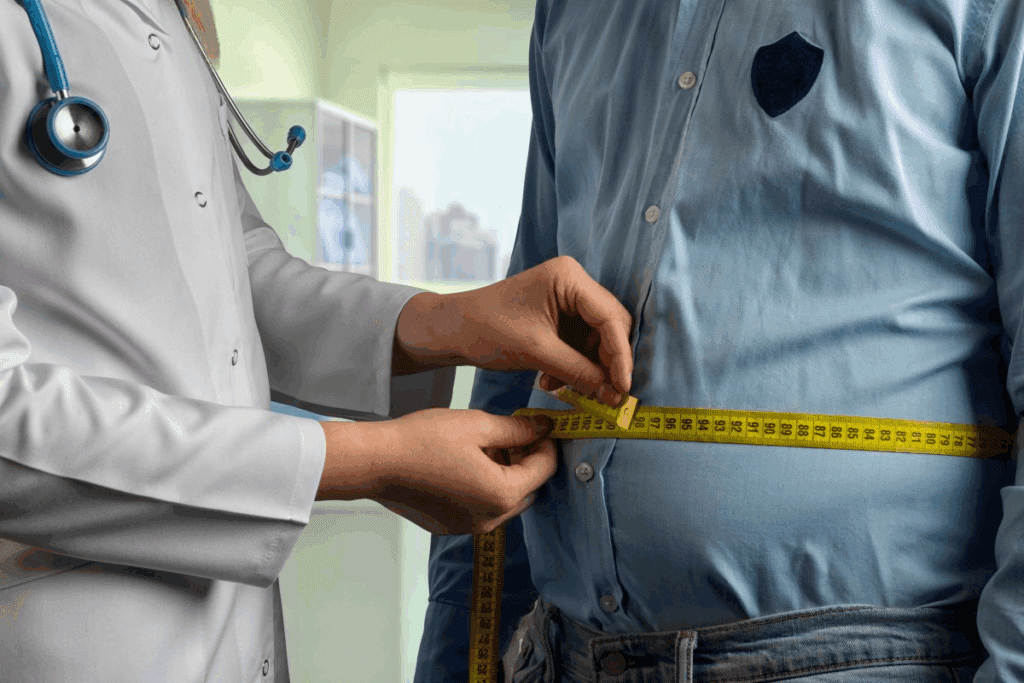
Endoscopic Sleeve Gastroplasty (ESG) is changing weight loss surgery. It’s a new way to shrink the stomach without big cuts. This method is getting popular because it’s effective and less invasive.
Definition and Basic Concept
ESG is a non-surgical weight loss procedure. It uses an endoscope with a special device to fold the stomach. This makes the stomach smaller, like an accordion.
With a smaller stomach, people eat less and feel full faster. This leads to weight loss. It’s great for those who don’t want big surgery.
The Accordion Procedure Explained
The Accordion procedure is another name for ESG. It uses an endoscope to plicate or fold the stomach. This is done by going through the mouth and into the stomach.
It makes the stomach look like a sleeve, making it smaller. This helps with weight loss and managing health problems related to obesity.
Thinking about surgery can be scary. But ESG is different. It’s less invasive and doesn’t leave big scars. It shows how medical tech is getting better for patients.
The Science Behind the Endoscopic Stomach Sleeve

It’s important to know how ESG works for weight loss. The Endoscopic Sleeve Gastroplasty (ESG) makes the stomach smaller. It does this with a special technique that creates a sleeve-like stomach.
How ESG Creates Stomach Restriction
The ESG procedure limits how much food you can eat. It does this by making the stomach smaller. This is done with sutures during an endoscopic procedure.
These sutures make the stomach narrower. This means you can eat less and feel full faster. You’ll also stay full longer.
The sutures used in ESG last a long time. This helps you lose weight over time. The smaller stomach also slows down how fast food leaves your stomach. This helps you feel full and aids in weight loss.
Physiological Changes After ESG
After ESG, your body changes in ways that help with weight loss. These changes include:
- Reduced stomach capacity, leading to earlier satiety
- Slower gastric emptying, prolonging the feeling of fullness
- Changes in gut hormones that affect appetite and metabolism
These changes help with weight loss and better health. Knowing how ESG affects your body helps you see its benefits. It also shows why making lifestyle changes is key after the procedure.
Benefits of ESG Weight Loss Surgery
The endoscopic sleeve gastroplasty (ESG) offers many benefits for those looking to lose weight. It’s a safe and effective way to shed pounds without major surgery. This makes it a great option for many people.
Minimally Invasive Approach
One big plus of ESG is its minimally invasive approach. It doesn’t need big cuts or change the stomach much. This lowers the risk of problems and helps you heal faster.
Faster Recovery Times
People who get ESG usually get back to normal quicker than with other surgeries. It’s less harsh on the body. So, you can leave the hospital sooner and start doing things again faster.
Reversibility Advantages
Another great thing about ESG is that it’s reversible. Even though it’s meant to last, you can change it if you need to. This is good for those who don’t want a permanent fix.
Here’s a quick rundown of ESG’s benefits:
- Minimally invasive with fewer complications
- Faster recovery times and shorter hospital stays
- Reversibility for possible changes
- Effective weight loss results
Choosing ESG means getting a modern, less invasive way to lose weight. It fits well with what many people want. We’re here to help every step of the way, making sure you get the best results.
Ideal Candidates for ESG Bariatric Procedure
To qualify for ESG bariatric surgery, patients need to meet health and BMI criteria. The choice for ESG weight loss procedure depends on health and BMI.
BMI and Health Requirements
People with a BMI of 30 or higher are good candidates for ESG. Those with a BMI of 30 to 34.9 might benefit if they have obesity-related health issues. A BMI of 35 or higher means a higher risk for health problems.
Good candidates have tried other weight loss methods without success. They must also be ready to make lifestyle changes after the surgery.
Medical Conditions That May Affect Eligibility
Some medical conditions might make ESG not suitable. For example, severe gastrointestinal disorders like Crohn’s disease or ulcerative colitis are not good candidates. Those with a history of many abdominal surgeries or certain bariatric surgeries might also not qualify.
Severe heart disease, active cancer, or significant mental health issues can also affect eligibility. A detailed evaluation by a healthcare provider is needed to see if ESG is right for these conditions.
Potential candidates should get a full assessment. This includes looking at their medical history, current health, and mental state. This helps decide if they’re a good fit for the esg weight loss procedure.
The ESG Procedure: Step-by-Step Process
We help our patients through the ESG procedure, a new way to lose weight. It makes the stomach smaller without big surgery. The steps are designed to make sure it works well.
Pre-Procedure Preparation
Before the ESG procedure, patients must follow a special plan. They need to change their diet and get medical checks. This makes sure they’re healthy enough for the surgery.
- Dietary changes to reduce liver size and improve visibility during the procedure
- Medical evaluations to assess overall health and identify any potential risks
- Discussion with the healthcare provider about the procedure, risks, and expected outcomes
The Endoscopic Suturing Technique
The heart of the ESG procedure is the endoscopic suturing technique. It uses a special endoscope to sew the stomach, making it smaller.
The endoscopic suturing technique is a precise method that reshapes the stomach without any cuts outside. This is key for the weight loss results.
Procedure Duration and Anesthesia
The ESG procedure usually lasts 60 to 90 minutes. It’s done under general anesthesia to keep the patient comfortable.
Procedure Aspect | Details |
Procedure Duration | 60 to 90 minutes |
Anesthesia Used | General Anesthesia |
Hospital Stay | Typically outpatient, same-day discharge |
Knowing the ESG procedure’s steps helps patients prepare for this new surgery. Our team is here to give full care and support every step of the way.
Recovery and Aftercare Following ESG
The journey to a healthier you continues after ESG weight loss surgery. Proper recovery and aftercare are key. We’ll guide you through the steps to ensure a smooth and successful recovery.
Immediate Post-Procedure Care
Right after the ESG procedure, we watch our patients closely. “The first few hours after the procedure are critical,” says Dr. [Last Name], a top bariatric expert. “We monitor closely to catch any immediate issues.”
Patients stay with us for a few hours before going home. Our team gives them detailed care instructions. This includes what to eat and how to manage pain. Some may feel discomfort, nausea, or sore throat from the procedure.
Returning to Normal Activities
Getting back to normal after ESG takes time. We tell patients to rest for a few days, avoiding hard work or heavy lifting. Most can get back to their usual life in a week to ten days. But, it’s important to follow our diet and exercise advice for the best healing and weight loss.
Key aspects to focus on during recovery include:
- Starting with a liquid diet, then moving to softer foods
- Using the pain meds we prescribe
- Drinking plenty of water and watching for any complications
By following our instructions and attending follow-up visits, patients can improve their recovery and results.
Diet and Lifestyle Changes After ESG Stomach Tightening
ESG stomach tightening is more than a procedure. It’s the start of a journey that needs careful diet planning and lifestyle changes. After getting Endoscopic Sleeve Gastroplasty (ESG), patients must follow a special diet and lifestyle to lose weight and keep it off.
Post-Procedure Diet Progression
Right after ESG, patients must stick to a structured diet. This helps their stomach heal and get used to its new shape. The diet starts with liquids, then moves to pureed foods, and eventually to soft and solid foods over a few weeks.
- Liquid Diet (1-2 weeks post-ESG): Drink clear liquids and nutrient-rich broths.
- Pureed Diet (2-4 weeks post-ESG): Start eating pureed foods that are rich in protein.
- Soft Foods (4-6 weeks post-ESG): Add soft, easy-to-chew foods gradually.
Long-term Dietary Guidelines
Keeping healthy after ESG means sticking to a good diet long-term. Patients should eat nutrient-rich foods, avoid high-calorie and high-fat foods, and control their portions.
Food Group | Recommended Foods | Foods to Avoid |
Proteins | Lean meats, fish, eggs, tofu | Processed meats, high-fat meats |
Vegetables | Leafy greens, broccoli, bell peppers | Starchy vegetables like corn and peas |
Fruits | Berries, citrus fruits, apples | Fruits high in sugar like mangoes and grapes |
By following these dietary guidelines and making lifestyle changes, patients can lose weight and get healthier after ESG stomach tightening.
Expected Weight Loss Results and Outcomes
People who get ESG can expect to lose a lot of weight. This can greatly improve their health and life quality.
Short-term Weight Loss Expectations
Right after ESG, patients often lose weight quickly. This is because their stomach is smaller. It makes them feel full sooner.
Studies show that in the first six months, patients can lose a big part of their extra weight. For example, one study found that patients lost about 15% of their body weight in the short term.
One-Year Results
By the end of the first year, patients keep losing weight. On average, they lose about 20% of their body weight.
The table below shows the average weight loss at different times after ESG:
Time Post-ESG | Average Weight Loss (% Total Body Weight) |
3 months | 10% |
6 months | 15% |
1 year | 20% |
Long-term Outcomes and Maintenance
Keeping weight off long-term after ESG depends on many things. Sticking to a healthy diet and exercising regularly are key. These habits help keep weight loss going.
Important things for keeping weight off include:
- Staying on a healthy diet
- Exercising regularly
- Getting support from doctors
By doing these things, patients can keep losing weight and stay healthy over time.
Potential Side Effects and Complications of ESG
ESG weight loss surgery is mostly safe, but it’s important to know the possible side effects and complications. Like any surgery, ESG has risks that patients should think about before deciding.
Common Side Effects
Most people have some side effects after ESG surgery. These are usually mild and short-lived. Common side effects include:
- Nausea and vomiting
- Abdominal discomfort or pain
- Difficulty swallowing
- Bloating and gas
These side effects usually go away in a few days to a week. “Most patients can handle these symptoms with medicine and diet changes,” says Medical Expert, a bariatric surgeon.
Rare but Serious Complications
Even though rare, serious complications can happen with ESG surgery. These may include:
- Gastric perforation
- Bleeding or hemorrhage
- Infection
- Adverse reactions to anesthesia
It’s important for patients to know about these risks and talk to their doctor. A study in the Journal of the American Medical Association found the risk of serious complications with ESG is low but not zero.
It’s important to remember that ESG is not safe for everyone. Patients should think carefully about the benefits and risks. They should talk to a qualified healthcare professional about their situation.
“Understanding the risks and benefits of ESG surgery is key to making an informed decision. Patients should be aware of the possible complications and discuss any concerns with their doctor.”
Conclusion: Making an Informed Decision About ESG Weight Loss Surgery
Endoscopic Sleeve Gastroplasty (ESG) is a good weight loss option. It’s less invasive, has quick recovery times, and can be reversed. Knowing about ESG’s science, procedure, and lifestyle changes helps decide if it’s right for you.
Thinking about ESG surgery? It’s key to look at the good and bad sides. We talked about who’s a good fit and the need for big diet and lifestyle changes after surgery.
We’ve covered the main points and what to expect from ESG. We want to help you make a choice that fits your health goals. ESG is a promising option for those looking for a less invasive way to lose weight. If you’re considering it, talk to a healthcare professional to see if ESG is right for you.
FAQ
What is Endoscopic Sleeve Gastroplasty (ESG)?
Endoscopic Sleeve Gastroplasty (ESG) is a new way to lose weight. It makes the stomach smaller by folding it with a special tool. This tool is attached to an endoscope.
How does ESG create stomach restriction?
ESG makes the stomach smaller. This limits how much food you can eat. It also makes you feel full longer, helping you lose weight.
What are the benefits of ESG weight loss surgery?
ESG is less invasive than traditional surgery. It has a faster recovery time. It’s also reversible, which is a big plus.
Who is an ideal candidate for ESG?
If you have a BMI of 30 or higher, you might be a good candidate. People with lower BMIs but obesity-related health issues also qualify. But, some medical conditions might make you not eligible.
What is the ESG procedure like?
First, you prepare for the procedure. Then, a doctor uses an endoscope to fold your stomach. It’s done under anesthesia and takes about 60-90 minutes.
What is the recovery process like after ESG?
After ESG, you’ll be watched closely. You’ll start with liquids and then move to solid foods. You’ll follow a diet plan and slowly get back to normal activities.
What diet and lifestyle changes are required after ESG?
You’ll need to stick to a diet plan after ESG. Start with liquids and then add solid foods. You’ll also need to make long-term changes to keep the weight off.
What are the expected weight loss results after ESG?
ESG can lead to significant weight loss. Patients often lose a big part of their excess weight. But, how much you lose depends on many factors.
What are the possible side effects and complications of ESG?
ESG is generally safe, but you might feel nausea or stomach discomfort. Rare but serious problems like bleeding or stomach perforation can also happen.
Is ESG reversible?
Yes, ESG can be reversed if needed. This is one of its big advantages. But, you should talk to a healthcare professional about this.
How long does it take to recover from ESG?
Recovery times vary, but most people can get back to normal in a few days to a week. It’s best to take it slow and get back to activities gradually.
What is the difference between ESG and traditional weight loss surgeries?
ESG is a non-surgical, minimally invasive procedure. It reduces stomach volume. Traditional surgeries, like gastric bypass or banding, are more invasive.
References
National Center for Biotechnology Information. Evidence-Based Medical Guidance. Retrieved from https://pubmed.ncbi.nlm.nih.gov/36053446/