Last Updated on December 2, 2025 by Bilal Hasdemir

We do endoscopy millions of times a year. It’s a common way to check and treat problems inside the body. But, many people wonder if it’s a big or small surgery.
Endoscopy means putting a tube with a camera and light into the body. This minimally invasive surgery helps see inside and fix problems.
Knowing if endoscopy is big or small surgery matters to patients and doctors. We’ll look at what makes it one or the other.
Key Takeaways
- Endoscopy is a common medical procedure for diagnosing and treating internal organ issues.
- It is considered a minimally invasive surgical procedure.
- The classification of endoscopy as major or minor surgery depends on several factors.
- Understanding the nature of endoscopy is important for patients and healthcare providers.
- Endoscopy is used for both checking and fixing problems.
Understanding Endoscopy: Definition and Purpose

Medical technology has made big strides, making endoscopy a key tool. It lets doctors see inside the body without big surgery. This method is now a big part of health care.
What Is an Endoscope?
An endoscope is a tube with a camera and light. It goes inside the body to show what’s inside. Advances in endoscopic technology have made it safer and more accurate.
How Endoscopic Technology Works
Endoscopy uses optical and electronic parts to show what’s inside. Here’s how it works:
- Doctors put the endoscope in through a small opening.
- Images from the endoscope show up on a screen.
- Doctors can see and treat problems right away.
Over time, this technology has gotten better. It helps doctors diagnose and treat many conditions. Diagnostic endoscopy and therapeutic endoscopy are its main uses. They help doctors look and treat problems inside the body.
Classifying Endoscopy: Major vs. Minor Procedure

To know if endoscopy is major or minor surgery, we look at several factors. These include how invasive the procedure is, the risks, and how long it takes to recover.
Criteria for Surgical Classification
Doctors use several criteria to classify surgeries. These are:
- The level of invasiveness, with more invasive procedures typically being classified as major surgery.
- The risk of complications, with higher-risk procedures being considered major.
- The expected recovery time, with longer recovery periods indicating major surgery.
- The type of anesthesia used, with general anesthesia often associated with major procedures.
Why Endoscopy Is Typically Considered Minor
Endoscopy is seen as a minor surgical procedure because it’s minimally invasive. It uses small incisions or natural openings to insert a tube with a camera and light. This lets doctors examine or treat internal organs without much damage.
Research shows endoscopy has a quick recovery time. Most people can go back to their usual activities in just a few days. It’s often done under conscious sedation or local anesthesia, which lowers the risks of general anesthesia.
Endoscopy has many benefits as a minor procedure. It causes less pain, fewer complications, and shorter hospital stays. These advantages make it a good choice for both patients and doctors.
In summary, endoscopy is usually seen as a minor surgery because it’s less invasive, has fewer risks, and has a quick recovery. But, it’s important for patients to follow all instructions before and after the procedure to ensure a smooth recovery.
Types of Endoscopy Procedures
Endoscopy is a flexible medical test that looks at different body parts. It helps us find and treat many health issues, like stomach problems and breathing issues.
Upper GI Endoscopy (EGD)
Upper GI endoscopy, or EGD, lets us see inside the upper digestive system. This includes the esophagus, stomach, and the start of the small intestine. It’s key for spotting acid reflux, ulcers, and inflammation.
Colonoscopy and Sigmoidoscopy
Colonoscopy and sigmoidoscopy check the lower digestive system. A colonoscopy looks at the whole colon, while sigmoidoscopy looks at the sigmoid colon and rectum. These tests are important for finding polyps, cancer, and other colon issues.
Bronchoscopy
Bronchoscopy is a test that looks at the airways and lungs. It uses a bronchoscope to check for infections, tumors, and bleeding in the respiratory system.
Other Common Endoscopic Procedures
There are many other endoscopy tests used in different medical fields. Arthroscopy checks joints, cystoscopy looks at the bladder, and enteroscopy examines the small bowel. These tests help us give our patients the best care possible.
Diagnostic vs. Therapeutic Endoscopy
Endoscopy is a key tool in medicine, used for both diagnosis and treatment. It has changed how we look at and fix health problems. It’s a less invasive way than old surgery methods.
Endoscopy for Diagnosis
Diagnostic endoscopy lets us see inside the body. It helps find issues like bleeding, inflammation, and tumors. We use a special camera and light through a flexible or rigid endoscope.
Some common uses include:
- Upper GI endoscopy to check the esophagus, stomach, and duodenum
- Colonoscopy to look for polyps or cancer in the colon
- Bronchoscopy to check the airways for problems
A medical expert says, “Endoscopy is key for spotting and treating stomach issues early.”
“The growth of endoscopy has greatly helped us find and handle stomach diseases better.”
Endoscopy for Treatment
Therapeutic endoscopy lets us treat problems with special tools through the endoscope. This method is less invasive than surgery. It means less pain and quicker recovery.
Therapeutic Procedure | Description |
Polyp removal | Removing polyps from the colon to prevent cancer |
Dilation | Widening narrowed areas in the digestive tract |
Stent placement | Placing stents to keep blocked areas open |
The benefits of therapeutic endoscopy include:
- It’s less invasive, needing less open surgery
- It causes less pain and discomfort than traditional surgery
- Patients recover faster, getting back to normal sooner
In conclusion, endoscopy is essential for diagnosing and treating many health issues. It’s versatile and greatly benefits patients.
Preparing for an Endoscopy
Getting ready for an endoscopy is important for a good outcome. We’ll show you what steps to take. Proper preparation helps make the procedure safe and effective, reducing risks.
Pre-Procedure Instructions
Before your endoscopy, it’s vital to follow certain steps. These include:
- Having someone drive you home because you might be sleepy from sedation.
- Telling your doctor about all medications you take, like blood thinners or diabetes drugs.
- Telling your doctor about any allergies, like to sedatives or other procedure drugs.
- Following your endoscopy clinic’s specific instructions on when to arrive and prepare.
Dietary and Medication Restrictions
Following dietary and medication rules is key for endoscopy prep. Your doctor might tell you to:
- Do not eat or drink for a while before the test to empty your stomach.
- Change your medication schedule if it could affect the test or sedation.
- Eat a certain diet before the test, like a low-fiber diet for colonoscopies.
It’s very important to follow these guidelines for a successful procedure and your safety. If you have questions or worries, talk to your doctor or the endoscopy clinic.
By following these instructions and dietary and medication rules, you can make your endoscopy go smoothly and successfully.
The Endoscopy Procedure: What to Expect
We will guide you through the endoscopy steps, from start to finish. You’ll learn what happens before, during, and after the procedure.
Before the Procedure
Before an endoscopy, you’ll get prep instructions. This might include not eating for a while and managing your meds. It’s very important to follow these steps to make sure the procedure goes well and is safe.
When you arrive, you’ll change into a hospital gown. You might also get an IV line for sedation or other meds.
During the Procedure
During the endoscopy, you’ll lie down comfortably. Sedation is often used to help you relax. The amount of sedation can vary based on the procedure and your needs.
The endoscope is then inserted through your mouth or another opening. The doctor will guide it to the needed area while watching the images on a monitor.
Immediately After the Procedure
After the endoscopy, you’ll stay in a recovery area until the sedation wears off. You might feel a bit groggy or sore, but these feelings are temporary.
Once you’re fully awake, you’ll get instructions on what to do next. This includes any follow-up appointments or diet changes you might need.
Anesthesia Options for Endoscopy
Choosing the right anesthesia for endoscopy is key. It depends on the procedure type and the patient’s needs. Many patients feel anxious about endoscopies. The right anesthesia can make them more comfortable and safe.
Conscious Sedation
Conscious sedation is a popular choice for endoscopies. It uses sedatives to relax the patient. They stay awake and can follow commands.
Its benefits include:
- Less anxiety and discomfort
- Quick recovery, so patients can get back to normal fast
- Lower risk of complications than general anesthesia
It’s great for upper GI and colonoscopy procedures. These need comfort, not deep sleep.
General Anesthesia Cases
General anesthesia is used for some endoscopies. It makes the patient completely unconscious. This ensures they feel no pain or discomfort.
It’s best for:
- Long or complex procedures where the patient must stay very calm
- Patients with a lot of anxiety or past trauma
- Medical conditions that need deeper sedation for safety
General anesthesia removes all pain but has more risks. It also takes longer to recover than conscious sedation.
We look at each patient’s needs and history to choose the best anesthesia. Our aim is to give top-notch care in a safe, comfy setting.
Potential Risks and Complications of Endoscopy
Endoscopy is generally safe, but it’s important to know the possible risks and complications. Understanding these can help patients prepare for the procedure and recovery.
Common Minor Side Effects
Most people have minor side effects after endoscopy. These can include:
- Mild sore throat
- Bloating or gas
- Temporary discomfort at the site of the procedure
These side effects usually go away quickly and don’t need medical help.
Rare but Serious Complications
Though rare, serious complications can happen. These might include:
- Infection
- Bleeding, if a biopsy was taken or a polyp was removed
- Perforation of the organ being examined
- Reaction to the sedation used during the procedure
It’s key for patients to know about these risks and follow post-procedure instructions carefully. This can help reduce the chances of complications.
We stress that while serious complications are rare, it’s vital for patients to watch for any unusual symptoms after the procedure. By understanding the risks and complications of endoscopy, patients can better prepare for the procedure and the recovery process.
Recovery Time After Endoscopy
The time it takes to recover from an endoscopy can vary a lot. It depends on the procedure type and the patient’s health. Some people might feel better in a few hours, while others might need a day or more.
Immediate Post-Procedure Recovery
Right after the endoscopy, patients stay in a recovery area. This is to make sure they don’t have any immediate problems. We watch for any bad reactions to the sedation or the procedure.
The time in the recovery area can differ. But usually, most patients are ready to go home in 1-2 hours.
Key aspects of immediate post-procedure recovery include:
- Monitoring for any adverse reactions
- Managing any discomfort or pain
- Providing instructions for post-procedure care
- Arranging for someone to drive the patient home
Long-term Recovery Expectations
Most people can get back to their usual activities within 24 hours after an endoscopy. But, how fast you recover can also depend on the procedure’s complexity and your health.
Factors influencing long-term recovery include:
- The type of endoscopy performed
- The patient’s age and overall health
- Any underlying medical conditions
- The presence of any complications during or after the procedure
We tell patients to follow the post-procedure care instructions given by their healthcare team. This helps ensure a smooth recovery. It might include dietary rules, medication advice, and rest and activity guidelines.
Knowing what to expect during recovery helps patients prepare. It can also help them avoid any extra discomfort or problems.
Medical Specialties That Perform Endoscopy
Endoscopy is key in many medical fields like gastroenterology, pulmonology, urology, and gynecology. It’s used in different specialties for various needs. Each field uses endoscopy in its own way.
Gastroenterology
Gastroenterologists often use endoscopy to check the GI tract. Upper GI endoscopy (EGD) and colonoscopy are common. They help find and treat issues like ulcers, polyps, and cancers.
Pulmonology
Pulmonologists use endoscopy to see the airways and lungs. Bronchoscopy is a main tool. It lets them check the respiratory tract, get tissue samples, and remove blockages.
Urology and Gynecology
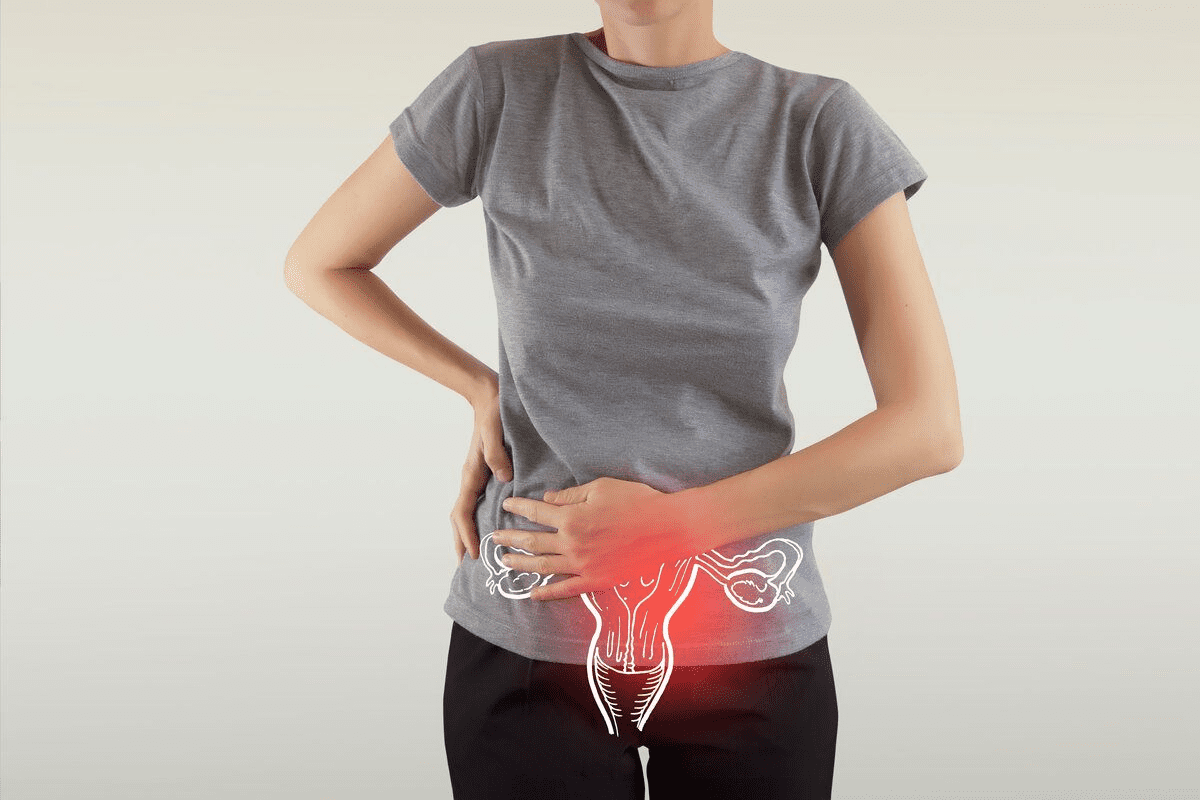
Urologists and gynecologists use endoscopy too. Urologists do cystoscopy to look at the bladder and urethra. Gynecologists might use hysteroscopy to check the uterus.
These specialties show how vital endoscopy is in today’s medicine. It helps doctors offer less invasive tests and treatments. This improves patient care and results.
Advanced Endoscopic Procedures
Advanced endoscopic procedures like ERCP and EUS are big steps in less invasive surgery. They let doctors do more precise and less painful treatments. This is thanks to their ability to diagnose and treat conditions better.
Endoscopic Retrograde Cholangiopancreatography (ERCP)
ERCP combines endoscopy and fluoroscopy to check and treat bile and pancreatic ducts. This is great for removing gallstones that block the bile ducts. It helps solve problems like jaundice and stomach pain.
The ERCP process involves:
- Passing an endoscope through the mouth and into the stomach and small intestine.
- Using a catheter to inject dye into the bile and pancreatic ducts.
- Employing fluoroscopy to visualize the ducts and identify any blockages or abnormalities.
- Performing interventions such as sphincterotomy to facilitate the removal of stones or other obstructions.
Endoscopic Ultrasound (EUS)
EUS combines endoscopy with ultrasound to see the digestive tract and nearby tissues clearly. This is key for checking cancer stages and understanding how severe gastrointestinal problems are.
The benefits of EUS include:
- High-resolution imaging of the gastrointestinal wall and adjacent structures.
- The ability to perform fine-needle aspiration (FNA) for tissue sampling.
- Guiding interventions such as drainage of pseudocysts or celiac plexus neurolysis.
Thanks to these advanced procedures, doctors can give patients better, less invasive treatments. This leads to better results and shorter recovery times.
Comparing Endoscopy to Traditional Open Surgery
Endoscopy is now a top choice for many due to its less invasive nature and faster recovery. It’s key to know the differences between endoscopy and traditional surgery. This is important for both patients and healthcare providers.
Advantages of Endoscopic Surgery
Endoscopic surgery has many benefits over traditional open surgery. These include:
- Less tissue damage and trauma, leading to reduced post-operative pain
- Smaller incisions, resulting in minimal scarring
- Shorter hospital stays and quicker recovery times
- Lower risk of complications and infections
These perks make endoscopic surgery a great choice for many patients. Advances in endoscopic technology have made it possible for more complex surgeries to be done with less invasion.
When Traditional Surgery Is Necessary
Even with its benefits, endoscopy isn’t always the best choice. There are times when traditional open surgery is needed. This includes:
- Complex surgeries that require direct visualization and manipulation
- Cases where the anatomy is significantly altered or complex
- Procedures that require a more extensive repair or reconstruction
In these cases, the wider view and more flexibility of traditional surgery are key. We help patients choose the best surgery for their needs and condition.
Knowing the differences between endoscopy and traditional surgery helps patients make better choices. As technology advances, we’ll see more improvements in both methods. This will lead to even better care for patients.
When to Seek Medical Advice After Endoscopy
After an endoscopy, it’s key to watch how your body reacts. Knowing when to get medical help is important. We’ll help you understand normal symptoms and when to seek attention, ensuring you get the best care.
Normal Post-Procedure Symptoms
Some symptoms like a sore throat, bloating, or mild belly pain are common after an endoscopy. These usually go away in a few days. Follow your doctor’s post-procedure care tips to manage these symptoms well.
Here are some tips for dealing with normal symptoms:
- Rest and avoid hard activities for the rest of the day
- Eat light, easy-to-digest foods
- Avoid heavy lifting or bending
Warning Signs That Require Attention
Most people recover well from an endoscopy, but some signs may mean a problem. If you notice any of these symptoms, get medical help:
Symptom | Description |
Severe Abdominal Pain | Persistent or severe pain in the abdomen that doesn’t improve with medication |
Vomiting Blood | Vomiting blood or black tarry stools |
Fever | High fever (over 101.5°F) that persists |
Difficulty Swallowing | Trouble swallowing or severe sore throat that worsens over time |
If you’re not sure about your symptoms, it’s better to be safe and talk to your doctor. We’re here to support you fully during your recovery.
Knowing the normal and warning signs after an endoscopy helps you take care of yourself. Our team is committed to top-notch healthcare and support for international patients.
Conclusion
We’ve looked into endoscopy, a way doctors see inside the body. It lets them check on organs and cavities. This helps find and fix many health issues with small surgeries.
Endoscopy is seen as a minor surgery because it’s safe and you get better fast. It uses an endoscope for detailed checks and treatments. This means you might not need bigger surgeries.
As technology gets better, so do endoscopy methods. This means safer and more effective treatments for patients. Endoscopy is a big step forward in health care, giving a gentler option than old surgeries.
FAQ
What is an endoscopy?
An endoscopy is a medical test that uses a thin tube with a camera and light to see inside the body. It helps doctors check the internal organs and diagnose various conditions.
Is endoscopy considered a surgical procedure?
Yes, endoscopy is considered a minor surgical procedure. It is minimally invasive and carries fewer risks compared to traditional open surgery.
What are the different types of endoscopy procedures?
There are several types of endoscopy procedures, including upper GI endoscopy, colonoscopy, sigmoidoscopy, bronchoscopy, cystoscopy, and laparoscopy. Each targets a specific area of the body for diagnosis or treatment.
What is the purpose of endoscopy?
Endoscopy allows doctors to diagnose, monitor, and sometimes treat medical conditions. It helps identify problems like ulcers, inflammation, or tumors without major surgery.
How do I prepare for an endoscopy?
Preparation depends on the type of endoscopy. Usually, your doctor will provide instructions about fasting, bowel preparation, and adjusting medications before the test.
What can I expect during an endoscopy procedure?
During the procedure, you’ll receive anesthesia or sedation to help you relax. The doctor inserts the endoscope through your mouth or another natural opening to view internal organs on a monitor.
What are the possible risks and complications of endoscopy?
Endoscopy is generally safe. However, minor risks include sore throat, bloating, or nausea. Rare complications include bleeding, infection, or perforation.
How long does it take to recover from an endoscopy?
Recovery time depends on the procedure and your overall health. Most people recover within a few hours, though full recovery may take a day or two.
What are the benefits of endoscopic approaches compared to traditional open surgery?
Endoscopic procedures offer faster recovery, less pain, minimal scarring, and lower infection risk. They are often done as outpatient treatments.
When should I seek medical advice after an endoscopy?
Contact your doctor immediately if you experience severe pain, fever, persistent vomiting, bleeding, or difficulty breathing after the procedure.
What is the difference between conscious sedation and general anesthesia for endoscopy?
Conscious sedation helps you stay relaxed and drowsy but awake during the procedure. General anesthesia puts you completely asleep and unaware of the process.
Are there any dietary restrictions after an endoscopy?
After an endoscopy, your doctor may advise you to start with clear liquids and gradually return to normal foods. Avoid heavy or spicy meals right after the test.
Can endoscopy be used for therapeutic purposes?
Yes, endoscopy can also be used for treatment. Doctors can remove polyps, stop internal bleeding, or take tissue samples during the same procedure.
What medical specialties perform endoscopy?
Different specialties use endoscopy, including gastroenterology, pulmonology, gynecology, and urology. The type of endoscopy depends on the organ or system being examined.
What is an advanced endoscopic procedure?
Advanced procedures such as Endoscopic Retrograde Cholangiopancreatography (ERCP) and Endoscopic Ultrasound (EUS) are used to diagnose and treat complex conditions involving the pancreas, bile ducts, or digestive tract.
References
National Institutes of Health. Evidence-Based Medical Insight. Retrieved from https://www.niddk.nih.gov/health-information/diagnostic-tests/endoscopy