Last Updated on October 21, 2025 by mcelik
Targeted therapy has transformed cancer treatment for the better by offering a more precise approach than traditional chemotherapy. This is great news for patients, as it means less risk of serious side effects. However, patients should be aware of specific targeted therapy options like Enhertu, which”while effective”can cause side effects such as fatigue, nausea, hair loss, constipation, and more serious conditions like interstitial lung disease. Understanding Enhertu side effects is important to manage treatment safely and effectively.
.
Targeted therapy targets specific proteins in cancer cells. This makes it more effective and has fewer harsh side effects than old treatments.
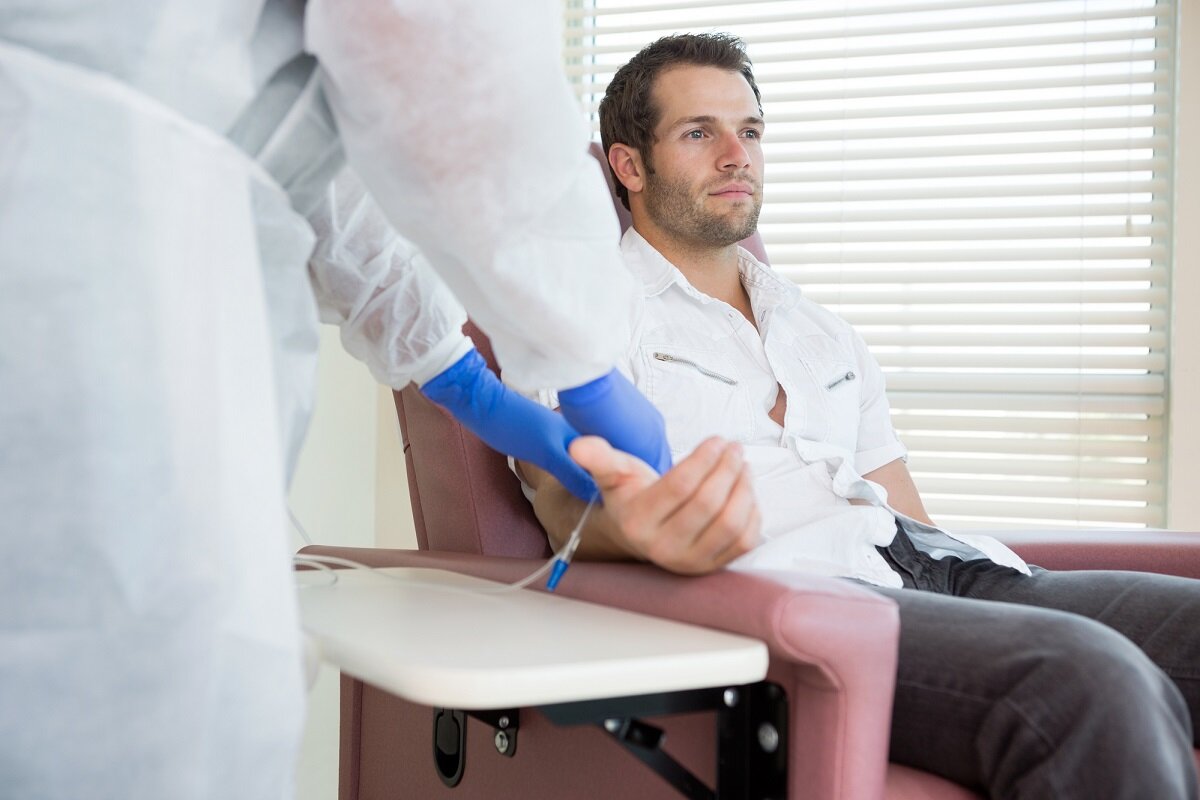
Looking into the side effects of targeted therapy, like Enhertu, is key. We need to know both the benefits and risks of this treatment.
Key Takeaways
- Targeted therapy is a precise cancer treatment method.
- It offers fewer life-threatening risks compared to traditional chemotherapy.
- Understanding the side effects is important for good patient care.
- Enhertu is a targeted therapy drug with its own side effects.
- Precise treatment approaches lead to better patient results.
Understanding Targeted Therapy for Cancer
Cancer treatment has changed with targeted therapy. It offers more precise and effective options for patients. This new approach has changed how we treat cancer, giving us a better understanding of the disease and its treatment.

How Targeted Therapy Differs from Traditional Chemotherapy
Targeted therapy is different from traditional chemotherapy. It doesn’t harm all cells like chemotherapy does. Instead, it targets specific molecules in cancer cells. This makes it safer for normal cells, reducing side effects and improving the patient’s quality of life.
Most targeted therapies are small-molecule drugs or monoclonal antibodies. Small-molecule drugs can easily enter cells, making them great for targets inside cells. Monoclonal antibodies, being larger, target proteins on the surface of cancer cells.
The Revolution in Cancer Treatment
Targeted therapy has changed cancer treatment a lot. A 2025 study found that targeted drugs have a much lower risk of serious side effects than traditional treatments. This shows how targeted therapy can lead to better patient outcomes.
As we learn more about cancer biology, targeted therapy is leading the way. It offers new treatment options and hope for patients all over the world.
Common Side Effects of Targeted Therapy: An Overview
Targeted therapy offers hope for cancer patients but comes with side effects. This new approach in cancer treatment has shown great promise. Yet, it has its own set of side effects.
Common side effects include stomach problems like nausea and diarrhea. Skin issues like rash and itching are also common. Fatigue and heart problems can occur, making regular check-ups important.

Frequency and Severity Compared to Chemotherapy
Targeted therapy has a different side effect profile than chemotherapy. It often has fewer severe side effects. This is because targeted therapy targets specific cancer cells, reducing damage to healthy cells.
But targeted therapy can have severe side effects, too. These can vary based on the treatment used. It’s important to closely monitor patients for these effects.
Risk Assessment in Clinical Trials
Clinical trials are key in understanding targeted therapy risks. They help identify and track side effects. For example, Keytruda trials have shown its side effect profile, including immune-related issues.
These trials help doctors inform patients about what to expect. This knowledge helps manage side effects better. It’s vital for getting the most out of targeted therapy while minimizing risks.
Gastrointestinal Side Effects of Targeted Therapy
Gastrointestinal side effects are a big worry for those getting targeted therapy for cancer. These issues can really hurt a patient’s quality of life. It’s key to know how to handle them well.
Nausea and Vomiting
Nausea and vomiting are common side effects of targeted therapy. The severity can vary depending on the specific medication and patient factors. Antiemetic medications can help manage these symptoms, making patients more comfortable and helping them stick to their treatment.
In some cases, we can anticipate and prevent nausea and vomiting with antiemetic therapy before it starts. This is very important for patients taking therapies that are more likely to cause these issues.
Diarrhea and Constipation
Diarrhea and constipation are also side effects of targeted therapy. Diarrhea can lead to dehydration and electrolyte imbalances if not properly managed, while constipation can cause a lot of discomfort and even more serious problems like bowel obstruction.
We suggest that patients keep a hydration diary to track their fluid intake and output, especially if they have diarrhea. For constipation, eating more fiber can help.
KRAS Inhibitors and GI Toxicity Rates
KRAS inhibitors, a type of targeted therapy, can cause gastrointestinal toxicity. Studies show that 20-35% of patients treated with KRAS inhibitors experience these side effects. Monitoring and managing these side effects are key to keeping patients’ quality of life high.
We stress the need for close monitoring for patients on KRAS inhibitors. Catching gastrointestinal toxicity early can lead to better management and lower risks of serious problems.
Skin-Related Reactions to Targeted Therapy
Targeted therapy can affect cancer cells but also skin cells. This can lead to chemo rash and nail changes. These issues happen because targeted therapies can harm normal cells, including skin cells, making it hard for them to retain moisture and work properly.
Chemo Rash: Causes and Appearance
A chemo rash can look different for everyone. It might show up as red, itchy patches on the skin. Sometimes, it can even feel like it’s burning. This happens because targeted therapies mess with normal cell functions, including skin cells.
Knowing why chemo rash happens is key to treating it. We’ll look at ways to make it better.
Dry Skin and Nail Changes
Dry skin, or xerosis, is a common side effect of targeted therapy. The skin may become flaky and itchy, needing lots of moisturizing to stay moist. Nail changes, like brittleness and discoloration, can also happen.
To fight dry skin, use gentle, fragrance-free moisturizers often. For nail issues, keep nails short and use products to strengthen them.
Treatment Options for Skin Reactions
Dealing with skin reactions needs a mix of prevention and treatment. For chemo rash, topical corticosteroids may be used to lessen inflammation. Keeping skin moist with enough water and moisturizers is key to dry skin.
- Use gentle skin care products.
- Avoid harsh soaps that can strip the skin of its natural oils.
- Stay hydrated to keep skin healthy from the inside out.
By tackling these skin issues, patients can handle their side effects better. This improves their quality during targeted therapy.
Fatigue and Other Systemic Side Effects
Targeted therapy is a big step forward in cancer treatment. But it can also bring side effects, like fatigue. Fatigue makes it hard for patients to do everyday things and live their usual lives.
Understanding Cancer-Related Fatigue
Cancer-related fatigue is not just feeling tired. It’s a deep, ongoing tiredness linked to cancer and its treatment. Unlike regular tiredness, it doesn’t get better with rest and can really slow down recovery.
Why we get cancer-related fatigue is not fully known. But, it’s thought to be because of how our body reacts to cancer and treatment. Things like the cancer itself, treatment side effects, pain, emotional stress, and trouble sleeping can all play a part.
Impact on Quality of Life
Fatigue can really change a patient’s quality of life. It can make it hard to work, be social, or enjoy hobbies. This can lead to feeling lonely and depressed, making fatigue even worse.
Also, fatigue can make it hard to stick to treatment plans. This can affect how well the treatment works. So, it’s key to manage fatigue to keep treatment going as planned.
Coping Strategies
There are ways to deal with fatigue. Here are a few:
- Prioritize tasks and focus on the most important ones
- Save energy by taking regular breaks
- Try gentle exercise, like walking, to boost energy
- Use stress-reducing activities, like meditation or deep breathing
It’s also important for patients to talk about their fatigue with their healthcare team. This way, they can get help to manage their fatigue and improve their quality of life.
Cardiovascular Complications of Targeted Therapy
Targeted therapy is a big help in fighting cancer. But it can also cause heart problems. We must know about these risks to help our patients fully.
QT Interval Prolongation
QT interval prolongation is a heart issue linked to targeted therapy. It raises the chance of dangerous heart rhythms. Some treatments, like those for HER2, can cause this problem. It’s key to check heart health with ECGs before and during treatment.
Myocarditis and Other Heart Issues
Myocarditis, or heart muscle inflammation, is another heart risk. Though rare, it can cause serious heart failure. People on certain treatments, like immune checkpoint inhibitors, should watch for heart signs, like chest pain or shortness of breath.
Monitoring Heart Health During Treatment
Keeping an eye on the heart is important for those on targeted therapy. This means:
- Starting with ECGs to check the QT interval
- Doing echocardiograms to see how the heart is working
- Looking for heart failure or rhythm problems
Finding heart problems early can help avoid serious issues.
Talk to your doctor about heart risks before starting treatment. This includes checking for heart problems, high blood pressure, and other heart risks.
Enhertu Side Effects: What Patients Need to Know
Enhertu is a targeted therapy drug that fights cancer. But, like all treatments, it has side effects. It’s important for patients to know what to expect and how to handle these effects.
Common Side Effects of Enhertu
People taking Enhertu might feel tired, nauseous, or have diarrhea. They might also lose their hair or feel less hungry. These side effects can affect how you feel every day.
Talking to your doctor about any symptoms is key. This helps them adjust your treatment plan.
Serious Adverse Reactions
While rare, serious side effects can happen. These include lung disease, severe reactions to the drug, and heart problems. It’s vital to watch out for these signs.
Interstitial lung disease is a serious issue. If you have trouble breathing or coughing, tell your doctor right away.
Managing Enhertu-Specific Side Effects
There are ways to deal with Enhertu’s side effects. Here are some tips:
- Drink plenty of water to help with nausea and diarrhea.
- Take anti-nausea medicine as your doctor suggests.
- Eat well, even if you don’t feel like it.
- Get your heart checked regularly.
Working with your healthcare team can help manage side effects. This way, you can enjoy a better quality of life while on treatment.
Other Targeted Therapies and Their Side Effect Profiles
There are targeted therapies like trastuzumab, Kadcyla, and Truqap used in cancer treatment. Each has a different way of working and side effects. Knowing these differences helps in caring for patients better.
Trastuzumab Side Effects
Trastuzumab targets the HER2 protein in some breast cancers. Common side effects include infusion reactions, fever, and nausea. It can also cause cardiotoxicity in some, so heart checks are needed.
Kadcyla Side Effects
Kadcyla targets HER2-positive breast cancer cells. Common side effects include fatigue, nausea, and low platelet counts. It can also lead to liver toxicity and nerve damage, which need to be watched.
Truqap Side Effects
Truqap blocks the AKT protein in cell signaling. Common side effects include diarrhea, rash, and high blood sugar. It’s important to manage these to keep patients’ quality of life good.
These therapies are effective against cancer but need careful side effect management. Monitoring and supportive care are key to reducing side effects on patients’ lives. Understanding each therapy’s side effects helps healthcare providers give better care.
Respiratory Complications: Interstitial Lung Disease
Interstitial lung disease is a serious issue linked to some cancer treatments. It’s vital to know the risks, how common it is, and why catching it early matters.
Risk Factors and Incidence
ILD is a rare but serious side effect of some cancer treatments. People with lung problems, those who’ve had chest radiation, and those on certain meds are at higher risk. For example, Enhertu users are closely watched for ILD signs.
The rate of ILD varies with different treatments. Studies show it can affect less than 1% to about 5% of patients.
- Pre-existing lung conditions increase the risk.
- Previous chest radiation therapy is a significant risk factor.
- Certain medications used in targeted therapy can contribute to ILD.
Early Detection and Management
Spotting ILD early is key to managing it. Symptoms include shortness of breath, cough, and tiredness. Regular checks with imaging and lung function tests can catch it early.
Managing ILD means stopping the drug that causes it and starting treatment. This might include steroids and other support. In bad cases, hospital care is needed to handle breathing problems.
It’s important to stay alert for signs of ILD. Knowing the risks and acting fast can help lessen its impact. This way, doctors can help patients better.
Hepatotoxicity and Liver-Related Side Effects
Targeted therapy is getting better, but we must watch out for liver side effects. Hepatotoxicity means liver damage from some medicines. It’s a big worry for those getting targeted therapy.
Monitoring Liver Function
It’s key to check liver health often when on targeted therapy. Blood tests are used to see how the liver is doing. Patients should talk to their doctors about how often to get these tests.
Liver function tests help find liver problems early. They check the levels of enzymes and proteins in the blood linked to liver health.
Signs of Liver Damage
Knowing the signs of liver damage is important. Look out for yellow skin and eyes, dark urine, pale stools, tiredness, and belly pain. If you see these signs, call your doctor right away.
- Jaundice
- Dark urine
- Pale stools
- Fatigue
- Abdominal pain
Treatment Modifications
If liver damage is found, treatment might change. This could mean taking less of the therapy or switching medicines. It’s vital to talk well with your doctor about side effects.
By knowing the risks and taking steps to protect your liver, you can lessen the harm from targeted therapy. This way, you can keep getting the benefits of the treatment.
Communicating with Your Healthcare Team About Side Effects
Talking openly with your healthcare team about side effects is key. It makes managing side effects easier and can improve your treatment results.
When to Contact Your Doctor
Knowing when to call your doctor about side effects is important. Severe or persistent symptoms need to be reported right away. This includes severe pain, trouble breathing, or any symptom that really affects your daily life.
- Severe or unusual side effects
- Persistent symptoms that don’t get better with usual care
- Any symptom that worries you or lowers your quality of life
Tracking and Reporting Symptoms
Keeping a symptom journal can help your healthcare team. Use a symptom diary to track symptoms, their severity, and what makes them better or worse.
- Record the date and time of each symptom
- Describe the symptom and its severity
- Note any treatments or actions taken to alleviate the symptom
Questions to Ask Before Starting Treatment
Before starting targeted therapy, have a detailed talk with your healthcare team. Asking the right questions helps you know what to expect and how to handle side effects.
- What are the most common side effects of this treatment?
- How can I manage or prevent side effects?
- Who should I contact if I experience side effects?
Being proactive and open with your healthcare team helps you deal with targeted therapy’s challenges. Remember, managing side effects is a team effort between you and your healthcare providers.
Conclusion: Balancing Benefits and Side Effects of Targeted Therapy
Targeted therapy has changed how we treat cancer, making treatments more precise than old methods. This approach has its own side effects, like stomach problems and heart issues.
It’s key to know the good and bad of targeted therapy. This knowledge helps patients make smart choices about their treatment.
Talking openly with doctors is critical in handling side effects. This way, patients get the best care possible. As we keep improving cancer treatment, we must always consider the pros and cons of targeted therapy.
FAQ
What is targeted therapy, and how does it differ from traditional chemotherapy?
Targeted therapy is a cancer treatment that uses drugs to target specific cancer cells. This approach is more precise than traditional chemotherapy, which affects both cancerous and healthy cells. As a result, targeted therapy often has fewer side effects.
What are the common side effects of targeted therapy?
Common side effects include gastrointestinal issues like nausea, vomiting, diarrhea, and constipation. Skin-related reactions, fatigue, and cardiovascular complications are also common. The specific side effects depend on the type of targeted therapy used.
What are the side effects of Enhertu, a specific targeted therapy drug?
Enhertu can cause nausea, fatigue, and hair loss. It can also lead to serious issues like interstitial lung disease and infusion-related reactions. Patients need to discuss these risks with their healthcare team.
How can skin-related reactions to targeted therapy be managed?
Skin reactions, such as chemo rash and dry skin, can be managed with topical treatments and skin care strategies. Dose adjustments may also be necessary. Patients should work with their healthcare team to find the best solution for their skin issues.
What are the cardiovascular complications associated with targeted therapy?
Targeted therapy can cause cardiovascular issues like QT interval prolongation and myocarditis. It’s vital to monitor heart health during treatment to catch and manage these complications early.
How can patients manage gastrointestinal side effects of targeted therapy?
Gastrointestinal side effects, such as nausea and diarrhea, can be managed with medication and dietary changes. Lifestyle modifications can also help. Patients should work with their healthcare team to develop a plan to minimize these side effects.
What is interstitial lung disease, and how is it related to targeted therapy?
Interstitial lung disease is a respiratory complication that can occur with targeted therapy, like Enhertu. Patients should be aware of the risk factors and symptoms. Their healthcare team should monitor them for early detection and management.
How can patients communicate effectively with their healthcare team about side effects?
Patients should track and report their symptoms and ask questions before starting treatment. They should contact their doctor when necessary. Effective communication helps the healthcare team provide timely support and adjust treatment plans as needed.
What are the benefits of targeted therapy in cancer treatment?
Targeted therapy offers a more precise approach to cancer treatment, leading to fewer side effects and better outcomes for many patients. Understanding the benefits and side effects helps patients make informed decisions about their care.
Are there any long-term side effects of targeted therapy that patients should be aware of?
Long-term side effects of targeted therapy vary depending on the treatment and individual factors. Patients should discuss their treatment plan with their healthcare team to understand the long-term risks and benefits.
References
- National Cancer Institute. (n.d.). Targeted Cancer Therapy. Retrieved September 22, 2025, from https://www.cancer.gov/about-cancer/treatment/types/targeted-therapy