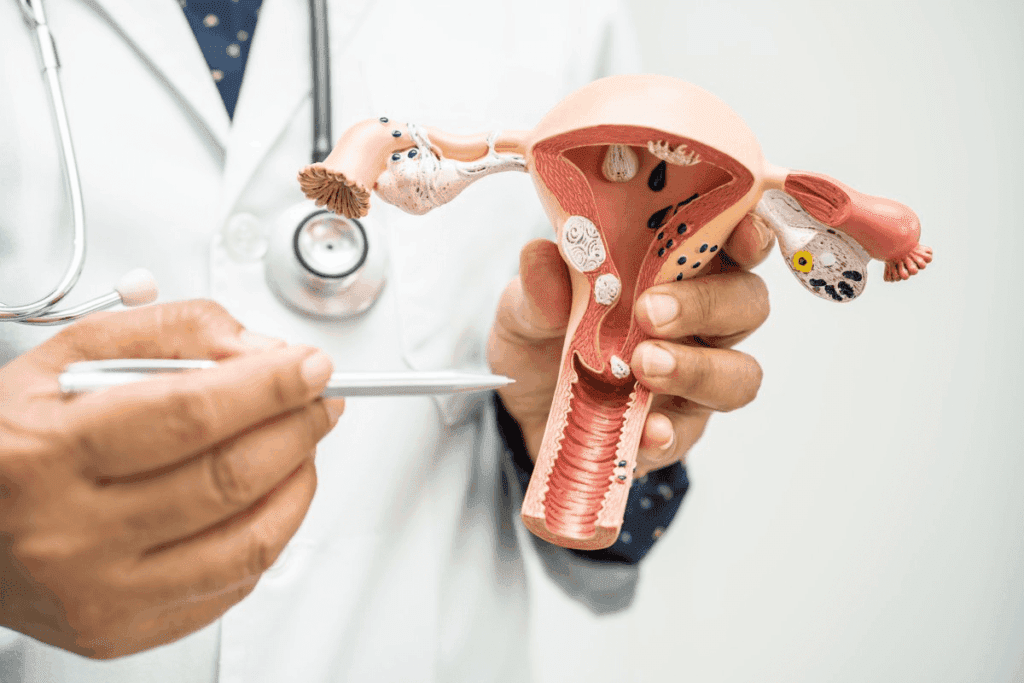
Learning your uterus is larger than normal can worry you. But knowing the reasons and treatment choices helps you manage your health better enlarged uterus symptoms.
An enlarged uterus can come from many things like hormonal shifts, uterine fibroids, and adenomyosis. Spotting the signs and knowing how doctors check for it can lead to good treatment.
We’ll look into uterine enlargement, its symptoms, and treatment options. Knowing the causes and symptoms is key to getting the right care.
Key Takeaways
- An enlarged uterus can be caused by various factors, including hormonal changes and uterine fibroids.
- Recognizing the signs and symptoms is critical for effective treatment and management.
- Diagnostic procedures can help find the cause of uterine enlargement.
- Treatment choices depend on the cause and how severe it is.
- Getting medical help is important for the right diagnosis and treatment.
Understanding an Enlarged Uterus

Knowing the normal size and shape of the uterus is key to spotting when it’s too big. The uterus is a vital part of the female body, important for menstruation, pregnancy, and childbirth. It’s usually about the size of a clenched fist, measuring 3 inches long, 2 inches wide, and 1 inch thick.
Normal Uterine Size and Structure
The uterus is a muscular, hollow organ shaped like a pear. Its size can vary among women, but big changes can mean health problems. Its size can change due to pregnancy and some medical conditions.
To understand an enlarged uterus, knowing the normal size is important. An enlarged uterus is bigger than a clenched fist. This can be due to fibroids, adenomyosis, and other conditions.
What Constitutes an Enlarged Uterus
An enlarged uterus is when it grows too big. This can happen for many reasons, like uterine fibroids, adenomyosis, and endometrial hyperplasia. Fibroids, for example, can affect up to 80% of women by age 50.
Condition | Description | Common Symptoms |
Uterine Fibroids | Non-cancerous growths in the uterus | Heavy menstrual bleeding, pelvic pain |
Adenomyosis | Tissue similar to the uterine lining grows into the uterine walls | Heavy or painful periods, pelvic pressure |
Endometrial Hyperplasia | Excessive thickening of the uterine lining | Abnormal uterine bleeding |
Medical experts say it’s important to know the symptoms and causes of an enlarged uterus. This helps manage the condition well.
“The key to treating an enlarged uterus lies in accurately diagnosing the underlying cause and selecting the most appropriate treatment option.”
Symptoms of an enlarged uterus can include changes in menstruation, pelvic pain, and pressure. Knowing these symptoms and their causes is key for effective treatment.
Common Causes of Uterine Enlargement

Many things can make a uterus grow bigger. Knowing what causes this is key to treating it. Uterine growth can be linked to several gynecological issues, affecting a woman’s life quality.
Uterine Fibroids
Uterine fibroids are noncancerous growths in the uterus’s muscular wall. They can be different sizes, numbers, and places. These growths often cause heavy bleeding, long periods, and pelvic pain.
Adenomyosis
Adenomyosis happens when endometrial tissue grows into the uterine muscle. It makes the uterus bulky, causes heavy or painful periods, and discomfort during sex. Hormones play a big role in this condition.
Endometriosis
Endometriosis is when endometrial cells grow outside the uterus. This leads to inflammation, scarring, and adhesions. It doesn’t directly cause uterine growth but can be linked to conditions like adenomyosis. Treating endometriosis is important for uterine health.
Endometrial Hyperplasia
Endometrial hyperplasia is when the endometrium thickens due to too much estrogen. It can cause the uterus to grow and is linked to abnormal bleeding. Understanding the hormonal causes is essential for treatment.
These conditions show how complex uterine growth can be. A detailed diagnosis is needed to find the cause. This way, doctors can create a treatment plan that fits each person’s needs.
Enlarged Uterus Symptoms: What to Watch For
The symptoms of an enlarged uterus can vary widely among women. It’s important to be aware and watchful. Some women may notice symptoms, while others may not, making it key to know the possible signs.
Menstrual Changes and Heavy Bleeding
One common symptom is a change in menstrual patterns. Women might see heavy menstrual bleeding, longer periods, or irregular bleeding. This can lead to anemia and affect daily life a lot.
Pelvic Pain and Pressure
An enlarged uterus can cause pelvic pain or discomfort. This pain might be constant or happen at certain times, like during menstruation or sex. Women may also feel a sense of pressure or fullness in the pelvic area, which can be uncomfortable and distressing.
Urinary and Digestive Symptoms
An enlarged uterus can also press on nearby organs. This can lead to urinary and digestive symptoms. Women might experience frequent urination, trouble emptying the bladder, or constipation due to pressure on the rectum.
Asymptomatic Cases
Many women with an enlarged uterus may not show any symptoms. In these cases, the condition is often found during a routine pelvic exam. This shows why regular gynecological check-ups are important for women’s health.
Knowing these symptoms is key for early diagnosis and treatment. If you’re experiencing any of these signs, it’s vital to talk to a healthcare provider. They can help figure out the cause and find the right treatment.
Risk Factors for Developing an Enlarged Uterus
Several factors can increase the risk of an enlarged uterus. These include age, hormonal changes, and genetics. Knowing these can help in early detection and care.
Age-Related Factors
Age is a big factor in uterine enlargement. Women over 30 are more likely to get uterine fibroids and adenomyosis. These conditions can make the uterus bigger. As women get closer to menopause, the risk goes up because of hormonal shifts.
Hormonal Influences
Hormonal changes, like those in estrogen levels, affect the uterus. High estrogen can make uterine tissues grow, causing it to enlarge. Hormonal imbalances, such as in polycystic ovary syndrome (PCOS), also raise the risk.
Genetic Predisposition
Genetics also play a part in uterine enlargement. Women with a family history of uterine fibroids, endometriosis, or similar conditions are at higher risk. Knowing your family’s medical history can help you understand your own risk.
By understanding these risk factors, women and doctors can work together. They can take steps to detect and manage uterine enlargement early on.
Enlarged Uterus After Menopause
An enlarged uterus after menopause needs careful checking because it might mean serious health issues. After menopause, the uterus usually gets smaller because of less estrogen. So, if it stays big, it’s a worry.
Why Postmenopausal Enlargement Is Concerning
Postmenopausal uterus growth is worrying because it might show serious problems. One big worry is cancer. So, any unusual growth needs quick checking.
Potential Causes and Concerns:
- Cancer
- Benign tumors
- Hormonal influences
When we look at why the uterus might grow after menopause, we must think about these reasons. This helps us find the right treatment.
Diagnostic Importance for Older Women
For older women, finding out why the uterus is big is very important. Tests help figure out if it’s something harmless or something serious like cancer.
Diagnostic Procedure | Purpose |
Ultrasound | To see the uterus and find any problems |
Biopsy | To check for cancer cells in the tissue |
Hormone Level Tests | To see how hormones affect the uterus |
These tests are key to finding the right treatment for older women with a big uterus.
Understanding why the uterus might grow after menopause helps us take care of older women’s health. If symptoms don’t go away or get worse, it’s important to see a doctor.
When to Seek Medical Attention
It’s important to know when you need to see a doctor right away. An enlarged uterus can cause serious problems if not treated. Getting help quickly can make a big difference.
Warning Signs That Require Immediate Care
Some symptoms mean you should go to the doctor fast. These include:
- Heavy or long menstrual bleeding that stops you from doing things
- Severe pelvic pain or pressure that doesn’t get better with pain meds
- Hard time peeing or really bad constipation
- Big belly that’s getting bigger
If you’re feeling any of these, you need to see a doctor fast. A study says, “Early treatment can really help women with uterine issues.”
“Knowing when to get medical help is key to keeping your uterus healthy.”
Medical Expert, Gynecologist
Preparing for Your Doctor’s Appointment
Before you go to the doctor, get ready by writing down your symptoms, health history, and questions. This way, you’ll get the most out of your visit.
Preparation Step | Description |
List your symptoms | Include when they started, how bad they are, and how they affect your life. |
Document your medical history | Write down any surgeries, allergies, and medicines you’re taking. |
Prepare questions | Make a list of questions about your condition, treatment, and what to expect. |
Being ready for your doctor’s visit can help you get better care. It’s a good idea to bring someone with you for support and to help remember what’s said.
Diagnostic Procedures for Uterine Enlargement
Diagnostic procedures are key in finding out why a uterus is enlarged. They help doctors decide on the best treatment. When a doctor thinks a uterus might be too big, they start a series of tests to find the cause.
Physical Examination Techniques
A physical exam is often the first step. During a pelvic exam, a doctor checks the uterus’s size and shape. They look for any odd shapes or tenderness.
Key components of a physical examination include:
- Palpation of the abdomen to detect any masses or irregularities
- Pelvic exam to assess the size and position of the uterus
- Checking for any tenderness or pain in the pelvic area
Ultrasound and Imaging Tests
Imaging tests are vital for seeing the uterus and finding any problems. Ultrasound is often used because it gives a clear view of the uterus.
Other tests might include:
- MRI (Magnetic Resonance Imaging) for detailed images of the uterus and surrounding tissues
- CT (Computed Tomography) scans to rule out other possible causes of symptoms
Laboratory Tests
Laboratory tests help rule out other conditions that might cause an enlarged uterus. These tests might include:
Test | Purpose |
Complete Blood Count (CBC) | To check for anemia or infection |
Hormone Level Tests | To assess hormonal imbalances that may contribute to uterine enlargement |
Tumor Markers | To screen for possible cancers |
Biopsy Procedures
In some cases, a biopsy is needed to find the cause of an enlarged uterus. This involves taking a tissue sample from the uterus for examination.
Biopsy procedures help diagnose conditions like cancer or abnormal cell growth. They guide treatment and ensure the right care is given.
Medical Treatments for an Enlarged Uterus
Managing an enlarged uterus involves different medical treatments. The right treatment depends on the cause, symptoms, and the patient’s health. It also depends on the size of the uterus and what the patient prefers.
Pain Management Medications
Pain management is key when treating an enlarged uterus. Symptoms like pelvic pain and heavy bleeding need attention. Nonsteroidal anti-inflammatory drugs (NSAIDs) help reduce pain and inflammation. Sometimes, stronger pain meds are needed.
Doctors say, “Effective pain management can greatly improve life for women with an enlarged uterus.”
“Pain is a signal that something is wrong, and addressing it is critical in treatment.”
Hormone Therapy Approaches
Hormone therapy is an option for an enlarged uterus, mainly when hormones are out of balance. Birth control pills or hormonal contraceptives can help. They regulate menstrual cycles and lessen symptoms like heavy bleeding.
GnRH Agonists and Other Hormonal Options
Gonadotropin-releasing hormone (GnRH) agonists can shrink fibroids and reduce uterine size. They work by creating a temporary menopausal state. But, they are used short-term due to side effects.
- GnRH agonists can reduce uterine size and alleviate symptoms.
- They are often used before surgery to make procedures less complicated.
- Side effects can include hot flashes and bone loss.
Treatment Based on Underlying Cause
The cause of an enlarged uterus is key in choosing treatment. For fibroids, treatment might focus on shrinking or removing them. For adenomyosis, hormone therapy or other meds might be used to manage symptoms.
It’s important to understand the cause: “Tailoring treatment to the specific cause of the enlarged uterus is essential for effective management.”
Surgical Interventions for Severe Cases
When other treatments don’t work, surgery is often needed for uterine enlargement. These surgeries aim to fix the root cause of the problem. They help improve life quality and offer relief.
Minimally Invasive Procedures
Modern surgery for uterine enlargement is less invasive. It uses smaller cuts, causes less pain, and heals faster. This is great for women who want to keep their fertility.
Myomectomy for Fibroid Removal
A myomectomy removes fibroids without harming the uterus. It’s perfect for those who want to keep their fertility. The choice depends on the fibroids’ size, number, and where they are.
Endometrial Ablation
Endometrial ablation destroys the uterine lining, cutting down or stopping bleeding. It’s for women with heavy periods due to uterine issues. But, it’s not for everyone, like those hoping to get pregnant.
Hysterectomy: When It’s Necessary
Hysterectomy removes the uterus, a final solution for uterine enlargement. It’s major surgery, usually for women who’ve had all their children. Always talk it over with a doctor first.
Surgical Option | Description | Considerations |
Minimally Invasive Procedures | Smaller incisions, less pain, quicker recovery | Ideal for fertility preservation |
Myomectomy | Removal of fibroids, uterus preserved | Suitable for women wishing to retain fertility |
Endometrial Ablation | Destroys uterine lining, reduces bleeding | Not for those wishing to conceive |
Hysterectomy | Removal of the uterus | Definitive treatment, for those who have completed childbearing |
How to Reduce an Enlarged Uterus Naturally
There are natural ways to manage an enlarged uterus. These methods can’t cure it, but they can make symptoms better and boost your health.
Dietary Modifications and Anti-Inflammatory Foods
Your diet is key in handling uterine enlargement. Eating foods that fight inflammation can help. Foods rich in omega-3 fatty acids, like salmon and flaxseeds, are great for this. Also, eating lots of fruits, veggies, and whole grains helps keep you healthy and fights inflammation.
- Leafy greens like spinach and kale
- Berries such as blueberries and raspberries
- Nuts and seeds, including almonds and chia seeds
Try to avoid foods that make inflammation worse. This includes processed meats, sugary snacks, and white carbs.
Exercise and Weight Management
Exercise and keeping a healthy weight are important for an enlarged uterus. Exercise boosts circulation, fights inflammation, and balances hormones. Aim for at least 30 minutes of moderate-intensity exercise most days.
- Aerobic exercises like walking, cycling, or swimming
- Yoga or Pilates for flexibility and stress reduction
- Strength training to build muscle and boost metabolism
Managing your weight is also key. Too much weight can strain your uterus and make symptoms worse.
Herbal Supplements and Their Evidence
Some herbal supplements might help with uterine enlargement. But, always talk to a doctor before trying them.
- Turmeric, known for its anti-inflammatory curcuminoids
- Ginger, which has anti-inflammatory properties
- Chasteberry, potentially helpful in balancing hormones
Research shows these supplements might help, but more studies are needed to be sure.
By using these natural methods, you can lessen symptoms of an enlarged uterus. This can also make you feel better overall.
Living with an Enlarged Uterus
Living with an enlarged uterus means managing symptoms, dealing with pain, and finding emotional support. Women with this condition face many challenges. These can affect their daily life greatly.
Managing Daily Symptoms
Managing symptoms is key for women with an enlarged uterus. Making lifestyle changes like eating right, exercising, and managing weight can help. A healthy lifestyle might lessen symptoms.
Doctors may also prescribe medicine for heavy bleeding or pain. It’s important for women to work with their doctors to find the best treatment.
Coping with Chronic Pain
Coping with chronic pain is a big part of living with an enlarged uterus. Chronic pain can hurt both body and mind. There are many ways to manage pain, like pain management medications, acupuncture, and changing your lifestyle.
Keeping a pain diary can also help. It lets you track your symptoms and find patterns. This makes it easier to manage your pain.
Emotional and Psychological Support
Emotional and psychological support is very important for women with an enlarged uterus. The condition can make women feel isolated, anxious, and depressed. Getting help from doctors, support groups, or counselors can help a lot.
Also, talking to others who face similar challenges can be very helpful. Support groups are a place to share, get advice, and find encouragement.
Conclusion
It’s key to know the causes, symptoms, and treatments for an enlarged uterus. This knowledge helps manage the condition better. Uterine fibroids, adenomyosis, and endometriosis are common causes.
Getting a diagnosis early and choosing the right treatment can really help. There are many ways to treat it, like medicines and surgery. Even small surgeries and hysterectomy are options.
Changing your diet and exercising can also help. This approach helps manage symptoms. Knowing about the condition and its treatments helps people take charge of their health.
In short, understanding an enlarged uterus is vital. Knowing the causes and symptoms is the first step. There are many treatments, from medicines to surgery and lifestyle changes. Each person needs a care plan that fits them best.
FAQ
What are the common symptoms of an enlarged uterus?
Symptoms include heavy menstrual bleeding and pelvic pain. You might also feel pressure, need to urinate often, or have digestive issues. Some women don’t notice any symptoms.
What causes an enlarged uterus?
Uterine fibroids, adenomyosis, endometriosis, and endometrial hyperplasia are common causes. Hormonal changes and genetics also play a role.
Is an enlarged uterus a concern after menopause?
Yes, it’s a concern after menopause. It could be a sign of serious conditions like cancer. You should get it checked right away.
How is an enlarged uterus diagnosed?
Doctors use physical exams, ultrasound, lab tests, and biopsies to diagnose it. They find out what’s causing the enlargement.
What are the treatment options for an enlarged uterus?
Treatments include pain meds, hormone therapy, and surgery. The choice depends on the cause and how severe it is.
Can an enlarged uterus be reduced naturally?
Natural methods can help manage symptoms. Eating right, exercising, and managing weight can improve your health.
What are the risk factors for developing an enlarged uterus?
Age, hormones, and genetics are risk factors. Knowing these can help prevent and detect it early.
How can I manage daily symptoms of an enlarged uterus?
Use medical treatments and make lifestyle changes. Find ways to cope with chronic pain. Also, get emotional support.
When should I seek medical attention for uterine enlargement?
Seek help for severe pain, heavy bleeding, or other concerning symptoms. It’s important to get immediate care.
What are the surgical options for treating an enlarged uterus?
Options include minimally invasive surgeries, myomectomy, endometrial ablation, and hysterectomy. The choice depends on the severity and your needs.
Can hormonal therapies help in treating an enlarged uterus?
Yes, hormone therapy can help. It addresses hormonal issues that cause the enlargement.
References
National Center for Biotechnology Information. Evidence-Based Medical Guidance. Retrieved from https://pubmed.ncbi.nlm.nih.gov/12548233/