Every heartbeat is important. Knowing about electrophysiology can save lives. At Liv Hospital, we offer top-notch healthcare for international patients.
Electrophysiology studies (EP studies) are special tests. They help find and fix heart rhythm problems by checking the heart’s electrical activity. These tests are key in cardiology, helping doctors treat heart rhythm issues well.
We’ll dive into cardiac electrophysiology and why it’s so important. It helps diagnose and treat arrhythmias. Knowing the latest in electrophysiology means patients get the best heart care.
Key Takeaways
- EP studies are key for finding and fixing heart rhythm problems.
- Electrophysiology is vital for understanding heart function and spotting rhythm disorders.
- Liv Hospital offers full support for international patients looking for advanced medical care.
- New electrophysiology advancements are making treatments better.
- Learning about EP studies can lead to better treatment options for heart rhythm issues.
What Is an EP Study and How Does It Work?

An electrophysiology study, or EP study, is a test that looks at the heart’s electrical activity. It involves putting catheters into the heart to record its electrical signals. This helps doctors diagnose and treat heart arrhythmias.
Definition and Purpose of Electrophysiology Studies
An EP study is a test that checks the heart’s electrical system. Its main goal is to find and understand the causes of heart arrhythmias. This helps doctors create a treatment plan that fits the patient’s needs.
The Role of EP Studies in Diagnosing Heart Arrhythmias
EP studies are key in diagnosing heart arrhythmias. They give detailed info about the heart’s electrical activity. This info is vital for figuring out the type and cause of arrhythmias.
Doctors use this data to decide the best treatment. This could be medication, catheter ablation, or a pacemaker or defibrillator.
The data from an EP study is very important for managing heart arrhythmias. Here’s a table that shows the main points about EP studies and their role in diagnosing arrhythmias:
| Aspect | Description | Benefit |
| Diagnostic Capability | Records electrical signals in the heart | Identifies type and origin of arrhythmias |
| Treatment Guidance | Informs treatment decisions | Helps choose between medication, ablation, or device implantation |
| Personalized Medicine | Tailors treatment to individual patient needs | Improves patient outcomes by targeting the specific arrhythmia mechanism |
Understanding EP studies and their role in diagnosing heart arrhythmias shows their importance in cardiac care. The insights from these studies are key to creating effective treatments and better patient outcomes.
The Science Behind Heart Electrophysiology

Electrophysiology studies focus on the heart’s electrical system. This system controls the heartbeat, making sure the heart works right. Knowing about heart electrophysiology helps doctors diagnose and treat heart problems.
Normal Electrical Conduction in the Heart
The heart’s electrical system sends out electrical signals in a specific order. These signals start with the sinoatrial (SA) node, the heart’s natural pacemaker. It sets the heart rate.
These signals then go through the atrioventricular (AV) node to the ventricles. This makes the ventricles contract and pump blood.
Key components of the heart’s electrical conduction system include:
- The sinoatrial (SA) node
- The atrioventricular (AV) node
- The bundle of His
- The bundle branches
- The Purkinje fibers
How Arrhythmias Disrupt Normal Heart Function
Arrhythmias happen when the heart’s electrical system gets disrupted. This can cause irregular heartbeats. These can be mild or serious.
Many things can cause arrhythmias, like heart disease or high blood pressure. Even imbalances in electrolytes can play a role.
As a leading cardiologist said,
“Arrhythmias are a significant concern in cardiovascular health, and understanding their underlying causes is critical for effective management.”
| Type of Arrhythmia | Description | Common Symptoms |
| Atrial Fibrillation | Rapid, irregular heartbeat | Palpitations, shortness of breath |
| Ventricular Tachycardia | Fast heart rate originating in the ventricles | Dizziness, fainting |
In conclusion, knowing about heart electrophysiology and arrhythmias is key for treating heart issues. Electrophysiology studies are very important. They give doctors insights into the heart’s electrical activity.
When Is an EP Study Recommended by Cardiologists?
Cardiologists might suggest an EP study for patients with specific symptoms or conditions. An EP study, or electrophysiology study, checks the heart’s electrical activity. It’s a key diagnostic tool.
Common Symptoms That May Lead to an EP Study
Patients with palpitations, dizziness, or syncope might need an EP study. These signs can point to arrhythmias or heart rhythm disorders.
Cardiologists use these studies to find the cause and the right treatment.
Medical Conditions That Require Electrophysiological Assessment
Conditions like atrial fibrillation or ventricular tachycardia often need an EP study. These issues can really affect a person’s life quality. They might need treatments like catheter ablation or device implantation.
An EP study helps doctors understand these conditions. It helps them plan the best treatment.
Knowing when an EP study is needed helps patients understand the diagnostic process. It shows how important these studies are in managing heart rhythm disorders.
The EP Study Procedure: Step-by-Step Process
Learning about the EP study procedure can help reduce anxiety for those undergoing it. We guide our patients through each step, from preparation to recovery. This ensures they are informed and comfortable throughout.
Preparation Guidelines
Before the EP study, patients often need to fast after midnight. It’s wise to have someone drive you home after. Discuss your medications with your doctor, as some may need to be adjusted or stopped.
On the day of the test, you’ll wear a hospital gown. An IV line will be inserted for medications and fluids. The EP lab team will clean and numb the areas for catheter insertion.
During the EP Study: What Happens in the EP Lab
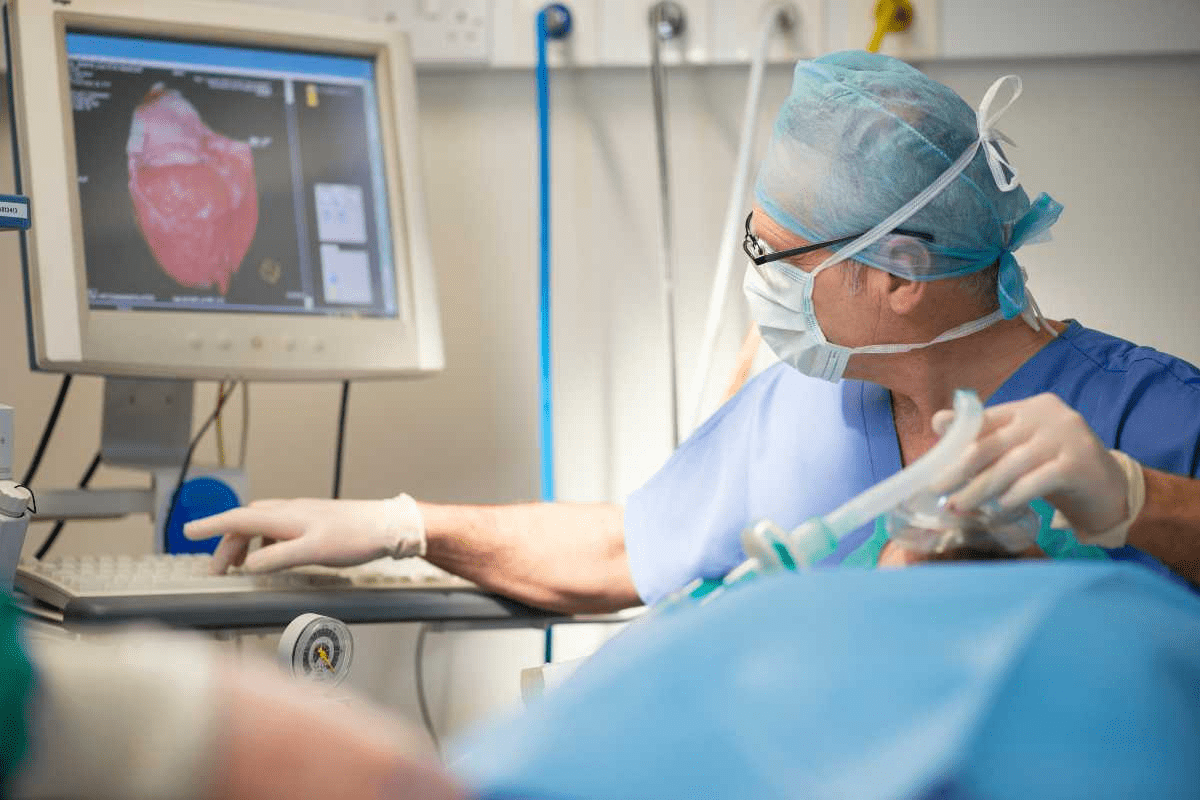
The EP study takes place in a special lab with fluoroscopy and monitoring. The procedure is done under local anesthesia, so you’ll be awake but numb in the area of catheter insertion.
Catheters are inserted through your blood vessels into your heart. They record your heart’s electrical activity and can stimulate areas to induce arrhythmias.
| Procedure Step | Description |
| Catheter Insertion | Catheters are inserted through a vein or artery and guided into the heart. |
| Electrical Activity Recording | The catheters record the heart’s electrical activity. |
| Arrhythmia Induction | The catheters can stimulate the heart to induce arrhythmias. |
After the Procedure: Recovery and Follow-up Care
After the EP study, you’ll go to a recovery area for monitoring. It’s normal to feel soreness at the catheter sites. Your healthcare team will give you post-procedure care instructions and schedule follow-up appointments.
Resting for the day and avoiding strenuous activities for a few days is part of recovery. Your doctor will tell you when to start taking your medications again and resume activities.
Diagnostic Capabilities of EP Study Tests
Electrophysiology (EP) studies have changed how we diagnose heart arrhythmias. They give cardiologists a deep look into the heart’s electrical system. This helps them find and treat arrhythmias accurately.
Types of Arrhythmias Detected Through Electrophysiology
EP studies can find many arrhythmias, like supraventricular tachycardia and atrial fibrillation. They map the heart’s electrical activity. This helps doctors know where and how arrhythmias start, leading to better treatments.
The types of arrhythmias detected through EP studies include:
- Supraventricular tachycardia (SVT)
- Atrial fibrillation (AFib)
- Ventricular tachycardia (VT)
- Atrioventricular nodal reentrant tachycardia (AVNRT)
Accuracy and Limitations of EP Diagnosis
EP studies are very good at finding arrhythmias. But, like any test, they have some limits. The skill of the person doing the test, the quality of the equipment, and the patient’s health can affect how accurate it is.
| Arrhythmia Type | Diagnostic Accuracy | Limitations |
| Supraventricular Tachycardia | High | May require provocation testing |
| Atrial Fibrillation | High | Can be challenging during periods of sinus rhythm |
| Ventricular Tachycardia | High | May require additional testing for underlying conditions |
Even with their limits, EP studies are key in diagnosing and treating heart arrhythmias. They give doctors the information they need to make better treatment plans and help patients get better.
Treatment Options Following EP Study Results
An electrophysiological study helps find the right treatments for heart rhythm problems. After the study, doctors can plan the best treatment for arrhythmias. This might include procedures or device implants to fix heart rhythms and help patients feel better.
Catheter Ablation Procedures and Success Rates
Catheter ablation is a key treatment after an EP study. It uses catheters to destroy bad electrical paths in the heart. The success of this treatment depends on the arrhythmia type.
Atrial fibrillation ablation works for 60% to 80% of patients after one try. Supraventricular tachycardia (SVT) ablation can succeed in over 90% of cases. Success also depends on the patient’s heart health, the arrhythmia type, and the doctor’s skill.
Pacemaker and Defibrillator Implantation
EP study results might show the need for a device implant. Pacemakers help with slow heart rhythms. Implantable cardioverter-defibrillators (ICDs) prevent dangerous arrhythmias. These devices can adjust treatments based on the patient’s needs.
Choosing to implant a pacemaker or ICD is based on the EP study, medical history, and overall health. Knowing about these treatments helps patients make informed decisions about their heart health.
Risks and Benefits of EP Study for Heart Patients
Heart patients need to know the risks and benefits of EP studies. We’ll look at possible complications and the long-term gains. These can greatly improve how patients feel and live.
Potential Complications and Their Frequency
EP studies are mostly safe, but there are risks. These include bleeding, infection, and problems with blood vessels. Luckily, these happen in less than 1% of cases.It’s key for patients to talk about these risks with their doctors.
Long-term Benefits of Accurate Electrophysiology Diagnosis
EP studies help find the right treatment for heart issues. They help doctors choose the best treatments, like catheter ablation or device implants.These treatments can greatly improve life for those with heart arrhythmias. The benefits include fewer symptoms, better heart function, and a better overall quality of life.
Patients and doctors should think carefully about EP studies. We stress the need for personalized care and talking about what might happen.
Advances in Cardiac Electrophysiology Technology
The field of cardiac electrophysiology is changing fast. This is thanks to AI tools and better global access to EP studies. These changes are making it easier to diagnose and treat heart rhythm problems.
AI-Driven Tools Enhancing EP Test Accuracy
Artificial intelligence (AI) is becoming key in making electrophysiology tests more accurate. AI can spot complex data patterns, helping doctors find arrhythmias better. AI-driven tools help make EP studies more precise, leading to better patient care decisions.
AI can help in many ways, such as:
- Automated detection of arrhythmias
- Predictive analytics for patient outcomes
- Personalized treatment planning
Global Access to EP Procedures: Current Statistics and Trends
More places around the world are getting access to EP procedures. But, there’s a big gap in access to these services in different areas.
| Region | EP Procedures per Million People | Growth Rate (%) |
| North America | 250 | 5 |
| Europe | 200 | 4 |
| Asia Pacific | 150 | 8 |
The table shows how EP procedure access varies by region. North America and Europe have more procedures, but Asia Pacific is growing fast.
As cardiac electrophysiology tech gets better, we’ll see more progress in treating heart rhythm issues. AI and wider access to EP studies will be key in the future of heart care.
Conclusion: The Essential Role of EP Studies in Modern Cardiac Care
Electrophysiology studies (EP studies) have changed cardiac care a lot. They help find heart arrhythmias accurately. This lets us see how the heart’s electrical system works and find problems.
The EP study is key for doctors to decide how to treat arrhythmias. It helps them find the best treatment for each patient. This way, we can make patients’ lives better and their health outcomes better too.
As technology gets better, so will treatments for heart problems. New tools and global access to EP studies will change cardiac care a lot. This will help us treat heart issues even better.
EP studies are very important for heart care today. They will keep getting better and help us manage heart health in the future.
FAQ
What is an EP study, and how does it work?
An EP study, or electrophysiology study, checks the heart’s electrical activity. It helps find and treat arrhythmias. Doctors use catheters through a leg vein to reach the heart and record signals.
What are the common symptoms that may lead to a recommendation for an EP study?
Symptoms like palpitations, dizziness, fainting, and irregular heartbeats might lead to an EP study. These signs often point to arrhythmias that need further check-ups.
How is an EP study performed, and what can I expect during the procedure?
You’ll get local anesthesia and sedation during an EP study. Catheters are inserted through a leg vein to record the heart’s signals. You’ll need to stay calm and follow instructions.
What are the risks and possible complications of an EP study?
EP studies are mostly safe but can have risks. These include bleeding, infection, and vascular problems. There’s also a small chance of heart complications like arrhythmias or cardiac perforation.
What are the treatment options available after an EP study?
After an EP study, treatments might include catheter ablation, pacemaker or defibrillator implantation, or medication. The best treatment depends on the arrhythmia found during the study.
How accurate are EP studies in diagnosing arrhythmias?
EP studies are very accurate in finding arrhythmias by measuring the heart’s electrical activity. But, accuracy can vary based on the operator’s skill and the equipment used.
What is the role of AI-driven tools in improving EP test accuracy?
AI tools are making EP tests more accurate by better processing signals and predicting outcomes. They help improve arrhythmia diagnosis and treatment.
How long does it take to recover from an EP study?
Recovery from an EP study is usually quick. Most people can go back to normal activities in a few days. You might feel some discomfort or bruising, but it usually goes away on its own.
Can an EP study diagnose all types of arrhythmias?
EP studies are great for diagnosing many arrhythmias but not all. Some arrhythmias might need other tests or tools for diagnosis.
What is the difference between an EP study and an electrocardiogram (ECG)?
An EP study is an invasive test that looks at the heart’s electrical activity from inside. An ECG is a non-invasive test that looks at it from the skin’s surface. EP studies give more detailed info and are used for diagnosing and treating arrhythmias.
Are EP studies available worldwide, or are they limited to certain regions?
EP studies are available in many countries. Access might vary by region and healthcare system. Advances in technology and training have made EP studies more accessible worldwide.
References
- Medical News Today. (2022). Arteries: Function, anatomy, and types. https://www.medicalnewstoday.com/articles/arteries