Last Updated on November 26, 2025 by Bilal Hasdemir
Discover epi hernia symptoms, diagnosis steps, and what causes this common abdominal wall condition.
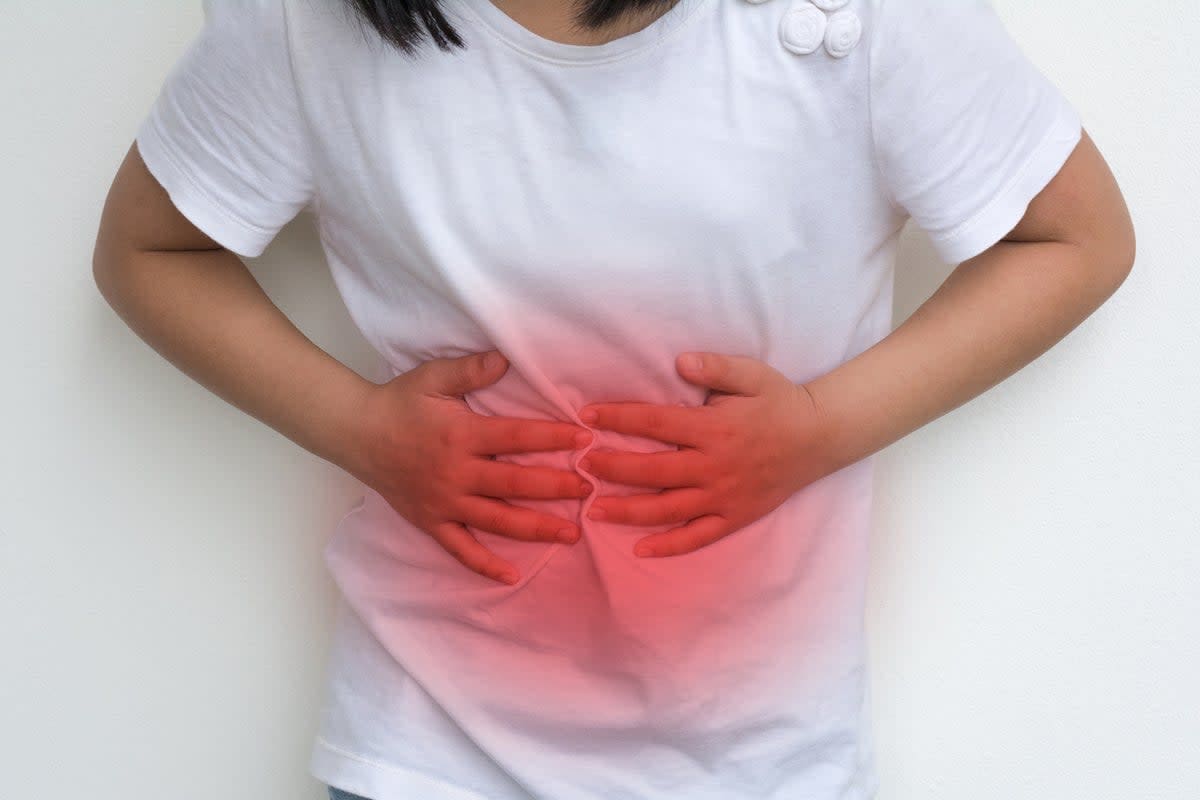
An epigastric hernia happens when tissue or fat bulges through a weak spot in the belly wall. This weak spot is between the lower ribs and the belly button. It often shows up as a small lump or bulge that can hurt or feel tender.
The Medical organization says this hernia is in the front of the belly, between the breastbone and belly button. Knowing the main symptoms, causes, and diagnosis facts is key for those with upper belly pain or a bulge above their belly button.
Liv Hospital is dedicated to top-notch, patient-centered care for hernia management. They use the latest methods and protocols.
Key Takeaways
- Understanding what an epigastric hernia is and its general characteristics.
- Recognizing the key symptoms associated with epigastric hernias.
- Identifying the causes and risk factors for developing an epigastric hernia.
- Learning about the diagnostic processes for epigastric hernias.
- Awareness of the management and treatment options available.
Understanding Epigastric Hernia: Definition and Anatomy

An epigastric hernia happens when tissue bulges through a weak spot in the belly wall. This weak spot is in the epigastric area. It’s found in the upper middle part of the belly, between the navel and the chest.
What Is an Epigastric Hernia?
An epigastric hernia is when belly contents, like fat or intestine, push through a weak spot in the belly wall. Medical News Today says a hernia happens when an organ or tissue bulges through a weak spot in the peritoneum. This can cause pain and discomfort, often when you’re active.
Anatomical Location and Structure
The epigastric region is between the xiphoid process and the umbilicus. This is where epigastric hernias happen. The area includes the linea alba, a fibrous structure that can have weaknesses or defects. These weaknesses can cause epigastric hernias.
Both men and women can get epigastric hernias. But, how they show up and how often they happen can differ between the sexes. Knowing the anatomy is key to diagnosing and treating this condition well.
How Epigastric Hernias Differ from Other Abdominal Hernias
Epigastric hernias are different from other belly hernias because of their location. Unlike umbilical hernias near the navel or inguinal hernias in the groin, epigastric hernias are in the upper midline of the belly.
| Hernia Type | Location | Common Causes |
| Epigastric Hernia | Upper midline of the abdomen | Congenital defects, increased abdominal pressure |
| Umbilical Hernia | Around the navel | Weakness in the abdominal wall, obesity |
| Inguinal Hernia | Groin area | Weakness in the inguinal canal, heavy lifting |
This difference is important for correct diagnosis and treatment planning. Knowing the unique traits of epigastric hernias helps doctors to tell them apart from other hernias. This helps in creating the right treatment plans.
7 Key Symptoms of an Epigastric Hernia
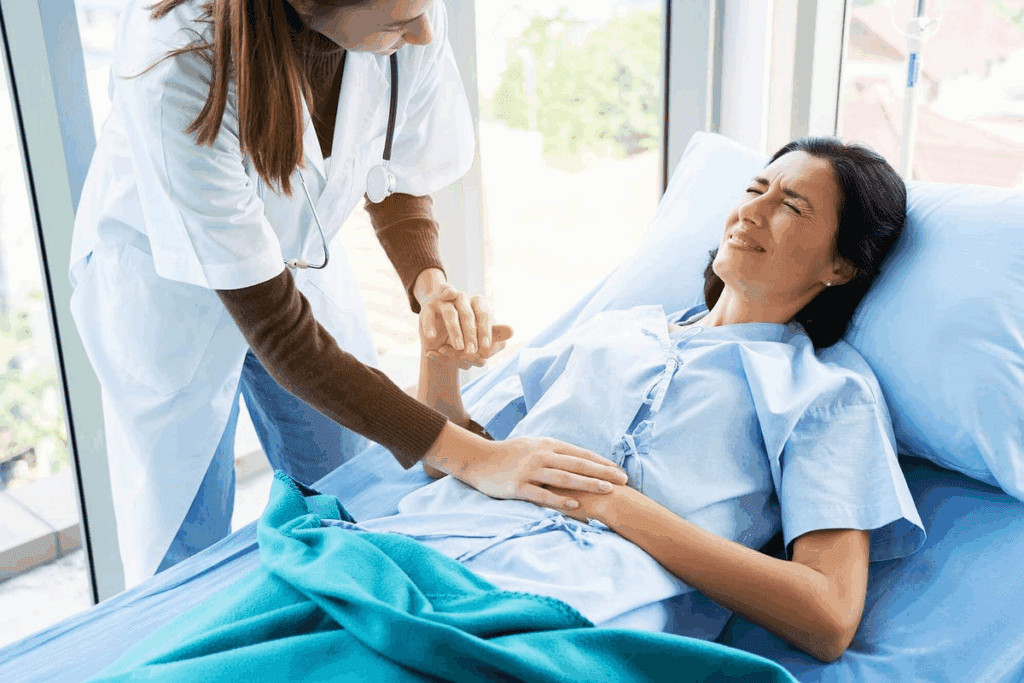
Epigastric hernias have seven main symptoms. These signs often show up in the upper belly area. They can change based on what you’re doing and how you’re standing.
Visible Bulge Above the Navel
A visible bulge or swelling above the navel is a clear sign. This bulge gets bigger when you cough, strain, or stand up. The Medical organization says a bulge is a key sign that might also feel like a mass.
Epigastric Pain and Discomfort
People with an epigastric hernia feel pain or discomfort in the middle of their belly. This pain can feel like a dull ache or sharp stabbing. How bad the pain is can depend on the size of the hernia and your health.
Pain During Physical Activity
Doing physical activities makes symptoms worse. You might feel more pain or discomfort when you exercise or lift heavy things. This is because these activities make your belly press harder, straining the hernia.
Tenderness Around the Hernia Site
The area around the hernia can be tender to the touch. This tenderness is a big clue that you might have an epigastric hernia.
Other signs include nausea, vomiting, and constipation, but these are less common. Seeing a doctor is key to getting a correct diagnosis and treatment.
“Early detection and treatment of epigastric hernias can significantly improve outcomes and reduce the risk of complications,” say medical experts.
Epigastric Hernia in Women: Specific Considerations
Understanding epigastric hernias in women involves looking at special factors. These include how hormones and body changes affect them. Women face unique challenges that can change how these hernias develop, feel, and are treated.
Pregnancy-Related Epigastric Hernias
Pregnancy raises the risk of getting an epigastric hernia. Medical News Today says the extra pressure in the belly can cause hernias. Hormonal shifts and the strain on the belly wall can make the tissue weak, leading to hernias.
Pregnant women with sharp belly pain or a bulge should get checked by a doctor. This is to avoid any serious problems.
Hormonal Influences on Abdominal Wall Integrity
Hormonal changes, like those in pregnancy, can weaken the belly wall. Progesterone can relax the belly muscles, making hernias more likely.
Epigastric Hernia Symptoms Unique to Females
Women may have symptoms of epigastric hernias that men don’t. For example, a hernia might feel like other belly problems related to women’s health. This can make symptoms harder to spot.
- Pain that gets worse with menstrual cycles
- Discomfort during pregnancy
- Bloating or discomfort that might be thought of as other gynecological issues
Treatment Considerations for Women
Treating epigastric hernias in women needs to think about their health, if they’re pregnant, and other things specific to women. Surgery is often needed, but when and how it’s done can depend on the person.
For pregnant women, it’s key to manage symptoms and watch the hernia closely. After the baby is born, a better treatment plan can be made.
Epigastric Hernia Symptoms in Males
Men often show different symptoms of epigastric hernias than women. This is because of their jobs and how much they exercise. Heavy lifting and hard work can make the belly pressure go up.
Common Presentation in Men
Men with epigastric hernias might see a bulge or swelling in their belly. They might also feel pain or discomfort, which gets worse when they’re active. Heavy lifting and strenuous activities often cause these symptoms.
Occupational Risk Factors
Jobs that are very physically demanding, like construction or sports, raise the risk of getting an epigastric hernia. Studies show that jobs that involve a lot of lifting or bending are riskier.
“Men who engage in heavy physical labor are at an increased risk of developing epigastric hernias due to the strain on their abdominal walls.”
Physical Activity and Sports-Related Symptoms
Doing sports that involve heavy lifting or sudden movements can make hernia symptoms worse. Sports like weightlifting, football, or wrestling can put extra pressure on the belly, making hernias more noticeable.
- Weightlifting
- Contact sports
- High-intensity interval training
When to Seek Medical Attention
If you’re a man with persistent or severe symptoms, you should see a doctor. Look out for signs like severe pain, vomiting, or a hernia that’s stuck or strangulated.
Early diagnosis and treatment can stop serious problems and help you feel better.
What Causes an Epi Hernia?
Knowing what causes epigastric hernias is key to preventing and treating them. These hernias are complex and influenced by many factors.
Congenital Factors
Certain birth defects can lead to epigastric hernias. Some people are born with weak spots in their abdominal wall. Research shows that these defects are a main cause of epigastric hernias, often in kids and young adults.
Increased Abdominal Pressure
High pressure in the abdomen also plays a big role. Activities or conditions that raise this pressure can cause hernias. Examples include heavy lifting, chronic coughing, or straining during bowel movements.
Obesity and Weight Fluctuations
Being overweight or experiencing big weight changes can also increase the risk. Extra weight puts more pressure on the abdominal wall. Rapid weight loss can weaken it too.
“Obesity is a known risk factor for various types of hernias, including epigastric hernias, due to the increased intra-abdominal pressure.”
Keeping a healthy weight is important to prevent hernias.
Aging and Tissue Weakening
As we age, our tissues, including those in the abdominal wall, weaken. This makes older people more likely to get an epigastric hernia. Aging tissues lose their elasticity and strength, making them more susceptible to herniation.
| Cause | Description | Risk Factor |
| Congenital Factors | Weakness in the abdominal wall present at birth | High |
| Increased Abdominal Pressure | Activities or conditions that increase pressure inside the abdomen | Moderate to High |
| Obesity and Weight Fluctuations | Excess body weight and rapid weight changes | Moderate |
| Aging and Tissue Weakening | Weakening of abdominal wall tissues with age | High |
By understanding these causes, people can take steps to lower their risk of getting an epigastric hernia.
Epigastric Hernia Diagnosis: Medical Approaches
To diagnose an epigastric hernia, doctors use a physical exam and imaging studies. Getting the diagnosis right is key for the right treatment.
Physical Examination Techniques
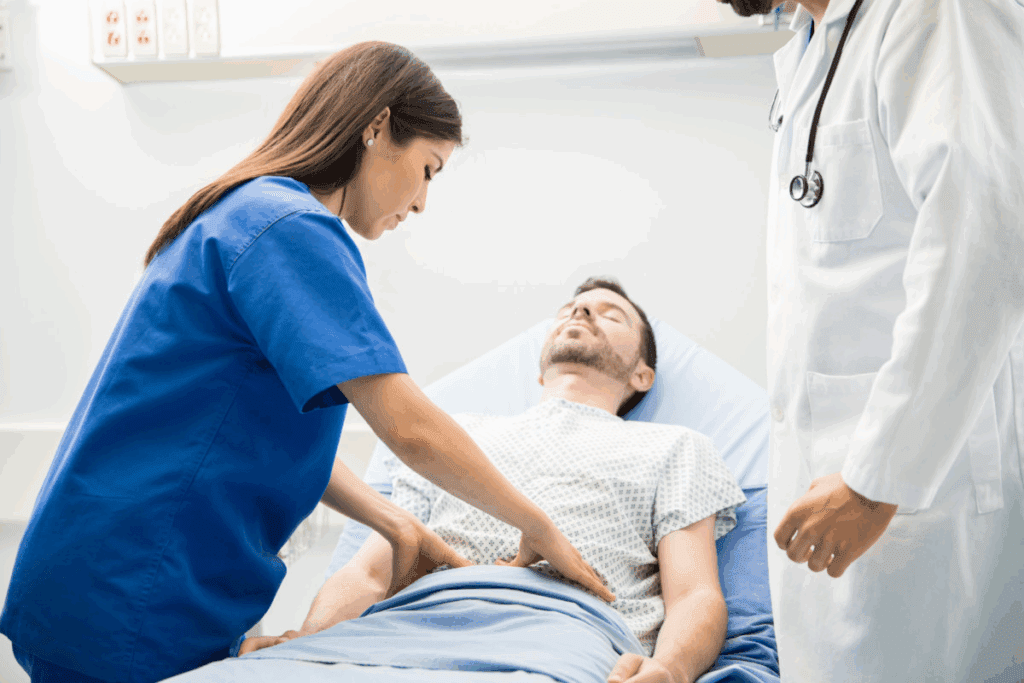
First, doctors do a physical exam to find an epigastric hernia. They check the belly for a bulge or tenderness. They might ask you to cough or strain to see it better.
Key aspects of the physical examination include:
- Visual inspection of the abdomen
- Palpation to detect any masses or areas of tenderness
- Assessment of the patient’s symptoms and medical history
Imaging Studies: Ultrasound and CT Scans
Imaging studies are vital to confirm an epigastric hernia. Ultrasound is often the first choice because it’s non-invasive and shows images in real-time. CT scans are used for more complex cases or when more info is needed.
Differential Diagnosis: Ruling Out Other Conditions
Differential diagnosis is important to rule out other conditions that might look like an epigastric hernia. This includes things like gastritis, peptic ulcers, or other hernias.
A detailed diagnostic process ensures the right diagnosis and treatment plan for the patient.
When to Consult a Specialist
If you think you might have an epigastric hernia or symptoms don’t go away, see a specialist. A gastrointestinal specialist or surgeon can give a clear diagnosis and suggest the best treatment.
Seeing a specialist early can help avoid serious problems and improve your health.
Comparing Epigastric and Umbilical Hernias
Epigastric and umbilical hernias are both abdominal hernias but differ in many ways. Knowing these differences is key for correct diagnosis and treatment.
Anatomical Differences
An epigastric hernia happens in the area between the navel and the breastbone. On the other hand, an umbilical hernia is found around the navel.
Medical News Today says umbilical hernias show as a bulge near the navel. This shows how these hernias are different.
Symptom Variations
Both hernias can show as a bulge, but symptoms differ. Epigastric hernias often hurt in the upper belly and get worse with activity. Umbilical hernias cause pain or discomfort around the navel.
Umbilical hernias might also cause bloating. This is because bloating can be a symptom of the hernia.
Can an Umbilical Hernia Cause Bloating?
Studies show umbilical hernias can lead to bloating. The discomfort from the hernia can show as bloating. So, yes, umbilical hernias can cause bloating in some people.
Diagnostic Distinctions
Diagnosing these hernias needs different methods because of their locations and symptoms. A physical exam is usually the first step. But, tests like ultrasound or CT scans might be needed to confirm the diagnosis.
In summary, epigastric and umbilical hernias are different types of abdominal hernias. They have different locations, symptoms, and ways to diagnose them. Understanding these differences helps doctors make the right diagnosis and treatment plans.
Complications and Risk Assessment
It’s important to know the risks of epigastric hernias to get help early. If not treated, these hernias can cause serious problems. They can affect your daily life and health.
Incarceration and Strangulation Risks
One big risk is incarceration, where tissue gets trapped. If not fixed, it can turn into strangulation. This is a serious issue where blood can’t reach the trapped tissue.
Strangulation is a medical emergency that needs quick surgery. It’s to save the tissue from dying.
Impact on Daily Activities
Epigastric hernias can make everyday tasks hard because of the pain. Even simple actions like bending can make it worse.
People with these hernias might have to change their daily habits. They should avoid activities that strain their belly to ease the pain.
Long-term Health Implications
Ignoring an epigastric hernia can lead to long-term issues. This includes chronic pain and more problems. The risk of serious complications like incarceration and strangulation stays if it’s not treated.
Watching the hernia closely and possibly needing surgery is key. It helps avoid long-term problems and keeps your life quality good.
When Surgery Becomes Necessary
Surgery is needed if the hernia gets complicated or causes a lot of pain. It fixes the hernia and makes sure it doesn’t come back.
Some surgeries use minimally invasive techniques. These are better because they have smaller cuts, less pain, and faster healing.
Conclusion: Managing Your Epigastric Hernia
Understanding epigastric hernia is key to managing it well. Knowing the symptoms and causes helps you choose the right treatment.
Managing this condition often means making lifestyle changes and getting medical help. Sometimes,
surgery is needed to fix the hernia and avoid serious problems like incarceration or strangulation.
It’s important to talk to a doctor about treatment options. They will look at your hernia and health to decide the best plan. This could be surgery or other treatments.
By being proactive, you can lower the risk of serious issues and live better. Knowing about your condition and treatment choices helps you make informed decisions for your health.
FAQ
What is an epigastric hernia?
An epigastric hernia is a type of hernia in the upper belly. It happens in the area between the navel and the breastbone.
What are the symptoms of an epigastric hernia?
Symptoms include a visible bulge and pain in the upper belly. You might also feel pain when you move or touch the area.
Can an epigastric hernia cause pain during physical activity?
Yes, moving around can make the pain worse. It can cause discomfort or pain.
Are epigastric hernias more common in women or men?
Both men and women can get epigastric hernias. But, pregnancy can make it more likely in women.
Can an umbilical hernia cause bloating?
Umbilical hernias don’t usually cause bloating. But, they can make you feel uncomfortable or in pain, which might lead to bloating.
What causes an epigastric hernia?
Several things can cause an epigastric hernia. These include weak spots in the belly, too much pressure, being overweight, and getting older.
How is an epigastric hernia diagnosed?
Doctors usually check you physically first. They might also use ultrasound or CT scans to help diagnose it.
What are the complications of an epigastric hernia?
Serious problems can happen. These include the hernia getting stuck or cut off, which can be very dangerous.
When should I seek medical attention for an epigastric hernia?
See a doctor if you have severe pain, can’t stop vomiting, or if the hernia gets stuck or cut off.
Can epigastric hernias be treated without surgery?
Sometimes, doctors might not need to operate. But, surgery is often needed to fix the hernia and avoid serious problems.
How do epigastric hernias differ from umbilical hernias?
Epigastric hernias are in the upper belly. Umbilical hernias are near the navel.
Are there any specific considerations for women with epigastric hernias?
Yes, pregnancy and hormonal changes can affect the belly. They might change how symptoms and treatment work for women.
References
ShrEstha, G. (2023). Spigelian hernia: A rare case presentation and review of literature. Journal of Surgical Case Reports. Retrieved from https://www.sciencedirect.com/science/article/pii/S2210261223002079