Last Updated on November 26, 2025 by Bilal Hasdemir

Optimal Size for Hernia Repairing: When to InterveneUnderstand epigastric hernia repair surgery, recovery time, and scar management best practices.
Abdominal wall defects can be fixed with epigastric hernia surgery. This method uses precise techniques and careful care to fix the wall.
Experts say taking good care of the hernia scar is key. It helps you heal faster, feel less pain, and avoid more problems. Liv Hospital, known for patient care, offers valuable tips for abdominal hernia surgery.
The surgery is often done on the same day. It uses a small cut over the defect. Then, either dissolvable stitches or a mesh is used to fix the wall.
Key Takeaways
- Epigastric hernia repair is a day procedure that restores abdominal wall integrity.
- Proper scar care is important for quick healing and fewer issues.
- Liv Hospital gives expert advice for abdominal hernia surgery.
- The surgery involves a small incision and dissolvable stitches or a mesh.
- Fixing the abdominal wall is essential for the surgery’s success.
Diagnosing Epigastric Hernias
To diagnose epigastric hernias, doctors use a mix of physical checks and imaging tests. Chennai Hernia Care says these steps are key for a correct diagnosis.
Physical Examination Process
The first step is a physical check. A doctor will feel the belly to look for any unusual lumps or bulges. They might ask you to cough or strain to see the hernia better.
Imaging Studies and Their Importance
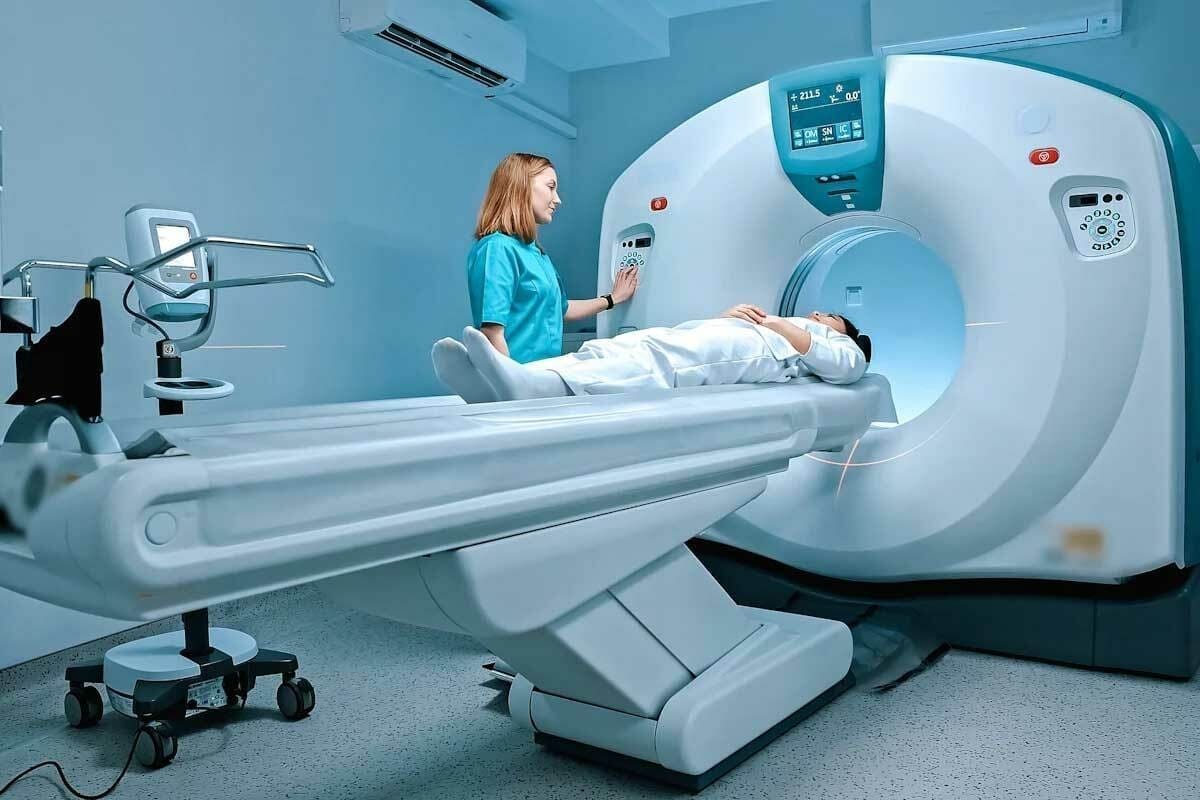
Even with a physical check, imaging tests are needed to confirm the diagnosis. Ultrasound and CT scans are common tools. They help see the hernia, its size, and any complications.
Differentiating from Other Abdominal Conditions
It’s important to tell epigastric hernias apart from other belly issues. A detailed check-up and imaging are needed for a precise diagnosis.
Before surgery, blood tests and imaging are done to plan. After surgery, caring for the scar is key for healing. It helps avoid complications and aids in a quick recovery.
What Is an Epigastric Hernia?
Knowing what an epigastric hernia is can help you spot symptoms and get medical help. It happens when part of the stomach bulges through the abdominal wall. This usually happens along the linea alba, from the breastbone to the navel.
Definition and Location Along the Linea Alba
An epigastric hernia is a bulge in the area between the navel and the rib cage. It happens through the linea alba, a strong band in the mid-abdomen.
Common Causes and Risk Factors
Epigastric hernias can be caused by weak muscles and high pressure in the abdomen. Being overweight, lifting heavy things, and family history can increase your risk.
Dr. Deepak Subramanian, a hernia expert, says, “Knowing why epigastric hernias happen can help you prevent them and get help early.”
Symptoms and When to Seek Medical Attention
Symptoms of an epigastric hernia include a bulge, pain, and tenderness. If you notice these, see a doctor to check for other issues and get the right treatment.
| Symptom | Description |
| Noticeable bulge or lump | A visible protrusion in the abdominal area |
| Discomfort or pain | Pain or discomfort in the abdominal region |
| Tenderness to the touch | The affected area is sensitive to touch |
In summary, epigastric hernias need quick medical care. By knowing what they are, why they happen, and their symptoms, you can get the right help and treatment.
Preoperative Assessment and Preparation
Before an epigastric hernia repair, a detailed preoperative assessment is key. This step is important to get ready for the surgery. It makes sure the patient is well-prepared.
Required Blood Tests and Medical Evaluation
A thorough medical check is needed to evaluate the patient’s health. This includes blood tests to find any health issues that might impact the surgery or recovery. Chennai Hernia Care says these tests help spot risks and prepare for them.
Medication Adjustments Before Surgery
Some medicines might need to be changed or stopped before surgery. It’s important to tell the doctor about all medicines, like blood thinners and supplements. Medication adjustments are vital to avoid problems during and after the surgery.
What to Expect the Day Before and Morning of Surgery
The day before surgery, patients usually get advice on what to eat and other preparations. On the surgery day, they follow specific rules about food, drinks, and medicine.
By following these instructions, patients can make their epigastric hernia operation go smoothly and successfully.
The Epigastric Hernia Repair Procedure
Epigastric hernia repair surgery is usually done as a day procedure. It uses a small incision or a laparoscopic approach. Dr. Steven Williams, a general surgeon, says the choice depends on the patient’s needs.
Open Surgical Technique: Step by Step
The open surgical technique involves a small incision over the hernia. The surgeon then closes the defect with dissolvable stitches or uses a mesh. This method works well for many patients, making the repair straightforward.
Laparoscopic Approach: Minimally Invasive Option
The laparoscopic approach uses several small incisions. This method leads to a quicker recovery and less pain. It’s great for patients at risk of complications from open surgery.
Anesthesia Options and Their Effects
Epigastric hernia repair can be done under local, regional, or general anesthesia. The choice depends on the patient’s health, the procedure’s complexity, and the surgeon’s advice. Knowing the effects of each anesthesia is key for patient comfort.
Choosing the right surgical technique and anesthesia is vital for a successful repair. Patients should talk to their surgeon to find the best option for them.
Recovery Timeline and Essential Tips
Patients who get an epigastric hernia repair need to know about the recovery timeline and post-op care. A good recovery means understanding the first few days, managing pain, and following activity rules.
Immediate Post-Op Period (First 48 Hours)
The first 48 hours after surgery are very important. Patients should rest and not do strenuous activities. Chennai Hernia Care says it’s key to watch for signs of problems like infection or severe pain during this time.
Rest and Relaxation: Make sure to rest a lot and don’t lift heavy or bend.
First Week Recovery Guidelines
In the first week, it’s important to follow certain rules for a smooth recovery. This includes taking care of the wound, following medication, and slowly getting back to normal activities.
- Keep the wound clean and dry.
- Take prescribed medications as directed.
- Gradually increase activity levels.
Pain Management Strategies
Managing pain well is key for a comfortable recovery. Ways to do this include taking medicine, resting, and using methods like deep breathing exercises.
Medication Adherence: Take pain medicine as your doctor tells you to.
Activity Restrictions and When to Resume Normal Functions
Knowing what activities to avoid is important to prevent problems. Patients should not lift heavy, bend, or do hard activities for a few weeks after surgery.
Gradual Return to Activities: Slowly start doing normal things again, as your doctor advises.
By following these recovery tips and guidelines, patients can have a good outcome and lower the chance of complications.
Epigastric Hernia Scar Care and Management
Scar care after epigastric hernia surgery is key to recovery. Chennai Hernia Care says wound care and scar management are vital for healing. Modern surgery leaves a small scar, thanks to new suture techniques.
Modern Suture Techniques for Minimal Scarring
Modern suture methods have made scars less noticeable. Surgeons use special stitches to reduce scar visibility.
Daily Wound Care Instructions
Keeping the wound clean and dry is essential. Wash it with mild soap and water. Always follow your surgeon’s wound care advice.
Scar Reduction Methods and Products
There are many ways to reduce scar appearance. Silicone gel sheets, scar creams, and massage can help. Always check with your surgeon before trying any products.
Timeline of Scar Healing and Maturation
Scar healing takes months to a year or more. At first, scars may look red and raised. But they will flatten and fade over time. Knowing this helps manage expectations and care for scars.
By following good scar care, patients can improve healing and reduce scar visibility after hernia repair.
Before and After: Visual Changes Following Repair
Fixing an epigastric hernia can make your belly look flatter and feel more comfortable. People often see big changes in how they look and feel after surgery.
Physical Appearance Improvements
Fixing an epigastric hernia can make your belly look better. Photos often show a more pleasing belly area after surgery. Chennai Hernia Care says many patients are happy with how they look after surgery.
Symptom Relief and Quality of Life Benefits
Patients also feel better because of the surgery. They get relief from pain and discomfort. This makes their life better, letting them do things they love again.
“The repair of epigastric hernia not only improves the abdominal appearance but also significantly enhances the patient’s quality of life by alleviating symptoms.”
Patient Satisfaction Statistics
Many patients are very happy with their surgery. More than 90% of patients are pleased with their results. They like how they look and feel better.
In short, fixing an epigastric hernia makes a big difference. It makes your belly look better, you feel better, and you’re very happy with the results.
Potential Complications and Risk Management
Understanding and managing risks is key to a successful epigastric hernia repair. Dr. Steven Williams says it’s important for patients to know about possible complications and warning signs.
Common Side Effects vs. Serious Complications
Patients might feel pain, swelling, or bruising after surgery. But, serious issues like infection, bowel obstruction, or hernia coming back can happen too. It’s vital to know the difference to get help quickly.
- Common side effects: pain, swelling, bruising
- Serious complications: infection, bowel obstruction, hernia recurrence
Hernia Recurrence: Causes and Prevention
Hernia coming back is a big worry after surgery. It can be due to bad closure, infection, or lifting too much. Surgeons focus on good surgery and care after to stop it from happening.
Warning Signs That Require Medical Attention
Watch out for signs that mean you need to see a doctor right away. Look for severe pain, vomiting, fever, or infection at the surgery spot. Catching these early can make a big difference.
- Severe abdominal pain
- Vomiting
- Fever
- Signs of infection at the surgical site
Risks like pain, bowel blockage, or hernia coming back show why quick surgery and good care after are so important. Knowing about these risks helps patients manage their recovery and get help when it’s needed.
Non-Surgical Management of Epigastric Hernias
Not all epigastric hernias need surgery right away. Sometimes, doctors might suggest non-surgical methods. This is for people who can’t have surgery or don’t want to.
When Surgery May Be Delayed or Declined
There are many reasons why surgery might be put off or not chosen. This includes the patient’s health, other medical issues, or personal reasons. In these cases, monitoring and managing symptoms is key.
Lifestyle Modifications to Reduce Symptoms
Changing your lifestyle can help manage epigastric hernias without surgery. Here are some tips:
- Keep a healthy weight to ease pressure on your belly
- Avoid heavy lifting or hard work
- Fix constipation with diet and drink more water
- Wear clothes that support your belly to feel better
Chennai Hernia Care says these changes can help lessen symptoms and make life better.
Monitoring for Changes or Complications
It’s important to keep an eye on your condition if you’re not having surgery. Look out for signs like more pain, a bigger hernia, or trouble breathing. Seeing your doctor regularly is a must to check on your health and adjust your care plan if needed.
Conclusion: Making Informed Decisions About Your Hernia Care
It’s key to empower patients to make smart choices about their hernia care. This helps them recover well and feel less pain. Chennai Hernia Care says that knowing your treatment options and care after surgery leads to better results.
Understanding how to get diagnosed, the surgery choices, and how to recover is important. This lets people take charge of their care. They can follow tips for caring for scars and know when to get help.
Being well-informed helps patients heal faster, feel less pain, and get the best from their treatment. By staying informed and involved, they can have a smoother recovery and a better life.
FAQ
What is an epigastric hernia?
An epigastric hernia is a type of hernia in the upper midline of the abdomen. It’s between the navel and the breastbone, along the linea alba.
What are the symptoms of an epigastric hernia?
Symptoms include a bulge or lump in the upper abdomen. You might also feel discomfort or pain, worse when coughing, straining, or lifting heavy objects.
How is an epigastric hernia diagnosed?
Diagnosis starts with a physical exam. Imaging studies like ultrasound or CT scans might be used to confirm the hernia’s presence and size.
What are the treatment options for epigastric hernias?
Treatment options include watchful waiting and lifestyle changes. Surgery is also an option, either open or laparoscopic.
What is the recovery time for epigastric hernia surgery?
Recovery time varies. Most people can get back to normal activities in a few weeks. Full recovery usually takes several months.
How can I manage pain after epigastric hernia surgery?
Managing pain involves medication, rest, and avoiding heavy lifting or strenuous activities.
What are the risks and complications of epigastric hernia surgery?
Risks include infection, bleeding, hernia recurrence, and adhesions, among others.
Can epigastric hernias be managed without surgery?
Yes, in some cases. Lifestyle modifications like weight loss, avoiding heavy lifting, and managing coughing or straining can help manage epigastric hernias.
What is the success rate of epigastric hernia repair?
The success rate is generally high. Most people see significant symptom relief and improved quality of life after repair.
How can I reduce scarring after epigastric hernia surgery?
Scar reduction methods include using silicone gel or sheeting, massage, and protecting the scar from the sun.
What is the difference between open and laparoscopic epigastric hernia repair?
Open repair uses a larger incision. Laparoscopic repair uses smaller incisions and a camera-guided approach.
Can I resume normal activities after epigastric hernia surgery?
Yes, most people can gradually resume normal activities. Avoid heavy lifting, bending, or strenuous activities for several weeks.
References
ShrEstha, G. (2023). Spigelian hernia: A rare case presentation and review of literature. Journal of Surgical Case Reports. Retrieved from https://www.sciencedirect.com/science/article/pii/S2210261223002079