Last Updated on November 26, 2025 by Bilal Hasdemir
Discover 7 key epigastric hernia symptoms and how they’re diagnosed by medical professionals.
It’s important to spot the symptoms of an epigastric hernia early. Look for a bulge or lump in your upper belly. Also, watch for pain or tenderness, and discomfort when you move around.
Liv Hospital provides top-notch, patient-focused care. Knowing what to look for and how to get diagnosed helps patients get the right help fast. Catching these symptoms early can make a big difference in treatment success.
Key Takeaways
- Identifying the symptoms of epigastric hernias is vital for early treatment.
- A bulge or lump in the upper abdomen is a common symptom.
- Pain or tenderness in the upper abdomen can indicate an epigastric hernia.
- Discomfort during physical activity is a significant symptom.
- Liv Hospital offers patient-centered care for hernia diagnosis and treatment.
Understanding Epigastric Hernias: Definition and Prevalence
To understand epigastric hernias, we need to know what they are and how common they are. These hernias happen in the area between the navel and the chest.
What Is an Epigastric Hernia?
An epigastric hernia is a hernia that happens when there’s a weak spot or hole in the peritoneum. This allows organs or tissues to bulge out. You can see a bulge or feel pain in the upper belly.
Key characteristics of epigastric hernias include:
- Location: Between the breastbone and the belly button
- Cause: Weakness or hole in the peritoneum
- Symptoms: Visible bulge, pain, or discomfort
How Common Are Epigastric Hernias?
Epigastric hernias are not as common as other types of hernias. They make up a small part of all abdominal hernias. About 2-4% of people have an epigastric hernia.
The number of people with epigastric hernias can change for many reasons, including:
- Age: More common in adults
- Gender: More frequent in men
- Genetic predisposition: Family history can play a role
Risk Factors for Developing an Epigastric Hernia
There are several things that can increase your chance of getting an epigastric hernia. Knowing these can help you see if you’re at higher risk.
Common risk factors include:
- Congenital weakness in the abdominal wall
- Increased intra-abdominal pressure
- Obesity and weight gain
- Previous abdominal surgeries
By knowing these risk factors, you can take steps to lower your chance of getting an epigastric hernia.
Epigastric Hernia Symptoms: 7 Key Signs to Recognize
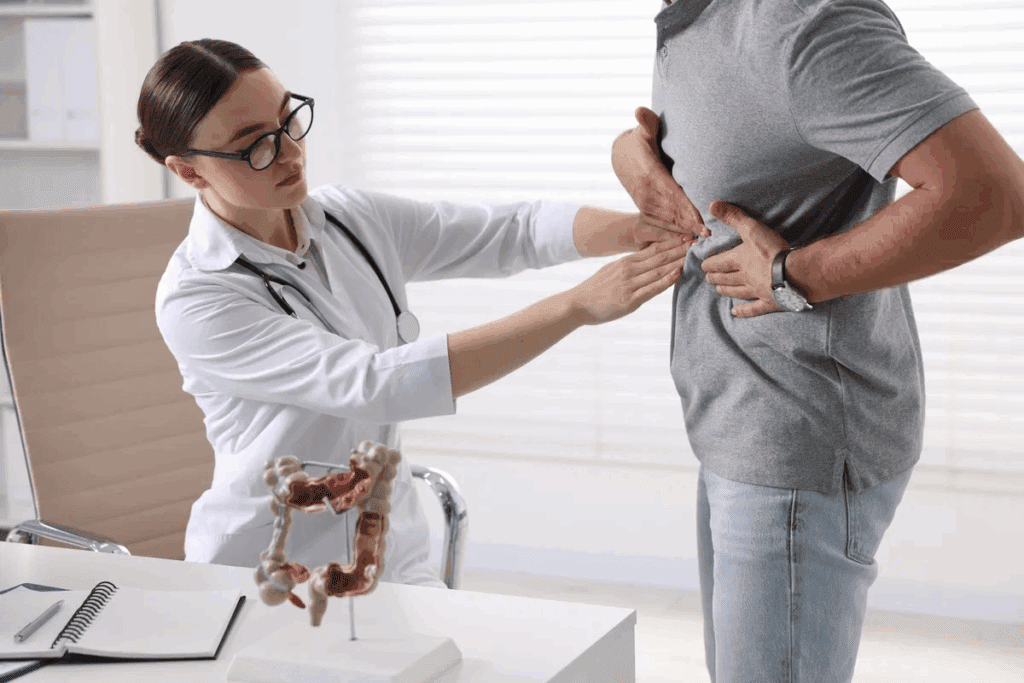
Knowing the common symptoms of epigastric hernias is key for early treatment. These hernias happen in the upper belly, between the navel and the breastbone. They show clear signs that patients should watch for to get medical help fast.
1. Visible Bulge in the Upper Abdomen
A bulge or lump in the upper belly is a common sign. This bulge might be more noticeable when you cough or strain.
2. Pain or Discomfort in the Epigastric Region
Pain in the upper belly is another important symptom. This pain can be mild or severe and may come and go.
3. Tenderness When Touching the Affected Area
The area around the hernia can feel tender. This tenderness is a big sign of an epigastric hernia, even with other symptoms.
4. Pain During Physical Activities
Pain when doing physical activities like lifting or bending is common. This pain happens because the hernia gets more pressure.
Doctors say catching these symptoms early can really help with treatment.
“Prompt diagnosis and treatment of epigastric hernias are key to avoid serious problems like hernia incarceration or strangulation.”
| Symptom | Description |
| Visible Bulge | A noticeable lump in the upper abdomen, more pronounced when coughing or straining. |
| Pain or Discomfort | Mild to severe pain in the epigastric region, which can be constant or intermittent. |
| Tenderness | The area around the hernia is sensitive to touch. |
| Pain During Activities | Pain experienced during physical activities like lifting or bending. |
It’s important to know these epigastric hernia symptoms for both men and women. While symptoms are similar, there are gender-specific things to consider. We’ll talk about those later in the article.
Epigastric Hernia Symptoms in Males: Common Presentations
It’s important to know the symptoms of epigastric hernias in males for early treatment. Males often get epigastric hernias. Knowing the signs helps doctors make better choices.
Typical Symptom Patterns in Men
Men with epigastric hernias may feel mild discomfort or severe pain. The usual signs include:
- Pain or discomfort in the upper abdomen
- Visible or palpable bulging in the epigastric region
- Tenderness to the touch
- Pain that gets worse with physical activities or heavy lifting
Palpable Bulging and Pain Characteristics
A bulge in the upper midline of the abdomen is common. It can be tender. The pain can be dull or sharp.
The type of pain can help doctors diagnose. For example, pain that gets worse with straining or lifting may mean an epigastric hernia.
Risk Factors Specific to Males
Several factors increase the risk of epigastric hernias in males. These include:
| Risk Factor | Description |
| Genetic Predisposition | Males with a family history of hernias are more likely to develop epigastric hernias. |
| Increased Intra-Abdominal Pressure | Activities or conditions that increase abdominal pressure, such as heavy lifting or obesity, can contribute to hernia development. |
| Previous Abdominal Surgeries | Males who have undergone previous abdominal surgeries may be at higher risk due to possible weaknesses in the abdominal wall. |
Knowing these risk factors and symptoms helps in early detection and treatment of epigastric hernias in males.
Epigastric Hernia in Women: Unique Symptom Considerations
Epigastric hernias in women can be tricky to spot. This often leads to late or wrong diagnoses. It’s key for doctors to know these special points to give the right care.
Subtle Presentation in Female Patients
Women with epigastric hernias might show signs that are not as clear as in men. A study in the Journal of Surgical Research found that diagnosing these hernias in women is hard because their symptoms are not as obvious.
“The subtlety of symptoms in female patients highlights the need for a detailed diagnostic process.”
This makes it harder for women to get help early, which can make treatment harder.
Pregnancy-Related Epigastric Hernias
Pregnancy can make epigastric hernias worse in women. The extra pressure inside the belly can cause or make a hernia bigger. Pregnant women with bad or lasting belly pain should get checked by a doctor to see if it’s a hernia.
Diagnostic Challenges in Women
Finding out if a woman has an epigastric hernia is tough. Symptoms are not always clear, and other belly problems can confuse things. Doctors need to use many tests, like physical checks and scans, to find the right diagnosis. They say, “Being very careful is key to spotting epigastric hernias in women, even more so when they’re pregnant.”
Knowing these special things helps doctors do better at finding and treating epigastric hernias in women. This leads to better health results for patients.
What Causes an Epigastric Hernia?
Epigastric hernias have many causes. They can come from weak spots in the belly wall or from other conditions. Knowing what causes them helps in preventing, diagnosing, and treating them.
Congenital Weakness in the Abdominal Wall
Congenital weakness in the belly wall is a main cause of epigastric hernias. This weakness can make people more likely to get a hernia, even without other risk factors.
Increased Intra-Abdominal Pressure
Increased intra-abdominal pressure also plays a big role. Things like heavy lifting, coughing, or straining can raise this pressure and increase the risk of a hernia.
Impact of Obesity and Weight Gain
Obesity and significant weight gain are also important factors. Extra weight puts more strain on the belly wall, making hernias more likely.
Previous Abdominal Surgeries
People who have had previous abdominal surgeries are at higher risk. Surgery can sometimes weaken the belly wall, making hernias more likely.
| Cause | Description | Risk Factor |
| Congenital Weakness | Inherent weakness in the abdominal wall | High |
| Increased Intra-Abdominal Pressure | Raised abdominal pressure due to various activities or conditions | Moderate to High |
| Obesity and Weight Gain | Excess weight straining the abdominal wall | Moderate |
| Previous Abdominal Surgeries | Weaknesses resulting from surgical interventions | Moderate |
Knowing the causes helps people take steps to prevent them. If symptoms show up, getting medical help can reduce risks of complications.
Diagnosing Epigastric Hernias: Medical Approaches
Diagnosing an epigastric hernia involves several steps. Doctors use a mix of clinical checks and tests to find and treat the issue. This method ensures a thorough diagnosis.
Physical Examination Techniques
The first step is a detailed physical check. Doctors feel the abdomen to look for bulges or tenderness. They might ask you to cough or strain to see the hernia better.
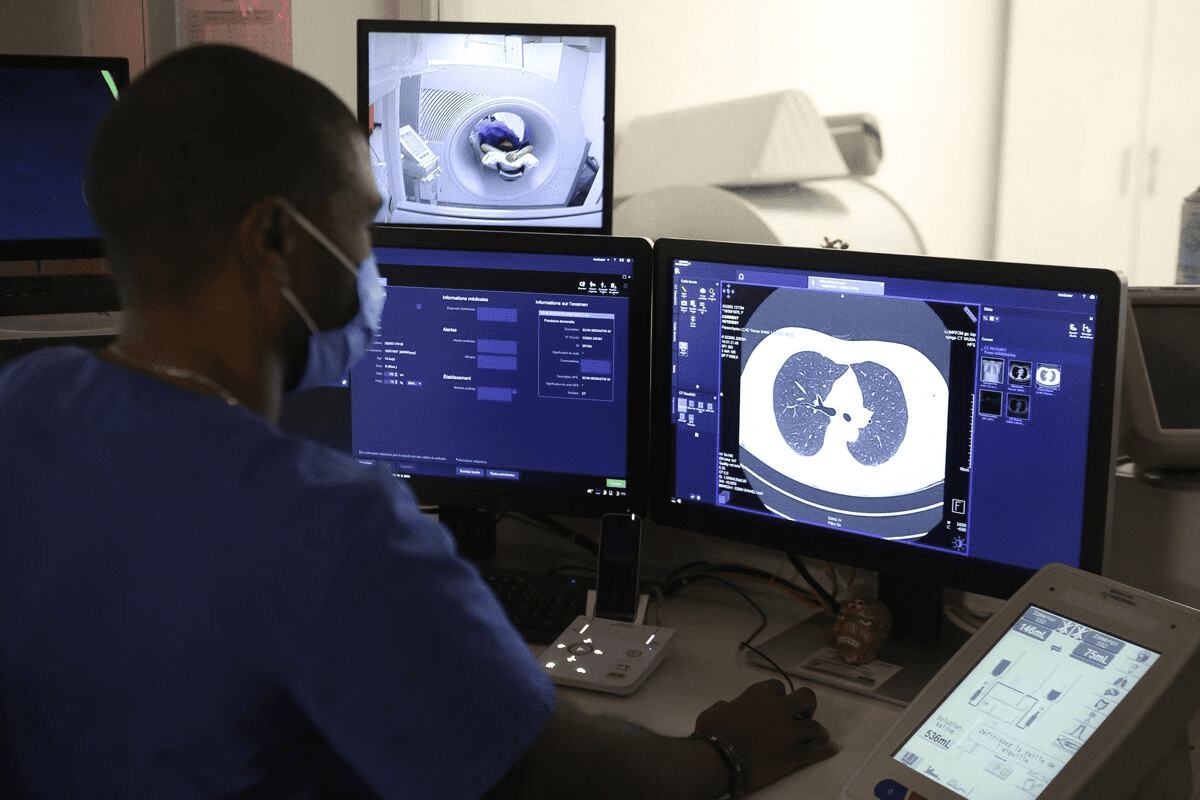
Imaging Studies for Confirmation
Even with a physical check, imaging tests are key to confirm the diagnosis. They help rule out other problems. The main imaging tools are:
- Ultrasound: Shows the hernia’s size and what’s inside.
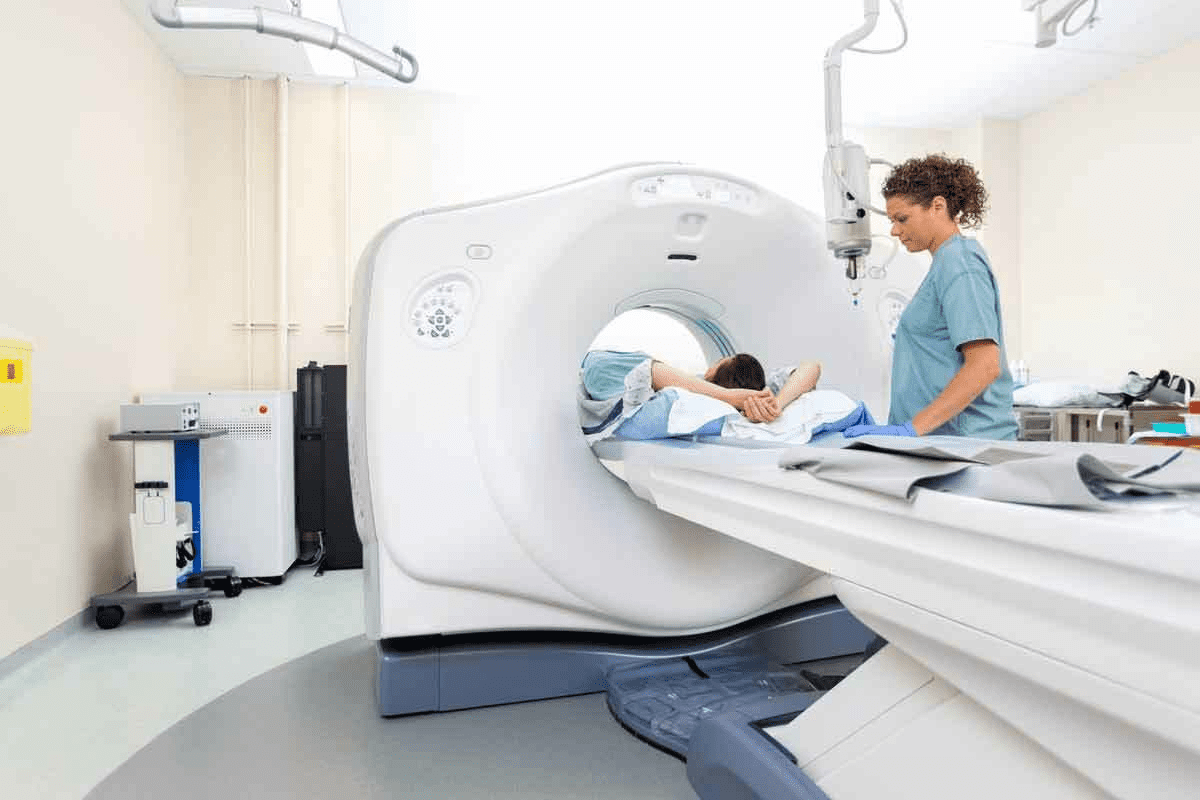
- Computed Tomography (CT) scan: Gives detailed views of the abdominal wall and can spot complications.
- Magnetic Resonance Imaging (MRI): Used in some cases to check the hernia and nearby tissues.
Differential Diagnosis: Ruling Out Other Conditions
It’s important to rule out other conditions when diagnosing epigastric hernias. Doctors must think of other issues like umbilical hernia bloating. A detailed diagnostic process ensures the right diagnosis and treatment.
| Diagnostic Method | Description | Advantages |
| Physical Examination | Initial assessment through palpation and patient history | Non-invasive, quick, and cost-effective |
| Ultrasound | Imaging technique using high-frequency sound waves | No radiation, real-time imaging, and relatively inexpensive |
| CT Scan | Detailed cross-sectional imaging using X-rays | Highly accurate, can detect complications, and provides detailed images |
Hernia Above the Belly Button: Epigastric vs. Umbilical Hernias
It’s important to know the difference between epigastric and umbilical hernias. They both happen in the belly area but need different treatments. Knowing the difference helps doctors give the right care.
Location and Anatomical Distinctions
Epigastric hernias happen in the area between the belly button and the breastbone. Umbilical hernias, on the other hand, are near the belly button. Where the hernia is located helps doctors figure out what it is and how to treat it.
Epigastric hernias are in the middle of the belly, between the navel and the xiphoid process. They often come from a weak spot in the belly wall. Umbilical hernias happen when part of the intestine bulges through a weak spot near the navel.
Symptom Variations Between Hernia Types
Epigastric hernias can cause pain in the upper belly, which gets worse with activity. Umbilical hernias might show as a bulge near the navel. Some people might feel pain or discomfort, but this is rare.
Does an Umbilical Hernia Cause Bloating?
Some people wonder if umbilical hernias cause bloating. Bloating isn’t a direct sign of an umbilical hernia. But, some might feel uncomfortable or full. This could be due to the hernia or other stomach problems.
Treatment Approach Differences
Treatment for epigastric and umbilical hernias varies. Some might just need to be watched, while others need surgery. The choice depends on the hernia’s size, symptoms, and the patient’s health.
In summary, knowing the difference between epigastric and umbilical hernias is key. This helps doctors give the right treatment. By understanding each type, doctors can create plans that fit each patient’s needs.
When to Seek Medical Attention for Epigastric Hernia Symptoms
Knowing when to see a doctor is important for epigastric hernias. These occur in the upper belly and can cause serious problems if not treated quickly.
Warning Signs That Require Immediate Care
Some symptoms mean you need to see a doctor right away. These include:
- Severe pain in the upper belly that spreads to the back
- Nausea and vomiting, which can cause dehydration and imbalance of electrolytes
- Hard time passing stool or gas, which might mean the bowel is blocked
- Fever, which could mean infection or inflammation
Complications of Untreated Epigastric Hernias
Not treating an epigastric hernia can lead to serious issues. These include:
- Incarceration, where the hernia gets stuck and can’t go back inside
- Strangulation, a serious problem where blood can’t reach the herniated tissue
- Bowel obstruction, which causes severe pain, vomiting, and constipation
These problems show why it’s key to see a doctor if symptoms don’t get better or get worse.
Preparing for Your Doctor’s Appointment
Getting ready for your doctor’s visit is a good idea. Here’s how:
- Write down your symptoms, when they started, and what makes them better or worse
- Make a list of any medicines you’re taking
- Think of questions to ask your doctor, like what’s causing your symptoms and what treatment you need
Being informed and ready helps you talk better with your doctor about your epigastric hernia symptoms.
Conclusion: Managing and Treating Epigastric Hernias
Managing epigastric hernias needs a full plan, looking at how bad the symptoms are and what each person needs. You can try watching it closely and making lifestyle changes. Or, you might need surgery.
Starting with watching the hernia and making lifestyle changes is often the first step. Sometimes, surgery is needed to stop problems and help feel better.
Every person’s situation is different when it comes to treating epigastric hernias. You need to think about the size of the hernia, your health, and what you prefer. Knowing the difference between epigastric and umbilical hernias helps pick the best treatment.
Learning about the causes, symptoms, and treatment options for epigastric hernias helps you make good choices. This can lead to better health and a better life.
FAQ
What is an epigastric hernia?
An epigastric hernia happens in the area between your navel and breastbone. It’s a type of hernia.
What are the symptoms of an epigastric hernia?
Symptoms include a bulge in the upper abdomen and pain. You might feel tenderness when touched. Activities can also cause pain.
Does an umbilical hernia cause bloating?
Yes, an umbilical hernia can lead to bloating. It also causes discomfort and pain in the stomach area.
What is the difference between an epigastric hernia and an umbilical hernia?
The main difference is where they occur. An epigastric hernia is in the upper abdomen. An umbilical hernia is near the belly button.
Can an epigastric hernia be diagnosed with a physical examination?
Yes, a doctor can diagnose an epigastric hernia with a physical exam. They use techniques like palpation to check for bulges or tenderness.
What are the risk factors for developing an epigastric hernia?
Risk factors include weak abdominal walls and increased pressure inside the belly. Obesity and past surgeries also increase the risk.
How are epigastric hernias treated?
Surgery is usually the treatment for epigastric hernias. It fixes the weak spot in the abdominal wall.
Can epigastric hernias cause complications if left untreated?
Yes, untreated epigastric hernias can lead to serious problems. These include incarceration or strangulation, which need emergency care.
Are epigastric hernias more common in men or women?
Both men and women can get epigastric hernias. But symptoms and presentation can differ between the sexes.
Can pregnancy cause an epigastric hernia?
Yes, pregnancy can increase the risk of an epigastric hernia. This is due to higher pressure inside the belly and other factors.
References
Pietrangelo, A. (2024). Managing weight loss after gallbladder removal. Medical News Today. Retrieved from