Last Updated on December 1, 2025 by Bilal Hasdemir

For those with seizure disorders, surgery can change their lives. Epilepsy surgery aims to cut down on seizures and boost life quality. It works best when seizures happen in one brain area.
Choosing seizure surgery means knowing the pros and cons. A big worry is if you’ll have to shave your head. The answer varies based on the surgery type and your health.
Key Takeaways
- Epilepsy surgery is considered when medication fails to manage seizures.
- The goal is to stop or limit seizures, improving quality of life.
- The type of surgery depends on the seizure’s location in the brain.
- Shaving the head may be required for some types of brain surgery.
- Understanding the risks and benefits is key before deciding.
Understanding Epilepsy and When Surgery Is Considered
It’s key to know about epilepsy and its types to find the right treatment. This might include surgery. Epilepsy is a brain disorder that causes seizures, affecting life quality.
What Is Epilepsy and How Does It Affect Patients?
Epilepsy impacts people differently, based on their seizures. Seizures can be convulsions, losing consciousness, or feeling out of it. It also brings emotional and mental challenges, so care must be all-encompassing.
When Medical Management Fails: Defining Refractory Epilepsy
Refractory epilepsy means two medicines didn’t work. This shows the epilepsy is hard to treat with usual meds. So, surgery might be needed.
The Decision Process for Surgical Intervention
Deciding on surgery involves looking at the patient’s history, seizure frequency, and current treatments. Tests and monitoring are key. They help decide if surgery could stop seizures.
| Factors Considered | Description |
| Medical History | Review of previous treatments and their effectiveness |
| Seizure Frequency | Assessment of how often seizures occur |
| Current Treatments | Evaluation of the effectiveness of ongoing treatments |
Understanding these points helps doctors choose the best treatment. This could lead to better results for patients.
Types of Epilepsy Surgery Procedures

There are many surgical options for people with epilepsy. These depend on where and how seizures happen. The main types are resective surgery, disconnection procedures, and neuromodulation techniques.
Resective Surgery Options
Resective surgery removes the brain area where seizures start. It’s used when the seizure spot is clear and can be safely taken out without harming the brain too much.
Temporal Lobectomy
Temporal lobectomy removes part of the temporal lobe. It’s often for people whose seizures start there.
Focal Resection
Focal resection removes the exact brain area where seizures happen. The aim is to cut down or stop seizures.
Disconnection Procedures
Disconnection procedures separate the seizure area from the rest of the brain. This method works for some patients.
Corpus Callosotomy
Corpus callosotomy cuts or clamps the corpus callosum. This is the main link between the brain’s hemispheres. It helps stop seizures from spreading between hemispheres.
Hemispherectomy
Hemispherectomy removes or disconnects one half of the brain. It’s usually for those with very severe seizures from one side.
Neuromodulation Techniques
Neuromodulation uses devices to control brain activity and reduce seizures. It’s considered for those who can’t have other surgeries.
A leading epileptologist says, “Choosing a surgery depends on the seizure’s location and type, and the patient’s health and history.”
“Surgical treatment of epilepsy needs a team effort. Neurologists, neurosurgeons, and others work together to find the best treatment for each patient.”
| Surgical Procedure | Description | Indications |
| Temporal Lobectomy | Removal of part of the temporal lobe | Seizures originating from the temporal lobe |
| Focal Resection | Removal of the seizure focus | Identifiable seizure focus |
| Corpus Callosotomy | Cutting or clamping the corpus callosum | Seizures spreading between hemispheres |
| Hemispherectomy | Removal or disconnection of one hemisphere | Severe seizures from one hemisphere |
Head Shaving Requirements for Different Epilepsy Surgeries

Modern epilepsy surgery uses many techniques, some without shaving the head. How the head is prepared can affect a patient’s choice and experience.
Traditional Approaches to Head Preparation
Traditionally, shaving the head was common for epilepsy surgery. This method is used for many procedures, mainly the more invasive ones.
Table: Comparison of Head Shaving Requirements for Different Epilepsy Surgeries
| Surgical Procedure | Head Shaving Requirement |
| Resective Surgery | Often requires shaving |
| Minimally Invasive Procedures | May not require shaving |
| Neuromodulation Techniques | Varies; sometimes minimal hair removal |
Factors That Determine Whether Shaving Is Necessary
Several factors decide if shaving is needed. These include the surgery type, where the seizure focus is, and the surgeon’s choice.
Managing Expectations About Hair Removal
It’s key to manage what patients expect about hair removal. They should know if shaving is likely based on their surgery.
Knowing about different epilepsy surgery methods helps patients make better choices. It’s about understanding the impact on their hair.
Modern Epilepsy Treatment Options and Innovations
The world of epilepsy treatment is changing fast. Now, there are many new options for patients. These options are designed to meet the needs of each person.
Medication-Based Approaches
Medicine is a big part of treating epilepsy. There are many drugs that can help control seizures. The right drug depends on the type of epilepsy, the patient’s age, and possible side effects.
Laser Interstitial Thermal Therapy (LITT)
LITT is a new surgery that uses a laser to kill brain tissue that causes seizures. It’s good for focal epilepsy, where seizures start in one part of the brain. This method has less recovery time than old surgeries.
Neurostimulation Devices
Devices like RNS and VNS are new ways to treat hard-to-control epilepsy. They send electrical signals to the brain to help reduce seizures. These devices are showing great promise.
Emerging Therapies
Scientists are always looking for new ways to treat epilepsy. Gene therapy, stem cell therapy, and new neurostimulation methods are being explored. These are early stages, but they offer hope for better treatments.
| Treatment Option | Description | Benefits |
| Medication-Based Approaches | Use of antiepileptic drugs to control seizures | Non-invasive, effective for many patients |
| Laser Interstitial Thermal Therapy (LITT) | Minimally invasive surgery using laser heat | Reduced recovery time, precise targeting of seizure focus |
| Neurostimulation Devices | Devices that deliver electrical impulses to the brain | Effective for reducing seizure frequency, adjustable settings |
These new treatments are big steps forward in fighting epilepsy. They give patients more options than old treatments. As research keeps going, we’ll see even more new ways to help people with epilepsy.
Pre-Surgical Evaluation and Planning
Before starting epilepsy surgery, patients go through a detailed pre-surgical evaluation. This step is key to see if they’re a good fit for the surgery. It includes various tests and monitoring to find the seizure source and check the patient’s health.
Diagnostic Tests and Monitoring
Diagnostic tests are vital in this evaluation. They help doctors and surgeons understand the patient’s epilepsy. This knowledge helps them plan the surgery.
Video EEG Monitoring
Video EEG monitoring is a key tool. It records brain activity for a long time. This helps find the seizure source and understand seizure patterns.
Neuroimaging Studies
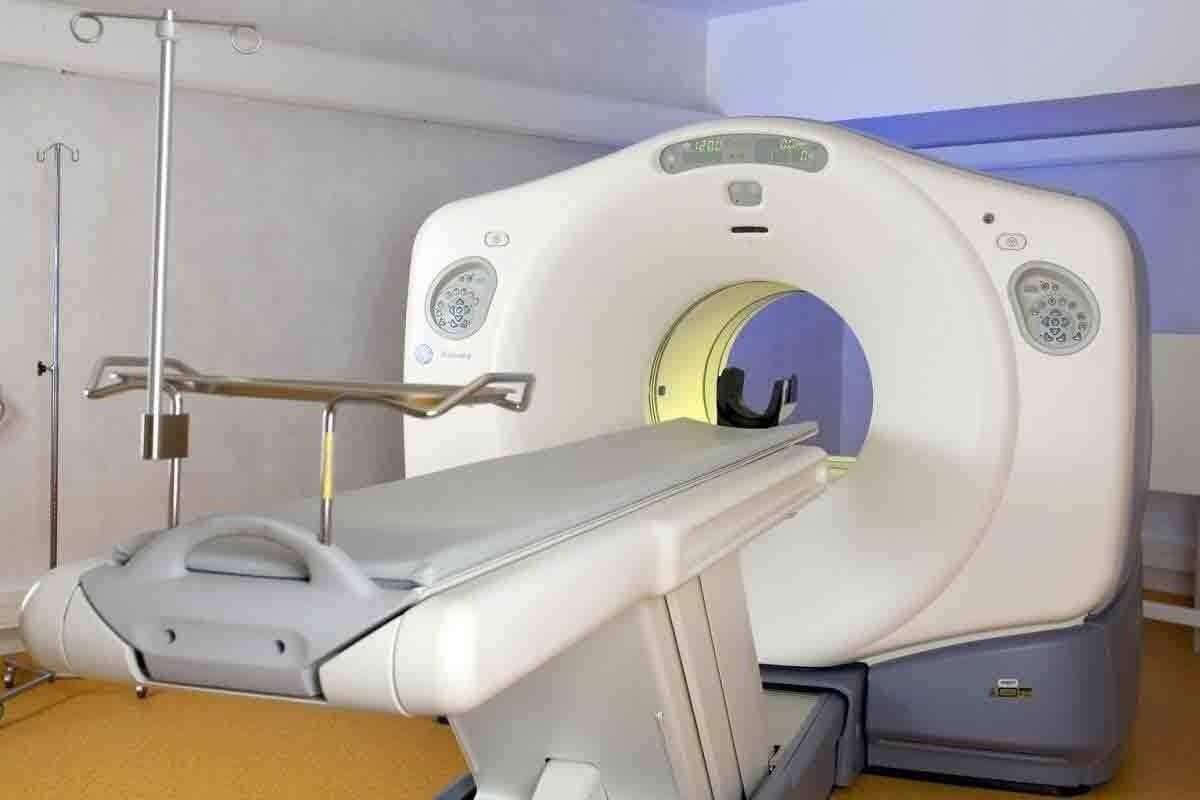
Neuroimaging studies, like MRI and CT scans, show the brain’s structure in detail. They help spot any brain issues that might cause seizures.
The WADA Procedure and Functional Mapping
The WADA procedure checks brain functions like language and memory. Functional mapping also helps pinpoint important brain areas.
| Diagnostic Test | Purpose | Benefits |
| Video EEG Monitoring | Identify seizure focus and patterns | Helps plan surgical approach |
| Neuroimaging Studies | Visualize brain structure | Identifies abnormalities causing seizures |
| WADA Procedure | Assess language and memory functions | Ensures safety of surgical approach |
SEEG (Stereoelectroencephalography) Monitoring
SEEG monitoring involves putting electrodes in the brain to record seizures. It gives important info about the seizure source. This helps plan the surgery.
In conclusion, pre-surgical evaluation and planning are essential for epilepsy surgery. By using different tests and monitoring, doctors can ensure the best results for patients.
The Day of Surgery: What to Expect
When patients get ready for epilepsy surgery, knowing what to expect can ease their worries. The day includes important steps to make sure the surgery goes well.
Pre-Operative Preparation
Preparation before surgery is key. It includes shaving the head if needed, giving anesthesia, and getting the patient ready for the surgery. This step is essential for the surgery’s success.
Anesthesia and Surgical Setup
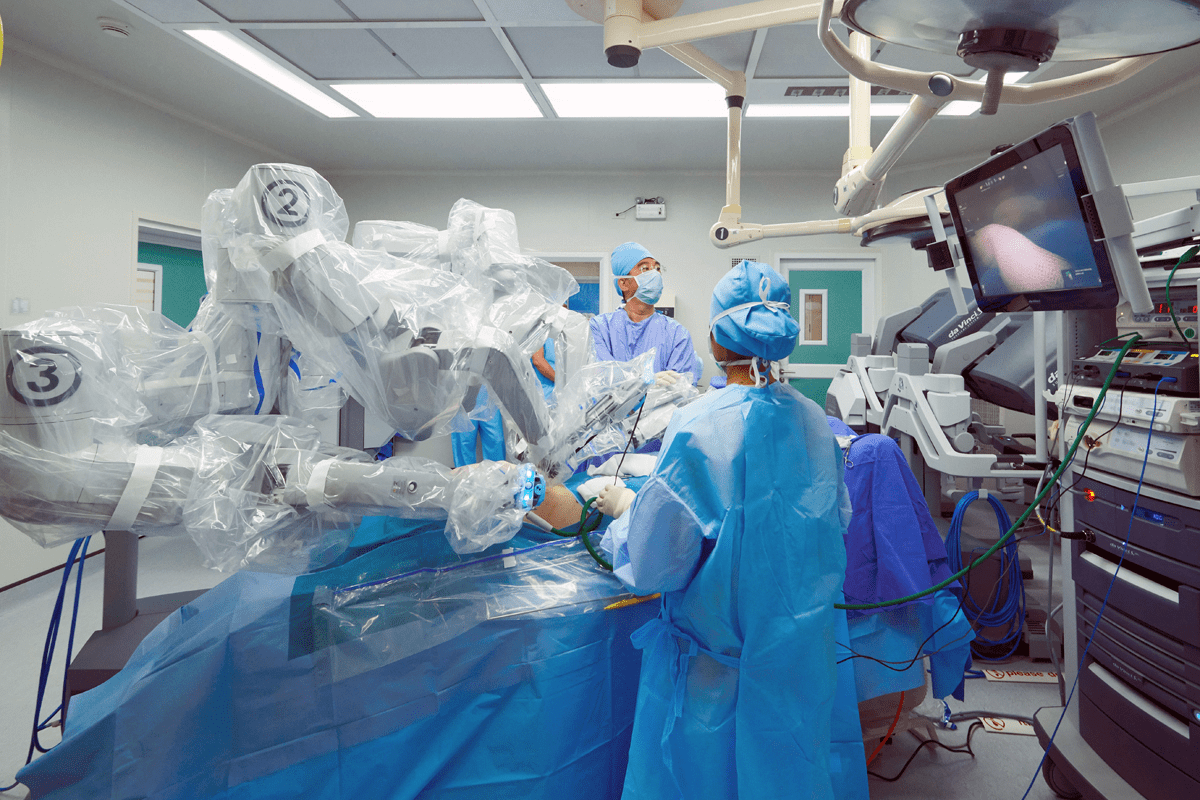
Anesthesia is given to keep the patient comfortable during the surgery. The surgical team then sets up the needed equipment. This includes EEG monitoring to make sure the surgery is done right.
Duration and Intraoperative Procedures
The surgery’s length can change based on how complex it is. Procedures like EEG monitoring are done during surgery. They help make sure the surgery is accurate and works well.
Family Support During Surgery
Having family support during surgery can really help. Knowing family is there and supporting them can make the patient feel more at ease.
Recovery and Post-Operative Care
After surgery for epilepsy, patients start a key recovery phase. They need close monitoring and care. This time is vital for handling any issues and helping them get back to normal life.
Immediate Recovery Period
Right after surgery, patients stay in the recovery area. Pain management is a top focus, with meds given as needed. The team also keeps an eye out for complications, like seizures.
Managing Post-Surgical Seizures
Seizures can happen after surgery, but they vary in frequency and intensity. Antiepileptic medications help manage these seizures. The team adjusts the meds to keep seizures low while watching for side effects.
Hair Regrowth and Scar Management
Patients who had to shave their heads for surgery can expect hair to grow back in a few months. To reduce scarring, they use special treatments and wound care. They also learn how to take care of their scalp during recovery.
Return to Daily Activities
As patients get better, they start doing more of their daily activities. How fast they return depends on their health and the surgery type. Some may need help from rehabilitation programs.
During recovery, patients get all-around care for their physical and emotional health. By handling seizures, managing pain, and guiding through recovery, doctors aim for the best results for those who had epilepsy surgery.
Success Rates and Outcomes of Epilepsy Treatment
Epilepsy treatment results vary, but many see better seizure control and life quality. The success of treatments, like surgery, is key for those with epilepsy.
Seizure Freedom Statistics
Many studies show that a lot of patients stop having seizures after surgery. Seizure freedom statistics show success rates depend on surgery type and patient condition. For example, resective surgery often leads to seizure freedom for many.
Quality of Life Improvements
Epilepsy treatment also boosts quality of life in big ways. Patients often feel better mentally, emotionally, and are more independent. These gains greatly improve daily life and happiness.
Potential Complications and Risks
Though surgery can be very effective, it comes with risks. These include infections, brain damage, and changes in thinking. Knowing these risks is vital for those thinking about surgery.
Long-term Prognosis After Surgery
The long-term outlook after surgery is usually good, with many staying seizure-free. But, it’s important to keep watching and might need to change treatment plans to keep success.
Living and Working with Epilepsy
Living with epilepsy means finding a balance every day. It affects work, social life, and mental health. People with epilepsy face challenges but can achieve their goals.
Employment Considerations and Legal Protections
The Americans with Disabilities Act (ADA) protects people with epilepsy at work. Employers must make reasonable changes to help them do their jobs well.
Well-Known People with Epilepsy
Many famous people have epilepsy and have not let it stop them. Prince Harry, Daniel Tammet, and Lil Wayne are examples. They share their stories to help others.
Support Resources and Communities
Support groups and online forums are great for people with epilepsy. They offer a place to share, get advice, and find support.
Psychological Aspects of Managing the Condition
Dealing with epilepsy also means handling its mental effects. Getting help for mental health is key to feeling better overall.
| Resource | Description |
| Epilepsy Foundation | Provides education, advocacy, and support services |
| Local Support Groups | Offers community and shared experiences |
| Online Forums | Platforms for discussion and advice |
Conclusion: Making Informed Decisions About Epilepsy Treatment
Understanding your treatment options is key when dealing with epilepsy. You need to look at different epilepsy treatment ways, like epilepsy surgery and other therapies.
Knowing the good and bad of each treatment option helps you choose better. Talking to doctors is important to find the right epilepsy treatment for you.
Learning about epilepsy surgery and other treatment options helps you make smart choices. This knowledge lets you manage your epilepsy better.
Good decision-making is vital for treating epilepsy well. By staying informed and working with doctors, you can get better results and feel better overall.
FAQ
Do you have to shave your head for epilepsy surgery?
It depends on the surgery type. Traditional surgeries might need head shaving. But, some newer methods might keep your hair.
What is refractory epilepsy?
Refractory epilepsy means seizures don’t stop with two medicines. It often leads to surgery.
What are the types of epilepsy surgery procedures?
There are many types. These include removing parts of the brain and using devices to control seizures.
What is resective surgery?
Resective surgery removes the part of the brain causing seizures. It can be a temporal lobectomy or focal resection.
What is the WADA procedure?
The WADA test checks language and memory before surgery. It helps doctors plan the best approach.
What is SEEG monitoring?
SEEG monitoring uses electrodes to track seizures. It helps find the focus of seizures.
Can epilepsy be cured with surgery?
Surgery can greatly improve life for many. But, results vary based on the individual.
What are the possible complications and risks of epilepsy surgery?
Risks include seizures after surgery, scarring, and neurological problems.
How long does it take to recover from epilepsy surgery?
Recovery involves watching for complications and managing pain. Patients slowly get back to normal.
Can you work with epilepsy?
Yes, many people with epilepsy work and live normally. With the right support, it’s possible.
What are the employment considerations and legal protections for individuals with epilepsy?
Laws protect against job discrimination. They also offer work accommodations for those with epilepsy.
Are there support resources and communities for people with epilepsy?
Yes, there are many resources and communities. They help with the emotional and practical sides of epilepsy.
What is the long-term prognosis after epilepsy surgery?
Most people see big improvements in seizures and life quality after surgery.
What are the modern epilepsy treatment options?
New treatments include medicines, LITT, devices, and new therapies.
What is Laser Interstitial Thermal Therapy (LITT)?
LITT uses laser heat to kill brain tissue causing seizures. It’s a less invasive option.
References
New England Journal of Medicine. Evidence-Based Medical Insight. Retrieved from https://www.nejm.org/doi/full/10.1056/NEJMra1110527