Last Updated on October 31, 2025 by
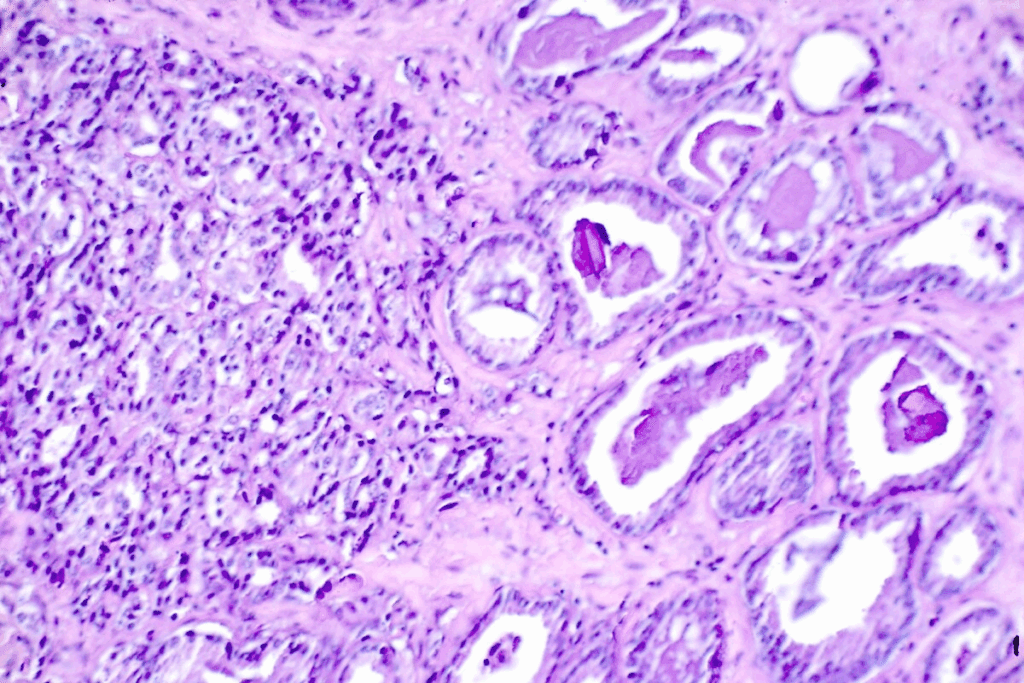
Prostate removal, or radical prostatectomy, is a surgery for prostate cancer. It can lead to erectile dysfunction as a side effect. Studies show many men face this issue after the surgery.Erection after prostate removal: Learn about the risks of post-prostatectomy erectile dysfunction and the available treatment and recovery options.
At Liv Hospital, we know men worry about how prostatectomy affects their sex life. Prostate cancer itself rarely causes erectile dysfunction. But treatments, like surgery, can. Thanks to new surgery methods and rehab plans, more men can regain their sexual health.
It’s key to know how prostate removal and erectile dysfunction are linked. We focus on giving care that’s informed and centered on the patient. This helps men understand the risks and the chances of getting their sex life back.
Key Takeaways
- Prostate removal can lead to erectile dysfunction.
- Modern surgical techniques improve the chances of regaining sexual function.
- Rehabilitation strategies play a critical role in recovery.
- Understanding the risks and possible treatments is vital for patients.
- Liv Hospital offers patient-focused care for men having prostatectomy.
Understanding Prostate Cancer and Radical Prostatectomy

Prostate cancer is a big health issue for men all over the world. It’s important to know about the disease and how to treat it. This knowledge helps men make good choices about their health.
What is Prostate Cancer?
Prostate cancer is a common cancer in men, mostly in older men. We don’t know exactly why it happens, but age, family history, and genetics are important. Because it often doesn’t show symptoms early, regular check-ups are key.
When is Prostate Removal Necessary?
Removing the prostate, or radical prostatectomy, is needed when cancer is found and hasn’t spread. This surgery takes out the whole prostate and some nearby tissue. The choice to have this surgery depends on the cancer’s stage, the patient’s health, and what they prefer.
Types of Prostatectomy Procedures
There are different ways to do a prostatectomy, each with its own benefits and things to think about. These include:
- Open Radical Prostatectomy: A traditional surgery with one big cut in the belly or behind the penis.
- Radical Laparoscopic Prostatectomy: A less invasive surgery with small cuts and a laparoscope for seeing inside.
- Robotic-Assisted Radical Prostatectomy: A laparoscopic surgery that uses a robot for better control and precision.
Knowing about these options helps men make better choices for their treatment. Each surgery has its own good points and possible downsides. The right surgery depends on the situation and the doctor’s advice.
The Connection Between Prostate Removal and Erectile Dysfunction

Prostate removal surgery can deeply affect a man’s sexual health, often leading to erectile dysfunction. The impact depends on the surgery method and the person’s health.
How Prostate Surgery Affects Sexual Function
Prostate surgery, or prostatectomy, removes the prostate gland, which is needed for treating prostate cancer. The surgery risks damaging nerves and tissues, affecting sexual function. Nerve-sparing techniques aim to reduce this risk, but results vary.
The thought of erectile dysfunction after prostate removal worries many. Research shows erectile dysfunction can start right after the surgery. Yet, nerve-sparing prostatectomy techniques can help keep erectile function.
The Role of Nerves in Erectile Function
The nerves around the prostate are key for erectile function. Damage to these nerves during surgery can lead to erectile dysfunction. It’s important to understand the anatomy and protect these nerves during surgery to lower ED risk.
“The preservation of neurovascular bundles during radical prostatectomy is a critical factor in maintaining erectile function post-operatively.”
Why ED Occurs After Prostatectomy
Erectile dysfunction after prostatectomy happens for several reasons, like nerve and blood vessel damage. Age, pre-existing erectile function, and surgery method are risk factors for ED after prostate removal.
Risk Factor | Description | Impact on ED Risk |
Age | Older men are at higher risk | Higher |
Pre-existing ED | Men with pre-existing erectile dysfunction | Higher |
Surgical Technique | Nerve-sparing vs. non-nerve sparing | Varies |
Understanding these factors and talking to your healthcare provider can help prepare for prostate removal surgery. This way, you can explore ways to keep your sexual function.
Statistics: How Common is ED After Prostate Removal?
Knowing the stats on erectile dysfunction after prostate removal helps men get ready for what might happen. ED is a big worry for men having prostate surgery. Research has given us good info on how common it is.
Current Research Findings
Studies show that many men face erectile dysfunction after prostate surgery. About 1 in 3 people who have a radical prostatectomy experiences a recurrence within 10 years. ED is also common after robotic prostatectomy. The risk of ED depends on the surgery method and the patient’s health.
Recent studies have looked at how common ED is after different prostate surgeries. For example, a study on robotic-assisted prostatectomy found it has benefits like quicker recovery. But, the risk of ED is a big concern.
Factors Affecting ED Risk
Several things can change the chance of getting erectile dysfunction after prostate surgery. These include:
- The surgery method, with nerve-sparing techniques lowering the risk.
- The patient’s age at surgery.
- The patient’s overall health and any health problems like diabetes or high blood pressure.
- The surgeon’s experience and skill.
Knowing these factors helps men and doctors make better choices about treatment.
Age-Related Considerations
Age is a big factor in the risk of erectile dysfunction after prostate surgery. Older men are generally at higher risk of ED because of less erectile function and more health problems. But, younger men can also face this risk, and it varies a lot.
Research shows age is key when talking about ED risk after prostate surgery. This info helps men of all ages understand their risk and make good choices about their care.
Modern Surgical Approaches to Reduce ED Risk
Modern surgery has changed how we treat prostate cancer, making it less likely to cause erectile dysfunction. New techniques have made prostate surgery better, improving life after surgery for men.
Nerve-Sparing Techniques
Nerve-sparing surgery is a big step forward in treating prostate cancer. It helps keep nerves around the prostate intact, which boosts chances of keeping erectile function. “The preservation of neurovascular bundles is a key factor in reducing the risk of ED after prostatectomy.” Research shows men who get this surgery do better with erections than those who don’t.
Robotic-Assisted Prostatectomy
Robotic-assisted prostatectomy is another big leap. It’s a less invasive surgery that uses robots for better precision and quicker recovery. The robots help surgeons do complex tasks more accurately, lowering the chance of ED.
“Robotic-assisted laparoscopic radical prostatectomy has been shown to result in improved erectile function recovery compared to traditional open surgery.”
Surgeon Experience and Outcomes
The surgeon’s experience is key for good results after prostate surgery. More experienced surgeons do better with nerve-sparing and robotic-assisted surgeries, leading to fewer ED cases. “The skill and expertise of the surgeon play a vital role in the success of modern surgical approaches to prostate cancer treatment.” It’s important for patients to find surgeons with a strong track record in these areas.
By using nerve-sparing, robotic-assisted surgery, and skilled surgeons, we’ve made big progress in lowering ED risk for prostate cancer patients.
Erection After Prostate Removal: What to Expect
The journey to regain erectile function after prostate surgery is complex. It varies from person to person. Knowing the recovery timeline is key for managing expectations and making informed decisions about care.
Immediate Post-Surgery Period
Right after prostate removal surgery, most men face some erectile dysfunction. This is normal because the surgery affects nerves and blood vessels around the prostate. Swelling and trauma to the area also play a role in erectile function.
Short-Term Recovery (1-6 Months)
In the first six months after surgery, some men start to see improvements in erectile function. This is a critical time as the body heals and swelling goes down. The amount of improvement varies based on the surgery type, age, and health.
Men may notice some improvement in erectile function during this time. It’s important to be patient and not get discouraged by the slow recovery.
Long-Term Recovery (6-24 Months)
From six to twenty-four months after surgery, many men see significant improvements in erectile function. Studies show that nearly all men with intact nerves see big improvements in a year. The recovery can take up to two years or more for some.
Factors like nerve preservation during surgery, pre-surgery erectile function, and post-surgery rehabilitation programs affect long-term recovery. Working closely with healthcare providers is key to a personalized recovery plan.
We know the recovery journey is tough, but with the right support, many men regain satisfactory erectile function. It’s vital for patients to work with their healthcare providers to develop a personalized recovery plan.
Recovery Timeline and Factors Affecting ED Recovery
Many patients worry about when they can get back to normal after prostate surgery. Understanding how long it takes to recover and what affects it is key. This helps us see the journey ahead.
Average Recovery Timeframes
Studies say most men can get erections good enough for sex in 6 to 12 months. But, everyone is different. Being patient and setting realistic goals is important.
Research also shows some men might see better erections up to 24 months after surgery. Working with your doctor to track your progress and adjust plans is vital.
Individual Factors Affecting Recovery
Many things can change how long it takes to get back to normal. These include:
- Age at surgery
- Sex life before surgery
- General health and other health issues
- The type of surgery done (like nerve-sparing)
- The surgeon’s experience
Knowing these factors helps both patients and doctors tailor recovery plans.
Signs of Improving Erectile Function
As you get better, you might notice a few things. These signs include:
- Spontaneous erections, even if not strong enough for sex
- Better morning erections
- Working better with erectile dysfunction meds
- More firm erections during sex
Seeing these signs can keep you hopeful and motivated. It’s important to talk openly with your healthcare team about your journey.
Treatment Options for ED After Prostatectomy
Dealing with erectile dysfunction after prostate surgery is tough. But knowing the treatments available can offer hope and guidance. Erectile dysfunction (ED) is common after prostate surgery. There are many effective ways to help men regain their sexual function.
Oral Medications (PDE5 Inhibitors)
Oral medications, like PDE5 inhibitors, are often the first choice for ED after prostate surgery. These drugs increase blood flow to the penis, helping to get and keep an erection. Sildenafil (Viagra), tadalafil (Cialis), and vardenafil (Levitra) are common ones. But, how well they work can vary based on the surgery’s impact on nerves.
Injectable Therapies
For those who don’t get better with oral meds, injectable therapies are an option. These involve injecting a drug directly into the penis to cause an erection. Alprostadil is a drug often used for this. While they work, they can cause side effects like pain and priapism. Yet, they are a good choice for many.
Vacuum Erection Devices
Vacuum erection devices (VEDs) are another choice for ED after prostate surgery. They work by creating a vacuum around the penis, drawing blood in, and then using a ring to keep the erection. VEDs are easy to use and can be effective. But, some men might find them awkward or uncomfortable.
Penile Implants
For a more lasting solution, penile implants are an option. These are surgically put in and can be semi-rigid or inflatable. Inflatable ones are more common and let for a more natural erection. Though surgery is needed, many users and their partners are very happy with them.
Knowing about the different treatments can help men make better choices. It’s key to talk to a healthcare provider to find the best option based on individual needs and health.
Treatment Option | Description | Key Considerations |
Oral Medications (PDE5 Inhibitors) | Increase blood flow to the penis to achieve an erection | Effectiveness varies; possible side effects include headache and flushing |
Injectable Therapies | Direct injection into the penis to induce an erection | Can cause pain and priapism; requires proper dosing |
Vacuum Erection Devices | Non-invasive; creates vacuum to draw blood into the penis | Can be cumbersome; constriction ring must be used carefully |
Penile Implants | Surgically implanted devices for erection | High satisfaction rate; requires surgical procedure |
We are dedicated to providing full care and support for men dealing with erectile dysfunction after prostate surgery. By understanding the treatment options, men can start the journey to regain their sexual health and overall well-being.
Penile Rehabilitation Programs: Improving Outcomes
Penile rehabilitation programs are key in post-prostatectomy care. They aim to restore erectile function and enhance patient outcomes. These programs help men overcome erectile dysfunction (ED) after prostate removal surgery.
What is Penile Rehabilitation?
Penile rehabilitation uses treatments to restore erectile function and promote penile health after prostatectomy. The goal is to help men regain their sexual function and improve their quality of life. These programs combine medications, lifestyle changes, and other therapies tailored to each patient’s needs.
Components of Effective Rehabilitation
Effective penile rehabilitation programs take a multi-faceted approach. Key components include:
- Oral medications such as PDE5 inhibitors to enhance erectile function
- Vacuum erection devices to promote blood flow
- Penile injections or intraurethral suppositories to stimulate erections
- Lifestyle modifications, including diet and exercise, to improve overall vascular health
The specific components and their intensity can vary based on the patient’s condition and response to treatment.
When to Start Rehabilitation
The timing of penile rehabilitation is critical. Early initiation of rehabilitation programs, typically within a few weeks to months after surgery, is often recommended. Starting early can help maximize the chance of recovering erectile function.
Evidence for Effectiveness
Many studies show penile rehabilitation programs improve erectile function after prostatectomy. A review of clinical trials and research findings is presented in the table below:
Study | Intervention | Outcome |
Montorsi et al. (2009) | PDE5 inhibitors + vacuum device | Significant improvement in erectile function |
Rainato et al. (2013) | Penile injections | Improved erectile function in 70% of participants |
Salonia et al. (2012) | Combination therapy (PDE5 inhibitors + injections) | Enhanced recovery of spontaneous erections |
The evidence supports penile rehabilitation programs as a standard of care for patients undergoing prostatectomy. These programs offer hope and improved outcomes for men facing erectile dysfunction after surgery.
Conclusion: Living a Fulfilling Life After Prostate Removal
Men who have had their prostate removed can live a happy life. They can manage erectile dysfunction and other side effects well. Modern treatments and rehab programs help many regain their sexual function.
Knowing about prostate removal’s effects and treatment options is key. This helps patients manage their condition and improve their life quality. By focusing on prostate cancer survivorship, men can face treatment challenges and live a healthy, active life.
Managing erectile dysfunction is vital for a fulfilling life after prostate removal. With proper care and support, men can overcome prostate cancer treatment challenges. They can then enjoy a high quality of life, living a fulfilling life after prostate removal.
FAQ
Does removing the prostate cause impotence?
Yes, removing the prostate can cause erectile dysfunction in many men. The risk depends on age, health, and the surgery method.
What is the likelihood of erectile dysfunction after prostate surgery?
Erectile dysfunction is common after prostate surgery. Modern surgery methods aim to lower this risk.
How does prostate removal affect sexual function?
Prostate removal surgery can harm sexual function, leading to erectile dysfunction. The nerves around the prostate are key for erections, and damage can cause ED.
Can I have an erection after prostate removal?
Many men can get erections after prostate surgery. The chance of regaining erectile function depends on age and health.
What are the treatment options for erectile dysfunction after prostatectomy?
Treatments for erectile dysfunction after prostate surgery include oral drugs, injections, vacuum devices, and implants.
How long does erectile dysfunction last after prostate surgery?
Erectile dysfunction recovery time varies. Immediately after surgery, most men face some ED. Long-term recovery can take up to 24 months or more.
What is penile rehabilitation, and how can it help?
Penile rehabilitation aims to improve sexual health after prostate surgery. It combines medications, lifestyle changes, and other interventions to help restore erectile function.
Are there any factors that affect the risk of erectile dysfunction after prostate removal?
Yes, age, health, and surgery technique can affect erectile dysfunction risk after prostate removal.
Can nerve-sparing techniques reduce the risk of erectile dysfunction?
Yes, nerve-sparing techniques can lower erectile dysfunction risk. They aim to protect nerves critical for erections.
How does the experience of the surgeon impact outcomes?
A surgeon’s experience is key for better outcomes after prostate surgery. More experienced surgeons tend to have lower ED rates.
References
- Reimer, R. P., Engels, R., & Huizinga, W. (2021). Manual kidney stone size measurements in computed tomography: How accurate are they? Scientific Reports, 11, Article 15881. https://www.nature.com/articles/s41598-021-95962-z