Last Updated on December 3, 2025 by Bilal Hasdemir

Many men worry about how prostate surgery will affect their sex life. A lot of men are concerned about keeping their ability to get an erection. We want to help by addressing these worries. Can you get erection after prostatectomy? Learn about nerve-sparing surgery, recovery timeline, and treatment options.
The link between prostate removal and keeping an erection is not simple. Even though the prostate is important for men’s health, losing it doesn’t mean you can’t get an erection anymore. Many things can affect your ability to get an erection after surgery.
Key Takeaways
- Prostate removal surgery can impact erectile function, but it’s not the sole determining factor.
- Several factors influence the ability to achieve an erection after surgery.
- Understanding the effects of prostate removal on sexual health is important for patients.
- Maintaining open communication with healthcare providers is key to addressing concerns.
- There are various options available to support erectile function post-surgery.
The Relationship Between the Prostate and Erectile Function
The prostate and erectile function are closely linked, both in structure and function. This connection is key for men facing prostate surgery. It affects their sexual health and ability to have erections after surgery.
Anatomical Connection Between Prostate and Sexual Function
The prostate gland is near the nerves and blood vessels that control erections. The nerves for erections are very close to the prostate. This makes them at risk during surgery. It shows how important it is to be careful during surgery to protect these nerves.
How Normal Erections Occur Physiologically
Erections happen through a mix of nerves, blood vessels, and hormones. It starts with sexual arousal, sending signals to the penis’s blood arteries. These arteries widen, letting more blood flow in. At the same time, the veins squeeze, keeping the blood in, causing an erection.
| Process | Description |
| Sexual Arousal | Signals sent through nerves to arteries supplying the penis |
| Arterial Dilation | Increased blood flow into the penis |
| Venous Compression | Blood trapped in the penis, resulting in an erection |
Understanding how the prostate and erectile function are connected helps men. It’s important for those facing prostate surgery. Knowing this can help set realistic hopes and find ways to keep or regain erectile function after surgery.
Common Reasons for Prostate Removal
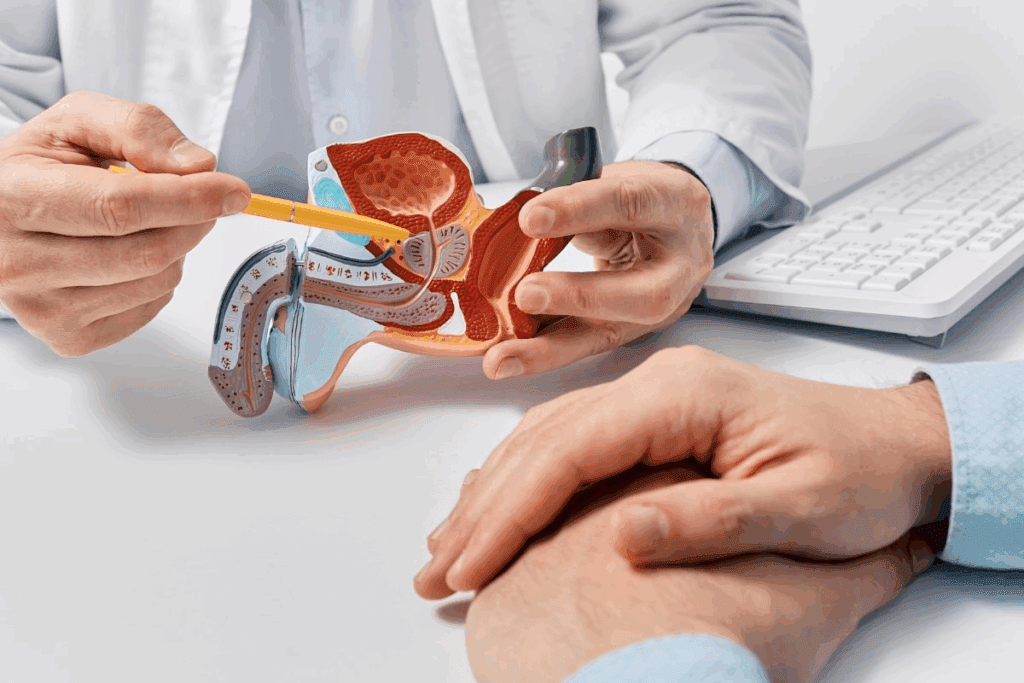
Prostate removal is needed for several health issues, with prostate cancer being a big concern. The surgery to remove the prostate gland, called prostatectomy, is a big choice for men with certain conditions.
Prostate Cancer as Primary Indication
Prostate cancer is a main reason for removing the prostate. When a man is diagnosed with prostate cancer, several factors decide if he should have surgery. These include the cancer’s stage and how aggressive it is, and the man’s overall health. Nerve-sparing procedures are often used to help keep sexual function and improve recovery.
For early-stage prostate cancer, treatments like active surveillance or less invasive options might be chosen. But for more advanced or aggressive cancer, surgery is often the best choice. The goal is to remove the cancerous prostate gland, which could help improve survival chances.
Other Medical Conditions Requiring Prostatectomy
Other health issues can also lead to the need for prostate removal. These include:
- Benign Prostatic Hyperplasia (BPH) – an enlarged prostate that causes big urinary problems.
- Prostatitis – inflammation of the prostate gland, which can be either chronic or acute.
- Prostate stones or calcifications.
In some cases, surgery is considered when other treatments for these issues don’t work. The choice to have surgery depends on weighing the benefits against the risks. This includes thinking about how it might affect sexual function and urinary control.
It’s important for men facing this decision to understand the reasons for prostate removal and what to expect. The impact on sexual function recovery and overall quality of life should be talked about with a healthcare provider. This helps make a well-informed choice.
Types of Prostatectomy Procedures and Their Impact

Different prostatectomy techniques can have different effects on a patient’s recovery and erectile function. It’s important for patients and healthcare providers to understand these differences. This knowledge helps in making informed decisions.
Radical vs. Partial Prostatectomy
Radical prostatectomy removes the entire prostate gland and some surrounding tissue. It’s often used when cancer is found. Partial prostatectomy removes only the affected part, potentially saving more tissue and nerves.
The choice between radical and partial prostatectomy affects recovery time and erectile function. Radical prostatectomy is more invasive, leading to longer recovery times and possibly more impact on erectile function.
Nerve-Sparing Procedure Benefits
Nerve-sparing prostatectomy aims to preserve nerves around the prostate important for erections. This method can greatly benefit patients by potentially reducing the impact on their erectile abilities post-surgery.
Research shows that patients who have nerve-sparing procedures tend to have better erectile function recovery rates. This makes nerve-sparing a key consideration for patients concerned about maintaining their sexual health.
Robotic vs. Traditional Surgical Approaches
Robotic surgery has introduced a new approach to prostatectomy procedures. Robotic-assisted prostatectomy offers greater precision and minimal invasiveness compared to traditional open surgery.
| Aspect | Robotic Prostatectomy | Traditional Prostatectomy |
| Precision | High precision due to robotic assistance | Precision dependent on surgeon’s skill |
| Invasiveness | Minimally invasive | More invasive, larger incision |
| Recovery Time | Generally shorter | Can be longer due to larger incision |
| Erectile Function Impact | Potentially less impact due to precision | May have more significant impact |
The table shows robotic prostatectomy’s advantages, including potentially shorter recovery times and less impact on erectile function. This makes it a preferred option for many patients.
Erection After Prostatectomy: What to Expect
Knowing how prostatectomy affects erections is key after surgery. This surgery removes the prostate gland, often for cancer or other issues. It’s a lifesaving move but can harm a man’s sex life.
Immediate Post-Surgery Erectile Challenges
Right after surgery, most men face erectile dysfunction, or post surgery impotence. This happens because the nerves and tissues around the prostate get hurt. Some men might lose all ability to get an erection, while others see a big drop in quality.
The nerves that control erections need time to heal. Erectile nerve healing is slow, taking months to years. These nerves are fragile and can get damaged, causing problems with getting an erection.
Key Factors Affecting Initial Recovery
Many things can affect how well a man recovers from prostatectomy. These include:
- The surgery method, with nerve-sparing being better.
- Age, with younger men recovering faster.
- How well a man could get an erection before surgery.
- Other health issues, like diabetes or heart disease, which can slow healing.
Knowing these factors and the healing of erectile nerve healing helps set realistic goals. It also guides the choice of treatments to help recovery.
The Science of Nerve Damage and Recovery
It’s important for patients to know how prostatectomy affects their sex life. Nerve damage during surgery can impact recovery and sex function. We’ll look at how surgery affects nerves and how nerves heal naturally.
How Surgery Affects Erectile Nerves
During prostatectomy, nerves that control sex are at risk. These nerves are close to the prostate and can get hurt during surgery. The damage’s extent depends on the surgery method and the patient’s body.
Nerve-sparing techniques try to reduce damage. But, some injury can happen. This damage can lead to erectile dysfunction after surgery.
Natural Nerve Healing Process
The body can heal damaged nerves, but it takes time. After prostatectomy, nerves can grow back, helping sex function return.
The healing process has several steps:
- Nerve regeneration: Nerves start to grow back.
- Axonal sprouting: New nerve endings form from the damaged area.
- Reinnervation: The new nerves start working again.
| Stage | Description | Timeline |
| Nerve Regeneration | Nerves begin to regrow and reconnect | 0-6 months |
| Axonal Sprouting | New nerve endings grow from the damaged area | 6-12 months |
| Reinnervation | Newly grown nerves start to function again | 12-24 months |
Good aftercare and penile rehabilitation therapy can help nerves heal. Knowing about nerve damage and healing helps patients make better choices for their care.
Realistic Timeline for Erectile Function Recovery
Knowing how long it takes to recover from erectile function after prostatectomy is key. The journey involves both physical and emotional healing. We’ll walk you through what to expect in the short and long term.
Short-Term Expectations (0-6 months)
Right after prostatectomy, many see a big drop in erectile function. This is because the surgery can hurt nerves and tissues. It’s important to be patient and know that some erectile dysfunction is normal during this time. Focus on healing and look into erectile aid options to manage the issue.
- Doctors might give PDE5 inhibitors to help with erections.
- Starting penile rehabilitation programs is also advised. This could include vacuum devices or injections.
Long-Term Recovery Patterns (6-24 months)
After the first six months, the chance for natural recovery of erectile function grows. The nerves can heal, and some men see improvements in their erections. Recovery times vary, but some men regain full function within a year or two.
- Regular check-ups with doctors are key to track progress and adjust treatments.
- Living a healthy lifestyle, like eating well and exercising, helps recovery.
- Trying different erectile aid options can also help manage issues during recovery.
Understanding the recovery timeline and exploring aid options helps patients deal with prostatectomy’s challenges. Our aim is to offer full support, ensuring patients get the best results.
Penile Rehabilitation Therapy Protocols
Penile rehabilitation therapy helps men regain erectile function after prostate surgery. It combines different treatments to aid in recovery.
Early Intervention Strategies
Starting therapy early is key. We suggest beginning as soon as surgery is done. This can include oral erectile medications to help with erections and healing.
The right timing and type of treatment are important. Early therapy can lead to better results and faster recovery.
Recommended Rehabilitation Exercises
Exercises like pelvic floor exercises, or Kegels, are helpful. They strengthen muscles involved in erections. Other non-invasive methods also improve blood flow and healing.
Doing these exercises regularly can help men regain control over their erections. It’s important to stick to a routine and make these exercises a part of your daily life.
Clinical Evidence for Rehabilitation Effectiveness
Many studies show penile rehabilitation therapy works well. Injection therapy erections have been shown to greatly improve outcomes for men after prostate surgery.
Research supports a multi-faceted approach. This includes oral medications, injection therapy, and exercises. This strategy can lead to the best results for men.
Oral Medications for Post-Prostatectomy ED
Oral medications are a common treatment for erectile dysfunction after prostate surgery. They are a non-invasive option for men with ED after a prostatectomy.
PDE5 Inhibitors: Treatment Options
PDE5 inhibitors, like sildenafil (Viagra) and tadalafil (Cialis), are used to treat erectile dysfunction. They increase blood flow to the penis during sexual stimulation. This helps men achieve and maintain an erection.
The success of PDE5 inhibitors can vary. This depends on the extent of nerve damage during surgery and the patient’s overall health.
Success Rates with Oral Medications
Studies show that PDE5 inhibitors can help many men with post-prostatectomy ED. But success rates differ based on whether nerve-sparing surgery was done.
| Treatment | Nerve-Sparing Surgery | Success Rate |
| PDE5 Inhibitors | Yes | 50-70% |
| PDE5 Inhibitors | No | 20-40% |
For those who don’t respond to oral medications, other treatments like penile implant surgery or vacuum erection devices are options. These alternatives provide more ways to manage ED.
It’s important for patients to talk to their healthcare provider about treatment options. This helps find the best approach for their situation.
Injection and Mechanical Therapies
Injection and mechanical therapies are effective for erectile dysfunction after prostate surgery. They help men regain their sexual function and intimacy. This is key for their overall well-being and sex life after prostate cancer.
Intracavernosal Injection Therapy
Intracavernosal injection therapy involves injecting medication into the penis to induce an erection. It’s effective for men with erectile dysfunction after prostate surgery. The medication, prostaglandin E1, relaxes the smooth muscle and increases blood flow.
Many men find this treatment effective, despite the initial hesitation. It’s important to follow a healthcare provider’s guidance to adjust the dosage and minimize side effects.
Vacuum Erection Devices: Usage and Effectiveness
Vacuum erection devices (VEDs) are used to treat erectile dysfunction. A VED is placed over the penis and uses a pump to create a vacuum. This draws blood into the penis, inducing an erection.
VEDs are non-invasive and can be used with other treatments. They are good for men who can’t or don’t want to use medication. The key is proper fitting and following the manufacturer’s instructions.
| Treatment | Effectiveness | Side Effects |
| Intracavernosal Injection Therapy | Highly effective for inducing erections | Potential pain, priapism, and fibrosis |
| Vacuum Erection Devices | Effective for inducing erections with proper use | Petechiae, bruising, and numbness |
| Intraurethral Suppositories (MUSE) | Less effective compared to injections but viable | Potential burning sensation, pain |
Intraurethral Suppositories (MUSE)
Intraurethral suppositories, known as MUSE, involve inserting a small pellet into the urethra. The active ingredient, alprostadil, increases blood flow to the penis, facilitating an erection.
MUSE is less common than injections but is an option for those seeking a less invasive method. Its effectiveness can vary, so it’s important to follow a healthcare provider’s guidance.
Maintaining intimacy after surgery is vital for men and their partners’ emotional and psychological well-being. Exploring these treatment options can significantly improve their quality of life and sexual health after prostate surgery.
Surgical Solutions for Persistent Erectile Dysfunction
When other treatments for erectile dysfunction fail, surgical options like penile implants can help. Dealing with erectile dysfunction is tough. It’s key to look at all possible solutions.
Penile Implant Types and Procedures
Penile implants are a common treatment for erectile dysfunction. There are mainly two kinds: semi-rigid and inflatable.
- Semi-rigid implants keep you always erect.
- Inflatable implants let you have a natural erection, which many prefer.
Choosing between these depends on what each patient needs. Our team helps decide the best option for you.
Patient Satisfaction and Success Rates
Most patients are happy with penile implants. Many studies show they feel better about their sex life.
| Implant Type | Satisfaction Rate | Complication Rate |
| Semi-rigid | 85% | 10% |
| Inflatable | 90% | 5% |
“The decision to get a penile implant was life-changing. It restored my confidence and intimacy with my partner.” – A patient testimonial.
Knowing about the different implants and their results helps patients make better choices. We aim to give full care and support every step of the way.
Lifestyle Modifications to Improve Sexual Health Recovery
Healthy habits can greatly help in recovering sexual function after prostate surgery. By making lifestyle changes, people can boost their erectile health. This supports the healing process.
Exercise Regimens for Erectile Health
Exercise is key for heart health, which affects erectile function. It boosts blood flow, lowers stress, and improves overall health.
- Aerobic Exercises: Walking, cycling, or swimming can boost heart health and help with erections.
- Pelvic Floor Exercises: Kegels strengthen muscles that support erections, helping in recovery.
- Resistance Training: Building muscle through exercises can improve health and sexual function.
A study in the Journal of Sexual Medicine found exercise helps men recover from prostate surgery (1).
Dietary Approaches to Support Recovery
Eating a balanced diet with fruits, veggies, whole grains, and lean proteins supports health and recovery. Some nutrients are good for erectile health.
| Nutrient | Food Sources | Benefit |
| Antioxidants | Berries, leafy greens | Reduces oxidative stress |
| Omega-3 Fatty Acids | Salmon, walnuts | Improves heart health |
| L-Arginine | Nuts, seeds, fish | Enhances blood flow |
As noted by a
“A diet rich in fruits, vegetables, and whole grains can help improve erectile function by increasing blood flow and heart health.”
Eliminating Harmful Habits (Smoking, Excessive Alcohol)
Smoking and too much alcohol harm erectile health. Quitting smoking and drinking less can help recovery.
- Smoking Cessation: Quitting improves blood flow and heart health, aiding in erectile function recovery.
- Moderating Alcohol: Drinking less can improve sexual health and overall well-being.
By making these lifestyle changes, people can actively improve their sexual health recovery. It’s important to talk to healthcare professionals for a personalized plan.
Psychological Aspects of Sexual Function Recovery
Recovering from prostate surgery is not just about the body. It’s also about the mind. We face many mental challenges that affect our sex life.
Managing Performance Anxiety
After prostate surgery, many men struggle with performance anxiety. This anxiety can make it hard to have an erection. To overcome this, we should start slowly and focus on being close with our partner, not just on sex.
Talking openly with our partner is key. Sharing our feelings helps us rebuild our connection. Knowing that treatments like a nerve-sparing procedure can help is also important.
Depression and Its Impact on Recovery
Depression is another big challenge after prostate surgery. The changes in sex life and the stress of recovery can make us feel sad and hopeless. It’s important to recognize these signs and get help.
Staying active and eating well can help fight depression. So can support from family and friends. Joining support groups can also be very helpful.
When to Seek Professional Mental Health Support
Some men can handle the mental challenges of recovery on their own. But others might need professional help. If anxiety or depression won’t go away, it’s time to see a mental health expert.
A mental health professional can offer ways to deal with anxiety and depression. This can greatly improve our overall well-being and sex life. Remember, asking for help is a big part of getting better.
Partner Communication and Maintaining Intimacy
Keeping intimacy alive with your partner is key after prostate surgery. Recovery is not just about getting better physically. It’s also about keeping your emotional connection strong.
Having Productive Conversations About Sexual Changes
Talking openly with your partner about changes can ease worries and make your bond stronger. Share your feelings, worries, and hopes about sex and closeness.
Alternative Forms of Sexual Expression and Pleasure
Trying new ways to be intimate can keep things exciting. This might include sensual massages, oral play, or just enjoying each other’s company.
Penile rehabilitation therapy can help with getting back to normal. It might include medicines, devices, or other methods to help heal and regain sexual function. Talking about these with your doctor and partner can make them part of your recovery plan.
| Aspect | Description | Benefit |
| Open Communication | Discussing feelings and expectations with your partner | Reduces anxiety, strengthens relationship |
| Alternative Intimacy | Exploring non-penetrative sexual activities | Maintains emotional and physical closeness |
| Penile Rehabilitation Therapy | Using treatments to aid in erectile function recovery | Promotes healing, restores sexual function |
Real-World Recovery Stories and Outcomes
Real-world recovery stories can give hope and insight to patients going through prostatectomy. These stories show the challenges and successes men face in getting their erectile function back after surgery.
Case Studies of Successful Erectile Function Recovery
Many case studies show the possibility of recovering erectile function. For example, a 55-year-old man had a nerve-sparing prostatectomy. He got his erectile function back in 12 months with penile rehabilitation therapy. Another case was a 60-year-old man who used oral medications and vacuum devices to get erections in 18 months after surgery.
These stories show how important a personalized recovery plan is. It depends on the patient’s needs and how they react to different treatments.
“I was skeptical at first, but the penile rehabilitation program really made a difference. I was back to normal within a year.”— John, aged 58
Common Themes in Patient Experiences
Looking at many patient experiences, we find common themes for successful recovery. These include:
- Starting penile rehabilitation therapy early
- Following the treatment plan closely
- Having a positive mindset and support from partners
- Using a mix of treatments (like oral meds and vacuum devices)
| Recovery Factor | Impact on Erectile Function |
| Nerve-sparing surgery | Significantly improves chances of natural erections |
| Penile rehabilitation therapy | Enhances recovery of erectile function |
| Combination therapy | Increases success rates for achieving erections |
Understanding these common themes helps healthcare providers create better recovery plans. This way, they can support patients in achieving the best possible outcomes.
Conclusion
Recovering erectile function after prostatectomy is complex and varies from person to person. We’ve looked at the factors that affect erectile health after prostate surgery. This includes the initial challenges and the treatment options like therapy, oral meds, and surgery.
Understanding these factors and staying positive can help patients on their recovery path. It’s key for patients to work with their healthcare team. Together, they can create a recovery plan that fits the patient’s specific needs.
In conclusion, while the road to regaining erectile function is tough, there are many resources and treatments out there. With the right support and approach, many men see big improvements in their erectile health.
FAQ
Can you get an erection without a prostate?
Yes, it’s possible to have an erection after removing the prostate. But, it depends on the surgery type and nerve damage.
How does prostate removal affect erectile function?
Removing the prostate can hurt erectile function. This is because nerves around the prostate might get damaged. The impact varies based on the surgery type.
What is a nerve-sparing procedure, and how does it benefit erectile function?
A nerve-sparing procedure tries to save nerves around the prostate. These nerves are key for erections. Doing this surgery can help you get erections again after surgery.
What are the different types of prostatectomy procedures?
There are two main types: radical and partial prostatectomy. Radical removes the whole prostate, while partial only takes out the bad part. The choice affects how well you can get erections again.
How long does it take to recover erectile function after prostatectomy?
Recovery time for erections varies. Most people see some improvement in 6 to 24 months. Therapy can help speed up this process.
What is penile rehabilitation therapy, and how does it help?
Penile rehabilitation therapy uses different treatments to help regain erections. This includes medicines, injections, and devices. It’s designed to help after prostate surgery.
Are oral medications effective for treating erectile dysfunction after prostatectomy?
Yes, oral medicines like Viagra can help some people with erectile dysfunction after prostate surgery. But, results vary from person to person.
What are the alternatives to oral medications for erectile dysfunction?
If oral medicines don’t work, there are other options. These include injections, vacuum devices, and suppositories. They can help manage erectile dysfunction.
Can lifestyle changes improve sexual health recovery after prostatectomy?
Yes, living a healthy lifestyle can help. This includes regular exercise, a balanced diet, and avoiding bad habits. It supports sexual health recovery.
How important is partner communication during the recovery period?
Talking openly with your partner is very important during recovery. Discussing changes and finding new ways to be intimate can keep your relationship strong.
When should I seek professional mental health support during recovery?
If you’re feeling really stressed, anxious, or depressed, get help. Mental health professionals can support you through these tough times.
What are the benefits of a robotic surgical approach for prostatectomy?
Robotic surgery is more precise and less invasive. It might cause less nerve damage and lead to faster recovery times than traditional surgery.
Are there any dietary approaches that can support erectile health recovery?
Eating a diet full of fruits, veggies, whole grains, and lean proteins is good for your health. It can also help with erectile health. Some foods might have special benefits for erections.
Can exercise regimens improve erectile health after prostatectomy?
Yes, exercise is great for your heart and can help with erections. Adding exercise to your recovery plan can be very helpful
Reference:
NCBI: Sexual Dysfunction after Radical Prostatectomy (2004)
https://pmc.ncbi.nlm.nih.gov/articles/PMC1477599
PMC: Erectile dysfunction post-radical prostatectomy (2015)