Last Updated on November 26, 2025 by Bilal Hasdemir

Getting an erection during prostate exam can make men feel uncomfortable, but it’s more common than most realize. It’s a topic many avoid discussing, yet it’s completely normal for men to react physically during a medical examination.
This reaction doesn’t mean you’re sexually aroused ” it’s simply how the body responds to physical stimulation. Understanding why an erection during prostate exam happens can help reduce embarrassment and anxiety. Talking openly with your doctor about any concerns makes the experience easier and less stressful.
Key Takeaways
- Experiencing an erection during a prostate exam is a common phenomenon.
- It’s not a reflection of sexual arousal.
- Understanding the body’s response can alleviate embarrassment.
- Discussing concerns with healthcare providers can make the experience less daunting.
- Men should feel comfortable asking questions about the exam.
Understanding the Prostate and Its Examination
It’s important to know about the prostate gland and its role. This small, walnut-sized organ is below the bladder in men. It’s key to the male reproductive system.
What is the prostate gland and its function
The prostate gland makes seminal fluid. This fluid helps and protects sperm during ejaculation. It also surrounds the urethra, the tube for urine. Keeping the prostate healthy is important for both urine and reproductive functions.
Medical importance of prostate examinations
Prostate exams are key for finding problems early. This includes prostate cancer, prostatitis, and BPH. Finding issues early can lead to better treatment results.
Types of prostate screening procedures
There are different ways to screen the prostate. These include digital rectal exams (DRE) and prostate-specific antigen (PSA) tests. These help check the prostate’s health.
| Screening Procedure | Description | Benefits |
| Digital Rectal Exam (DRE) | A manual examination of the prostate gland through the rectum. | Helps detect abnormalities in the prostate gland. |
| Prostate-Specific Antigen (PSA) Test | A blood test measuring the level of PSA, a protein produced by the prostate gland. | Elevated levels can indicate prostate issues, including cancer. |
Regular prostate exams are vital for men’s health. They help find and treat prostate problems early.
The Physiology Behind Male Arousal Responses
Male arousal during medical procedures is complex. It involves many physiological mechanisms. These mechanisms are key to understanding why men might get erections during exams.
How Male Arousal Works Physiologically
Male arousal is mainly controlled by the autonomic nervous system. This system has two parts: the sympathetic and parasympathetic nervous systems. The sympathetic nervous system is known as the “fight or flight” response. The parasympathetic nervous system helps us relax and recover.
During a prostate exam, the body’s response can be triggered. This is because the prostate is close to nerves that control erections. Medical experts say this can lead to an involuntary physical response.
Autonomic Nervous System Responses
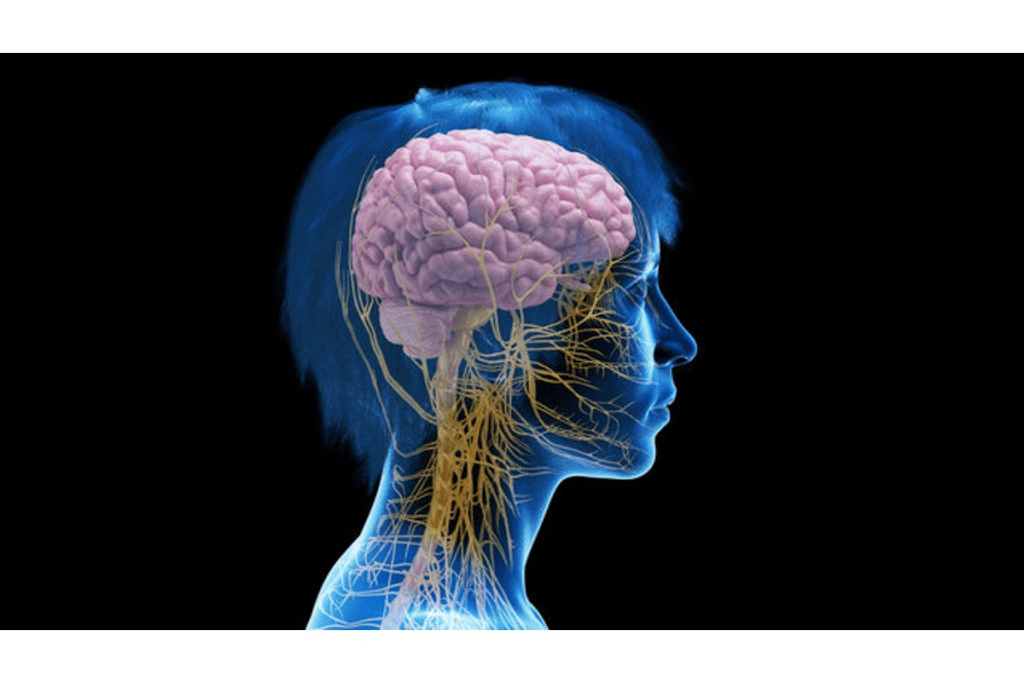
The autonomic nervous system’s response to prostate stimulation can cause an erection. This happens because neurotransmitters are released. These neurotransmitters help this reaction happen. But, this response is not always about sexual arousal. It’s more of a reflex.
Distinguishing Between Arousal and Reflex Reactions
It’s important to know the difference between arousal and reflex reactions. Arousal involves both our mind and body. But, a reflex reaction during a prostate exam is mostly a body response to touch.
As
“The body’s reaction to a prostate exam is not the same as sexual arousal; it’s often a reflexive response to physical stimulation.”
Understanding this can help men feel better about their body’s reactions during exams.
Erection During Prostate Exam: Is It Normal?
Men often get an erection during a prostate exam. This can be embarrassing, but it’s common. It’s important to know it happens to many.
Statistical Data on Physical Responses During Exams
Studies show many men react physically during prostate exams. The exact number varies, but it’s seen as normal.
| Study | Percentage of Men Experiencing Erection |
| Study A | 25% |
| Study B | 30% |
| Study C | 20% |
Medical Consensus on This Phenomenon
Doctors see an erection during a prostate exam as a normal response. It’s not always about being sexually aroused. It can happen because of the prostate’s stimulation.
Factors Influencing Likelihood of Response
Many things can make a man get an erection during a prostate exam. These include anxiety levels, the technique used by the healthcare provider, and individual physiological differences. Knowing these can help understand the experience better.
- Anxiety and stress levels
- Method of examination
- Individual physiological responses
Talking about these factors can help men feel more ready for a prostate exam. It can reduce embarrassment and worry.
The Anatomical Connection Between Prostate and Sexual Function
The prostate gland is closely tied to male sexual function. This connection can affect how men react during a prostate exam. The prostate is key in the male reproductive system. Its location near nerves controlling sexual function can cause physical reactions during stimulation.
Prostate’s Role in Male Sexual Health
The prostate gland helps with male sexual health by making fluids for semen. These fluids nourish sperm during ejaculation. This is important for fertility, and prostate problems can affect sexual health.
Proximity to Nerves Controlling Erection
The prostate is near nerves that control erections. Stimulation during a prostate exam can affect these nerves. This can lead to an erection, showing why some men have physical responses during the exam.
Why Prostate Stimulation Triggers Physical Responses
Stimulation of the prostate can cause physical responses because of its connection to nerves controlling sexual function. This stimulation can lead to arousal or reflex reactions. These are natural responses that can happen even in a clinical setting.
| Factors Influencing Physical Response | Description | Impact on Response |
| Nerve Proximity | The close proximity of the prostate to nerves controlling erection. | High likelihood of physical response due to direct stimulation. |
| Individual Sensitivity | Variability in individual sensitivity to prostate stimulation. | Can result in a range of responses from minimal to significant. |
| Clinical Setting | The environment in which the prostate exam is conducted. | Can influence the level of anxiety or comfort, potentially affecting the physical response. |
Knowing these factors can help men prepare for their prostate exam. It can also reduce anxiety about unexpected physical responses.
Psychological Aspects of Medical Examinations
Psychological factors are key in how patients feel during prostate exams. The exam can cause a range of feelings, from anxiety to relief.
Anxiety and its Physical Manifestations
Anxiety is common when people think about prostate exams. This anxiety can show up in physical ways. The body’s ‘fight or flight’ response can make heart rate and blood pressure go up. Sometimes, it can even cause erections.
The Mind-Body Connection During Intimate Procedures
The mind-body connection is very important during sensitive medical exams like prostate exams. Being close to sensitive areas can make people feel more emotionally. It’s important to understand this connection to manage the experience better.
How Anticipation Affects Physiological Responses
Thinking about the exam can change how the body reacts. Worries about the exam or how to react can make people more alert or even avoid it. Open communication with healthcare providers can help make things easier.
By understanding the psychological side of prostate exams, patients and doctors can make the experience better. It can be less stressful and more comfortable for everyone.
Medical Professionals’ Perspective on Patient Responses
Healthcare providers see many reactions from patients during prostate exams. They know these exams can cause a variety of feelings.
Handling Various Reactions
Doctors are trained to handle different reactions during exams. They learn about the physical and emotional sides of these reactions.
Professionalism and empathy are key in this training. This helps doctors treat patients with respect and care.
Maintaining Patient Dignity
Doctors follow strict rules to keep patient dignity during exams. They make sure the environment is respectful and comfortable.
| Protocol | Description | Benefit |
| Clear Explanation | Doctors explain the procedure and its necessity. | Reduces patient anxiety |
| Respectful Environment | Ensuring privacy and comfort during the exam. | Maintains patient dignity |
| Professional Conduct | Doctors maintain a professional demeanor. | Enhances patient trust |
What Healthcare Providers Want Patients to Know
Doctors want patients to know their reactions during exams are normal. An erection during a prostate exam is just a natural response. It doesn’t mean you’re sexually aroused.
Understanding this can help patients relax during the exam.
Common Misconceptions About Physical Responses During Exams
Many think an erection during a prostate exam means someone is sexually aroused. But, this is more complicated. It’s not always about sexual desire. The exam can cause a physical reaction because it touches the prostate gland. This gland is close to nerves that control erections.
Debunking Myths About Sexual Orientation
Some believe an erection during a prostate exam shows a person’s sexual orientation. This is not true. The reaction is mostly a reflex, not tied to sexual orientation or arousal.
“The occurrence of an erection during a medical examination is a physiological response and not an indication of sexual arousal or orientation,” says a Urologist
Addressing Concerns About Professional Judgment
Men often worry their reaction might affect their doctor’s opinion. It’s important to know that medical professionals are trained to handle such situations with care. They keep patient dignity in mind during exams.
Understanding the Difference Between Arousal and Reflex
It’s key to know the difference between sexual arousal and a reflex. Sexual arousal involves both mind and body, but a reflex during a prostate exam is mainly a physical response to stimulation. This understanding can ease anxiety and embarrassment.
By clearing up these myths, men can better prepare for prostate exams. This reduces anxiety and makes the experience less scary.
Preparing Mentally and Emotionally for Your Prostate Exam
Many men feel nervous about prostate exams. But, there are ways to make it less scary. Knowing what to expect and being ready can help you feel less anxious.
Techniques to Reduce Anxiety Before the Appointment
Relaxation techniques can help calm your nerves. Try deep breathing, meditation, or yoga. Also, learning about the exam can clear up any misunderstandings.
- Practice deep breathing exercises or meditation to calm your nerves.
- Learn about the prostate exam procedure to understand what to expect.
- Engage in physical activities like yoga to reduce overall stress.
Communication Strategies with Healthcare Providers
Talking openly with your doctor is key. Share your worries to get a care plan that fits you. This can make the exam less scary.
Being open about your anxiety can lead to a more considerate and personalized care experience.
Setting Realistic Expectations About the Procedure
Knowing what the exam is about helps set realistic hopes. Remember, it’s a common procedure and doctors are trained to handle all reactions.
| Expectation | Reality |
| The exam is embarrassing. | Healthcare providers are professionals trained to maintain dignity. |
| The exam is painful. | While it may be uncomfortable, it is generally not painful. |
| The exam indicates sexual health. | The exam is a medical procedure, not a reflection of sexual health. |
By using these tips, men can feel more ready for a prostate exam. This can help reduce anxiety and make the experience easier.
What Happens If You Get Hard During a Prostate Exam?
Knowing what happens during a prostate exam can help men feel less worried. It’s a common worry, and knowing can make a big difference.
Standard Medical Protocols During Unexpected Responses
Doctors are ready for all kinds of reactions during exams, including erections. They focus on keeping the patient comfortable and getting accurate results.
Protocols in Place:
- Maintaining patient dignity and comfort
- Ensuring the examination continues with minimal disruption
- Communicating clearly with the patient about the next steps
According to a urologist, “It’s not uncommon for patients to experience an erection during a prostate exam. Our training allows us to handle such situations professionally.”
How Experienced Doctors Typically Handle the Situation
Doctors know that an erection during a prostate exam can be embarrassing. They are trained to:
| Action | Purpose |
| Maintain a professional demeanor | To put the patient at ease |
| Pause the examination temporarily | To allow the patient to compose themselves |
| Communicate reassuringly | To alleviate anxiety and embarrassment |
The Continuation of the Examination Process
After dealing with the immediate reaction, the exam goes on with the same professionalism. The goal is to finish the procedure well while keeping the patient comfortable.
“The key is to remain calm and understand that it’s a reflex action. Our focus is on providing the best care possible”
By knowing what happens during a prostate exam, men can feel more ready and less anxious. It’s all about understanding the process.
Clinical Context Versus Sexual Context: Important Distinctions
A prostate exam in a clinical setting is very different from one in a sexual context. This difference is key to understanding how patients react. It also ensures that medical exams are done with respect and professionalism.
Medical Necessity Versus Recreational Stimulation
A prostate exam is done to check and monitor prostate health. It’s not for fun or sexual reasons. The clinical context means the exam is done with the right professionalism. It focuses on health needs, not any sexual thoughts.
The main difference is clear. In a medical setting, the goal is patient care and diagnosis. It’s not about making someone feel sexually aroused or pleased.
Ethical Frameworks in Healthcare Settings
Healthcare workers follow strict ethical rules. These rules help ensure patients are treated with respect and dignity, even during sensitive exams like prostate exams.
Professional protocols are set to keep patients comfortable and private. Knowing these rules helps patients feel more relaxed during medical tests.
The Importance of Context in Physiological Responses
The setting of a medical exam greatly affects how people react. In a clinical setting, an erection during a prostate exam doesn’t always mean sexual arousal.
Understanding the difference between a clinical and sexual context can reduce patient anxiety. It makes the experience of prostate exams more positive.
Real Patient Experiences and Coping Strategies
Getting a prostate exam can be scary, and some men feel embarrassed. This part talks about real experiences and how men deal with this feeling. It shows how they handle the situation.
Anonymous Accounts from Men
Many men have talked about their prostate exam experiences. Some felt embarrassed because of a physical response. But, they were comforted by the doctor’s kindness and understanding.
Another man was ready for an erection during the exam. He had read about it before. This made him feel more calm during the procedure.
Navigating Embarrassment
Men deal with embarrassment in different ways. Some talk to their doctor before the exam. Others focus on why the exam is important.
Most agree that talking openly with doctors is key. It helps them know what to expect and feel less worried.
Lessons Learned and Advice
Men who have gone through this share their wisdom. They say seeing the exam as a health check is important. They also suggest talking openly with doctors about any worries.
| Coping Strategy | Patient Feedback |
| Pre-exam preparation | Helps reduce anxiety |
| Open communication | Enhances patient comfort |
| Focusing on medical necessity | Reduces embarrassment |
By sharing their stories and tips, men can face the challenge of an erection during a prostate exam better. It makes the experience less scary.
Effective Communication With Your Healthcare Provider
To have a smooth and stress-free prostate exam, clear communication with your healthcare provider is key. Start by understanding the importance of talking about sensitive topics before the exam.
How to discuss sensitive concerns before the exam
Talking about sensitive topics, like the prostate exam, can be tough. But, your healthcare provider is trained to handle these discussions with care. Make a list of questions or concerns you have before the exam. This way, you can make sure you cover all you need to talk about.
You might want to ask about the procedure, what to expect, or how to prepare. Being open about your anxiety or concerns helps your healthcare provider tailor their approach to your needs.
Questions to ask to ease your anxiety
Asking the right questions can really help ease your anxiety. You might ask about your healthcare provider’s qualifications, the steps of the exam, or what it will feel like. You could also ask about studies or data on prostate exams for reassurance.
Building rapport for better healthcare experiences
Building a good relationship with your healthcare provider is important. It’s not just about feeling comfortable; it’s about getting the best care. By being open, asking questions, and wanting to understand the process, you can build a positive relationship.
This relationship can lead to better healthcare experiences. Your provider will understand your needs and concerns better. Effective communication is the base of this relationship. It’s key for making informed health decisions.
In conclusion, talking well with your healthcare provider is key for a good prostate exam experience. By discussing sensitive topics, asking the right questions, and building rapport, you can have a more positive and stress-free experience.
Conclusion
Getting an erection during a prostate exam is common. It’s due to how the male body works. We’ve looked at why this happens, like the prostate’s role in health and the nerves near it.
Doctors know how to deal with this in a professional way. They keep the patient’s dignity during the exam. Knowing the difference between a medical exam and a sexual situation helps people understand their feelings better.
Talking openly with doctors is key. Before the exam, sharing worries can make things easier. This article aims to clear up any confusion about prostate exams and erections. It wants to help people feel more at ease and informed about their health.
FAQ
Is it normal to get an erection during a prostate exam?
Yes, it’s quite common. Many men get an erection during a prostate exam. It’s nothing to worry about.
Why do men get erections during a prostate exam?
The prostate gland is close to nerves that control erections. When the prostate is stimulated during the exam, it can cause an erection. This is not always related to being sexually aroused.
Can prostate stimulation cause arousal?
Prostate stimulation can lead to a physical response. But, it’s not always a sign of sexual arousal. The body’s reaction is often a reflex, different from sexual arousal.
How common is it to experience an erection during a prostate exam?
Studies show many men get an erection during a prostate exam. It’s a normal reaction. Doctors are trained to handle it professionally.
Will getting an erection during a prostate exam affect the examination process?
No, it won’t affect the exam. Doctors are trained to continue the exam no matter the physical response.
How can I prepare for a prostate exam to minimize anxiety?
You can use deep breathing, relaxation, and talk openly with your doctor. This can help reduce your anxiety before the exam.
What should I discuss with my healthcare provider before a prostate exam?
Talk about your concerns and any questions you have. Let them know about your anxiety. This can make the experience less stressful.
Can I ask my healthcare provider to stop the exam if I’m uncomfortable?
Yes, you can tell your doctor if you’re uncomfortable. They will make sure to accommodate your needs.
Is an erection during a prostate exam a sign of a medical issue?
No, it’s not usually a sign of a medical problem. It’s a normal reaction to prostate stimulation, not related to any condition.
How do doctors differentiate between a clinical and sexual context during a prostate exam?
Doctors are trained to keep a professional demeanor. They know the difference between a clinical and sexual context. They follow established protocols and guidelines.
Can a prostate exam trigger a sexual response?
A prostate exam can cause a physical response, but it’s not the same as a sexual response. The exam is clinical, not recreational.
References
- McAleer, J.K., Gerson, L.W., McMahon, D., & Geller, L. (1993). Effect of digital rectal examination (and ejaculation) on serum prostate-specific antigen after twenty-four hours: A randomized, prospective study. Urology, 41(2), 111-112. https://pubmed.ncbi.nlm.nih.gov/7684542/