

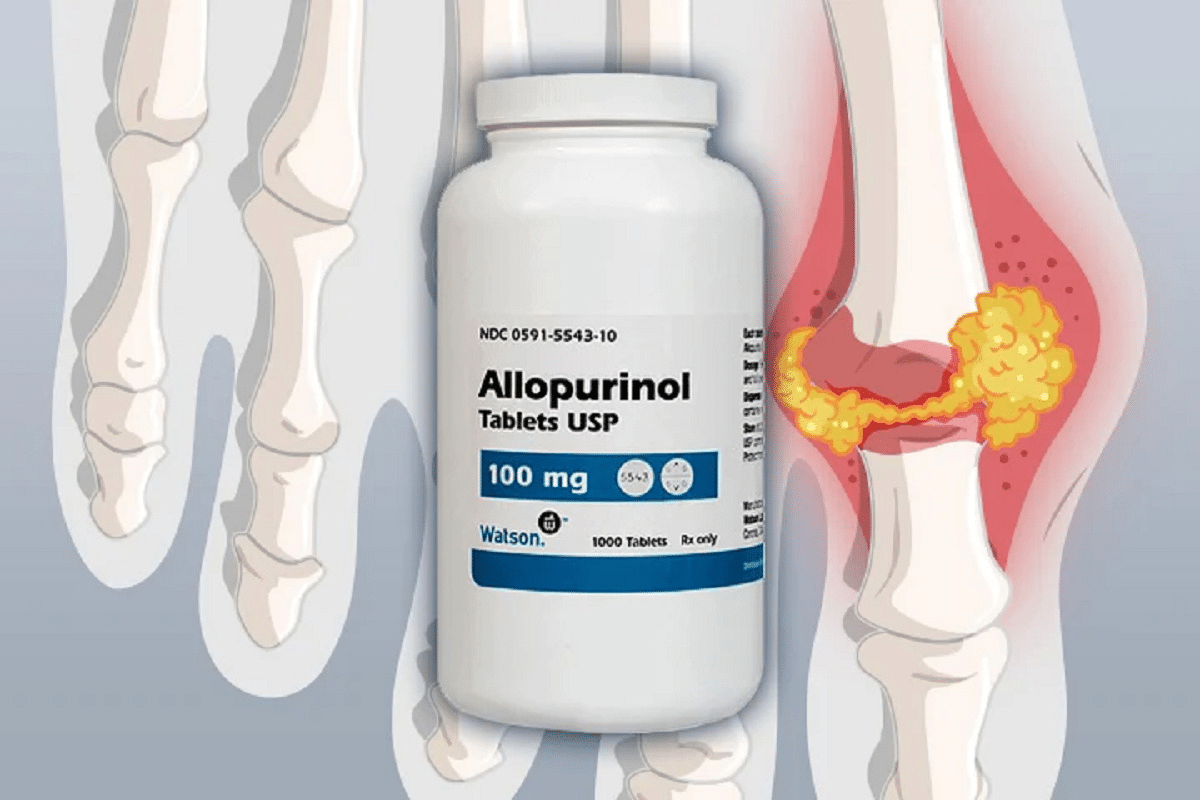
Managing gout and chemotherapy-induced hyperuricemia needs careful dosing guidelines. This is to avoid serious side effects. We know that the right treatment is more than just the right medicine. It’s also about watching closely and caring for the patient. Seven key guidelines for setting the correct allopurinol dose, including required lab monitoring and side effect checks.
This medication works by lowering uric acid levels. It has a short half-life of 1-2 hours. Its active part lasts about 15 hours. Knowing the right dosing protocols and lab tests helps doctors improve patient care and reduce risks.
At Liv Hospital, we put patients first. We offer full support to international patients. Our aim is to provide top-notch healthcare, focusing on the latest treatments and support.
Allopurinol works by stopping the xanthine oxidase enzyme. This enzyme is key in making uric acid. Knowing how allopurinol works helps us see how it lowers uric acid levels. This is good for people with gout and other conditions.
Allopurinol is a xanthine oxidase inhibitor. It blocks the xanthine oxidase enzyme. This enzyme turns hypoxanthine into xanthine and then xanthine into uric acid. By stopping this enzyme, allopurinol cuts down uric acid production in the body.
The process starts with hypoxanthine turning into xanthine. Then, xanthine turns into uric acid. Both steps need the xanthine oxidase enzyme. Allopurinol stops this enzyme, which means less uric acid is made.
Allopurinol’s action on xanthine oxidase greatly lowers uric acid production. This drop in production means less uric acid in the blood. This is key for managing gout and other conditions.
|
Biochemical Effect |
Description |
Outcome |
|---|---|---|
|
Xanthine Oxidase Inhibition |
Blocks the conversion of hypoxanthine to xanthine and xanthine to uric acid |
Reduced uric acid production |
|
Decreased Uric Acid Production |
Less uric acid is produced due to the inhibition of xanthine oxidase |
Lower serum uric acid levels |
|
Therapeutic Benefit |
Reduced serum uric acid levels alleviate symptoms of gout and related conditions |
Improved patient outcomes |
Understanding how allopurinol works helps doctors use it better. This knowledge helps in making treatment plans for patients.

Allopurinol’s effectiveness and safety depend on how it works in the body. It’s absorbed, broken down, and removed quickly. Knowing this helps doctors choose the right dose and avoid drug interactions.
Allopurinol is broken down fast, with a half-life of 1 to 2 hours. It turns into an active form quickly. Even though it doesn’t last long, its effects last because of its active part, oxypurinol.
The active part of Allopurinol, oxypurinol, lasts much longer, about 15 hours. It’s the main part that helps lower uric acid levels. Because of its longer half-life, Allopurinol is taken once a day, making it easier for patients to stick to their treatment.
Allopurinol and its active part, oxypurinol, are mostly removed through the kidneys. How well the kidneys work is key to getting rid of these substances. For people with kidney problems, doctors might adjust the dose to avoid too much oxypurinol.
It’s important to understand how Allopurinol works in the body. This includes its half-life and how it’s removed. By adjusting the dose based on the patient’s needs and kidney function, doctors can make Allopurinol more effective and safer.
Knowing when to use Allopurinol is key for good patient care. This medicine is used for many conditions linked to uric acid.
Allopurinol is mainly for chronic gout. This is a condition with frequent, severe joint pain due to urate crystals. It lowers serum uric acid levels to stop gout attacks and protect joints. “Allopurinol has been a cornerstone in the management of gout for decades,” as noted by rheumatology guidelines.
Allopurinol is also for treating high uric acid levels. High uric acid can cause gout and kidney stones. It works by blocking an enzyme that makes uric acid, reducing uric acid levels in the body.
It’s also used to prevent tumor lysis syndrome. This is a serious problem that can happen during cancer treatment. By lowering uric acid, Allopurinol reduces the risk of this syndrome. As stated in oncology guidelines, “prophylactic use of Allopurinol is recommended in patients at high risk of tumor lysis syndrome.”
Allopurinol has other uses too. It’s for managing uric acid nephropathy and some calcium oxalate stones. These uses are not FDA-approved but research shows Allopurinol works well for them.
In summary, Allopurinol is a versatile drug for many uric acid-related conditions. Its main uses are for chronic gout, high uric acid levels, and preventing tumor lysis syndrome.
Allopurinol dosing for gout starts low and increases to reach target levels. This method is safe and effective for patients.
The first dose for gout treatment is 100 mg daily. This low start helps check how well a patient can handle the drug. It also lowers the risk of bad side effects, mainly for those with kidney problems.
We start with 100 mg to help patients adjust slowly. This reduces the chance of sudden gout attacks caused by quick changes in uric acid levels.
After starting, we increase the dose every 2-5 weeks. We do this based on uric acid levels and how the patient is doing. This gradual increase helps reach the right levels without too many side effects.
The titration schedule is as follows:
|
Week |
Dose (mg) |
Serum Uric Acid Check |
|---|---|---|
|
0 |
100 |
Yes |
|
2 |
200 |
Yes |
|
4 |
300 |
Yes |
The goal of Allopurinol therapy is to keep serum uric acid below 6 mg/dL. This is the best level to prevent gout attacks and stop urate crystals from forming.
“The target serum uric acid level for most patients with gout is less than 6 mg/dL, which helps in dissolving urate crystals and preventing further crystal formation.”
While most patients need 200 to 400 mg daily, some might need more. The highest dose is 800 mg, split into smaller doses if needed.
It’s important to watch patients closely on higher doses to avoid bad side effects.
By sticking to this dosing guide, we can make Allopurinol therapy for gout better. This ensures patients get the best results while keeping side effects low.
When dealing with chemotherapy-induced hyperuricemia, allopurinol dosing is key. It’s vital for managing patients going through chemotherapy. This is to prevent tumor lysis syndrome.
The right dose of allopurinol for this condition is 300-800 mg daily. This range helps doctors adjust treatment based on each patient’s risk level.
300 mg daily suits those at lower risk. For higher risk or severe cases, 800 mg daily is recommended. Breaking the dose into smaller parts helps avoid stomach issues.
Starting allopurinol 24-48 hours before chemotherapy is key. It ensures the drug is effective when needed most. This helps prevent uric acid buildup during treatment.
Early use of allopurinol also lowers the risk of tumor lysis syndrome. This is a serious condition that can happen when tumors break down quickly.
Allopurinol treatment usually lasts 3-7 days after chemotherapy. This depends on the patient’s risk and the type of chemotherapy. It keeps uric acid levels in check during the most critical time.
It’s important to keep a close eye on patients during chemotherapy. Doctors should check serum uric acid levels, renal function, and electrolyte balance regularly. This helps adjust the allopurinol dose and manage side effects quickly.
By sticking to these guidelines, doctors can better manage hyperuricemia caused by chemotherapy. This reduces the risk of serious complications.
Allopurinol needs dose changes for patients with kidney issues to avoid problems. It’s used to treat gout and high uric acid levels. The kidneys mainly get rid of allopurinol, so patients with kidney problems need careful dose adjustments.
Creatinine clearance is key for setting allopurinol doses. It helps adjust the dose based on kidney function. We use creatinine clearance to find the right dose, making sure it works well and is safe.
Patients with serious kidney problems need a lower allopurinol dose. This is to avoid too much buildup and toxicity. The dose is slowly increased based on how the patient responds and their kidney function. Medical guidelines say “dose adjustment is necessary in patients with renal impairment.”
It’s important to keep an eye on kidney function and uric acid levels in patients taking allopurinol, even more so for those with kidney issues. Regular lab tests are needed to check creatinine clearance and adjust the dose. “Patients with kidney problems require dose adjustments,” and regular monitoring helps make these changes right.
By sticking to these guidelines, healthcare providers can make sure allopurinol is safe and works well for patients with kidney problems.
Divided dosing makes allopurinol therapy easier to handle. It involves breaking the daily dose into smaller parts. This can lessen stomach problems and help patients stick to their treatment.
For doses over 300 mg, split dosing is key to avoid stomach upset. It’s most important for those needing higher doses to control uric acid levels.
The best time for split doses varies, but they should be spread out evenly. For instance, a 600 mg daily dose can be 300 mg in the morning and 300 mg at night.
Split dosing eases stomach irritation by lowering allopurinol levels in the stomach. This makes it easier on the stomach and cuts down on nausea and vomiting.
While split dosing has its perks, it can be harder for patients to follow. We should teach them why it’s important and offer tools like pill boxes to keep track of their doses.
|
Dose Range (mg) |
Dosing Recommendation |
Benefits |
|---|---|---|
|
≤300 |
Single daily dose |
Simplified regimen, potentially improved compliance |
|
>300 |
Divided doses |
Reduced gastric irritation, improved tolerability |
Laboratory monitoring is key for Allopurinol therapy. It ensures the treatment works well and is safe. Before starting Allopurinol, a detailed lab test is needed. This helps set a baseline and guide future care.
Before starting Allopurinol, several baseline tests are recommended:
These tests help spot risks and guide the first dose.
Regular checks are important during Allopurinol treatment:
Following this lab monitoring plan helps doctors adjust Allopurinol doses. This reduces side effects and improves patient outcomes.
Allopurinol therapy can have side effects that need attention. Healthcare providers must watch for and manage these effects. This ensures patient safety and helps them stick to their treatment plan.
Side effects of allopurinol include skin rash, stomach problems, and high liver enzymes. These issues are usually mild and might go away on their own. But sometimes, they can mean a change in treatment is needed.
Severe reactions to allopurinol are rare but can be dangerous. Hypersensitivity reactions, like Stevens-Johnson syndrome and toxic epidermal necrolysis, are among the most serious. These reactions can be life-threatening.
We need to know the risk factors for these severe reactions. These include kidney problems and certain drug interactions.
Managing allopurinol side effects involves prevention, patient education, and quick action. For mild side effects, adjusting the dose or treating symptoms might be enough.
In severe hypersensitivity reactions, stopping allopurinol right away is key. Supportive care is also important. Sadly, there’s no antidote for allopurinol overdose. So, we focus on supportive measures and keeping a close eye on the patient.
When we treat patients with allopurinol, we must think about many factors. These factors affect how well the drug works and how safe it is. It’s all about making sure the treatment is right for each patient.
Elderly patients might have less kidney function and other health issues. We often start with a smaller dose to avoid too much of the drug. We watch their kidney health closely.
People with liver problems need special care with allopurinol. The drug is processed by the liver. Even with mild to moderate liver disease, we keep a close eye on liver health. We might adjust the dose to avoid harm.
Children need a different approach with allopurinol. We look at their age, weight, and health. Children’s doses are based on their size or weight. We watch them closely to make sure they’re safe and effective.
For people of Han Chinese, Korean, or Thai background, genetic testing is key. This test checks for HLA-B*5801. This gene increases the risk of serious skin reactions. Knowing this can help avoid dangerous side effects.
By considering these special factors, we can make allopurinol treatment better for each patient. This approach is vital for managing gout and high uric acid levels.
Allopurinol’s effectiveness and safety can change with other drug interactions. It’s key to know these interactions to improve treatment and avoid side effects.
Some drugs need their doses changed when taken with allopurinol. For example, azathioprine and mercaptopurine are affected by allopurinol. Their doses should be lowered to prevent toxicity.
Warfarin is another drug. Allopurinol can make warfarin stronger, raising the risk of bleeding. It’s important to watch the INR closely when these drugs are used together.
Some drug combinations with allopurinol can be risky. For instance, allopurinol with ampicillin or amoxicillin can cause skin rashes. It can also lead to Stevens-Johnson syndrome or toxic epidermal necrolysis, which are serious and rare.
When allopurinol is taken with other drugs, close monitoring is needed. Patients on diuretics or with kidney problems should have their kidney function checked regularly. Allopurinol and its byproducts can build up to harmful levels.
It’s also important to do regular blood tests and liver function tests for those on long-term allopurinol therapy. This is even more true when other drugs that can affect these tests are involved.
Optimizing Allopurinol therapy means following evidence-based dosing guidelines. This approach helps improve patient outcomes and reduces side effects. The guidelines in this article offer a framework for healthcare providers to provide effective treatment.
Evidence-based dosing is key to getting the best results with Allopurinol. It involves knowing the standard dosing, making adjustments for kidney function, and monitoring lab results. Following these guidelines ensures patients get the most effective treatment for their condition.
Allopurinol dosing guidelines help healthcare providers manage treatment complexities. By using these guidelines, we can make Allopurinol therapy better and improve patient care. Our aim is to give patients the best possible care, and evidence-based dosing is a big part of that.
Allopurinol blocks the enzyme xanthine oxidase. This enzyme is key in making uric acid. By stopping this process, Allopurinol helps manage gout and high uric acid levels.
Allopurinol’s half-life is 1-2 hours. Its active form, oxypurinol, lasts about 15 hours. How long it stays depends on kidney function.
Allopurinol is mainly used for chronic gout and high uric acid levels. It also prevents tumor lysis syndrome and other uric acid-related issues.
Start with 100mg daily. Gradually increase every 2-5 weeks until uric acid levels are right. Don’t go over 800mg daily.
Give 300-800mg daily, starting 24-48 hours before chemo. Adjust based on the chemo plan.
Allopurinol is removed by the kidneys. For those with kidney issues, lower doses prevent buildup and toxicity.
Splitting doses over 300mg reduces stomach upset. This makes it easier for patients to take.
Start with kidney and liver tests. Keep an eye on uric acid, kidney function, and liver enzymes. This helps adjust doses and catch side effects early.
Common side effects are rash, stomach issues, and liver enzyme increases. Severe reactions include Stevens-Johnson syndrome and toxic epidermal necrolysis, mainly in those with certain genetic markers.
Yes, adjust doses for older adults, those with liver problems, and kids. Genetic testing for HLA-B*5801 is needed in some groups to check for severe skin reactions.
Allopurinol can interact with drugs like azathioprine and certain antibiotics. Adjust doses and watch for dangerous combinations.
Allopurinol stops xanthine oxidase. This reduces uric acid production, lowering serum levels.
Oxypurinol, Allopurinol’s active form, helps keep xanthine oxidase blocked longer. Its longer half-life is key to its effect.
National Center for Biotechnology Information. Allopurinol Dosing: Guidelines, Monitoring, and Side Effects. Retrieved from https://www.ncbi.nlm.nih.gov/pmc/articles/PMC3845316/
