Last Updated on December 1, 2025 by Bilal Hasdemir
Greg Iles’s story shows how stem cell transplants can save lives. His journey highlights the need to know the risks of stem cell donation.
Stem cell transplants offer hope to many. Yet, it’s important to talk about the risks they carry. As more people need these transplants, it’s vital to inform donors about possible problems.

Key Takeaways
- Stem cell donation can be a life-saving process for patients with multiple myeloma.
- Understanding the risks involved is key for those who might donate.
- The process can have complications that need to be recognized.
- Education is essential for those thinking about stem cell donation.
- Donors should know the risks before deciding to donate.
Understanding Stem Cell and Bone Marrow Donation
Learning about stem cell and bone marrow donation is key for both donors and those in need. Giving stem cells or bone marrow can greatly help people with serious diseases. This act is a big step for those needing a transplant.
What are stem cells and bone marrow?
Stem cells can grow into many types of cells in our body. Bone marrow, inside our bones, makes blood cells and has stem cells. These cells are essential for our health.
The importance of donation for patients
Donating bone marrow or stem cells can save lives for those with diseases like leukemia. Groups like Canadian Blood Services stress how important it is. It gives patients a chance to get the cells they need for a transplant.
Types of stem cell donation procedures
There are two main ways to donate stem cells: bone marrow and peripheral blood stem cell (PBSC) donation. The choice depends on the patient’s health and the donor’s condition.
| Donation Type | Description | Recovery Time |
| Bone Marrow Donation | Involves extracting marrow from the donor’s bones, typically from the hip area. | Several weeks |
| Peripheral Blood Stem Cell (PBSC) Donation | Involves collecting stem cells from the donor’s blood after administering medication to stimulate stem cell release. | A few days to a week |
The Bone Marrow Donation Process Explained
The bone marrow donation process is complex and requires careful steps. It starts with screening and ends with collecting bone marrow. Each stage is important for a successful donation.
Initial Screening and Matching
The first step is screening, which checks the donor’s health history and tests for compatibility. Human Leukocyte Antigen (HLA) typing is key to finding a match. Donors also get a physical check-up and share their health history.
After finding a match, the donor is paired with a recipient. This pairing is vital for a successful transplant.
Pre-donation Medical Evaluation
Donors get a detailed medical check before donating. This includes looking at their health history, a physical exam, and tests like blood work and electrocardiograms. The goal is to make sure the donor and recipient are safe.
The Collection Procedure Step-by-Step
The bone marrow collection happens in a hospital or clinic. It uses general anesthesia or regional anesthesia to reduce pain. Bone marrow is taken from the hip bone with a needle and syringe. The whole process takes about 1-2 hours, and the donor is watched closely.
After the procedure, donors go to a recovery room. They might feel tired, sore, and bruised. But these feelings usually go away in a few days.
Peripheral Blood Stem Cell (PBSC) Donation
PBSC donation is a special way to give stem cells. It’s different from getting bone marrow. This method is less invasive and doesn’t need surgery.
How PBSC Donation Differs from Bone Marrow Extraction
PBSC donation collects stem cells from the blood. Bone marrow extraction takes them directly from the bones. This makes PBSC donation less painful for donors.
The PBSC Collection Process
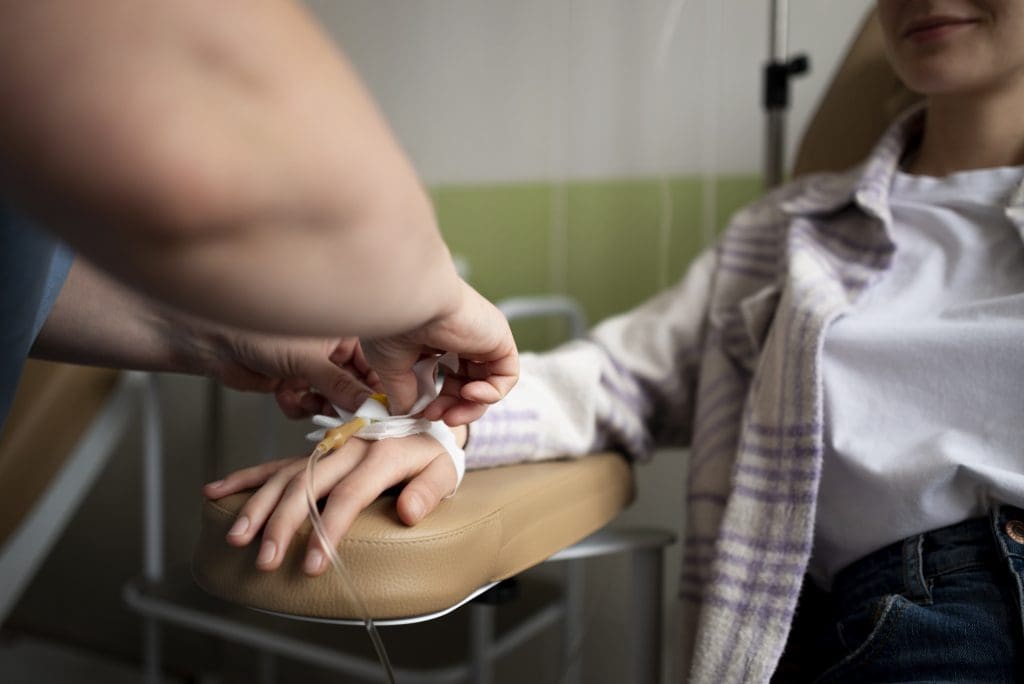
The process starts with growth factor injections. These help stem cells move from the bone marrow to the blood. Then, the blood is drawn, and the stem cells are separated. The rest of the blood is given back to the donor.
Recovery Expectations
Recovery from PBSC donation is fast. Most donors can go back to normal in a few days. Some might feel bone pain or tiredness from the injections. Here’s how it compares to bone marrow extraction:
| Aspect | PBSC Donation | Bone Marrow Extraction |
| Recovery Time | Few days to a week | Several weeks |
| Procedure Invasiveness | Less invasive | More invasive, requires surgery |
| Common Side Effects | Bone pain, fatigue | Pain at the harvest site, fatigue |
Knowing the differences helps donors choose the right method for giving stem cells.
Is Donating Bone Marrow Painful?
Many people worry about the pain when they think about donating bone marrow. It’s a big decision, and knowing about the pain can help ease worries. It prepares donors for what they might feel.
Pain Levels During the Procedure
Donors usually don’t feel pain during the procedure because they’re under anesthesia. The kind of anesthesia used can change, but it’s often general anesthesia. This makes sure the donor is asleep and pain-free.
A study in the Journal of Clinical Oncology says general anesthesia is safe and effective. It helps keep pain away during the bone marrow harvest.
“General anesthesia ensures that the donor does not experience pain during the bone marrow donation process.”
Post-Donation Discomfort
After the procedure, donors might feel some discomfort once the anesthesia wears off. This can include pain at the needle site, tiredness, and soreness in the back or hips. How much discomfort varies from person to person.
A survey by the National Marrow Donor Program showed most donors had manageable pain after donating. Some felt very little pain.
| Symptom | Percentage of Donors |
| Pain at needle site | 70% |
| Fatigue | 60% |
| Soreness in back or hips | 50% |
Pain Management Options
To help with pain after donation, donors get pain medicine. They’re also told to rest and drink plenty of water. Sometimes, using ice packs or taking warm baths is suggested to ease pain.
Pain management strategies include:
- Prescribed pain medication
- Rest and adequate hydration
- Ice packs or warm baths
Knowing about the pain and how to manage it helps donors make informed choices about donating.
Common Physical Risks of Bone Marrow Donation
It’s important to know the physical risks of bone marrow donation. This process can save lives but comes with certain risks. These need to be considered carefully.
Short-term Side Effects
Donors may face short-term side effects after the procedure. These include fatigue, pain at the needle site, and bruising. These effects usually go away within a few days.
Infection Risks
There’s a risk of infection with bone marrow donation, like with any invasive procedure. Donors are watched closely for signs of infection. Antibiotics might be given if needed. It’s key to follow care instructions after the procedure to lower this risk.
Rare but Serious Complications
Though rare, serious complications can happen. These might include damage to the nerves or blood vessels near the site, or a bad reaction to anesthesia. Donors are screened well to reduce these risks.
Bone marrow donation is generally safe for most donors. But knowing the risks is vital. This knowledge helps donors make informed choices about donating.
Risks Associated with Anesthesia in Donation
Anesthesia is key in bone marrow donation, but it has risks. It helps donors stay comfortable during the process. Knowing these risks is important for donors to make good choices.
Types of Anesthesia Used
There are two main types of anesthesia: general and regional. General anesthesia makes the donor sleep through it. Regional anesthesia numbs a part of the body. The choice depends on the donor’s health and the procedure.
Potential Complications
Though rare, anesthesia can cause respiratory issues, allergic reactions, and nerve damage. It’s important for donors to talk to their healthcare provider about these risks.
Risk Factors that Increase Anesthesia Concerns
Some factors can make anesthesia risks higher. These include pre-existing medical conditions, age, and overall health. Donors with health concerns should discuss them with their healthcare provider.
Understanding anesthesia types, complications, and individual risks helps donors make informed decisions. This way, they can better navigate bone marrow donation.
Side Effects of PBSC Donation
It’s important to know about the side effects of PBSC donation. This process uses growth factor injections to get stem cells into the blood. Then, a collection process can affect the body in different ways.
Effects of Growth Factor Injections
Growth factor injections help move stem cells into the blood. Donors might feel bone pain, get tired easily, or have headaches. These feelings are usually not too bad and go away after the injections stop.
Common Reactions During Collection
During collection, donors might feel tingling or numbness due to citrate toxicity. This is usually fixed by adjusting the collection process.
Post-Donation Symptoms
After donating, some people might feel tired, have muscle pain, or feel dizzy. These symptoms don’t last long.
| Symptom | Frequency | Duration |
| Bone Pain | Common | Short-term |
| Fatigue | Common | Short-term |
| Citrate Toxicity | Less Common | During Procedure |
Donors should know about these possible side effects and talk to doctors about them. Even though they can be uncomfortable, they usually don’t last long and can be handled.
Long-Term Health Considerations for Donors
Donating bone marrow or stem cells can save lives. But donors often worry about their health later. As research grows, knowing the long-term effects is key to reassuring donors.
Research on Long-Term Effects
Many studies have looked into donors’ long-term health. Most donors don’t face big health problems later. But, it’s good for donors to know the possible risks and benefits.
Long-term health monitoring is important for donors. Groups that manage donor lists often check on donors’ health over time. This helps understand donation’s long-term effects.
How Bone Marrow Regenerates After Donation
Bone marrow can quickly recover after donation. It usually takes a few weeks for the body to refill the marrow. The recovery speed depends on the donor’s health and how much marrow was taken.
Bone marrow regeneration is a complex process. It involves stem cells growing back and the marrow’s function being restored. Most donors fully recover their bone marrow quickly.
Follow-Up Care for Donors
After donation, donors need follow-up care. They should rest, drink plenty of water, and watch for any issues. This helps them recover well.
Donor registries and doctors suggest follow-up appointments. These check-ups help track the donor’s recovery and address any concerns. This care is key to managing any long-term effects early on.
Emotional and Psychological Aspects of Donation
It’s important to understand the emotional and psychological sides of bone marrow donation. This decision is big, and donors need to be ready for the emotional ride ahead.
Psychological Preparation
Getting mentally ready is vital for a good donation experience. Donors should know about the emotional hurdles, like anxiety and stress. Mental preparation helps deal with these feelings and makes recovery easier.
Emotional Impact of Donation
The emotional effects of bone marrow donation can be big. Donors might feel excitement and pride but also anxiety and fear. It’s key to recognize these feelings and get help when needed.
Support Resources for Donors
There are many support options for donors, like counseling and support groups. These help guide donors through the emotional parts of the donation journey.
- Access to counseling services
- Support groups for donors
- Online resources and forums
By grasping the emotional and psychological sides of bone marrow donation and using support resources, donors can handle this complex process better.
Recovery Timeline After Bone Marrow Donation
The recovery after bone marrow donation has different stages. It starts right after the donation and goes on until you’re back to normal. The time and effort needed can vary a lot.
Immediate Post-Donation Period
Right after the donation, donors are watched closely for any bad reactions. Common side effects include fatigue, pain at the collection site, and bruising. Doctors use pain meds and rest to help manage these symptoms.
It’s best if someone can drive you home and stay with you for at least 24 hours. This helps a lot during the first day or two.
Returning to Normal Activities
Getting back to normal after bone marrow donation takes time. Most people can do light activities in a few days. But, it can take several weeks to fully recover.
Try to avoid heavy lifting, bending, or hard exercises for a while. Listen to your body and don’t rush back too fast.
When to Seek Medical Attention
Most donors do well without serious problems. But, sometimes you need to see a doctor. Look for severe pain, fever, or signs of infection at the donation site. Knowing these signs can help you recover safely and smoothly.
Understanding the recovery timeline helps donors prepare better. Always follow your doctor’s advice and take care of yourself to ensure a healthy recovery.
Eligibility Requirements for Bone Marrow Donors
To be a bone marrow donor, you must meet certain criteria. These rules are in place to keep you and the person receiving the marrow safe.
Age Restrictions and Limits
Donors usually range from 18 to 44 years old. Some places might accept donors up to 60. Donors need to be in good health and not have certain medical issues.
Health Criteria
Donors are checked for health issues like infectious diseases and genetic disorders. These strict checks are to protect both the donor and the person getting the marrow.
Conditions that Prevent Donation
Some health problems, like chronic diseases or past cancers, can stop you from donating. A thorough medical check is done to find out if you have any of these issues.
| Eligibility Criteria | Description |
| Age | Typically between 18 and 44 years old |
| Health Status | Good physical health, free from certain medical conditions |
| Medical History | No chronic diseases or certain previous cancer diagnoses |
Knowing these rules helps you figure out if you can help save a life by donating bone marrow.
Special Considerations for Different Donor Demographics
Different donor groups face unique challenges in bone marrow donation. It’s important for both donors and medical teams to understand these differences.
Gender-Specific Considerations
Studies show gender differences in bone marrow donation. Female donors might face higher risks due to body size and blood volume differences. But, this doesn’t mean women can’t donate. It just means they need careful monitoring during the process.
A study in the Bone Marrow Transplantation journal found female donors more likely to feel tired and experience side effects. This shows the need for gender-specific care and support.
Age-Related Risks
Age is a big factor in bone marrow donation. Older donors might face more risks due to less physical strength and health issues. Younger donors, on the other hand, tend to recover faster because of their better health.
| Age Group | Potential Risks | Recovery Expectations |
| 18-30 | Lower risk of complications | Generally quicker recovery |
| 31-50 | Moderate risk; possible health issues | Variable recovery time |
| 51+ | Higher risk due to health issues and less physical strength | May need longer to recover |
Ethnic Background and Donation Importance
Ethnic background is key in bone marrow donation because of the need for genetic matching. Patients are more likely to find a match within their own ethnic group. So, having a diverse donor pool is essential to help patients from different ethnic backgrounds.
“The diversity of the donor pool is critical for ensuring that patients from all ethnic backgrounds have a chance of finding a compatible donor.” –
Dr. Jane Smith, Hematologist
In conclusion, knowing the special needs of different donor groups is key for safe and successful bone marrow donation. By understanding and addressing these needs, we can better support donors and help more patients find matches.
Comparing Risks: Bone Marrow vs. PBSC Donation
Bone marrow and PBSC donation are key for patients needing stem cell transplants. Each has its own risks and recovery times. It’s important for donors to know these differences to make the right choice.
Procedural Differences
Bone marrow donation is a surgery where marrow is taken from the hip bones under anesthesia. On the other hand, PBSC donation is non-surgical. It uses a process called apheresis to collect stem cells from the bloodstream after they are released.
Recovery Comparison
Recovering from bone marrow donation takes weeks. Donors might feel tired, in pain, and have bruises at the site. PBSC donation’s recovery is quicker, but donors might face side effects from the growth factor injections, like bone pain and tiredness.
How to Choose Between Donation Methods
The choice between bone marrow and PBSC donation depends on the patient’s needs and the donor’s health. Knowing the risks of each method helps donors decide what’s best for them.
| Donation Method | Procedural Risks | Recovery Time |
| Bone Marrow Donation | Surgical risks, pain, bruising | Several weeks |
| PBSC Donation | Side effects from growth factor injections | Shorter than bone marrow donation |
Understanding the differences in procedures, recovery times, and risks helps donors make informed choices. This knowledge is key in deciding between bone marrow and PBSC donation.
Conclusion: Weighing the Risks Against the Life-Saving Benefits
Bone marrow donation is a complex process. It involves weighing the risks against the life-saving benefits. The story of Greg Iles, who battled multiple myeloma and benefited from stem cell donation, shows the rewards.
The donation process carries certain risks. These include physical and emotional challenges. But, the rewards are significant, as seen in Greg’s story.
Understanding these risks and benefits is key. It helps donors make informed decisions. This balance is important for those considering donation.
The life-saving benefits of stem cell donation are immense. By donating, individuals can give a second chance at life to those in need. The positive impact on recipients is profound.
Ultimately, the decision to donate bone marrow or stem cells is personal. It depends on various factors. By understanding the process and its implications, donors can make choices that fit their values and circumstances.
FAQ
What are the risks associated with stem cell donation?
Donating stem cells can have risks. These include short-term side effects and infection risks. There are also rare but serious complications. It’s important for donors to know these risks before donating.
Is donating bone marrow painful?
Yes, donating bone marrow can be painful. But, there are ways to manage the pain. Donors might feel discomfort during and after the procedure. This usually goes away within a few days.
What is the difference between bone marrow and PBSC donation?
Bone marrow donation takes marrow from the hip bone. PBSC donation collects stem cells from the bloodstream. Each has different risks and recovery times.
How long does it take to recover from bone marrow donation?
Recovery from bone marrow donation takes a few weeks. Donors might feel tired, in pain, and have other side effects. They should follow their doctor’s advice for care after donation.
What are the eligibility requirements for bone marrow donors?
Donors must meet health criteria and be within a certain age range. They also need to pass a medical evaluation. Talking to a doctor can help determine if you’re eligible.
Can females donate bone marrow?
Yes, females can donate bone marrow. But, each case is evaluated separately. Females might face higher risks, like anemia.
How does bone marrow regenerate after donation?
Bone marrow regenerates naturally within a few weeks after donation. Following the doctor’s care instructions is key for proper regeneration.
Are there any long-term effects of stem cell donation?
Studies show stem cell donation is usually safe with little long-term impact. Yet, it’s wise to talk to a doctor about any concerns or risks.
What kind of support is available for bone marrow donors?
Donors have access to medical professionals, counseling, and support groups. They should reach out for help if needed.
Can I get paid to donate bone marrow?
No, you can’t get paid for donating bone marrow. It’s usually done voluntarily. Donors might get reimbursed for some expenses, though.
How do I become a bone marrow donor?
To become a donor, register with a registry like the National Marrow Donor Program (NMDP). You’ll have a medical evaluation and give a tissue sample for typing.