

Explaining the medical term for bone pain disease (Ostealgia) and detailing how different bone diseases cause pain. Are you feeling constant pain and wondering what doctors call it? The terms ostealgia and osteodynia are used for bone pain. This is a big health issue that affects millions of people.
Bone pain or tenderness makes bones ache or feel uncomfortable. It can happen in one or more bones. This can really affect how you live your day-to-day life. Knowing why bones can hurt is key to getting the right treatment.
Liv Hospital has years of experience in dealing with bone pain. They offer full care for those who are suffering.

Bone pain is not as common as joint or muscle pain, but it has its own terms. Knowing these terms is key for doctors to diagnose and treat it right. It’s also important for patients to understand these terms to get the right care.
Ostealgia and osteodynia are the medical words for bone pain. Ostealgia means pain in the bones. osteodynia is used to describe more severe bone pain. Both words come from Greek, with “osteon” meaning bone and “algos” or “odynē” meaning pain.
The way we talk about bone pain has changed over time. This change comes from new medical discoveries and tools. Knowing this history helps us understand how doctors diagnose and treat bone pain today.
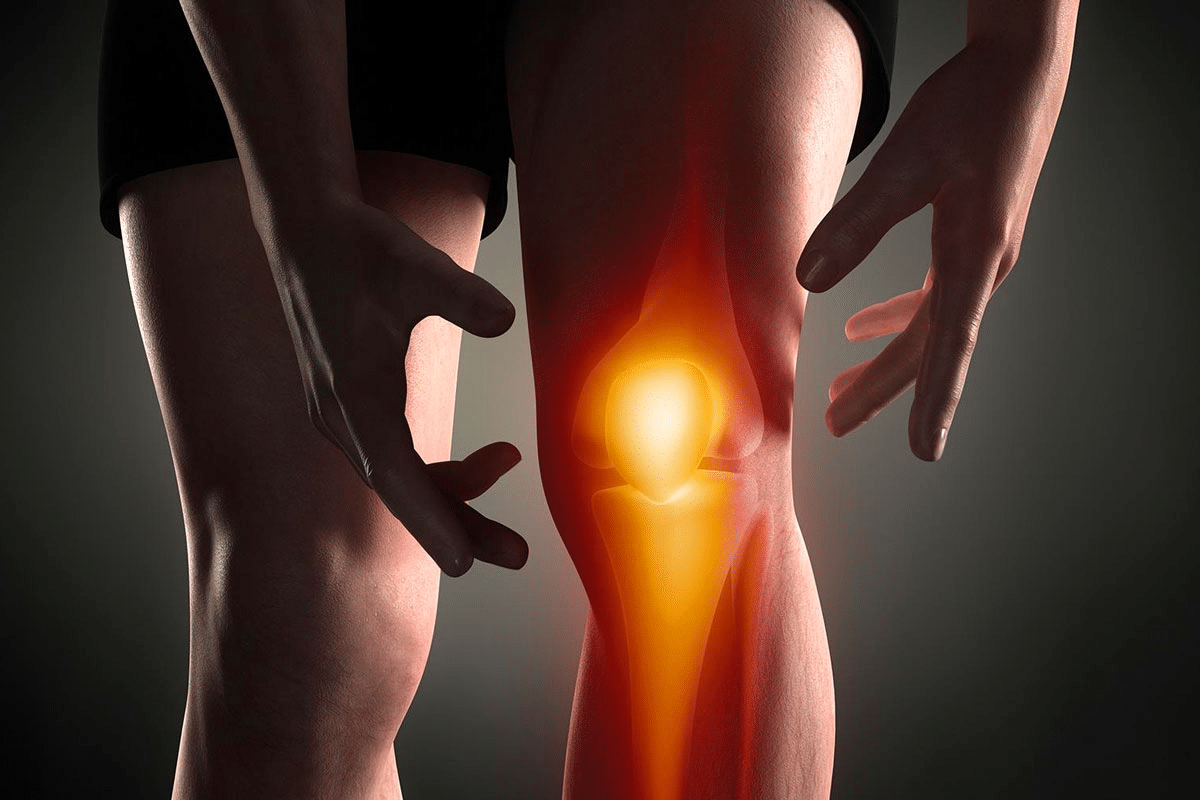
To understand how bones can feel pain, we need to look at their structure. Bones are not just static parts of our body. They are dynamic organs with many parts that make them sensitive.
Bone tissue has several layers, like the periosteum, cortex, and endosteum. The periosteum is a layer of connective tissue that surrounds the bone. It’s key for bone growth and repair. Underneath the periosteum is the cortical bone, a dense layer that supports the bone’s structure.
The periosteum is full of nerve fibers, making it very sensitive to pain. This sensitivity is important for noticing injuries or diseases in the bone.
Bones have a lot of nerve innervation, which is key for feeling pain. Nerves in the bone can sense different things, like mechanical stress or inflammation.
|
Component |
Function |
Pain Sensitivity |
|---|---|---|
|
Periosteum |
Surrounds bone, aids in growth and repair |
Highly sensitive |
|
Cortical Bone |
Provides structural support |
Less sensitive than periosteum |
|
Nerve Innervation |
Detects mechanical and inflammatory stimuli |
Essential for pain perception |
Knowing how bone tissue is structured and innervated helps us see how bones can feel pain. This answers the question of whether bones have pain receptors.
Bone ache is a common issue. It’s caused by specific pain mechanisms. Knowing these is key to treating bone pain disease well.
Nociceptors are special receptors that feel pain. In bone pain, they get signals from stress and inflammation. This makes them send pain signals to the spinal cord and brain.
The journey from bone to brain is complex. First, nociceptors feel pain, then send signals to the spinal cord. These signals then reach the brain, where we feel the pain.
This process shows we need a detailed plan to fight bone pain disease. It involves understanding how pain travels from bone to brain.
Bone pain can show up in many ways, making it important to know its types. This helps doctors find the right treatment. It’s key to understand the different types of bone pain.
Acute bone pain starts suddenly and doesn’t last long. It’s often from injuries or infections. Chronic bone pain lasts a long time and might not have a clear cause. Knowing if pain is acute or chronic helps doctors choose the right treatment.
Localized bone pain is in one spot, like a broken bone. Diffuse bone pain spreads out and can be linked to diseases like osteoporosis or metabolic bone diseases. Knowing if pain is in one spot or all over helps find the cause.
Nocturnal bone pain gets worse at night. It can mean a serious problem like bone cancer or infections. This type of pain can mess up sleep and shows the need for quick doctor visits.
In summary, knowing the types of bone pain is key to treating it right. Doctors can find the cause and plan the best treatment by understanding these types.
Traumatic causes, like fractures and microfractures, play a big role in bone pain. Injuries can cause sharp pain that might last a long time if not treated right. The pain’s intensity and how long it lasts depend on the injury’s severity.
Fractures, whether they’re complete or not, can cause a lot of bone ache. Microfractures, small cracks in the bone, can also cause pain, more so in bones that bear weight. Doctors say, “The pain from fractures is usually sharp and only in the fracture area.”
“The pain associated with fractures is usually sharp and localized to the area of the fracture.”
Stress injuries, common in athletes, happen from bones getting stressed over and over. This can make pain bones that hurt during and after exercise. If ignored, stress injuries can get worse, leading to stress fractures.
In summary, injuries like fractures and stress injuries are big reasons for bone pain. Knowing about these causes helps doctors diagnose and treat better.
Inflammation in bones can cause a lot of pain and discomfort. This is often due to underlying medical conditions. These conditions can lead to chronic pain and long-term damage if not managed well.
Osteomyelitis is a serious infection of the bone that can cause bone pain disease. It happens when bacteria or fungi infect the bone tissue. This leads to inflammation and severe bone discomfort.
This condition can start from direct infection from an injury or spread from another infected site.
Inflammatory arthritis, like rheumatoid arthritis, can also cause bone pain. It promotes inflammation in the joints and surrounding bone tissue. This inflammation can cause erosion of the bone and cartilage.
It results in significant discomfort and reduced mobility. Managing inflammatory arthritis is key to prevent long-term bone damage and associated pain.
In conclusion, inflammatory conditions like osteomyelitis and inflammatory arthritis are big causes of bone pain. Understanding these conditions is key for effective diagnosis and treatment. This helps alleviate bone discomfort and improve quality of life.
Bones and joints can change with age, leading to pain. These changes happen due to aging and wear and tear.
Osteoarthritis is a disease where cartilage breaks down. This causes bones to rub against each other, leading to pain. It often affects hips, knees, hands, and the spine.
Symptoms of osteoarthritis include pain, stiffness, and trouble moving. As it gets worse, it can make it hard to do everyday things.
As we age, our bones change. They become less dense and their structure changes. This can make bones more prone to breaking and cause pain.
“Age-related bone changes can significantly impact the quality of life, making it essential to manage them effectively.”
Degenerative disc disease affects the discs between vertebrae. It can cause the discs to degenerate and even herniate. This leads to back pain and pain that spreads to other parts of the body.
|
Condition |
Primary Symptoms |
Commonly Affected Areas |
|---|---|---|
|
Osteoarthritis |
Joint pain, stiffness |
Hips, knees, hands, spine |
|
Age-Related Bone Changes |
Bone pain, increased fracture risk |
Vertebral bodies, hips |
|
Degenerative Disc Disease |
Back pain, radiating pain |
Spine |
It’s important to know about these bone disorders to manage them well. Healthcare providers can help by treating the root causes of pain. This way, they can improve how patients feel and function.
Metabolic bone disease is a group of disorders that change how bones work. This leads to bone pain and other issues. These diseases mess up the normal bone repair process, making bones weak and more likely to break.
Osteoporosis makes bones less dense and weaker, making them more likely to break. Often, people don’t notice they have it until they break a bone. It’s more common in older adults and women after menopause because of hormone changes.
Paget’s disease is a chronic condition that breaks down and rebuilds bone tissue. This can cause bone deformities and pain, and even fractures. It usually affects older adults and can happen in one or more bones.
Vitamin D is key for strong bones by helping control calcium levels. Not having enough vitamin D can cause osteomalacia, where bones become soft. This can lead to bone pain and muscle weakness.
Hyperparathyroidism happens when the parathyroid glands make too much hormone. This hormone helps control calcium in the blood. Too much of it can cause bones to break down, leading to pain and a higher risk of osteoporosis.
It’s important to understand these bone diseases to treat bone pain well. Each disease has its own signs and needs its own treatment to help symptoms and prevent more problems.
Neoplastic bone diseases are serious conditions that cause bone pain. They can start in the bone or spread to it from other places in the body.
Primary bone cancers are rare but can be very painful. Osteosarcoma is the most common, often found in long bones. Other types include chondrosarcoma and Ewing’s sarcoma.
Metastatic bone disease happens when cancer from other parts of the body reaches the bone. It often comes from breast, prostate, or lung cancers. This can cause a lot of pain and make bones more likely to break.
Multiple myeloma is a cancer that affects plasma cells in the bone marrow. It leads to pain, mainly in the back, ribs, and hips, because it damages bone tissue.
|
Type of Neoplastic Bone Disease |
Characteristics |
Common Sites Affected |
|---|---|---|
|
Primary Bone Cancers |
Rare, aggressive tumors |
Long bones (e.g., femur, humerus) |
|
Metastatic Bone Disease |
Cancer spread from other sites |
Spine, pelvis, ribs |
|
Multiple Myeloma |
Cancer of plasma cells in bone marrow |
Vertebrae, ribs, hips |
It’s important to know about different bone diseases to treat bone pain well. Each one has its own signs and needs a specific treatment plan.
Bone pain can show up in many ways, affecting how well someone lives. Each person’s experience with bone pain is different.
Pain from bone issues can be sharp or constant, affecting just one spot or spreading out. For example, a broken bone might hurt a lot in one place. But, cancer in the bones can cause pain all over.
Some people feel nocturnal bone pain that gets worse at night. This can mess up their sleep. Knowing how pain acts is key to figuring out what’s wrong.
Other signs can go along with bone pain. These might include swelling, redness, or feeling hot around the painful area. Sometimes, a fever can happen if there’s an infection.
Bone pain can really change a person’s life. It can make it hard to do everyday things and hurt their mood.
It’s important to manage bone pain well. This means finding and treating the cause of the pain, not just the pain itself.
Diagnosing bone pain requires a detailed look at several things. This includes a thorough check-up and special tests. Finding the right diagnosis is key to treating bone pain well.
First, doctors do a physical check-up to find bone pain. They look at the patient’s health history and do a physical exam. They check for tenderness, swelling, or if the area is hard to move.
Palpation and movement tests help find where and how bad the pain is.
Imaging tests are very important for diagnosing bone pain. Here are some common ones:
Lab tests help find what’s causing bone pain. Some common ones are:
|
Test |
Purpose |
|---|---|
|
Blood tests |
Look for signs of inflammation, infection, or metabolic issues. |
|
Urine tests |
Find any urine problems that might point to bone disease. |
|
Bone turnover markers |
Check how fast bones are being made and broken down, helping spot osteoporosis. |
At times, a bone biopsy is needed. This means taking a bone sample for a detailed look.
“Bone biopsy is a definitive diagnostic tool for identifying bone pathology, including cancer and infection.”
It’s usually done when other tests don’t give clear answers.
By using all these methods, doctors can find the cause of bone pain. Then, they can plan a good treatment.
Treating bone pain requires a mix of treatments. These include medicines, non-medical methods, and surgery. The right treatment depends on the pain’s cause, how bad it is, and the patient’s health.
Medicines are often the first step in treating bone pain. Nonsteroidal anti-inflammatory drugs (NSAIDs), opioids, and bisphosphonates are used. NSAIDs help with pain from inflammation. Opioids are for more severe pain. Bisphosphonates treat bone diseases like osteoporosis.
Non-medical treatments can also help. Physical therapy, cognitive-behavioral therapy, and acupuncture are examples. Physical therapy can improve movement and lessen pain. Cognitive-behavioral therapy helps with chronic pain.
Surgery is sometimes needed to fix the bone pain’s cause. It can include fixing fractures, correcting bone deformities, or removing tumors.
New treatments for bone pain include stem cell therapy and platelet-rich plasma (PRP) therapy. These aim to heal damaged bones and joints, reducing pain.
|
Treatment Approach |
Description |
Indications |
|---|---|---|
|
Pharmacological Interventions |
Use of medications to manage pain |
Inflammatory bone pain, severe pain |
|
Non-Pharmacological Approaches |
Physical therapy, cognitive-behavioral therapy, alternative therapies |
Chronic pain management, improving mobility |
|
Surgical Management |
Surgical procedures to address underlying causes |
Fractures, bone deformities, tumors |
|
Emerging Therapies |
Stem cell therapy, PRP therapy |
Promoting healing in damaged bones and joints |
It’s important to understand bone pain and its causes. Bone pain, also known as ostealgia or osteodynia, can come from many sources. These include injuries, inflammation, degenerative diseases, and metabolic bone diseases.
Bone pain disease covers a wide range of conditions that affect bone health. Finding the right diagnosis is key to treating bone pain. This can greatly improve a person’s quality of life.
Dealing with bone pain requires a detailed approach. This includes medicines, non-medical treatments, and sometimes surgery. Each method is chosen based on the specific cause of the pain.
Healthcare providers can better help patients by understanding bone pain and its causes. This knowledge helps them create effective treatment plans. These plans aim to reduce symptoms and improve patient outcomes.
The terms for bone pain are ostealgia and osteodynia. They both mean pain in the bones.
Yes, bones do have pain receptors. The periosteum, a layer around the bone, has many nerve fibers. These can detect pain.
Bone pain can come from many things. This includes injuries, inflammation, and diseases like osteoporosis. It can also be caused by tumors.
Ostealgia and osteodynia both mean bone pain. But some people think ostealgia is a more general term. Osteodynia might mean a specific type of pain.
Yes, osteoporosis can cause bone pain. This is often because of fractures or bone weakness.
Doctors use many ways to find out about bone pain. They do physical checks, use imaging, and run lab tests. Sometimes, they take a bone biopsy.
There are many ways to treat bone pain. Doctors might use medicine, non-medical methods, surgery, or new treatments.
Yes, bone pain can be a sign of cancer. This includes cancers that start in the bone and cancers that spread to the bone.
Yes, degenerative disc disease can cause bone pain. This is most common in the spine.
Not having enough vitamin D can make bones soft. This is called osteomalacia and can cause pain.
Bone pain at night is serious. It might mean there’s a bigger problem that needs to be found and treated.
Yes, injuries from too much exercise can cause bone pain. This happens when there are small fractures or damage to the bone.
National Center for Biotechnology Information. Ostealgia and Osteodynia: Medical Terms for Bone Pain. Retrieved from https://www.ncbi.nlm.nih.gov/books/NBK279393/