Last Updated on December 3, 2025 by
Getting ready for Extracorporeal Shock Wave Lithotripsy (ESWL) is vital for a safe and effective treatment of kidney stones. ESWL is a noninvasive method that uses high-energy shock waves to break up stones. This allows them to pass out of the body in the urine.
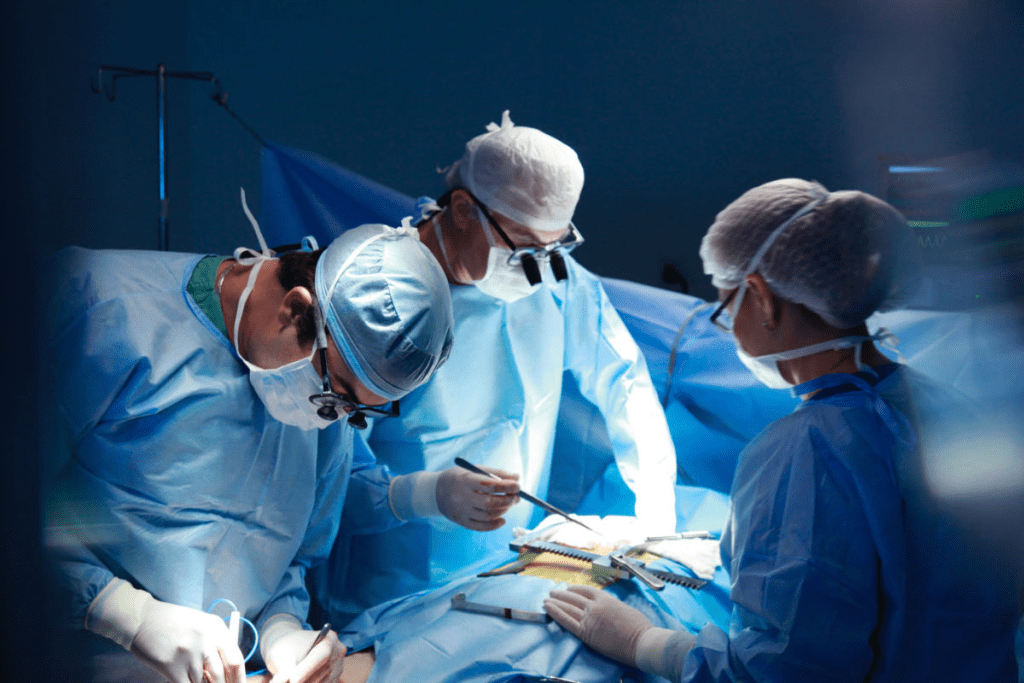
Going through a medical procedure can be scary. But knowing what to expect can help a lot. Learning about lithotripsy and how it works is a big step towards a better experience.
Key Takeaways
- ESWL is a noninvasive treatment for kidney stones.
- Preparation is key to a successful ESWL procedure.
- Understanding the ESWL process helps in managing expectations.
- Following pre-procedure guidelines is important for safety.
- Post-procedure care is key for a good recovery.
What is Extracorporeal Shock Wave Lithotripsy (ESWL)?
ESWL is a new way to treat kidney stones. It uses shock waves to break stones into small pieces. These pieces can then be easily passed out of the body. It’s a non-invasive method that’s better than old surgical ways.
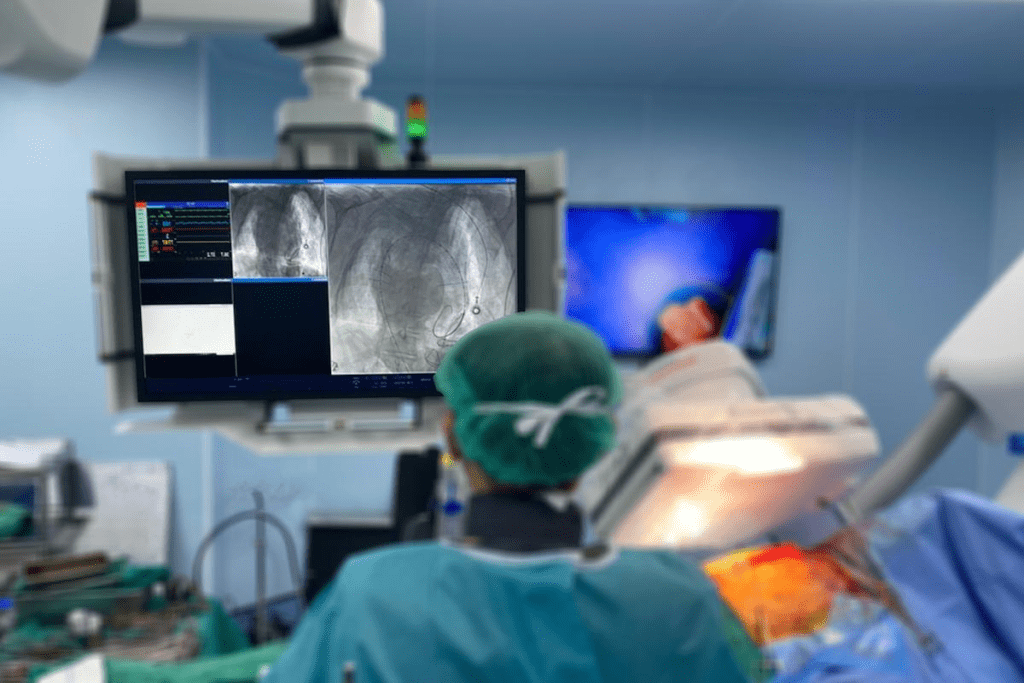
ESWL works by using shock waves to break down stones. These waves are made outside the body and focused on the stone. This makes the stone small enough to pass through urine, often without pain.
The Science Behind Kidney Stone Fragmentation
ESWL’s success comes from its technology. A machine called a lithotripter makes the shock waves. These waves hit the stone, breaking it into small pieces. Doctors use X-rays or ultrasound to make sure the stone is broken right.
Types of Stones Treated with ESWL
ESWL can treat many types of kidney stones. These include calcium oxalate and uric acid stones. But, whether ESWL is right for you depends on the stone’s size, location, and type, and your health.
Advantages Over Traditional Surgical Methods
One big plus of lithotripsy surgery is it’s not invasive. This means less risk of complications and quicker recovery. Plus, it’s often done as an outpatient procedure, making it more convenient for patients.
Before ESWL, patients need a full medical check-up. This includes checking for urinary tract infections (UTIs). Most places want to make sure the treatment is safe and works well.
Medical Evaluation Required Before Your ESWL Procedure
Before starting an ESWL procedure, a detailed medical check is needed. This check makes sure the treatment is safe and works well. It’s also important to spot any risks and prepare for them.
Essential Pre-Procedure Tests and Imaging
To see if ESWL is right for you, we need to do some tests and imaging. These include:
- Urine analysis to find infections or other issues.
- Blood tests to check your health and kidney function.
- Imaging studies like X-rays, CT scans, or ultrasound. They help us see the stones and where they are.
Screening for Urinary Tract Infections (UTIs)
Checking for UTIs is a big part of the pre-ESWL check. If you have an infection, we need to treat it first. This helps avoid any problems during the ESWL.
Discussing Your Medical History with Your Doctor
Talking about your medical history with your doctor is very important. This includes any medicines you’re taking, like anticoagulants or blood thinners. Your doctor might tell you to stop these medicines for a while. This is to lower the chance of bleeding during the procedure.
With a full medical check before ESWL, we make sure you’re ready for the treatment. This careful planning helps make the ESWL successful and your recovery smooth.
Medication Adjustments for Lithotripsy Success
Getting your medications right before ESWL is key. It helps lower risks and boosts success chances. We might need to tweak your meds to make sure your lithotripsy goes smoothly.
Blood Thinners and Anticoagulants: When to Stop
Stopping blood thinners and anticoagulants is a big deal. It’s often advised to stop these meds before ESWL to avoid bleeding. How long you should stop depends on your meds and health. Always talk to a doctor about this.
Tell your doctor about all meds, including ones you buy without a prescription. Some can raise bleeding risks or mess with other ESWL meds.
Pre-Procedure Pain Management Options
Managing pain before ESWL is important. Even though it’s usually not too bad, some people might feel some pain. We talk to patients about pain relief to find what works best for them. This could be pills or other methods to ease pain.
Antibiotic Prophylaxis: Who Needs It
Some patients might need antibiotics before ESWL, mainly to prevent UTIs. Who gets antibiotics depends on their risk factors. This includes past UTIs, certain health issues, or other infection risks.
By managing meds well before ESWL, we help make the procedure safer and more comfortable for you.
Dietary and Lifestyle Preparations
Getting ready for ESWL is more than just the treatment itself. You need to think about your diet and lifestyle too. Understanding these changes can help your treatment work better.
Fasting Guidelines
You’ll get specific fasting rules before your ESWL. We tell patients to not eat or drink for a while before. It’s very important to follow these rules to stay safe during the treatment.
One patient said, “Following the fasting rules was simpler than I thought. It made the whole process easier.” This shows how important it is to follow the instructions.
Bowel Preparation
Not everyone needs bowel prep for ESWL, but sometimes it’s suggested. We’ll tell you if you need it. The goal is to make the procedure safe and effective.
- Know what bowel prep you need.
- Follow your healthcare team’s instructions.
- Don’t hesitate to ask about the prep.
Hydration Recommendations
Drinking water is key before and after ESWL. It helps get rid of stone fragments. We suggest drinking more water to help pass the fragments. Staying hydrated is important for a good recovery.
“Hydration is key after ESWL. Drinking lots of water helps get rid of stone fragments, making recovery easier.” – A Urologist
Remember, these diet and lifestyle changes are to help your ESWL treatment succeed. By making these adjustments, you can help make your procedure go smoothly and effectively.
Day-of ESWL Procedure Preparation Checklist
To make your ESWL experience smooth and stress-free, we’ve created a checklist for you. Being well-prepared will help reduce your anxiety and ensure the procedure’s success.
What to Wear and Bring to Your Appointment
Wear loose, comfortable clothes for your ESWL procedure day. You might need to change into a hospital gown. But, it’s smart to have comfy clothes ready for later. Don’t forget to bring your insurance cards, ID, and any prescribed meds. Also, bring something to read or enjoy while you wait.
Transportation Arrangements
Make sure someone can drive you home after the procedure. The shock wave lithotripsy is non-invasive but you’ll need time to recover. Knowing what is lithotripsy and its effects will help you prepare.
Final Pre-Procedure Instructions
Follow any diet instructions from your doctor on the morning of your procedure. You might need to take certain meds with water. Arrive 30 minutes early to fill out paperwork and get ready.
By following this checklist, you’ll be ready for your ESWL procedure. If you have any questions or concerns, reach out to your healthcare provider for help.
Post-ESWL Recovery and Stone Passage
After an ESWL procedure, knowing the recovery process is key. It helps ensure a smooth and successful outcome. The post-procedure period has several important aspects for patients to know.
Immediate Recovery Period Expectations
Right after the ESWL procedure, patients are watched for any immediate issues. We suggest having someone drive you home because of the sedation or anesthesia. This is to ensure your safety.
Hydration and Medical Expulsive Therapy (MET)
Drinking plenty of water is vital during recovery. It helps flush out the stone fragments. Medical Expulsive Therapy (MET) may also be suggested. It uses medications to relax the ureter muscles, making it easier for fragments to pass.
Here are some hydration and MET tips:
- Drink at least 8-10 glasses of water per day
- Avoid caffeinated and carbonated drinks that can irritate the bladder
- Follow the MET regimen your doctor prescribes
Managing Discomfort and Stone Fragment Passage
Some discomfort or pain is normal as fragments pass. Always follow your doctor’s advice on pain management. This might include over-the-counter or prescription medications. Be aware of the signs of passage, like mild discomfort or feeling something pass.
When to Seek Medical Attention
While most can recover at home, some situations need immediate medical help. Seek help for severe pain, fever, chills, trouble urinating, or blood in urine that lasts.
Understanding the recovery period and following guidelines ensures a better outcome after ESWL.
Conclusion: Understanding ESWL Success Rates and Outcomes
Extracorporeal Shock Wave Lithotripsy (ESWL) is a common treatment for kidney stones. It works well for many people, with success rates between 50% and 90%. The success of ESWL depends on the stone’s size, density, and where it is located.
Studies show that the success of ESWL is linked to Hounsfield units (HU). Other factors like Body Mass Index (BMI), skin-to-stone distance (SSD), and the stone’s density also play a role.
Knowing these factors helps both patients and doctors make better choices about ESWL. It’s important to talk to a healthcare professional about your specific situation. They can help decide if ESWL is the right treatment for you.
FAQ
What is Extracorporeal Shock Wave Lithotripsy (ESWL)?
ESWL is a noninvasive treatment for kidney stones. It uses shock waves to break stones into smaller pieces. These pieces can then pass out of the body in the urine.
What types of kidney stones can be treated with ESWL?
ESWL can treat many types of kidney stones. This includes calcium oxalate, uric acid, and cystine stones. It depends on the stone’s size and location.
How do I prepare for an ESWL procedure?
To prepare for ESWL, you’ll need a medical evaluation. You might need to adjust your medications. You’ll also follow dietary and lifestyle changes. Your healthcare provider will give you a checklist to follow.
What tests are required before undergoing ESWL?
Before ESWL, you’ll need some tests. These include X-rays, CT scans, or ultrasound. They help find the stone and check its size. You’ll also get tested for urinary tract infections.
Do I need to stop taking blood thinners before ESWL?
Yes, you might need to stop blood thinners before ESWL. Your doctor will tell you when to stop. This is to reduce the risk of bleeding during the procedure.
What are the dietary restrictions before ESWL?
You’ll need to follow fasting guidelines before ESWL. This includes food and fluid restrictions. Your healthcare provider will guide you on what to do.
How important is hydration before and after ESWL?
Staying hydrated is key before and after ESWL. It helps flush out stone fragments. Your healthcare provider will tell you how much to drink.
What can I expect during the recovery period after ESWL?
After ESWL, you might feel some discomfort. It’s important to follow your healthcare provider’s advice. This includes managing discomfort, staying hydrated, and watching for signs that need medical attention.
How will I know if the ESWL procedure was successful?
Success is checked with follow-up imaging studies. These studies look for remaining stone fragments. They also check for symptoms like pain or difficulty urinating.
What are the possible complications of ESWL?
ESWL can have complications like infection or bleeding. It might not break the stone completely. Your healthcare provider will talk about these risks with you.
Can I undergo ESWL if I have a urinary tract infection (UTI)?
No, ESWL is not recommended with an active UTI. Your healthcare provider will check for UTIs before the procedure. They will treat any infection before doing ESWL.
How long does it take to recover from ESWL?
Recovery time varies, but most people can get back to normal in a few days. Your healthcare provider will give you personalized advice on what to expect during recovery.
References
- “Extracorporeal Shock Wave Lithotripsy (ESWL). UF Urology. https://urology.ufl.edu/patient-care/stone-disease/procedures/extracorporeal-shock-wave-lithotripsy-eswl/
- Zhang, D., et al. (2022). The Clinical Efficacy and Safety of Extracorporeal Shock Wave Lithotripsy in the Treatment of Patients with Urinary Calculi. PMC. https://pmc.ncbi.nlm.nih.gov/articles/PMC9584717/