Last Updated on November 14, 2025 by

The World Health Organization’s (WHO) Surgical Safety Checklist has changed patient care worldwide. It was introduced in 2008.
This simple yet effective tool has been adopted globally. It has greatly reduced surgical complications and death rates.
The checklist is a 19-item tool used at three key stages. It improves communication, verifies patient identity, and boosts teamwork among healthcare professionals.
By using the WHO surgical safety checklist, healthcare providers can greatly improve patient safety and outcomes.
Key Takeaways
- The WHO Surgical Safety Checklist was introduced in 2008 to improve patient safety.
- The checklist is a 19-item tool used at three key surgical stages.
- Its adoption has been shown to reduce surgical complications and mortality rates.
- The checklist enhances communication and promotes teamwork among healthcare professionals.
- Global use of the checklist has the potential to save hundreds of thousands of lives annually.
The Evolution of Surgical Safety: Introduction to the WHO Checklist
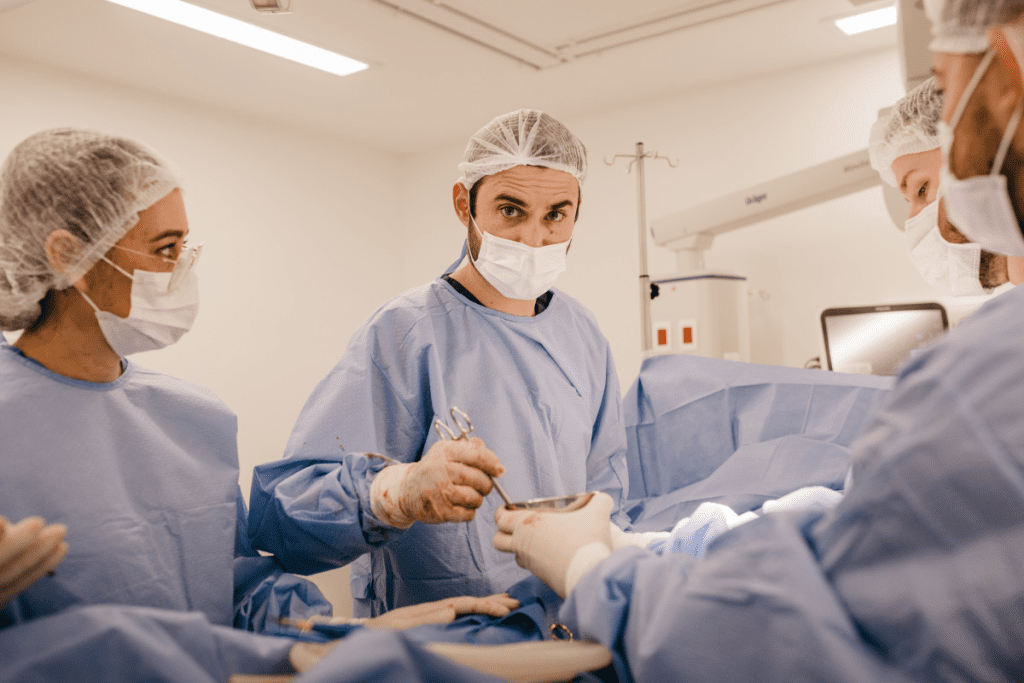
Introduced in 2008, the WHO Surgical Safety Checklist has become key in improving surgical safety globally. It was created for the Safe Surgery Saves Lives initiative to cut down on surgical errors. This tool is simple yet powerful in making surgeries safer for patients.
Origin and Development of the 2008 Initiative
The WHO Surgical Safety Checklist was made after talking to many experts and healthcare teams worldwide. It was seen as a way to standardize surgical safety, given the risks of surgery. The checklist focuses on key safety steps during surgery.
The 19-Item Structure Overview
The checklist has 19 items, split into three phases: Sign In, Time Out, and Sign Out. These phases cover important moments in surgery, making sure all safety checks are done. It checks patient identity, surgical site, and the procedure, among other things.
Global Adoption and Current Compliance Statistics
Hospitals all over the world have started using the WHO Surgical Safety Checklist. The adoption rate is around 73%. This shows how valuable the checklist is in making surgeries safer and reducing problems.
The Three Critical Stages of the Surgical Safety Protocol

The WHO Surgical Safety Checklist has three key stages for patient safety in surgeries. These stages check important information at different times. This helps lower the chance of problems during surgery.
Sign In Phase: Key Verification Steps Before Anesthesia
In the Sign In phase, 76% of the time, doctors check the patient’s identity and the surgery details. This is very important before anesthesia is given.
Time Out Phase: Essential Checks Before Incision
The Time Out phase, with a 61% rate, is a final check before starting the surgery. Here, they confirm the patient’s name, the surgery, and the site. This makes sure everyone knows what’s happening.
Sign Out Phase: Critical Verifications Before Patient Leaves OR
In the Sign Out phase, 62% of the time, the team checks for lost items and more. They make sure no objects are left inside the patient. This is done before the patient goes back to their room.
Knowing and using these three stages can greatly improve patient safety. It also lowers the risk of surgery problems.
5 Evidence-Based Benefits of the Surgical Safety Checklist
The WHO Surgical Safety Checklist has changed how we ensure surgical safety. It’s simple yet powerful. It has been adopted worldwide and has brought many benefits to surgery.
1. Reduction in 30-Day Morbidity from 23.6% to 8.2%
The WHO Surgical Safety Checklist has greatly reduced 30-day morbidity rates. It has cut these rates from 23.6% to 8.2%. This is thanks to its focus on verifying patient identity and the surgical site.
2. Decrease in Perioperative Mortality by up to 62%
The surgical safety checklist has also lowered perioperative mortality. It has been shown to reduce mortality by up to 62%. This shows how important it is for patient safety during surgery.
3. Significant Reduction in Surgical Site Infections
The WHO Surgical Safety Checklist helps lower surgical site infections (SSIs). It ensures safety protocols are followed. This has led to a big drop in SSIs, improving patient outcomes and saving money.
4. Shortened Hospital Stays by Nearly One Day
The surgical safety checklist also means patients stay in the hospital less. It makes surgeries smoother and reduces complications. This results in patients leaving the hospital almost a day sooner, making everyone happier and saving resources.
For more on the checklist’s benefits and how to use it, check out this document. It offers detailed insights into its success.
4 Major Challenges Hindering Surgical Checklist Implementation
The World Health Organization’s Surgical Safety Checklist is known for improving surgical results. Yet, its use faces many hurdles. Several big obstacles block the effective use of the WHO Surgical Safety Checklist. These include resistance to change, not enough training, staffing problems, and lack of accountability.
1. Resistance to Change Among Surgical Teams
Resistance to change is a big problem for surgical teams. This can come from doubts about the checklist’s value and unease with new routines. A study found that changing behaviour is hard, and complex behaviours are even harder to change.
To overcome this, a mix of education, leadership support, and slow introduction is needed.
2. Insufficient Training and Education Programs
Not enough training and education programs are another big challenge. For the checklist to work well, everyone needs to know its purpose and how to use it. Comprehensive training programs are key to making sure staff are ready and skilled with the checklist.
3. Staffing Shortages and Time Constraints
Staffing shortages and tight schedules also create big problems. Surgical teams often face high pressure and little time for extra steps. The checklist must fit into their current work without adding too much stress.
A safety expert said, “The checklist should be part of the routine, not extra.”
4. Lack of Ownership and Accountability Measures
Lastly, not enough ownership and accountability measures can stop the checklist from working well. It’s important to have clear responsibilities and regular checks to make sure the checklist is used correctly. By creating a culture of accountability, hospitals can make sure the checklist is followed and patients are safer.
6 Best Practices for Successful Surgical Checklist Adoption
Healthcare organizations aiming to use the WHO Surgical Safety Checklist must focus on key areas. This checklist is vital for better patient safety and fewer surgical errors.
Strong Leadership Engagement and Support are key to checklist success. Leaders should lead by example, showing the checklist’s value. They must also ensure it’s part of the surgical routine.
1. Strong Leadership Engagement and Support
Leadership support is vital for a safe healthcare culture. When leaders use the checklist, it inspires the whole team.
2. Effective Training Strategies
Good training is essential for the surgical team to grasp the checklist’s role. It covers both the basics and updates.
3. Customization for Specific Surgical Settings
The WHO Checklist is a good start, but tailoring it for each setting is beneficial. This makes it more effective in different environments.
4. Regular Monitoring and Performance Feedback
Healthcare groups should check the use of the checklist often and give feedback. This can include audits and surveys to improve quality.
By following these best practices, healthcare organizations can better use the WHO Surgical Safety Checklist. This leads to better patient care and a safer surgery environment.
- Ensure strong leadership support for checklist adoption.
- Develop thorough training for surgical staff.
- Customize the checklist for different surgical areas.
- Regularly check the checklist use and give feedback.
Conclusion: The Future of Surgical Safety Protocols
The WHO Surgical Safety Checklist has changed the world of surgery, making it safer for patients. As healthcare gets better, this checklist will keep being a key part in making surgeries safer and better.
This checklist has set a new standard for safety in surgery. The future of safety in surgery will likely see more improvements thanks to this checklist. It will help lower the number of infections and deaths during surgery.
The medical world needs to keep focusing on making surgery safer. The WHO Surgical Safety Checklist is a key part of this effort. By using it, we can make sure surgery gets even safer and better in the future.
FAQ’s:
What is the WHO Surgical Safety Checklist?
The WHO Surgical Safety Checklist is a 19-item tool. It’s used at three key stages in surgery. It helps improve communication, verify patient identity, and boost teamwork. This reduces surgical complications and improves patient safety.
When was the WHO Surgical Safety Checklist introduced?
Introduced in 2008, it’s part of the Safe Surgery Saves Lives initiative.
What are the three critical stages of the WHO Surgical Safety Checklist?
The stages are sign-in, time-out, and sign-out. Sign-in checks patient identity and consent. Time-out confirms patient name, procedure, and site. Sign-out checks instrument, sponge, and needle counts.
What are the benefits of using the WHO Surgical Safety Checklist?
It reduces 30-day morbidity and perioperative mortality. It also cuts down on surgical site infections and shortens hospital stays. This is thanks to better communication, patient identity checks, and teamwork.
What challenges can hinder the implementation of the WHO Surgical Safety Checklist?
Challenges include resistance to change and a lack of training. Staffing shortages and time constraints also pose issues. Lack of ownership and accountability measures are other hurdles.
How can healthcare organizations ensure the successful adoption of the WHO Surgical Safety Checklist?
Strong leadership and support are key. Training programs should be thorough. Customization for specific settings is important. Regular monitoring and feedback are also essential.
What is the significance of the time-out phase in the WHO Surgical Safety Checklist?
The time-out phase is critical. It confirms the patient’s name, procedure, and site before surgery. This ensures the right procedure is done on the right patient.
How does the WHO Surgical Safety Checklist promote patient safety?
It promotes safety by verifying patient identity and improving communication. It also fosters teamwork. This reduces the risk of surgical complications.
What is the global compliance rate for the WHO Surgical Safety Checklist?
Global compliance averages 73%. This shows widespread adoption worldwide.
How can the WHO Surgical Safety Checklist be customized for specific surgical settings?
Customization involves adapting the checklist for different settings. It ensures the checklist remains relevant and effective in various contexts.
REFERENCE:
- Surgical Safety Technologies. (2025, September 29). WHO Surgical Safety Checklist: Research-backed efficacy, real-world neglect. Retrieved from https://www.surgicalsafety.com/blog/who-surgical-safety-checklist
- Health Quality & Safety Commission New Zealand. (n.d.). Surgical Safety Checklist. Retrieved from https://www.hqsc.govt.nz/our-work/improved-service-delivery/safe-surgery-nz/projects/surgical-teamwork-and-communication/interventions/surgical-safety-checklist/
- Kartika, D., et al. (2025, May 5). Improving utilisation of the WHO surgical safety checklist at Wollega University Referral Hospital, Ethiopia: A quality improvement study. BMJ Open Quality. Retrieved from https://www.ncbi.nlm.nih.gov/pmc/articles/PMC12067817/