Uterine fibroids are common, affecting millions of women. They can cause heavy bleeding and even infertility. Studies show a link between nutritional deficiencies and these tumors. Knowing this can help women manage symptoms and lower their risk.
Research points to diet’s role in fibroid tumors in the uterus. By looking into fibroids causes, women can take steps to reduce their risk.
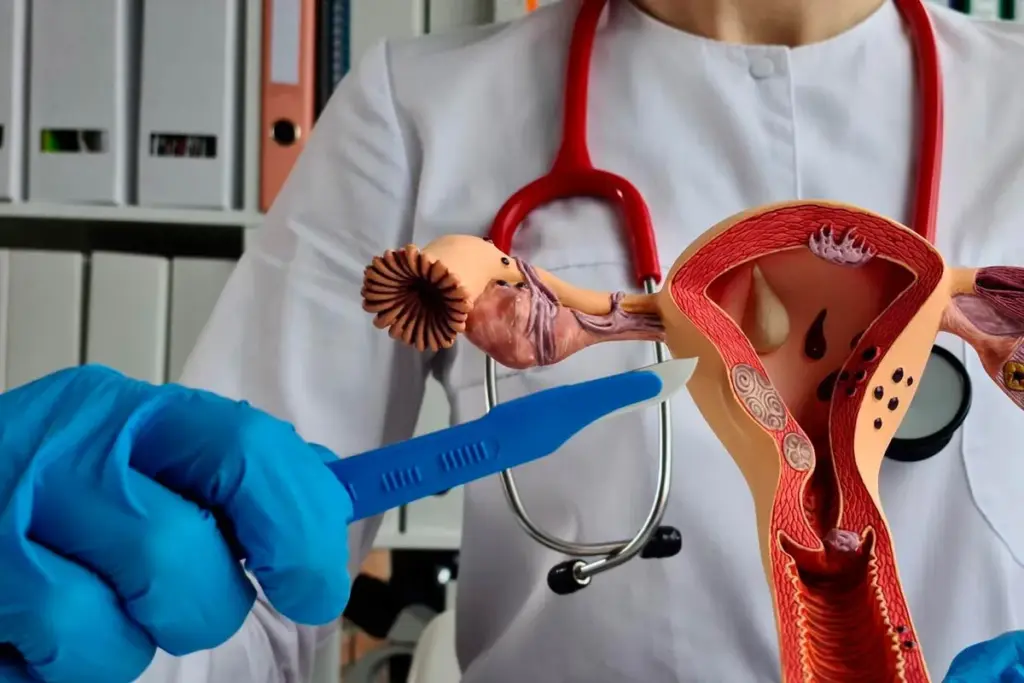
Uterine fibroids are a big health issue for many women, mainly in their childbearing years. These growths, also known as leiomyomas, are not cancerous but can grow in or around the uterus. They can be different sizes, numbers, and places, affecting women’s health a lot.
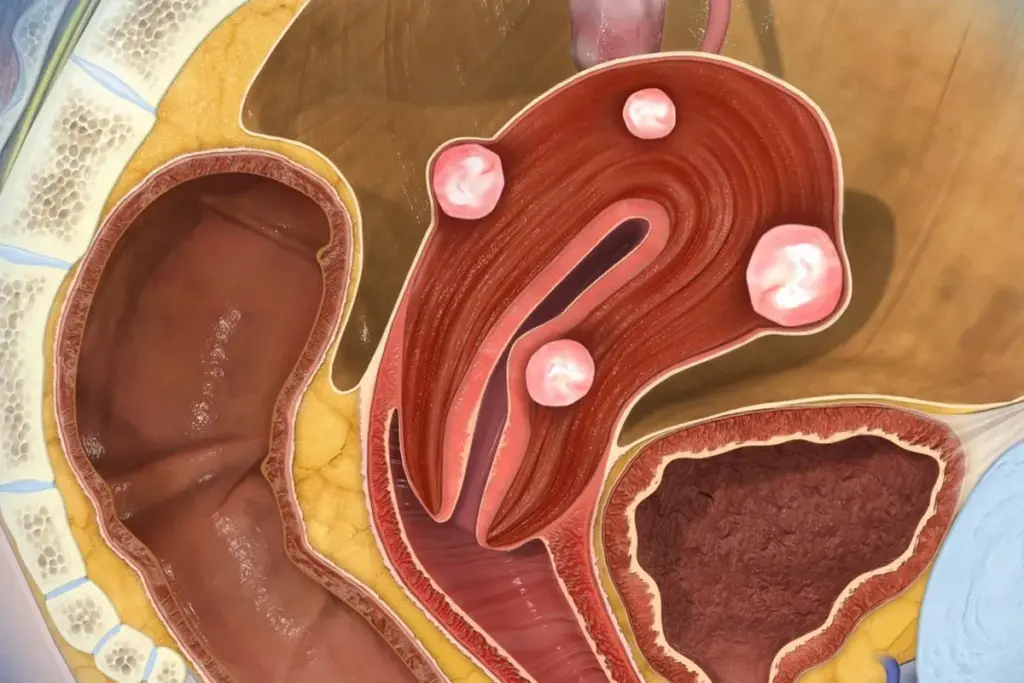
Uterine fibroids are non-cancerous growths in or on the uterus. They are very common, with up to 80% of women getting them by 50. The chance of getting fibroids varies among different groups, with some ethnicities being more affected.
The exact reason for uterine fibroids is not known. But hormones, genetics, and environment are thought to be involved. Symptoms include heavy bleeding, long periods, pelvic pain, and sometimes trouble getting pregnant.
There are several types of uterine fibroids, based on where they grow. Intramural fibroids grow inside the uterine wall. Submucosal fibroids grow just under the uterine lining and can stick into the uterine cavity, leading to heavy bleeding. Subserosal fibroids grow outside the uterus and can get big, causing discomfort or pressure.
Knowing the different types of fibroids is key to finding the right treatment. The location and size of the fibroids affect symptoms and treatment choices.
Scientists are looking into how certain nutritional gaps might link to fibroids. They want to know how what we eat affects these tumors.
Research has checked out different nutritional gaps and their role in fibroids. Nutritional deficiencies can mess with our hormones and health, possibly leading to fibroids.
A study in the Journal of Nutrition showed women with fibroids often lack certain nutrients. This shows how important adequate nutrition is in fighting or managing fibroids.
Hormonal balance is key for our uterus health. Nutrient gaps can upset this balance. For example, vitamin D deficiency can lead to hormonal imbalances that might help fibroids grow.
The table below shows important nutrients and their role in hormonal balance and fibroid growth.
|
Nutrient |
Role in Hormonal Balance |
Impact on Fibroids |
|---|---|---|
|
Vitamin D |
Regulates hormone production |
May reduce fibroid growth |
|
Magnesium |
Supports hormone regulation |
May help alleviate symptoms |
|
Iron |
Essential for healthy hormone balance |
Deficiency may exacerbate anemia |
Estrogen dominance happens when estrogen levels are too high. This can lead to fibroids. Nutrient gaps can make this imbalance worse by messing with hormone breakdown.
It’s key to eat enough nutrients that help balance hormones to manage fibroids and keep our uterus healthy.
Vitamin D is important for bone health and hormonal balance. It might play a role in fibroid development. Knowing how vitamin D affects fibroids can help prevent and treat them.
Vitamin D is key in controlling hormones, which are vital for uterine health. It helps keep hormones in balance by affecting gene expression.
The active form of vitamin D, calcitriol, acts like a hormone. It influences cell growth and differentiation. This is important for fibroid growth, suggesting vitamin D might help prevent them.
Research shows vitamin D deficiency is linked to bigger fibroids and worse symptoms. Studies suggest vitamin D deficiency can make fibroids worse.
A study found women with low vitamin D had bigger fibroids and worse symptoms. This shows vitamin D supplements might help manage fibroids.
Keeping vitamin D levels right is key for uterine health. The best level varies, but 30-50 ng/mL is usually good. This range helps prevent fibroids.
To support uterine health, get enough vitamin D from sun, diet, and supplements. This can help lower fibroid risk.
Iron is key for our health, but too much or too little can be bad. It’s important for women with uterine fibroids to keep iron levels just right.
Too much iron can make fibroids grow. It causes stress and inflammation, helping fibroids expand.
Iron overload can happen due to genes or blood transfusions. It’s vital to check iron levels, mainly for those with fibroids.
Fibroids can cause a lot of bleeding, leading to anemia. This is because the body loses too much iron. Signs of anemia include feeling tired, weak, and short of breath.
Women with fibroids should get checked for anemia. Treating heavy bleeding can stop iron loss.
Finding the right amount of iron is key. Too much can cause problems, while too little can lead to anemia. Women with fibroids should talk to their doctors about iron levels.
Eating foods high in iron, like red meat and spinach, can help. But, it’s also important to watch out for too much iron.
Research shows that some B vitamins might affect how uterine fibroids grow. They help balance hormones. B vitamins are key for energy, nerve function, and heart health. They’re important for hormonal balance, which affects fibroid growth.
B vitamins, like B6 and B9 (folate), are vital for hormone balance. They help make and control hormones, including estrogen. This hormone is linked to fibroid growth. Not having enough B vitamins can cause hormonal problems, which might make fibroids grow.
“Eating foods rich in B vitamins can help keep hormones balanced,” a study on nutrition and uterine health found.
Some B vitamins might help with fibroids. These include:
Eating foods with these B vitamins or taking supplements might help women with fibroids. But, always talk to a doctor before starting any supplements.
Magnesium, zinc, and other essential minerals are key for uterine health and preventing fibroids. They help with hormonal balance and muscle relaxation. These are important for the uterus.
Mineral imbalances can harm uterine health. Magnesium relaxes muscles and balances hormones. Zinc boosts the immune system and heals wounds. Without enough, uterine contractions and inflammation may increase, leading to fibroids.
Magnesium is very important for uterine health. It reduces inflammation and improves blood flow. This can ease fibroid symptoms. Zinc keeps hormone levels healthy and supports the immune system against infections.
Supplements can help with mineral deficiencies, but use them carefully. Always get medical advice before starting.
Always talk to a doctor before starting supplements. They can help find the right amount and check for any risks.
Eating foods rich in magnesium and zinc can also help. This can improve uterine health.
|
Mineral |
Food Sources |
|---|---|
|
Magnesium |
Dark leafy greens, nuts, seeds, whole grains |
|
Zinc |
Oysters, beef, chicken, pumpkin seeds, chickpeas |
Eating these foods can keep mineral levels right. This supports uterine health and may lower fibroid risk.
Knowing the signs of uterine fibroids is the first step to getting the right medical care. These growths can cause many symptoms that affect a woman’s life. It’s important to know these symptoms early to manage them well.
Uterine fibroids can show up in several ways, including:
These symptoms can be different in how they affect you. Knowing them helps you know when to see a doctor.
While many symptoms can be managed, some need quick medical help. These include:
If you have any of these severe symptoms, get medical help right away.
Keeping a record of your symptoms is very helpful. It helps you and your doctor understand your situation better. Use a symptom journal to track:
|
Date |
Symptom |
Severity (1-10) |
Notes |
|---|---|---|---|
|
02/01/2023 |
Heavy Bleeding |
8 |
Lasted for 7 days |
|
02/05/2023 |
Pelvic Pain |
6 |
Pain managed with medication |
|
02/10/2023 |
Bloating |
7 |
Noticed after eating certain foods |
Tracking your symptoms helps you understand your condition better. This way, you can work with your doctor to find the best treatment.
Getting a correct diagnosis for fibroids and nutritional issues is key to better treatment. Doctors use medical tests and check nutritional levels to diagnose these conditions.
There are several tests to find fibroids:
Tests can find nutritional gaps:
Working with doctors is important for diagnosing and treating fibroids and nutritional issues. You should talk about your symptoms, health history, and lifestyle.
Good communication with your doctor can help create a treatment plan that works for you.
Fibroid treatment has evolved, with many options like medication, surgery, and non-surgical methods. The right treatment depends on several factors. These include the fibroids’ size and location, how severe the symptoms are, and the patient’s health and preferences.
Medications are key in managing fibroid symptoms. Hormonal treatments like birth control pills and GnRH agonists can reduce bleeding and pain. They work by balancing hormones, which can affect fibroid growth.
Other medication options include:
|
Medication |
Purpose |
Benefits |
|---|---|---|
|
GnRH agonists |
Reduce estrogen levels |
Shrink fibroids, reduce bleeding |
|
Tranexamic acid |
Reduce heavy bleeding |
Effective in managing menstrual bleeding |
|
NSAIDs |
Pain relief |
Relieve pain associated with fibroids |
Surgery is often considered for women with significant symptoms or large fibroids. Myomectomy removes fibroids while keeping the uterus, making it an option for women who wish to maintain fertility.
Hysterectomy, or the removal of the uterus, is a more definitive solution that eliminates the possibility of fibroid recurrence. But, it’s a major surgery with significant implications for a woman’s reproductive health.
For women seeking alternatives to surgery, non-surgical procedures offer promising solutions. Uterine artery embolization (UAE) cuts off the blood supply to the fibroids, causing them to shrink.
Focused ultrasound surgery (FUS) is another non-invasive option. It uses ultrasound waves to heat and destroy fibroid tissue. This procedure is typically performed under MRI guidance to ensure precision.
These non-surgical procedures can offer significant relief. They may have fewer complications and a quicker recovery compared to traditional surgery.
Vitamins might help shrink fibroids, and research is exploring this idea. Studies are finding links between nutrition and uterine health. This makes understanding vitamins’ role in managing fibroids key.
Some vitamins could help reduce fibroid size. Vitamin D is one, as it might control fibroid growth. Research shows vitamin D could lower fibroid risk and help shrink them.
B vitamins and magnesium also show promise. B vitamins help with hormones, and magnesium aids muscle function. Both might ease fibroid symptoms.
Vitamins and supplements can be beneficial but need careful use. The right dose varies by person and symptom severity.
Always talk to a doctor before starting supplements. They can check for drug interactions and ensure safety. Regular blood tests can keep vitamin levels right.
Using vitamins with medical treatments for fibroids can be a good strategy. Vitamins support uterine health but shouldn’t replace medical care without a doctor’s advice.
A balanced approach includes diet, vitamins, and medical treatment. Doctors can tailor the best mix of treatments for each person.
Research shows that plant-based diets can help manage fibroids. Eating whole, nutrient-rich foods can lessen fibroid symptoms and boost health.
Plant foods are packed with vitamins, minerals, and antioxidants. Leafy greens, berries, and other fruits are great because they’re full of nutrients.
Plant-based foods have anti-inflammatory properties. This can help reduce fibroid pain. Eating a variety of colorful vegetables supports hormonal balance and provides essential nutrients.
It’s easy to make a meal plan with lots of plant-based foods. Here’s a simple example:
|
Day |
Breakfast |
Lunch |
Dinner |
|---|---|---|---|
|
Monday |
Oatmeal with berries |
Quinoa salad with roasted vegetables |
Grilled tofu with steamed broccoli |
|
Tuesday |
Smoothie bowl with spinach and banana |
Lentil soup with whole grain bread |
Stir-fry with mixed vegetables and brown rice |
|
Wednesday |
Avocado toast on whole grain bread |
Chickpea salad with mixed greens |
Roasted vegetable curry with quinoa |
Switching to a plant-based diet can be done slowly. Start by replacing one or two meals a day with plant-based options. Then, gradually add more plant-based meals over time.
Tips for a successful transition:
Dietary changes can greatly reduce the risk of fibroids. By focusing on nutrition, people can lower their chance of getting these growths.
Adding certain foods to your diet is key in preventing fibroids. Foods high in antioxidants, fiber, and nutrients are best.
These foods give you important nutrients. They also help keep hormones balanced, which is vital for avoiding fibroids.
Some foods can increase the risk of fibroids. It’s important to avoid foods that cause hormonal imbalances and inflammation.
Lowering the intake of these foods helps maintain a balanced diet. This supports uterine health.
Good meal planning is essential for a diet that prevents fibroids. Eating a variety of nutrient-rich foods and avoiding harmful ones helps keep the uterus healthy.
|
Meal |
Foods to Include |
Foods to Avoid |
|---|---|---|
|
Breakfast |
Oatmeal with berries, spinach smoothie |
Sugary cereals, processed meats |
|
Lunch |
Grilled chicken salad, quinoa bowl with vegetables |
Fast food, processed snacks |
|
Dinner |
Baked salmon, roasted vegetables, brown rice |
Red meat, fried foods, refined grains |
By following a well-planned nutritional strategy, you can lower your risk of fibroids. This promotes overall health.
“The food you eat can either be the safest and most powerful form of medicine, or the slowest form of poison.”
Knowing when to see a doctor is important for fibroid health issues. To manage fibroids well, you need both medical help and good nutrition.
Looking for a doctor to treat fibroids? You should find someone who knows a lot about gynecology or obstetrics. A specialist with the latest treatments and nutrition advice can help more. Ask your primary doctor for suggestions or look for certified specialists in your area.
Being ready with questions is key for your doctor visit. Ask about fibroid causes, tests, and treatments. Also, ask about nutrition and diet changes for better symptoms.
Managing fibroids often means using both medical treatments and nutrition. Having a doctor who values nutrition can help create a plan just for you. A healthcare expert says, “A balanced diet is key for fibroid symptoms and uterine health.”
“Nutrition is a critical component of managing fibroids. By making informed dietary choices, women can potentially reduce their symptoms and improve their quality of life.”
By combining medical care with smart nutrition, you can manage your fibroids better. This improves your health overall.
It’s important to understand how nutritional deficiencies can affect fibroids. Knowing how vitamins and minerals help keep the uterus healthy is key. This knowledge helps people take steps to ease symptoms and even shrink fibroids.
Eating a balanced diet full of important nutrients is vital. Foods rich in vitamin D, iron, B vitamins, magnesium, and zinc help regulate hormones and keep the uterus healthy. A diet based on plants and making smart food choices can help manage fibroids and boost overall health.
Managing uterine health requires a full plan. This includes getting medical advice, following a healthy diet, and making lifestyle changes. With the help of doctors and by making smart choices, people can create a plan to handle fibroids and live better.
Some studies show that not getting enough vitamins and minerals can lead to fibroids. This includes a lack of vitamin D and iron.
Yes, research links vitamin D deficiency to a higher risk of fibroids. Vitamin D helps control hormones and cell growth.
Having too much or too little iron can affect fibroids. Iron deficiency can make anemia worse due to heavy bleeding.
B vitamins, like those that regulate hormones, might slow down fibroid growth. But, we need more studies to be sure.
Yes, eating lots of fruits, veggies, and whole grains can help with fibroid symptoms. It also supports uterine health.
You should see a doctor right away if you have severe pain, heavy bleeding, or trouble with urination or bowel movements.
Doctors use your medical history, a physical exam, and tests like ultrasound or MRI to find fibroids.
Doctors can treat fibroids with medicines, surgery like hysterectomy or myomectomy, or non-surgical methods like uterine artery embolization.
Some vitamins and supplements, like vitamin D and omega-3 fatty acids, might make fibroids smaller. But, their effects vary and more research is needed.
Eating a diet full of fruits, veggies, whole grains, and lean proteins can help prevent fibroids. Avoiding processed and sugary foods is also key.
If you have symptoms or have been diagnosed with fibroids, talk to a healthcare provider. They can help find the best treatment for you.
A fibroid specialist offers expert advice on diagnosis, treatment, and management. They help you find the best care plan for your fibroids.
National Center for Biotechnology Information. Evidence-Based Medical Insight. Retrieved from https://www.ncbi.nlm.nih.gov/pmc/articles/PMC10708302/