Last Updated on December 1, 2025 by Bilal Hasdemir

Ewing sarcoma is a rare and aggressive cancer that mainly affects bones or the soft tissue around them. It’s a big challenge for doctors. Nearly 80% of patients diagnosed with Ewing sarcoma are under the age of 20. This makes it a big worry for kids and young adults.
We look into whether this disease can be cured. We’ll check out the newest treatments and how they affect the Ewing sarcoma cancer survival rate. Thanks to new research and better medical care, treating Ewing sarcoma is getting better. But the big question is: can sarcoma be cured?
Key Takeaways
- Ewing sarcoma is a rare and aggressive cancer mainly affecting children and young adults.
- Advancements in treatment options have improved the outlook for patients.
- Understanding the ewing sarcoma cancer survival rate is key to knowing if it can be cured.
- Ongoing research is vital to making treatments better.
- The curability of Ewing sarcoma depends on many factors, like the stage at diagnosis and the treatment’s success.
Understanding Ewing Sarcoma: An Overview

Ewing sarcoma is a common bone cancer in kids and teens. It’s a rare and aggressive cancer that can happen in bones or soft tissues. It mainly affects young people, but can also happen in older adults.
What is Ewing Sarcoma?
Ewing sarcoma grows fast and can spread. It’s important to catch and treat it quickly. It was named after the doctor who first found it.
This cancer can show up in any part of the body. It often happens in the bones of the legs, arms, pelvis, and chest. The exact cause of Ewing sarcoma is not known, but genetics play a role.
Studies on Ewing’s sarcoma prognosis show that results can vary. This depends on when it’s found, where it is, and the patient’s health.
Who is Affected by Ewing Sarcoma?
Ewing sarcoma statistics show it mostly affects kids and young adults. Most cases are in people under 20. It’s less common in adults over 30.
We don’t know all the reasons why Ewing sarcoma happens. But research is finding out more about its biology and risk factors. This includes genetics and environmental factors.
The Biology of Ewing Sarcoma

Ewing sarcoma is a complex cancer with specific genetic changes. It is aggressive and needs a deep understanding to treat effectively.
Genetic Factors and Chromosomal Translocations
Ewing sarcoma has a unique chromosomal translocation involving the EWS gene. This usually happens between chromosomes 11 and 22. It creates an EWS-FLI1 fusion gene, a key feature of this cancer.
The EWS-FLI1 fusion protein acts like an abnormal transcription factor. It turns on genes that help cells grow and survive.
This fusion gene is a key marker for diagnosing Ewing sarcoma. Knowing the genetic causes is vital for creating targeted treatments. These treatments aim to block the harmful effects of the EWS-FLI1 fusion protein.
How Ewing Sarcoma Develops and Spreads
Ewing sarcoma starts from primitive neuroectodermal cells. These cells are the origin of this cancer. It can occur in any bone or soft tissue, but often affects long bones, the pelvis, and the chest wall.
The EWS-FLI1 fusion gene is key in Ewing sarcoma’s development. It promotes cell growth, stops cell death, and leads to a cancerous state. As it grows, Ewing sarcoma can spread to other parts of the body. This includes the lungs, bones, and bone marrow, making treatment harder.
How Fast Does Ewing Sarcoma Grow?
Knowing how fast Ewing sarcoma grows is key to making good treatment plans. This cancer grows quickly and aggressively.
Many things can affect how fast Ewing sarcoma grows. These include the tumor’s genes and the patient’s health. How fast it grows can change how symptoms show up and how quickly treatment is needed.
Growth Rate Characteristics
Ewing sarcoma is a fast-growing tumor. It grows faster than many other cancers. Every patient’s growth rate is different, so it’s important to watch the disease closely.
Characteristics of Ewing Sarcoma Growth:
- Rapid growth of cancer cells
- Quick spread to other parts of the body
- Different growth rates for each patient
Factors Affecting Growth Speed
Several things can change how fast Ewing sarcoma grows. These include genetic changes, certain proteins, and the patient’s age and health.
| Factor | Influence on Growth Rate |
| Genetic Mutations | Some mutations can make tumors grow faster |
| Patient’s Age | Younger patients might have tumors grow faster |
| Overall Health | Poor health can make tumors grow faster |
Understanding these factors helps doctors create treatment plans that fit each patient’s needs.
Signs and Symptoms of Ewing Sarcoma
Knowing the signs and symptoms of Ewing Sarcoma is key for early treatment. This cancer often shows both local and systemic symptoms. These can change based on where and how big the tumor is.
Common Physical Symptoms
The most common signs include pain, swelling, and a lump in the affected area. The pain can be constant or come and go. It may get worse over time.
Swelling or a noticeable lump can happen as the tumor grows. This can make it hard to move if the tumor is near a joint.
Ewing Sarcoma Lump Characteristics
A lump or swelling from Ewing Sarcoma can be tender and grow fast. The lump’s feel and size can vary. It might be soft or firm, and its size can range from small to large.
In some cases, the lump may also have redness or warmth on the skin above it.
- Painful swelling or a lump in the arms, legs, or pelvis
- Visible deformity or asymmetry due to tumor growth
- Limited mobility if the tumor affects a joint or limb
Systemic Symptoms
Some patients with Ewing Sarcoma also have systemic symptoms. These include fever, weight loss, and fatigue. These symptoms happen when the cancer spreads or affects the body’s health overall.
- Fever, which may be intermittent or persistent
- Unexplained weight loss, indicating possible metabolic changes
- Fatigue or a general feeling of being unwell
Seeing these signs and symptoms early is critical for quick medical help and diagnosis. If you or someone you know has these symptoms, it’s important to get medical help right away.
Diagnosis Process for Ewing Sarcoma
Diagnosing Ewing Sarcoma involves imaging studies and a detailed look at tissue samples. We aim to help you understand this process with kindness and clarity.
Imaging Studies
Imaging tests are key in finding Ewing Sarcoma. They help us see the tumor and how big it is. We use:
- X-rays: First, to spot bone issues.
- CT scans: Give detailed views of the tumor and nearby tissues.
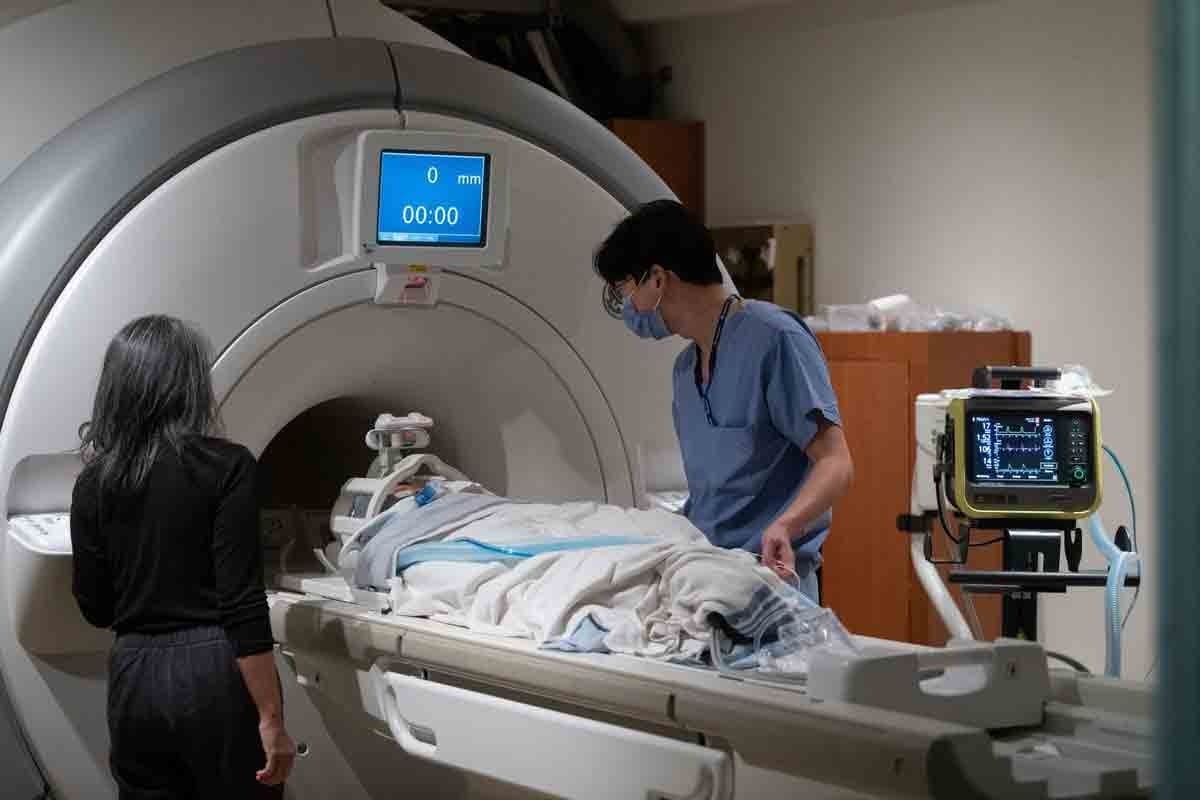
- MRI scans: Show soft tissues clearly, helping us see the tumor’s size and spread.
Biopsy and Pathological Confirmation
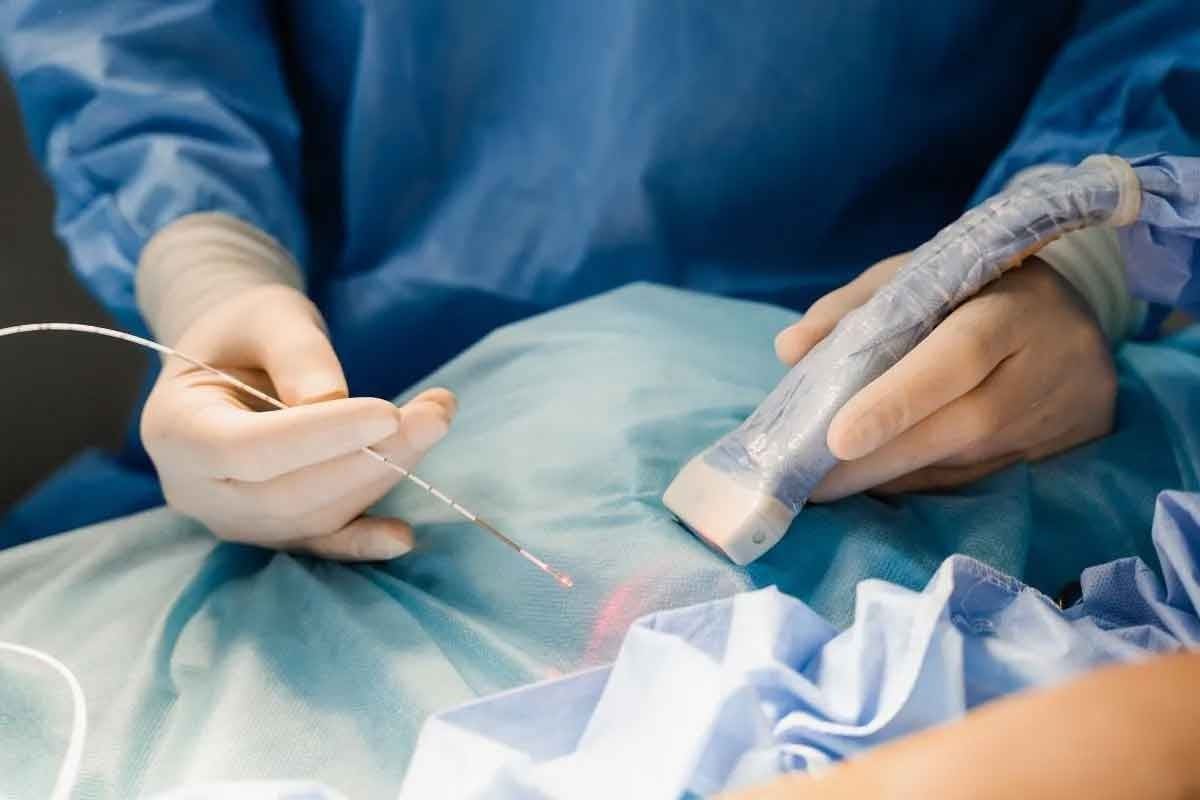
A biopsy is vital to confirm Ewing Sarcoma. It takes a tumor sample for a microscope check. The examination includes:
- Histopathological analysis: Looks for Ewing Sarcoma’s unique cells.
- Immunohistochemistry: Finds specific proteins on tumor cells.
- Molecular testing: Checks for Ewing Sarcoma’s genetic signs, like the EWS-FLI1 gene.
Staging Procedures
After diagnosing Ewing Sarcoma, we do staging to see how far it has spread. This helps plan the best treatment. Staging might include more imaging and a bone marrow biopsy.
Ewing Sarcoma Cancer Survival Rate: What the Statistics Show
Looking at Ewing sarcoma survival stats helps us see how well treatments work. Thanks to new treatments, survival rates have gone up a lot.
Overall Survival Statistics
Survival rates for Ewing sarcoma have gotten better. This is because doctors now use a mix of treatments like chemo, surgery, and radiation.
- Increased Survival Rates: Research shows more people are living longer, mainly in cases where the cancer is caught early.
- Multimodal Treatment: Using different treatments together has helped more people survive.
Ewing Sarcoma Survival Rate by Stage
The survival rate for Ewing sarcoma changes a lot based on when it’s found. Catching it early is key to a better chance of survival.
- Localized Ewing Sarcoma: People with cancer that’s only in one place have a better chance of survival.
- Metastatic Ewing Sarcoma: But, survival chances are much lower if the cancer has spread.
10-Year Survival Rates
Looking at survival rates over 10 years helps us see how well treatments last. New data shows that more people are living longer with Ewing sarcoma, thanks to better treatments.
Key Factors Influencing Long-term Survival:
- Early Detection: Finding cancer early is very important for a better long-term outlook.
- Treatment Adherence: Sticking to the treatment plan is also key for long-term success.
Ewing Sarcoma in Adults vs. Children
Ewing sarcoma shows different signs and treatments in adults and children. This makes age very important in fighting the disease. While it’s more common in the young, adults can also get this aggressive cancer.
Differences in Presentation
In adults, Ewing sarcoma often appears in the arms or pelvis. Kids usually get it in the chest or long bones. Adults may also feel more tired and lose weight because they might get diagnosed later.
Adults also tend to have cancer that has spread more at the start. This makes treatment harder. It’s key to know these differences to create the right treatment plan for each age group.
Treatment Approaches by Age Group
How we treat Ewing sarcoma changes with age. Children usually get stronger chemotherapy, but it’s tough for adults to handle.
- Adults might need smaller doses of chemotherapy and better side effect management.
- Surgery can also vary, with adults needing more complex fixes.
- Even though radiation therapy is similar, adults might need more precise treatment because of other health issues.
Survival Differences Between Adults and Children
Adults with Ewing sarcoma often have lower survival rates than kids. This gap comes from different tumor types, how well treatments work, and adult health issues.
“The overall survival rate for Ewing sarcoma is significantly influenced by age, with younger patients typically having better outcomes than adults.”
— an oncologist
Knowing these survival differences helps us make treatments better for each age group. This way, we can improve results for everyone with Ewing sarcoma.
Standard Treatment Approaches for Ewing Sarcoma
A multimodal treatment strategy is key for Ewing sarcoma. It combines different treatments for the best results.
Multimodal Treatment Strategy
Treatment for Ewing sarcoma includes chemotherapy, surgery, and radiation therapy. Chemotherapy helps shrink the tumor and fight cancer cells that may have spread. Surgery and radiation therapy focus on controlling the tumor at its main site.
Chemotherapy Protocols
Chemotherapy is a vital part of Ewing sarcoma treatment. The usual regimen includes vincristine, doxorubicin, and cyclophosphamide, alternating with ifosfamide and etoposide. The exact chemotherapy plan depends on the patient’s health and disease stage.
| Chemotherapy Regimen | Drugs Used | Purpose |
| VDC/IE | Vincristine, Doxorubicin, Cyclophosphamide / Ifosfamide, Etoposide | Shrink tumor, address microscopic disease |
| Alternative Regimens | Variations based on patient response and disease stage | Adjust treatment based on patient needs |
Surgical Interventions
Surgery is vital for controlling Ewing sarcoma locally. It aims to remove the tumor completely, along with healthy tissue around it. The decision to have surgery depends on the tumor’s location, size, and the patient’s health.
Radiation Therapy
Radiation therapy kills cancer cells in the primary site. It’s often used with surgery or chemotherapy. The choice to use radiation therapy depends on the disease extent and patient response to other treatments.
Combining these treatments helps create effective plans. These plans improve patient outcomes and quality of life.
Innovative and Emerging Treatment Options
The treatment for Ewing Sarcoma is changing with new therapies. Researchers are finding new ways to fight the disease. This means patients have access to better treatments.
Targeted Therapies
Targeted therapies are a big step forward in treating Ewing Sarcoma. They aim at specific molecules in cancer cells, sparing normal cells. IGF-1R inhibitors and PARP inhibitors are being studied for Ewing Sarcoma treatment.
These therapies offer precise treatment with fewer side effects than traditional chemotherapy. Scientists are working hard to find the best targets and how to use these treatments together.
Immunotherapy Approaches
Immunotherapy is another exciting area for Ewing Sarcoma treatment. It uses the immune system to fight cancer. Checkpoint inhibitors and CAR-T cell therapy are being looked at for their benefits.
Immunotherapy boosts the body’s defense against cancer. While it’s new, early trials show promise. Researchers are working to make these treatments even better.
Clinical Trials and Research Directions
Clinical trials are key in finding new Ewing Sarcoma treatments. They test the safety and effectiveness of new therapies. Patients in these trials get access to new treatments and help advance medical science.
| Therapy Type | Description | Potential Benefits |
| Targeted Therapies | Drugs that target specific molecules involved in cancer growth | More precise treatment, fewer side effects |
| Immunotherapy | Treatments that harness the immune system to fight cancer | Enhanced immune response against cancer cells |
| Clinical Trials | Research studies evaluating new treatments | Access to innovative therapies, contribution to medical research |
As research moves forward, the future for Ewing Sarcoma patients looks brighter. By exploring new treatments, we aim to improve survival rates and quality of life.
Can Ewing Sarcoma Be Cured?
The idea of a ‘cure’ for Ewing sarcoma is complex. It depends on many things like the patient and the disease. In cancer, a “cure” means the disease doesn’t come back for a long time.
To talk about a “cure” for Ewing sarcoma, we need to know about long-term survival. We’ll look at what makes Ewing sarcoma curable.
Defining “Cure” in Ewing Sarcoma
In cancer, like Ewing sarcoma, a cure means no disease comes back for 5 to 10 years or more. The word “cure” is used carefully because it’s hard to be sure in cancer treatment.
Being considered cured in Ewing sarcoma depends on several things. These include the disease’s stage at diagnosis, how well the first treatment works, and the patient’s health.
Factors That Influence Curability
Many factors affect if Ewing sarcoma can be cured:
- Disease Stage at Diagnosis: Early stages usually mean better chances.
- Response to Initial Treatment: A good response to treatment is key.
- Tumor Biology: The tumor’s genetics can change treatment results.
- Patient Health: Overall health and other medical conditions play a role.
Knowing these factors helps figure out if a cure is possible for Ewing sarcoma patients.
To understand Ewing sarcoma’s curability, let’s look at some survival rates:
| Disease Stage | 5-Year Survival Rate | 10-Year Survival Rate |
| Localized | 70-80% | 60-70% |
| Metastatic | 30-40% | 20-30% |
These numbers show how disease stage affects survival chances and the possibility of a cure.
In summary, finding a “cure” for Ewing sarcoma is complex. But, knowing what affects curability and looking at survival rates gives us hope for long-term survival without disease recurrence.
Recurrence and Long-term Outlook
Recurrence is a big challenge in Ewing Sarcoma treatment. Even with new treatments, the disease can come back. It’s key for patients to know the risks and what they can do.
Recurrence Rate
The rate of Ewing Sarcoma coming back depends on several things. These include the disease’s first stage, how well the first treatment worked, and the patient’s health. Most recurrences happen in the first few years after treatment.
Recurrence Rates Over Time
| Time Frame | Recurrence Rate |
| Within 2 years | Approximately 30% |
| Within 5 years | Up to 50% |
Treatment Options for Recurrent Disease
When Ewing Sarcoma comes back, doctors carefully pick treatments. They look at where and how much it has come back, and what treatments the patient has had before. Common treatments include:
- Chemotherapy: Different chemotherapy plans may be used to fight the disease again.
- Surgery: Surgery might be an option if the disease is in one place and can be removed.
- Radiation Therapy: High-dose radiation can be used to target the tumors.
Long-term Survival After Recurrence
The outlook for patients with Ewing Sarcoma that comes back varies a lot. Things that affect long-term survival include where the disease came back, how long it took to come back, and how well the patient responds to treatment. While it’s tough, some patients can live a long time with the right treatment.
It’s important for patients and doctors to understand Ewing Sarcoma recurrence and treatment options. By working together, we can improve life quality and outcomes for those with this disease.
Improving Ewing Sarcoma Survival: Recent Advances
Research is making big strides in Ewing sarcoma, helping patients get better treatments and care. The way we treat Ewing sarcoma is changing fast. This is thanks to new research and technology.
Research Breakthroughs
Recent studies have brought big wins in fighting Ewing sarcoma. Some key findings include:
- Targeted Therapies: New treatments aim at specific genetic flaws, hoping to be more effective and safer.
- Immunotherapy: New ways to use the immune system to fight cancer are showing great promise in trials.
- Advanced Imaging Techniques: Better imaging helps doctors diagnose and stage Ewing sarcoma more accurately. This leads to better treatment plans.
These advances are key to helping more people survive Ewing sarcoma and live better lives.
Personalized Medicine Approaches
Personalized medicine is changing how we treat Ewing sarcoma. It tailors treatments to each patient’s needs and tumor type. This includes:
- Genetic Profiling: Studying tumors’ genes to find the best targets for treatment.
- Biomarker-Driven Treatments: Using biomarkers to predict how well a treatment will work and make decisions.
- Adaptive Treatment Strategies: Changing treatment plans based on how a patient responds and new data.
Personalized medicine lets doctors offer treatments that are more likely to work and are less harsh. This improves patient results.
Support and Resources for Patients
Surviving Ewing sarcoma isn’t just about medical treatment. It’s also about supporting patients and their families. Important resources include:
- Psychological Support: Counseling and mental health services to help with the emotional side of cancer.
- Support Groups: Groups where patients can share their experiences and feel less alone.
- Educational Materials: Clear, easy-to-understand information about the disease and treatment options.
By combining the latest medical treatments with strong support, we can greatly improve life for those with Ewing sarcoma.
Conclusion
We’ve looked into Ewing sarcoma, a rare and aggressive cancer. It needs a full care approach. Thanks to new treatments, there’s hope for patients and their families.
Knowing how Ewing sarcoma works and its treatment options is key. The care quality improves with new treatments. These include chemotherapy, surgery, and radiation.
New treatments like targeted therapies and immunotherapy are being tested. They might make survival rates even better. This could also improve life quality for patients.
Ewing sarcoma is tough, but we’re hopeful for the future. With ongoing research and better treatments, we can help patients more. Together, we can make a difference in their lives.
FAQ
What is Ewing sarcoma, and who is most likely to be affected by it?
Ewing sarcoma is a rare and aggressive cancer. It mainly affects children and young adults. It can also happen in older adults. It can occur in any bone or soft tissue.
What are the common signs and symptoms of Ewing sarcoma?
Symptoms include pain, swelling, and a lump in the affected area. You might also feel fever and lose weight.
How is Ewing sarcoma diagnosed?
Doctors use X-rays, CT scans, and MRI scans to find the cancer. They then take tissue samples for a biopsy.
What is the current survival rate for Ewing sarcoma, and how does it vary by stage?
Survival rates have improved due to better treatments. Knowing the survival rates by stage helps understand the disease’s prognosis.
How does Ewing sarcoma differ between adults and children?
Ewing sarcoma affects both adults and children. But, treatment and presentation can differ. It’s important to tailor treatment to age.
What are the standard treatment approaches for Ewing sarcoma?
Treatment combines chemotherapy, surgery, and radiation. Chemotherapy helps shrink the tumor and fight microscopic disease.
Are there any innovative or emerging treatment options for Ewing sarcoma?
Yes, new treatments like targeted therapies and immunotherapy are being tested. They offer hope for managing the disease.
Can Ewing sarcoma be cured, and what factors influence curability?
Cure chances depend on several factors. These include the disease stage, treatment response, and patient characteristics.
What is the recurrence rate for Ewing sarcoma, and what are the treatment options for recurrent disease?
Recurrence is a challenge despite treatment advances. Knowing the recurrence rate and treatment options is key to managing the disease.
How fast does Ewing sarcoma grow, and what factors affect its growth rate?
Ewing sarcoma grows quickly. Its growth rate depends on the tumor’s genetics and the patient’s health.
What are the latest research breakthroughs and advancements in Ewing sarcoma treatment?
New treatments include targeted therapies and immunotherapy. Personalized medicine approaches are also being developed.
References
- Brohl, A. S., & Morrow, J. J. (2024). A report from the National Ewing Sarcoma Tumor Board: consensus recommendations for systemic therapies in relapsed Ewing sarcoma. Cancer, 130(1), 1-13. https://pubmed.ncbi.nlm.nih.gov/39182183/
- Casali, P. G., & Ferrari, S. (2018). Ewing sarcoma: Nature Reviews Disease Primers, 4, 5. https://www.nature.com/articles/s41572-018-0003-x