Last Updated on November 26, 2025 by Bilal Hasdemir
Discover safe exercise after cholecystectomy tips and how to resume workouts after gallbladder removal.
Getting back to your workout routine after gallbladder removal needs careful steps. Your body must heal fully before you start exercising again. Liv Hospital, a top name in patient care, suggests a slow return to exercise after cholecystectomy. This ensures a safe and healthy recovery.
After a laparoscopic gallbladder surgery, you might feel abdominal pain for three to four days. This is because of the gas used during the surgery. To help your body heal, start with light activities like walking in the first few days.
Key Takeaways
- A gradual return to exercise is key after gallbladder surgery.
- A doctor’s guidance is vital for a safe recovery.
- Start with light activities like walking in the first few days.
- Give your body enough time to heal before doing hard exercises.
- Follow your doctor’s advice for a healthy recovery.
Understanding Gallbladder Surgery and Recovery Basics

Knowing the basics of gallbladder surgery is key to a smooth recovery. This surgery removes the gallbladder, a small organ under the liver. It stores bile to help with digestion.
Surgery is needed for gallstones that cause pain or infection. There are different ways to do this surgery. Knowing these differences helps manage what to expect during recovery.
Types of Gallbladder Surgery Procedures
There are two main types of gallbladder surgery: laparoscopic and open cholecystectomy.
- Laparoscopic Cholecystectomy: This is a less invasive surgery with small incisions. It’s the most common because it has a quicker recovery.
- Open Cholecystectomy: This surgery uses a larger incision. It’s chosen when laparoscopic surgery isn’t possible.
Normal Recovery Timeline Overview
The recovery time depends on the surgery type. Laparoscopic surgery usually takes a week to recover from. Open cholecystectomy takes longer, often 4-6 weeks.
| Surgery Type | Hospital Stay | Full Recovery Time |
| Laparoscopic Cholecystectomy | Less than a day or same-day discharge | About 1 week |
| Open Cholecystectomy | 2-3 days | 4-6 weeks |
Why Exercise Matters During Recovery
Exercise is important after gallbladder surgery. It helps prevent complications, reduces pain, and boosts well-being. Start with light exercises and gradually increase them as you heal.
Always follow your healthcare provider’s advice on starting and progressing with exercise. Exercise helps both your physical and mental health during recovery.
The Importance of Physician Guidance Before Resuming Activity
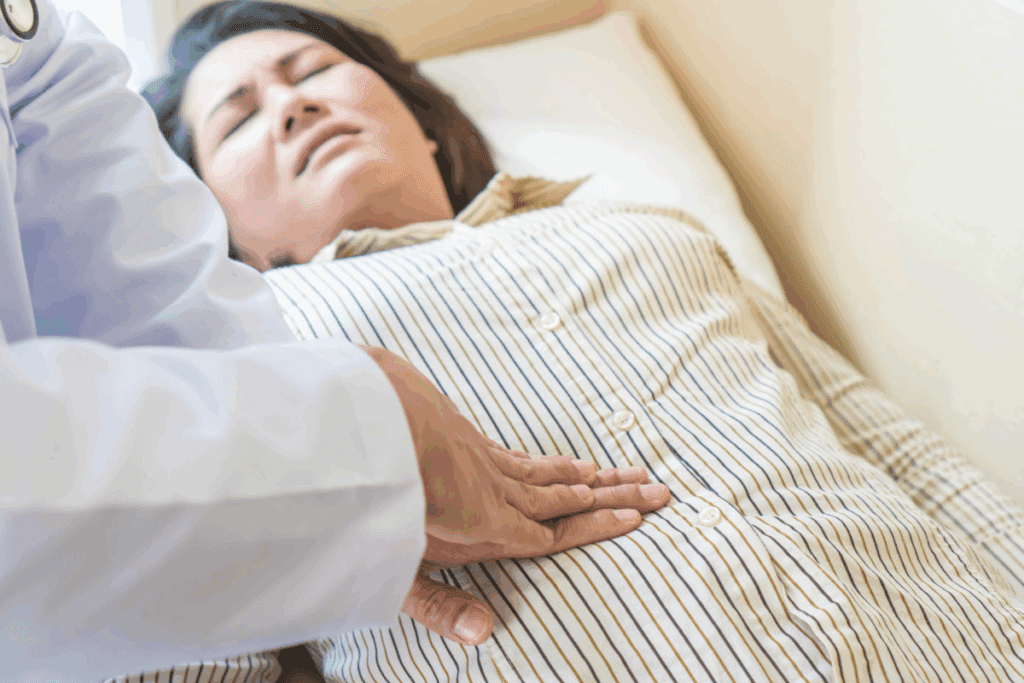
Getting advice from a doctor is key before starting to exercise again after gallbladder surgery. Everyone heals differently. This depends on their health, age, and the surgery type.
Individual Recovery Variations
Recovery times can differ a lot between people. Some might heal fast, while others take longer. It’s important to stick to a recovery plan made just for you by your doctor.
Factors influencing recovery include:
- Pre-existing health conditions
- The surgical technique used (laparoscopic or open surgery)
- Post-operative care and adherence to doctor’s instructions
When to Consult Your Doctor About Exercise
Always talk to your doctor before starting any exercise after gallbladder surgery. They will check how you’re doing and tell you what exercises are safe for you.
Key questions to discuss with your doctor include:
- What are the recommended exercises for my current stage of recovery?
- Are there any specific activities I should avoid?
- How can I monitor my body’s response to exercise?
| Activity Level | Recommended Timeline | Examples of Activities |
| Light Activity | First few days post-surgery | Short walks, light stretching |
| Moderate Activity | 2-4 weeks post-surgery | Brisk walking, light cardio |
| Strenuous Activity | 4-6 weeks post-surgery | Running, heavy weightlifting |
Red Flags That Signal You Should Stop Activity
Knowing when to stop exercising is important. Look out for signs like severe pain, trouble breathing, or infection.
Red flags to watch out for:
- Severe abdominal pain
- Heavy bleeding or discharge
- Fever or chills
- Difficulty breathing
Phase 1: First Week After Gallbladder Surgery
The first week after gallbladder surgery is key to avoiding problems and healing right. It’s important to rest but also do gentle activities. These help keep blood flowing and prevent stiffness.
Recommended Light Activities
In the first week, patients should do light physical activities that don’t hurt the stomach muscles. Gentle stretching and short walks are good. They help blood flow and lower the chance of blood clots.
Also, simple movements like bending and straightening are good. They keep you flexible without putting too much strain on your body.
Walking as Initial Exercise
Walking is a top choice for starting exercises after gallbladder surgery. It’s easy on the body and helps with blood flow, swelling, and prevents blood clots. Start with short walks of 5-10 minutes and increase as you get stronger.
Breathing Exercises and Their Benefits
Breathing exercises are also important for recovery. Deep breathing improves lung function, lowers stress, and boosts well-being. Diaphragmatic breathing exercises are great because they strengthen the diaphragm and improve oxygen intake.
Activities to Strictly Avoid
While some light activities are okay, there are things to avoid in the first week. These include:
- Lifting heavy objects (more than 10-15 pounds)
- Engaging in strenuous exercise or bending
- Driving or operating heavy machinery
Staying away from these activities helps avoid straining the stomach muscles and lowers the risk of problems.
| Activity | Recommended | To Avoid |
| Walking | Yes | |
| Lifting Heavy Objects | Yes | |
| Breathing Exercises | Yes | |
| Strenuous Exercise | Yes |
Safe Exercise After Cholecystectomy: A Week-by-Week Guide
Getting back to exercise after cholecystectomy needs a slow and careful approach. This guide helps you start moving again safely and effectively. It makes sure you’re confident in your recovery journey.
Days 1-7: Essential Movement Guidelines
In the first week, avoid hard activities and stick to gentle movements. Short walks around the house are good, starting with small distances. As you get more comfortable, you can walk further.
- Start with short walks (5-10 minutes) at a slow pace.
- Do deep breathing exercises to help your lungs and prevent pneumonia.
- Avoid heavy lifting, bending, or hard activities.
Weeks 2-3: Gradually Increasing Activity
In weeks 2 and 3, you can slowly increase your activity. You might walk longer, do light stretching, and try low-impact exercises. These should not strain your stomach muscles.
- Walk a bit longer each day, by 5-10 minutes.
- Try light stretching to improve flexibility, not strength.
- Consider gentle yoga or Pilates to boost flexibility and core strength.
Weeks 4-6: Returning to Normal Exercise Routines
By weeks 4-6, you can start doing more intense activities, like cardio and strength training. But always listen to your body and don’t overdo it.
- Start with cardio exercises like cycling or swimming.
- Begin strength training with light weights and increase as you can.
- Keep away from heavy lifting and high-impact activities.
Beyond 6 Weeks: Full Recovery Expectations
After six weeks, you’ll likely see big progress in your recovery. Full recovery might take a few months. You can then increase how hard and long you exercise.
It’s key to have a balanced exercise routine with cardio, strength, and flexibility. Regular check-ups with your doctor are important. They help make sure you’re recovering well and exercising right.
When Can You Start Driving After Gallbladder Removal?
Many people wonder when they can drive again after having their gallbladder removed. The answer varies based on your recovery, the surgery type, and how well you can react while driving.
Physical Requirements for Safe Driving
To drive safely after gallbladder removal, you must be able to operate your vehicle without pain. This means you should be able to:
- React quickly to road situations
- Press the pedals without pain
- Look over your shoulder for blind spots
- Make sudden stops or turns
Most people can start driving again about a week after surgery, if they’re not on narcotic pain meds. It’s important to check if you’re ready to drive.
Impact of Pain Medications on Driving Ability
Pain meds, like narcotics, can make driving unsafe. They can make you drowsy, slow your reaction time, and affect your judgment. It’s best not to drive while on narcotic pain medication after gallbladder surgery.
“Do not drive until you’re able to do an emergency stop without any pain or discomfort.”
Testing Your Readiness to Drive
Before driving again, test your readiness by:
- Sitting in your car and checking for comfort
- Seeing if you can press the pedals without pain
- Practicing emergency stops in a safe spot
- Checking your reaction time and shoulder checks
By carefully checking these things, you can figure out when it’s safe to drive after gallbladder removal.
Returning to Cardiovascular Exercise Safely
Going back to cardiovascular exercise after gallbladder surgery is key for a smooth recovery. It boosts health, improves blood flow, and aids in healing. But, it’s important to start slowly to avoid problems.
Walking Programs for Recovery
Walking is a great way to get back into exercise after surgery. It’s gentle on your joints and easy to do. Start with short walks and slowly increase the distance and pace.
Begin with 10-minute walks twice a day. As you get stronger, aim for 30 minutes or more. Always listen to your body and don’t overdo it.
When to Resume Running and Jogging
Running and jogging are more intense and need careful timing. It’s best to wait 4-6 weeks before starting again. Start slowly and gradually increase your effort.
Make sure you’re strong enough and can do daily tasks without pain. Always check with your doctor before starting.
Using the Stairmaster and Elliptical Machines
The Stairmaster and elliptical machines are great for keeping your heart rate up without the impact of running. You can start using them a few weeks after surgery, based on how you’re feeling.
Begin with low resistance and increase it as you get fitter. Keep an eye on your heart rate to stay safe.
Monitoring Heart Rate During Post-Surgery Workouts
Keeping an eye on your heart rate is very important after surgery. It helps prevent overdoing it. Your doctor can help set a safe heart rate zone based on your age, fitness, and health.
| Activity Level | Heart Rate Zone | Perceived Exertion |
| Low Intensity | 50-60% Max HR | Easy, can hold a conversation |
| Moderate Intensity | 60-70% Max HR | Somewhat hard, can talk but not sing |
| High Intensity | 70-85% Max HR | Hard, can only say a few words |
Weight Lifting Restrictions After Gallbladder Surgery
After gallbladder surgery, it’s key to know the weight lifting rules for a smooth recovery. Lifting heavy things too early can cause problems like hernias or internal strain. So, it’s important to follow the recommended guidelines for a safe and effective recovery.
Why Weight Restrictions Matter for Healing
Weight limits help the body heal right after surgery. Lifting heavy can strain the abdominal muscles and the surgery area, leading to complications. By sticking to the weight lifting limits, patients can lower the risk of post-surgery problems and ensure a stronger recovery.
Weeks 1-3: 15-25 Pound Limitation Guidelines
In the first three weeks after gallbladder surgery, patients should lift no more than 15-25 pounds. This rule helps avoid straining the body as it heals. It’s important to focus on light activities and avoid heavy lifting during this time.
When You Can Lift 50 Pounds Again
Usually, around four weeks after surgery, patients can start lifting more. But, it’s important to get medical approval before lifting 50 pounds or more. Your doctor will check your recovery and tell you when it’s okay to lift heavier.
Gradually Returning to Strength Training
When starting strength training after gallbladder surgery, do it slowly. Begin with light weights and lower repetitions, then increase as your body allows. It’s important to listen to your body and not overdo it, as too much can cause problems. Talking to your doctor or a fitness expert can help you create a safe and effective strength training plan.
Swimming and Water Activities Following Cholecystectomy
After a cholecystectomy, many wonder when they can swim again. Swimming is great for recovery but needs careful planning. It’s important to follow safety steps to enjoy water activities once more.
Wound Healing Considerations
Wound healing is a big concern when starting to swim after gallbladder surgery. Wait until your wounds are fully healed before swimming. This helps avoid infections.
“The risk of infection is significantly reduced once the wounds are fully closed and healed,” says a medical expert. It’s key to wait until your wounds are healed before swimming.
Timeline for Safe Pool Use
Most people can swim again about two weeks after surgery, if their wounds are healed. But, this time can change based on how fast you recover and your doctor’s advice.
- Check with your doctor before resuming swimming.
- Ensure your wounds are fully healed.
- Start with gentle water activities.
Recommended Water Exercises for Recovery
When you’re cleared to swim, try gentle water exercises. Water walking, swimming laps, and water aerobics are good for strength and heart health. They’re easy on your body.
Always listen to your body after surgery. Don’t do too much too soon. Slowly add more to your water activities for a safe and helpful swim routine.
Pilates and Yoga After Gallbladder Surgery
Gentle exercises like Pilates and yoga are key in recovering from gallbladder surgery. They help improve flexibility and reduce discomfort. This makes the recovery process smoother.
Modified Poses and Movements for Early Recovery
At first, you need to adjust Pilates and yoga poses to fit your post-surgery needs. You can start with gentle stretching and low-impact movements about one to two weeks after surgery.
- Avoid deep twists and bends that can put strain on your abdominal muscles.
- Opt for gentle forward bends and seated poses that promote flexibility without causing discomfort.
- Use props like blocks and straps to support your body in various poses.
Core Exercises to Avoid Initially
In the early stages of recovery, it’s important to skip core exercises that can strain your abdominal muscles. Stay away from crunches, leg raises, and intense planks until your doctor says it’s okay to start again.
| Exercise | Initial Recovery Phase | Post-Recovery Phase |
| Crunches | Avoid | Resume with caution |
| Leg Raises | Avoid | Resume with caution |
| Planks | Avoid intense planks | Resume with modified versions |
Building Back to Full Practice
As you get better, you can slowly return to your full Pilates and yoga practice. Always listen to your body and only move forward when you feel ready.
Adding modified Pilates and yoga to your routine can help your recovery. It improves flexibility and lowers the chance of complications.
Psychological Aspects of Returning to Exercise
Recovering from gallbladder surgery is not just about getting your body back in shape. It’s also about getting your mind ready to exercise again. This mental part of the journey is as important as the physical healing.
Managing Expectations and Frustration
It’s key to manage your expectations and frustration during recovery. Recovery is not always straightforward. Be patient, expect ups and downs, and set goals that are realistic.
Frustration can kick in when progress is slower than you hoped. But, it’s important to stay positive and celebrate the progress you’ve made.
“The greatest glory in living lies not in never falling, but in rising every time we fall.” – Nelson Mandela
Setting Realistic Fitness Goals Post-Surgery
Setting realistic fitness goals is a big step towards a successful recovery. Start with small, achievable goals that you can build on. This helps you gain confidence and endurance.
| Week | Activity Level | Goal |
| 1-2 | Light walking | 10 minutes, 3 times a day |
| 3-4 | Brisk walking | 30 minutes, 5 times a week |
Celebrating Recovery Milestones
Celebrating your recovery milestones is a great way to stay motivated. Whether it’s reaching a new exercise goal or doing daily tasks without pain, it’s important to acknowledge these achievements. It boosts your morale and keeps you motivated.
Celebrating small victories along the way can make a significant difference in the recovery journey.
In conclusion, the mental side of getting back to exercise after gallbladder surgery is very important. By managing your expectations, setting realistic goals, and celebrating your achievements, you can safely and effectively get back to exercising regularly.
Nutrition and Hydration to Support Exercise Recovery
After gallbladder surgery, focusing on nutrition and hydration is key for healing and getting back to exercise. The surgery can change how the body digests food. So, making dietary changes is important for health and recovery.
Dietary Adjustments After Gallbladder Removal
It’s best to eat foods that are easy to digest after gallbladder surgery. Foods like bananas, rice, pasta, and toast are good choices early on. Avoiding fatty or greasy foods can help prevent discomfort.
- Initial Recovery Foods: Bananas, rice, pasta, toast
- Foods to Avoid: Fatty or greasy foods
As you get better, you can start adding more foods to your diet. But, listen to your body and avoid foods that upset it.
Hydration Needs During Post-Surgery Exercise
Drinking enough water is very important during recovery, even when exercising. Aim to drink water before, during, and after working out to avoid dehydration.
Monitoring urine color is a good way to check if you’re drinking enough water. It should be pale yellow or clear. If it’s dark yellow or amber, you might need to drink more.
Pre and Post Workout Nutrition Tips
Eating the right foods before and after workouts is important for recovery and performance. Eating a meal or snack with carbs and protein about an hour before exercise can give you energy.
After working out, eating a mix of carbs and protein within 30-60 minutes helps with recovery and muscle repair.
| Meal Timing | Nutrition Recommendations |
| Pre-Workout | Carbohydrates + Protein |
| Post-Workout | Carbohydrates + Protein |
Supplements to Consider (and Avoid)
While a balanced diet is best, some supplements can help during recovery. But, always talk to a healthcare provider before taking any supplements.
Some people find digestive enzymes helpful after gallbladder surgery. But, avoid supplements that are high in fat or hard to digest.
Conclusion: Building a Sustainable Exercise Routine After Recovery
After gallbladder surgery, it’s key to start a lasting exercise plan. Exercise is important for healing and getting back in shape. It helps you feel better and stay healthy.
Start with easy exercises and slowly add more to avoid problems. This way, you can safely get back into physical activities.
Keeping up with exercise helps you stay healthy for a long time. It helps you keep a good weight, improves your heart health, and lowers disease risks.
Adding exercise to your daily routine brings many benefits. It helps you recover fully and improves your life quality. This leads to a happier and healthier you.
FAQ
When can I go to the gym after gallbladder surgery?
You should wait 4-6 weeks before going back to the gym after gallbladder surgery. This time can change based on how you recover and the surgery type.
How long after gallbladder surgery can I lift 50 pounds?
For the first 4-6 weeks, avoid lifting anything over 25 pounds. You might be able to lift 50 pounds after 6-8 weeks. Always follow your doctor’s advice.
Can I swim after gallbladder removal surgery?
Swimming is safe once your wound heals, usually in 2-4 weeks. Always check with your doctor before swimming.
How long before I can drive after gallbladder surgery?
You can drive again in 1-2 weeks after surgery. Make sure you’re off pain meds and feel safe driving.
Can I do Pilates after gallbladder surgery?
Start with modified Pilates 2-3 weeks after surgery. Avoid exercises that strain your abdominal muscles at first.
How long after gallbladder removal can you start running or jogging?
You can start running or jogging in 4-6 weeks. Wait until you’re back in shape and your doctor says it’s okay.
Are there specific exercises I should avoid after gallbladder surgery?
Yes, avoid heavy lifting, bending, and hard activities for 4-6 weeks. Also, skip exercises that press on your belly.
Can I use the Stairmaster or elliptical machine after gallbladder surgery?
Use cardio machines like the Stairmaster or elliptical after 2-4 weeks. Start slow and increase as you get stronger.
What dietary adjustments should I make after gallbladder removal?
Eat a diet low in fat, high in fiber, and with small, frequent meals. This helps with digestion after surgery.
How can I manage expectations and frustration during the recovery process?
Set achievable fitness goals, celebrate small wins, and be patient with your healing. This helps with managing frustration.
What are the benefits of walking after gallbladder surgery?
Walking is good for circulation, prevents blood clots, and aids in recovery.
How should I hydrate during post-surgery exercise?
Drink water before, during, and after working out. It’s key, even more so in the early healing stages.
References
ShrEstha, G. (2023). Spigelian hernia: A rare case presentation and review of literature. Journal of Surgical Case Reports. Retrieved from https://www.sciencedirect.com/science/article/pii/S2210261223002079