Last Updated on November 26, 2025 by Bilal Hasdemir
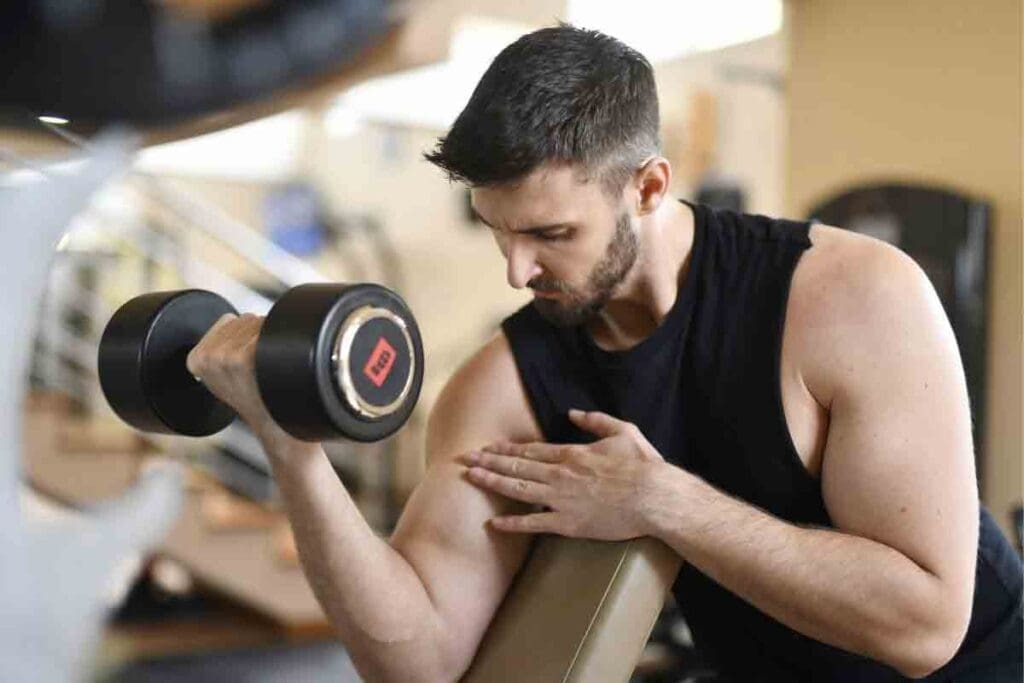
Getting back to strength and comfort after a mastectomy is doable. It’s all about the right arm exercises for recovery and easing pain.Learn to safely start exercise after mastectomy. Our step-by-step guide helps you regain strength, ease pain, and ensure a healthy recovery.
Starting post-mastectomy exercise early is key. It helps move your arms better and eases shoulder tightness. This boosts your overall health.
Liv Hospital has a plan based on solid research. It focuses on mastectomy exercises for better pain management and healing.
Key Takeaways
- Early arm exercises can help restore range of motion.
- Targeted exercises reduce shoulder stiffness.
- Pain relief is a significant benefit of post-mastectomy exercises.
- Liv Hospital offers patient-centered strategies for recovery.
- A step-by-step guide ensures safe and effective exercises.
Understanding Post-Mastectomy Recovery Challenges

Recovering from a mastectomy comes with many challenges. These include physical and emotional impacts that need careful handling. Each person’s recovery path is unique, shaped by their health, surgery extent, and personal strength.
Common Physical Limitations After Surgery
Patients often face physical hurdles after a mastectomy. These can include less arm movement, pain, and discomfort in the chest and shoulder. These issues can make everyday tasks hard, making it key to tackle them during recovery.
| Physical Limitation | Impact on Daily Life | Potential Intervention |
| Reduced Arm Mobility | Difficulty with dressing, reaching, and lifting | Gentle exercises, physical therapy |
| Pain and Discomfort | Affects sleep, mood, and overall well-being | Pain management medication, relaxation techniques |
Emotional Impact on Recovery Journey
The emotional side of mastectomy recovery is just as important. Patients might feel anxious, depressed, or struggle with body image. Support from healthcare, family, and groups is vital in facing these feelings.
Emotional well-being is closely linked to physical recovery. Taking care of emotional needs can boost recovery success.
Setting Realistic Expectations
It’s important to have realistic expectations for recovery. Knowing it’s a slow process helps manage frustration. Patients should feel free to ask questions and seek help when needed.
Key to successful recovery: Patience, support, and a well-informed recovery plan.
Understanding the challenges of post-mastectomy recovery helps patients prepare better. This knowledge lets them actively participate in their recovery, leading to better outcomes and a better life.
The Benefits of Exercise After Mastectomy

Exercising after a mastectomy offers many benefits. It improves both physical and emotional health. The right exercises can make recovery faster and lead to better health.
Improved Arm Mobility and Function
Exercises help regain arm mobility and function. Simple stretches can prevent stiffness and boost range of motion. For example, shoulder rolls and pendulum swings keep flexibility.
Decreased Pain and Discomfort
Regular exercise can reduce pain and discomfort. It improves blood flow and lessens scar tissue. Techniques like diaphragmatic breathing help manage pain.
Enhanced Emotional Well-being
Exercise boosts emotional health by lowering stress and anxiety. It gives a sense of control and empowerment during recovery.
| Benefit | Description | Example Exercises |
| Improved Mobility | Regaining arm mobility and function | Shoulder rolls, pendulum swings |
| Reduced Pain | Decreasing pain and discomfort | Diaphragmatic breathing, gentle stretches |
| Emotional Well-being | Enhancing emotional health | Walking, yoga |
Including these exercises in a post-mastectomy plan can greatly improve life quality.
When to Begin: Timeline for Post-Surgical Movement
Knowing when to start moving after mastectomy surgery is key to a smooth recovery. The recovery timeline is split into three phases: right after surgery, early recovery, and later recovery.
Immediate Post-Surgery Period (Days 1-7)
In the first week, focus on gentle movements to keep blood flowing and prevent stiffness. Gentle exercises can start as early as the first day after surgery, with the doctor’s advice. These early steps are vital for avoiding complications and setting the stage for healing.
Some good activities in this phase include:
- Deep breathing exercises to improve lung expansion
- Gentle shoulder rolls and arm movements
- Flexing and extending the fingers
Early Recovery Phase (Weeks 2-4)
As healing starts, you can do more and move more. Weeks 2-4 focus on getting your arms moving again and strengthening your shoulders. You might do:
- Wall climbing to improve arm elevation
- Pendulum swings to enhance shoulder mobility
- Gentle stretching to improve flexibility
| Recovery Phase | Recommended Exercises | Goals |
| Immediate Post-Surgery (Days 1-7) | Deep breathing, gentle shoulder rolls, finger flexion/extension | Improve circulation, prevent stiffness |
| Early Recovery (Weeks 2-4) | Wall climbing, pendulum swings, gentle stretching | Regain arm mobility, strengthen shoulder muscles |
| Advanced Recovery (Weeks 5+) | Progressive strengthening, advanced stretching, and aerobic activities | Enhance strength, improve range of motion, promote overall well-being |
Advanced Recovery Phase (Weeks 5+)
In the advanced phase, you can do more challenging activities, like progressive strengthening exercises and aerobic activities. This stage is key to full recovery and getting back to normal life. Keep working on moving better and getting stronger.
By sticking to this timeline and listening to your healthcare team, you can make your recovery the best it can be.
Medical Clearance: Working With Your Healthcare Team
Getting medical clearance is key to a safe recovery after mastectomy surgery. It helps avoid complications and makes sure you’re ready for exercises that help you heal.
Questions to Ask Your Surgeon
Talk openly with your surgeon or healthcare provider before starting any exercise. Ask these important questions:
- What are the specific restrictions or limitations I should be aware of during my recovery?
- Are there any particular exercises or movements that I should avoid?
- How will I know if I’m experiencing any complications or abnormal symptoms?
- What are the signs of readiness for starting exercises, and how will we monitor my progress?
Signs You’re Ready to Begin Exercises
Your healthcare team will guide you on when to start exercises. Look for these signs:
- Stable wound healing and no signs of infection
- Improved range of motion and reduced pain
- Ability to perform daily activities with greater ease
It’s essential to be patient and not rush into exercises too quickly, as this can lead to complications or setbacks.
Creating a Personalized Recovery Plan
A personalized recovery plan is made just for you. It considers your health, surgery extent, and other factors. Your healthcare team will:
- Assess your current physical condition and limitations
- Set realistic goals and milestones for your recovery
- Develop a gradual and progressive exercise plan
- Monitor your progress and adjust the plan as needed
By working closely with your healthcare team and following a personalized recovery plan, you can ensure a safe and effective rehabilitation process after mastectomy surgery.
Gentle Starter Exercises for the First Week
Starting gentle exercises after mastectomy surgery can make recovery smoother. In the first week, it’s key to do movements that are easy but help you move better and feel less pain.
Hand and Wrist Movements
Hand and wrist exercises are good to start with after surgery. They boost blood flow and stop stiffness. Start by clenching your fist and then letting it go. Also, rotate your wrist in both directions.
- Make a fist and release.
- Rotate your wrist clockwise and counterclockwise.
- Spread your fingers apart and then bring them together
Do these exercises often to keep your hands and wrists flexible and avoid problems.
Arm Pumping Techniques
Arm pumping is a good early exercise. It helps reduce swelling and improve blood flow. Here’s how to do it:
- Raise your arm above your heart
- Make a fist and then release it several times
- Lower your arm and repeat the process
Arm pumping can help prevent lymphedema and keep your arms healthy.
Diaphragmatic Breathing for Pain Management
Diaphragmatic breathing, or belly breathing, is great for pain and stress after surgery. To do it:
- Lie on your back with your knees bent
- Place one hand on your belly and the other on your chest
- Take a deep breath in through your nose, letting your belly rise
- Exhale slowly through your mouth, letting your belly fall
This breathing can calm you, reduce pain, and help you relax. It’s a good habit to have during recovery.
Arm Exercises After Mastectomy for Progressive Recovery
After a mastectomy, doing arm exercises can really help. They make you more mobile and feel better overall. These exercises are easy but effective, helping you get your arms and shoulders back in shape.
Shoulder Circles and Pendulum Swings
Start with shoulder circles and pendulum swings. Shoulder circles mean standing with your feet apart and moving your shoulders in small circles. Start small and get bigger as you get more comfortable. Pendulum swings are about bending and swinging your arm in circles, first one way and then the other.
Wall Climbing and Arm Lifts
Wall climbing is another good exercise. Stand facing a wall and slowly move your fingers up it, lifting your arm as far as you can. Hold for a few seconds, then lower it. Arm lifts are simple: lift your arm straight out to the side and hold for a few seconds before lowering it.
Gentle Stretching Routines
Adding gentle stretching routines to your day can help too. Focus on stretches for your shoulders, arms, and chest. For example, a chest stretch is standing in a doorway with your hands on the doorframe at shoulder height. Lean forward gently to stretch your chest and shoulders.
Always listen to your body and stop if it hurts. It’s smart to talk to your doctor or a physical therapist to make sure these exercises are right for you.
Exercises to Prevent Lymphedema After Mastectomy
Preventing lymphedema after mastectomy is key. It involves specific exercises and knowing the risk factors. Lymphedema is when fluid builds up in the body, causing swelling, often in the arms or legs. Knowing how to prevent it can greatly improve your recovery.
Understanding Lymphedema Risk Factors
Many things can raise your risk of lymphedema after mastectomy. These include the size of your surgery, radiation, infections, and being overweight. Knowing these risks is the first step to prevention. For example, eating well and exercising can help keep your weight in check.
| Risk Factor | Description | Preventive Measure |
| Extent of Surgery | Surgery that involves the removal of lymph nodes increases the risk. | Discuss the necessity of lymph node removal with your surgeon. |
| Radiation Therapy | Radiation can damage lymph nodes and vessels. | Follow your radiation oncologist’s guidance on minimizing exposure. |
| Infection | Infections in the affected limb can trigger lymphedema. | Practice good hygiene and seek prompt treatment for any infection. |
Lymphatic Drainage Movements
Lymphatic drainage exercises help move lymph fluid. Simple actions like shoulder rolls, arm lifts, and wrist rotations can be helpful. It’s important to do these exercises gently and within a comfortable range.
- Shoulder Rolls: Roll your shoulders forward and backward in a circular motion.
- Arm Lifts: Slowly lift your arm on the affected side, keeping it straight, and then lower it.
- Wrist Rotations: Rotate your wrist in both clockwise and counterclockwise directions.
Monitoring for Warning Signs
Spotting lymphedema early is vital. Watch for swelling, heaviness, or tightness in your arm. Also, look for changes in skin texture. If you see any signs, talk to your doctor right away.
By knowing the risks, doing lymphatic drainage exercises, and watching for signs, you can lower your risk of lymphedema. Adding these steps to your daily routine can help your recovery be smoother and healthier.
Physical Therapy After Mastectomy: Professional Guidance
Physical therapy is key in recovering after a mastectomy. It helps with mobility, pain, and physical function. Specialized therapy can make recovery better.
Benefits of Specialized Rehabilitation
Physical therapy after a mastectomy brings many benefits. These include:
- Improved Mobility: Gentle exercises and stretches help restore range of motion and reduce stiffness.
- Pain Reduction: Targeted physical therapy techniques can alleviate pain and discomfort.
- Enhanced Functionality: Patients regain strength and functionality in their arms and shoulders, improving daily activity performance.
Early intervention with physical therapy can lead to better long-term results, making it an essential component of post-mastectomy care.
| Benefit | Description |
| Improved Mobility | Gentle exercises to restore range of motion |
| Pain Reduction | Targeted techniques to alleviate pain |
| Enhanced Functionality | Regaining strength for daily activities |
What to Expect in PT Sessions
Physical therapy sessions after a mastectomy are tailored to each patient. Initial assessments help create personalized exercise plans.
Typical components of PT sessions include:
- Manual therapy techniques to improve tissue mobility
- Guided exercises to enhance arm and shoulder function
- Education on proper posture and body mechanics
Incorporating PT Exercises at Home
Continuing exercises at home is important. Simple routines can be part of daily life, helping progress.
Consistency is key for home exercises. Aim to do exercises regularly, ideally at the same time each day, to make it a habit.
Post-Mastectomy Care and Exercise Precautions
Knowing what to avoid after a mastectomy is key to a smooth recovery. Care after mastectomy means rest and planned exercises. This approach helps avoid complications.
Activities to Avoid During Recovery
It’s important to skip certain activities early on. These can strain your body or slow healing. Here are some to avoid:
- Heavy Lifting: Don’t lift anything over 5-10 pounds to avoid straining your surgical area.
- High-Impact Activities: Stay away from running, jumping, or any exercise that might jar your body.
- Repetitive Motions: Avoid arm movements that could strain your shoulder or affect your lymph nodes.
Weight Lifting Limitations and Progression
Start slow with weight lifting after a mastectomy. Begin with light weights and do lots of repetitions. This builds strength without straining your muscles or the surgical site.
| Week | Recommended Weight | Repetitions |
| 1-2 | 1-2 pounds | 10-15 |
| 3-4 | 2-3 pounds | 12-18 |
| 5+ | Gradually increase | As comfortable |
Managing Exercise-Related Discomfort
Some discomfort is normal when exercising after a mastectomy. Here’s how to handle it:
- Breathing Techniques: Use deep, diaphragmatic breathing to relax your muscles and lessen pain.
- Pacing Yourself: Don’t rush. Take breaks to avoid getting tired.
- Monitoring Pain: Watch your pain levels. If exercises hurt a lot, talk to your doctor about changes.
Visual Guides and Resources for Post-Mastectomy Exercises
Post-mastectomy exercises work best with visual aids. These show the right way to do the exercises. Visual guides and resources help patients understand and stay motivated during recovery.
Using Post-Mastectomy Exercise Images
Images are great for those recovering from mastectomy surgery. They show the exercises clearly, helping patients learn the right way to do them. Images can reduce confusion and anxiety, making it easier to follow the exercise routine.
For example, images can show how to do shoulder circles and wall climbing. By looking at these images, patients can make sure they’re doing the exercises right. This helps them get the most benefits and avoid problems.
Video Demonstrations for Proper Form
Video demonstrations are even better for learning post-mastectomy exercises. They let patients see the exercises done live. This gives a clearer view of the movements and techniques. Videos can also help patients pace their exercises, so they don’t push too hard during recovery.
Many healthcare providers and rehab centers offer video resources. These videos can be found online or given directly to patients. They are a valuable tool during the recovery journey.
Printable Exercise Schedules and Tracking Tools
Printable exercise schedules and tracking tools are also helpful. They let patients plan their exercises and track their progress. Having a record of their progress can really motivate them to keep going with their exercises.
By using visual guides, video demonstrations, and printable tracking tools, patients can be more active and informed in their recovery. This approach can make the recovery process smoother and more effective.
Conclusion: Embracing Your Recovery Journey
As you face the challenges of post-mastectomy recovery, it’s key to embrace your journey. Be patient with your body, celebrate small wins, and seek support when needed.
We’ve shown you how to start arm exercises safely after a mastectomy. These exercises improve arm mobility, reduce pain, and boost your mood. Working with your healthcare team and adding gentle exercises to your day can help your recovery.
Every recovery is different, so listen to your body and adjust as you go. With the right support and advice, you can beat the hurdles of post-mastectomy recovery and regain confidence.
FAQ
What are the benefits of arm exercises after a mastectomy?
Arm exercises after a mastectomy can improve mobility and reduce pain. They also help with emotional well-being. These exercises prevent lymphedema and aid in recovery.
When can I start exercising after a mastectomy?
Starting exercises after a mastectomy varies. Gentle exercises can begin in the first week. Always get medical clearance first.
What are some simple exercises I can do during the first week after a mastectomy?
In the first week, start with hand and wrist movements. Arm pumping and diaphragmatic breathing are also good. These exercises help with blood flow and reduce stiffness.
How can I prevent lymphedema after mastectomy?
To prevent lymphedema, know your risk factors and do lymphatic drainage exercises. Watch for early signs. Keep a healthy weight, avoid tight clothes, and elevate your arm.
What is the role of physical therapy after a mastectomy?
Physical therapy helps with exercises and mobility after a mastectomy. A physical therapist creates a personalized plan. They help you fit exercises into your daily life.
What activities should I avoid during post-mastectomy recovery?
Avoid heavy lifting, bending, and strenuous activities during recovery. Also, avoid tight clothes and extreme temperatures. Stay away from activities that cause pain or discomfort.
How can I manage exercise-related discomfort?
Start with gentle exercises and gradually increase intensity. If you feel pain, stop and talk to your healthcare team.
Are there any visual guides or resources available for post-mastectomy exercises?
Yes, there are visual guides like images and videos to help with exercises. Use printable schedules and tracking tools to stay on track.
How can I create a personalized recovery plan?
Work with your healthcare team to create a recovery plan. Ask questions and follow their advice for a safe recovery.
What are the signs that I’m ready to begin exercises after a mastectomy?
You’re ready when you get medical clearance, pain decreases, and you have a better range of motion.
References
- MedlinePlus. (2023). Mastectomy: What to expect. U.S. National Library of Medicine. https://medlineplus.gov/ency/patientinstructions/000701.htm