Last Updated on November 25, 2025 by Ugurkan Demir

Find the best exercise to lower cholesterol effectively and improve heart health effectively.
Regular exercise is key to better health. At Liv Hospital, we stress the role of aerobic exercises in controlling cholesterol. Running, cycling, and HIIT (High-Intensity Interval Training) boost heart rate and work big muscles.
We suggest adding these effective routines to your daily life. This can greatly improve your cholesterol levels. It’s a big step towards a healthier you.
Key Takeaways
- Aerobic exercises are effective in lowering cholesterol.
- Activities such as running, cycling, and HIIT are recommended.
- Regular physical activity improves overall lipid profiles.
- Incorporating these exercises into your daily routine can lead to significant health benefits.
- Liv Hospital is committed to providing innovative, patient-focused care.
The Connection Between Exercise and Cholesterol Levels

Exercise is key to keeping cholesterol levels healthy. This is important for heart health. Cholesterol is a fat in our blood, and it’s needed for our bodies. But, too much of certain types can raise heart disease risk.
Understanding HDL vs. LDL Cholesterol
There are two main cholesterol types: HDL and LDL. HDL cholesterol is called “good” because it helps remove other cholesterol from the blood. LDL cholesterol is seen as “bad” because high levels can cause artery blockages, raising heart disease risk.
How Physical Activity Affects Lipid Profiles
Regular exercise, like walking or running, boosts HDL and lowers LDL and triglycerides. Studies show that 150 minutes of moderate to vigorous activity a week can improve cholesterol in sedentary adults.
Adding different workouts to your routine can also help. For example, cardio exercises are great for lowering cholesterol. They help the body use cholesterol better.
Exercise to Lower Cholesterol: Scientific Evidence and Guidelines
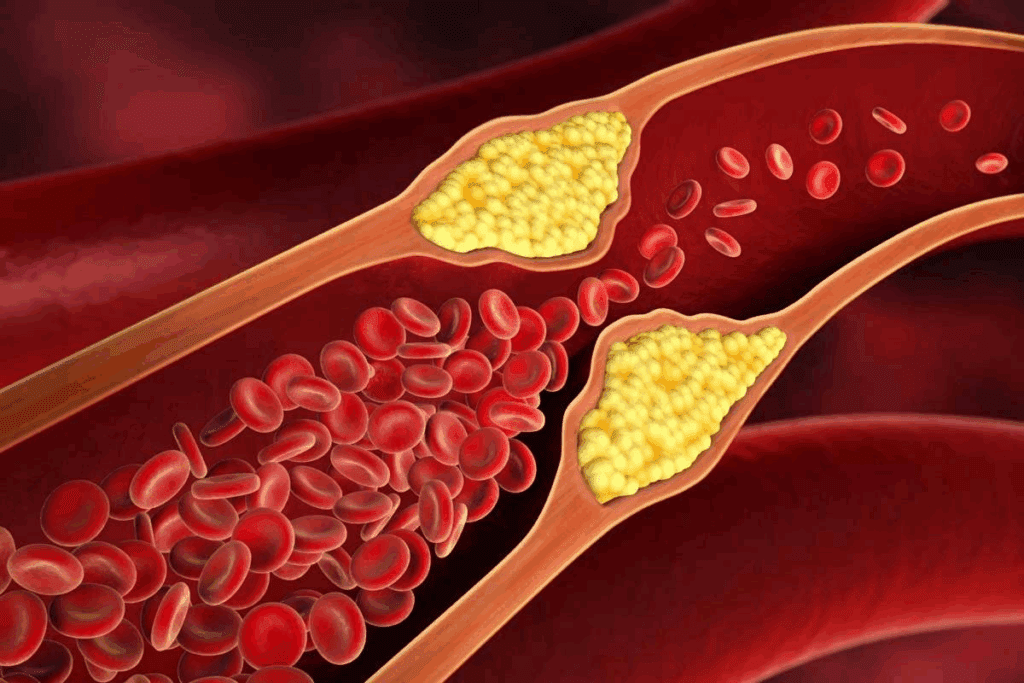
Experts agree: regular exercise is key for managing cholesterol. We’ll look at the science behind exercise’s benefits. We’ll also share guidelines on how often and long to exercise to lower cholesterol.
Research-Backed Benefits of Regular Physical Activity
Research shows that exercise can greatly improve your lipid levels. It lowers LDL (bad) cholesterol and raises HDL (good) cholesterol. Aerobic exercises, like brisk walking, jogging, cycling, and swimming, are top choices for heart health and cholesterol reduction.
Studies confirm that working out for high cholesterol, whether it’s moderate or vigorous, at least 150 minutes a week, is effective. Exercise not only helps with cholesterol but also boosts overall heart health, aids in weight control, and lowers the risk of chronic diseases.
Recommended Frequency and Duration for Cholesterol Management
Experts suggest at least 150 minutes of moderate-intensity aerobic exercise or 75 minutes of vigorous-intensity aerobic exercise weekly for cholesterol management. Adding strength training to your routine can also enhance your heart health.
- Frequency: Aim for 3-4 sessions a week, aiming for daily activity if you can.
- Duration: Each session should last at least 30 minutes, with longer sessions being even better.
- Intensity: Choose moderate to vigorous intensity, with vigorous being more beneficial for cholesterol.
By sticking to these guidelines and mixing up your activities, you can lower your cholesterol and boost your heart health. The most important thing is to be consistent. Find exercises you enjoy, and you’ll be more likely to keep up with them.
Finding Your Optimal Exercise Intensity for Cholesterol Reduction
To get the most out of exercise for lowering cholesterol, finding the right intensity is key. The intensity of your workouts affects how well they help manage cholesterol levels. Fitness experts use the “FIT” acronym for Frequency, Intensity, and Time/Duration. For cholesterol, focusing on intensity is as important as frequency and duration.
Target Heart Rate Zones (65-80% of VO2 Max)
Studies show that working out in certain heart rate zones can be best for lowering cholesterol. Aim for 65-80% of your VO2 Max, which is moderate to vigorous. VO2 Max shows how well your body uses oxygen during exercise, a sign of fitness.
Exercising at 65-80% of VO2 Max means you’re working hard enough to improve heart health and burn fat, including cholesterol.
To find your target heart rate zone, follow these steps:
- Find your maximum heart rate (MHR) by subtracting your age from 220.
- Calculate 65% and 80% of your MHR to set your target zone.
For instance, a 40-year-old’s MHR is 180 bpm. Their target zone is 117 bpm to 144 bpm.
Monitoring Exercise Intensity Without Special Equipment
While heart rate monitors are precise, there are simpler ways to check intensity without them. The talk test is one: you should be able to talk but not sing during moderate exercise. At high intensity, you can only say a few words before needing to breathe.
The Rating of Perceived Exertion (RPE) is another method. It rates how hard you feel you’re working, from 6 (no effort) to 20 (maximal effort). For cholesterol, aim for a moderate to high intensity, around 12-16 on the RPE scale.
By using these methods to monitor and adjust your workout intensity, you can make your exercises more effective for cholesterol management. Regular, intense workouts can greatly improve your lipid profiles and heart health.
Walking: The Foundation of Cholesterol-Lowering Exercise
Brisk walking is a great way to fight high cholesterol. It’s easy and can be done by anyone, no matter their fitness level. This makes it perfect for starting to improve cholesterol levels.
Improving Cholesterol Levels Through Brisk Walking
Walking fast can really help your cholesterol. It raises the good cholesterol and lowers the bad. Just 30 minutes a day can make your heart healthier and help burn fat.
Research shows walking can greatly improve your cholesterol. For example, a study in the Journal of the American Heart Association found it can lower heart disease risk. This is because it improves cholesterol levels and heart health.
Progressive Walking Program
To start a walking program, start with a pace and time you can handle. Then, slowly increase it as you get fitter. Here’s a simple plan:
- Beginner: Start with 10-minute walks, three times a day, at a moderate pace. Gradually increase the duration by 5 minutes every week.
- Intermediate: Aim for 30-minute brisk walks, five days a week. Incorporate short hills or stairs to boost intensity.
- Advanced: Incorporate longer walks (45-60 minutes) with varying terrain, such as trails or inclines, to challenge yourself further.
Adding walking to your daily routine can help lower cholesterol and improve heart health. Remember, being consistent is important. Even a little more activity can make a big difference in your health.
Jogging and Running: Powerful Aerobic Options for Lipid Management
Jogging and running are great for improving your lipid profiles. They boost your heart health and help manage cholesterol levels.
Impact on HDL, LDL, and Triglyceride Levels
Studies show jogging and running can greatly affect cholesterol levels. Marathon runners often have more HDL cholesterol, the “good” kind. Aerobic exercises like jogging and running are among the best exercises for lowering cholesterol by improving the balance between HDL and LDL cholesterol.
“Regular aerobic exercise, such as jogging or running, can increase HDL cholesterol levels by up to 20% while reducing triglycerides and LDL cholesterol.”
A study in the Journal of the American Heart Association found running can improve lipid profiles. The table below shows how jogging and running affect cholesterol levels.
| Lipid Profile | Effect of Jogging/Running |
| HDL Cholesterol | Increase |
| LDL Cholesterol | Decrease |
| Triglycerides | Decrease |
Couch-to-5K: Building a Sustainable Running Habit
Starting jogging or running can seem hard for beginners. But Couch-to-5K makes it easier. This gradual approach helps avoid injuries and boosts fitness.
To start Couch-to-5K, follow these steps:
- Start with walking and add running segments.
- Gradually increase your run time and frequency.
- Rest when needed to avoid overtraining.
Adding jogging or running to your routine can improve your cholesterol and heart health. Remember, being consistent is important. Even moderate jogging or running can bring big health benefits.
Cycling: Low-Impact Exercise with High Cholesterol Benefits
Cycling is a great exercise that boosts heart health and lowers cholesterol. It’s easy on the joints, making it perfect for those who want to cut down on LDL cholesterol without hurting their joints.
Cycling is amazing for the heart, lowering bad cholesterol and raising good cholesterol. This is key for a healthy lipid profile. Riding a stationary bike can also lower LDL, triglycerides, and total cholesterol.
Indoor vs. Outdoor Cycling Effectiveness
Both indoor and outdoor cycling are good for managing cholesterol. Indoor cycling is great for structured workouts in a controlled setting. Outdoor cycling, on the other hand, offers varied scenery and terrain, making it more fun.
“Cycling is a great way to improve your cardiovascular fitness and lower your cholesterol levels. It’s low-impact, so it’s easy on the joints, and it’s an activity that can be done by people of all ages.”
| Cycling Type | Benefits | Considerations |
| Indoor Cycling | Controlled environment, structured workouts | Potential for monotony, requires equipment |
| Outdoor Cycling | Varied terrain, engaging scenery | Weather dependence, safety concerns |
Structured Cycling Workouts for Different Fitness Levels
To get the most out of cycling for cholesterol, add structured workouts to your routine. Here are some plans for different fitness levels:
- Beginner: Start with 10-15 minute steady-state rides, 2-3 times a week.
- Intermediate: Try interval training with 2-3 minutes of high-intensity cycling followed by 2-3 minutes of recovery, repeated for 20-30 minutes.
- Advanced: Do high-intensity interval training (HIIT) with short bursts (1-2 minutes) at maximum effort, followed by longer recovery periods.
Adding cycling to your routine can help lower LDL cholesterol and boost heart health. Choose indoor or outdoor cycling, but keep it consistent and increase intensity and duration over time.
Swimming: Total Body Workout for Improved Cholesterol Profiles
Swimming is great for managing cholesterol. It works your whole body, boosts blood flow, and lowers stress. Just 20 minutes a few times a week can help a lot.
Benefits of Swimming for Cholesterol Reduction
Swimming is a top choice for lowering cholesterol. It burns calories and strengthens your heart. Plus, it’s easy on your joints, making it perfect for those with mobility issues.
Swimming raises “good” cholesterol and lowers “bad” cholesterol. It also cuts down on triglycerides. These are all key for keeping cholesterol in check.
Swimming Routines for Different Skill Levels
Start a swimming routine that fits your fitness level. Here’s how:
- Beginners: Begin with 10-15 minutes of easy swimming or water walking. Slowly add more time and intensity.
- Intermediate: Swim at a moderate pace for 20-30 minutes. Try different strokes like freestyle and backstroke.
- Advanced: Use high-intensity interval training (HIIT). Mix fast swims with easy ones to boost your heart health.
Swim regularly, aiming for 3-4 times a week. Mixing swimming with other exercises is even better for your health.
Swimming can be a big help in managing cholesterol and improving heart health. Make it a part of your routine.
Rowing: Combining Cardio and Strength for Cholesterol Control
Rowing is a great workout for lowering cholesterol. It combines cardio and strength training. This full-body exercise works many muscles at once. It’s good for your heart and helps build strength.
The Unique Benefits of Rowing for Lipid Management
Rowing is great for managing lipids. It boosts heart health and blood flow. It also burns calories and reduces body fat.
Rowing is low-impact, which is good for people with joint issues. The motion can be calming, helping to lower stress. This is good for your heart.
Getting Started with Rowing Machines and Proper Form
To start rowing, try a rowing machine. It helps you learn the right form. Keep your back straight and engage your core to avoid injury.
- Begin with a warm-up session to prepare your muscles.
- Focus on maintaining a straight back and engaging your core.
- Use your legs to drive the motion, followed by your back and then your arms.
- Finish with a cool-down session to gradually bring your heart rate back to normal.
Start with short sessions and increase them as you get better. Mixing rowing with other exercises is also good for a balanced routine.
HIIT Workouts: Time-Efficient Approach to Cholesterol Reduction
HIIT is a workout that alternates between intense and low-intensity exercises. It’s great for those wanting to lower their cholesterol. This method is popular because it’s quick and boosts heart health.
Studies show HIIT can change your cholesterol levels. It can lower bad cholesterol and total cholesterol. It also raises good cholesterol, which is good for your heart.
Lipid Profile Improvements with HIIT
HIIT’s high intensity leads to big changes in your body. Adding HIIT to your routine can improve your cholesterol levels. This is key for heart health.
- Improved HDL Cholesterol: HIIT boosts HDL, the “good” cholesterol. This helps clear other cholesterol from your blood.
- Reduced LDL Cholesterol: HIIT can lower LDL, the “bad” cholesterol. This reduces artery plaque buildup.
- Enhanced Triglyceride Management: HIIT also helps manage triglycerides. This is good for your heart.
Sample HIIT Routines for Different Fitness Levels
Start with HIIT exercises that fit your fitness level. Here are some routines:
- Beginner Routine: Begin with 5 minutes of light jogging or cycling. Then, do 20 seconds of intense exercise (like sprinting or burpees). Rest for 40 seconds. Repeat for 15-20 minutes.
- Advanced Routine: Warm up for 5 minutes. Alternate between 30 seconds of intense exercise (like jump squats or mountain climbers) and 30 seconds of rest. Do this for 20-30 minutes, then cool down for 5 minutes.
Dr. Bill Orban, an exercise physiologist, said, “The key to successful exercise is not just the intensity, but the consistency and the willingness to push beyond one’s comfort zone.” This is true for HIIT, where the challenge is in the intensity and regular routine.
Adding HIIT to your routine can help manage cholesterol. Remember, sticking to it is important. Always talk to a doctor before starting a new workout.
Combining Aerobic and Strength Training for Maximum Cholesterol Benefits
To get the most out of cholesterol management, mix aerobic and strength training. A good workout plan should include both. This mix helps manage cholesterol levels well.
Resistance training is key when paired with cardio for cholesterol control. Adding strength training to your routine can lower bad cholesterol and raise good cholesterol. It also cuts down triglycerides and total cholesterol. This is because it builds muscle and boosts metabolism, helping manage fats better.
How Resistance Training Complements Cardio for Cholesterol Management
Aerobic activities like walking and jogging are great for heart health and calorie burn. But, resistance training adds muscle, which increases calorie burn at rest. It also improves insulin sensitivity, helping with better lipid profiles.
Key benefits of resistance training for cholesterol management include:
- Lowering LDL cholesterol levels
- Raising HDL cholesterol levels
- Reducing triglycerides
- Improving overall metabolic health
Creating a Balanced Weekly Exercise Schedule
To get the best of both worlds, plan a balanced weekly workout. Include 150 minutes of moderate aerobic activity or 75 minutes of vigorous activity. Also, do two or more strength training sessions for all major muscles.
Here’s a sample weekly schedule:
| Day | Activity |
| Monday | 30 minutes brisk walking |
| Tuesday | Strength training (upper body) |
| Wednesday | Rest or light stretching |
| Thursday | 30 minutes cycling |
| Friday | Strength training (lower body) |
| Saturday | 60 minutes swimming or jogging |
| Sunday | Rest or active recovery (e.g., yoga) |
By mixing aerobic and strength training and sticking to a routine, you can greatly improve cholesterol levels and heart health.
Overcoming Common Barriers to Maintaining an Exercise Routine
Starting a regular exercise habit is key for managing cholesterol. There are many ways to keep up with your routine. It might be tough, but with the right strategies, you can beat common obstacles and reach your health targets.
Strategies for Consistency and Motivation
To keep up with your exercise, setting realistic goals and tracking your progress is vital. Creating a schedule and sticking to it boosts motivation. Start with small, easy goals and slowly increase the challenge of your workouts.
- Set specific, measurable goals
- Create a workout schedule
- Track your progress
- Find an exercise buddy or join a fitness group
- Reward yourself for milestones achieved
Finding activities you enjoy is also key. Doing exercises you like makes it easier to keep up. Whether it’s walking, jogging, cycling, or swimming, pick something you’re excited about.
Adapting Exercise for Different Health Conditions and Limitations
For those with health issues or limitations, adjusting your exercise is important. Consulting with a healthcare professional before starting any new routine is a must. They can create a safe and fitting plan for you.
| Health Condition | Recommended Exercises | Precautions |
| High Blood Pressure | Aerobic exercises like brisk walking, cycling | Monitor blood pressure regularly |
| Joint Issues | Low-impact exercises like swimming, yoga | Avoid high-impact activities |
| Heart Conditions | Gentle exercises like walking, tai chi | Consult with a healthcare provider before starting |
Understanding your limits and adjusting your routine helps maintain a consistent exercise habit. We’re here to help you reach your health goals with tailored exercise plans and support.
Conclusion: Transforming Your Cholesterol Health Through Regular Exercise
Regular exercise is key to improving your cholesterol health. By adding exercises to lower cholesterol to your routine, you can see big improvements in your lipid profiles. The benefits of regular physical activity on cholesterol and heart health are clear, showing why it’s so important.
We’ve looked at many effective exercises to lower cholesterol, like walking, jogging, and cycling. Swimming, rowing, and HIIT workouts are also great options. These exercises can be adjusted to fit any fitness level, making it easy for everyone to stay active.
To get the best results, mix aerobic exercises with strength training and stick to a routine. This approach boosts your heart health and lowers heart disease risk. Begin your exercise journey today and see how it improves your cholesterol levels.
FAQ
What type of exercise is best for lowering cholesterol?
Aerobic exercises like brisk walking, jogging, cycling, and swimming are great. They raise HDL (good) cholesterol and lower LDL (bad) cholesterol.
How often should I exercise to lower my cholesterol?
Aim for at least 150 minutes of moderate-intensity aerobic exercise weekly. Or, do 75 minutes of vigorous-intensity aerobic exercise. You can mix both for better results.
Can strength training help lower cholesterol?
Yes, adding strength training to your routine helps. It boosts muscle mass and metabolism, aiding in cholesterol management.
What is the ideal intensity for exercise to lower cholesterol?
Work out at a moderate to vigorous intensity. This is 65-80% of your maximum heart rate. It’s effective for cholesterol improvement.
How does High-Intensity Interval Training (HIIT) impact cholesterol?
HIIT is great for improving lipid profiles. It reduces LDL cholesterol and triglycerides while increasing HDL cholesterol. It’s faster than traditional exercise.
Is walking an effective exercise for lowering cholesterol?
Yes, brisk walking is very effective. It’s easy to do and suits many fitness levels. It’s also low-impact, making it safe for many.
Can I lower my cholesterol with exercise alone?
Exercise is key for cholesterol management, but it works best with a healthy diet and lifestyle. Talk to a healthcare professional for a full plan.
How long does it take to see improvements in cholesterol levels through exercise?
You can see cholesterol improvements in a few months. But, it depends on how often and how hard you exercise.
Are there any exercises that are beneficial for individuals with high cholesterol?
Yes, low-impact exercises like cycling, swimming, and rowing are good. They’re great workouts for the heart without stressing the joints.
How can I maintain motivation to continue exercising for cholesterol management?
Set achievable goals, track your progress, and mix up your routine. Having a workout buddy or joining a group can also help keep you motivated.
Can exercise help reduce LDL cholesterol?
Yes, regular aerobic exercise can lower LDL cholesterol. It improves your overall lipid profile.
What are the benefits of combining aerobic and strength training for cholesterol management?
Mixing aerobic and strength training gives you a full fitness routine. It boosts cholesterol levels, improves heart health, and increases muscle strength.
References
- Abadi, F. H., Gao, Y., Nualnim, N., et al. (2023). Effects of different aerobic exercises on blood lipid levels: A Bayesian network meta‐analysis. Healthcare, 12(13), 1309. https://www.mdpi.com/2227-9032/12/13/1309
- Durstine, J. L., Grandjean, P. W., Davis, P. G., Ferguson, M. A., Alderson, N. L., & DuBose, K. D. (2001). Blood lipid and lipoprotein adaptations to exercise: a quantitative analysis. Sports Medicine, 31(15), 1033-1062. https://lipidworld.biomedcentral.com/articles/10.1186/s12944-017-0515-5
- Nunan, D., et al. (2025). The effect of exercise on cardiovascular disease risk factors in sedentary populations: Meta-analysis results. Frontiers in Public Health, 13, 1470947. https://www.frontiersin.org/journals/public-health/articles/10.3389/fpubh.2025.1470947/full