Last Updated on November 4, 2025 by mcelik
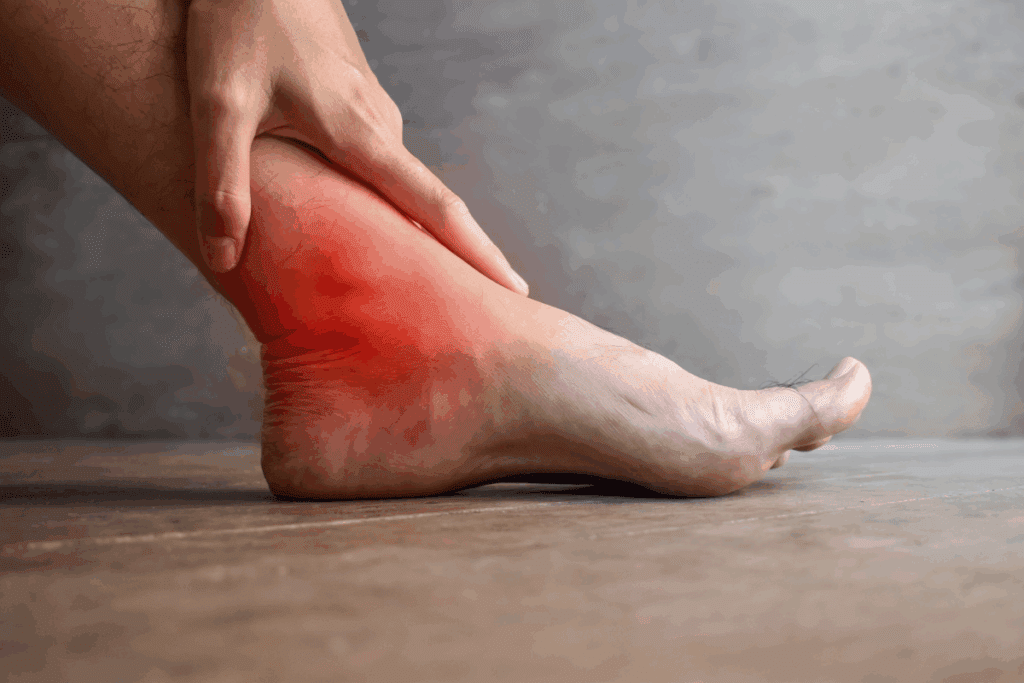
Foot bursitis is a common problem that affects millions of people. It causes pain and discomfort in the foot. Did you know that nearly 10% of the population will experience foot bursitis at some point in their lives? This happens when the bursae, small fluid-filled sacs, become inflamed. Walking is an essential activity in our lives, yet it may pose challenges for those suffering from foot bursitis.
While walking can sometimes help reduce stiffness, certain movements or exercises may worsen inflammation — especially if you’re also dealing with hip pain. It’s important to know the exercises to avoid with hip bursitis to prevent added strain on the joints. Understanding how walking and exercise affect bursitis is key to finding the right treatment and recovery plan.
Key Takeaways
- Foot bursitis is a common condition that affects a significant portion of the population.
- Walking can have both positive and negative effects on foot bursitis.
- Proper footwear and walking techniques are important for managing foot bursitis.
- Bursitis treatment often includes rest, physical therapy, and lifestyle changes.
- Understanding walking’s impact on foot bursitis helps in creating effective treatment plans.
Understanding Foot Bursitis
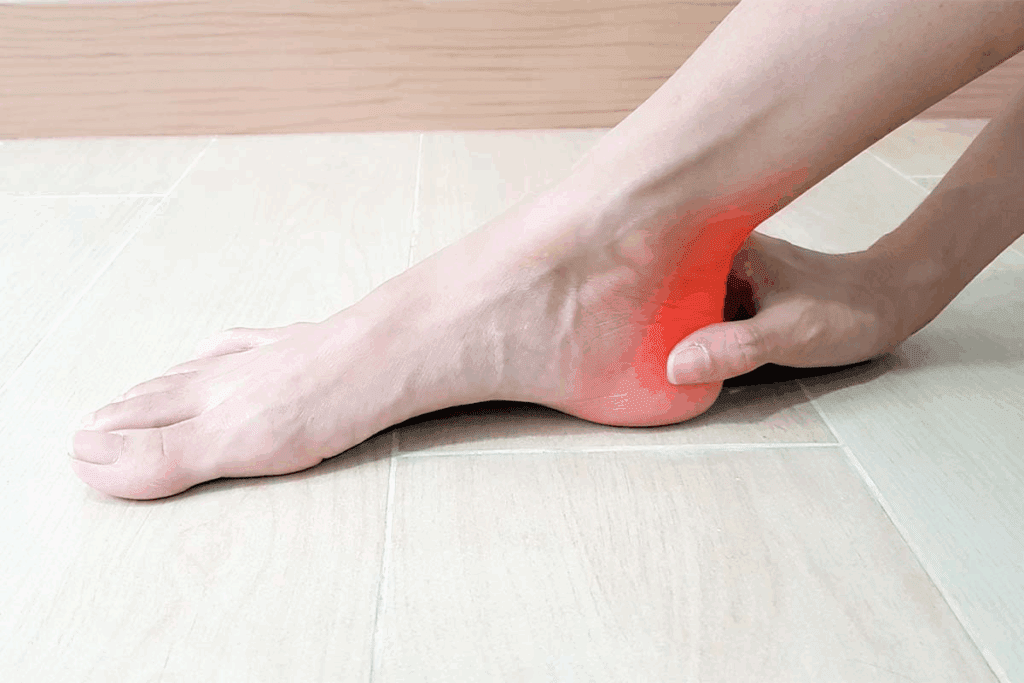
Foot bursitis is a condition where the bursae, fluid-filled sacs, become inflamed. These sacs cushion bones, tendons, and muscles. They reduce friction and allow for smooth movement.
What Is a Bursa and How Does It Function?
A bursa is a small, fluid-filled sac. It plays a key role in reducing friction between moving parts in the body. This includes bones, tendons, and muscles. By doing so, bursae prevent irritation and inflammation, making movement smooth and efficient.
Common Locations of Foot Bursitis
Foot bursitis can happen in different spots, but it’s most common in areas with high pressure and friction. The most common spots include:
- The heel
- The base of the big toe
- The Achilles tendon
These areas get bursitis because of repetitive motion, poorly fitting shoes, or direct trauma.
| Location | Causes | Symptoms |
| Heel | Poor footwear, repetitive strain | Pain, swelling |
| Base of the big toe | Tight shoes, toe deformities | Pain, redness |
| Achilles tendon | Overuse, tight calf muscles | Pain, stiffness |
Primary Causes of Foot Bursitis
The main causes of foot bursitis are repetitive motion, poorly fitting shoes, and direct trauma. Conditions like arthritis or gout also raise the risk. Knowing these causes helps in preventing and treating bursitis.
Key factors contributing to foot bursitis:
- Repetitive strain or overuse
- Poorly fitting shoes or footwear
- Direct trauma or injury
- Underlying medical conditions like arthritis or gout
Recognizing Foot Bursitis Symptoms
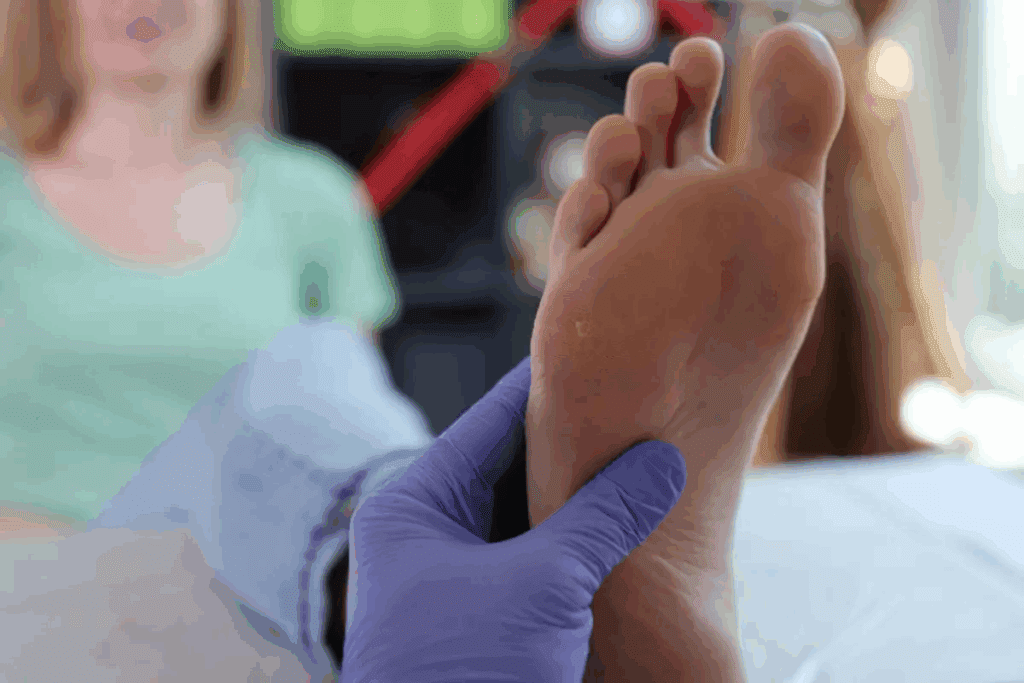
It’s important to know the symptoms of foot bursitis to treat it correctly. Foot bursitis shows up in different ways. Knowing its signs helps get treatment on time.
Early Warning Signs
The first signs of foot bursitis are mild pain or discomfort in the area. You might see swelling or redness around the bursa. The skin might feel warm, too.
Pain when you press on the area or move your foot is common. If the bursa is near the heel, standing or walking can hurt. Catching these signs early is key to getting the right care.
Advanced Symptoms
As foot bursitis gets worse, symptoms get stronger. The pain can become sharp and last longer, making daily tasks hard. Severe swelling and increased redness are also signs. The area might feel significantly tender to the touch.
In severe cases, the pain can stop you from moving. It’s hard to walk or do physical activities. Treating these symptoms quickly is important to avoid more problems and help with recovery.
Bursitis of the Foot Symptoms vs. Other Foot Conditions
It’s hard to tell foot bursitis from other foot problems because they share symptoms. For example, plantar fasciitis or tendonitis can cause pain and swelling, too. But the pain’s location and how it changes with movement can help tell them apart.
A doctor can figure out what’s wrong by looking, asking questions, and sometimes using imaging. Knowing the unique signs of foot bursitis is key to getting the right treatment.
The Direct Impact of Walking on Foot Bursitis
Walking has both good and bad effects on foot bursitis. It can help in some cases, but make things worse in others. Walking is a basic activity that can change how foot bursitis gets better or worse.
When Walking Benefits Foot Bursitis Recovery
Walking can help foot bursitis get better if done right. Gentle walking boosts blood flow, cuts down stiffness, and helps with healing. Moderate walking keeps the foot moving without too much stress on the sore area.
A study in an orthopedic journal showed that walking helped those with foot bursitis. They felt less pain and could move better than those who didn’t walk.
When Walking Worsens Foot Bursitis
But walking can also make foot bursitis worse. This happens if you walk too hard, wear the wrong shoes, or walk in a way that’s not right. High-impact walking or walking on hard floors without soft shoes can make it hurt more and swell up.
| Activity | Effect on Foot Bursitis |
| Gentle Walking | Improves circulation, reduces stiffness |
| High-Impact Walking | Increases pain, aggravates the condition |
| Walking on Hard Surfaces | Exacerbates inflammation, causes pain |
Finding the Right Balance
Finding the right walking balance is key to managing foot bursitis. Patients should aim for gentle, controlled walking. This kind of walking helps recovery without making things worse.
“The key to benefiting from walking with foot bursitis lies in moderation and proper technique. It’s about finding a balance that works for your specific condition.”
A renowned orthopedic specialist
Understanding how walking affects foot bursitis and finding a balanced approach helps. This way, patients can enjoy walking’s benefits while avoiding its downsides.
Proper Walking Techniques for Foot Bursitis Patients
For those with foot bursitis, walking right is key to less pain and healing. How you put your weight and move your feet matters a lot. It affects how comfortable you feel and how well you recover.
Gait Modifications to Reduce Pain
Changing how you walk can ease the pressure on the sore bursa. Here are some tips to adjust your stride:
- Take shorter strides to reduce the impact on your foot.
- Avoid overstriding, which can put additional stress on your heel and ankle.
- Try to land midfoot or forefoot instead of heel striking to decrease the shock absorbed by your foot.
Appropriate Walking Surfaces
The surface you walk on also matters for foot bursitis. Softer surfaces are gentler on your feet than hard ones. Keep these tips in mind:
- Walking on grass or a treadmill can be less stressful on your feet compared to concrete.
- If you must walk on hard surfaces, consider using shock-absorbing insoles.
Duration and Intensity Guidelines
It’s important to stay active, but not too much. Here are some guidelines:
| Activity Level | Duration | Intensity |
| Initial Phase | 10-15 minutes | Low |
| As Symptoms Improve | Gradually increase to 30 minutes | Moderate |
By focusing on your walking technique, making gait changes, picking the right surfaces, and watching your walking time and effort, you can manage foot bursitis symptoms. This helps support your healing journey.
Treatment Options for Foot Bursitis
There are many ways to treat foot bursitis. You can try conservative treatments, advanced interventions, or home remedies. Knowing about these options helps manage the condition well.
Conservative Medical Treatments
First, doctors often suggest conservative treatments for foot bursitis. These include:
- Rest and Ice: Rest the area and use ice to lessen swelling.
- Anti-inflammatory Medications: Use drugs to cut down pain and swelling.
- Physical Therapy: Do exercises and stretches to boost flexibility and strength.
“Conservative management is often effective in resolving symptoms,” says a leading orthopedic specialist. “It’s key to follow a healthcare professional’s advice for proper diagnosis and treatment planning.”
Advanced Medical Interventions
If conservative treatments don’t work, more advanced medical interventions might be needed. These include:
- Corticosteroid Injections: To lessen inflammation and ease pain.
- Aspirating the Bursa: Draining the bursa to reduce swelling.
- Surgical Options: In severe cases, removing the bursa might be considered.
Home Remedies and Self-Care Strategies
There are also home remedies and self-care strategies for foot bursitis. These include:
- Proper Footwear: Wear shoes that fit well and don’t put pressure on the affected area.
- Orthotic Devices: Use shoe inserts or orthotics to lessen stress on the foot.
- Stretching and Strengthening Exercises: Do gentle exercises to keep flexibility and strength.
By using these treatment methods together, people with foot bursitis can manage their symptoms well. It’s important to talk to a healthcare professional to find the best treatment plan.
Recovery Timeline: How Long Does Bursitis Take to Heal?
Knowing what to expect during recovery is key for those with foot bursitis. Understanding healing times and what affects recovery helps manage expectations. It also guides care decisions.
Typical Healing Timeframes for Foot Bursitis
Recovery times for foot bursitis vary. With the right treatment and rest, symptoms can start to get better in a few weeks. But, full recovery might take 6 to 12 weeks or even longer. It’s important to be patient and not rush back to activities too soon.
Factors That Affect Recovery Speed
Several things can affect how fast foot bursitis heals. These include how severe the condition is, the treatment’s success, and the patient’s health. For example, people with diabetes or rheumatoid arthritis might heal more slowly. Following recommended treatments and lifestyle changes also plays a big role in healing speed.
Signs Your Bursitis Is Improving
As foot bursitis heals, you’ll likely feel less pain and swelling. You’ll also be able to move more easily and do daily tasks without pain. If the area becomes less sensitive to touch, that’s a good sign too. Watching for these changes helps both you and your doctor see if treatment is working.
Understanding the recovery timeline and what affects healing is important for those with foot bursitis. Working closely with healthcare professionals is key. They can help create a care plan that meets your specific needs and promotes the best recovery.
Hip Bursitis and Walking
The link between walking and hip bursitis is complex. It involves pain, mobility, and recovery. Hip bursitis is inflammation around the hip joint. It can greatly affect a person’s life.
Walking is a basic activity that can help or harm hip bursitis. It depends on how you walk and the severity of your condition.
Is Walking Good for Hip Bursitis?
Walking can be good for hip bursitis if done right. Gentle walking keeps the joint moving and strengthens muscles. But, don’t overdo it, as too much walking can make it worse.
Benefits of Walking for Hip Bursitis:
- Improved joint mobility
- Strengthening of surrounding muscles
- Enhanced recovery through gentle exercise
Walking Modifications for Hip Bursitis Patients
To make walking easier for those with hip bursitis, some changes can be made. Adjust your walking, choose softer surfaces, and walk less and slower.
Gait adjustments can lessen hip stress. Shorter strides and avoiding overstriding can help. Walking on softer surfaces, like grass, is easier on the hip than hard surfaces.
How Long Does Hip Bursitis Last?
Hip bursitis can last from weeks to months. It depends on the cause, how severe it is, and the treatment. Rest, treatments, and lifestyle changes can help symptoms improve.
Factors influencing recovery time include:
- The severity of the bursitis
- Effectiveness of the treatment plan
- Patient compliance with recommended lifestyle changes
In conclusion, walking can help manage hip bursitis if done carefully. Knowing the good and bad of walking with hip bursitis and making the right changes can aid in recovery.
Exercises to Avoid with Hip Bursitis
It’s important to know which exercises to skip when you have hip bursitis. Some activities can make the pain worse. We’ll tell you which ones to steer clear of.
High-Impact Activities That Worsen Symptoms
High-impact activities stress the hip joint and can make bursitis worse. These include:
- Running or jogging on hard surfaces
- Jumping exercises, such as box jumps or burpees
- High-impact aerobics classes
- Sprinting or quick changes of direction
These activities put a lot of stress on the bursa. This can cause more inflammation and pain. Avoiding these activities is key to managing hip bursitis.
Common Workout Mistakes
Even low-impact exercises can be bad if done wrong. Mistakes that can make hip bursitis worse include:
- Poor form during exercises like squats or lunges can put unnecessary stress on the hip.
- Overstretching or straining the hip flexors.
- Ignoring pain and continuing to exercise through discomfort.
It’s important to listen to your body and adjust your workout routine.
What Aggravates Hip Bursitis Beyond Exercise
Other things can also make hip bursitis worse. These include:
| Factor | Description |
| Poor Posture | It can alter gait and put additional stress on the hip. |
| Tight Clothing | It can irritate the bursa directly. |
| Repetitive Activities | Such as cycling or climbing stairs, can exacerbate the condition. |
Experts say, “Understanding and modifying these factors can significantly impact the management of hip bursitis.”
“Modifying daily activities and being mindful of posture can greatly reduce the strain on the hip bursa.”
Knee Bursitis: Walking Benefits and Risks
Walking can affect knee bursitis in different ways. It’s important to know how it impacts the condition. Knee bursitis causes inflammation around the knee, affecting mobility and quality of life. Walking, a simple exercise, can help or harm knee bursitis based on several factors.
Is Walking Good for Knee Bursitis?
Walking can be good for knee bursitis if done right. It keeps the joint moving and strengthens muscles around the knee. But it’s important not to overdo it, as too much walking can make the condition worse. Moderation is key when walking with knee bursitis.
A study in the Journal of Orthopaedic & Sports Physical Therapy found that gentle exercises like walking can reduce pain and improve function in patients with knee bursitis. The intensity and duration of walking should match the individual’s condition and health.
“Gentle exercises, such as walking, can be beneficial for patients with knee bursitis by improving joint mobility and reducing pain.” – Journal of Orthopaedic & Sports Physical Therapy
Knee Bursitis Treatment Home Remedies
There are several home remedies for knee bursitis symptoms. These include:
- Applying ice packs to reduce inflammation
- Using compression bandages to provide support
- Elevating the affected leg to reduce swelling
- Taking over-the-counter pain relievers to manage pain
Keeping a healthy weight can also help reduce knee joint strain. This can alleviate some symptoms of knee bursitis.
| Remedy | Description | Benefits |
| Ice Packs | Apply ice to the affected area | Reduces inflammation and pain |
| Compression Bandages | Wrap the knee with a compression bandage | Provides support and reduces swelling |
| Elevation | Elevate the leg above heart level | Reduces swelling |
How to Relieve Bursitis in the Knee
Relieving knee bursitis involves rest, physical therapy, and lifestyle changes. Gentle exercises can improve knee function and reduce pain. It’s important to avoid activities that make the condition worse.
Physical therapy is key in managing knee bursitis. A physical therapist can create a personalized exercise plan. This plan can improve knee mobility and strength, easing symptoms.
Understanding walking’s impact on knee bursitis and using the right home remedies can help manage the condition. This approach can improve one’s quality of life.
Safe Exercises for People with Bursitis
Exercise is key in managing bursitis. But it’s important to pick activities that don’t make it worse. The goal is to keep moving and stay strong without irritating the bursae.
Low-Impact Alternatives to Walking
Walking is good for some, but there are better options for those with bursitis. These options keep your heart rate up without hurting your joints. Here are a few:
- Swimming and Water Aerobics: These are great workouts that don’t stress your joints.
- Cycling: Stationary bikes or recumbent bikes are easy on your joints and can be adjusted for your fitness level.
- Elliptical Trainer: It’s like running but without the hard impact, perfect for bursitis sufferers.
Strengthening Exercises That Won’t Aggravate Symptoms
Strengthening muscles around the joint can help support the bursa. It’s important to pick exercises that don’t bother the bursa. Here are some good ones:
- Isometric Exercises: These exercises contract the muscles without moving the joint, great for when you’re feeling worse.
- Resistance Band Exercises: They help strengthen muscles without too much strain on the joints.
Best Workouts with Hip Bursitis
For those with hip bursitis, some exercises can help ease symptoms while building strength and flexibility. Here are some good ones:
- Gentle Stretching: Stretching the hip flexors and gluteals can help ease tension on the bursa.
- Core Strengthening: A strong core helps stabilize the hip and lessens bursa strain.
- Low-Impact Aerobics: Activities like swimming and cycling are great for hip bursitis.
Adding these safe exercises to your routine can help manage bursitis. You’ll stay mobile and feel less pain.
Footwear and Support Solutions
The right shoes and support can really help with foot bursitis. Good shoes reduce pressure and offer the right support.
Best Shoes for Foot Bursitis
Choosing the right shoes for foot bursitis is important. Look for shoes with strong arch support, lots of cushioning, and a comfy fit. Shoes that are too tight or too loose can make things worse.
Key Features to Look for in Shoes:
- Adequate arch support to reduce strain on the foot
- Cushioning to absorb shock and reduce pressure
- A comfortable, roomy toe box to accommodate any swelling
- Soft, breathable materials to prevent irritation
Orthotic Options for Bursitis Relief
Orthotics can offer extra support for foot bursitis. You can get custom ones or over-the-counter inserts. They help spread out pressure and ease pain.
Types of Orthotics:
| Type | Description | Benefits |
| Custom Orthotics | Made just for your feet | Offers exact support and correction |
| Over-the-counter Inserts | Found at pharmacies | Affordable, easy to find |
When to Consider Custom Footwear
In some cases, you might need custom shoes for support. This is true for severe cases or when other treatments don’t work.
Signs You May Need Custom Footwear:
- Persistent pain despite using other treatments
- Significant foot deformity or irregularity
- Previous treatments have not provided adequate relief
Preventing Bursitis Recurrence
To prevent bursitis from coming back, we need to make lifestyle changes and do exercises. We also need to catch problems early. Knowing what causes bursitis helps us avoid it.
Lifestyle Modifications
Changing our lifestyle is key to avoiding bursitis. Here are some ways to do it:
- Maintaining a healthy weight: Being overweight can stress joints, leading to bursitis.
- Improving posture: Good posture lessens strain on bursae, like those in the hip and shoulder.
- Avoiding repetitive motions: Resting and stretching regularly can lower bursitis risk.
- Wearing proper footwear: The right shoes support joints, preventing bursitis in the feet and ankles.
Hip Bursitis Prevention Exercises
Exercises can strengthen muscles around joints, lowering bursitis risk. For hip bursitis, focus on the gluteal and hip flexor muscles. Here are some exercises:
- Glute bridges: This strengthens the gluteus maximus, stabilizing the hip.
- Clamshell exercises: They target the gluteus medius, improving hip stability.
- Leg raises: This strengthens the hip flexors.
Early Intervention Strategies
Acting fast is key to managing bursitis and preventing it from coming back. Here’s how:
- Prompt treatment of initial symptoms: Seeing a doctor early can stop bursitis from getting worse.
- Regular check-ups: For those prone to bursitis, regular doctor visits can catch problems early.
- Adherence to treatment plans: Sticking to treatment plans helps manage bursitis, reducing recurrence risk.
By following these tips, we can lower our chances of getting bursitis again.
Conclusion
Walking is an essential activity in our lives, yet it may pose challenges for those suffering from foot bursitis.
Walking can make bursitis worse, but it can also help if done right. It’s key to walk well, wear the right shoes, and know when to take a break. This balance helps manage bursitis better.
In short, managing bursitis is about finding the right mix of activity and rest. By knowing how to handle it, we can feel better and live better. This way, we can keep moving and doing our daily tasks without too much pain.
FAQ
What is foot bursitis, and how does it affect walking?
Foot bursitis occurs when a bursa in the foot becomes inflamed. This can cause pain and discomfort, making walking hard. But, walking can sometimes help ease the symptoms.
Is walking good for foot bursitis?
Walking can help with foot bursitis if done right. It keeps the foot moving and can reduce stiffness. But walking too much or on hard surfaces can make it worse.
How long does hip bursitis last?
How long hip bursitis lasts depends on how bad it is, the treatment, and personal factors. With the right treatment, it can last from a few weeks to months.
Is walking good for hip bursitis?
Walking can help hip bursitis if done gently and within limits. But too much or high-impact walking can make it worse.
What exercises should be avoided with hip bursitis?
Avoid high-impact activities like running and jumping. Also, stay away from exercises that make your hip flex deeply or involve heavy lifting.
How can I relieve bursitis in my knee?
To relieve knee bursitis, use the RICE method: rest, ice, compression, and elevation. Gentle exercises and physical therapy can also help. Avoid activities that make it worse.
Are there any home remedies for knee bursitis treatment?
Yes, home remedies include ice, compression bandages, elevating your knee, and pain relievers. Gentle stretching and strengthening exercises are also helpful.
What are the best workouts for hip bursitis?
Low-impact exercises like swimming and cycling are good. Gentle strengthening exercises for the hip muscles are also beneficial.
How can I prevent bursitis recurrence?
To prevent bursitis from coming back, make lifestyle changes. Wear proper shoes, avoid repetitive motions, and do exercises that strengthen the muscles around the joint.
What are the best shoes for foot bursitis?
Look for shoes with good arch support, cushioning, and a comfortable fit. Orthotics or custom shoes might also help in some cases.
Can walking help bursitis?
Walking can help bursitis by keeping the joint moving and reducing stiffness. But, balance walking with rest and avoid making it worse.
What aggravates hip bursitis?
Things that can make hip bursitis worse include high-impact exercises, poor posture, tight or weak hip muscles, and repetitive hip movements.
References
- Riel, H., Lindstrøm, C. F., Rathleff, C. R., Jensen, M. B., & Olesen, J. L. (2019). Prevalence and incidence of lower extremity tendinopathy and bursitis in a general practice: A registry-based study. Journal of Orthopaedic & Sports Physical Therapy, *49*(6), 438-446. https://pubmed.ncbi.nlm.nih.gov/30943774/