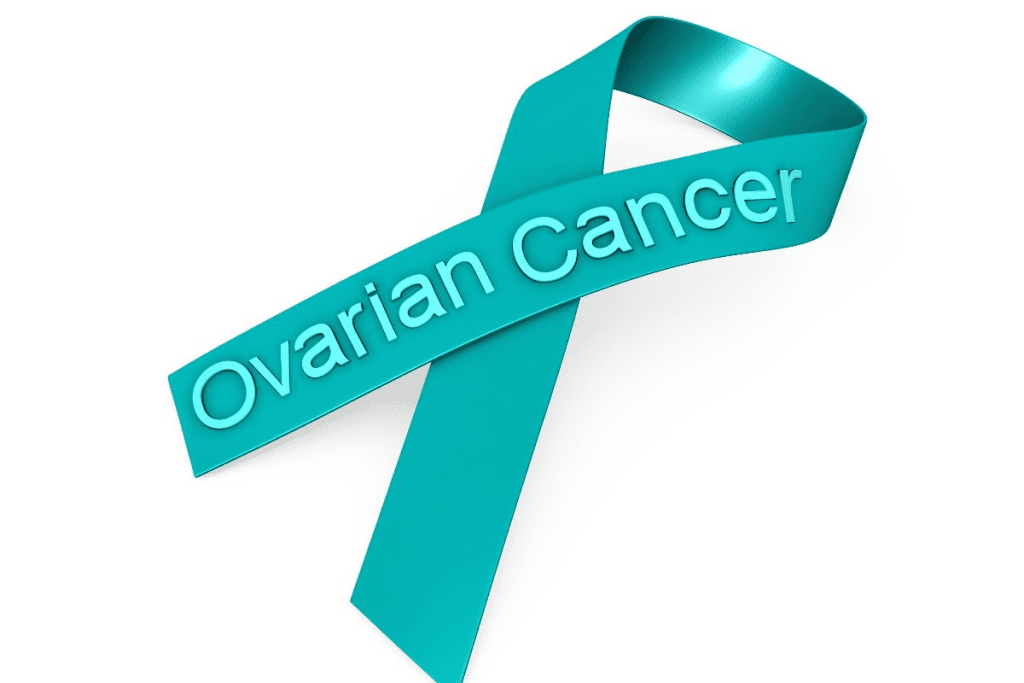
Ovarian cancer is a major health concern and one of the leading causes of cancer-related deaths in women. About 1 in 78 women will get ovarian cancer at some point. Knowing the risks, like heredity, is key for catching it early and treating it well.
The link between genes and ovarian cancer is complex. Most cases happen by chance, but many are due to genes. Women with a family history of ovarian or breast cancer face a higher risk. Knowing your genetic risk is important for staying healthy and planning treatment.
Key Takeaways
- Ovarian cancer is a leading cause of gynecologic cancer-related deaths.
- A family history of ovarian or breast cancer increases the risk.
- Genetic factors play a significant role in ovarian cancer.
- Understanding hereditary risks is key for early detection.
- Genetic testing can help identify those at higher risk.
Understanding Ovarian Cancer Basics
What is Ovarian Cancer?
Ovarian cancer happens when cells in the ovaries grow too much and spread. It’s divided into types based on where it starts. Most ovarian cancers start in the outer layer of the ovaries.
Types of Ovarian Cancer
There are a few types of ovarian cancer:
- Epithelial ovarian cancer: This is the most common, starting in the outer layer of the ovary.
- Germ cell ovarian cancer: It starts in the cells that make eggs.
- Stromal ovarian cancer: It begins in the tissue that holds the ovary together.
Common Risk Factors
Several things can up a woman’s chance of getting ovarian cancer. These include:
| Risk Factor | Description |
| Genetics | Having a family history of ovarian or breast cancer, with BRCA1 and BRCA2 mutations. |
| Smoking | It raises the risk, mainly for mucinous ovarian cancer. |
| History of Infertility | Women who have trouble getting pregnant are at higher risk. |
| Endometriosis | A condition where tissue like the uterus lining grows outside the uterus. |
| Obesity | Being overweight or obese can up the risk of ovarian cancer. |
| Never Having Children | Women who’ve never been pregnant face a higher risk than those who have. |
Knowing these risk factors helps figure out personal risk. It’s also key for talking about prevention with doctors.
Hereditary Ovarian Cancer: An Overview
Ovarian cancer can run in families. Knowing this is key to stopping it early. It happens when inherited genetic mutations cause the disease.
Defining Hereditary Cancer
Hereditary cancer comes from genes passed down through generations. These genes can raise the risk of getting certain cancers, like ovarian cancer.
Ovarian Cancer Hereditary vs Sporadic
Ovarian cancer falls into two types: hereditary and sporadic. Hereditary cases are linked to inherited genes. Knowing the difference helps in figuring out risks and how to prevent them.
Ovarian Cancer Hereditary Percentage
About 10% to 15% of ovarian cancer cases are hereditary. A study by the National Cancer Center found that knowing the hereditary side of ovarian cancer is vital. It helps find people at high risk.
| Type of Ovarian Cancer | Percentage of Cases | Characteristics |
| Hereditary | 10-15% | Caused by inherited genetic mutations |
| Sporadic | 85-90% | No clear family history; often related to environmental and lifestyle factors |
Knowing if ovarian cancer is hereditary or sporadic is important. It guides decisions on genetic tests, preventive surgeries, and other ways to lower risk.
The Role of Genetics in Ovarian Cancer
Genetics are key in ovarian cancer, with some mutations raising the risk a lot. Knowing these genetic factors helps find people at high risk. This knowledge leads to early prevention steps.
How Genes Influence Cancer Development
Genes carry information from one generation to the next. They control how cells grow and divide. If genes mutate, cells can grow out of control, leading to cancer. In ovarian cancer, some mutations greatly increase the risk.
Germline mutations are inherited from parents. They are in every cell and can be passed to children. Companies like Myriad Genetics, Inc. test for these mutations to check cancer risk.
Germline Mutations Ovarian Cancer
Germline mutations in BRCA1 and BRCA2 genes are known to raise ovarian cancer risk. These genes help fix DNA damage. But if they mutate, they can’t control cell growth, raising cancer risk.
“The presence of a germline mutation in BRCA1 or BRCA2 significantly increases a woman’s lifetime risk of developing ovarian cancer.”
Inherited DNA Changes Ovarian Cancer
Inherited DNA changes are mutations passed from parents to children. These changes can affect many genes and increase ovarian cancer risk. It’s important to understand these changes to assess risk.
| Gene | Increased Risk | Lifetime Risk |
| BRCA1 | Significantly increased | Up to 40% |
| BRCA2 | Moderately increased | Up to 20% |
Finding people with inherited DNA changes that raise ovarian cancer risk helps. Early intervention and prevention can lower disease incidence.
BRCA1 Gene Ovarian Cancer Risk
Knowing about the BRCA1 gene is key to understanding ovarian cancer risk. The BRCA1 gene helps fix DNA damage, keeping cells stable. But, mutations in this gene can raise the risk of ovarian and breast cancers.
Function of the BRCA1 Gene
The BRCA1 gene makes a protein that stops tumors. This protein fixes DNA breaks and keeps cells healthy. It stops cells from growing out of control, which can cause cancer.
Normal Function: The BRCA1 protein repairs DNA breaks. This is important for keeping the genome stable. It prevents genetic changes that could lead to cancer.
How BRCA1 Mutations Increase Cancer Risk
BRCA1 mutations make the protein not work right. This means cells can’t fix DNA damage well. So, cells are more likely to get genetic changes that cause cancer.
Increased Cancer Risk: Women with BRCA1 mutations face a higher risk of ovarian cancer. They often get it at a younger age. This is because their DNA repair is not working right.
Lifetime Risk Statistics for BRCA1 Carriers
BRCA1 carriers have a high risk of ovarian cancer. The risk can be 40% to 60% by age 80. But, this risk can change based on family history and where you live.
- Lifetime Risk: The risk of ovarian cancer by age 80 for BRCA1 carriers is much higher than for others.
- Risk Management: Knowing these risks helps BRCA1 carriers make smart choices. They can choose better surveillance and prevention.
Understanding the BRCA1 gene and its mutations helps manage cancer risk. It guides individuals to the right preventive and surveillance steps.
BRCA2 Gene Ovarian Cancer Risk

The BRCA2 gene is key in keeping a cell’s genetic material safe. Mutations in this gene raise the risk of ovarian cancer. Like BRCA1, BRCA2 helps fix DNA breaks, keeping the cell’s genetic info stable.
Function of the BRCA2 Gene
The BRCA2 gene tells our cells how to make a protein for DNA repair. This protein helps fix DNA breaks through homologous recombination. Without BRCA2 working right, our genome can get damaged, leading to cancer.
How BRCA2 Mutations Increase Cancer Risk
BRCA2 mutations make it hard for the gene to repair DNA. This can cause cells to grow out of control, leading to cancer. Women with a BRCA2 mutation face a higher risk of ovarian cancer.
Lifetime Risk Statistics for BRCA2 Carriers
Women with a BRCA2 mutation face a high risk of ovarian cancer. By age 80, the risk is about 27%. This is much higher than the general population, showing the need for awareness and prevention.
| Gene Mutation | Lifetime Risk of Ovarian Cancer |
| BRCA2 | Approximately 27% by age 80 |
| General Population | About 1.3% |
A leading researcher says, “Finding BRCA2 mutations in families with ovarian cancer history is key for genetic counseling and prevention.” This highlights the need for genetic testing and counseling for those at risk.
“Understanding the genetic basis of ovarian cancer is vital for effective screening and prevention for those at high risk.”
Lynch Syndrome Ovarian Cancer Risk
Knowing about Lynch syndrome is key to understanding ovarian cancer risk. Lynch syndrome, also known as hereditary nonpolyposis colorectal cancer (HNPCC), is a genetic disorder. It makes people more likely to get different types of cancer.
What is Lynch Syndrome?
Lynch syndrome comes from inherited DNA mismatch repair gene mutations. These include MLH1, MSH2, MSH6, PMS2, and EPCAM. These mutations cause genetic instability, raising cancer risk. The National Cancer Institute says Lynch syndrome is linked to higher risks of colorectal, endometrial, ovarian, and other cancers.
How Lynch Syndrome Increases Ovarian Cancer Risk
People with Lynch syndrome face a higher risk of ovarian cancer. The risk varies, but it’s between 3% to 14% over a lifetime. A study in the Journal of Clinical Oncology found that women with Lynch syndrome are at a higher risk of ovarian cancer. This makes it important to have better screening and preventive plans.
“The risk of ovarian cancer in Lynch syndrome carriers is substantial, necessitating careful consideration of screening and preventive measures.”
Screening Recommendations for Lynch Syndrome Carriers
Women with Lynch syndrome should follow certain screening and preventive steps. These include:
- Annual transvaginal ultrasound and serum CA-125 testing starting at age 30-35
- Risk-reducing salpingo-oophorectomy (RRSO) after childbearing is complete
- Consideration of endometrial cancer screening with annual endometrial biopsy
The Society of Gynecologic Oncology advises Lynch syndrome carriers. They should be told about their ovarian cancer risk and the options for managing it.
Other Genetic Mutations Linked to Ovarian Cancer
There are many genetic mutations linked to ovarian cancer, not just BRCA1 and BRCA2. Knowing about these mutations helps us understand risk better. It also guides us in taking steps to prevent the disease.
PALB2, RAD51C, and RAD51D Mutations
PALB2, RAD51C, and RAD51D genes are linked to ovarian cancer risk. They help fix DNA damage, like BRCA1 and BRCA2 do.
People with PALB2 mutations face a higher risk of ovarian cancer. The exact risk is being studied. RAD51C and RAD51D mutations also raise the risk, but the exact amount varies by study.
| Gene | Ovarian Cancer Risk | Estimated Lifetime Risk |
| PALB2 | Moderately increased | 5-7% |
| RAD51C | Moderately increased | 4-6% |
| RAD51D | Moderately increased | 5-7% |
BRIP1 and Other Moderate-Risk Genes
BRIP1 mutations also raise ovarian cancer risk. While not as high as BRCA1 or BRCA2, it’s a moderate risk.
Other genes, like those in Lynch syndrome, also increase ovarian cancer risk. It’s important to understand how these genes work together to assess risk fully.
“The identification of additional ovarian cancer susceptibility genes has significant implications for genetic counseling and risk management.”
” Dr. [Last Name], Genetic Oncologist
Genetic Predisposition Ovarian Cancer
Genetic predisposition to ovarian cancer involves many genetic factors. Family history and genetic tests help find those at higher risk.
For those with known mutations, regular check-ups and preventive steps can lower ovarian cancer risk.
Hereditary Breast and Ovarian Cancer Syndrome
Hereditary Breast and Ovarian Cancer Syndrome (HBOC) greatly increases the risk of breast and ovarian cancers. It’s mainly linked to mutations in the BRCA1 and BRCA2 genes.
Defining HBOC Syndrome
HBOC syndrome makes people more likely to get breast and ovarian cancers because of inherited genes. The main genes involved are BRCA1 and BRCA2. Having these gene mutations can raise the risk of getting these cancers a lot.
Cancer Risks Associated with HBOC

People with HBOC syndrome face a higher risk of breast and ovarian cancers. This risk is even higher for those with BRCA1 and BRCA2 mutations. Research shows that women with BRCA1 mutations are at a higher risk of ovarian cancer than those with BRCA2 mutations.
- Breast Cancer: Women with HBOC syndrome are at a higher risk of developing breast cancer at a younger age.
- Ovarian Cancer: The risk of ovarian cancer is also significantly higher in women with HBOC syndrome.
Management Strategies for HBOC Families
Managing HBOC syndrome risks involves several steps, like better surveillance, chemoprevention, and preventive surgery. Families with HBOC history should get genetic counseling. This helps them understand their risks and plan a personalized management strategy.
- Genetic Testing: Finding mutations in BRCA1 and BRCA2 helps assess the risk.
- Enhanced Surveillance: Regular screening for breast and ovarian cancers helps catch problems early.
- Preventive Surgery: Options like risk-reducing mastectomy and salpingo-oophorectomy are available for those at high risk.
Family History Ovarian Cancer Risk
Many women worry about ovarian or breast cancer in their families. Knowing how family history affects ovarian cancer risk helps them stay healthy.
Red Flags in Family History
Some family history patterns suggest a higher ovarian cancer risk. This includes many first-degree relatives (like mothers, sisters, or daughters) with ovarian or breast cancer. It’s also a concern if they were diagnosed young.
- Multiple cases of ovarian or breast cancer in close relatives
- Cancer diagnoses at a younger age than typical
- Presence of known genetic mutations like BRCA1 or BRCA2
Mother Daughter Ovarian Cancer Risk
Women with a mother or daughter who had ovarian cancer face a higher risk. Studies show daughters of women with ovarian cancer are at greater risk. This risk is higher if the mother was diagnosed young.
The risk is higher if the relative was diagnosed at a younger age.
Sister with Ovarian Cancer Risk
Sisters of women with ovarian cancer also have a higher risk. This risk grows if more than one sister is affected. It’s even higher if a sister was diagnosed young.
Having a sister with ovarian cancer can be a significant risk factor.
How to Know if Ovarian Cancer Runs in Family
To figure out if ovarian cancer runs in your family, collect detailed family history. Include the types of cancer and the ages at diagnosis. Talking to a healthcare provider or genetic counselor can help assess this risk.
- Gather detailed family history information
- Consult with a healthcare provider or genetic counselor
- Discuss possible genetic testing options
Genetic Testing for Ovarian Cancer Risk
Genetic testing is key for those at risk of ovarian cancer, mainly those with a family history. It spots specific genetic mutations, like in BRCA1 and BRCA2 genes. This helps people understand their risk and make smart health choices.
Who Should Consider Genetic Testing
Those with a big family history of ovarian or breast cancer should get tested. This includes women with many relatives who had these cancers, or if they got them young. Myriad Genetics and others offer tests for many genetic mutations linked to ovarian cancer risk.
Types of Genetic Tests Available
There are several genetic tests for ovarian cancer risk. These include:
- Single gene tests, which check for mutations in genes like BRCA1 and BRCA2.
- Multi-gene panels, which test for many genes linked to cancer risk.
These tests give a full picture of your genetic risk for ovarian cancer.
Understanding Test Results
It’s important to understand genetic test results. A positive result means you have a harmful mutation. A negative result means no mutation was found. But, a negative result doesn’t always mean you’re not at risk, as some risks might not be caught by current tests.
Insurance Coverage for Genetic Testing
Insurance for genetic testing varies. Many plans cover it for those at high risk. But, it depends on the test and your situation. Always check your insurance before getting tested.
Knowing your genetic risk for ovarian cancer helps you take care of your health. You might choose closer monitoring, preventive steps, or lifestyle changes. Genetic testing is a big help in finding and preventing ovarian cancer early.
Genetic Counseling Ovarian Cancer Risk
Genetic counseling helps understand hereditary ovarian cancer risks. It’s a key resource for those thinking about genetic testing. It’s also important for managing risk, mainly for those with a family history of the disease.
The Role of Genetic Counselors
Genetic counselors are experts in genetics and counseling. They help people understand their genetic risks and make health decisions. They interpret test results, assess risks, and discuss management options.
In a counseling session, a counselor will look at your family and medical history. They’ll talk about genetic testing’s implications and its risks and benefits.
What to Expect During Genetic Counseling
At a genetic counseling session, you’ll get a detailed review of your and your family’s health history. The counselor will assess your ovarian cancer risk and discuss testing or management strategies.
A key part is discussing test results and their meaning. Counselors explain results clearly, helping you make informed health decisions.
| Aspect | Description |
| Family History Review | A detailed review of your family’s medical history to assess ovarian cancer risk. |
| Genetic Testing Discussion | Talking about the implications, risks, and benefits of genetic testing for ovarian cancer. |
| Risk Assessment | Assessing your risk of developing ovarian cancer based on your genetic and medical history. |
| Management Options | Talking about available management options for those at high risk of ovarian cancer. |
Psychological Aspects of Learning Genetic Status
Learning your genetic status can be emotionally challenging. You might feel anxious, fearful, or uncertain about your health risks. Genetic counselors offer emotional support and guidance to help you cope.
Genetic counseling is not just about test results. It’s also about getting support and guidance throughout the process.
Finding a Qualified Genetic Counselor
To find a qualified genetic counselor, ask your healthcare provider for a referral or search online directories. It’s important to find a counselor with experience in ovarian cancer genetics. Consider their communication style and ability to answer your questions and concerns.
Working with a qualified genetic counselor helps you understand your ovarian cancer risk. This way, you can make informed health decisions.
Preventive Surgery BRCA Ovarian Cancer
For those with BRCA gene mutations, preventive surgery is a big step to lower ovarian cancer risk. This surgery is key for those with a family history of ovarian cancer or other risk factors.
Risk-Reducing Salpingo-Oophorectomy
Risk-reducing salpingo-oophorectomy (RRSO) removes the ovaries and fallopian tubes. It greatly lowers the risk of ovarian cancer in high-risk people. RRSO is the best way to stop ovarian cancer in BRCA mutation carriers.
Timing of Preventive Surgery
Choosing when to have RRSO is a big decision. It depends on age, if you want more kids, and your health. Usually, RRSO is suggested after you’re done having children. But, it should be decided based on your personal risk and health.
Benefits and Risks of Preventive Surgery
RRSO’s main plus is it cuts ovarian cancer risk by 80-90% in BRCA carriers. But, it’s important to think about the risks and side effects. These include surgery dangers and early menopause.
- Lower risk of ovarian cancer
- May also lower breast cancer risk for some
- Risks and side effects of surgery
- Starts menopause right away
Hormone Replacement Considerations
After RRSO, you might need hormone therapy to ease menopause symptoms. Talking to a doctor about hormone therapy is key. They’ll help weigh the benefits against the risks, like higher breast cancer risk.
People with BRCA mutations should talk to their doctor about their options. It’s important to consider your unique situation and the latest medical advice.
Other Risk Reduction Strategies for High-Risk Individuals
For those at high risk of ovarian cancer, there are steps beyond surgery to take. These steps are key to managing and possibly lowering the risk of ovarian cancer.
Enhanced Surveillance Options
For high-risk individuals, regular check-ups are vital. This includes transvaginal ultrasounds (TVUS) and CA-125 blood tests. These tests may not cut down on deaths yet, but they help find cancer early.
- TVUS can spot ovarian issues.
- CA-125 blood tests check for a protein linked to ovarian cancer.
Chemoprevention Options
Chemoprevention uses drugs to lower cancer risk. For ovarian cancer, oral contraceptives are effective, even for BRCA1 and BRCA2 carriers. The benefits last even after stopping use.
- Oral contraceptives can cut ovarian cancer risk by up to 50%.
- The longer you use them, the more risk you reduce.
Lifestyle Modifications
Changing your lifestyle can also help. Staying healthy, being active, and eating well are good choices. Some foods might even protect you.
- Eating lots of fruits, veggies, and whole grains is good.
- Exercise keeps you healthy and might lower cancer risk.
Lifetime Risk Hereditary Ovarian Cancer Management
Managing lifetime risk means being proactive. High-risk people should talk to their doctors about a plan. This plan should include regular check-ups and possibly preventive steps.
By using these strategies, high-risk individuals can manage their risk of ovarian cancer better.
Conclusion
Hereditary ovarian cancer is a big worry for those with a family history of it. Knowing about genetic risks and how to manage them is key to lowering the chance of getting ovarian cancer.
Genetic changes, like BRCA1 and BRCA2, are big players in hereditary ovarian cancer. Finding these changes through genetic tests can help people take steps to lower their risk.
Options like preventive surgery, watching closely for signs, and using medicines to prevent cancer can help. It’s important for those with a family history of ovarian cancer to talk to a genetic counselor. They can help figure out the best plan for each person.
By learning about hereditary ovarian cancer and how to manage risks, people can take charge of their health. They can make smart choices to lower their risk.
FAQ
What percentage of ovarian cancer cases are hereditary?
About 10-15% of ovarian cancer cases are hereditary. This means they are linked to inherited genetic mutations.
What is the role of the BRCA1 gene in ovarian cancer?
The BRCA1 gene helps fix damaged DNA. It’s a tumor suppressor. Mutations in BRCA1 greatly increase ovarian cancer risk. Carriers face a 35-70% lifetime risk.
How does Lynch syndrome increase ovarian cancer risk?
Lynch syndrome is caused by DNA mismatch repair gene mutations. It raises the risk of cancers, including ovarian. Carriers have a 3-14% lifetime risk.
What is hereditary breast and ovarian cancer syndrome (HBOC)?
HBOC syndrome increases breast and ovarian cancer risk due to inherited mutations. Families with HBOC often have many cases of these cancers.
How does family history impact ovarian cancer risk?
A first-degree relative (mother, sister, or daughter) with ovarian cancer raises a woman’s risk. The risk is higher with multiple relatives affected or if they were young when diagnosed.
Who should consider genetic testing for ovarian cancer risk?
Those with a family history of ovarian or breast cancer should consider genetic testing. Testing can find inherited mutations that raise cancer risk.
What is risk-reducing salpingo-oophorectomy, and who is it for?
Risk-reducing salpingo-oophorectomy removes ovaries and fallopian tubes to lower cancer risk. It’s often suggested for BRCA1 or BRCA2 carriers after they’ve had children.
What are the benefits and risks of preventive surgery for BRCA carriers?
Preventive surgery greatly lowers ovarian cancer risk but is a big surgery. It can lead to early menopause. Hormone therapy might help with some effects.
What other risk reduction strategies are available for high-risk individuals?
High-risk individuals can also use enhanced surveillance, chemoprevention, and lifestyle changes. These can help manage their risk.
How can I determine if ovarian cancer runs in my family?
Look for patterns of ovarian, breast, and related cancers in your relatives. A genetic counselor can help figure out if there’s a hereditary link.
What is genetic counseling, and how can it help?
Genetic counseling discusses genetic testing and understanding results. It offers emotional support and guidance for those with a cancer family history.
Are there other genetic mutations linked to ovarian cancer beside BRCA1 and BRCA2?
Yes, genes like PALB2, RAD51C, RAD51D, and BRIP1 also raise ovarian cancer risk. But the risk is generally lower than with BRCA1 and BRCA2.
How do I find a qualified genetic counselor?
Find a genetic counselor through the National Society of Genetic Counselors (NSGC) or ask your healthcare provider for a referral.
References
- Medscape. (2025). Ovarian Cancer Guidelines. https://emedicine.medscape.com/article/255771-guidelines



 Departments
 Related Videos
 Our Doctors
 News
News