Last Updated on October 21, 2025 by mcelik
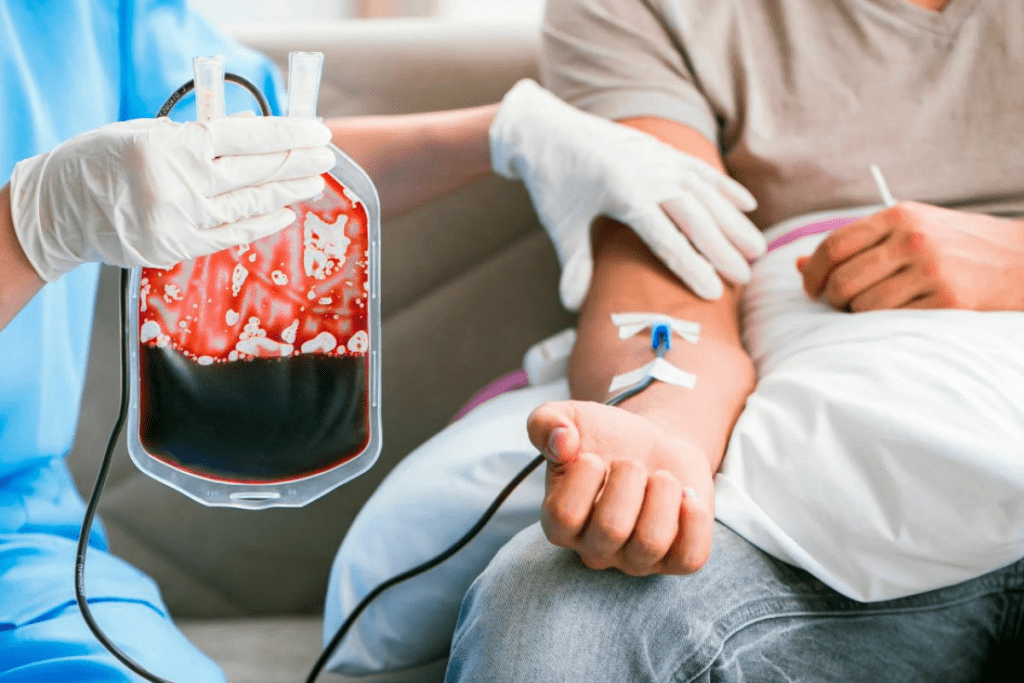
A rare bleeding disorder affects thousands worldwide, yet it remains largely misunderstood. **Factor 7 deficiency**, also known as Factor VII deficiency or Type7 Blood Disorder, is a condition where the blood can’t clot properly. This leads to prolonged bleeding episodes.
This condition is caused by a lack of clotting factor VII. This protein is key for blood to coagulate. Knowing the basics of this disorder is vital for diagnosis and treatment.
Key Takeaways
- A rare bleeding disorder, Factor VII deficiency affects the blood’s ability to clot.
- Prolonged bleeding episodes are a hallmark of this condition.
- Understanding Factor VII deficiency is key for diagnosis and treatment.
- Clotting factor VII plays a vital role in blood coagulation.
The Blood Coagulation System
Blood coagulation is a complex process. It involves a series of reactions that lead to clot formation. This is vital to stop bleeding when a blood vessel is injured.
Clotting factors are proteins in the blood that are key to clotting. There are 13 of them, each with a Roman numeral (I to XIII). They work in a specific order to form a blood clot. Factor VII is important in the early stages of clotting.
Normal Coagulation Cascade
The coagulation cascade starts through two pathways: intrinsic and extrinsic. The intrinsic pathway is for damage inside the blood vessels. The extrinsic pathway is for damage outside the blood vessels. Both paths meet at the common pathway, leading to a fibrin clot.
The cascade is a series of complex reactions. Each step makes the response to injury stronger. Here’s a brief overview:
| Pathway | Description | Key Clotting Factors Involved |
| Intrinsic Pathway | Activated by internal damage | Factors XII, XI, IX, VIII |
| Extrinsic Pathway | Triggered by external trauma | Factor VII, Tissue Factor |
| Common Pathway | Convergence of intrinsic and extrinsic pathways | Factors X, V, II (Prothrombin), I (Fibrinogen) |
Understanding the coagulation cascade is key to managing bleeding disorders. By knowing how clotting factors work and the pathways, doctors can create better treatment plans.
What is Factor7 Deficiency?
Factor VII is key in starting blood clotting. Its lack can cause serious health problems. It’s a vitamin K-dependent clotting factor that starts the coagulation cascade.
Definition and Classification
Factor7 deficiency, or Factor VII deficiency, is a rare bleeding disorder. It happens when there’s not enough Factor VII. The severity of this condition varies, from mild to severe.
“The severity of Factor VII deficiency can vary significantly among individuals, influencing the frequency and severity of bleeding episodes,” as noted in medical literature.
Factor VII in the Coagulation Process
Factor VII starts the extrinsic pathway of blood coagulation. When tissue is damaged, Factor VII meets tissue factor. This forms a complex that activates Factor IX and Factor X, leading to clot formation.
- Activation of Factor IX and Factor X
Half-Life of Factor VII
The half-life of Factor VII is about 4 to 6 hours. This short half-life is important for managing Factor VII deficiency. It helps decide how often replacement therapy is needed.
“The short half-life of Factor VII necessitates careful planning and management of replacement therapy to maintain adequate levels of Factor VII activity and prevent bleeding complications.”
Understanding Factor VII’s role, half-life, and how it’s classified helps healthcare providers manage Factor7 deficiency. This improves patient care and outcomes.
Prevalence and Epidemiology
It’s important to understand the prevalence and epidemiology of Factor 7 deficiency. This rare bleeding disorder affects people all over the world. The number of cases varies a lot in different places.
Global Incidence Rates
The exact number of people with Factor 7 deficiency worldwide is not known. But, research shows it affects about 1 in 300,000 to 1 in 500,000 people globally.
Epidemiological studies are key to figuring out how common this disorder is. They help us see how it affects different groups of people.
Demographics and Risk Groups
Factor 7 deficiency doesn’t favor one gender over the other. It’s an autosomal recessive disorder. It’s more common in areas where families often marry within their families.
| Demographic Characteristics | Risk Factors |
| Gender | Affects males and females equally |
| Ethnicity | More common in populations with high consanguinity rates |
| Family History |
Inheritance Patterns
Factor 7 deficiency follows an autosomal recessive pattern. This means a person needs two copies of the F7 gene defect, one from each parent, to have the condition.
Genetic counseling is advised for families with a history of Factor 7 deficiency. Knowing how the condition is passed down helps families understand the risk of it being passed to their children.
Causes of Factor7 Deficiency
Factor 7 deficiency comes from a mix of genetic and acquired factors. Knowing these causes helps in diagnosing and treating the condition.
Genetic Mutations
Genetic mutations are a main reason for Factor 7 deficiency. The F7 gene tells our bodies how to make Factor VII, key for blood clotting. If the gene mutates, it can make less or no Factor VII, causing bleeding.
These mutations are inherited in an autosomal recessive pattern. This means you need two copies of the mutated gene, one from each parent, to have the condition.
The mutations that cause Factor 7 deficiency include:
- Missense mutations
- Nonsense mutations
- Splicing mutations
- Deletions or insertions
Acquired Causes
Genetic factors aren’t the only cause of Factor 7 deficiency. Acquired causes also play a big role. These include:
- Liver disease, as the liver makes clotting factors
- Vitamin K deficiency, needed for clotting factor production
- Use of certain medications, like anticoagulants
- Other medical conditions that affect clotting factor production or function
Vitamin K Deficiency Connection
Vitamin K is key for making clotting factors, including Factor VII. Without enough vitamin K, clotting is impaired, raising the risk of bleeding. Vitamin K deficiency can come from:
- Poor dietary intake
- Malabsorption due to gastrointestinal disorders
- Use of medications that interfere with vitamin K metabolism
In summary, Factor 7 deficiency is caused by genetic mutations, acquired factors, and vitamin K deficiency. Knowing these causes is essential for effective treatment and management.
Symptoms and Clinical Manifestations
Factor 7 deficiency shows a variety of bleeding symptoms. These symptoms can really affect a person’s life quality.
Common Bleeding Symptoms
People with Factor 7 deficiency may see different bleeding symptoms. They often get easy bruising, nosebleeds, and prolonged bleeding after injuries or surgeries. Sometimes, they might even bleed without any reason.
Severity Spectrum
The severity of bleeding symptoms in Factor 7 deficiency varies. Some people have mild symptoms that are easy to handle. Others face severe bleeding that needs quick medical help. This shows why treatment plans need to be tailored for each person.
Nosebleeds and Bruising
Nosebleeds (epistaxis) and bruising are common symptoms. These can happen often and might be caused by small injuries or happen on their own. It’s important to know why these symptoms happen to manage them well.
Vitamin K deficiency can make bleeding symptoms worse in Factor 7 deficiency. Vitamin K helps make clotting factors, including Factor 7. So, keeping vitamin K levels right is key to managing the condition.
Diagnosis of Factor VII Deficiency
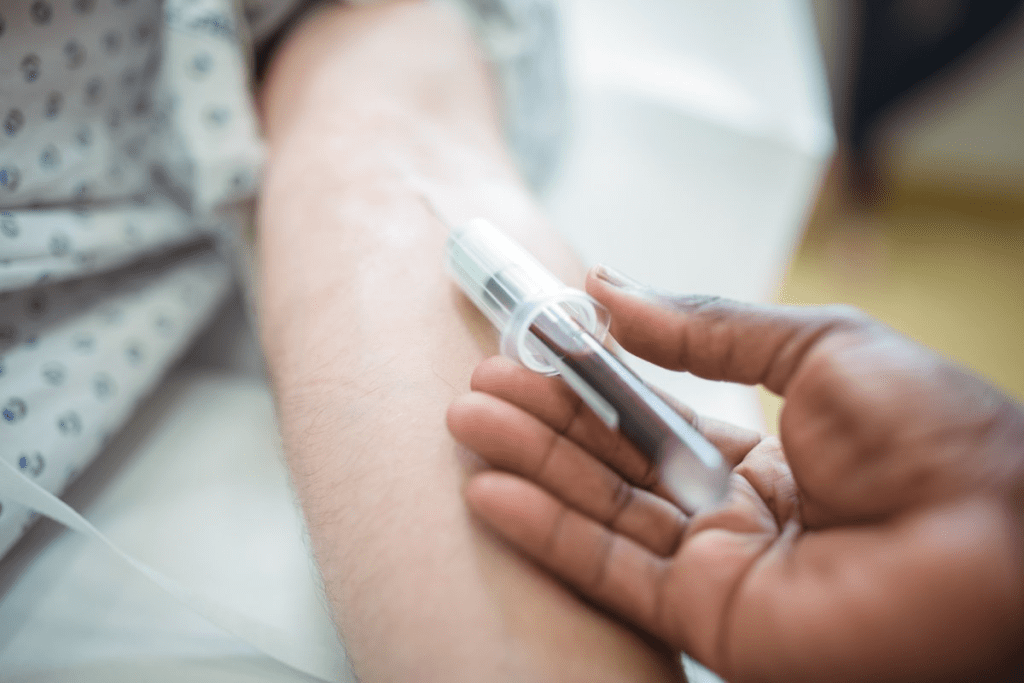
Getting a correct diagnosis for Factor VII deficiency is key to managing it well. This involves a detailed process. It includes both clinical checks and special lab tests.
Laboratory Tests
Labs play a big role in spotting Factor VII deficiency. They help figure out how severe it is. This info helps doctors decide on the best treatment.
The first step is usually a coagulation screening test, like prothrombin time (PT). If PT shows something’s off, it might mean Factor VII deficiency.
Factor VII Activity Assays
After a screening test suggests a problem, Factor VII activity assays confirm it. These tests measure how much Factor VII is in your blood. They give a clear picture of how much is missing.
These assays use a chromogenic or clot-based assay. They’re very precise and can accurately diagnose the deficiency.
Genetic Testing
Genetic testing also helps find the cause of Factor VII deficiency. It’s useful for planning families and knowing the risk of passing it on.
Genetic tests look at the F7 gene for mutations that cause the deficiency. This is helpful when the diagnosis is unsure or if there’s a family history.
Factor7 Deficiency vs. Other Clotting Disorders
Understanding factor 7 deficiency is essential for effective diagnosis and treatment.
Comparison with Hemophilia A and B
Hemophilia A and B are caused by a lack of Factor VIII and Factor IX. They share some bleeding risks with Factor 7 deficiency. But, their causes and symptoms can differ. For example, hemophilia A and B often cause joint and muscle bleeding. Factor 7 deficiency can lead to a variety of bleeding symptoms, including skin and mucous membrane bleeding.
| Condition | Deficient Factor | Common Bleeding Symptoms |
| Hemophilia A | Factor VIII | Joint and muscle bleeding |
| Hemophilia B | Factor IX | Joint and muscle bleeding |
| Factor 7 Deficiency | Factor VII | Mucocutaneous bleeding, easy bruising |
Other Factor Deficiencies
There are other clotting factor deficiencies, like Factor X, Factor XI, and Factor XIII. Each has its own challenges and treatment needs. For example, Factor X deficiency can cause severe bleeding. Treatment might include fresh frozen plasma or prothrombin complex concentrates.
Comparing Factor 7 deficiency with other clotting disorders highlights the need for accurate diagnosis and treatment plans. Knowing the unique features of each condition helps healthcare providers give better care to patients with these complex disorders.
Treatment Options for Factor7 Deficiency
Replacement Therapy
Replacement therapy is key in treating Factor7 deficiency. It involves giving Factor VII concentrates to patients. This helps replace the missing clotting factor and prevent bleeding.
Recombinant Factor VIIa (NovoSeven)
Recombinant Factor VIIa, known as NovoSeven, is a man-made clotting factor. It’s used to stop bleeding in patients with Factor7 deficiency. NovoSeven helps start the clotting process and is good for sudden bleeding and surgery.
Fresh Frozen Plasma
Fresh Frozen Plasma (FFP) is another treatment for Factor7 deficiency. It has all clotting factors, including Factor VII. But, it’s not used often because of the risk of too much fluid and better options like recombinant Factor VIIa.
Prothrombin Complex Concentrates
Prothrombin Complex Concentrates (PCCs) contain vitamin K-dependent clotting factors, like Factor VII. They’re not the first choice for Factor7 deficiency but can be used in some cases. This includes when quick reversal of anticoagulation is needed or for patients with many clotting factor issues.
Managing Acute Bleeding Episodes
Acute bleeding episodes in Factor 7 deficiency need quick and effective management. This is to avoid serious problems. People with this condition must know how to handle bleeding episodes at home or in the hospital.
Emergency Protocols
It’s important to have emergency plans ready for bleeding episodes. Know when to get medical help and have emergency numbers saved.
Hospital Management
In the hospital, managing acute bleeding involves several steps. This includes diagnosing, giving replacement therapy, and watching the patient. Recombinant Factor VIIa (NovoSeven) is often used for severe bleeding.
Home Care Options
For small bleeding episodes, there are home care options. This might include replacement therapy with a healthcare provider’s guidance. Patients should learn how to give treatment and watch their condition.
| Management Strategy | Description | Setting |
| Emergency Protocols | Knowing when to seek medical help and having emergency contacts | Home/Hospital |
| Replacement Therapy | Administering Factor VIIa to stop bleeding | Hospital/Home |
| Monitoring | Regularly checking the patient’s condition and response to treatment | Hospital |
Prevention and Daily Management Strategies

For those with Factor7 deficiency, prevention and daily management are key. They help avoid bleeding issues. By being proactive, people can live active lives without worrying about bleeding.
Preventive Medications
Recombinant Factor VIIa (NovoSeven) is a common preventive medicine. It helps prevent bleeding in those with Factor7 deficiency. The right dose and how often to take it depends on each person’s needs.
Tranexamic acid might also be used to keep clots stable and prevent too much bleeding. It’s important to work with a doctor to find the best preventive plan.
Avoiding Trauma
Staying safe from injuries is important for managing Factor7 deficiency. People with this condition should wear protective gear and avoid risky sports. They should also be careful of their surroundings.
Using a soft-bristled toothbrush and avoiding sharp objects can also help prevent bleeding.
Dental and Surgical Considerations
Understanding factor 7 deficiency is essential for effective diagnosis and treatment.
Dental procedures might use tranexamic acid mouthwash to reduce bleeding. For surgeries, a detailed plan should be made with a hematologist. This ensures the bleeding risks are managed safely and effectively.
Understanding prevention and daily management is key for those with Factor7 deficiency. It helps them manage their condition and live a fulfilling life.
Living with Factor7 Deficiency
Getting a Factor7 deficiency diagnosis starts a journey with big lifestyle changes. People with this condition face challenges but can live a good life.
Lifestyle Adjustments
Adjusting to Factor7 deficiency requires a detailed plan. Patients need to watch their daily actions to avoid injuries and manage bleeding. This means using protective gear, being careful with sharp objects, and keeping a safe home.
Also, knowing about the condition and how to manage it is key. Patients should talk to their doctors to understand their needs and get a care plan that fits them.
Activity Restrictions and Recommendations
Some activities might be off-limits, but many people with Factor7 deficiency can stay active. Contact sports are risky, but swimming or cycling are safer choices.
Talking to doctors about activities is important. This helps patients make choices that balance wanting to be active with managing their condition.
Support Groups and Resources
Dealing with a bleeding disorder can feel lonely, but it doesn’t have to be. Support groups offer a community and understanding. They let people share their stories and tips.
There are also many resources to help with Factor7 deficiency. These include educational materials, online forums, and special healthcare services. Using these resources can greatly improve a patient’s life.
By making smart lifestyle choices, being careful with activities, and using support and resources, people with Factor7 deficiency can manage their condition well. They can live a happy and fulfilling life.
Complications and Long-term Prognosis
Understanding factor 7 deficiency is essential for effective diagnosis and treatment.
Potential Complications
Factor 7 deficiency can cause bleeding episodes, from mild to severe. These can happen without reason or because of injuries, surgery, or dental work. Other possible issues include:
- Recurring nosebleeds
- Easy bruising
- Prolonged bleeding after injuries or surgical procedures
- Joint pain and swelling due to bleeding into the joints
Life Expectancy
The life span of those with Factor 7 deficiency depends on how severe it is and the treatment’s success. With the right care, many can live active lives. But, severe cases can lead to a lot of health problems.
Quality of Life Considerations
Quality of life for those with Factor 7 deficiency depends on several things. This includes how often and badly they bleed, how well treatment works, and any complications. Lifestyle adjustments and preventive steps are key to a good life quality.
Handling Factor 7 deficiency needs a full plan. This includes medical treatment, changes in lifestyle, and regular checks. By knowing the risks and acting early, people can better their long-term outlook and health.
Special Considerations for Different Age Groups
Managing Factor VII deficiency needs a tailored approach for each age group. The condition’s effects and treatment success change as people grow from kids to adults and seniors.
Factor VII Deficiency in Children
Children with Factor VII deficiency need careful handling to avoid bleeding issues. These could affect their growth and daily life. Early diagnosis and treatment are key to managing the condition well.
Parents and caregivers should learn to spot bleeding signs and give emergency care. Regular visits to healthcare providers are important to update treatment plans as the child grows.
Management During Pregnancy
Pregnancy is challenging for women with Factor VII deficiency. The risk of bleeding increases during and after pregnancy. Close monitoring and possibly adjusted treatments are needed.
Collaborative care between hematologists and obstetricians is essential. They work together to manage risks during pregnancy. This might include using replacement therapy or other measures to reduce bleeding risks.
| Management Aspect | Pre-Pregnancy | During Pregnancy | Postpartum |
| Monitoring | Regular check-ups | Frequent hematologic assessments | Close monitoring for bleeding |
| Treatment Adjustments | Review of current treatment plan | Potential adjustment of replacement therapy | Continuation of adjusted treatment plan |
Considerations for Elderly Patients
Elderly patients with Factor VII deficiency face extra challenges. Careful consideration of their overall health is vital when managing their condition.
Other health issues can make treatment more complex. Regular health checks are important to quickly address any new problems.
Conclusion
Understanding factor 7 deficiency is essential for effective diagnosis and treatment. Factor VII is important for blood clotting. Without enough, bleeding can be serious.
Lab tests, like factor VII activity assays, help find this condition. Treatment, like using NovoSeven, helps stop bleeding and prevents future problems.
Learning about factor7 deficiency helps people manage it better. This summary is a great help for those with the condition and doctors too. It improves life quality and care.
FAQ
What is factor7 deficiency?
Factor7 deficiency is a rare bleeding disorder. It happens when there’s not enough clotting factor VII. This makes it hard for blood to clot, leading to long-lasting bleeding.
What is the role of factor VII in the coagulation process?
Factor VII is key in starting the coagulation cascade. Without it, bleeding can become a big problem.
How is factor7 deficiency diagnosed?
Doctors use tests like factor VII activity assays and genetic testing to find out how severe it is.
What are the symptoms of factor7 deficiency?
Symptoms include bleeding, nosebleeds, and bruising. How bad these symptoms are can vary a lot.
How is factor7 deficiency treated?
Treatment includes replacement therapy and medicines like NovoSeven. The right treatment depends on how severe it is.
Can factor7 deficiency be prevented?
Yes, you can prevent it by avoiding injuries, using medicines to prevent bleeding, and being careful during dental and surgery procedures.
How does factor7 deficiency affect quality of life?
It can really affect your life, making you have to change your lifestyle and activities. You also need to manage it to avoid problems.
Is factor7 deficiency inherited?
Yes, it can be passed down in families. It’s caused by genetic mutations.
Can vitamin K deficiency contribute to factor7 deficiency?
Yes, vitamin K is important for making clotting factors. Not having enough of it can lead to bleeding problems, including factor7 deficiency.
How does factor7 deficiency compare to other clotting disorders?
It’s different from disorders like hemophilia A and B. It has its own causes and treatments.
What are the possible complications of factor7 deficiency?
Complications include frequent bleeding, damage to joints, and other health issues. It’s important to manage it well.
Are nosebleeds common in individuals with factor7 deficiency?
Yes, nosebleeds are a common symptom. How often and how bad they are can vary.
Can caffeine cause nosebleeds in individuals with factor7 deficiency?
There’s no direct link between caffeine and nosebleeds in factor7 deficiency. But, caffeine might make bleeding worse.
How is factor7 deficiency managed during pregnancy?
Managing it during pregnancy needs careful planning and monitoring. It’s important to keep both the mother and the baby safe.
What are the considerations for elderly patients with factor7 deficiency?
Elderly patients need special care. This includes considering their other health issues, medicines, and age-related factors.
References
Osterud, B. (1990). Factor VII and haemostasis. Blood Coagulation & Fibrinolysis, 1(2), 175-181.