Last Updated on November 20, 2025 by Ugurkan Demir

Falcemia, also known as sickle cell disease, is a blood disorder passed down through families. It affects how the body makes hemoglobin. This leads to red blood cells becoming sickle-shaped, causing health issues.
At Liv Hospital, we know how sickle cell disease affects patients and their families. Our team works hard to give full care and support. We’ll look into the causes, symptoms, and treatments for falcemia. This will help you understand and manage this inherited condition.
Key Takeaways
- Sickle cell disease is an inherited blood disorder affecting hemoglobin production.
- The condition causes red blood cells to become sickle-shaped, leading to health complications.
- Liv Hospital provides extensive care and support for patients with sickle cell disease.
- Knowing the causes, symptoms, and treatments is key to managing the condition.
- Our team is committed to delivering top-notch healthcare with caring support.
Falcemia in English: Understanding Sickle Cell Disease
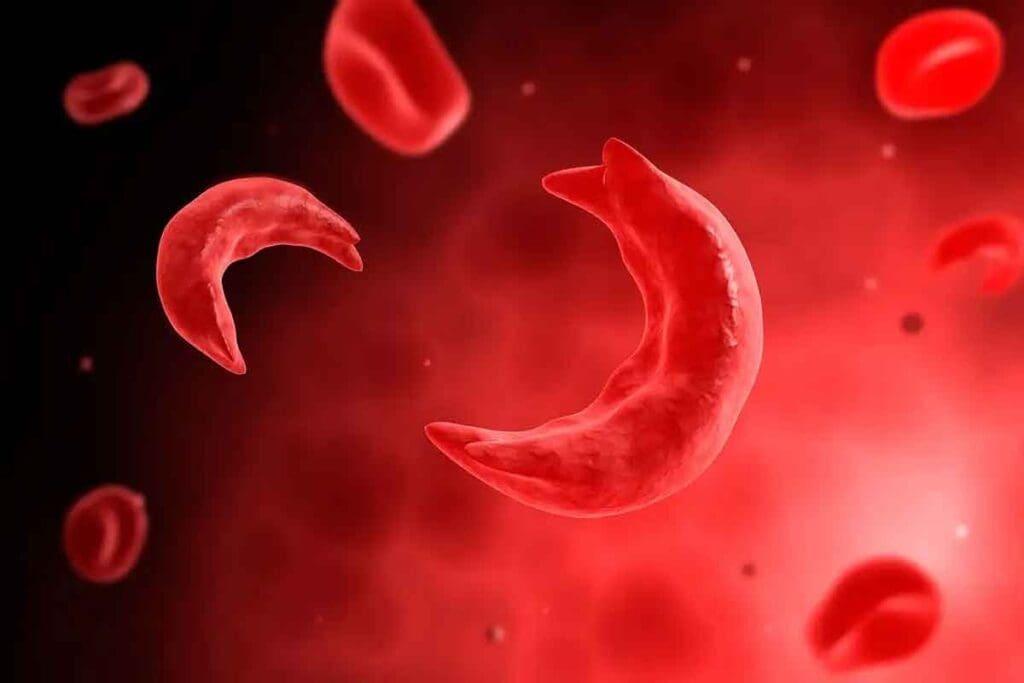
Falcemia, or sickle cell disease in English, is a condition where red blood cells are shaped abnormally. This genetic disorder affects how hemoglobin is produced, leading to health issues. We will look into its definition, translation, and history to understand it better.
Definition and Translation from Spanish to English
Falcemia is the Spanish term for sickle cell disease. It’s a condition where red blood cells look like crescents or sickles. This shape comes from a genetic mutation in the HBB gene, affecting hemoglobin production.
The translation from Spanish to English is simple. “Falcemia” directly translates to “sickle cell disease.”
“Sickle cell disease is a group of disorders that affects hemoglobin, a molecule in red blood cells that delivers oxygen to cells throughout the body.” – National Heart, Lung, and Blood Institute
Historical Background of Sickle Cell Disease
Sickle cell disease was first described by American physician James B. Herrick in 1910. He noticed a patient with anemia and saw the sickle-shaped red blood cells. A lot of research has been done to understand the disease’s genetic and molecular basis.
| Year | Event | Description |
| 1910 | First Description | James B. Herrick first described sickle cell disease. |
| 1949 | Genetic Basis | The genetic basis of sickle cell disease is identified. |
| 1970s | Advances in Management | Significant advances are made in managing the disease. |
Knowing the history of sickle cell disease helps us see how far we’ve come in understanding and treating it. We will dive deeper into the science behind this condition in the next sections.
The Science Behind Sickle Cell Disease
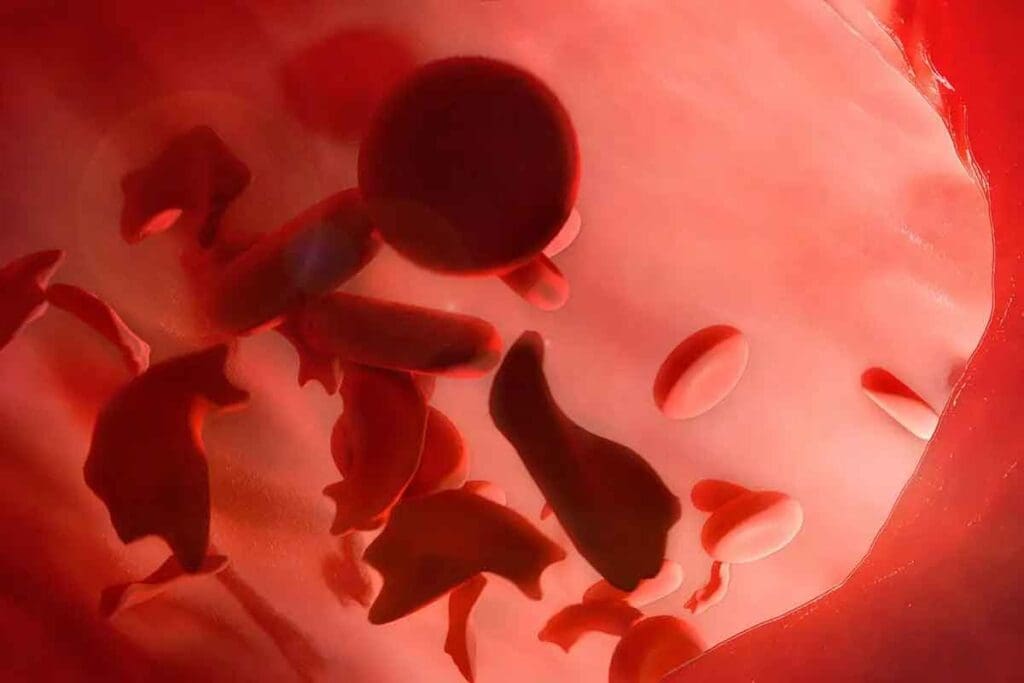
It’s important to understand the science behind sickle cell disease. This condition, also known as falcemia en ingles, affects the shape and function of red blood cells. It’s a genetic disorder.
Normal red blood cells are flexible and donut-shaped. They can move easily through blood vessels. But, sickle-shaped red blood cells are rigid and C-shaped. This makes it hard for them to move through smaller vessels.
Normal vs. Sickle-Shaped Red Blood Cells
Normal and sickle-shaped red blood cells differ in structure and oxygen transport. Normal red blood cells have a protein called hemoglobin. This protein carries oxygen throughout the body.
Sickle-shaped red blood cells have abnormal hemoglobin, known as sickle hemoglobin or hemoglobin S. This abnormal hemoglobin causes the red blood cells to become misshapen. This happens under certain conditions, like low oxygen levels.
| Characteristics | Normal Red Blood Cells | Sickle-Shaped Red Blood Cells |
| Shape | Flexible, Donut-Shaped | Rigid, C-Shaped |
| Hemoglobin | Normal Hemoglobin | Abnormal Hemoglobin (Hemoglobin S) |
| Oxygen Transport | Efficient Oxygen Transport | Impaired Oxygen Transport |
Hemoglobin Structure and Function
Hemoglobin is a complex protein in red blood cells. It plays a vital role in transporting oxygen. It’s made of four polypeptide chains (globins) and four heme groups, which contain iron.
“Hemoglobin is the protein in red blood cells that carries oxygen throughout the body. Its structure and function are critical for proper oxygen delivery to tissues.”
Experts note
The abnormal hemoglobin in sickle-shaped red blood cells comes from a genetic mutation. This mutation changes the structure of the hemoglobin protein. It leads to the polymerization of hemoglobin S under low oxygen conditions. This makes the red blood cell rigid and sickle-shaped.
Understanding sickle cell disease is key to developing effective treatments and management strategies. Knowing the differences between normal and sickle-shaped red blood cells and the structure and function of hemoglobin is essential.
Genetic Causes of Falcemia
To understand falcemia, we must look at its genetic roots. Sickle cell disease, or falcemia, comes from a change in the HBB gene. This gene is for the beta-globin part of hemoglobin. The change makes abnormal hemoglobin, called sickle hemoglobin or HbS.
Inheritance Patterns
Falcemia follows an autosomal recessive pattern. This means a person needs two bad copies of the HBB gene to have the disease. One from each parent. If someone has only one bad gene, they can carry the disease but won’t show all symptoms.
Sickle Cell Trait vs. Sickle Cell Disease
It’s important to know the difference between sickle cell trait and sickle cell disease. People with sickle cell trait have one normal and one mutated HBB gene. They usually don’t have the severe symptoms of sickle cell disease but can pass the mutated gene to their kids. Sickle cell disease happens when someone has two mutated genes, leading to sickle hemoglobin and its problems.
Genetic Mutations Responsible
The main genetic change for falcemia is a point mutation in the HBB gene. It changes glutamic acid to valine at the sixth spot of the beta-globin chain. This change makes HbS form into sickle shapes in low oxygen, causing red blood cells to change shape. Knowing this mutation helps in finding tests and treatments for the disease.
Epidemiology: Who Is Most Affected by Falcemia?
Sickle cell disease, or falcemia, is a big health issue worldwide. It hits hard on certain ethnic and racial groups. We look into who gets sickle cell disease to see its impact.
Global Distribution and Prevalence
Falcemia is common in people from Africa, the Mediterranean, the Middle East, and India. It’s more common where malaria is or was present. This is because the sickle cell trait helps protect against malaria.
Parts of sub-Saharan Africa, the Middle East, and India see a lot of sickle cell disease. The World Health Organization (WHO) says millions are affected globally. But, the disease is not spread evenly around the world.
Demographic Patterns in the United States
In the U.S., sickle cell disease is a big deal for African Americans. It also affects people of Hispanic/Latino, Middle Eastern, and South Asian descent.
Here’s a table showing who gets sickle cell disease in the U.S.:
| Ethnic Group | Prevalence of Sickle Cell Disease |
| African American | 1 in 365 births |
| Hispanic/Latino | 1 in 16,300 births |
| Middle Eastern | Varies by country of origin |
| South Asian | Varies by country of origin |
Knowing who gets sickle cell disease helps doctors and policymakers. They can plan better and help more people.
Common Symptoms and Clinical Manifestations
Spotting falcemia symptoms early is key to better care and outcomes. Falcemia, or sickle cell disease, messes with how red blood cells make hemoglobin. This leads to various health issues.
Early Childhood Symptoms
In kids, falcemia shows up early, often in the first few years. Signs include:
- Swelling in the hands and feet from vaso-occlusive crises
- Frequent infections, like pneumonia
- Anemia causes tiredness and pale skin
- Jaundice, showing as yellow skin and eyes
Acute Pain Episodes (Vaso-occlusive Crisis)
Falcemia is known for its sudden pain episodes, or vaso-occlusive crises. These happen when sickled red blood cells block blood vessels. This causes pain and tissue damage. Stress, dehydration, infections, or extreme weather can trigger these episodes.
Managing these pain episodes well means quick medical help, staying hydrated, and using pain meds. It’s also important to fix any issues that might cause these episodes.
Chronic Complications
As time goes on, falcemia can lead to long-term health problems. These affect different parts of the body, like:
- Splenic sequestration, where red blood cells pile up in the spleen
- Heart or lung issues, such as heart failure or high blood pressure in the lungs
- Brain problems, like stroke or brain damage
- Kidney disease or other kidney issues
Keeping a close eye on these issues and getting the right care is vital. It helps people with falcemia live better lives.
Complications of Untreated Sickle Cell Disease
Untreated sickle cell disease can lead to serious problems like organ damage and more infections. This condition, also known as falcemia, needs careful management to avoid severe issues.
Organ Damage and Failure
Untreated sickle cell disease can cause serious damage to organs. The sickle-shaped red blood cells can block blood vessels. This can harm tissues and make organs not work right.
The spleen is often hit hard. It can swell and hurt because of sickled red blood cells. If it gets too damaged, it can stop working and make infections more likely.
Increased Infection Risk
People with sickle cell disease are more likely to get infections. Without a healthy spleen, the body can’t fight off germs as well. This means infections like pneumonia and meningitis are more serious and can be deadly.
Getting vaccines and taking antibiotics as needed is key to lowering the risk of infections.
Impact on Quality of Life
Living with untreated sickle cell disease can really affect a person’s life. It can lead to chronic pain, lots of hospital visits, and emotional strain. All these can make it hard to live a normal life.
It can also make it tough to go to school or work. Getting the right care, including pain management and mental health support, is vital. It helps improve life quality.
Managing sickle cell disease is complex. But with the right care and understanding, people with falcemia can have better lives.
Diagnosis Methods for Sickle Cell Disease
It’s key to know how to diagnose sickle cell disease for good care. Finding out if someone has sickle cell disease, or “falcemia,” uses lab tests and screening.
Blood Tests and Laboratory Screening
Blood tests are the main way to spot sickle cell disease. The top test is hemoglobin electrophoresis. It checks the blood’s hemoglobin types. This test finds the abnormal hemoglobin S that causes the disease.
Other tests might include genetic testing to find the disease’s genetic causes. These tests can also spot the sickle cell trait. This is vital for family planning advice.
Prenatal and Newborn Screening Programs
Prenatal tests check if a fetus might have sickle cell disease. Tests like chorionic villus sampling (CVS) or amniocentesis look at fetal cells for genetic issues.
Newborn screening is also key for early detection. It’s a simple blood test for sickle cell disease and other conditions. Finding it early helps in managing the disease better.
Learning about sickle cell disease diagnosis shows how vital early detection is. It highlights the role of lab tests in managing this condition.
Comprehensive Treatment Approaches for Falcemia
Managing falcemia requires a mix of proven and new treatments. We’ll look at the different ways to tackle this condition.
FDA-Approved Medications
FDA-approved drugs have greatly improved falcemia treatment. Hydroxyurea is a key drug that cuts down on painful crises and blood transfusions. L-glutamine is also approved to manage sickle cell disease symptoms.
These drugs tackle the disease in various ways. Hydroxyurea boosts fetal hemoglobin, which helps prevent red blood cells from sickling.
Blood Transfusion Therapy
Blood transfusions are vital in managing falcemia. They introduce normal red blood cells to counteract sickling. This is key in acute chest syndrome or before surgery.
But, it’s important to watch patients closely to avoid iron overload.
Stem Cell and Bone Marrow Transplantation
Stem cell and bone marrow transplants offer a cure for some. They replace the patient’s marrow with healthy donor marrow.
This option is promising but comes with risks. It needs a team of experts to manage and reduce complications.
In summary, treating falcemia involves many strategies, from medications to stem cell transplants. A personalized treatment plan is key to managing the condition effectively.
Specialized Care Centers for Sickle Cell Disease
For those with sickle cell disease, special care centers offer a lot of help. These places have teams of doctors and nurses who focus on the whole person. They help with the many needs of those with this condition.
Multidisciplinary Treatment Teams
At these care centers, teams of experts work together. They include doctors, nurses, and psychologists. They make plans that fit each patient’s needs, covering everything from pain management to preventing problems.
The benefits of such teams are many:
- They give care that covers both body and mind.
- They make sure treatments work well together, lowering the chance of problems.
- They help patients get better faster by catching and fixing issues early.
Liv Hospital and Other Leading Treatment Facilities
Our hospital is a leading healthcare institution for sickle cell disease care. They focus on making care personal and use the latest in medical science. Their team is ready to help with all treatment options.
Other top places also aim for the best:
- They use the newest tools for diagnosing and treating.
- They create care plans that match each patient’s needs.
- They offer support for patients and their families, too.
By focusing care in special centers, sickle cell disease patients get the help they need. We think that with the right care, they can live happy, full lives.
Living with Falcemia: Daily Management Strategies
Falcemia, also known as sickle cell disease, needs careful daily management. It requires a mix of medical treatment, lifestyle changes, and emotional support.
Pain Management Techniques
Managing pain is key for those with falcemia. There are several ways to do this:
- Medication: Taking pain relief medicine as told by doctors.
- Hydration: Drinking plenty of water to avoid dehydration and pain.
- Heat Therapy: Using heat on painful areas to ease discomfort.
Pain management plans should be tailored to each person. It’s important to work with healthcare teams to create a plan that fits.
Preventive Care and Lifestyle Adjustments
Preventive care is vital for managing falcemia. This includes:
- Getting vaccinated to prevent infections.
- Regular health check-ups to monitor the condition and catch problems early.
- Eating well and living a healthy lifestyle to keep overall health good.
Making lifestyle changes can also help manage the condition. For instance, avoiding extreme temperatures, exercising regularly, and managing stress can help reduce sickle cell crises.
Support Groups and Community Resources
Dealing with falcemia can be tough, both physically and emotionally. Support groups and community resources offer emotional support, practical tips, and a sense of community.
By using these resources and strategies, people with falcemia can live more fulfilling lives. They can better manage their symptoms and reduce the condition’s impact on their daily lives.
Conclusion: Advances and Future Outlook for Falcemia Patients
Sickle Cell Disease, or falcemia in English, is a complex genetic disorder. It affects millions worldwide. Advances in medical research have greatly improved life expectancy and quality of life for those with it.
New treatments and therapies are being researched. This includes gene therapy and targeted medications. These aim to reduce acute pain episodes and other complications of falsemia or falcemia.
It’s important to keep investing in medical research and improving care strategies. By doing so, we can help patients with falcemia live fulfilling lives. Supporting these efforts is key to achieving this goal.
FAQ
What is falcemia, and what is it known as in English?
Falcemia is known as sickle cell disease in English. It’s a genetic disorder that affects how red blood cells make hemoglobin.
What causes sickle cell disease?
Sickle cell disease comes from a genetic mutation. This mutation changes how hemoglobin is made, causing red blood cells to be abnormally shaped.
What are the symptoms of sickle cell disease?
Symptoms include acute pain episodes, anemia, infections, and chronic complications like organ damage.
How is sickle cell disease diagnosed?
It’s diagnosed through blood tests and lab screenings. This includes prenatal and newborn screening programs.
What are the treatment options for sickle cell disease?
Treatments include FDA-approved medications, blood transfusions, and stem cell and bone marrow transplants.
How can I manage sickle cell disease daily?
Daily management includes pain management, preventive care, and lifestyle changes. It also involves seeking support from groups and resources.
What are the complications of untreated sickle cell disease?
Untreated disease can cause organ damage and failure, increase infection risk, and greatly affect quality of life.
Can sickle cell disease be cured?
There’s no definitive cure, but stem cell and bone marrow transplants offer a cure for some.
What is the difference between sickle cell trait and sickle cell disease?
Sickle cell trait means carrying one mutated gene. Sickle cell disease means having two copies, leading to full disease symptoms.
Where can I find specialized care for sickle cell disease?
Specialized care centers, like Liv Hospital, offer detailed treatment plans and teams to manage the disease.
References
- GeneReviews® Editorial Board. (2013). Sickle cell disease: Genetics, pathophysiology, clinical features. https://www.ncbi.nlm.nih.gov/books/NBK1377/
- Kato, G. J., Piel, F. B., Reid, C., et al. (2018). Sickle cell disease. Nature Reviews Disease Primers, 4, 18010. https://www.nature.com/articles/nrdp201810
- World Health Organization. (2024, June). Sickle-cell disease fact sheet. https://www.who.int/news-room/fact-sheets/detail/sickle-cell-disease
- Centers for Disease Control and Prevention. (2023). Data & statistics on sickle cell disease. https://www.cdc.gov/sickle-cell/data/index.htm