Uterine fibroids affect millions of women worldwide. They cause symptoms that can change daily life. For women with this condition, traveling, like air travel, can be a worry.
Changes in air pressure during flights can make fibroid symptoms worse. It’s key for women to know the effects of flying with uterine fibroids.
Even though there’s not much research on air travel and fibroids, women with this condition should be cautious. They should take steps to prepare for a trip.
Key Takeaways
- Understand how air travel may affect uterine fibroids.
- Learn about the possible risks of flying with fibroids.
- Discover ways to manage fibroid symptoms during air travel.
- Find out how to prepare for a comfortable and safe flight.
- Get tips on managing discomfort during the flight.
Understanding Uterine Fibroids and Their Impact on Daily Life
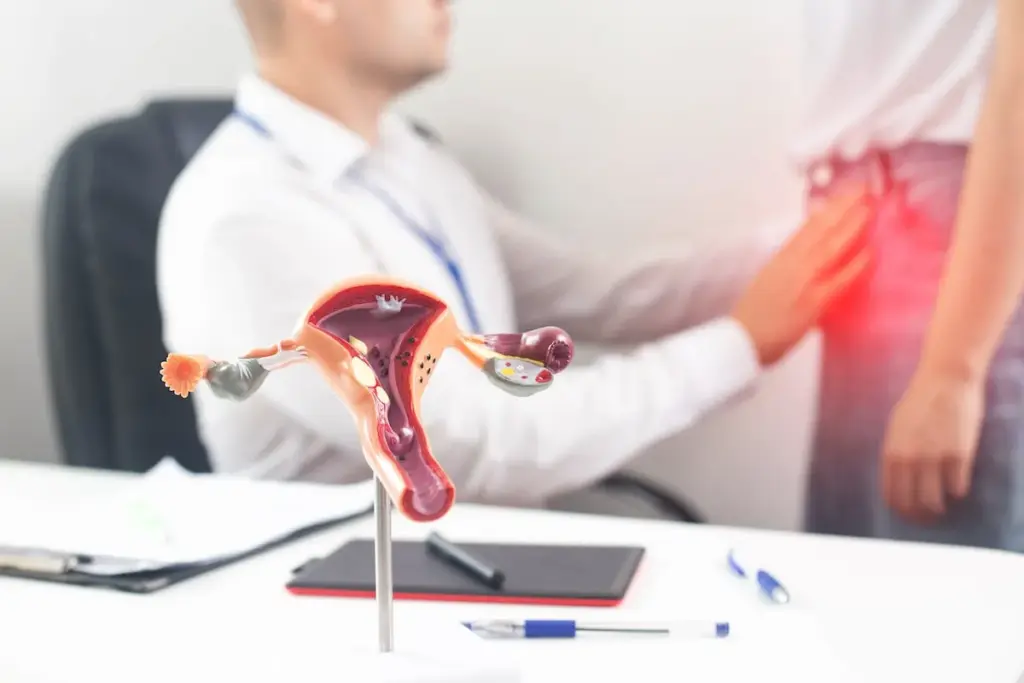
Uterine fibroids affect millions of women worldwide. They can change daily life and travel plans. These growths, or leiomyomas, are benign tumors in or around the uterus. Knowing about fibroids, their commonness, and symptoms helps manage their impact on daily activities, including travel.
What Are Fibroids and How Common Are They?
Uterine fibroids are common non-cancerous growths in the uterus during a woman’s reproductive years. The exact cause is unknown, but genetics, hormones, and environment play a role.
Up to 80% of women may get fibroids by 50. Some women don’t show symptoms, but others face heavy bleeding, long periods, and pelvic pain. These symptoms can lower quality of life.
|
Age Group |
Prevalence of Fibroids |
|---|---|
|
30-39 years |
40% |
|
40-49 years |
60% |
|
50 and above |
80% |
Common Symptoms That May Affect Travel
Fibroid symptoms vary among women. Common issues include:
- Heavy or prolonged menstrual bleeding: This can lead to anemia and discomfort during travel.
- Pelvic pain or pressure: Sitting for extended periods during flights can exacerbate discomfort.
- Frequent urination: The pressure from fibroids can cause a frequent need to urinate, making long trips challenging.
- Bloating and swelling: Hormonal changes and fibroid growth can cause bloating, making travel uncomfortable.
Understanding these symptoms is the first step in managing them effectively while traveling. By being aware of the challenges, women with fibroids can take steps for a more comfortable journey.
The Basics of Flying With Fibroids
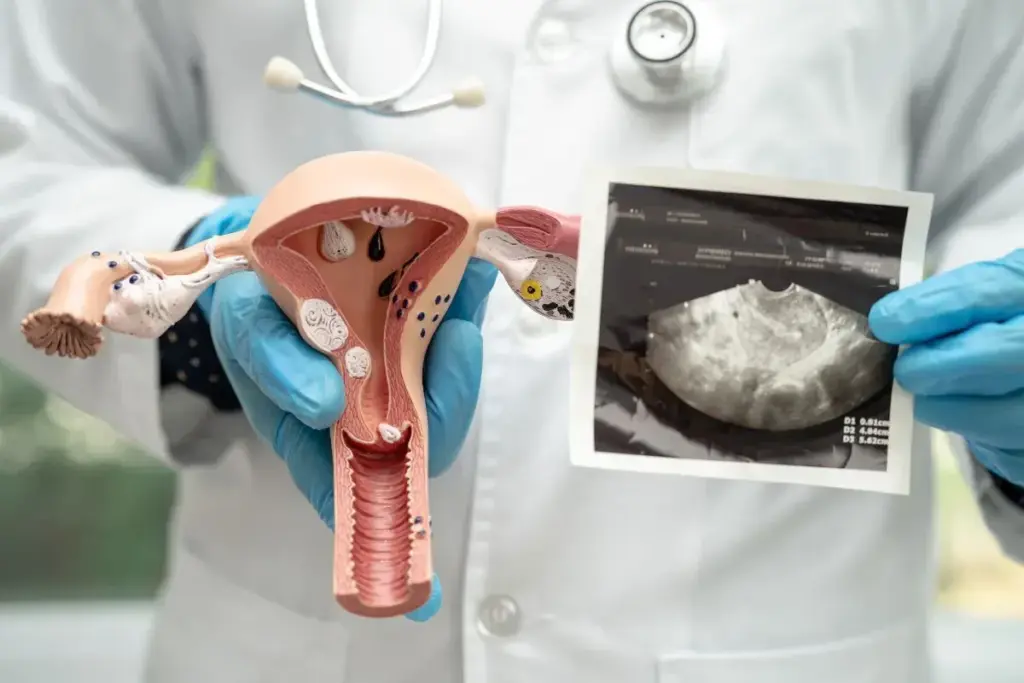
Women with uterine fibroids often ask if it’s safe to fly. The answer depends on health and travel factors. Fibroids are benign tumors that can cause symptoms like heavy bleeding and pelvic pain.
It’s important to know how these symptoms might be affected by flying. This knowledge helps ensure a comfortable and safe journey.
General Safety Considerations
Flying with fibroids is generally safe for most women. But, there are factors to consider for safe air travel. Cabin pressure changes can make fibroid discomfort worse. Also, prolonged sitting can increase blood clot risk, a concern for those with mobility issues or larger fibroids.
To reduce these risks, women can take precautions. Staying hydrated, moving regularly, and wearing compression stockings can help. These steps can lower blood clot and discomfort risks.
When You Should Avoid Air Travel
While flying is usually safe for women with fibroids, there are exceptions. Severe symptoms like heavy bleeding, significant pain, or large fibroids should be checked by a healthcare provider before flying. Also, recent fibroid treatments or surgeries may require recovery time before safe air travel.
Consulting With Your Healthcare Provider
Before traveling, it’s vital to consult with your healthcare provider. They can evaluate your condition and offer advice on managing symptoms during travel. They can also suggest necessary precautions or treatments before flying.
This consultation is key if you have large fibroids, severe symptoms, or have recently had treatment. Understanding flying with fibroids and taking precautions can minimize risks. Always prioritize your health and consult with a healthcare professional for informed travel decisions.
Potential Risks of Air Travel for Women With Fibroids
Women with fibroids should know about air travel risks. These include blood clots and pelvic discomfort. Air travel can make these problems worse because of sitting for long times, pressure changes, and less movement.
Blood Clot Concerns and Deep Vein Thrombosis
Women with fibroids face a big risk of blood clots when flying. This is because of Deep Vein Thrombosis (DVT). Sitting for a long time on flights can cause blood clots in the legs. Risks include:
- Long periods of sitting
- Dehydration
- Tight clothing
- Previous history of blood clots or DVT
To lower this risk, drink lots of water, wear loose clothes, and move around the cabin when you can.
Cabin Pressure Changes and Their Effects
Flight pressure changes can also affect women with fibroids. These changes can cause discomfort and make symptoms worse. Some effects include:
- Increased bloating
- Discomfort or pain
- Changes in menstrual flow
Though we don’t know all the details, pressure changes might worsen fibroid symptoms.
Extended Sitting and Pelvic Discomfort
Long sitting on flights can make pelvic discomfort worse for women with fibroids. This is because fibroids press on other parts and because of the lack of movement. Ways to help include:
- Choosing an aisle seat to facilitate movement
- Using a supportive cushion or pillow
- Periodically standing and stretching
By knowing these risks and taking steps to prevent them, women with fibroids can travel by air more comfortably.
Managing Fibroid Pain During Flights
Flying with fibroids is more than just booking a ticket. It requires careful planning to manage pain. Women with uterine fibroids often feel discomfort in the air. This is due to changes in cabin pressure and sitting for long periods. Knowing how to ease this pain is key for a comfortable trip.
Pre-Flight Pain Management Strategies
Before you fly, there are steps to take to lessen fibroid pain. Consulting with a healthcare provider is a must. They can give you advice tailored to your needs and might prescribe pain meds.
- Discuss your travel plans with your doctor to get specific advice.
- Take pain relief medication before the flight, as your doctor advises.
- Drink plenty of water before your flight to stay hydrated.
In-Flight Pain Relief Techniques
On the plane, there are ways to ease fibroid pain. Regular movement is important. Walking up and down the aisle can help reduce stiffness and discomfort.
|
Technique |
Description |
Benefits |
|---|---|---|
|
Periodic Standing |
Stand and stretch every few hours |
Reduces blood clot risk and stiffness |
|
Seat Stretching |
Stretch your legs and back while seated |
Improves circulation and reduces muscle tension |
|
Breathing Exercises |
Practice deep, controlled breathing |
Helps manage stress and relax muscles |
When to Alert Flight Attendants or Seek Medical Help
Knowing when to ask for help on the plane is important. If the pain is severe or you have heavy bleeding, alert the flight attendants. They can help or even divert the plane if needed.
Recognizing when you need immediate medical help is vital. It can greatly improve managing fibroid pain during flights.
Dealing With Heavy Bleeding While Traveling
Heavy bleeding is a common issue for women with fibroids, and it can be a big problem when traveling. It’s important to manage this symptom well to have a comfortable trip.
Preparation and Essential Supplies
Before you go on your trip, get ready for heavy bleeding. Pack enough sanitary pads or tampons. Also, think about using period panties or menstrual cups for extra protection.
Don’t forget a small toiletry bag with wipes, hand sanitizer, and personal hygiene items. It’s smart to have a change of clothes in your carry-on.
Emergency Management Strategies
If you experience heavy bleeding while traveling, stay calm and have a plan. Knowing where restrooms are and having baby wipes can be very helpful.
For severe bleeding, have a backup plan, like knowing the nearest healthcare facility. Also, make sure you have travel insurance that covers medical emergencies.
Bathroom Access and Planning
Plan your travel with bathroom access in mind to reduce stress. When booking flights, choose airlines with clean facilities and big lavatories.
On the flight, pick a seat near the bathroom for quick access. For long trips or road trips, plan to stop often to manage discomfort and bathroom needs.
|
Travel Tips |
Description |
Benefit |
|---|---|---|
|
Pack Essentials |
Include sanitary products, wipes, and a change of clothes |
Reduces stress and prepares for emergencies |
|
Know Your Destination |
Research nearby healthcare facilities |
Provides peace of mind and a plan for severe bleeding |
|
Plan Bathroom Breaks |
Choose seats near lavatories or plan regular stops |
Enhances comfort and reduces discomfort |
Short Flights vs. Long-Haul Travel With Fibroids
Fibroids can change how you feel on a flight, whether it’s short or long. The flight’s length affects how much discomfort you might face.
Strategies for Flights Under 3 Hours
Short flights might not bother you as much, but it’s good to be ready. Staying hydrated and wearing comfortable clothing helps a lot. Think about:
- Choosing a seat near the front to walk less
- Avoiding big meals before flying
- Using a heating pad or warm compress (if the airline allows) for pain
Special Considerations for International and Overnight Flights
Long flights are tougher for women with fibroids. Sitting for a long time can make symptoms worse. To help:
|
Strategy |
Benefit |
|---|---|
|
Regularly standing and stretching |
Reduces blood clot risk and eases muscle tension |
|
Wearing compression stockings |
Prevents blood clots and swelling |
|
Staying hydrated and avoiding caffeine |
Lessens discomfort and keeps you feeling good |
Recovery Time After Extended Air Travel
After a long flight, your body needs time to heal. This might mean:
- Taking a warm bath or shower to relax your muscles
- Doing gentle stretches or short walks
- Watching how your body feels and adjusting as needed
Knowing the differences between short and long flights helps women with fibroids travel better. The right strategies can make a big difference.
Comfort Measures for Flying With Fibroids
When you fly with fibroids, making yourself comfortable is key. It can really change how you feel on the plane. It’s important to manage pain and discomfort to enjoy your flight more.
Optimal Seating Choices
Choosing the right seat is important for those with fibroids. An aisle seat is best because it lets you move easily and get to the bathroom quickly. Some planes have seats with more room, which can help too.
- Opt for seats with more legroom to reduce pelvic discomfort.
- Choose aisle seats for easier access to the bathroom.
- Consider seats near the front of the plane to minimize noise and turbulence.
Clothing Recommendations
Wearing comfy clothes is a must for flights. Choose loose, breathable clothes to ease pressure on your belly and keep blood flowing well.
- Wear loose, comfortable clothing to reduce pressure on the abdomen.
- Choose layers to adjust to changing cabin temperatures.
- Consider compression socks to improve circulation and reduce the risk of blood clots.
Essential Items for Your Carry-On
Having the right things in your carry-on can help with fibroid symptoms. You’ll need pain meds, comfy accessories, and personal care items.
|
Item |
Purpose |
|---|---|
|
Pain management medication |
To manage pain and discomfort |
|
Comfortable accessories (e.g., neck pillow, eye mask) |
To enhance comfort and reduce stress |
|
Personal care items (e.g., heating pad, sanitary products) |
To manage personal hygiene and comfort |
By using these tips, people with fibroids can make flying more comfortable. It makes the trip better and more enjoyable.
Navigating Airports With Fibroid Symptoms
Airports can be tough for anyone, but even tougher for those with fibroids. You need to prepare extra for security, long walks, and getting help at the airport. These steps can really improve your travel.
Planning for Security Screening
Security checks are a big part of flying. For women with fibroids, being ready can help avoid discomfort or worry.
- Wear clothes that are easy to take off and avoid complicated jewelry for a smoother check.
- Look into TSA Precheck or similar to speed up your screening.
- Be ready to explain your fibroids to security if asked, and don’t be shy about asking for help.
A study in the Journal of Women’s Health found women with fibroids often feel anxious about security checks. Being ready can help lessen this worry.
“I’ve learned to always wear comfortable clothes and be ready to explain my condition to security. It makes a big difference in my travel experience.” – A frequent traveler with fibroids.
Managing Long Walking Distances
Walking a lot in the airport can make fibroid symptoms worse. Here are some tips to help:
|
Strategy |
Description |
|---|---|
|
Use a luggage cart |
Use airport carts to carry your bags and avoid straining your back. |
|
Take regular breaks |
Rest when you can to ease your discomfort. |
|
Wear comfortable shoes |
Choose shoes that are good for walking and standing. |
Utilizing Airport Assistance Services
Many airports have services that can really help travelers with fibroids. These include wheelchair help, priority boarding, and special help for people with disabilities.
It’s a good idea to call your airline early to ask about these services. Some airports also have programs for people with medical conditions. Looking into these can make your trip better.
By planning and using the help available, women with fibroids can travel more comfortably. Remember, your health and comfort are the most important. Taking steps to make your trip smoother is key.
Medication Considerations for Air Travel
For women with fibroids, flying is more than just getting on a plane. It’s about planning for your medications. Managing your meds on a flight is key to a comfortable and safe trip.
Pain Medications and Flying
Traveling with fibroids means thinking about pain relief. Pain medications are a big part of your travel plan. Talk to your doctor about the best pain meds for your flight.
Here are some tips for pain meds on a flight:
- Figure out the right dose and when to take it to manage pain during the flight.
- Know the side effects and how flying might make them worse.
- Make sure you have enough meds for your trip and some extra for delays.
Hormone Carrying Medications and Time Zone Changes
Women with fibroids might take hormone therapies. When you cross time zones, adjust your meds to keep them working right.
Here’s how to handle hormone meds on a flight:
- Talk to your doctor about adjusting your meds for time zone changes.
- Keep your meds in their original packaging for security checks.
- Bring a copy of your prescription and a letter from your doctor explaining your treatment.
Carrying Medications Through Security
Going through airport security with meds needs some prep. Here are some tips:
- Put essential meds in your carry-on so you can access them easily.
- Use clear, resealable bags for your meds to make them easy to check.
- Be ready to tell security about your meds and provide details.
Plan your meds carefully and be ready for air travel challenges. This way, you can enjoy your trip without discomfort.
Flying After Fibroid Treatments or Procedures
Knowing the rules for flying after fibroid treatment is key for a smooth trip. Women who’ve had fibroid procedures worry about flying. And rightly so, as some treatments can affect how the body handles flying.
Post-Embolization Travel Guidelines
Uterine fibroid embolization (UFE) stops fibroids from getting blood. After UFE, avoid heavy lifting, bending, and hard work. Flying after UFE needs careful thought.
Wait at least a few days to a week before flying to avoid risks like deep vein thrombosis (DVT).
One patient said, “I waited 10 days after my embolization before flying, and it made a huge difference in my recovery.” Always check with your doctor to know when it’s safe to travel.
Flying After Myomectomy
A myomectomy removes fibroids from the uterus. How long to wait before flying depends on the surgery and your healing. Generally, wait 4-6 weeks before flying after a myomectomy.
Follow your surgeon’s advice on care and travel after surgery. Listen to your body and don’t rush back to travel.
Travel Considerations Following Hysterectomy
A hysterectomy removes the uterus, which is a big surgery. For women who’ve had a hysterectomy, wait 6-8 weeks before flying. This lets you heal well and lowers the risk of problems.
Follow your doctor’s advice on recovery and travel during this time. Slowly start doing things again, including traveling, with your doctor’s help.
In short, flying after fibroid treatments or procedures needs careful planning. By knowing the specific rules for your treatment and talking to your doctor, you can have a safe and comfortable trip.
Creating a Complete Fibroid Travel Plan
Women with fibroids can travel without stress by planning well. This includes getting ready before you go, managing symptoms during the flight, and recovering after landing.
A good travel plan is key to handling fibroid symptoms while flying. It should cover any issues that might come up, making your trip comfortable.
Pre-Trip Medical Preparation
Before you leave, talk to your doctor about your travel plans. They can give you advice on managing fibroids during your trip.
- Make an appointment with your doctor to go over your fibroid symptoms and treatment.
- Talk about any worries or possible problems that might happen while you’re traveling.
- Ask for a letter from your doctor about your condition. This can be helpful in emergencies.
Getting ready before you go is important for a smooth trip. Make sure you have all your medicines and supplies. Don’t forget to pack comfy clothes and a heating pad.
During-Flight Management Strategies
It’s important to manage fibroid symptoms during the flight for a comfortable trip. Here are some tips:
|
Strategy |
Description |
|---|---|
|
Stay hydrated |
Drink lots of water to avoid dehydration, which can make fibroid symptoms worse. |
|
Move regularly |
Get up and walk around the cabin often to prevent blood clots and stiffness. |
|
Use pain relief |
Take pain relief medicine as your doctor advises to manage pain during the flight. |
Post-Flight Recovery Techniques
After the flight, focus on recovering well to avoid discomfort and complications.
Rest and relaxation are key after a long flight. Try a warm bath or use a heating pad to ease any pain.
By using these tips and making a detailed fibroid travel plan, women with fibroids can have a stress-free trip.
Real Experiences: Women Share Their Stories of Flying With Fibroids
Women with fibroids have bravely flown, sharing their stories to help others. They aim to inspire and inform those facing similar health issues when traveling by air.
Success Stories and Practical Advice
Many women have successfully flown with fibroids. They stress the need for preparation and a positive mindset. For example, Sarah, a 35-year-old mom, traveled from New York to Los Angeles. She took pain meds before flying and wore comfy clothes to manage her discomfort.
Emily, who flew from Chicago to Miami for work, also had a good experience. She chose a seat with more legroom and stayed hydrated. She also stretched in her seat to ease her discomfort.
These stories highlight the importance of being ready. Here are some tips from women who have flown with fibroids:
- Plan ahead: Talk to your doctor before booking your flight.
- Pack wisely: Bring pain meds, comfy clothes, and heating pads in your carry-on.
- Stay hydrated: Drink lots of water before and during the flight.
- Move around: Take short walks to prevent stiffness.
Challenges Encountered and Solutions Found
While many women have flown successfully with fibroids, others have faced big challenges. Heavy bleeding and severe pain are common issues during flights.
Jane, a 42-year-old woman, experienced heavy bleeding on a flight from London to New York. She had extra clothes and sanitary products in her carry-on. She also told the flight attendants, who were very supportive.
For those facing similar challenges, here are some solutions:
- Be prepared for heavy bleeding: Carry extra sanitary products and a change of clothes.
- Manage pain: Take pain relief meds before flying or try acupuncture or heat therapy.
- Seek assistance: Ask flight attendants for help if you’re uncomfortable or need assistance.
By sharing their experiences, women with fibroids can better prepare for air travel. They can also manage any challenges they might face.
Conclusion: Traveling Confidently With Fibroids
Traveling with fibroids needs careful planning and prep. Women can have safe and comfy trips by knowing the risks and managing symptoms. It’s key to talk to a healthcare provider, handle pain and bleeding, and understand air travel’s effects on fibroids.
Knowing about fibroids and travel safety is important. Women can use strategies like the right seat, comfy clothes, and pain relief during flights. Also, managing meds and having a plan for emergencies can reduce flying risks with fibroids.
By following the tips in this article, women with fibroids can travel with confidence. They’ll know they’ve managed their condition well during flights. This makes travel more comfortable and enjoyable, reducing stress.
FAQ
Can I fly if I have uterine fibroids?
Yes, you can fly, but talk to your doctor first. This is important if you’re feeling very bad or have had a recent procedure.
Are there any specific risks associated with flying and fibroids?
Flying with fibroids can be risky. You might get blood clots from sitting too long. The pressure in the cabin can also hurt. And, your symptoms could get worse.
How can I manage fibroid pain during a flight?
To manage pain, start by managing it before you fly. Choose a comfy seat and wear loose clothes. Use in-flight methods like stretching or a heating pad, if the airline allows it.
What should I do if I experience heavy bleeding during travel?
Carry essentials like sanitary products and a spare set of clothes. Know where airport facilities are. Have a plan for emergencies, including a medical contact.
Are there any comfort measures I can take when flying with fibroids?
Yes, pick aisle seats for easy movement. Wear comfy, loose clothes. Bring items like pillows or heating pads in your carry-on.
How do I navigate airports with fibroid symptoms?
Wear clothes that are easy to remove for security. Take breaks for long walks. Use airport help if you need it.
Can I fly after having a fibroid treatment or procedure?
It depends on your treatment. After certain procedures, your doctor will tell you when it’s safe to fly.
How can I manage my medications during air travel?
Pack your medications in your carry-on. Be aware of time zone changes. Know how to handle security with your meds.
Are there differences in flying with fibroids on short flights versus long-haul flights?
Yes, long flights need more prep. Plan for comfort, bathroom access, and recovery after the flight.
What should be included in a complete fibroid travel plan?
Your plan should cover pre-trip prep, in-flight care like staying hydrated, and post-flight recovery like rest and pain management.
Are there any specific considerations for flying with fibroids after a surgical procedure?
Yes, follow your doctor’s advice for post-op travel. This might mean waiting before flying, avoiding heavy lifting, and watching for complications.
How can I minimize the risk of deep vein thrombosis (DVT) when flying with fibroids?
Stay hydrated, avoid tight clothes, move often during the flight, and wear compression stockings to lower DVT risk.
References
National Center for Biotechnology Information. Evidence-Based Medical Insight. Retrieved from https://pubmed.ncbi.nlm.nih.gov/28434990/



 Departments
 Related Videos
 Our Doctors
 News
News