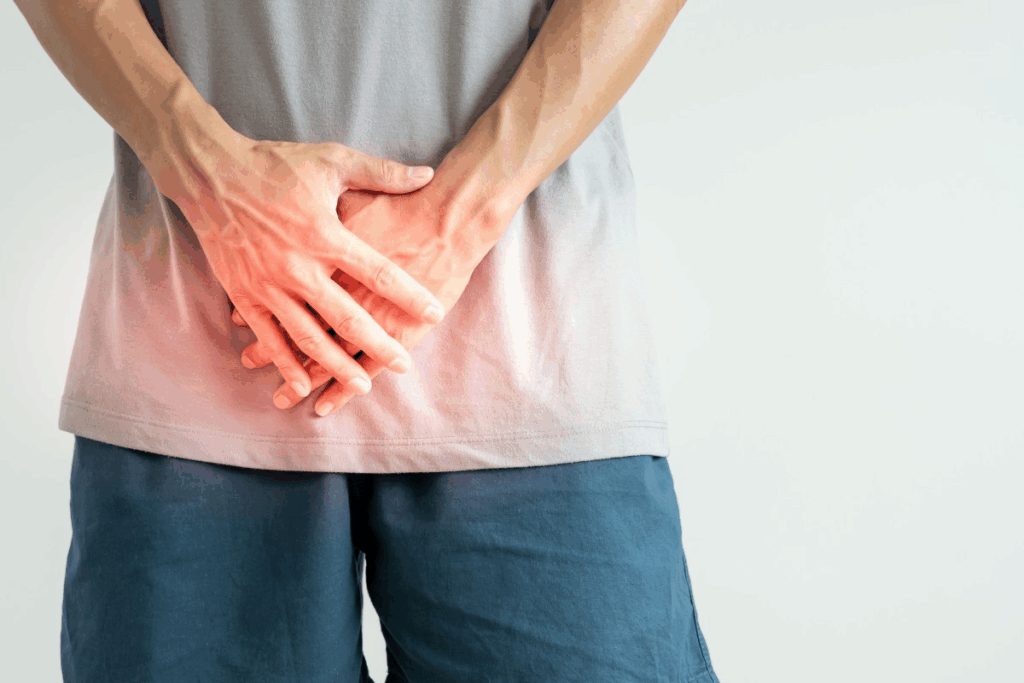
Do you have groin pain from constipation? You’re not alone. Studies show that about 25 percent of men and 2 percent of women get an inguinal hernia. Constipation is a big risk factor for this. Explaining the mechanical link between constipation groin pain and tension in the inguinal ligament area.
Constipation makes bowel movements harder, raising pressure inside your belly. This can lead to hernias or strain in the groin area. At Liv Hospital, we know how constipation and groin pain are linked. We’re here to help our patients fully.
Key Takeaways
- Constipation can cause groin pain because of increased belly pressure.
- Hard bowel movements raise the risk of inguinal hernias.
- Chronic constipation can strain the inguinal ligament.
- Getting the right diagnosis and treatment is key to feeling better.
- Liv Hospital provides detailed care for those with constipation-related groin pain.
The Connection Between Constipation and Groin Pain

Constipation can lead to straining during bowel movements. This straining can cause pain in the groin. It’s not just a coincidence; there are real reasons why constipation and groin pain are linked.
Understanding the Physiological Link
Constipation and groin pain are connected through increased pressure in the abdomen. Straining during bowel movements raises this pressure a lot. This extra pressure can stress the muscles and ligaments in the groin, causing pain or injury.
The inguinal ligament in the groin is often affected by this pressure. When we strain, the abdominal contents push down. This can cause pain or strain on the inguinal ligament and nearby areas.
Statistical Prevalence of Co-occurring Symptoms
Research has found interesting facts about constipation and groin pain. People with chronic constipation often experience groin pain.
Condition | Prevalence of Groin Pain | Statistical Significance |
Chronic Constipation | 25% | p |
Occasional Constipation | 10% | p |
No Constipation | 5% | Reference Group |
This table shows how often constipation and groin pain happen together. It shows why we should think about constipation when we have groin pain.
Anatomy of the Inguinal Region

To understand how constipation can cause groin pain, we need to look at the inguinal region’s anatomy. The groin area is a complex structure that supports the abdominal wall and helps with bodily functions.
The Inguinal Ligament: Structure and Function
The inguinal ligament is a fibrous band at the bottom of the inguinal canal. It connects the Anterior Superior Iliac Spine (ASIS) to the pubic tubercle. It’s important for attaching muscles and aponeuroses, supporting the abdominal wall, and marking the boundary between the abdomen and thigh.
This ligament’s structure and function are key to understanding how constipation can cause groin pain. Its role in supporting the abdominal wall and its location near the inguinal canal are important factors.
Surrounding Muscles and Tissues
The inguinal region has several muscles and tissues that make up its complex anatomy. The external oblique muscle and its aponeurosis are on the outside of the inguinal canal. The internal oblique and transversus abdominis muscles add support to the area.
- The external oblique muscle aponeurosis forms the inguinal ligament.
- The internal oblique and transversus abdominis muscles help reinforce the inguinal canal.
- The cremasteric muscle and fascia surround the spermatic cord in males, adding to the region’s complexity.
Nerve Supply to the Groin Area
The nerves that supply the groin area include the ilioinguinal, iliohypogastric, and genitofemoral nerves. The ilioinguinal nerve is key because it innervates the upper medial thigh and inguinal region. This makes it important for groin pain.
Knowing about the nerve supply is vital for diagnosing and treating groin pain. Nerve entrapment or irritation can cause significant discomfort in this area.
How Constipation Affects Abdominal Pressure
Constipation can make your abdominal pressure go up. This can put a lot of strain on the muscles and ligaments in your groin. The body tries hard to push out hard stool, which can be very tough.
The Mechanics of Straining During Bowel Movements
Straining is common when you have constipation. When you try to go, you often squeeze your abdominal muscles. This makes the pressure inside your belly go up.
This pressure then spreads to the areas around it, like your groin. The muscles in your belly, diaphragm, and pelvic floor work together. This can make the pressure in your belly even higher.
Pressure Distribution in the Lower Abdomen
The pressure in your lower belly isn’t spread evenly. It can really affect your groin area. When the pressure goes up, it pushes hard on weak spots in your belly, like the inguinal canal.
The inguinal canal is a weak spot that feels the pressure a lot. This can make things bulge out and cause pain in your groin. The inguinal ligament, which is part of this canal, can also get sore. This adds to the pain in your groin.
It’s important to understand how constipation affects your belly pressure. This helps you see how it can cause pain in your groin. Knowing this can help you find ways to ease the strain on your groin.
Inguinal Hernias: A Common Consequence of Constipation
Inguinal hernias are a common issue in the groin area. They happen when tissue, like part of the intestine, bulges through a weak spot in the abdominal muscles. Constipation can lead to more pressure in the abdomen, which increases the risk of getting an inguinal hernia.
Definition and Types of Inguinal Hernias
An inguinal hernia happens when tissue pushes through a weak spot in the abdominal muscles. There are two main types: indirect and direct. Indirect inguinal hernias occur when tissue goes through the deep inguinal ring. Direct inguinal hernias happen when tissue pushes through the abdominal wall but not through the deep inguinal ring.
Risk Factors and Prevalence Statistics
Several factors can increase the risk of getting an inguinal hernia. These include age, gender, family history, and constipation. Men are more likely to get them, and the risk goes up with age. The National Institute of Diabetes and Digestive and Kidney Diseases says inguinal hernias are very common, affecting millions worldwide.
Risk Factor | Description | Prevalence |
Age | Risk increases with age | More common in older adults |
Gender | Men are more likely to develop inguinal hernias | Men: 27% lifetime risk; Women: 3% lifetime risk |
Family History | Having a family history increases risk | Higher risk if first-degree relatives have inguinal hernias |
Chronic Constipation | Increases abdominal pressure | Common in individuals with chronic constipation |
How Constipation Contributes to Hernia Development
Constipation is a big risk factor for inguinal hernias. Straining during bowel movements increases pressure inside the abdomen. This pressure can cause the intestines to bulge through weak spots, leading to hernias. To lower the risk, managing constipation through diet, hydration, and bowel habits is key.
Constipation Groin Pain: Mechanisms and Manifestations
Constipation can lead to groin pain in several ways. We will look into these causes and their effects to understand this complex issue better.
Direct Pressure Effects on Inguinal Structures
Constipation increases abdominal pressure, affecting the inguinal structures. Straining during bowel movements adds stress to the inguinal ligament and tissues. This stress can cause irritation and inflammation, leading to groin pain.
The inguinal canal in the groin is at high risk from this pressure. As the abdomen pushes down, the chance of an inguinal hernia increases. This condition can cause a lot of groin pain and discomfort.
Referred Pain Patterns
Constipation can also cause groin pain through referred pain patterns. The nerves in the abdominal and groin areas are closely linked. Strained abdominal muscles from constipation can send pain to the groin.
This referred pain can be tricky to diagnose. But knowing the link between constipation and groin pain helps doctors make better diagnoses.
Distinguishing Features of Constipation-Related Groin Pain
Groin pain from constipation often has specific signs. It may come with symptoms like abdominal bloating, hard stools, and straining during bowel movements.
- The pain gets worse with activities that raise abdominal pressure, like heavy lifting or coughing.
- It can get better with treatments for constipation, like diet changes or laxatives.
- The pain can be on one side or both, depending on the cause and affected structures.
Knowing these signs helps both individuals and healthcare providers spot constipation-related groin pain. They can then plan the right treatment.
Inguinal Ligament Soreness: Symptoms and Diagnosis
It’s important to know the symptoms and how to diagnose inguinal ligament soreness. This knowledge helps in managing and treating the condition. The inguinal ligament is key to the groin’s stability. Its soreness can really affect daily life.
Common Symptoms of Inguinal Ligament Pain
Pain in the groin area is a common symptom of inguinal ligament soreness. Activities like bending, lifting, or straining can make it worse. The pain can feel sharp or dull, depending on how bad it is.
The pain might spread to the lower abdomen or thigh. People often complain of pain during exercise, getting up from sitting, or tenderness in the groin when touched.
Diagnostic Approaches
Doctors use a detailed medical history and physical exam to diagnose inguinal ligament soreness. They might do tests like the resisted hip adduction test. These tests check if the ligament is working right.
Ultrasound or MRI might be used to look for other causes of pain, like hernias. These tests show the ligament and nearby areas. They help doctors make a correct diagnosis.
Differential Diagnosis Considerations
When diagnosing, doctors must think of other possible causes of groin pain. Conditions like hernias, osteitis pubis, and hip problems can cause similar symptoms. This makes it hard to diagnose.
A detailed exam and imaging studies help doctors tell inguinal ligament soreness apart from other conditions. This is key to creating the right treatment plan for each patient.
Other Causes of Groin Pain to Consider
It’s important to know why groin pain happens. Constipation is one reason, but there are others too.
Musculoskeletal Origins
Muscle strains and pulled muscles in the groin are common. These can happen from sudden movements or too much use, like in sports. The adductor muscles, which help bring legs together, are often hurt.
Osteitis pubis is another issue. It’s inflammation of the pubic bone and surrounding areas. It’s common in athletes who kick a lot or change direction quickly. Hip problems, like osteoarthritis or hip flexor tendinitis, can also cause groin pain.
Urological and Gynecological Causes
Urological issues can also lead to groin pain. Kidney stones can cause sharp pain that spreads to the groin. This pain might also come with blood in the urine.
In women, gynecological conditions like ovarian cysts or endometriosis can cause pain. These issues might also lead to irregular periods or pelvic pain. Ectopic pregnancy is another serious cause of groin pain that needs quick medical help.
Neurological Factors
Don’t forget about neurological causes of groin pain. Nerve entrapment or irritation can lead to pain in the groin. Conditions like genitofemoral neuralgia or ilioinguinal neuralgia involve nerve damage or irritation. These can be hard to diagnose and need a detailed neurological check-up.
It’s key for doctors to understand all the reasons for groin pain. They need to look at the patient’s medical history, do a physical exam, and might use imaging studies. This helps figure out the real cause of the pain.
Treatment Approaches for Constipation-Related Groin Pain
Managing constipation-related groin pain needs a mix of treatments. We’ll look at how to tackle both the constipation and the pain. This will help improve your quality of life.
Addressing the Underlying Constipation
To start, we need to fix the constipation. Dietary changes are key. Eating more fiber and staying hydrated helps. Foods like fruits, veggies, and whole grains make stool softer and bowel movements regular.
Proper toileting habits are also important. Avoid straining and take your time. A regular bowel routine helps too.
Dietary Change | Benefit |
Increased fiber intake | Softens stool, promotes regular bowel movements |
Adequate hydration | Helps prevent constipation, reduces straining |
High intake of fruits and vegetables | Provides essential fiber, vitamins, and minerals |
Pain Management Strategies
Managing pain is key. Pain relief medications like acetaminophen or ibuprofen can help. But, always talk to a doctor first to check risks and benefits.
Physical therapy might also be suggested. It can help with pain and improve movement. A physical therapist can create exercises to strengthen the groin and abdominal muscles.
Physical Therapy Interventions
Physical therapy is very important. It helps through targeted exercises that strengthen the core and improve flexibility. Manual therapy can also help reduce muscle tension and aid in healing.
It’s best to talk to a healthcare provider about physical therapy. Combining it with diet changes and pain management can greatly help with constipation-related groin pain.
Preventing Inguinal Ligament Pain from Constipation
To prevent inguinal ligament pain from constipation, we need to make several changes. We should eat better, use the bathroom right, and do exercises that strengthen our core. By doing these things, we can lower our chances of getting inguinal ligament pain.
Dietary Modifications for Bowel Health
Eating a balanced diet is key to keeping our bowels healthy and avoiding constipation. Foods high in fiber, like fruits, veggies, whole grains, and legumes, help us go to the bathroom regularly. This can also lower the risk of inguinal ligament pain.
Drinking enough water is also important. It makes our stool softer and easier to pass. This reduces the strain on our inguinal ligament. We should aim to drink at least eight glasses of water a day.
Food Group | Examples | Fiber Content per Serving |
Fruits | Apples, Berries, Bananas | 3-4 grams |
Vegetables | Broccoli, Carrots, Spinach | 2-5 grams |
Whole Grains | Oats, Brown Rice, Whole Wheat Bread | 3-6 grams |
Legumes | Beans, Lentils, Peas | 5-8 grams |
Proper Toileting Habits
Good toileting habits are also important. We should avoid straining and not ignore the urge to go. This helps prevent constipation and inguinal ligament pain.
It’s also good to sit comfortably while on the toilet. Using a stool to elevate your feet can help straighten your rectum. This makes it easier to go.
“The way we defecate can have a significant impact on our overall pelvic floor health. By adopting proper toileting habits, we can reduce the risk of constipation and related complications.”
Core Strengthening Exercises
Doing exercises that strengthen our core can also help. These exercises support our abdominal and pelvic floor muscles. This reduces the strain on our inguinal ligament. Good exercises include planks, bridges, and pelvic tilts.
Start slowly and don’t push too hard. It’s best to talk to a healthcare professional or physical therapist for advice.
By making these changes, we can lower our risk of inguinal ligament pain from constipation. A mix of better eating, good toileting habits, and core exercises can keep our bowels healthy. This reduces the chance of complications.
When to Seek Medical Attention
Knowing when to get medical help for groin pain and constipation is key to your health. It can be hard to know when symptoms need urgent care. We’re here to help you understand this process.
Red Flag Symptoms
Some symptoms with groin pain and constipation mean you need to see a doctor right away. These red flag symptoms include:
- Severe or worsening groin pain
- Fever above 101.5°F (38.6°C)
- Nausea or vomiting
- Blood in the stool or black, tarry stools
- Abdominal tenderness or swelling
- Inability to pass stool or gas
If you’re showing any of these signs, get medical help fast.
Chronic vs. Acute Presentations
It’s important to know the difference between chronic and acute cases of groin pain and constipation. This helps decide what to do next.
Acute cases start suddenly and can be very serious. They often need quick doctor visits to check for serious problems like hernias or bowel blockages.
Chronic cases last longer and come back often. They might not be emergencies but need doctor visits to manage symptoms and find the cause.
Appropriate Medical Specialists
Depending on your symptoms, you might see different doctors. For groin pain and constipation, you might see:
- Primary Care Physician: Your first doctor for checking and referrals.
- Gastroenterologist: Deals with digestive issues, including constipation and its effects.
- General Surgeon: Involved if surgery is needed, like for hernias.
- Colorectal Surgeon: Focuses on colon and rectum surgeries.
Keeping a symptom journal can help your doctor diagnose and treat you better.
Understanding when to see a doctor and who to see can help you manage your symptoms. Always choose caution when it comes to your health.
Conclusion
It’s important to understand how constipation can lead to groin pain. This article has shown how constipation can cause increased pressure in the abdomen. This pressure can lead to inguinal hernias and pain in the groin area.
We’ve talked about ways to treat constipation-related groin pain. These include changing your diet, practicing good toilet habits, and doing exercises to strengthen your core. These steps can help reduce pain in the groin area.
It’s key to know the signs of constipation and seek medical help when needed. This can prevent serious problems and help manage pain. Working with doctors, we can find the best ways to handle constipation and groin pain. This improves our overall well-being.
FAQ
Can constipation cause pain in the groin area?
Yes, constipation can cause groin pain. This happens because straining during bowel movements increases pressure inside the belly. This pressure can strain the muscles and ligaments in the groin area.
What is the connection between constipation and inguinal ligament pain?
Constipation can cause pain in the inguinal ligament. This is because the increased pressure in the belly strains the ligament and surrounding areas.
How does straining during bowel movements affect the groin area?
Straining during bowel movements puts extra pressure on the belly. This pressure can strain the muscles and ligaments in the groin area. This can cause pain and discomfort.
Can constipation lead to inguinal hernias?
Yes, constipation can increase the risk of inguinal hernias. The increased pressure during straining can cause the intestine to bulge through the inguinal canal.
What are the symptoms of inguinal ligament pain?
Symptoms of inguinal ligament pain include pain or discomfort in the groin area. This pain can get worse with physical activity, straining, or heavy lifting.
How is inguinal ligament pain diagnosed?
To diagnose inguinal ligament pain, a doctor will do a physical exam and ask about your medical history. They might also use imaging studies to check for other causes of groin pain.
Can groin pain be a symptom of constipation?
Yes, groin pain can be a symptom of constipation. This is true if straining during bowel movements strains the muscles and ligaments in the groin area.
What are the treatment approaches for constipation-related groin pain?
To treat constipation-related groin pain, focus on improving bowel habits and diet. You can also try pain management strategies and physical therapy.
How can inguinal ligament pain from constipation be prevented?
To prevent inguinal ligament pain from constipation, make dietary changes to improve bowel health. Practice proper toileting habits and do core strengthening exercises to reduce straining during bowel movements.
When should I seek medical attention for groin pain and constipation?
Seek medical attention for severe or persistent groin pain, difficulty passing stools, or red flag symptoms like severe abdominal pain or vomiting.
What medical specialists should I consult for groin pain and constipation?
For constipation, see a gastroenterologist. For inguinal hernias, a general surgeon is best. For musculoskeletal causes of groin pain, consider an orthopedic specialist or a physical medicine and rehabilitation specialist.
References
National Center for Biotechnology Information. Evidence-Based Medical Guidance. Retrieved from https://pmc.ncbi.nlm.nih.gov/articles/PMC12571447/