Recovering from surgical procedures takes time and the right support. Whether it’s an orthopedic procedure or joint replacement, a good rehabilitation plan helps a lot. It can make your recovery better and improve your life quality post surgery rehab.
At Liv Hospital, we know how key post-operative rehabilitation is for a good recovery. Our focus is on you, the patient. We use the latest post-op rehab methods to help you get back to your life faster.
Key Takeaways
- Structured rehabilitation plans improve recovery outcomes and quality of life.
- Enhanced Recovery After Surgery (ERAS) protocols accelerate functional restoration.
- Effective pain management is key for successful post-op rehab.
- Physical therapy is essential in the rehabilitation process.
- Nutrition greatly affects recovery and overall well-being.
Understanding the Post-Surgical Recovery Process

Recovery after surgery is more than just resting. It’s a detailed process with different stages that help you heal well. Knowing these stages and how rehab fits into the recovery can make a big difference in your care.
The Phases of Surgical Recovery
The recovery process has several key stages. First, the body goes into the inflammatory phase. This is when you rest and protect the surgery area. It’s important for starting the healing process.
Next, the body moves into the repair phase. This is when the actual healing and tissue repair happen. Then, the remodeling phase follows. Here, the new tissue gets stronger and is reorganized to work like before.
Why Rehabilitation Is Critical for Optimal Outcomes
Rehabilitation is key to a good recovery. Post op rehab helps patients get their strength, mobility, and function back after surgery.
Studies show that Enhanced Recovery After Surgery (ERAS) protocols cut down on pain and complications. This highlights the need for a solid rehab plan for the best recovery.
Setting Realistic Recovery Expectations
It’s important to have realistic expectations for recovery. Knowing it’s a slow process keeps patients motivated and on track with their post surgical rehab.
Understanding what to expect in each recovery phase helps patients prepare. It makes the journey less scary and more achievable.
Enhanced Recovery After Surgery (ERAS) Protocols
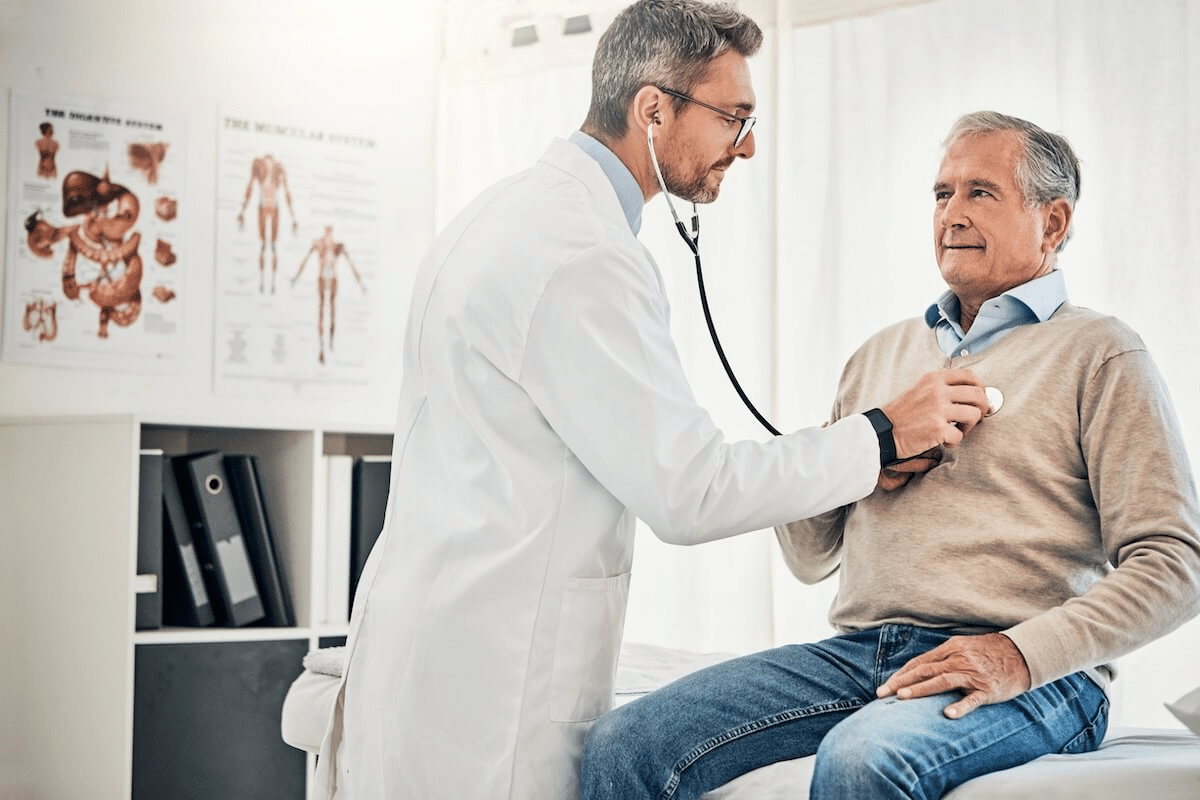
ERAS protocols are guidelines to improve patient care before, during, and after surgery. They are widely accepted for reducing complications, pain, and hospital stays.
What Are ERAS Protocols?
ERAS protocols are a team effort in surgery care. They involve surgeons, anesthesiologists, nurses, and more. These protocols aim to lower stress from surgery, cut down on complications, and speed up recovery.
Key components of ERAS protocols include:
- Preoperative counseling and optimization
- Minimally invasive surgical techniques
- Optimal pain management strategies
- Early mobilization and nutrition
- Standardized postoperative care pathways
Benefits of ERAS vs. Conventional Approaches
ERAS protocols have many advantages over traditional care. They lower the risk of complications and help patients recover faster. This leads to better outcomes for patients.
|
Outcome Measure |
ERAS Protocols |
Conventional Care |
|---|---|---|
|
Postoperative Complications |
Reduced |
Higher incidence |
|
Hospital Stay |
Shorter |
Longer |
|
Pain Management |
Optimized |
Variable |
|
Recovery Time |
Faster |
Slower |
How ERAS Reduces Complications and Pain
ERAS protocols use evidence-based practices to lower complications and pain. They minimize surgical stress, improve pain management, and encourage early movement. This approach significantly reduces postoperative complications.
Early movement helps prevent blood clots and speeds up bowel recovery. Also, effective pain management reduces opioid use, lowering opioid-related risks.
Immediate Post-Surgery Care (First 48 Hours)
Getting the right care in the first 48 hours after surgery is key to a smooth recovery. Your body starts healing by swelling and feeling sore. This is because your immune system is working hard to fix damaged tissues and fight off infections.
Managing Pain Effectively
Managing pain is a big part of taking care of yourself after surgery. Always follow your doctor’s advice on pain meds. Managing pain well lets you move and do exercises early on, which helps you heal faster.
Here are some tips for handling pain:
- Take pain meds as your doctor tells you to
- Keep an eye on your pain and tell your doctor if it changes
- Try relaxation methods like deep breathing or meditation to help with pain
Early Mobilization Techniques
Moving around early is important to avoid problems and help you get better. Simple movements can improve blood flow, reduce stiffness, and make you feel better. Start with easy exercises like:
Rotate your ankles in a circular motion
|
Exercise |
Description |
Frequency |
|---|---|---|
|
Ankle rotations |
3 sets of 10 repetitions, 3 times a day | |
|
Toe curls |
Curl your toes under and then release |
3 sets of 10 repetitions, 3 times a day |
|
Leg lifts |
Lift your leg 6-8 inches off the bed and hold for 5 seconds |
3 sets of 10 repetitions, 2 times a day |
Preventing Common Complications
It’s important to know how to avoid common problems after surgery. Risks like blood clots, infections, and pneumonia can happen. Here are some ways to lower these risks:
- Wear compression stockings to prevent blood clots
- Follow your doctor’s wound care advice to avoid infections
- Do deep breathing exercises to lower the chance of pneumonia
By following these tips and working with your healthcare team, you can lower the chance of problems and get better faster.
Physical Therapy in Post Surgery Rehab
The journey to recovery after surgery includes a key part: physical therapy. It helps patients get back to their usual activities. Physical therapy is essential in post-operative care, aiming for a quicker recovery, better function, and less pain.
When to Start Physical Therapy
Studies show early physical therapy improves walking, shortens hospital stays, and lowers readmission rates. It’s best to start physical therapy a few days after surgery. This depends on the patient’s health and the surgery type.
Starting to move early helps avoid problems like blood clots and aids in healing. Our team will check when you’re ready for physical therapy and create a plan just for you.
Initial Exercises and Movements
First exercises are gentle to help with blood flow, prevent stiffness, and keep joints moving. These might include:
- Breathing exercises to boost lung health
- Gentle stretches to keep muscles flexible
- Simple movements like turning in bed or sitting up
As you get better, the exercises will get more challenging.
Progressing Your Physical Therapy Program
As you recover more, your therapy will change to keep up with your progress. This might include:
- Strengthening exercises to build muscle
- Balance and coordination training to prevent falls
- Activities that help with daily tasks
Our physical therapists will watch your progress and adjust your plan as needed. This ensures the best results for you.
Starting physical therapy early and gradually helps patients recover better and reduces complications. This leads to a successful recovery after surgery.
Nutrition for Optimal Surgical Recovery
After surgery, your body needs the right nutrients to heal well. Eating a balanced diet with essential nutrients helps fix tissues, boost your immune system, and aid in healing. It’s key to eat enough protein, vitamins, and minerals for a smooth recovery.
Protein Requirements for Tissue Repair
Protein is vital for recovery, as it helps fix and rebuild tissues. Lean proteins like chicken, fish, and eggs are packed with amino acids for muscle and tissue repair. Make sure to eat a variety of proteins to support healing.
Experts suggest eating 1.2 to 1.6 grams of protein per kilogram of body weight daily after surgery. But, your needs might vary based on your surgery type and health. Always check with your doctor or a nutritionist to find the right protein amount for you.
Vitamins and Minerals That Support Healing
Vitamins and minerals are also key for recovery. Vitamin C is important for making collagen and healing wounds. You can find it in citrus fruits, strawberries, and leafy greens.
Zinc boosts your immune system, and iron keeps your red blood cells healthy. Eating a variety of fruits, vegetables, and whole grains can give you these important nutrients.
|
Nutrient |
Role in Recovery |
Food Sources |
|---|---|---|
|
Protein |
Tissue repair and rebuilding |
Chicken, fish, eggs, beans |
|
Vitamin C |
Collagen synthesis and wound healing |
Citrus fruits, strawberries, leafy greens |
|
Zinc |
Immune function |
Oysters, beef, chicken, fortified cereals |
|
Iron |
Healthy red blood cells |
Red meat, spinach, fortified cereals |
Hydration Guidelines After Surgery
Drinking enough water is also important for recovery. Water helps your body absorb nutrients and keeps tissues healthy. Aim to drink at least 8 to 10 glasses of water per day, unless your doctor tells you differently.
Try to avoid drinks that can dehydrate you, like those with caffeine or alcohol. Check your urine color to see if you’re drinking enough water. It should be pale yellow to clear.
Pain Management Strategies Beyond Medication
There are many ways to manage pain after surgery, not just medicine. Good pain management is key for a smooth recovery. We’ll look at non-medical methods that work well.
Non-Pharmacological Pain Relief Methods
Non-medical pain relief offers many techniques to use with medicine. These include:
- Physical Therapy: Gentle exercises and movements can help reduce pain and improve mobility.
- Acupuncture: This traditional Chinese medicine technique involves inserting thin needles into specific points on the body to relieve pain.
- Transcutaneous Electrical Nerve Stimulation (TENS): TENS units deliver small electrical impulses to the body, interrupting pain signals to the brain.
When to Use Heat vs. Cold Therapy
Heat and cold therapy both help with pain, but at different times. Cold therapy is used right after surgery to reduce swelling and pain. Heat therapy is used later to relieve stiffness and promote relaxation.
Here’s when to use each:
- Cold Therapy: Use in the first 48 hours after surgery to reduce swelling and pain.
- Heat Therapy: Apply after the initial 48 hours to relax muscles and improve flexibility.
Mind-Body Techniques for Pain Control
Mind-body techniques are great for managing pain by reducing stress and promoting relaxation. Some effective techniques include:
- Meditation: Focusing the mind through meditation can help reduce pain perception.
- Deep Breathing Exercises: Deep, controlled breathing can help relax the body and reduce pain.
- Guided Imagery: Visualizing a peaceful, relaxing environment can help distract from pain and promote healing.
By adding these strategies to your recovery plan, you can manage pain well and improve your rehabilitation experience.
Home Exercises for Different Types of Surgeries
Surgery is just the first step; rehabilitation through home exercises is key for full recovery. Patients need to adjust their exercises based on their surgery type. We help create a personalized exercise plan for each patient.
Orthopedic Surgery Rehabilitation
For those with orthopedic surgery, exercises that improve range of motion and strengthen muscles are vital. Straightening and bending the affected limb, along with isometric exercises, can start soon after surgery. Always follow a physical therapist’s guidance to safely progress these exercises.
Examples of exercises include:
- Straight leg raises to strengthen the quadriceps muscles
- Ankle pumps to improve circulation
- Gentle stretching to maintain flexibility
Abdominal Surgery Recovery Exercises
After abdominal surgery, avoiding heavy lifting and bending is critical. Initial exercises focus on deep breathing and gentle mobilization. As healing progresses, exercises that strengthen the core muscles, like pelvic tilts and gentle abdominal contractions, can be introduced.
Key exercises include:
- Deep breathing exercises to prevent pulmonary complications
- Leg raises while lying down to maintain lower limb mobility
- Gradual progression to sitting up and standing
Cardiovascular Surgery Rehabilitation
For those with cardiovascular surgery, a gradual return to physical activity is advised. Initial exercises may include walking, arm and leg movements while seated, and breathing exercises. As recovery advances, more vigorous activities can be introduced under medical supervision.
Sample exercises are:
- Short walks around the house to improve cardiovascular health
- Seated marching to maintain leg mobility
- Arm raises to improve upper body strength
It’s essential for patients to work closely with their healthcare providers. This ensures a home exercise program tailored to their needs and promotes optimal recovery.
Adapting Your Living Space for Recovery
A well-prepared home environment is key for a smooth recovery after surgery. Our living space greatly affects our healing journey. It’s important to make our home safe and supportive.
Creating a Safe Recovery Environment
To make our home safe, we need to remove hazards. Simple changes can help a lot. “Removing tripping hazards is one of the most effective ways to prevent falls and injuries during the recovery period,” says a healthcare professional. We should clear clutter and make sure paths are well-lit.
Some key steps include:
- Clearing walkways of any obstacles or tripping hazards
- Securing rugs with non-slip underlays
- Installing handrails in strategic locations, such as bathrooms and stairways
- Improving lighting, specially in areas used often during recovery
Assistive Devices That Aid Recovery
Assistive devices can greatly help in recovery. They provide support and improve mobility. Devices like walkers, canes, and grabbers reduce fall risks and make daily tasks easier.
Some commonly used assistive devices include:
- Walkers and rollators for mobility support
- Grabbers for picking up items without bending or straining
- Shower chairs and benches for safe bathing
- Reachers for accessing high shelves or objects out of reach
Using these devices can make us more independent during recovery.
Temporary Modifications for Different Surgeries
Different surgeries need specific home modifications. For example, after orthopedic surgery, we might need to avoid putting strain on the affected area. “Temporary modifications can help reduce discomfort and promote healing,” notes a rehabilitation specialist.
Some examples of temporary modifications include:
|
Surgery Type |
Recommended Modifications |
|---|---|
|
Orthopedic Surgery |
Installing handrails, using a shower chair |
|
Abdominal Surgery |
Avoiding heavy lifting, using a reacher |
|
Cardiovascular Surgery |
Minimizing stair climbing, having a rest area |
By making these temporary changes, we can create a supportive environment that meets our specific needs during recovery.
Mental Health Aspects of Surgical Recovery
Surgical recovery is more than just healing physically. It also involves dealing with emotional and psychological challenges. As we go through surgery, we face a complex emotional landscape.
Coping with Emotional Challenges
Patients often feel a mix of emotions during recovery, like frustration, anxiety, and depression. Post-surgical depression is a big concern for many. It’s important to recognize these feelings and find support.
“The emotional toll of surgery should not be underestimated. Patients need to be aware of the possibility of depression and anxiety. They should also have ways to manage these feelings.”
Strategies for Managing Anxiety
Managing anxiety is key during recovery. Deep breathing, meditation, and mindfulness can help a lot. It’s good to try out different methods to see what works for you.
|
Anxiety Management Technique |
Description |
Benefits |
|---|---|---|
|
Deep Breathing |
Slow, controlled breathing to calm the mind and body |
Reduces stress, promotes relaxation |
|
Meditation |
Focused attention to achieve a mentally clear state |
Decreases anxiety, improves mood |
|
Mindfulness |
Being present in the moment, observing thoughts without judgment |
Enhances emotional regulation, reduces anxiety |
Building a Support System
A strong support system is essential for emotional recovery. This can include family, friends, support groups, and mental health professionals. We encourage patients to build their network.
By understanding the mental health aspects of recovery and using strategies to manage them, we can have a more complete and successful recovery.
When to Contact Your Healthcare Provider
Knowing when to call your healthcare provider is key in post-op rehab. It’s important to watch how your body reacts to surgery and rehab.
Warning Signs of Complications
Some symptoms mean you need to see a doctor right away. These include:
- Increased redness or swelling around the surgical site
- Severe pain that’s not helped by your meds
- Fever over 101.5°F (38.6°C)
- Unusual discharge or smell from the wound
- Difficulty breathing or feeling short of breath
If you notice any of these, call your healthcare provider fast.
Normal vs. Abnormal Pain Patterns
Knowing the difference in pain can help you know when to get help. Normal pain after surgery usually gets better with time and meds. Abnormal pain is severe, doesn’t go away, or gets worse.
If your pain doesn’t get better with your meds or gets worse, call your doctor.
Follow-up Appointment Guidelines
Follow-up visits are important in your recovery. They let your doctor check on your healing and answer your questions.
These visits are usually set 1-2 weeks after surgery. But, it depends on your surgery and how fast you heal. Always keep your follow-up appointments as scheduled by your doctor.
By knowing the warning signs, understanding pain, and keeping up with follow-ups, you can have a better recovery.
Conclusion: Your Roadmap to Successful Recovery
A successful recovery after surgery needs a detailed plan. Understanding the recovery process and following a structured plan helps patients face challenges. This way, they can achieve the best results.
Good post-surgery rehab is not just about pain management. It also includes physical therapy, nutrition, and mental health support. These elements help patients recover better, avoid complications, and live a better life.
With proper care and support, patients can smoothly go through the recovery process. It’s key to stick to a rehab plan made just for them. This ensures they recover well.
FAQ
What is post-operative rehabilitation, and why is it important?
Post-operative rehabilitation helps patients recover from surgery. It’s key for the best results, fewer complications, and a better life quality.
What are Enhanced Recovery After Surgery (ERAS) protocols?
ERAS protocols are guidelines for better care before, during, and after surgery. They aim to cut down on complications, pain, and hospital stays. This leads to better patient outcomes and care.
How can I manage pain effectively after surgery?
Managing pain after surgery needs both medicine and non-medical methods. This includes heat, cold therapy, and relaxation exercises. It’s important to work with your doctor to find the right plan for you.
When should I start physical therapy after surgery?
Physical therapy timing varies based on the surgery and your needs. It usually starts early, within a few days after surgery. This helps you regain strength and mobility.
What nutritional guidelines should I follow after surgery?
Eating well is vital for healing after surgery. You should eat a balanced diet with enough protein, vitamins, and minerals. Also, drink plenty of water to stay hydrated.
How can I adapt my living space to support recovery?
Make your home safe for recovery by removing hazards and using aids. Talk to your doctor about what changes you need based on your surgery.
What are the warning signs of complications after surgery?
Watch for signs like unusual pain, swelling, redness, or trouble breathing. If you notice these, call your doctor right away.
How can I manage anxiety and depression during surgical recovery?
Build a support network and use techniques to manage anxiety. If you’re feeling down, talk to your doctor about it.
What is the importance of follow-up appointments after surgery?
Follow-up visits are key to check on your recovery and address any issues. Your doctor will guide you on when to schedule these visits.
How can I ensure a successful recovery after surgery?
A good recovery plan includes rehabilitation, pain management, physical therapy, and nutrition. Work with your doctor to create a plan that fits you and stick to it.
Reference
National Center for Biotechnology Information. Evidence-Based Medical Guidance. Retrieved from https://www.ncbi.nlm.nih.gov/pmc/articles/PMC6063063/