

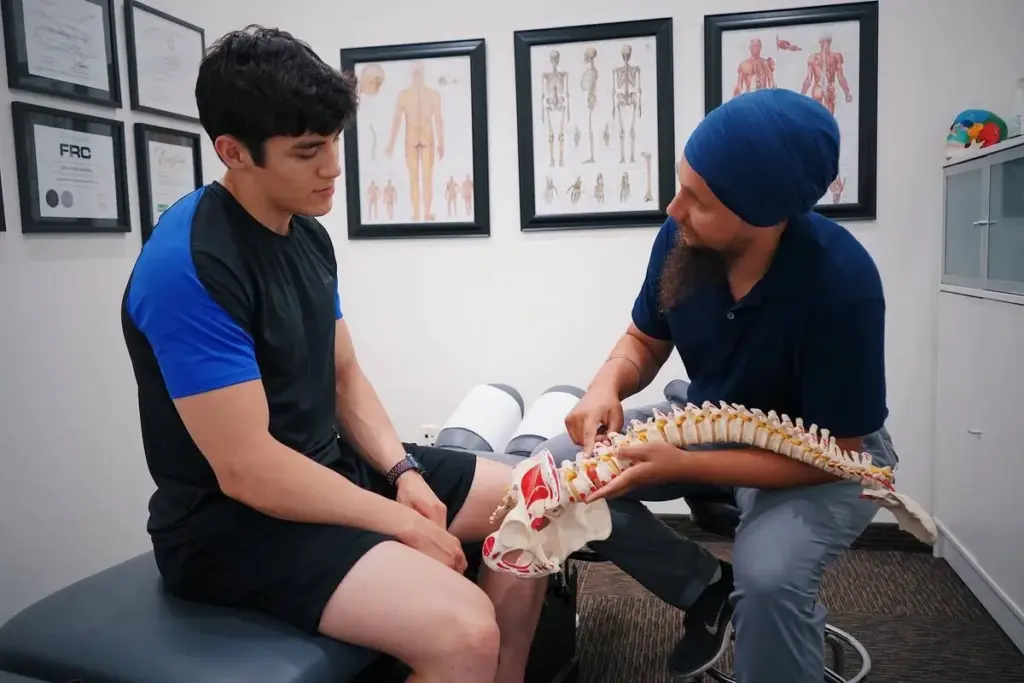
Spinal stenosis affects millions of people worldwide, causing significant pain and discomfort. Minimally invasive spine surgery is a highly effective treatment. It offers relief with less tissue damage and quicker recovery times. Explaining what is minimally invasive surgery for spinal stenosis (MILD procedure, microdiscectomy) and comparing it to traditional spine surgery.
Spinal stenosis is a condition where the spinal canal narrows. This can cause pain, numbness, and weakness in the back, legs, or arms. We understand the impact this condition has on daily life. We’re committed to providing the most advanced and compassionate care.
Minimally invasive lumbar decompression is a technique for treating spinal stenosis. It allows for precise treatment with minimal disruption to surrounding tissues. This approach reduces recovery time and minimizes the risk of complications. It’s an attractive option for those seeking relief from spinal stenosis symptoms.
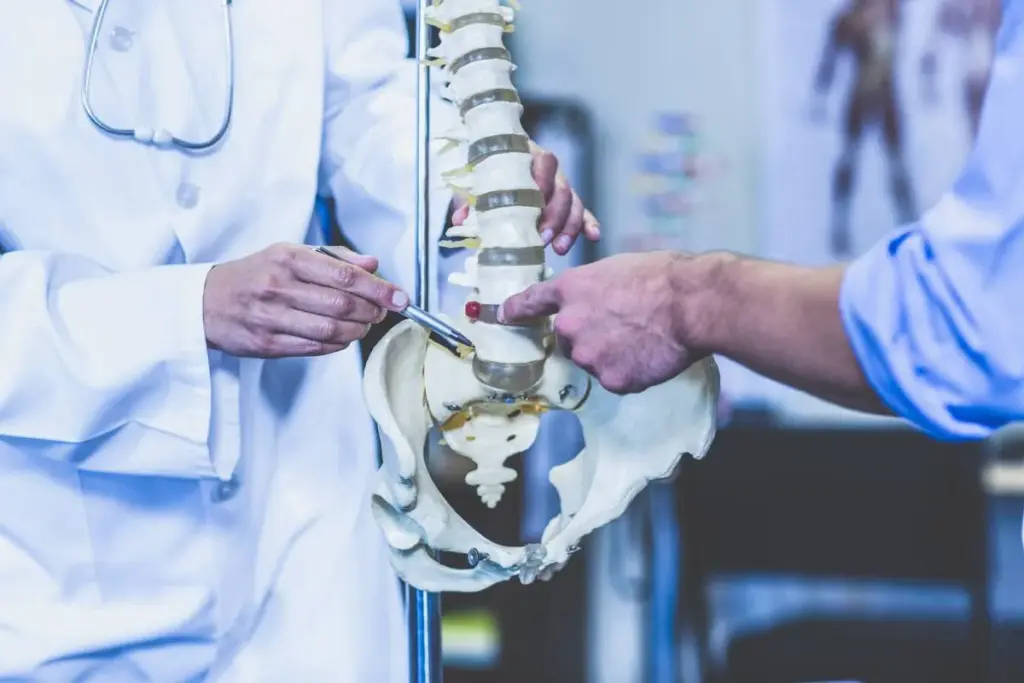
Spinal stenosis is a condition where the spaces in the spine narrow. This can put pressure on nerves, leading to symptoms. It’s important to understand its definition, causes, and how it progresses.
Spinal stenosis is when the spinal canal or neural foramen narrow. This can be due to aging, herniated discs, or injuries. Most often, it’s caused by aging.
There are two types of causes: congenital and acquired. Congenital means it’s present at birth. Acquired causes develop over time due to aging, injuries, or surgeries.
|
Causes |
Description |
|---|---|
|
Degenerative Changes |
Aging-related wear and tear on the spine, leading to narrowing. |
|
Herniated Discs |
Discs that bulge or rupture, putting pressure on nerves. |
|
Spinal Injuries |
Trauma to the spine that can cause immediate narrowing. |
Symptoms of spinal stenosis vary based on the location and severity. Common symptoms include pain, numbness, tingling, and weakness in the back, legs, or arms. In severe cases, it can lead to significant disability and affect daily activities.
The progression of spinal stenosis can be slow or rapid. Symptoms may stay the same for years or worsen over time if untreated.
Understanding symptoms and progression is key to finding the right treatment. Some cases may be managed without surgery, while others may need surgery to relieve nerve pressure and improve quality of life.
The human spine is complex, and stenosis can happen in different areas. It’s divided into the cervical, thoracic, and lumbar spine. Knowing these areas well helps doctors diagnose and treat spinal stenosis better.
Cervical stenosis is in the neck and is risky because it’s close to the spinal cord and brainstem. Symptoms include neck pain, numbness or tingling in arms or legs, and trouble walking. Treatment approaches often involve surgery to relieve pressure on the spinal cord.
Thoracic stenosis is less common but can cause a lot of pain and neurological problems. It’s in the middle of the spine. Symptoms include pain, numbness, or weakness in the chest or legs. Diagnosis usually involves MRI or CT scans.
Lumbar stenosis is the most common type and happens in the lower back. It can cause pain, numbness, or cramping in the legs, worse when standing or walking. Treatment options include non-surgical methods or minimally invasive surgical procedures like laminectomy or laminotomy.
|
Region |
Common Symptoms |
Typical Treatments |
|---|---|---|
|
Cervical |
Neck pain, numbness in arms or legs |
Surgical decompression |
|
Thoracic |
Chest or leg pain, numbness |
Conservative management, surgery |
|
Lumbar |
Leg pain, cramping when walking |
Laminectomy, laminotomy |
For many patients, the first step against spinal stenosis is conservative treatments. These aim to manage symptoms and enhance quality of life.
Conservative management often includes physical therapy, pain management meds, and lifestyle changes. Physical therapy helps keep muscles flexible and strong. Pain management controls pain levels.
Lifestyle changes are key too. These might include losing weight, improving posture, and avoiding activities that worsen symptoms. We advise against heavy lifting and bending.
|
Management Option |
Description |
Benefits |
|---|---|---|
|
Physical Therapy |
Exercises to improve flexibility and strength |
Reduces pain, improves mobility |
|
Pain Management |
Medications to control pain |
Reduces discomfort, improves quality of life |
|
Lifestyle Modifications |
Changes in daily activities and habits |
Reduces symptom exacerbation, improves overall health |
Some patients, despite these efforts, continue to have severe symptoms. In such cases, surgery might be needed. Surgical intervention is considered when conservative treatments don’t work or if there’s significant nerve damage.
Surgery is suggested for severe pain, significant weakness or numbness, and loss of bladder or bowel control. Each patient’s case is evaluated based on their condition and health.
If conservative treatments don’t work, talking to a spine surgery specialist is vital. They can help decide the best surgery for the patient’s specific needs and medical history.
Spine surgery has changed a lot, with two main types: traditional and minimally invasive. It’s key to know how they differ and what they offer in orthopedic spine surgery.
Traditional open spine surgery uses a big cut to reach the spine. This lets doctors see and fix the problem directly. It’s been a mainstay for many years, used for big repairs or stabilizations.
Open spine surgery includes:
Though it works, it takes longer to heal, causes more damage, and might have more risks.
“The traditional open spine surgery approach, while effective, has limitations in terms of tissue disruption and recovery time. Minimally invasive techniques have been developed to address these concerns.” -Spine Surgery Expert
Minimally invasive spine surgery (MISS) is a new way that’s less invasive than traditional surgery. It uses small cuts, special tools, and often, tiny cameras or scopes.
MISS has grown thanks to new tech and understanding of the spine. Key steps include:
|
Technique |
Description |
Benefits |
|---|---|---|
|
Microendoscopic Discectomy |
A small procedure to remove disc material |
Less damage, quicker healing |
|
Tubular Retractor Systems |
Expand muscles instead of moving them |
Less muscle harm, less pain after |
|
Endoscopic Spine Surgery |
Uses small cameras and tools for surgery |
Smaller cuts, less blood loss |
Choosing between traditional and minimally invasive surgery depends on the patient’s needs and the condition. It also depends on the surgeon’s skills.
Knowing the differences helps patients make better choices. It also lets surgeons pick the best method for each patient.
Minimally invasive procedures are now the top choice for treating spinal stenosis. They aim to ease symptoms by reducing pressure on the spinal cord or nerves. This is done while keeping damage to the surrounding tissue to a minimum.
Laminectomy and laminotomy are two related procedures for spinal stenosis. A laminectomy removes part of the vertebrae that covers the spinal canal. This makes more space in the canal, easing pressure on the spinal cord or nerves.
A laminotomy makes a smaller hole in the lamina instead of removing it. Both methods are good for treating stenosis. The choice depends on how severe the condition is and the patient’s health.
A foraminotomy widens the foramina, where nerves exit the spinal canal. Narrow foramina can compress nerves, causing pain and other symptoms. By enlarging these openings, a foraminotomy can relieve nerve pressure, improving symptoms and quality of life.
Microendoscopic decompression is a specialized, minimally invasive technique. It uses a small endoscope and instruments to decompress the spinal cord or nerves. This procedure is done through a small incision, causing less tissue damage and quicker recovery times.
It’s very useful for treating stenosis in sensitive areas, like the cervical spine. The choice of procedure depends on several factors, including the location and severity of the stenosis, the patient’s health, and the surgeon’s judgment. Each procedure offers benefits like reduced recovery time, less postoperative pain, and minimal scarring.
Minimally invasive spine surgery changes based on the spinal area. Each area has its own needs due to the spine’s anatomy and where problems occur. We’ll look at how different areas, like the neck, upper back, and lower back, are treated.
Cervical spine surgery is very careful because of the spinal cord’s location. For cervical spine stenosis, doctors use:
These methods need careful planning and doing to avoid problems.
The thoracic spine is tricky because of its stability and the rib cage’s effect. Minimally invasive surgery for the thoracic spine might include:
Doctors must think about the rib cage and lung risks during surgery.
Lumbar decompression is a common surgery to ease nerve pressure. It includes:
The table below shows the main points of minimally invasive spine surgery by area:
|
Spinal Region |
Common Techniques |
Considerations |
|---|---|---|
|
Cervical |
Posterior cervical foraminotomy, ACDF |
Delicate structures, precise planning |
|
Thoracic |
Thoracoscopic approaches, costotransversectomy |
Rib cage anatomy, lung complications |
|
Lumbar |
Microendoscopic decompression, tubular retractors |
Faster recovery, less tissue damage |
Minimally invasive spinal fusion has changed how we treat spinal stenosis. It combines the benefits of decompression surgery with the stability of spinal fusion. This offers patients a complete solution for their condition.
Not all patients with spinal stenosis need spinal fusion. But, it’s often recommended for those with significant instability or deformity. We suggest fusion for spondylolisthesis, scoliosis, or when a big part of the spine needs to be decompressed.
Choosing to fuse the spine depends on many factors. These include the patient’s health, the severity of their stenosis, and their body’s specific needs.
Minimally invasive spinal fusion has made big strides. It causes less tissue damage and leads to faster recovery. These methods use special tools and imaging to place hardware through small cuts.
Some techniques we use are:
Each method has its own benefits and when to use them depends on the patient’s condition and body.
The tools and implants for spinal fusion have improved a lot. They offer better stability and help the spine fuse faster. We use pedicle screws, rods, and interbody cages for immediate stability and long-term fusion.
We pick the right hardware and implants for each patient. We consider the location and severity of the stenosis, and the patient’s bone quality and health.
New technologies in spine surgery are making operations more precise and recovery times shorter. These advancements are changing how doctors diagnose and treat spinal problems. They give hope to patients who faced limits with old surgical methods.
Endoscopic and tubular retractor systems are big steps forward in spine surgery. They let surgeons do complex work through small cuts, causing less damage and quicker healing. Endoscopic systems use a small camera and tools to see and work on the spine. Tubular retractors give a clear view to the surgery area with little harm to nearby tissues.
Benefits of Endoscopic and Tubular Retractor Systems:
Robotic-assisted surgery is a new technology changing spine surgery. It gives surgeons better precision, flexibility, and control. These systems can make screw placement more accurate, cut down on radiation, and make surgery safer.
|
Feature |
Robotic-Assisted Surgery |
Traditional Surgery |
|---|---|---|
|
Precision |
High precision with real-time imaging |
Dependent on surgeon’s skill and experience |
|
Radiation Exposure |
Reduced radiation exposure for patient and staff |
Higher radiation exposure due to repeated imaging |
Laser spine surgery is often touted as a breakthrough. But, it’s key to know the real facts from the marketing. Lasers are used in some spine surgeries, but only for certain conditions and procedures. We’ll look at the real benefits and limits of laser spine surgery, giving a fair view of its role in modern spine surgery.
The future of spine surgery is in using more advanced technologies. This will give patients safer, more effective, and less invasive treatments.
Spinal stenosis treatment has seen big improvements with new, less invasive surgeries. These new methods have changed how we treat spinal stenosis. They offer many benefits.
These new surgeries also mean patients get better faster. The small cuts and less damage mean less pain, so people can get back to their lives sooner. Research shows these patients need less pain medicine and stay in the hospital less time.
These new surgeries also have fewer complications than old ones. There’s less chance of infection, less blood loss, and less damage to nearby tissues. A study in the Journal of Neurosurgery: Spine found these surgeries had way fewer problems than the old way.
Using these new methods, we can give patients a safer and more effective way to treat spinal stenosis. This leads to better results and happier patients.
Minimally invasive spine surgery has many benefits. But, it’s important to know the risks and complications. These are things to think about before deciding.
Even with its benefits, minimally invasive spine surgery has surgical risks. These include:
We do our best to avoid these risks. But, it’s key to remember that no surgery is completely safe.
There are also long-term considerations to think about. These are important for the surgery’s success. These include:
Knowing these long-term considerations helps manage expectations. A spine surgery specialist can offer personalized advice. This is based on your specific needs and condition.
Being aware of both immediate and long-term aspects helps. It leads to better decisions and outcomes.
Finding the right spine surgery specialist is key for good results. Your surgeon’s skill can greatly affect your recovery and health.
You can pick between neurosurgeons and orthopedic spine surgeons for spine surgery. Both are trained for spine surgeries but have different focuses.
Neurosurgeons deal with brain and nervous system surgeries, including the spine. They handle complex cases with neurological problems.
Orthopedic spine surgeons focus on the musculoskeletal system, mainly the spine. They use both surgery and non-surgery treatments for spinal issues.
Key Considerations:
Before spine surgery, ask important questions. Here are some to consider:
Choosing a qualified spine surgeon and being informed can greatly improve your surgery’s success.
To get the best results from minimally invasive spine surgery, you need to prepare well. We’ll show you how to get ready for a smooth and successful surgery.
Before your surgery, a detailed pre-surgical check-up is key. This includes:
Changing your lifestyle before surgery can help a lot with your recovery. Here’s what we suggest:
By following these tips and working with your healthcare team, you can get ready well for minimally invasive spine surgery. This will help you have a better chance of a successful surgery.
Surgery for spinal stenosis is a big step. Knowing what to expect can help a lot. It can make you feel less anxious and help the process go smoother.
Choosing the right anesthesia is important. For spine surgery, general anesthesia is usually the best. It keeps you comfortable and pain-free. Sometimes, other types of anesthesia might be better for you. Your team will talk about what’s best.
The length of your surgery depends on the type and complexity. Minimally invasive surgeries usually take 1 to 3 hours. Your team will explain each step, from preparation to aftercare. Knowing this can make you feel more ready.
Your team will use the latest technology and methods. This ensures your surgery is precise and safe. They might use special tools to reduce damage to tissues.
|
Procedure Step |
Description |
Duration |
|---|---|---|
|
Preparation |
Getting ready for surgery, including anesthesia administration. |
30 minutes |
|
Surgical Procedure |
The actual surgery, which may involve decompression or fusion. |
1-2 hours |
|
Post-Operative Care |
Immediate care after the surgery, including recovery room stay. |
1-2 hours |
After surgery, you’ll go to the recovery room. Your team will watch your vital signs closely. They’ll manage pain and give you instructions on care, including wound care and medication.
Key aspects of immediate post-operative care include:
Recovery and rehabilitation are key parts of surgery, affecting its success. We help patients through this important phase with a plan made just for them.
How long a patient stays in the hospital after surgery can differ. But most leave within a day or two. Our team watches over them for any issues and guides them on their first steps to recovery.
At first, patients need to rest, use ice to lessen swelling, and start moving slowly. We make sure they stick to a plan to make going home easier.
Managing pain well is key after surgery. We use many methods to keep pain down and help healing.
We adjust our pain plans for each patient. This way, they get the best care for their situation.
Physical therapy is essential for getting back to normal. It helps patients build strength, flexibility, and mobility. Our programs are made to fit each patient’s needs, aiming for the best results.
We team up with physical therapists to create a detailed plan. This plan is tailored to meet each patient’s specific needs, ensuring a good recovery.
Here’s a table showing a typical recovery timeline. It highlights important steps in the healing process:
|
Timeframe |
Rehabilitation Focus |
Expected Outcomes |
|---|---|---|
|
0-2 weeks |
Pain management, initial mobilization |
Reduced pain, improved mobility |
|
2-6 weeks |
Strengthening, flexibility exercises |
Increased strength, range of motion |
|
6-12 weeks |
Advanced physical therapy, functional training |
Improved functional ability, return to daily activities |
By sticking to a detailed recovery and rehabilitation plan, patients can reach their best outcomes. They can confidently get back to their usual activities.
Studies show spinal decompression surgery greatly improves patient outcomes. As medical tech and surgery methods improve, knowing the long-term effects is key for doctors and patients.
Spinal decompression surgery success is well-documented. Most patients see lasting relief from pain, numbness, and weakness. A Journal of Neurosurgery: Spine study found big improvements in symptoms and life quality for two years after surgery.
Let’s look at some clinical evidence:
|
Study |
Sample Size |
Follow-up Period |
Success Rate |
|---|---|---|---|
|
Journal of Neurosurgery: Spine |
150 |
2 years |
85% |
|
Spine Journal |
200 |
5 years |
78% |
|
European Spine Journal |
120 |
3 years |
82% |
Patient satisfaction with spinal decompression surgery is high. Many see big improvements in their life quality. These benefits go beyond just symptom relief, affecting daily activities and overall well-being. A Spine Journal study showed patients could do more and move better after surgery.
The benefits of spinal decompression surgery are wide-ranging. They improve both physical health and patient happiness. As we keep improving, we’ll see even better results for those having this surgery.
Minimally invasive spine surgery has changed how we treat spinal stenosis. It offers a new hope for those who haven’t seen results from other treatments. We’ve looked at what this surgery is, its benefits, and the risks.
Choosing the right spine surgery specialist is key. Knowing what to expect from the surgery helps patients make better choices. Studies show that this surgery greatly improves patients’ lives and satisfaction.
In summary, minimally invasive spine surgery is a big step forward in treating spinal stenosis. It offers real relief to those suffering. If you’re dealing with spinal stenosis, talk to a healthcare expert about your options.
Spinal stenosis is when the spinal canal narrows. This can put pressure on the spinal cord and nerves. Doctors use a patient’s history, physical exam, and imaging like MRI or CT scans to diagnose it.
Symptoms include back pain, numbness, tingling, and weakness in the arms or legs. In severe cases, it can cause loss of bladder or bowel control.
It’s a type of surgery that uses small incisions. This reduces tissue damage and helps patients recover faster. Specialized tools and imaging technologies are used.
Minimally invasive surgery has smaller incisions and less tissue disruption. Traditional open surgery has larger incisions and more muscle retraction. This leads to less pain and quicker recovery.
Benefits include less tissue damage, less pain, shorter hospital stays, and faster recovery. It also has lower complication rates than traditional surgery.
Procedures include laminectomy, laminotomy, foraminotomy, and microendoscopic decompression. The choice depends on the stenosis location and severity, and the patient’s health.
Yes, it’s a treatment option for spinal stenosis, mainly for instability or deformity. It stabilizes the spine with instrumentation and bone graft.
Risks include infection, nerve damage, bleeding, and hardware failure. The specifics depend on the procedure and patient factors.
Look for a surgeon’s qualifications, experience with minimally invasive techniques, and specialty. Ask about their success and complication rates.
Recovery includes a short hospital stay and rest. Pain management with medication and physical therapy are recommended to regain strength and mobility.
Outcomes include relief from symptoms, improved quality of life, and reduced pain medication use. Success rates vary based on the procedure and patient factors.
Preparation involves pre-surgical testing, lifestyle adjustments like quitting smoking, and following pre-operative instructions from your surgeon.
Modern surgery uses endoscopic and tubular retractor systems, robotic-assisted surgery, and laser spine surgery. These aim to improve precision, reduce recovery time, and enhance outcomes.
The possibility depends on the type of previous surgery, the current spine condition, and the surgery goals. A spine specialist must be consulted to determine the best approach.
National Center for Biotechnology Information. Evidence-Based Medical Insight. Retrieved from https://www.ncbi.nlm.nih.gov/pmc/articles/PMC6755410/
