Last Updated on November 4, 2025 by mcelik
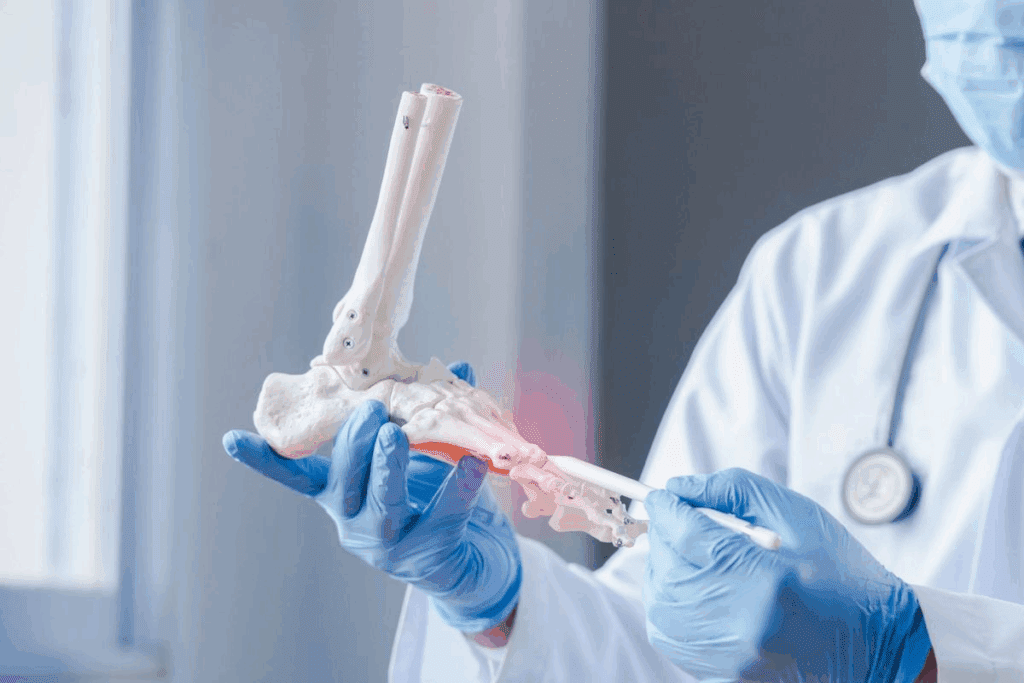
When Marcus Semien, the Texas Rangers second baseman, broke a bone and sprained a ligament in his left foot, it likely ended his regular season. Such injuries can end an athlete’s season. They also greatly affect a person’s quality of life.
It’s important to know what helps bones heal faster. The recovery from bone injuries depends on many things. These include what you eat, your lifestyle, and the medical care you get.
Key Takeaways
- Nutrition plays a significant role in bone fracture recovery.
- Lifestyle factors, such as smoking and alcohol consumption, can impact healing.
- Medical treatment, including surgery and physical therapy, can accelerate recovery.
- Understanding the healing process can help individuals recover more effectively.
- Proper care and rehabilitation are key for the best recovery.
Understanding Bone Fractures and the Healing Process
The healing of bone fractures is complex and involves several stages. Bone fractures happen when a bone breaks, either partially or completely. This can be due to a strong impact, like a fall, or a condition that weakens bones, like osteoporosis.
Fractures can be different based on their severity and where they happen. Knowing these differences is key to a good recovery plan.
Types of Bone Fractures
Fractures are grouped by their characteristics. The main types are:
- Stable Fracture: A crack in the bone that stays aligned.
- Displaced Fracture: A break where the bone is out of place.
- Comminuted Fracture: A break where the bone breaks into many pieces.
- Open Fracture: A break where the bone goes through the skin, raising the risk of infection.
Each fracture needs a specific treatment to heal right.
The Natural Stages of Bone Healing
The body’s healing process for bone fractures goes through several stages:
- Inflammation: The first stage where the body reacts to the injury with swelling and pain.
- Soft Callus Formation: A soft, cartilaginous callus forms around the fracture site.
- Hard Callus Formation: The soft callus turns into a harder, more stable callus.
- Bony Union: The final stage where the bone is fully healed and strong again.
Knowing these stages helps track the healing and spot any issues early.
Factors That Influence Faster Fracture Healing
Knowing what affects fracture healing is key for a quick recovery. Several important elements play a big role in how fast a fracture heals.
Age and Overall Health
The age and health of a person greatly affect fracture healing. Older adults and those with health issues may find it harder to heal. This is because their bones are less dense and they may have other health problems.
Eating a diet full of important nutrients is vital for healing. A high protein diet is very helpful. It gives the body what it needs to fix bones.
- It’s important to eat enough calcium and vitamin D for strong bones.
- Managing chronic health conditions can help improve healing outcomes.
- Not smoking and drinking less alcohol helps keep bones healthy.
Fracture Location and Severity
The place and how bad the fracture is also matter a lot. Fractures in areas with lots of blood tend to heal faster. This is because they get more nutrients and oxygen.
Fracture severity is also very important. More serious fractures might need surgery and take longer to heal.
- Severely broken or displaced fractures take longer to heal.
- Having an infection can make healing slower and harder.
- It’s important to keep the fracture in the right place and stable for it to heal well.
By understanding these factors and making the right choices, people can help their bones heal faster.
Essential Nutrients for Optimal Bone Repair
Essential nutrients are key to keeping bones strong and helping them heal. A good diet supports bone repair, making recovery faster and stronger. Eating foods rich in certain nutrients can greatly improve bone health.
Calcium and Vitamin D: The Foundation of Bone Health
Calcium and vitamin D are vital for bone health. Calcium is a major part of bones, and vitamin D helps the body absorb it. Together, they keep bones strong and healthy.
To get enough calcium, eat dairy, leafy greens, and fortified plant-based milk. Vitamin D comes from sunlight, fatty fish, and supplements. It’s important to have enough of both for bone repair.
Vitamin K2 Support for Calcium Utilization
Vitamin K2 helps direct calcium to bones, not soft tissues. It ensures calcium is used well, helping bones stay strong. You can find vitamin K2 in fermented foods like cheese and natto, or in supplements.
Vitamin K2 boosts bone health and strength. It helps bones heal faster by using calcium more efficiently.
Magnesium for Bone Health and Strength
Magnesium is important for bone health. It helps with calcium use and bone growth. It also helps control bone breakdown.
Eating foods high in magnesium, like dark greens and nuts, supports bones. If you’re not getting enough, magnesium supplements can help.
Protein Intake and Its Role in Fracture Recovery
Protein is key in fixing bone fractures. It helps rebuild and strengthen bones. Eating enough protein gives your body the amino acids it needs.
Eating a lot of protein helps bones heal faster. This is because protein is a big part of bone matrix. It makes bones strong and flexible.
High-Protein Diet Recommendations
Eating foods high in protein is good for bone repair. Include lean meats, fish, eggs, dairy, and legumes in your diet. They provide the building blocks for fixing bones.
It’s best to eat 1.2-1.5 grams of protein per kilogram of body weight daily while recovering. This helps bones heal the best way possible.
Collagen Peptide Supplements for Bone Matrix
Collagen peptide supplements are getting popular for bone health. They have hydrolyzed collagen. This is full of amino acids like glycine, proline, and hydroxyproline. These are vital for making bone matrix.
Studies show these supplements might boost bone density. They could also help fractures heal by making new bone cells.
Anti-Inflammatory Foods and Supplements
Anti-inflammatory foods and supplements are key in fighting bone fracture inflammation.
When a bone breaks, the body naturally gets inflamed to start healing. But too much inflammation can slow down recovery. Eating anti-inflammatory foods and taking supplements can help control this inflammation, aiding in healing.
Omega-3 Fatty Acids and Inflammation Reduction
Omega-3 fatty acids, found in fish, flaxseeds, and walnuts, cut down inflammation and aid healing. You can get them from food or supplements.
- EPA (Eicosapentaenoic acid) lowers inflammatory eicosanoids.
- DHA (Docosahexaenoic acid) boosts anti-inflammatory cytokines, helping resolve inflammation.
Antioxidants and Their Impact on Healing
Antioxidants like vitamins C and E, selenium, and polyphenols in fruits, veggies, and nuts fight off free radicals. These free radicals can harm tissues and slow healing.
Eating foods high in antioxidants not only boosts bone health but also speeds up recovery.
| Food/Supplement | Anti-Inflammatory Component | Benefit |
| Fatty Fish (Salmon, Sardines) | Omega-3 Fatty Acids | Reduces inflammation |
| Turmeric | Curcumin | Anti-inflammatory and antioxidant properties |
| Ginger | Gingerols | Reduces pain and inflammation |
| Berries (Blueberries, Raspberries) | Polyphenols | Antioxidant properties |
Medical Interventions for Faster Fracture Healing

Medical treatments are key in helping bones heal faster. They support the body’s natural healing ways. This ensures fractures heal quickly and well.
Proper Fracture Immobilization Techniques
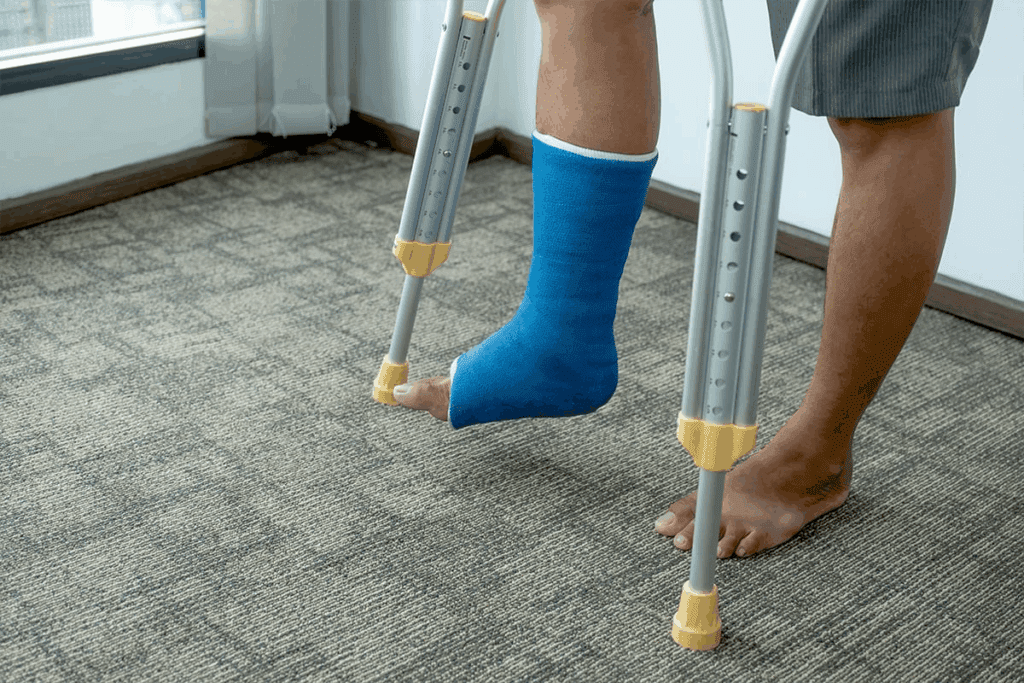
Keeping the broken area stable is vital for healing. This is done with casts, splints, or special devices. Effective immobilization cuts down pain and prevents more damage. It also helps create a strong callus.
Electrical Bone Stimulation Therapy
Electrical bone stimulation is a non-invasive method. It uses electrical currents to boost bone growth. This therapy is great for slow-healing fractures or those at risk of not healing.
By stimulating cellular activity, it helps create new bone tissue. This leads to faster and better healing.
Low-Intensity Ultrasound Treatment
Low-intensity ultrasound is another non-invasive treatment. It uses ultrasound waves to stimulate bone growth. Low-intensity ultrasound is good for slow-healing fractures. It helps without causing much pain or side effects.
Physical Therapy Sessions to Accelerate Recovery
The journey to healing after a fracture is not just about rest. It also involves physical therapy sessions. These sessions focus on early mobilization and strength training. Both are key to speeding up recovery.
Physical therapy is essential for recovery. It promotes early mobilization. This helps avoid stiffness, boosts blood flow, and aids in healing. Gentle exercises and movements are tailored to each patient’s needs.
Early Mobilization Strategies
Early mobilization is a big part of physical therapy for fractures. It keeps the affected area flexible and moving. This is very important for fractures near joints, where stiffness can limit mobility.
Some common early mobilization strategies include:
- Gentle stretching exercises to maintain flexibility
- Range of motion exercises to prevent stiffness
- Low-impact movements to promote blood flow
Progressive Resistance and Strength Training
As the fracture heals, progressive resistance and strength training become more important. These exercises help strengthen muscles and bones around the fracture. This reduces the chance of future fractures and improves function.
A physical therapist can create a progressive resistance program just for you. This might include:
- Resistance band exercises to build strength
- Weight-bearing exercises to enhance bone density
- Functional training to improve daily activity performance
Adding physical therapy to your recovery plan can help you heal faster. It can also reduce complications and improve strength and mobility.
Weight-Bearing Exercise for Stronger Bones
Weight-bearing exercise is key for healing fractures and making bones stronger. It helps improve health overall. Adding these activities to a recovery plan boosts bone density and lowers fracture risk.
Safe Weight-Bearing Activities During Recovery
It’s important to do safe weight-bearing exercises during recovery. These include:
- Brisk walking
- Jogging or running (after getting the okay from a doctor)
- Stair climbing
- Dancing
- Resistance band exercises
These exercises help bones and muscles get stronger. Start slow and increase the effort and time to avoid too much strain.
“Exercise is a celebration of what your body can do, not a punishment for what you ate.” – Unknown
Timing and Progression of Exercise
When and how much to exercise matters a lot for safe and effective healing. People can start with gentle activities soon after a fracture. Then, they can move to harder exercises as they get better.
| Recovery Stage | Recommended Activities | Intensity Level |
| Initial Healing (0-6 weeks) | Low-impact activities like walking or swimming | Low |
| Intermediate (6-12 weeks) | Progressive resistance exercises, balance training | Moderate |
| Advanced (3-6 months) | High-impact activities, strength training | High |
Working with a doctor or physical therapist is key. They help create a weight-bearing exercise plan that fits your needs for the best recovery.
The Importance of Adequate Rest and Recovery
Bone regeneration and recovery depend a lot on rest and sleep quality. When you’re healing from a bone fracture, rest is more than just not doing anything. It’s a key part of the healing process.
Sleep Quality and Bone Regeneration
While you sleep, your body fixes and grows back damaged tissues, including bones. Good sleep quality is very important for releasing hormones that help bones, like growth hormone. Studies show that bad sleep can slow down bone healing.
A study in the Journal of Bone and Mineral Research found that not sleeping well can hurt bone growth. This is because it lowers the work of osteoblasts, the bone-making cells.
Balancing Activity and Rest
Rest is key, but finding the right balance between rest and activity is also important. Too much rest can cause muscle loss and weaker bones, which slows down recovery. On the other hand, too much activity can hurt you more and slow healing.
| Activity Level | Effect on Bone Healing | Recommended Duration |
| Complete Rest | May lead to muscle atrophy and decreased bone density | Initial phase only |
| Moderate Activity | Supports bone healing and maintains muscle mass | After initial phase |
| High-Intensity Activity | May cause further injury and delay healing | Avoid during early recovery |
By finding the right mix of rest and activity, you can help your body heal faster and better from a bone fracture.
Lifestyle Factors That Impede Bone Healing
Our lifestyle can either help or hurt the bone healing process. Smoking, drinking too much alcohol, and high stress levels can slow down healing from bone fractures.
The Negative Impact of Smoking and Alcohol
Smoking harms bone health by reducing blood flow and oxygen to the bone. Smokers often experience delayed or failed bone healing. Drinking too much alcohol also slows healing by making it hard for the body to absorb nutrients.
Alcohol abuse can lead to poor nutrition, making recovery harder. It’s important for those healing from bone fractures to avoid alcohol and smoking for the best healing.
Stress Management for Optimal Recovery
High stress can also hurt bone healing. Chronic stress releases cortisol, a hormone that supresses bone formation by affecting osteoblasts, the bone-building cells.
Stress management like meditation, yoga, or deep breathing can help. These practices can make the body more ready to heal from fractures.
Changing our lifestyle can greatly help the bone healing process. It can lead to a quicker and more effective recovery.
Natural Sunlight and Vitamin D Production
Vitamin D is made in the skin when it’s exposed to sunlight. It’s key for strong bones and helping bones heal. It also helps the body absorb calcium and build bone minerals.
The body makes vitamin D when skin is in sunlight. But, how much depends on several things. These include the time of day, the season, and how dark your skin is.
Safe Sun Exposure Guidelines
To get vitamin D safely, follow these tips:
- Go outside in the early morning or late afternoon. The sun’s rays are softer then.
- Start with short times (10-15 minutes) and slowly increase as your skin gets used to it.
- Remember, fair skin needs less sun than darker skin.
Seasonal Considerations for Vitamin D
Vitamin D making changes with the seasons. In winter, far from the equator, it’s harder to make.
To keep vitamin D levels up all year, try these:
- Get more sun in spring and summer.
- Take vitamin D supplements in winter if needed.
- Talk to a doctor to find the best plan for you.
Knowing how sunlight helps make vitamin D and following safe sun tips can help your bones and health.
Medications That May Affect Fracture Healing
It’s important to know how different medicines affect bone healing. Some drugs help, while others might slow down the healing. It’s key to think about these medicines carefully.
The Role of NSAIDs in Fracture Healing
NSAIDs are used to reduce pain and swelling. But, their effect on bone healing is a topic of debate. Some research says NSAIDs might slow down bone healing by stopping the production of important bone-building substances.
“The use of NSAIDs in the setting of fracture healing remains a topic of debate among orthopedic surgeons and researchers.”
A study in the Journal of Orthopaedic Research found NSAIDs could lead to nonunion in tibial shaft fractures. Yet, other studies suggest NSAIDs’ impact might depend on the dose and who takes them.
Medications That Support Bone Health
On the other hand, some medicines help with bone health. For example, bisphosphonates treat osteoporosis by reducing bone loss. Teriparatide, a hormone, helps build bone and increase density.
| Medication | Effect on Bone Health |
| Bisphosphonates | Reduce bone resorption |
| Teriparatide | Stimulate bone formation |
| Denosumab | Inhibit bone resorption |
Patients should talk to their doctors about their medicines. This helps understand how they might affect bone healing.
Special Considerations for Different Age Groups
Different age groups have unique needs for fracture healing. This requires personalized care. The healing process changes over a person’s lifetime. It’s influenced by growth in youth and physical decline in old age.
Children and Adolescents
In children and teens, bone fractures heal faster than in adults. This is because they grow quickly and have growth plates. But, they need careful care to ensure they grow right.
- Monitoring for growth disturbances is key.
- Early mobilization helps prevent stiffness and aids healing.
- Good nutrition, including calcium and vitamin D, is vital for bone health.
Adults and Middle-Aged Individuals
Adults and middle-aged people usually heal faster than older adults. But, lifestyle, nutrition, and chronic conditions can affect recovery.
| Factor | Impact on Healing |
| Nutritional Status | Enough calcium, vitamin D, and protein is good for bones. |
| Lifestyle Choices | Smoking and too much alcohol can slow healing. |
| Physical Activity | Slowly getting back to activities helps build strength. |
Elderly Patients and Osteoporosis Concerns
Elderly patients face extra challenges in healing, like osteoporosis and less mobility. Managing these is key for effective healing.
“Older adults with osteoporosis need a detailed plan for fracture care. This includes medicine, lifestyle changes, and close monitoring to avoid more fractures.”
Understanding each age group’s needs helps healthcare providers create better healing plans. This improves outcomes for patients.
Monitoring Your Fracture Healing Timeline
It’s key to watch how a bone fracture heals to catch any problems early. The fracture healing timeline changes a lot, based on age, health, and how bad the fracture is.
Knowing the signs of proper healing progression is vital for a good recovery. The healing stages include inflammation, soft callus, hard callus, and remodeling.
Signs of Proper Healing Progression
As the bone heals, you’ll see signs of progress. These include:
- A decrease in pain over time
- Improved mobility and strength in the affected area
- Radiographic evidence of bone healing, such as the formation of a callus
It’s important to see your healthcare provider often. They can check the healing with X-rays or other imaging.
When to Seek Additional Medical Attention
Some complications can’t be avoided, but knowing the warning signs helps. Seek additional medical attention if you notice:
- Increased pain or swelling
- Deformity or instability of the affected limb
- Fever or signs of infection
- A lack of improvement in mobility or strength
Acting fast can greatly improve your recovery. If you’re worried about your fracture healing timeline, talk to your healthcare provider right away.
By staying informed and alert, you can make your recovery better and lower the chance of problems.
Strategies for Faster Fracture Healing: A Comprehensive Approach
To speed up bone fracture recovery, a detailed plan is key. This plan should include good nutrition, physical therapy, and advice from orthopedic experts. A balanced approach can greatly improve healing, leading to quicker recovery and better bone health.
Creating Your Personalized Recovery Plan
Creating a personalized recovery plan means looking at several important factors. These include your age, health, and how serious the fracture is. It’s important to work with your healthcare provider to make a plan that fits your needs.
- Check your diet to make sure you’re getting enough calcium, vitamin D, and protein.
- Start physical therapy to strengthen bones and improve movement.
- Follow your doctor’s advice on rest and when to start moving again.
Having a good recovery plan also means regular check-ups with your healthcare team. They can track your progress and make any needed changes.
Working Effectively with Your Healthcare Team
Good communication with your healthcare team is key for healing fractures. This means:
| Healthcare Team Member | Role in Fracture Healing |
| Orthopedic Specialist | Offers medical advice on treating and managing fractures. |
| Physical Therapist | Creates a rehab program to help regain strength and mobility. |
| Nutritionist or Dietitian | Provides tips on the best foods for bone health and recovery. |
By working together with your healthcare team and following a comprehensive recovery plan, you can improve your fracture healing. This leads to a faster and more effective recovery.
Conclusion
Understanding how fractures heal can help you recover faster. This knowledge is key to maintaining strong bones.
A good recovery plan includes the right nutrients, medical care, and lifestyle changes. These steps can greatly improve bone healing.
Working with your healthcare team is important. They can guide you to make the best choices for your recovery. This way, you can regain your strength and move freely again.
Healing fractures quickly requires a detailed approach. It’s about meeting each person’s specific needs. This approach boosts overall health and improves life quality.
FAQ
What are the essential nutrients for optimal bone repair?
For strong bones, you need calcium, vitamin D, vitamin K2, and magnesium. Eating a balanced diet with these nutrients helps bones heal.
How does protein intake affect fracture recovery?
Protein is key for fixing and making bones stronger. Eating a lot of protein, maybe with collagen peptides, aids in healing.
Can certain lifestyle factors impede bone healing?
Yes, smoking and drinking too much alcohol can slow down bone healing. Stress management also plays a role in recovery.
How can I support my bone health through exercise?
Doing exercises that make your bones work harder, like weight-bearing ones, helps strengthen them. Physical therapy can also speed up healing.
What medical interventions can be used to support fracture healing?
To help bones heal, doctors use immobilization, electrical stimulation, and ultrasound. These methods can aid in the healing process.
How can I maintain optimal vitamin D levels?
Getting sunlight helps make vitamin D. Just remember to follow safe sun guidelines and watch for seasonal changes.
Are there any medications that can impact fracture healing?
Yes, some medicines can help or hurt bone healing. Knowing how different drugs affect healing is important for recovery.
How can I monitor my fracture healing timeline?
Watch for signs of healing and know when to see a doctor. This helps in recovering from fractures better.
What role does rest and recovery play in fracture healing?
Rest and good sleep are essential for bone repair and healing. They help your body recover.
How can I create a personalized recovery plan?
Work with your healthcare team to make a detailed recovery plan. This helps in healing from fractures more effectively.
References
- Ganse, B. et al. (2024). Methods to accelerate fracture healing – a narrative review focusing on clinical applicability. Frontiers in Cellular and Developmental Biology, 12, 11190092. https://www.ncbi.nlm.nih.gov/pmc/articles/PMC11190092/