Last Updated on November 4, 2025 by mcelik
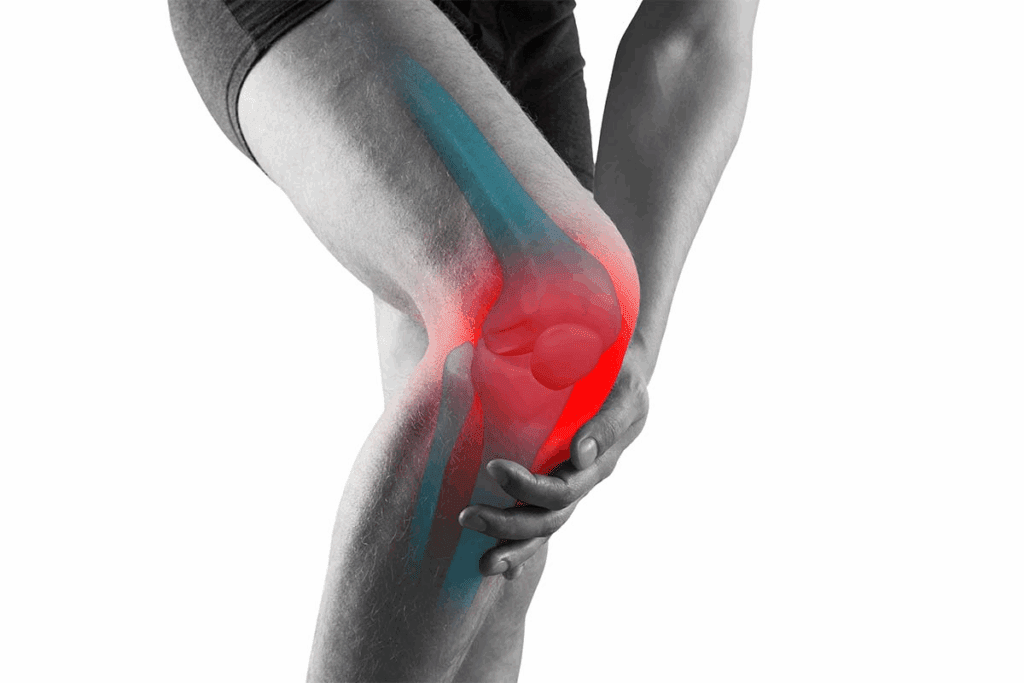
Knee tendonitis is a common problem that affects millions. It causes pain and discomfort, making daily life hard. Effective treatment is key to ease symptoms and help the knee heal. Discover the Unbeatable 3-Day Secret for the fastest way to cure knee tendonitis and get Amazing relief now!
Tendonitis in the knee can happen for many reasons. These include overuse, injury, or repetitive strain. The right treatment approach can greatly speed up recovery.
This article will look at different ways to treat and heal knee tendonitis. We’ll explore the most effective ways to cure this condition.
Key Takeaways
- Understanding the causes of knee tendonitis is vital for effective treatment.
- Many treatment options are available, like physical therapy and medication.
- Combining treatments can lead to faster recovery.
- Making lifestyle changes can help ease symptoms and prevent future problems.
- Getting professional medical advice is essential for proper diagnosis and treatment.
Understanding Knee Tendonitis
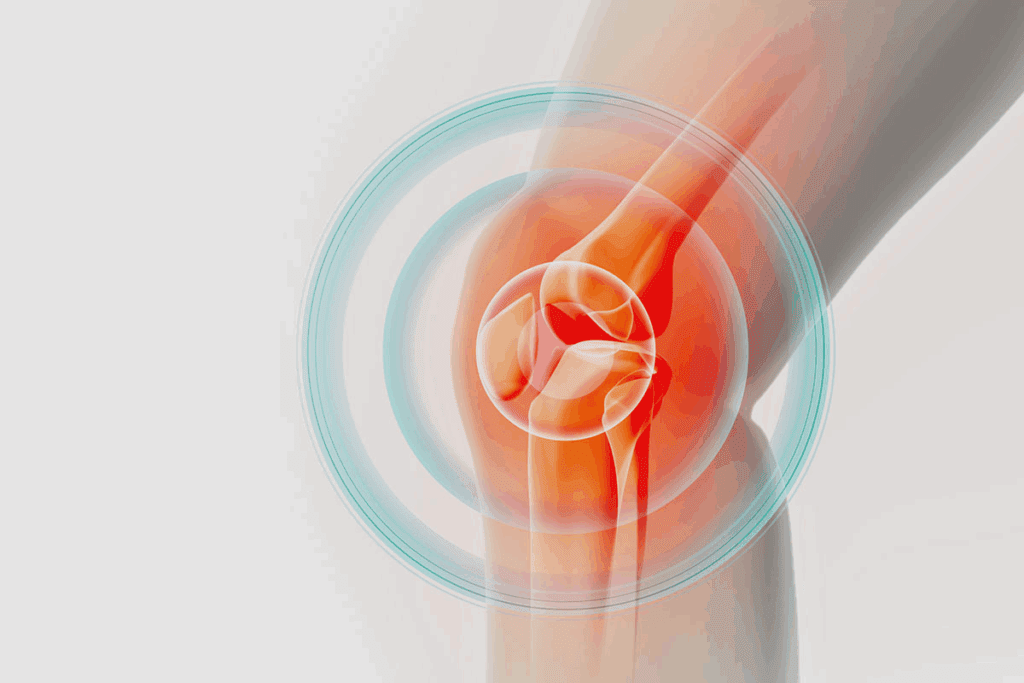
Knee tendonitis is a condition that causes knee pain. It happens when the tendons around the knee get inflamed. This can make everyday activities hard and lower your quality of life.
What is Tendonitis and How Does it Affect the Knee?
Tendonitis is when tendons get inflamed or irritated. Tendons are thick cords that connect muscles to bones. In the knee, it usually affects the patellar or quadriceps tendons.
This inflammation can come from too much use, repetitive strain, or sudden injury. It causes pain and tenderness below or above the kneecap.
Knee tendonitis can really hurt, making simple tasks like jumping or running painful. If not treated, it can lead to chronic pain and worse problems. So, finding tendonitis pain relief and managing it well is key.
Common Causes of Knee Tendonitis
Several things can cause knee tendonitis, including:
- Too much strain on the knee tendons, common in athletes or those with jobs that involve a lot of jumping or kneeling.
- Sudden changes in how often or how hard you exercise.
- Poor training methods or not warming up and cooling down enough.
- Muscle imbalances or weaknesses, mainly in the legs.
- Getting older, as tendons get less strong over time.
Knowing what causes knee tendonitis helps in finding ways to prevent and treat it. By tackling the root causes and using the right treatments, you can ease symptoms and recover.
Recognizing the Symptoms of Knee Tendonitis
Understanding knee tendonitis starts with recognizing its early signs and getting the right care. This condition, also known as patellar tendonitis, affects the tendon between the kneecap and shinbone. It’s common in athletes and those who jump or change direction quickly.
Early Warning Signs
Spotting knee tendonitis early is key to effective treatment. Look out for these signs:
- Pain or tenderness just below the kneecap
- A burning sensation when jumping, landing, or running
- Pain when bending or straightening the knee
It’s vital to tackle these symptoms early to avoid more damage. Doctors say, “Early action is essential for managing tendonitis.”
“The sooner you address the symptoms of knee tendonitis, the better your chances of a speedy recovery.”
Medical Expert
When to Seek Medical Attention
If you have ongoing knee pain or severe pain, see a doctor. They can diagnose and suggest a treatment plan. Look out for these signs to see a doctor:
- Severe pain or swelling
- Pain that lasts even after rest
- Difficulty straightening the knee
Getting medical help quickly can stop the condition from getting worse and prevent long-term damage. Knowing the symptoms and acting fast can help you find relief and recover fully.
The Fastest Way to Cure Knee Tendonitis: A Comprehensive Approach
Fixing knee tendonitis needs a plan that covers all bases. This detailed strategy is key to beating the condition fast, without surgery.
Why Quick Intervention Matters
Acting fast is critical in treating knee tendonitis. Waiting too long can cause more harm and make healing harder. Doctors say, “Early treatment is essential to avoid long-term problems and speed up recovery.”
Quick action means rest, physical therapy, and sometimes, medical help. Starting treatment early boosts your chances of a full recovery.
Combining Treatments for Optimal Results
Using different treatments together is key to the best results for knee tendonitis. Non-surgical tendonitis treatments include physical therapy, bracing, and medicine.
- Physical therapy to strengthen muscles and improve flexibility.
- Bracing or supportive devices to lessen tendon strain.
- Medications like NSAIDs to cut pain and swelling.
Together, these treatments help people heal faster and more effectively. Remember, making lifestyle and diet changes also helps the healing process.
“A detailed treatment plan with physical therapy, bracing, and medicine greatly improves outcomes for knee tendonitis patients.” – Orthopedic Specialist
In summary, the best way to fix knee tendonitis is with a quick, all-in approach. This includes acting fast and mixing non-surgical treatments. Understanding the value of quick action and combining treatments helps people get back to their lives sooner.
Immediate Relief: The R.I.C.E. Method
Getting quick relief from knee tendonitis is possible with the R.I.C.E. method. This method is a first step in treating symptoms and helping recovery. It includes Rest, Ice, Compression, and Elevation, each key to easing pain and swelling.
Rest and Immobilization Techniques
It’s important to give your knee a break. Rest means avoiding activities that make the problem worse, like running or jumping. Using a knee brace is another way to prevent injury. The Nu Knee Brace, for example, offers compression to lessen swelling.
Ice Therapy for Tendonitis Pain Relief
Ice therapy is a simple yet effective way to ease pain and swelling. Applying ice to the affected area for 15-20 minutes, several times a day, can help a lot. Make sure to wrap the ice in a cloth to avoid skin contact.
“Ice therapy is a cornerstone in the management of tendonitis, providing immediate pain relief and reducing inflammation.”
Compression Methods for Tendonitis Recovery
Compression helps by reducing swelling by constricting the area. A compression bandage or a knee sleeve like the Nu Knee Brace can offer the needed support. But, make sure the compression isn’t too tight to avoid cutting off circulation.
| Compression Level | Description | Benefit |
| Mild | Slightly constricting | Reduces minor swelling |
| Moderate | Noticeably constricting | Reduces significant swelling |
| High | Tightly constricting | Provides strong support |
Elevation Strategies
Elevation means raising the knee above the heart to lessen swelling. This can be done by using a pillow when sitting or lying down. Elevation reduces blood flow to the area, which helps decrease swelling.
By using all these steps, the R.I.C.E. method provides a complete way to manage knee tendonitis symptoms and aid in recovery.
Over-the-Counter Pain Management
For those with knee tendonitis, over-the-counter pain relief is key. It helps keep you moving and aids in healing.
Anti-inflammatory Medications for Tendonitis
Anti-inflammatory meds are a top choice for tendonitis pain. Ibuprofen and naproxen are NSAIDs that cut down inflammation and pain.
Always stick to the dosage and talk to a doctor before starting any meds. This is true for anyone with health issues or taking other drugs.
Topical Treatments and Their Effectiveness
Topical creams, gels, and patches offer targeted pain relief for knee tendonitis. They contain lidocaine or capsaicin to numb or lessen pain.
| Topical Treatment Type | Active Ingredient | Effectiveness |
| Creams/Gels | Lidocaine, Capsaicin | Provides localized pain relief |
| Patches | Lidocaine | Offers sustained pain relief |
| Topical NSAIDs | Ibuprofen, Diclofenac | Reduces inflammation and pain |
When picking a topical treatment, think about your pain type and the product’s ingredients. Always follow the instructions and ask a doctor if you’re unsure.
Medical Interventions for Faster Healing

For those with knee tendonitis, several medical options can help. These treatments are great when simple methods don’t work or the condition is serious.
Corticosteroid Injections for Tendonitis
Corticosteroid injections are a common treatment for tendonitis. They put anti-inflammatory medicine right where it’s needed. This can really help with pain and swelling. But, they should be used carefully because they can weaken tendons.
PRP Therapy for Tendonitis
Platelet-rich plasma (PRP) therapy is another option. It uses your own platelets to help heal the tendon. PRP therapy boosts your body’s healing. Many people find it helps with pain and getting back to normal.
Ultrasound Therapy Benefits
Ultrasound therapy uses sound waves to help tendons heal. It increases blood flow and reduces swelling. It’s often used with other treatments to work better. It’s also painless, making it a good choice for many.
In summary, treatments like corticosteroid injections, PRP therapy, and ultrasound therapy can help with tendonitis. Each has its own benefits and risks. The right choice depends on your specific situation. Always talk to a doctor to find the best treatment for you.
Physical Therapy Approaches for Knee Tendonitis
Physical therapy is key in treating knee tendonitis. It offers custom exercises and methods to help heal. By fixing the tendonitis’s causes and boosting knee function, therapy greatly aids in recovery.
What to Expect in Physical Therapy Sessions
In knee tendonitis physical therapy, a detailed check-up is done first. The therapist looks at the knee’s movement, strength, and pain. They then make a plan just for you. First, they work on easing pain and swelling with methods like manual therapy and ultrasound.
As you get better, you’ll start knee tendonitis rehab exercises. These exercises make the muscles around the knee stronger. They also help the knee work better. The exercises get harder as you get stronger and more flexible.
Professional vs. At-Home Therapy
Seeing a professional physical therapist is best for knee tendonitis. They can adjust your treatment plan as you progress. This ensures you’re healing safely and well.
At-home therapy is convenient but needs careful planning. It’s important to have your exercises checked by a physical therapist. This prevents making the injury worse.
Timeline for Physical Therapy Results
How fast you see results from physical therapy for knee tendonitis varies. It depends on how bad the injury is, how well you follow the therapy, and your overall health.
Most people start to feel better in 6-8 weeks with regular therapy. But getting back to how you were before the injury might take longer. It often takes 3-6 months of therapy and exercises at home.
Essential Knee Tendonitis Stretching Exercises
Managing knee tendonitis well means doing specific stretches at each stage. Stretching keeps the tendon flexible, cuts down stiffness, and aids in healing.
Gentle Stretches for Acute Phase
In the early stages of knee tendonitis, start with soft stretches. These don’t make the problem worse. They help keep the knee moving and lessen pain.
- Gentle Knee Flexion Stretch: Slowly bend your knee, bringing your heel towards your buttocks, and then straighten it again. Repeat this motion several times.
- Straight Leg Raise: Lie on your back, lift the affected leg about 6-8 inches off the ground, and hold for a few seconds before lowering it. This helps strengthen the surrounding muscles without putting excessive strain on the tendon.
Progressive Stretching Techniques
When you get better, move on to more challenging stretches. These improve flexibility and muscle strength.
- Wall Squats: Stand with your back against the wall and slide down into a squat, keeping your knees bent at a 90-degree angle. Hold for 10-15 seconds and repeat.
- Lunges: Do gentle lunges, keeping the front knee behind the toes to avoid putting too much stress on the knee tendon.
Always listen to your body and stop if you feel pain. Slowly make your stretches more intense and longer to help fully recover from knee tendonitis.
Strengthening Exercises for Tendonitis Recovery
Recovering from knee tendonitis needs a good plan for strengthening. It’s key to build muscles around the knee. This helps support the joint and lowers the chance of more injuries.
Eccentric Exercises for Tendonitis Rehabilitation
Eccentric exercises make muscles longer under load. They’re great for tendonitis recovery. They strengthen tendons and muscles around them. Slow squats and lunges are good examples.
Eccentric Exercise Benefits: They boost muscle strength and tendon toughness. This is vital for healing and avoiding future injuries.
Building Supporting Muscle Groups
It’s important to build muscles that support the knee. This includes the quadriceps, hamstrings, and calf muscles. Stronger muscles mean less strain on tendons, helping recovery.
- Quadriceps exercises, like straight leg raises, keep the knee stable.
- Hamstring exercises, such as deadlifts, help muscles balance.
- Calf raises strengthen the lower leg muscles.
Adding these exercises to a recovery plan can help heal tendonitis. It also improves knee function.
Supportive Devices and Braces
Supportive devices and braces are key in managing knee tendonitis. They add stability and support to the knee. This helps reduce pain and aids in healing.
Selecting the Right Knee Support Brace for Tendonitis
Choosing the right knee support brace is vital. Look at the support level, your activities, and your doctor’s advice. This ensures you get the most out of it.
The Nu Knee Brace and Modvel Compression Knee Brace are great options. They offer different levels of support and compression, meeting various needs.
| Brace Type | Level of Support | Activity Level |
| Nu Knee Brace | High | High Impact |
| Modvel Compression Knee Brace | Moderate | Low to Moderate |
How to Properly Use Supportive Devices
To maximize your knee support brace’s benefits, use it correctly. Make sure it fits well and adjust it for comfort and support.
Know when to wear the brace. It’s best during activities that might worsen the condition or when your knee is under more stress.
Using a knee support brace as part of your treatment can improve your recovery from knee tendonitis. It also lowers the chance of further injury.
Alternative Therapies for Tendonitis Relief
Looking into alternative treatments like massage and heat therapy can help with tendonitis. These methods can work alongside traditional treatments to aid in recovery and ease pain.
Massage Therapy Techniques
Massage therapy is a great tool for tendonitis management. It can lessen pain, boost blood flow, and speed up healing. Deep tissue massage and trigger point therapy are among the most effective.
A study in a Journa showed massage therapy cuts down pain and boosts function in knee tendonitis patients. It’s important to get massage from a licensed therapist who can customize the treatment for you.
Heat Therapy Applications
Heat therapy is also a good way to ease tendonitis symptoms. It increases blood flow, reduces stiffness, and eases pain. You can use a warm bath, heating pads, or warm compresses for this.
| Method | Benefits | Precautions |
| Warm Bath | Relaxes muscles, improves circulation | Avoid extremely hot water |
| Heating Pads | Easy to apply, consistent heat | Use on low to medium setting, avoid falling asleep with it on |
| Warm Compresses | Targeted relief, portable | Ensure the compress is not too hot before applying |
Acupuncture and Other Complementary Approaches
Acupuncture, which involves thin needles in specific body points, can reduce pain and improve function in tendonitis patients. Other options like laser therapy and electrical stimulation can also help in recovery.
Always talk to a healthcare professional before trying any alternative therapy. This ensures it’s right for your condition and needs.
Dietary Considerations for Reducing Inflammation
Changing what we eat is a big part of treating tendonitis. The foods we choose can affect how our body reacts to inflammation. Making smart food choices can help ease tendonitis symptoms.
Anti-inflammatory Foods
Eating foods that fight inflammation is important. These foods are packed with nutrients that help lower inflammation. Here are some examples:
- Fatty Fish: Salmon, sardines, and mackerel are full of omega-3s, which fight inflammation.
- Leafy Greens: Spinach, kale, and collard greens are full of antioxidants and nutrients that reduce inflammation.
- Nuts and Seeds: Walnuts, chia seeds, and flaxseeds are rich in omega-3s and antioxidants.
- Whole Grains: Brown rice, quinoa, and whole wheat bread have fiber and nutrients that fight inflammation.
- Berries: Blueberries, raspberries, and strawberries are full of antioxidants and have anti-inflammatory effects.
Supplements That May Help
Along with eating anti-inflammatory foods, some supplements can also help. Here are a few:
- Omega-3 Supplements: Supplements can be helpful if you don’t get enough omega-3s from food.
- Turmeric/Curcumin: Curcumin in turmeric has strong anti-inflammatory and antioxidant effects.
- Ginger: Ginger has compounds called gingerols that may help reduce pain and inflammation.
- Vitamin C: This vitamin is key for collagen and can help in tendon repair.
- Glucosamine and Chondroitin: These supplements support joint health and may help with tendonitis symptoms.
Always talk to a healthcare professional before starting new supplements. They can interact with medications or cause side effects in some people.
Lifestyle Modifications to Speed Recovery
Recovering from knee tendonitis requires making important lifestyle changes. By changing daily habits, people can help their healing process a lot.
Activity Adjustments During Healing
It’s key to adjust activities during healing. This means staying away from things that make the problem worse.
- Avoid high-impact activities such as running or jumping.
- Opt for low-impact exercises like cycling or swimming.
- Modify daily routines to reduce strain on the knee.
These changes help prevent more injury and let the knee tendonitis heal better.
Sleep and Recovery Connection
Sleep is very important for recovery. It’s when the body fixes and grows back damaged tissues, like tendons.
“Adequate sleep is essential for the recovery of tendonitis, as it allows the body to repair and rebuild tissue.” –
An Orthopedic Specialist
Getting enough sleep each night can speed up healing. Here’s how to do it:
- Maintain a consistent sleep schedule.
- Create a sleep-conducive environment.
- Avoid stimulating activities before bedtime.
By focusing on sleep and making activity changes, people can help their knee tendonitis recover better.
Preventing Recurrence of Knee Tendonitis
To stop knee tendonitis from coming back, you need a solid prevention plan. This plan should include lifestyle changes, regular exercise, and the right equipment. These steps help keep your knees healthy for the long term.
Long-term Exercise Strategies
Creating a lasting exercise plan is key to avoiding knee tendonitis. Here’s what to do:
- Regular Stretching: Add gentle stretches to your daily routine to stay flexible.
- Strengthening Exercises: Focus on exercises that build muscle around your knee, like the quadriceps and hamstrings.
- Low-Impact Activities: Choose low-impact activities like cycling or swimming to ease stress on your knee tendons.
A good exercise plan can greatly lower the chance of tendonitis coming back. It’s also smart to slowly up the intensity and time of your workouts. This helps avoid sudden stress on your tendons.
Proper Technique and Equipment
Using the right technique and equipment is critical for prevention. Here’s how:
- Correct Footwear: Wear shoes that support and cushion your feet for your activity.
- Knee Support: Use knee sleeves or braces during sports or heavy lifting for extra support.
- Proper Training: Make sure you learn and use the right techniques for exercises and sports. This helps avoid putting too much strain on your knee.
| Equipment | Purpose | Benefit |
| Knee Sleeves | Provides support and warmth | Reduces strain during activity |
| Orthotic Shoes | Corrects foot alignment | Reduces stress on knee tendons |
| Knee Braces | Offers additional stability | Protects against overuse injuries |
By mixing long-term exercise plans with the right technique and equipment, you can lower the risk of knee tendonitis coming back. This helps keep your knees healthy for the long run.
When Surgery Becomes Necessary
Knee tendonitis can be very painful and limit movement. Sometimes, surgery is needed to fix damaged tendons. Non-surgical treatments work for many, but some may need surgery.
Surgical Options for Severe Tendonitis
For serious knee tendonitis, several surgeries can help. These include:
- Tendon Debridement: This removes damaged tendon parts to help it heal.
- Tendon Repair: Surgery to fix torn or badly damaged tendons.
- Tendon Reconstruction: A complex surgery that rebuilds the tendon, using grafts.
Post-Surgical Recovery Timeline
The time it takes to recover from surgery for knee tendonitis varies. It depends on the surgery and the person’s health. Here’s what to expect:
- Immediate Post-Surgery: Rest and not moving to start healing.
- Early Rehabilitation (6-8 weeks): Start with physical therapy to get movement and strength back.
- Advanced Rehabilitation (3-6 months): Do more strengthening and training.
- Full Recovery (6-12 months): Get back to full activities, like sports or hard work, with a doctor’s okay.
Knowing about surgery and recovery helps people make better choices for severe knee tendonitis.
Conclusion: Creating Your Personalized Recovery Plan
Recovering from knee tendonitis needs a full plan that includes many treatments and lifestyle changes. Knowing the causes, symptoms, and treatments helps you make a plan just for you.
For quick recovery, use the R.I.C.E. method, over-the-counter pain relief, and medical treatments like injections. Physical therapy, including exercises, is also important for healing.
Being active in your recovery is key. Change your diet to fight inflammation, adjust your activities, and use support when needed. A holistic approach and sticking to your plan can help you beat knee tendonitis and get back to normal.
Having a recovery plan that fits you is essential for healing from knee tendonitis. Talk to healthcare experts to find the best treatment for you. Make changes as needed for a fast and effective recovery.
FAQ
What is knee tendonitis and how does it occur?
Knee tendonitis is when the tendons around the knee get inflamed. This usually happens from too much use, repetitive strain, or sudden injury. It causes pain and discomfort.
What are the common symptoms of knee tendonitis?
Symptoms include pain, swelling, and stiffness around the knee. These are often felt during activities like running, jumping, or climbing stairs.
How can I manage knee tendonitis pain?
To manage pain, rest, ice therapy, compression, elevation, and anti-inflammatory meds can help.
What is the R.I.C.E. method and how does it help?
The R.I.C.E. method (Rest, Ice, Compression, Elevation) is a first-line treatment. It reduces pain, inflammation, and promotes recovery.
Are corticosteroid injections effective for tendonitis?
Corticosteroid injections can temporarily reduce inflammation. But, they’re not a long-term solution and may have side effects.
What is PRP therapy and how does it help tendonitis?
PRP (Platelet-rich plasma) therapy involves injecting platelet-rich plasma into the affected tendon. It stimulates healing and regeneration.
How does physical therapy help in recovering from knee tendonitis?
Physical therapy includes exercises and stretches. It improves knee mobility, strengthens muscles, and promotes tendon healing.
What are eccentric exercises and how do they aid in tendonitis recovery?
Eccentric exercises lengthen the tendon under load. They help strengthen the tendon and promote healing.
Can knee support braces help in tendonitis recovery?
Yes, knee support braces provide stability, compression, and protection. They aid in recovery and reduce pain.
Are there any dietary changes that can help reduce inflammation?
Yes, eating anti-inflammatory foods like omega-3 rich foods, turmeric, and ginger helps. Avoiding pro-inflammatory foods also reduces inflammation.
How can I prevent recurrence of knee tendonitis?
Prevent recurrence by maintaining a balanced exercise routine. Use proper technique and equipment. Include strengthening and flexibility exercises.
When is surgery necessary for knee tendonitis?
Surgery is considered when conservative treatments fail. It involves repairing or removing damaged tendon tissue.
What is the typical recovery time for knee tendonitis?
Recovery time varies based on the condition’s severity, treatment, and individual factors. It usually takes several weeks to months.
Can heat therapy be used for tendonitis relief?
Yes, heat therapy relaxes muscles, improves blood flow, and reduces stiffness. It’s often used with other treatments.
How does massage therapy help in tendonitis recovery?
Massage therapy reduces muscle tension, promotes blood flow, and breaks up adhesions. It aids in recovery and relaxation.
Reference
- National Library of Medicine. (2024). Patellar Tendonitis and Other Tendon Injuries. https://www.ncbi.nlm.nih.gov/books/NBK536937