Last Updated on November 4, 2025 by mcelik
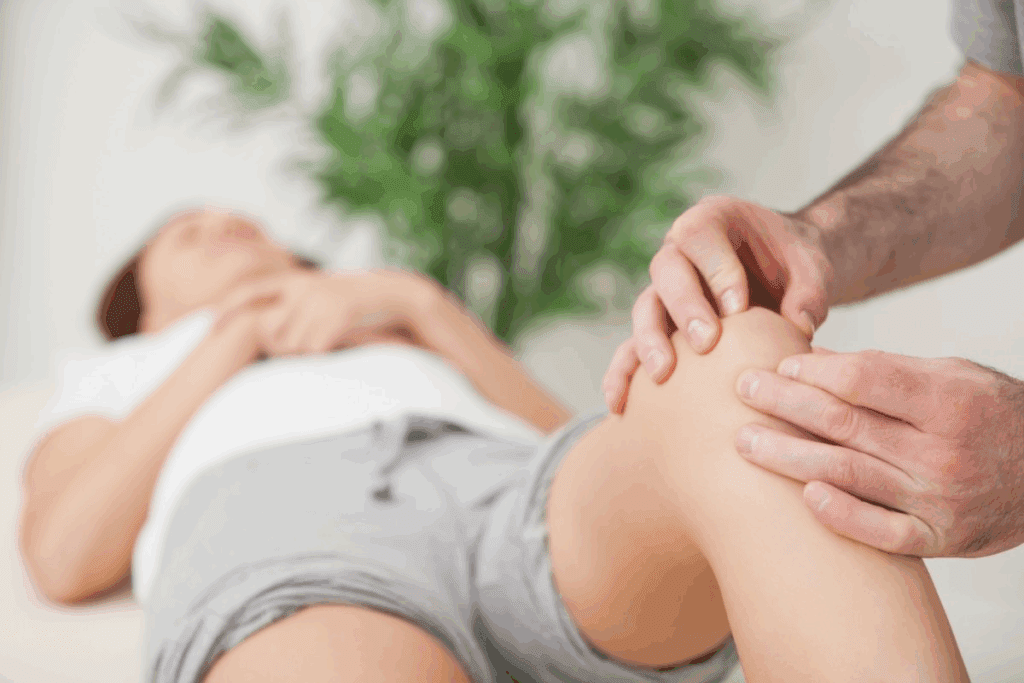
Tendonitis affects millions of people worldwide, causing pain and discomfort. A study found that tendonitis is responsible for nearly 30% of all musculoskeletal complaints. This shows the need for effective treatments. The Unbeatable Secret for the Fastest Way to Get Rid of Tendonitis is Revealed here. Get Amazing relief!
Tendonitis is when the tendons get inflamed. This can happen from repetitive strain, injury, or age. Finding the right tendonitis relief is key to ease symptoms and get back to normal.
Effective tendonitis treatment includes self-care, physical therapy, and sometimes medical help. Knowing your options is important to manage tendonitis and avoid further injury.
Key Takeaways
- Understanding tendonitis causes and symptoms is key for effective treatment.
- A mix of self-care and medical help can offer tendonitis relief.
- Physical therapy is a big part of managing tendonitis.
- Prevention strategies can lower the risk of tendonitis.
- Getting professional help is vital for serious tendonitis.
Understanding Tendonitis: Causes and Symptoms

It’s important to know the causes and symptoms of tendonitis to manage and recover well. Tendonitis is when tendons, which connect muscles to bones, get inflamed. This can lead to a lot of pain and discomfort in different parts of the body.
Common Types of Tendonitis
Tendonitis can happen in many parts of the body, leading to different types. Here are some common ones:
- Achilles Tendonitis: This affects the tendon that connects the calf muscles to the heel bone.
- Tennis Elbow (Lateral Epicondylitis): It’s caused by inflammation of the tendons on the outer elbow.
- Rotator Cuff Tendonitis: This happens in the shoulder, affecting the muscles and tendons around the joint.
- Patellar Tendonitis (Jumper’s Knee): It affects the tendon that connects the kneecap to the shinbone.
Risk Factors for Developing Tendonitis
There are several factors that can make you more likely to get tendonitis. These include:
- Repetitive Motions: Doing activities that involve the same motion over and over can strain tendons.
- Age: Older adults are more likely to get tendonitis because tendons lose elasticity with age.
- Sudden Increase in Activity: Starting to do more physical activity suddenly can strain tendons.
- Poor Technique: Using the wrong technique in sports or physical activities can put too much stress on tendons.
Recognizing Tendonitis Symptoms
The symptoms of tendonitis can vary but often include:
- Pain: Pain or tenderness near a joint, which gets worse when you move the affected limb or joint.
- Swelling: Mild swelling or redness around the affected tendon.
- Stiffness: Stiffness in the affected area, which gets worse after resting for a while.
It’s key to spot these symptoms early to get treatment quickly and avoid long-term problems.
The Importance of Early Intervention
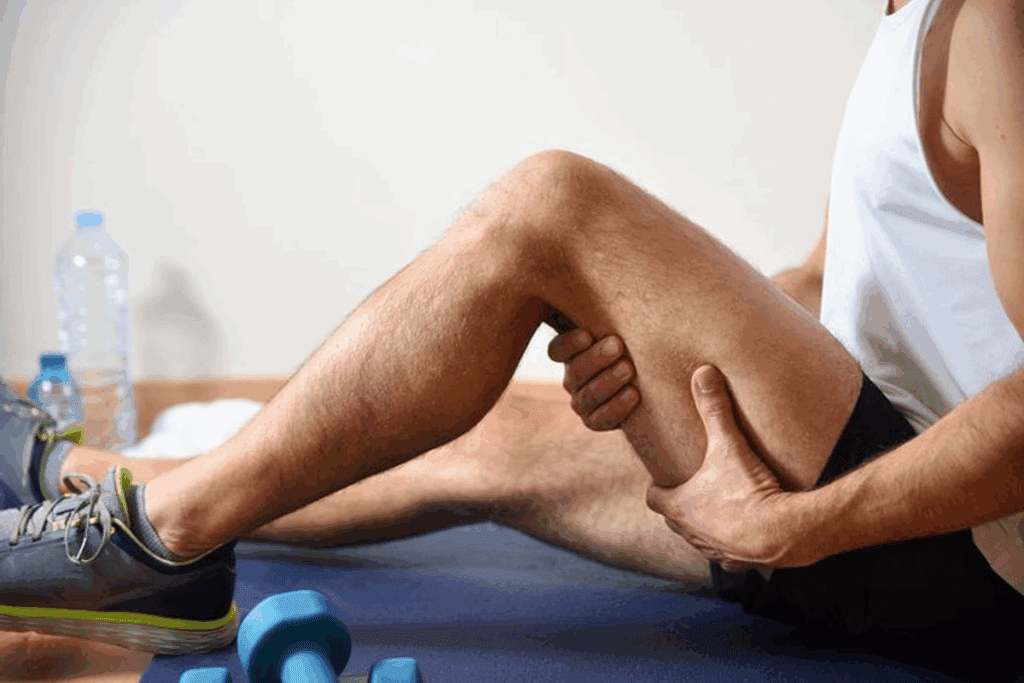
It’s key to tackle tendonitis early to lessen pain and stop it from becoming a long-term issue. Starting treatment early can greatly improve its success and speed up healing.
Why Quick Action Matters
Acting fast when tendonitis strikes is critical. It helps cut down inflammation and pain early. This not only eases discomfort but also guards against tendon harm. Doctors say early action can lower the chance of serious problems and better results.
Benefits of Early Intervention:
- Reduced risk of chronic tendonitis
- Faster recovery times
- Less severe pain and inflammation
- Prevention of further tendon damage
Preventing Chronic Tendonitis
Stopping chronic tendonitis is a big part of early treatment. Chronic tendonitis can cause lasting disability and pain. Tackling it early helps avoid the long-term issues it brings.
“Early treatment of tendonitis is essential to prevent the development of chronic conditions that can significantly impact quality of life.”
Setting Realistic Recovery Expectations
It’s important to have realistic hopes for recovery from tendonitis. Knowing recovery takes time helps avoid pushing too hard and reduces injury risk.
| Recovery Stage | Expected Outcome |
| Initial Phase | Reduction in pain and inflammation |
| Rehabilitation Phase | Improvement in tendon strength and flexibility |
| Return to Activity Phase | Gradual return to normal activities without pain |
Understanding the value of early action and setting achievable recovery goals helps tackle tendonitis. This way, people can overcome its challenges and recover well.
The RICE Protocol: First-Line Treatment
The RICE protocol is a key first step in treating tendonitis. It’s simple and works well to lessen pain and swelling. By using the RICE protocol, you can start your recovery journey.
Rest: Giving Your Tendons a Break
Rest is the first part of the RICE protocol. It means stopping activities that make the problem worse. Reducing stress on the affected tendon is key to starting healing. Taking a break lets your tendons heal better.
Ice Therapy: Reducing Inflammation
Ice therapy is also vital in the RICE protocol. It helps lower inflammation and pain. Ice should be applied for 15-20 minutes, several times a day. This easy method can greatly reduce tendonitis pain.
Compression: Supporting the Affected Area
Compression uses a bandage or wrap to support the tendon. It helps reduce swelling and keeps things stable. Compression should be snug but not too tight to avoid cutting off blood flow. It helps in healing by preventing more damage.
Elevation: Minimizing Swelling
Elevation is the last part of the RICE protocol. It involves raising the affected limb above the heart. Elevation helps decrease blood flow to the area, which reduces swelling. This simple action can greatly help in recovery.
Together, rest, ice therapy, compression, and elevation make up the RICE protocol. These steps offer a complete way to handle tendonitis. Following them can speed up recovery and lessen symptoms.
Over-the-Counter Pain Management
Managing tendonitis pain is key to getting better. Over-the-counter (OTC) pain relievers are a big help. They can ease pain, cut down on swelling, and make life better.
NSAIDs for Tendonitis Relief
Nonsteroidal anti-inflammatory drugs (NSAIDs) are a top choice for tendonitis pain. They cut down swelling and ease pain. You can find them in pills or creams.
Common ones are ibuprofen (Advil, Motrin) and naproxen (Aleve). They come in different forms to fit your needs.
Topical Anti-inflammatory Options
Topical creams and gels are applied right where it hurts. They have NSAIDs or capsaicin to fight pain and swelling. They’re great for those who can’t take pills or want to target the pain.
When to Use Pain Relievers
Use pain relievers only when you really need them. Always follow the instructions and talk to a doctor if you’re on other meds. This way, you avoid unwanted side effects.
Potential Side Effects to Consider
OTC pain relievers are safe if used right. But, they can cause stomach issues, nausea, and dizziness. Taking them for too long can lead to serious problems like bleeding in the stomach.
It’s important to think about the good and bad before using them. If you’re worried, talk to a doctor.
Knowing about OTC pain options and using them wisely can help with tendonitis. It can make life better for those dealing with it.
The Fastest Way to Get Rid of Tendonitis: A Complete Guide
To beat tendonitis fast, you need a mix of quick relief, custom treatment plans, and keeping an eye on your progress. This all-around method helps you handle symptoms well and aim for a full recovery.
Combining Immediate Relief Strategies
Quick relief is key when you have tendonitis. Rest, ice, compression, and elevation (RICE) are great, along with pain meds you can buy without a prescription. Using these together can really cut down pain and swelling, making it easier to heal.
Creating a Recovery Timeline
Having a recovery plan is important. It shows you what to expect while you get better. The plan should fit your tendonitis level and health. A good plan boosts motivation and helps you stick to it.
Personalized Treatment Plans
Custom treatment plans are vital for tackling tendonitis. They take into account your unique situation, lifestyle, and goals. This way, you’re more likely to follow the plan and see better results.
Tracking Your Progress
Keeping track of how you’re doing is critical. Checking your pain, how well you can move, and your overall health helps you tweak your treatment. Use a table to log your progress with columns for date, pain level, activity, and any notes.
| Date | Pain Level (1-10) | Activity Level | Notes |
| 2023-04-01 | 8 | Limited | Started RICE protocol |
| 2023-04-08 | 6 | Moderate | Increased activity, some pain |
| 2023-04-15 | 4 | Near normal | Continued improvement |
By using a complete strategy that includes quick relief, a recovery plan, custom treatment, and tracking, you can manage tendonitis well. This helps you recover faster.
Medical Interventions for Rapid Relief
When simple treatments don’t work, medical help can bring quick relief. These advanced treatments aim to fix tendonitis at its source. They help you heal faster and avoid long-term problems.
Corticosteroid Injections
Corticosteroid injections are a common choice for tendonitis. They work well to cut down inflammation and ease pain. Given directly to the tendon, they offer quick relief. But, they’re used with caution because they can harm the tendon over time.
Ultrasound Therapy
Ultrasound therapy uses high-frequency sound waves to heal and reduce swelling. It’s a gentle method that’s great for sensitive areas. It boosts blood flow and helps repair tissues without causing more irritation.
Extracorporeal Shock Wave Therapy
Extracorporeal Shock Wave Therapy (ESWT) is a non-invasive method. It uses high-energy shock waves to help tendons heal. It’s good for long-standing tendonitis that hasn’t gotten better with other treatments.
Platelet-Rich Plasma Treatments
Platelet-rich plasma (PRP) treatments involve injecting platelet-rich plasma from your own blood into the tendon. It’s designed to kickstart tendon repair and growth. It’s seen as a long-term fix for tendonitis.
These medical options provide different ways to tackle tendonitis. Each has its own advantages and things to consider. It’s important to talk to a doctor to find the best treatment for your specific case.
Physical Therapy Techniques for Tendonitis
Physical therapy is key in treating tendonitis. It uses various methods to ease pain and help the tendon heal. This non-invasive approach offers many benefits for those with tendonitis.
Therapeutic Exercises
Therapeutic exercises are a mainstay in tendonitis treatment. They aim to boost flexibility, strengthen the tendon, and aid in healing. For example, stretching exercises improve range of motion, while eccentric strengthening exercises build tendon strength.
Manual Therapy Approaches
Manual therapy involves hands-on methods to aid healing and lessen pain. Techniques like massage, joint mobilization, and soft tissue mobilization can cut down inflammation and enhance function. Manual therapy is very helpful in the early stages of tendonitis treatment.
Progressive Loading Techniques
Progressive loading gradually increases tendon stress to build strength and resilience. This is done through a step-by-step exercise program that starts with low intensity and moves to higher levels. Progressive loading is vital for restoring function and preventing injury.
Finding a Qualified Physical Therapist
It’s important to find a skilled physical therapist for tendonitis treatment. Look for someone experienced in treating musculoskeletal injuries and familiar with the latest physical therapy methods.
| Therapy Technique | Benefits |
| Therapeutic Exercises | Improves flexibility and strength |
| Manual Therapy | Reduces pain and inflammation |
| Progressive Loading | Promotes tendon strength and resilience |
Experts say, “A well-structured physical therapy program can greatly improve outcomes for those with tendonitis.” Good physical therapy not only relieves symptoms but also tackles the root causes of tendonitis, leading to long-term recovery.
Stretching and Strengthening Protocols
To help with tendonitis, it’s key to use specific stretches and exercises. These help improve flexibility, reduce pain, and boost tendon health.
Targeted Stretches for Different Types of Tendonitis
Each type of tendonitis needs its own stretches. For example, Achilles tendonitis gets better with calf stretches. Tennis elbow might need wrist extension stretches. These targeted stretches can ease pain and boost movement.
- Calf stretches for Achilles tendonitis
- Wrist extension stretches for tennis elbow
- Shoulder rolls for rotator cuff tendonitis
Eccentric Strengthening Exercises
Eccentric strengthening is great for tendonitis recovery. It involves slowly stretching the tendon while it’s under load. For instance, heel drops help with Achilles tendonitis, and eccentric wrist extensions are good for tennis elbow.
- Perform heel drops on a stair or step
- Do eccentric wrist extensions with a light weight
Building a Rehabilitation Routine
Having a steady rehab plan is essential for tendonitis recovery. Mix stretches and exercises and slowly up the challenge.
Monitoring Pain During Exercise
Keep an eye on how much pain you feel while exercising. Some pain is okay, but sharp or getting worse pain means it’s time to stop and change your plan.
By adding these stretches and exercises to a solid rehab plan, you can manage tendonitis symptoms and strengthen your tendons.
Alternative Therapies for Tendonitis Relief
Looking for more ways to handle tendonitis? Alternative therapies might help. Tendonitis causes pain and swelling in tendons, making daily tasks hard. Many people use these methods to help their recovery.
Acupuncture and Dry Needling
Acupuncture and dry needling are gaining fans for tendonitis. Acupuncture uses thin needles to help heal and ease pain. Dry needling targets muscle knots to ease tension and aid recovery. Both can cut down inflammation and boost tendon function.
A study in the Journal of Orthopaedic Surgery showed acupuncture cuts pain and boosts function in tendonitis patients. Dry needling also eases pain and improves movement. For more on natural tendonitis treatments.
Massage Therapy Benefits
Massage therapy can also help with tendonitis. It boosts blood flow and eases muscle tension. Techniques like deep tissue and friction massage are great for tendons.
Regular massages can improve tendon health. They help repair collagen and reduce scar tissue. Choose a skilled massage therapist experienced in tendonitis treatment.
Heat Therapy Applications
Heat therapy is simple yet effective for tendonitis. It boosts blood flow, eases stiffness, and relaxes. Use hot packs, warm baths, or heat wraps for this.
For best results, combine heat therapy with stretching and strengthening. Be careful not to burn yourself.
Complementary Approaches to Consider
Other methods can also aid in tendonitis recovery. These include:
- Herbal supplements with anti-inflammatory effects
- Topical creams and gels with arnica or capsaicin
- Low-level laser therapy
- Magnet therapy
Always talk to a healthcare expert before trying new therapies. Make sure they’re right for your condition.
| Therapy | Description | Benefits |
| Acupuncture | Involves inserting thin needles into specific body points | Reduces pain, promotes healing |
| Dry Needling | Targets trigger points within the muscles | Releases tension, promotes recovery |
| Massage Therapy | Enhances blood flow, reduces muscle tension | Alleviates symptoms, improves tendon health |
| Heat Therapy | Increases blood flow, reduces stiffness | Promotes relaxation, reduces pain |
Nutritional Support for Tendon Healing
The right food can help your tendons heal faster. It fights inflammation and helps repair tissues. Good nutrition gives your tendons what they need to get better.
Anti-inflammatory Foods
Eating foods that fight inflammation can help your tendons. Salmon and sardines are great because they’re full of omega-3s. Also, berries and leafy greens have antioxidants that fight inflammation.
Supplements for Tendon Health
Some supplements can help your tendons heal. Glucosamine and chondroitin are good for cartilage. Collagen supplements give your tendons the amino acids they need.
Hydration and Recovery
Drinking enough water is key for tendon health. Water keeps tendons lubricated and helps them heal. Drink lots of water, more so when you’re active.
Dietary Patterns That Support Healing
Eating a balanced diet helps your tendons heal. The Mediterranean diet is full of fruits, veggies, whole grains, and healthy fats. It’s great for your muscles and tendons.
| Nutritional Element | Benefit for Tendon Healing | Food Sources |
| Omega-3 Fatty Acids | Reduces inflammation | Salmon, sardines, flaxseeds |
| Antioxidants | Combats oxidative stress | Berries, leafy greens, nuts |
| Collagen | Supports tendon repair | Collagen supplements, bone broth |
Ergonomic Adjustments and Activity Modification
Making your workspace and daily activities more ergonomic can prevent musculoskeletal strain and tendonitis. Simple changes can greatly lower your risk of tendonitis.
Workplace Modifications
Adjusting your work environment can help prevent tendonitis. Here are some key changes:
- Adjust your chair height so your feet are flat or on a footrest.
- Place your monitor directly in front of you at a comfortable distance.
- Use an ergonomic keyboard and mouse to ease wrist strain.
- Take breaks to stretch and move around regularly.
Sports Technique Adjustments
For athletes, changing sports techniques can prevent tendonitis. Consider these adjustments:
- Work with a coach to improve your technique and reduce strain.
- Slowly increase your training intensity and volume.
- Do exercises to strengthen the muscles around the affected tendon.
- Use the right equipment, like correctly sized racquets or shoes.
Supportive Equipment and Braces
Supportive equipment and braces can protect your tendons. Here are some options:
- Wear a wrist splint to immobilize your wrist and reduce strain.
- Use knee sleeves or patellar tendon straps for support.
- Try orthotics or shoe inserts to improve foot mechanics.
Daily Habit Changes
Changing your daily habits can also prevent tendonitis. Think about:
- Take breaks to stretch and move when working or doing repetitive tasks.
- Avoid activities that make the condition worse.
- Do exercises to strengthen the muscles around the affected tendon.
- Keep a healthy weight to reduce tendon strain.
By making these ergonomic adjustments and activity modifications, you can lower your risk of tendonitis and help your body recover faster.
Gradual Return to Activity
Coming back to activity after tendonitis needs a slow and careful approach. This helps avoid hurting the tendon again. A good plan helps you get stronger and more flexible without overdoing it.
Creating a Progressive Plan
Creating a progressive plan means setting small goals and slowly adding more to your activities. It should fit your specific situation and needs.
| Activity Level | Intensity | Duration |
| Low | Gentle stretching | 10-15 minutes |
| Moderate | Strengthening exercises | 20-30 minutes |
| High | Full activity | 30-60 minutes |
Monitoring Pain Signals
It’s important to watch for pain when you start doing more activities. Pain means you might be pushing too hard. So, you should adjust what you’re doing to avoid hurting yourself again.
Preventing Re-injury
To avoid hurting yourself again, don’t rush back to activities. Slowly getting back to doing more helps make your tendon and the muscles around it stronger.
Adapting Activities for Long-term Tendon Health
For long-term tendon health, you might need to change how you do things. This could mean using special gear or doing exercises that help strengthen your tendon and muscles.
By sticking to a gradual plan, you can lower the chance of getting hurt again. This helps keep your tendons healthy for a long time.
When to Seek Professional Help
If you’re dealing with ongoing tendonitis symptoms, knowing when to get help is key. Tendonitis can be tough to handle alone. Getting medical help early can greatly improve your recovery.
Warning Signs of Serious Tendon Damage
Certain symptoms mean you need to see a doctor right away. These include:
- Severe pain that makes daily tasks hard
- Swelling or redness around the tendon
- A popping or snapping sound at injury
- Weakness or instability in the affected limb
Spotting these signs early can stop more damage and speed up healing.
Finding the Right Specialist
For tendonitis, you might need to see an orthopedic specialist or a sports medicine doctor. They can give a proper diagnosis and suggest advanced treatment options just for you.
Advanced Treatment Options
Treatment for tendonitis can vary. It might include corticosteroid injections, physical therapy, or surgery. Knowing these options helps you make better choices for your care.
Questions to Ask Your Healthcare Provider
When you talk to a healthcare provider, ask the right questions. Consider asking:
- What’s the extent of the tendon damage?
- What treatments do you suggest, and why?
- Are there any lifestyle changes I can make to help my recovery?
Being ready with questions ensures you get the best care for your tendonitis.
Conclusion: Creating Your Tendonitis Recovery Strategy
A good recovery plan is essential for tendonitis. It includes various treatments and steps to prevent it. This way, people can make a plan that works for them, easing symptoms and helping them heal.
Recovering from tendonitis needs a mix of treatments. This includes the RICE method, physical therapy, and eating right. A solid recovery plan helps people get stronger and more flexible. It also lowers the chance of getting hurt again.
To make a strong recovery plan, knowing what causes tendonitis and its symptoms is key. By tackling these issues with different treatments, people can create a plan that fits them best. This helps them recover fully.
Following a detailed recovery plan helps avoid long-term tendon problems. It lets people get back to their active lives. This is important because tendonitis treatment costs a lot, over $40 billion a year in the U.S.
FAQ
What is the fastest way to get rid of tendonitis?
To quickly get rid of tendonitis, you need a mix of rest, ice, and compression. Also, elevate the affected area. Add physical therapy, stretching, and strengthening exercises. Don’t forget alternative therapies and good nutrition.
How long does it take to recover from tendonitis?
Recovery time for tendonitis varies. It depends on how bad the condition is and how well treatment works. Mild cases might get better in weeks. But, severe cases could take months.
What are the best exercises for tendonitis?
The best exercises for tendonitis are specific stretches and strengthening exercises. A physical therapist should guide you. This ensures you do the exercises right and avoid making things worse.
Can tendonitis be treated without surgery?
Yes, most tendonitis cases can be treated without surgery. You can use rest, physical therapy, and pain management. Surgery is usually for severe cases that don’t get better with other treatments.
How can I prevent tendonitis from recurring?
To stop tendonitis from coming back, keep up with a routine of stretching and strengthening. Make sure your workspace is set up right. Change activities to avoid straining your tendons. Also, eat well to help your tendons stay healthy.
Are there any natural remedies for tendonitis?
Yes, there are natural ways to help tendonitis. Eating foods that fight inflammation, taking omega-3 fatty acids and turmeric, and staying hydrated are good. Acupuncture, massage, and heat therapy can also help.
When should I seek professional help for tendonitis?
If you have severe pain, swelling, or can’t move well, get help. If your symptoms don’t get better or get worse, see a doctor. They can figure out what’s wrong and suggest the right treatment.
Can I continue to exercise with tendonitis?
It’s best to stop or change activities that make tendonitis worse. You can do gentle exercises and stretches with a physical therapist’s help. This helps your tendons heal and keeps you flexible and strong.
How does nutrition impact tendon healing?
What you eat is important for tendon healing. Eating foods that fight inflammation, staying hydrated, and getting the right nutrients helps. Foods like vitamin C and omega-3 fatty acids are good for your tendons.
What is the role of physical therapy in treating tendonitis?
Physical therapy is key in treating tendonitis. It includes exercises, manual therapy, and techniques to help your tendons heal. It helps you move better, feel less pain, and prevents tendonitis from coming back.
References
- Andres, B. M., & Murrell, G. A. C. (2008). Treatment of tendinopathy: What works, what does not, and what is on the horizon. Clinical Orthopaedics and Related Research, 466(7), 1539–1554. https://pmc.ncbi.nlm.nih.gov/articles/PMC2505250
- Littlewood, C., et al. (2024). Current understanding of the diagnosis and management of tendinopathies. European Journal of Internal Medicine, 96, 79–90. https://www.sciencedirect.com/science/article/pii/S0011502921001905