

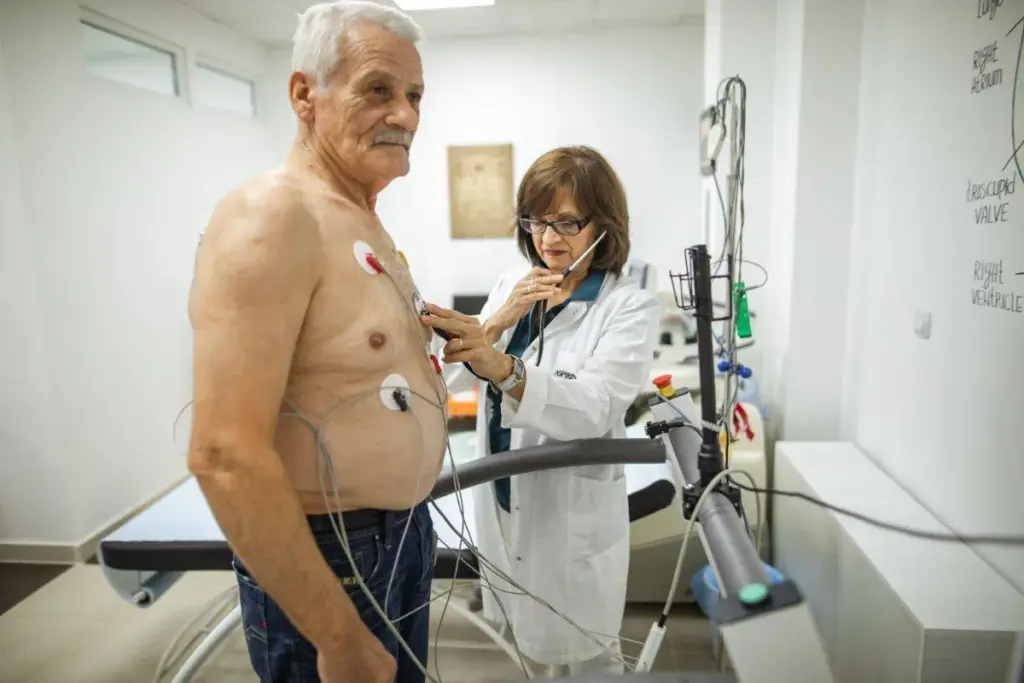
Many patients feel tired and exhausted after a cardiac ablation procedure. It’s normal to feel this way for a few days to two weeks after the treatment.
Cardiac ablation is a safe, minimally invasive treatment for irregular heartbeats. Even though it’s effective, the body’s recovery can make you feel fatigued. Knowing this is part of healing can ease your worries.fatigue after cardiac ablationLife Expectancy After Cardiac Ablation: What to Expect
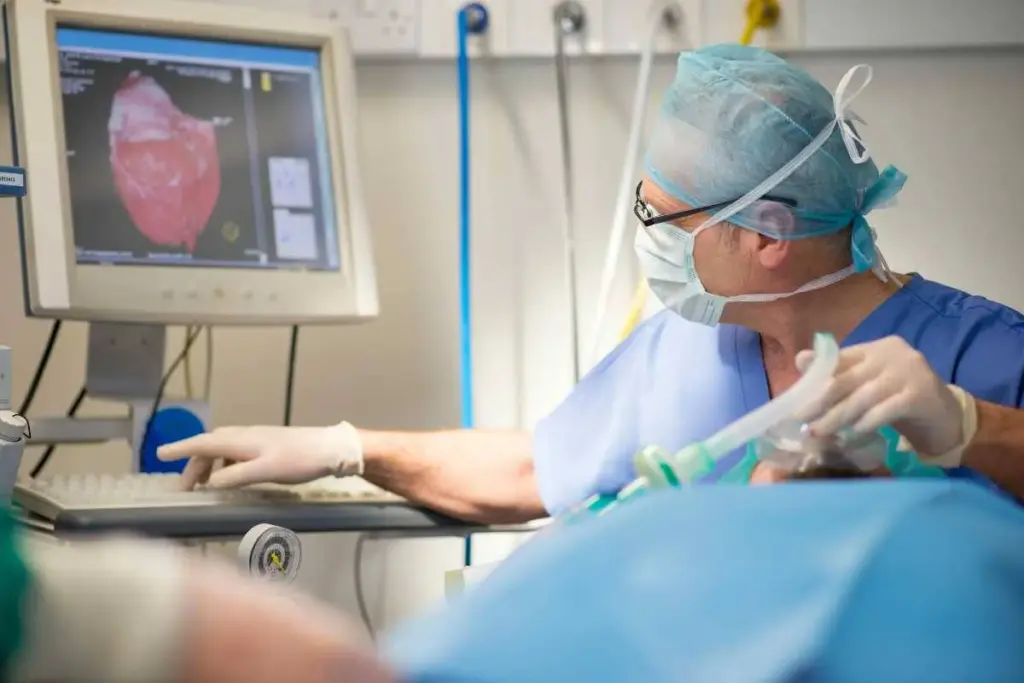
Cardiac ablation is a key treatment for arrhythmias, helping patients feel better.
This medical treatment aims to fix irregular heartbeats by destroying bad electrical paths in the heart.
Cardiac ablation is a minimally invasive procedure. It uses catheters to find and stop irregular heart rhythms.
The main aim is to get the heart to beat normally again. This improves the patient’s life quality.
It’s often used for atrial fibrillation, supraventricular tachycardia, and ventricular tachycardia.
There are different types, like radiofrequency, cryoablation, and laser ablation. Each has its own way of working.
The procedure makes lesions on heart tissue to stop bad signals. This prevents arrhythmias.
While safe, it’s important to know how it affects heart tissue and the recovery process.
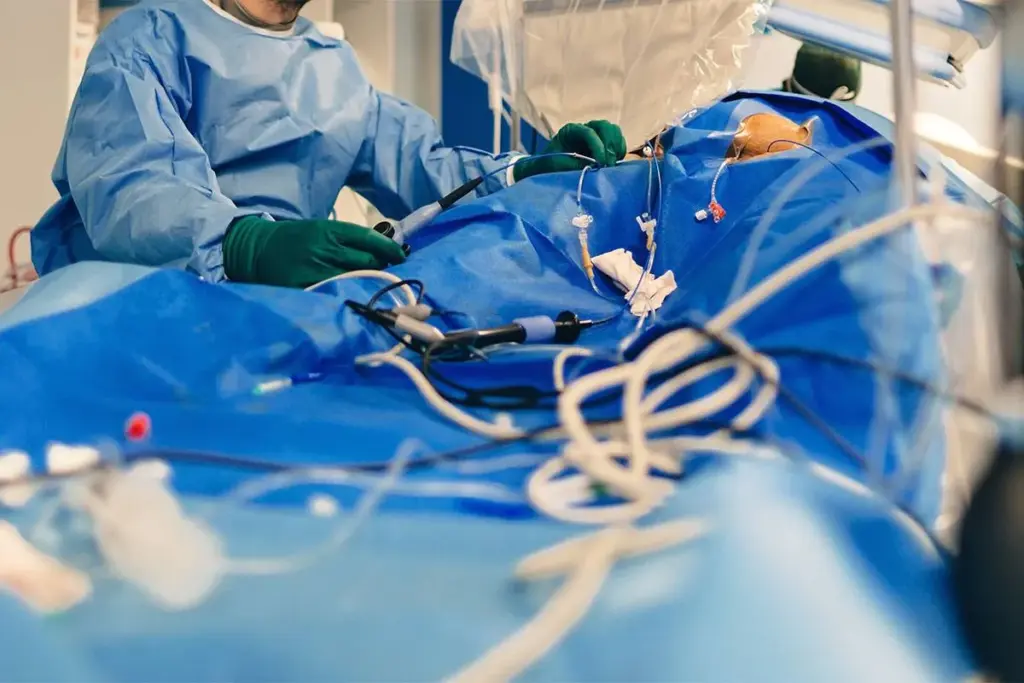
Recovering from cardiac ablation is usually quick. But, knowing what to expect is key. The procedure can hurt the heart, leading to a recovery time that varies.
Right after the procedure, you might feel very tired. This is normal. Resting is important during this time. You can start doing regular things in a day or two. But, avoid hard activities.
In the first week, your body starts to heal more. Feeling tired for two to three days is common. As you get better, you’ll have more energy and can do more things.
As your heart heals, you’ll see big improvements in one to three months. This time is key for getting back into physical activities and work.
Start slowly with physical activities. Here’s a possible plan:
|
Week |
Activity Level |
|---|---|
|
1-2 |
Light walking, stretching |
|
2-4 |
Moderate exercise, such as brisk walking |
|
4-12 |
More strenuous activities, including aerobics and strength training |
When you can go back to work depends on your job. Desk jobs might let you return in a few days. Jobs that need physical labor might take longer, up to a week or more.
“The key to a smooth recovery is listening to your body and not rushing back into strenuous activities too quickly.”
Cardiologist
Knowing these recovery steps helps manage your expectations. It makes getting back to normal life after cardiac ablation smoother.
Fatigue is common after cardiac ablation. Many wonder why they feel so tired. The procedure treats heart rhythm disorders but has side effects that cause exhaustion.
Cardiac ablation uses energy to destroy heart tissue causing rhythm disorders. This can be seen as a minor “injury” to the heart. The body uses energy to heal this area, leading to lower energy levels.
Anesthesia and sedation during the procedure also cause fatigue. These drugs can make patients feel drowsy or lethargic for hours or days after.
The body’s healing processes are key to post-ablation fatigue. These include cellular repair and immune system responses.
After the procedure, the body starts to heal the heart tissue. This involves activating cellular mechanisms to restore the damaged area. These processes need energy, making patients feel tired.
The immune system also reacts to the “injury” from cardiac ablation. It releases chemicals and activates immune cells to prevent infection and promote healing. Like cellular repair, this is energy-intensive and can make patients tired.
|
Factors Contributing to Fatigue |
Description |
Impact on Energy Levels |
|---|---|---|
|
Physical Trauma |
Minor injury to the heart muscle during ablation |
Temporary reduction in energy |
|
Anesthesia and Sedation |
Medications used during the procedure |
Drowsiness and lethargy |
|
Healing Processes |
Cellular repair and immune responses |
Energy-intensive, contributing to fatigue |
Understanding these factors helps patients cope with post-ablation fatigue. Recognizing that fatigue is part of recovery helps manage energy levels and support recovery.
After cardiac ablation, the body’s energy levels can drop. Knowing why this happens is key to feeling better.
Cardiac ablation destroys bad heart pathways. This can cause inflammation as the body heals. Feeling tired is a common side effect.
Fluid balance shifts can also make you feel tired. The procedure and meds can mess with how your body holds water. This can make you feel really tired.
Medicines after ablation can make you feel tired. Knowing how they work is important.
Medicines like anti-arrhythmics, anticoagulants, and pain meds are common. Each can make you tired in its own way.
To fight tiredness from meds, watch your doses and tell your doctor about side effects. They can often adjust your meds to help you feel better.
|
Medication Type |
Potential Side Effects |
Management Tips |
|---|---|---|
|
Anti-arrhythmics |
Fatigue, dizziness |
Monitor dosage, report side effects |
|
Anticoagulants |
Bleeding risks, fatigue |
Regular blood tests, adjust dosage as needed |
|
Pain management drugs |
Drowsiness, constipation |
Use as directed, consider alternative pain management |
Understanding why you feel tired after ablation helps in recovery. Working with your doctor is key to boosting your energy.
Cardiac ablation is a lifesaving procedure for many. But, it can also lead to emotional, psychological, and physical fatigue. The emotional impact of the procedure can affect patients’ energy and recovery.
Anxiety is a common feeling after cardiac ablation. Patients worry about the procedure’s success, possible complications, and how it will change their life. “The uncertainty surrounding the outcome can be as draining as the physical recovery process.” Counseling, support groups, or relaxation techniques can help manage anxiety and reduce fatigue.
Depression can also affect recovery and fatigue. Changes in lifestyle and the body’s response to the procedure can lead to sadness or hopelessness. It’s important to recognize depression signs and seek help when needed.
Sleep problems are common after cardiac ablation. They can make patients feel very tired. Discomfort, anxiety, or depression can disrupt sleep.
Improving sleep is key to managing fatigue. Here are some strategies:
“Better sleep hygiene can significantly enhance recovery and reduce tiredness.”
By tackling these emotional and psychological factors, patients can manage their fatigue better. This improves their overall recovery after cardiac ablation.
Cardiac ablation is effective but leaves patients wondering about recovery time, like fatigue. Fatigue time varies a lot, based on health, age, and existing conditions.
Most people feel tired for about a week after cardiac ablation. Young, active people might feel better in just a few days. A study found that most patients get back to normal in 3-7 days. But, everyone recovers at their own pace.
Several things can make fatigue last longer after cardiac ablation. These include:
People with heart or other health problems might take longer to recover. A cardiology expert said, “Underlying health conditions can significantly impact the body’s ability to recover from the procedure.”
Older or less active people might need more time to get over fatigue. Staying healthy before the procedure can help.
Most patients start feeling more energetic in one to three months. Eating well and slowly getting active can speed up energy recovery. A guideline suggests, “A gradual return to normal activities is recommended to avoid undue stress on the heart.”
It’s key for patients to listen to their doctor’s advice on recovery. Knowing what affects fatigue after cardiac ablation helps manage recovery better.
After cardiac ablation, managing your energy is key for a smooth recovery. The procedure treats heart rhythm disorders but can make you feel tired. It’s important to manage your energy well to heal properly and get back to normal activities quickly.
Creating a balanced rest schedule is vital. It means knowing your body’s needs and pacing your activities. This helps your body heal and recover faster.
Regular microbreaks are essential for energy conservation. Short breaks of 5-10 minutes every hour can greatly improve how you feel.
Napping is also a good way to recharge. Limit your naps to 20-30 minutes to avoid deep sleep, which can disrupt nighttime rest.
As you recover, start with light tasks and gradually increase the intensity and duration. This helps your energy levels improve.
Nutrition is vital for restoring energy. Eat nutrient-rich foods that support cardiac healing.
Eat foods high in omega-3 fatty acids, antioxidants, and fiber. Good examples include fatty fish, nuts, and various fruits and vegetables.
Drinking enough water is also important. Aim for at least 8-10 glasses of water daily, adjusting based on your activity level and climate.
|
Nutrient |
Food Sources |
Benefits |
|---|---|---|
|
Omega-3 Fatty Acids |
Salmon, Walnuts |
Reduces inflammation |
|
Antioxidants |
Berries, Leafy Greens |
Protects against cell damage |
|
Fiber |
Oats, Legumes |
Supports heart health |
Fatigue is a common side effect of cardiac ablation. But, there are warning signs that show when it’s not normal. Knowing these signs is key to a safe and effective recovery.
Abnormal fatigue after cardiac ablation can show in different ways. If you notice any of these, talk to your healthcare provider:
Some symptoms need immediate medical help. If you have any of these, get help right away:
“If the sheath insertion site starts to bleed or swell, or if you experience symptoms such as shortness of breath, dizziness, or light-headedness, you should seek immediate medical attention.”
Telling normal post-ablation fatigue from complications is important. Normal tiredness usually gets better with rest. But, complications may have more symptoms.
Infection is a possible complication after cardiac ablation. Look out for signs like:
|
Symptom |
Description |
|---|---|
|
Fever |
Elevated body temperature |
|
Redness or swelling |
Around the catheter insertion site |
|
Increased pain |
At the insertion site or elsewhere |
Arrhythmia recurrence is another concern. Watch for symptoms like:
Knowing these warning signs and symptoms helps you navigate your recovery. It also helps you seek medical help when needed.
To fight cardiac ablation tiredness, we need to change our diet, exercise gently, and sleep better. These changes can help lessen how tired we feel after the procedure.
Eating foods that help our heart heal is key. A good diet includes fruits, veggies, whole grains, and lean meats.
Light exercise boosts blood flow and fights tiredness. Here are some good activities:
Start with short walks and slowly increase the distance and speed.
These programs offer safe exercise and lessons on heart health.
|
Exercise Type |
Benefits |
Precautions |
|---|---|---|
|
Walking |
Improves circulation, boosts mood |
Avoid overexertion, stay hydrated |
|
Cardiac Rehabilitation |
Monitored exercise, educational support |
Follow program guidelines, report any symptoms |
Having a regular sleep schedule and a cozy sleep area can make sleep better.
Try meditation, deep breathing exercises, and yoga to handle stress and feel better overall.
Recovering from cardiac ablation takes time, patience, and rest. It’s important to understand why you might feel tired. This could be because of the procedure itself, the anesthesia, or your body’s healing.
To get better, plan your rest well. Start doing daily activities slowly. Also, eat right to help your body heal. If you feel very tired and it doesn’t get better, see a doctor.
Recovering well from cardiac ablation is possible. Focus on resting, eating well, and managing stress. This way, you can take care of yourself and get back to feeling good.
Cardiac ablation is a procedure that uses energy to destroy heart tissue causing irregular heartbeats. It uses catheters to send energy to the affected area. This helps restore a normal heart rhythm.
Feeling tired after cardiac ablation is common. It’s due to the heart muscle damage, anesthesia effects, and healing. Inflammation, fluid changes, and medication side effects also play a role.
Fatigue after cardiac ablation varies. Most people start feeling better in a few weeks. Age, health, and other conditions can affect how long it lasts.
To manage energy, rest well and gradually return to activities. Eating right and gentle exercise help. Stress management is also key.
Seek medical help if fatigue is severe, you have chest pain, or shortness of breath. It’s important to know when normal tiredness turns into a problem.
Yes, anxiety and depression can make you feel tired. Stress management, counseling, or support groups can help.
Improve sleep by sticking to a schedule and creating a calm sleep space. Avoid stimulating activities before bed. Stress management and avoiding heavy meals before bed also help.
Yes, eat a balanced diet with fruits, veggies, whole grains, and lean proteins. Drinking plenty of water is also important for recovery.
You can gradually return to activities as your doctor advises. Follow a rest schedule and avoid too much effort during recovery.
Seek help for severe chest pain, trouble breathing, extreme fatigue, or dizziness. Contact your doctor if you have any unusual symptoms.
National Center for Biotechnology Information. Evidence-Based Medical Insight. Retrieved from https://www.ncbi.nlm.nih.gov/pmc/articles/PMC3568460/
