Last Updated on November 26, 2025 by Bilal Hasdemir

A femoral hernia happens when tissue or intestine bulges through the femoral canal. This area is just below the inguinal ligament in the upper thigh and groin. It’s less common, making up about 5 percent of all abdominal wall hernias. Women are more likely to get it because their pelvis is wider.
Knowing about the anatomy and risks of femoral hernias is key for early detection and treatment. Liv Hospital’s team focuses on patients and uses proven methods for treating femoral hernias.
Key Takeaways
- Femoral hernias occur when tissue or intestine protrudes through the femoral canal.
- They are less common than inguinal hernias and more likely to occur in women.
- Understanding the anatomy and risk factors is critical for early diagnosis.
- Liv Hospital offers expert care with a patient-centered approach.
- Effective treatment depends on quick action and the best care.
What Is a Femoral Hernia?
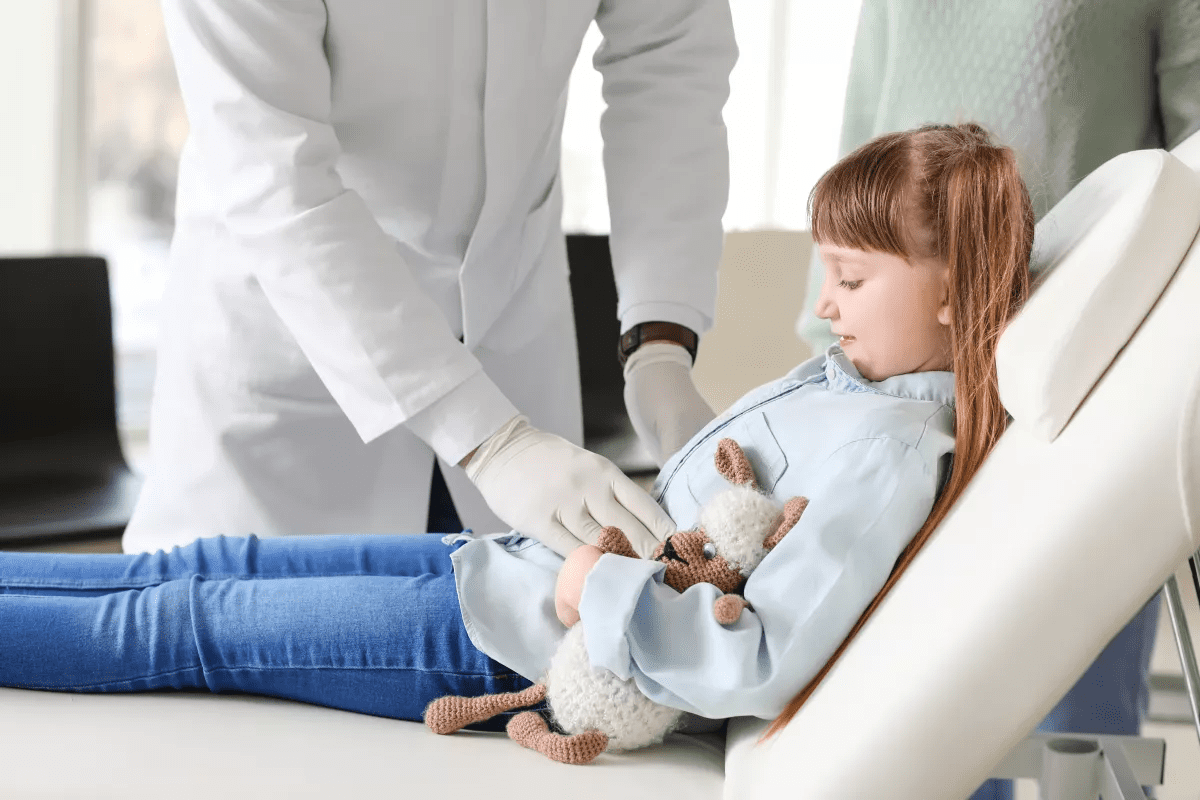
Femoral hernias happen when tissue, like part of the intestine, bulges through the femoral canal wall. They are less common than inguinal hernias but more common in women. This is because women’s pelvises are wider.
Definition and Distinctive Characteristics
A femoral hernia is when tissue bulges through the femoral ring into the femoral canal. The femoral canal is a weak spot in the abdominal wall. This makes it a common place for hernias to occur.
Femoral hernias are different from other hernias because they happen below the inguinal ligament. They are more common in women. They also have a higher risk of serious complications.
Femoral hernias have unique features that set them apart from other hernias:
- They occur below the inguinal ligament.
- They are more common in women.
- They have a higher risk of incarceration and strangulation.
Prevalence and Demographics
Femoral hernias are rare, making up about 3% of all groin hernias. They are more common in women, mainly those in their middle age or older. Women’s wider pelvises play a role in this.
Other factors that can affect the prevalence include age and previous hernia repairs.
Key demographic factors for femoral hernias include:
- Gender: More common in women.
- Age: More prevalent in middle-aged and older adults.
- Previous hernia repairs: May increase the risk.
Knowing these demographics and characteristics is key to diagnosing and treating femoral hernias well.
The Anatomy of Femoral Hernia

The femoral canal is a key area in the upper thigh, just below the groin. It houses small blood vessels, lymph vessels, and nerves. This area is important for understanding femoral hernias.
The Femoral Canal and Its Boundaries
The femoral canal is a weak spot in the abdominal wall. It’s where hernias can happen. Knowing its boundaries helps us understand how hernias form.
Femoral hernias have specific ligaments and the femoral vein as borders. Knowing these is key for diagnosis and treatment.
Anatomical Borders: Inguinal, Pectineal, and Lacunar Ligaments
The femoral canal is surrounded by important ligaments. The inguinal ligament is in front, the pectineal ligament is in back, and the lacunar ligament is on the side. The femoral vein is also a border. These boundaries define the space for a femoral hernia.
Relationship to the Femoral Vein
The femoral vein is closely related to the femoral canal. Hernias happen just next to the vein. This makes the vein a key landmark for diagnosing and fixing femoral hernias.
| Boundary | Anatomical Structure |
| Anterior | Inguinal Ligament |
| Posterior | Pectineal Ligament |
| Medial | Lacunar Ligament |
| Lateral | Femoral Vein |
Comparing Femoral Hernias to Other Hernia Types
Femoral hernias are less common than inguinal hernias but have unique challenges. Their location and possible complications make them different. Knowing these differences helps in diagnosing and treating them effectively.
Femoral vs. Inguinal Hernias
The main difference between femoral and inguinal hernias is where they occur. Femoral hernias happen below the inguinal ligament, near the femoral canal. On the other hand, inguinal hernias occur above the inguinal ligament. This location affects how they are treated and diagnosed.
Femoral hernias are often missed because they are rare and symptoms are subtle. Inguinal hernias, being more common, have clearer symptoms and are easier to spot.
Why Femoral Hernias Are More Dangerous
Femoral hernias are riskier than inguinal hernias because of their chance of serious problems. These include incarceration and strangulation. The narrow neck of the femoral hernia sac makes these risks higher.
The danger of strangulation is high because it can cause bowel ischemia and necrosis. Quick diagnosis and surgery are key to treating femoral hernias.
To sum up, while inguinal hernias are more common, femoral hernias are riskier. They can lead to serious complications. Healthcare providers need to understand these differences to provide the right care.
Etiology and Risk Factors of Femoral Hernia
Femoral hernias come from a mix of body structure, function, and age. Knowing these factors helps spot who’s at risk and how to prevent it.
Gender Differences: Higher Prevalence in Women
Women get femoral hernias more often than men. This is because women’s pelvises are wider. This makes it easier for a hernia to push through the femoral canal.
Women who have been pregnant are at even higher risk. This is because pregnancy increases belly pressure and relaxes ligaments.
Age-Related Factors
Getting older raises the chance of getting a femoral hernia. As we age, the tissues around the femoral canal get weaker. This makes it easier for a hernia to happen.
The risk goes up a lot after 40. Most femoral hernias happen in people over 60.
Pregnancy and Childbirth
Pregnancy and childbirth are big risks for women. The pressure in the belly during pregnancy, plus hormonal changes, can lead to femoral hernias. Having more than one pregnancy raises this risk even more.
Obesity and Increased Intra-abdominal Pressure
Being overweight is also a big risk. Extra weight puts more pressure on the belly. This can push against the femoral canal and cause a hernia. Staying at a healthy weight can lower this risk.
The main risks for femoral hernias are:
- Advanced age
- Female gender, with a history of pregnancy
- Obesity
- Increased intra-abdominal pressure
Knowing these risks helps catch and prevent femoral hernias early. Healthcare providers can give advice and watch over people at higher risk.
Clinical Presentation and Symptoms
Knowing the signs of femoral hernias is key for early treatment. These hernias show different symptoms in different people.
Common Signs and Symptoms
People with femoral hernias often have a painful lump in their groin. About one-third of them don’t show symptoms at first. So, regular doctor visits are important for catching it early.
The lump in the groin can hurt and feel like it’s pulling or burning. Spotting these signs early is critical for getting the right treatment.
Pain Patterns and Discomfort
The pain from femoral hernias can vary. Some people feel a dull ache or a burning feeling in their groin. The pain might be constant or only happen when they move or do certain things.
Discomfort can also come from the pressure of the hernia on nearby tissues. Sometimes, the pain can spread to the thigh or belly, making it harder to diagnose.
When to Seek Medical Attention
If you have severe pain, signs of complications, or if the hernia gets stuck or cut off, see a doctor right away. Quick action can prevent serious problems and improve your chances of recovery.
Watch out for signs that need urgent care, like intense stomach pain, vomiting, or fever. These could mean you need surgery fast.
Complications of Untreated Femoral Hernias
Ignoring femoral hernias can lead to serious health issues. If not treated, femoral hernias can cause severe conditions. These need immediate medical care.
Incarcerated Femoral Hernia: Mechanisms and Risks
An incarcerated femoral hernia happens when tissue gets trapped in the hernia sac. This can cause severe pain and serious health risks. The narrow neck of the femoral canal increases the risk of incarceration, making it a critical condition that needs quick medical check-up.
The trapping of the hernia sac can block blood flow to the trapped tissue. This can lead to tissue damage and gangrene if not treated quickly.
Strangulation: A Surgical Emergency
Strangulation is a serious issue with femoral hernias where blood flow to the herniated tissue is cut off. It’s a surgical emergency that needs immediate action to avoid tissue death and other severe problems.
Strangulation happens when the hernia sac’s constriction is so tight it blocks blood flow to the trapped tissue. Patients with strangulated femoral hernias often have severe abdominal pain, nausea, and vomiting. They need urgent surgery.
The table below shows the main differences between incarcerated and strangulated femoral hernias:
| Condition | Description | Symptoms | Treatment |
| Incarcerated Femoral Hernia | Tissue trapped in the hernia sac | Severe pain, abdominal tenderness | Surgical repair |
| Strangulated Femoral Hernia | Compromised blood supply to herniated tissue | Severe abdominal pain, nausea, vomiting | Emergency surgical repair |
It’s important for both patients and healthcare providers to know about the risks of untreated femoral hernias. Quick diagnosis and treatment can greatly improve outcomes and prevent serious problems.
Diagnostic Approaches for Femoral Hernia
Femoral hernia diagnosis starts with a detailed physical exam. Imaging studies are added when needed. This method is key to correctly identifying femoral hernias and differentiating them from other issues.
Physical Examination Techniques
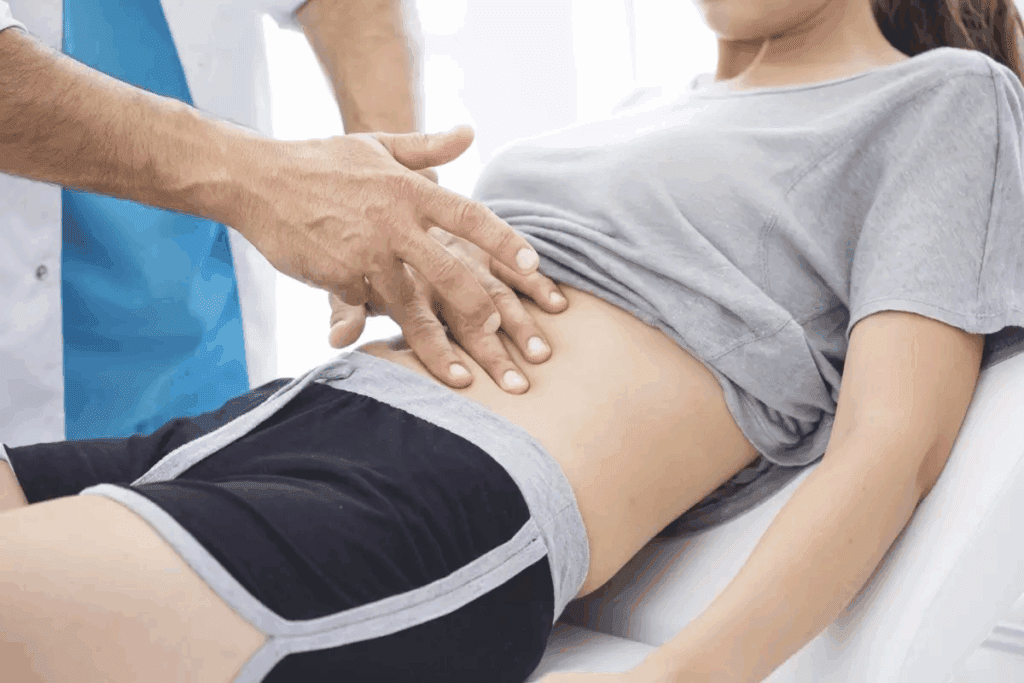
Diagnosing femoral hernias begins with a physical exam. Doctors use different methods to check the groin area. They might use coughing or straining to see if a hernia is present.
Key components of the physical examination include:
- Inspection of the groin area for visible bulges or swelling
- Palpation to detect tenderness or a palpable mass
- Assessment of the hernia’s reducibility and size
Imaging Studies: Ultrasound, CT, and MRI
Imaging studies are also vital in confirming the diagnosis. They help understand how complex the hernia is. Different imaging methods have their own benefits.
| Imaging Modality | Advantages | Clinical Use |
| Ultrasound | Non-invasive, quick, and cost-effective | Initial assessment, useful in slim patients |
| CT Scan | High sensitivity, detailed anatomy | Complex or unclear cases, assessing complications |
| MRI | Excellent soft tissue differentiation, no radiation | Complex cases, patients with CT contraindications |
A medical expert notes, “Imaging studies are essential for diagnosing femoral hernias. They’re vital when the diagnosis is unsure or when looking for complications.”
“The use of ultrasound, CT, and MRI can significantly enhance diagnostic accuracy and guide treatment decisions.”
The choice of imaging depends on the situation, patient factors, and what’s available. Combining physical exams with the right imaging ensures accurate diagnosis and effective treatment planning for femoral hernias.
Best Femoral Hernia Repair Techniques
Femoral hernia repair techniques are getting better, giving patients more options. The right surgery depends on the patient’s health, the hernia’s size and complexity, and the surgeon’s skills.
Open Surgical Approaches
Open surgery makes a cut in the groin to reach the hernia. This old-school method lets doctors see and fix the hernia directly. Open repair techniques are simple and work well, even for big or tricky hernias.
The Lotheissen repair is a common open method. It stitches the pectineal ligament to the inguinal ligament. This method is reliable for closing the femoral canal.
Laparoscopic Repair Methods
Laparoscopic repair uses small cuts for a laparoscope and tools. This minimally invasive approach means less pain and faster healing.
The Transabdominal Preperitoneal (TAPP) and Total Extraperitoneal (TEP) repairs are laparoscopic favorites. They use mesh to strengthen the weak area.
Mesh vs. Non-mesh Repairs
Mesh is now standard in hernia repair because it lowers recurrence rates. Mesh repairs can be open or laparoscopic. The mesh supports the weak area, helping it heal and reducing recurrence.
Non-mesh repairs use stitches to close the hernia. They work for some, but non-mesh repairs might have higher recurrence rates, mainly for big hernias.
Choosing the Right Surgical Approach
Choosing between open and laparoscopic, and mesh or non-mesh, depends on many factors. These include the patient’s age, health, and the hernia’s details.
Here’s a detailed look at the different surgical methods:
| Surgical Approach | Advantages | Disadvantages |
| Open Repair | Direct visualization, simplicity, effective for complex cases | Larger incision, potentially longer recovery |
| Laparoscopic Repair | Minimally invasive, less postoperative pain, quicker recovery | Requires specialized skills, possible complications |
| Mesh Repair | Low recurrence rates, promotes tissue ingrowth | Potential for mesh-related complications |
| Non-mesh Repair | Avoids mesh-related complications | Higher recurrence rates, mainly for large hernias |
Post-operative Care and Recurrence Prevention
Post-operative care is key to recovering well and avoiding hernia return. It’s important to manage this period well to avoid complications and get the best results.
Immediate Post-surgical Management
Right after surgery, it’s important to watch the patient closely. This includes checking pain, wound care, and any possible issues. Patients usually stay in the hospital for a short time to make sure they’re okay.
- Watching for signs of infection or bleeding
- Using medicine to manage pain
- Keeping the wound clean
Pain Management Strategies
Managing pain is a big part of post-operative care. Good pain management makes patients more comfortable and happy. Here are some ways to do it:
- Using pain medicines
- Applying cold packs to reduce swelling
- Resting and using relaxation techniques
Activity Restrictions and Return to Normal Function
Right after surgery, it’s important to avoid heavy work. Slowly getting back to normal activities is key to staying safe.
Preventing Recurrence: Long-term Strategies
To prevent hernias from coming back, making lifestyle changes is important. Staying at a healthy weight, not lifting too much, and managing coughing or straining are key. Regular check-ups with doctors help catch any problems early.
- Living a healthy lifestyle
- Avoiding activities that strain the belly
- Going to regular doctor visits
Conclusion
Knowing about femoral hernias is key to catching them early and treating them well. These hernias are not as common but need quick action to avoid serious problems.
Femoral hernias are a serious issue that needs a deep understanding. This includes knowing their anatomy, causes, symptoms, and how to treat them. This knowledge helps doctors give the best care, and patients get the best results.
This article’s end shows how important it is to be aware and act fast with femoral hernias. By understanding the condition well, people can get medical help quickly. This reduces the chance of serious issues and ensures the right treatment.
FAQ
What is a femoral hernia?
A femoral hernia happens when tissue or intestine bulges through the femoral canal. This is in the groin area.
What are the symptoms of a femoral hernia?
Symptoms include a lump in the groin, pain, and discomfort. Spotting these signs early is key for treatment.
What are the risk factors for developing a femoral hernia?
Being female, older, pregnant, or obese increases the risk. Knowing these factors helps in prevention and early detection.
How is a femoral hernia diagnosed?
Diagnosis uses physical exams and imaging like ultrasound and CT scans. These help confirm the diagnosis and plan treatment.
What are the complications of untreated femoral hernias?
Untreated hernias can cause serious issues like incarceration and strangulation. Strangulation is a medical emergency that needs quick action.
What are the best repair techniques for femoral hernias?
Repair methods have improved, with open and laparoscopic options. The best method depends on the hernia’s size and location.
What is the difference between a femoral hernia and an inguinal hernia?
Femoral hernias are different from inguinal hernias in location and risk. Femoral hernias are more dangerous due to higher risks of complications.
How can recurrence be prevented after femoral hernia repair?
Good post-operative care is key to preventing recurrence. This includes immediate care, pain management, and activity restrictions for a smooth recovery.
What is the role of mesh in femoral hernia repair?
Mesh vs. non-mesh repairs are options. The choice depends on the hernia’s size, location, and the patient’s health.
References
Muleta, J., et al. (2024). A rare case of bile leak due to type 2 duct of Luschka injury: Diagnosis and intervention. Journal of Surgical Case Reports. Retrieved from https://academic.oup.com/jscr/article/2024/3/rjae179/7632948