Last Updated on November 26, 2025 by Bilal Hasdemir
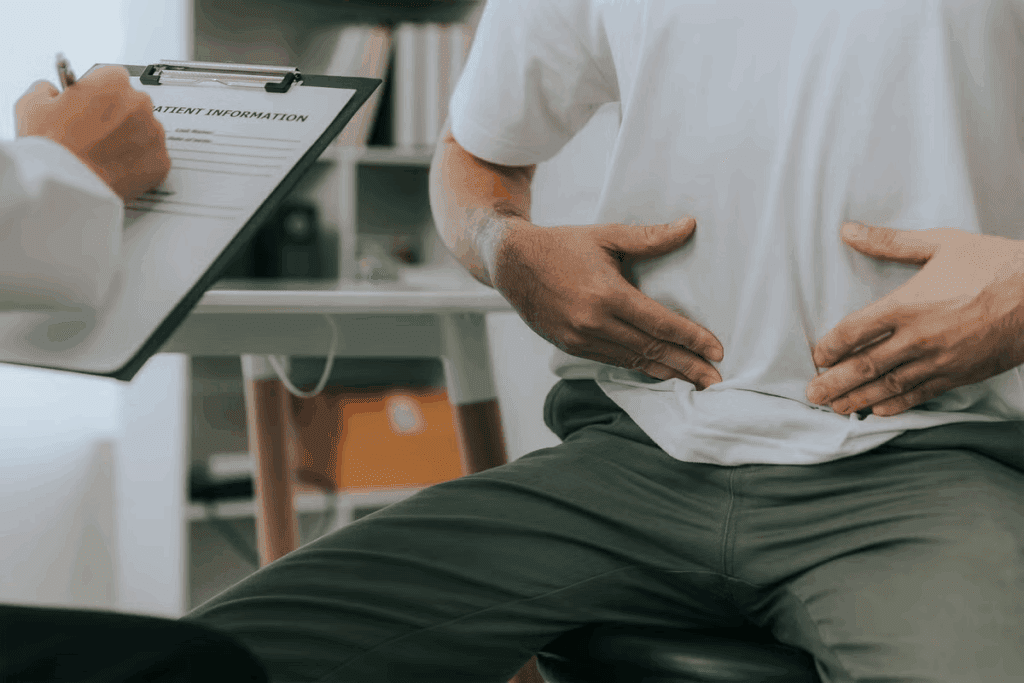
A femoral hernia happens when tissue from the belly pushes through a weak spot in the thigh or groin. This is more common in women but is a big risk for men if not treated fast.
Liv Hospital focuses on the patient and follows global standards. They quickly diagnose and offer advanced treatment options for this often-missed condition. It’s important for men to know about the causes, symptoms, and treatments to get help fast.
This article will cover the main points about femoral hernia. We’ll look at its causes, symptoms, and treatment choices. This way, men can understand the seriousness of this condition and get the help they need.
Key Takeaways
- Femoral hernia occurs when abdominal tissue protrudes through a weak spot in the thigh or groin muscles.
- Men are at risk, though it’s more common in women.
- Quick treatment is key to avoid serious problems.
- Liv Hospital offers patient-focused care and cutting-edge treatments.
- Knowing the causes, symptoms, and treatments is essential for getting medical help quickly.
What Sets Femoral Hernia in Men Apart
Femoral hernias in men are unique. They happen just below the inguinal ligament, where the femoral artery and vein are. This type of hernia is more common in women. But in men, it brings its own set of challenges.
Definition and Basic Characteristics
A femoral hernia happens when tissue bulges through the femoral canal wall. It shows up as a bulge in the upper thigh, just below the groin. Femoral hernias are less common than inguinal hernias and make up about 3-6 percent of groin hernias. This condition can be tricky because of its location and the risks it carries.
“Femoral hernias are known for their high risk of getting stuck or cut off,” says experts. This makes it very important to see a doctor right away if you think you have one.
Prevalence Compared to Other Hernia Types
Femoral hernias are much rarer than inguinal hernias. They are more common in women because of their wider pelvis and larger femoral canal. In men, they are rare but can be risky because they are often not caught early.
- Femoral hernias make up 3-6% of all groin hernias.
- They are more common in women than in men.
- The risk of complications is higher with femoral hernias compared to other types.
Why Men Are Less Commonly Affected
The anatomy of the femoral canal in men usually makes hernias less likely. But, certain factors like chronic coughing, heavy lifting, or obesity can increase the risk. These activities or conditions put more pressure on the abdominal cavity.
Increased intra-abdominal pressure is a big risk factor for femoral hernias. Anything that strains the abdominal area can make you more likely to get this condition.
Anatomy of the Femoral Region and Hernia Formation

Knowing the anatomy of the femoral region is key to understanding femoral hernias. This area is in the upper thigh, just below the inguinal ligament. It has blood vessels, nerves, and lymphatic vessels that pass through the femoral canal.
The Femoral Canal Structure
The femoral canal is a small, cone-shaped passageway in the anterior thigh. It is about 1.5 to 2 cm long and is next to the femoral vein. Inside, you’ll find lymphatic vessels, lymph nodes, and some fat. Its shape makes it a weak spot in the abdominal wall, leading to hernias.
How Hernias Develop in the Thigh Area
Femoral hernias happen when tissue, like part of the intestine, bulges through the femoral canal wall. This is due to high pressure in the abdominal cavity and weakness in the femoral canal wall. It can cause pain and serious problems if not treated quickly.
| Factors Contributing to Femoral Hernia Development | Description |
| Increased Abdominal Pressure | Caused by heavy lifting, chronic coughing, or straining during bowel movements |
| Weakness in the Femoral Canal Wall | Can be congenital or acquired due to aging or other factors |
Anatomical Differences Between Men and Women
Men and women have different body structures that affect hernia risk. Women have a wider pelvis and a larger femoral ring, making them more likely to get femoral hernias. But, femoral hernias are less common in women than inguinal hernias. In men, the femoral canal is narrower, but other factors like high intra-abdominal pressure can cause hernias too.
Understanding these differences is vital for diagnosing and treating femoral hernias. Doctors must consider these factors when they suspect a hernia.
7 Key Causes of Femoral Hernia in Men
Knowing why femoral hernias happen is key to preventing and treating them in men. A femoral hernia occurs when tissue bulges through the femoral canal’s wall. Several factors can make this more likely.
Chronic Coughing and Respiratory Conditions
Chronic coughing, linked to diseases like COPD or bronchitis, can raise abdominal pressure. This increases the risk of a femoral hernia. Persistent coughing puts strain on the abdominal muscles. This makes it easier for intestines to bulge through the femoral canal.
Straining During Bowel Movements
Straining during bowel movements is another common cause of femoral hernias in men. Constipation or hard bowel movements can increase pressure inside the abdomen. This pressure can push against the femoral canal and cause a hernia.
Obesity and Weight-Related Pressure
Obesity is a big risk factor for femoral hernias. Extra weight puts more pressure on the abdominal wall, including the femoral canal. This increased pressure can cause a hernia over time.
Heavy Lifting and Physical Exertion
Doing heavy lifting or strenuous activities can also lead to femoral hernias. Heavy lifting raises abdominal pressure. This can push intestines or other tissues through the femoral canal, causing a hernia.
Other factors like age, family history, and past surgeries also play a role in femoral hernias in men. It’s important to know these risks to prevent them.
By understanding these causes, men can lower their risk of femoral hernias. They can do this by keeping a healthy weight, avoiding heavy lifting, and managing chronic coughing or constipation.
Identifying Hernia in Upper Thigh: Key Symptoms
Knowing the signs of a hernia in the upper thigh is key for men to get the right care. Femoral hernias show specific signs that can be noticed with awareness.
Early Warning Signs and Subtle Symptoms
Femoral hernia’s early stages might not show symptoms right away. But, there are subtle signs to look out for. These include feeling heavy or uncomfortable in the groin, which gets worse with activity.
Some men might feel mild pain or tenderness in the upper thigh, thinking it’s just muscle strain. It’s important to notice these signs early to get medical help if they don’t go away or get worse.
Visual Identification of Hernia Inside Thigh
A femoral hernia shows as a bulge or lump in the upper thigh, just below the groin. This bulge is more noticeable when standing, coughing, or straining.
It’s vital to check for any new or changing lumps in the groin or thigh. Being aware of body changes helps in catching hernias early.
Pain Patterns and Discomfort Levels
Pain from femoral hernia can differ a lot from person to person. Some feel sharp, stabbing pain, while others have a dull ache. The pain might be constant or come and go, getting worse with activities that put pressure on the abdomen, like lifting or straining during bowel movements.
| Pain Characteristic | Description |
| Sharp Pain | Often occurs during physical exertion or straining |
| Dull Ache | May be constant or intermittent, worsening throughout the day |
| Radiating Pain | Can extend from the groin down to the thigh or knee |
When Symptoms Indicate an Emergency
In some cases, hernia symptoms can be a medical emergency. Severe pain, nausea, vomiting, or a tender, red lump in the groin need immediate medical help.
If you see these severe symptoms, get emergency care right away. Quick action can prevent serious problems and improve health outcomes.
Diagnosing Hernia in Leg and Groin Areas
To diagnose a femoral hernia, doctors use both physical checks and advanced imaging. Getting the diagnosis right is key to choosing the right treatment and avoiding serious problems.
Physical Examination Techniques
First, doctors do a detailed check of the groin area. They look and feel for any signs of trouble. They might ask you to cough or strain to see the hernia better.
They look for a bulge in the upper thigh, near the inguinal ligament. The size, tenderness, and presence of this bulge tell a lot about the hernia.
Imaging Studies: Ultrasound, CT, and MRI
Imaging tests are often needed to confirm a femoral hernia diagnosis. Ultrasound is a go-to because it’s safe and shows soft tissues well. Computed Tomography (CT) scans give detailed views and are good for tricky cases. Magnetic Resonance Imaging (MRI) is used for more detailed soft tissue checks.
Differential Diagnosis: Femoral vs. Inguinal Hernia
It can be hard to tell a femoral hernia from an inguinal hernia because they both are in the groin. But, femoral hernias are below the inguinal ligament, and inguinal ones are above. Imaging helps figure out where and what kind of hernia it is.
Knowing the difference is important for choosing the right treatment. The surgery for femoral and inguinal hernias is different.
When to Seek Medical Attention
If you think you have a femoral hernia, see a doctor right away. Look out for severe pain, vomiting, or signs of bowel blockage. Quick action can stop serious problems like hernia strangulation.
If you think you have a femoral hernia, seeing a doctor is the first step. They can help you get the right care and avoid serious issues.
Potential Complications of Untreated Femoral Hernias
Untreated femoral hernias can be very dangerous. They are not as common as other hernias but can cause serious problems. These issues need quick medical help.
Incarceration: When Tissue Becomes Trapped
Incarceration happens when tissue gets stuck and can’t go back inside. It causes a lot of pain. If it stays trapped, it can lead to strangulation, where blood can’t reach the tissue.
It’s key to watch femoral hernias closely. If you have symptoms of incarceration, get medical help fast. This can stop things from getting worse.
Strangulation: A Serious Medical Emergency
Strangulation is a big emergency. It happens when blood can’t get to the herniated tissue. This can cause tissue death and gangrene if not treated right away. Signs include a lot of pain, nausea, vomiting, and fever.
Strangulated hernias need emergency surgery to fix the blood flow. Waiting too long can lead to serious problems. This might mean more surgery and could be life-threatening.
Impact on Femoral Artery and Surrounding Structures
Femoral hernias can harm the femoral artery and nearby areas. This is because they are close to important structures in the groin. Any problem can be serious.
The pressure from the hernia or surgery can hurt the femoral artery. This can cause vascular problems. Knowing these risks helps manage femoral hernias better.
Long-term Health Implications
Untreated femoral hernias can have lasting health effects. They can cause chronic pain, discomfort, and risks like incarceration and strangulation. These can lower your quality of life.
Also, having a femoral hernia can make you anxious and stressed. Not knowing what will happen can be scary. Getting medical help for femoral hernias can reduce these risks and improve your health.
Conservative Management of Hernia Inner Thigh
For some, managing femoral hernia symptoms without surgery is possible. This method aims to ease discomfort and prevent complications without surgery.
When Watchful Waiting Is Appropriate
Watchful waiting is good for small, symptom-free femoral hernias. It means a doctor will keep an eye on the hernia for any changes.
A study in the Journal of the American College of Surgeons found watchful waiting works for some inguinal hernias. This idea can also apply to femoral hernias in some cases.
Activity Modifications and Restrictions
Changing your lifestyle can help with femoral hernia symptoms. Avoiding heavy lifting, bending, or straining is key to not making it worse.
- Avoid heavy lifting or bending
- Maintain a healthy weight to reduce pressure on the hernia
- Modify exercise routines to avoid straining
Pain Management Strategies
Managing pain is important when not having surgery. Over-the-counter pain meds like acetaminophen or ibuprofen can help with pain.
| Pain Management Option | Description |
| Over-the-counter pain relievers | Acetaminophen or ibuprofen for mild to moderate pain |
| Lifestyle adjustments | Avoiding activities that exacerbate pain |
Limitations of Non-Surgical Approaches
While non-surgical methods can help, they have limits. They don’t fix the hernia; they just manage symptoms.
“Surgical repair remains the definitive treatment for femoral hernias, even for those with significant symptoms or complications.”
Conservative management needs regular check-ups with a doctor. This way, the treatment plan can be adjusted as needed.
Femoral Hernia Operation: Surgical Treatment Options
The main treatment for femoral hernias is surgical repair. There are different ways to do this. Surgery is needed to fix the hernia, prevent problems, and ease symptoms.
Indications for Surgical Intervention
Surgery is often needed for femoral hernias because of the risk of serious problems. Prompt surgical intervention is key for those with severe pain, nausea, or vomiting.
- Presence of a femoral hernia with symptoms
- Risk of incarceration or strangulation
- Failure of conservative management
Open Surgical Repair Techniques
Open surgical repair means making a cut in the groin to fix the hernia. This method lets surgeons see the hernia and the area around it.
“Open repair is a well-established technique with a high success rate for femoral hernia treatment.” –
A leading surgical journal
Laparoscopic and Minimally Invasive Approaches
Laparoscopic surgery is a less invasive option. It uses small cuts and a laparoscope to see the hernia. This can lead to less pain and faster healing.
- Laparoscopic transabdominal preperitoneal (TAPP) repair
- Laparoscopic totally extraperitoneal (TEP) repair
Mesh vs. Non-Mesh Repair Methods
Using mesh in hernia repair is common. It helps strengthen the area and lowers the chance of the hernia coming back. Non-mesh methods use stitches to close the defect.
Both methods have their benefits and drawbacks. The choice depends on the patient’s health and the surgeon’s opinion.
Recovery After Groin Hernia Femoral Repair
Recovering from femoral hernia surgery is a journey. It includes care right after surgery, managing pain, and physical therapy. Knowing what to expect helps patients get back to normal faster.
Immediate Post-Operative Care
Right after surgery, patients stay in a recovery area for a few hours. Medical staff watch for any problems and help with pain. Managing pain well is very important in the early days.
“The first 24 to 48 hours are key,” says a top surgeon. “It’s good to have someone to help with basic needs and watch for any unusual symptoms.”
Managing Pain and Discomfort
Managing pain is a big part of getting better. Doctors give pain medicine to help. It’s important to take the medicine as directed and talk to doctors if the pain is too much. Slowly stopping the medicine as you heal is common.
Timeline for Returning to Normal Activities
How long it takes to get back to normal varies. It depends on your health, the surgery, and the repair type. Usually, people can start with light activities in a few weeks. Slowly getting back to harder activities is advised, over 4 to 6 weeks.
- Start with light walking and basic self-care in the first week.
- Slowly increase what you do over the next 2 to 3 weeks.
- Avoid heavy lifting and hard activities for at least 4 to 6 weeks.
Physical Therapy and Rehabilitation
Physical therapy might be needed to get strength and flexibility back. A physical therapist will give you exercises that fit your needs. Following a rehab plan can help a lot and lower the chance of problems.
Dr. John Smith, a hernia repair expert, says, “Rehab is not just about getting over surgery. It’s about getting strong again and avoiding future problems.”
Preventing Hernia on Thigh and Leg Areas
To lower the risk of femoral hernias, it’s important to take preventive steps. Understanding the causes and how to avoid them can help. This way, you can reduce your chance of getting a femoral hernia.
Lifestyle Modifications to Reduce Risk
Changing your lifestyle can help prevent femoral hernias. Here are some key changes:
- Keep a healthy weight to ease pressure on your femoral area
- Avoid heavy lifting and bending
- Manage chronic coughing and respiratory issues
- Eat a balanced diet to prevent constipation and straining
Core-Strengthening Exercises
Doing exercises that strengthen your core can help prevent hernias. These exercises target the abdominal and femoral areas. Some good ones are:
- Planks to strengthen core muscles
- Bridges to improve pelvic stability
- Pelvic tilts to enhance flexibility and strength
Regular exercise not only strengthens muscles but also boosts overall health.
Proper Lifting Techniques
It’s vital to lift correctly to avoid straining your femoral area. Here are some tips:
- Bend at the knees instead of the waist
- Lift with your legs, not your back
- Avoid twisting when lifting heavy objects
Proper lifting techniques can greatly lower hernia risk.
Managing Chronic Conditions
Managing chronic conditions like respiratory diseases and constipation is key. This involves:
- Following treatment plans for chronic conditions
- Attending regular check-ups with healthcare providers
- Making necessary lifestyle adjustments to manage symptoms
Managing these conditions can help prevent complications, including femoral hernias.
Conclusion: Managing Long-Term Femoral Hernia Risk
It’s important for men who have had a femoral hernia to manage their long-term risk. Knowing the causes, symptoms, and treatments helps prevent it from happening again. This way, they can avoid serious complications.
To prevent a femoral hernia, staying at a healthy weight is key. Avoiding heavy lifting and managing conditions like coughing and straining also helps. These steps can greatly lower the risk.
Regular medical check-ups are also vital. They help catch any issues early. By combining prevention with medical care, men can keep their risk low and stay healthy.
By taking these steps, men can lower their risk of femoral hernia. This leads to a better life. Keeping an eye on things and getting medical help when needed is essential.
FAQ
What is a femoral hernia?
A femoral hernia happens when tissue, like part of the intestine, pushes through the femoral canal wall. This is in the groin area.
What causes a femoral hernia in men?
Femoral hernias in men can come from many things. These include chronic coughing, straining during bowel movements, obesity, heavy lifting, and weak spots in the body.
What are the symptoms of a femoral hernia?
Symptoms of a femoral hernia include a bulge or lump in the upper thigh. You might also feel pain or discomfort in the groin or thigh. There’s a feeling of heaviness or pressure in the groin area too.
How is a femoral hernia diagnosed?
To diagnose a femoral hernia, a doctor will do a physical exam. They might also use ultrasound or CT scans. They’ll also look at your medical history.
What is the difference between a femoral hernia and an inguinal hernia?
A femoral hernia happens below the inguinal ligament. An inguinal hernia is above it. Femoral hernias are more likely to get stuck or cut off blood supply.
Can a femoral hernia be treated without surgery?
In some cases, a femoral hernia can be managed without surgery. This might include watching it closely, changing how you move, and managing pain. But often, surgery is needed to avoid serious problems.
What are the surgical treatment options for femoral hernia?
Surgical options for femoral hernia include open repair, laparoscopic repair, and minimally invasive methods. These can be done with or without mesh.
How can I prevent a femoral hernia?
To prevent a femoral hernia, keep a healthy weight, avoid heavy lifting, manage chronic conditions, and do exercises that strengthen your core.
What are the possible complications of an untreated femoral hernia?
Untreated femoral hernias can lead to serious problems. These include getting stuck, cut off blood supply, and bowel obstruction. These can be life-threatening if not treated quickly.
What is the recovery process like after femoral hernia surgery?
After femoral hernia surgery, you’ll need to rest and manage pain. You’ll slowly get back to normal activities. Some people might need physical therapy or rehabilitation.
Can I get a femoral hernia in my leg?
While femoral hernias are in the groin, they can cause a bulge in the upper thigh. This might look like a leg hernia.
What are the risk factors for developing a femoral hernia?
Risk factors for femoral hernia include being overweight or obese, having a family history of hernias, and chronic coughing or straining during bowel movements.
References
Pietrangelo, A. (2024). Managing weight loss after gallbladder removal. Medical News Today. Retrieved from